Why Do People Tint Their Car Lights? Reasons Explained
Tinting car lights is done for several reasons, primarily for aesthetic appeal and personalization. Some drivers also tint lights to achieve a sleeker, more aggressive look for their vehicle, or to match other custom modifications. However, it’s important to understand the potential impact on light output and legal restrictions.
What Is Car Light Tinting?
Car light tinting is a process where a film or a spray coating is applied to the exterior lenses of a vehicle’s lights. This changes the color or darkness of the light that shines through. Most commonly, people tint headlights, taillights, and sometimes fog lights or turn signals.
The goal is usually to alter the appearance of the lights.
The tint can range from a light smoke that slightly darkens the lens to a very dark or colored tint. It can give a car a custom look. Many people find the darkened lights to be more stylish.
They can make a car look more modern or aggressive. It’s a way for car owners to make their vehicle stand out from others on the road.
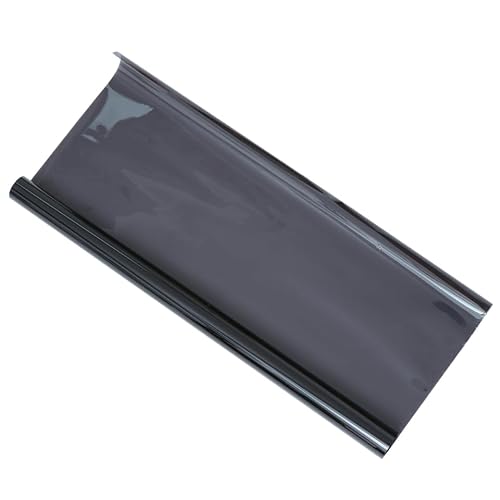
The materials used are often vinyl films. These are sticky and can be applied directly to the lens. They are somewhat flexible.
Spray-on tints are also available. These are less permanent. They can be washed off if needed.
The application process requires care. It ensures a smooth finish without bubbles or wrinkles.
Why Do People Tint Their Car Lights?
The main driver behind tinting car lights is almost always appearance. People want their cars to look a certain way. They want to express their personal style.
It’s a form of customization. It helps a car feel unique.
Think about it like wearing different clothes. You choose outfits that reflect your mood or personality. Car customization is similar.
Tinting lights adds a subtle or dramatic change. It can make a car look more sophisticated. It can also make it look sportier or tougher.
This trend is popular across many types of vehicles. It’s seen on everyday sedans, powerful sports cars, and rugged trucks. The specific look someone is going for will dictate the type and darkness of the tint.
Some prefer a very light smoke. Others go for a deep black or even a subtle color, like red or blue.
It’s important to note that functionality is often secondary to form. While the primary intent is visual, the impact on light output is a significant factor. We will discuss this more.
But for many enthusiasts, the aesthetic gain is worth the potential trade-offs.
Personal Experience: The “Sleek” Sedan Dilemma
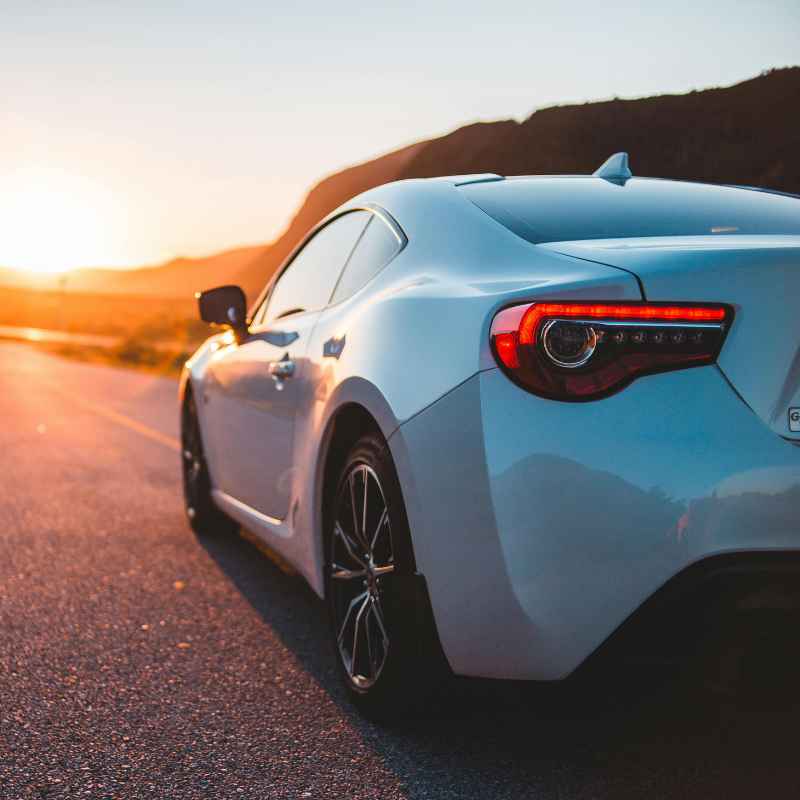
I remember when my friend, Mark, first bought his dark grey sedan. He loved it, but he felt it was missing something. He wanted it to look more “grown-up” and a bit more serious.
He spent weeks looking at car forums and social media. He saw cars with darkened taillights. He thought it looked really sharp.
He decided to go for it. He bought a roll of light smoke tint film online. The instructions said it was easy.
He laid the film over his taillights. He tried to smooth out the bubbles. It was harder than it looked.
He ended up with a few wrinkles and a couple of trapped air pockets. Still, from a distance, it looked pretty good.
The next day, he proudly showed me his car. “See? Doesn’t it look so much cooler?” he asked.
And honestly, it did. The dark tint blended well with the grey paint. It made the car look more cohesive.
It had a more premium feel. He was thrilled with the change. He felt his car finally reflected his taste.
However, a few months later, we were driving at night. It was raining. I noticed his taillights seemed quite dim.
I could barely see the brake lights when he slowed down. I mentioned it to him. He shrugged.
“Yeah, I guess it’s a bit dimmer. But it looks so good during the day.” That was the trade-off he accepted. It was a clear example of style over pure function.
Popular Aesthetic Goals
Sleek & Modern: Many owners aim for a clean, updated look. Tinting can remove chrome accents and give lights a uniform, dark appearance.
Aggressive & Sporty: Darkened lights can enhance a car’s performance image. They often complement lowered suspensions and spoilers.
Uniqueness: Custom tints help a vehicle stand out from mass-produced models. It’s a way to personalize a ride.
Matching Other Mods: Tinting can tie together other modifications like tinted windows or blacked-out grilles.
Types of Tints and Materials
When people talk about tinting car lights, they often mean one of two main methods: vinyl film or spray-on tint. Each has its own pros and cons.
Vinyl Film Tint: This is probably the most common method. It involves applying a special adhesive vinyl wrap to the light lens. These films come in various shades and colors.
Light smoke, dark smoke, black, red, and even blue are common choices. The film is cut to fit the shape of the light. Then, it’s applied carefully.
Heat is often used to make the film flexible enough to contour around curves. This method is relatively durable. It also offers some protection to the original lens.
If done well, it can look very professional.
Spray-On Tint: This option involves using a specially formulated spray paint that adheres to plastic and glass. It’s applied in multiple light coats. It dries to a translucent finish.
Spray tints can offer a more custom look. You can control the darkness by the number of coats applied. Some sprays are designed to be permanent.
Others are “peelable” or removable. Removable sprays are good for those who want to try the look without a long-term commitment. However, achieving a smooth, even finish with spray tint can be tricky.
It requires good technique and a clean environment.
Beyond these two, there are also pre-formed acrylic covers. These are less common for everyday tinting. They are often thicker and might look less integrated.
They snap or adhere onto the existing light housing.
The material choice often depends on budget, desired permanence, and DIY skill level. Vinyl films are generally considered more durable and easier to achieve a clean look with for beginners.
The Impact on Light Output
This is a critical point. Tinting car lights, especially darker shades, inherently reduces the amount of light that can pass through the lens. This has direct safety implications.
Headlights: Darkened headlights mean less light is projected onto the road. This can make it harder for the driver to see. It also makes the car less visible to oncoming traffic, pedestrians, and cyclists, especially in poor lighting conditions or at night.
The beam pattern can also be affected, creating uneven light distribution.
Taillights: Dimmer taillights mean that the brake lights are less visible to drivers behind. This increases the stopping distance needed for the following vehicle. In bad weather like fog, rain, or snow, this reduced visibility becomes even more dangerous.
The red color of taillights is meant to be highly visible. Tinting can mute this effect.
Turn Signals: While often amber, tinting turn signals can make them harder to see. This can confuse other drivers about your intentions to turn or change lanes.
Quick Scan: Light Output Reduction
- Light Tint (Smoke): Minor reduction, may be acceptable.
- Medium Tint: Noticeable reduction, potential safety issue.
- Dark Tint/Blackout: Significant reduction, major safety hazard.
Key takeaway: Any tint reduces light. Darker is worse.
The effectiveness of a light is measured by lumens. Any material placed in front of the bulb or LED will block some of these lumens. The darker the tint, the more lumens are blocked.
This isn’t just about aesthetics; it’s about fundamental visibility.
Some people try to compensate by using brighter bulbs or LEDs. However, this doesn’t always fix the problem. Brighter lights can create glare.
They can also exceed the designed beam pattern of the headlight housing. This can blind other drivers.
Legality and Regulations
This is where tinting car lights often runs into trouble. Laws about vehicle lighting are in place for safety. Modifying them can easily cross a legal line.
In the United States, there isn’t one single federal law that dictates car light tinting for every state. Instead, each state has its own vehicle codes. These codes often specify the color and brightness of lights.
They also often prohibit any modification that obscures the light’s intended function.
General Rules of Thumb (Vary by State):
- Headlights: Must emit white or yellow light. They cannot be tinted.
- Taillights: Must emit red light. While some states allow a very light tint on the red portion, many prohibit any tinting that significantly reduces brightness. Some states have specific laws about the maximum percentage of light that must pass through.
- Brake Lights: Must be red and clearly visible. Tinting these is almost always illegal.
- Turn Signals: Front signals are typically white or amber. Rear signals are typically amber or red. Tinting them can be illegal if it obscures the color or brightness.
- Fog Lights: Often white or yellow. Laws vary.
Penalties: If you are caught with illegally tinted lights, you can face a few consequences. The most common is a ticket or citation. This can come with a fine.
In some cases, an officer might issue a fix-it ticket. This requires you to remove the tint and show proof to the police or court. In more severe or repeated offenses, it could affect your ability to pass an inspection or even lead to your vehicle being impounded.
The biggest issue is enforcement. While some officers might not notice a very light tint, darker tints are usually obvious. Police officers often use them as a reason to pull vehicles over.
This can lead to further inspection for other potential violations.
Contrast Matrix: Tinting Myths vs. Reality
Myth
Tinting looks cool and nobody will care.
My brighter bulbs make up for the tint.
It’s just a little bit of tint, it’s fine.
Reality
Many states have laws against it. You can get fined or ticketed.
Brighter lights can cause glare and are not always a legal fix.
Even “little” tint reduces light. This can be dangerous at night or in bad weather.
It’s crucial to check your local and state laws before applying any tint to your car lights. Websites for your state’s Department of Motor Vehicles (DMV) or Department of Transportation (DOT) are good places to start. Safety should always come first.
What About Tinted Window Laws?
Car light tinting is different from window tinting, though both are popular modifications. Window tint laws also vary by state. They typically specify the amount of light that must pass through the side and rear windows.
Windshield tinting is usually very restricted. It’s generally only allowed at the very top portion of the windshield.
The primary reason for window tint laws is to ensure drivers can see out of their vehicles clearly. It’s also about making sure law enforcement can see into the vehicle. This helps with traffic stops and potential safety issues.
While window tinting has its own set of rules, it doesn’t directly affect the legality of light tinting. However, both modifications fall under the umbrella of altering a vehicle’s factory-installed appearance and function. This is why understanding all vehicle lighting and visibility laws is important.
The Risk of Increased Accidents
We’ve touched on this, but it bears repeating and expanding. Reduced visibility from tinted lights directly correlates with an increased risk of accidents.
Imagine you are driving behind a car with heavily tinted taillights. If that car brakes suddenly, you need to react quickly. If the red brake lights are dim, you might not see them as soon.
This could mean you don’t brake in time. A fender bender could happen.
Now think about driving at night. The road ahead is dark. Your headlights are supposed to light up the path.
If they are tinted, you can’t see as far. This limits your reaction time. You might not see a pedestrian stepping out.
You might not see an animal crossing the road. You might not see debris on the road.
This isn’t just theoretical. Studies and insurance data often show a link between modified lighting and accident rates. While it’s hard to isolate tinting as the sole cause, it’s a contributing factor.
Especially when combined with other risks like speeding or distracted driving.
Law enforcement officers often issue tickets for tinted lights not just to enforce the law, but because they recognize the safety hazard. They see how it impairs a driver’s ability to see and be seen.
When considering tinting, ask yourself: is the aesthetic gain worth the potential risk to myself and others? It’s a question many car owners don’t fully consider until something goes wrong.
Alternatives to Tinting for a Custom Look
If you love the idea of a custom look but are concerned about light output and legality, there are alternatives.
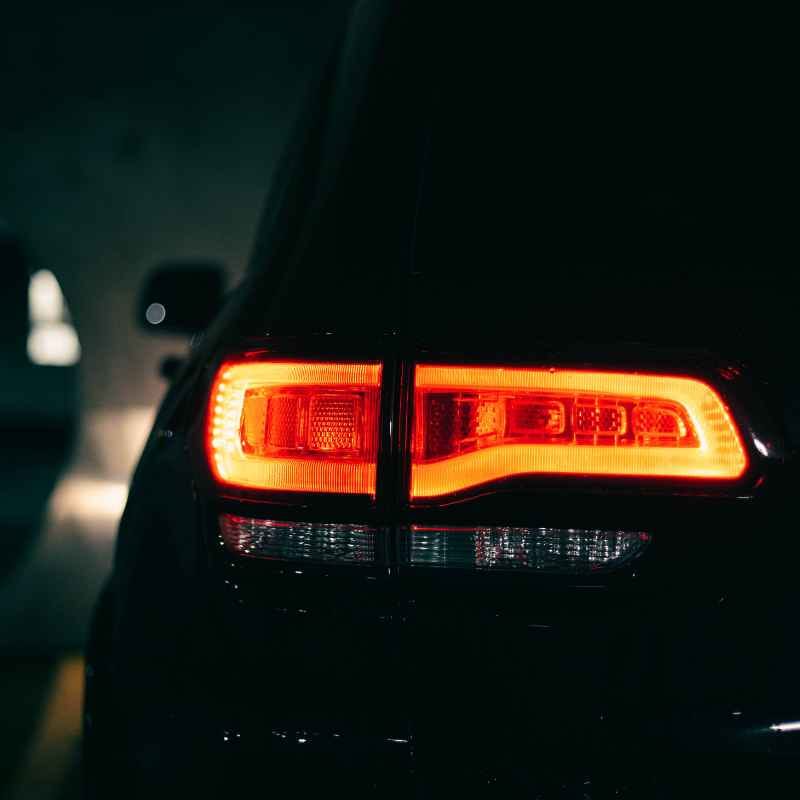
Blacked-Out Housings: Many car manufacturers offer “blackout” packages. These cars come from the factory with darkened headlight or taillight housings. The plastic around the lights is black or dark grey.
The lenses themselves are usually clear or have a subtle tint. This gives a clean, integrated look without compromising light.
Smoked or Clear Lens
LED Upgrades: Upgrading to modern LED bulbs can improve light output significantly. They are often brighter and more efficient than traditional halogen bulbs. This can be done with clear lenses for a bright, clean look.
Some LED bulbs also come in different colors, but using these for exterior lights can also lead to legal issues.
Subtle Accents: Instead of tinting the entire light, consider subtle accents. For example, a very light tint applied only to the chrome or plastic trim around the light can change the look. Or, some cars have colored bulbs that are legal for specific functions.
Always verify legality.
Body Color Matching: Some owners choose to paint body-colored panels near the lights. For instance, painting a rear bumper trim piece the same color as the car can create a cohesive look that complements the lights without altering them.
Stacked Micro-Sections: Customizing Safely
Design Focus: Look for modifications that enhance design without blocking light.
Legal Checks: Always confirm state and local laws before altering lights.
Material Choice: Consider high-quality aftermarket parts over films/sprays if unsure.
Professional Advice: Consult reputable car customization shops for guidance.
These alternatives allow car owners to achieve a personalized style. They do this while prioritizing safety and avoiding legal trouble. It’s about smart modification, not just modification.
What This Means for You
If you’re thinking about tinting your car lights, or if you see many cars with them, here’s what to consider:
When it’s Normal (Visually): Tinted lights are a popular way to modify a car’s appearance. Many people do it to achieve a specific look. It’s common to see light smoke tints on dark-colored vehicles.
They often look subtle and can add to a car’s overall aesthetic.
When to Worry (Legally & Safely): You should worry if the tint is dark. If it makes the lights significantly dimmer. Or if it obscures the color of the lights.
This is especially true for brake lights and turn signals. Dark tints are often illegal and always compromise safety.
Simple Checks:
- Check your state’s laws. Does your state allow light tinting? What are the specific rules for headlights, taillights, and signals?
- Test visibility. Park your car in a dark area. Turn on your lights. Have someone stand far behind your car. Can they clearly see your brake lights? Can they see your turn signals?
- Consider alternatives. If you want a darker look, explore aftermarket housings or blackout packages that are designed to be safe and legal.
It’s a balance. Many people want their cars to look unique. But safety has to be the top priority.
Modified lights can be a beautiful addition. But not if they put anyone at risk.
Quick Fixes & Tips for Tinted Lights
If you currently have tinted lights and are concerned, or if you want to ensure they are done right, here are some guidelines:
- For Light Tinting: If you have a very light smoke tint, ensure it’s legal in your state. Have someone check your brake lights at night and in bad weather. If they seem dim, consider removing the tint.
- For Dark Tinting: If your lights are very dark, it’s strongly recommended to remove the tint immediately. This is for your safety and to avoid tickets.
- Removal: Most vinyl tints can be removed by peeling them off. Sometimes, a heat gun or specific adhesive remover is needed. Spray tints may require sanding or specialized removers.
- Legal Colors: Always stick to the legal colors for your lights: white or yellow for headlights, red for taillights and brake lights, and amber for front turn signals.
- Brightness Test: After any modification or tint removal, test your lights in various conditions. Ensure they are bright and visible.
The best “fix” is often to ensure you are compliant from the start. If you are unsure, err on the side of caution. Clear, bright lights are always the safest choice.
Frequently Asked Questions
Can I tint my car’s headlights?
In most places, tinting headlights is illegal. Headlights are crucial for visibility at night. They need to project as much light as possible onto the road.
Any tinting will reduce this output. States typically require headlights to emit white or yellow light only.
Is it legal to tint my car’s taillights?
It depends heavily on your state’s laws. Many states prohibit significant tinting of taillights. Some might allow a very light tint.
The key is that they must remain clearly visible, especially the brake lights. Always check your local regulations.
What if I get a ticket for tinted lights?
You will likely receive a citation and a fine. Some jurisdictions may issue a “fix-it” ticket. This requires you to remove the tint and prove it to the authorities.
Failure to comply can result in further penalties.
Can I use a spray tint on my lights?
Yes, spray tints are available. However, they can be difficult to apply evenly. They also reduce light output just like film.
Ensure the spray is designed for automotive lights. Always check local laws regarding tinted lights, regardless of the application method.
Will tinted lights affect my car’s resale value?
Potentially, yes. Illegally modified lights can be a red flag for buyers. Many people prefer their cars to be in factory condition or to have modifications that are clearly legal and safe.
If your lights are tinted illegally, you might need to remove the tint before selling.
Are there any states where tinting car lights is perfectly legal?
While specific laws vary, it’s rare for any state to explicitly permit dark or obscuring tints on critical lights like headlights and brake lights. Some might allow very subtle tints on the red portion of taillights, but this is often an area with strict enforcement and a high chance of citation if not done perfectly to spec.
Final Thoughts
Tinting car lights is a popular modification for aesthetic reasons. People do it to enhance their vehicle’s look. However, it’s vital to understand the risks involved.
Reduced visibility can create safety hazards for yourself and others. Furthermore, many types of tinting are illegal. Always prioritize safety and legality.
Explore alternatives that offer style without compromise. Your car can look great and be safe on the road.
See also how do auto lights work on cars everything covered.
Products related to this article
Sponsored / affiliate links. As an Amazon Associate I earn from qualifying purchases. I may earn additional commission from eligible campaigns.