What is the Meaning of Pass Light in Car a Genius Guide? (Simple Explanation)
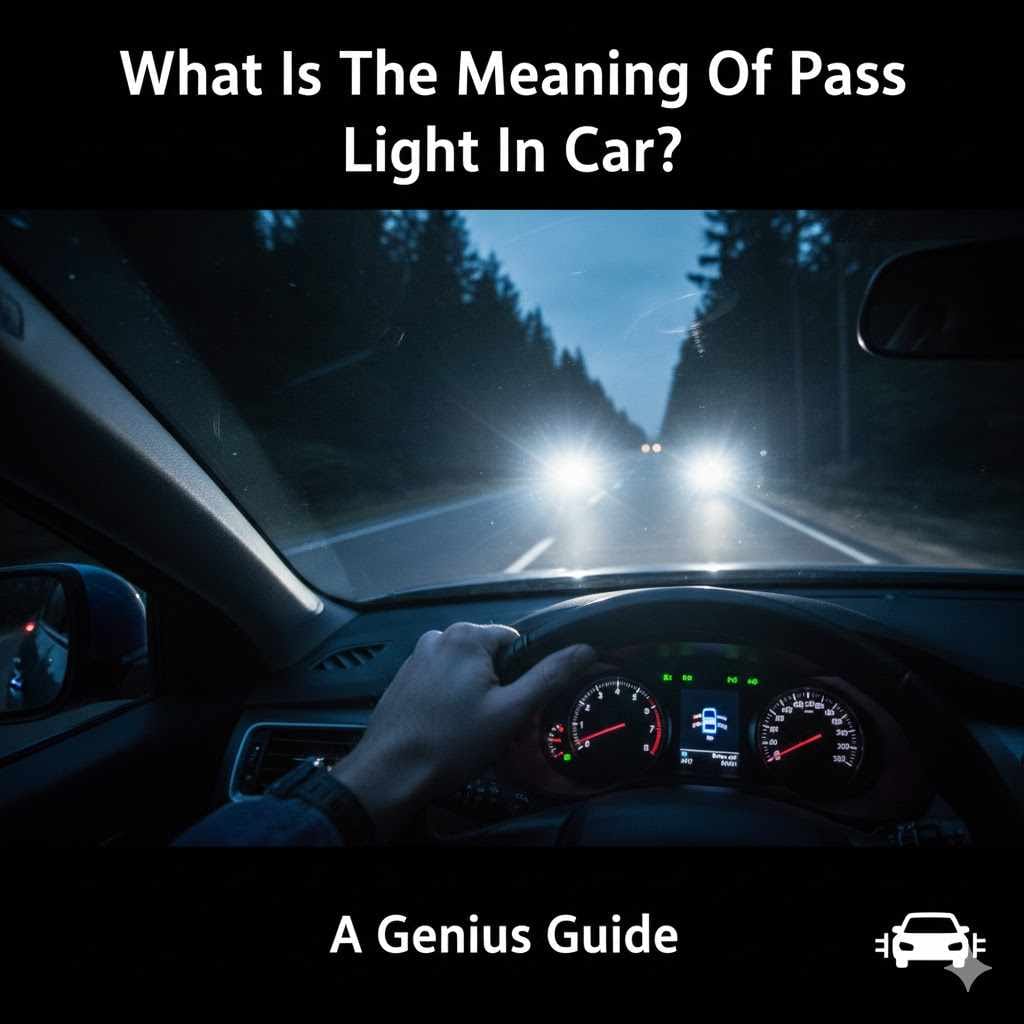
The pass light in a car is a feature that quickly flashes your high beams to signal other drivers. It’s used to communicate your intention to overtake or pass them, or to alert them to your presence without leaving the high beams on. It’s a simple, effective communication tool for safer driving.
Have you ever seen another driver give a quick flash of their headlights? Or maybe you’ve fiddled with the levers behind your steering wheel and wondered what they all do. It can feel like your car has secret buttons. One of the most useful but least understood is the “pass light” or “flash-to-pass” feature.
Don’t worry, you’re not alone! Many drivers are unsure what this light is for or how to use it correctly. The good news is that it’s incredibly simple. This guide will walk you through everything you need to know. We’ll show you what the pass light means, how it works, and how you can use it to become a safer, more confident driver. Let’s get started!
What Exactly Is a Pass Light?
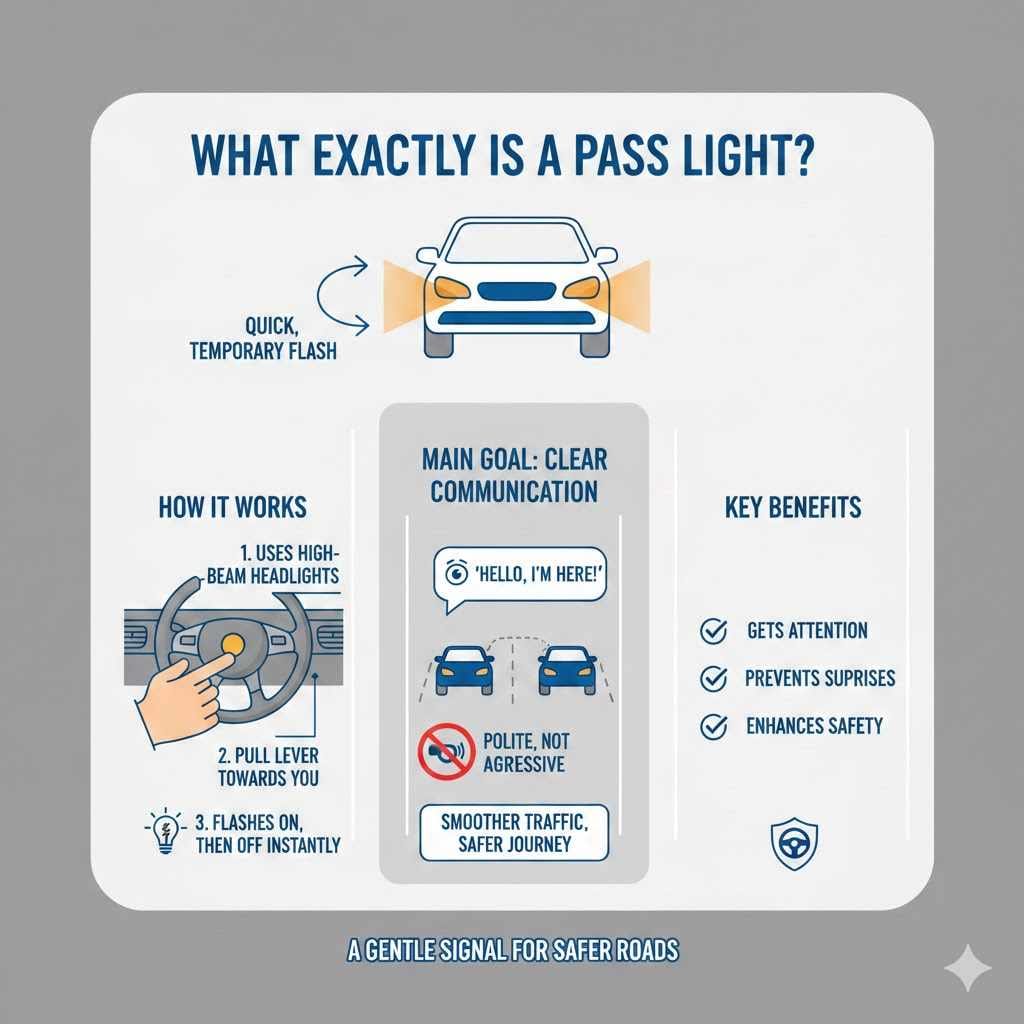
The pass light isn’t a separate bulb in your car. Instead, it’s a function that uses your existing high-beam headlights. When you activate the pass light, your high beams flash on for a moment and then turn off as soon as you release the control. It’s a quick, temporary flash.

TLYHNXY
2PCS Prayer Gesture Cross Car Door Light…
- ✅ Faith & Fun Combined – Christian Cross car door projector lights cast a glowing prayer gesture cross whenever your door opens. A…
- ✅ Durable & Long-Lasting – High-quality LED bulbs in cross magnetic night light car door lights provide clear, bright projections…
- ✅ Universal Fit & Easy Install – Religious cross car door lights fit almost any car. car welcome lights just peel, stick, and you’…
As an Amazon Associate I earn from qualifying purchases.
Think of it as a polite way to get another driver’s attention on the road. Unlike turning on your high beams and leaving them on (which can blind other drivers), the pass light is a gentle signal. It’s designed for brief, clear communication between vehicles.
Most cars have this feature. It is usually controlled by the same lever or stalk that controls your headlights and turn signals. To use it, you typically pull the lever toward you, toward the steering wheel. It will spring back into place once you let go, and the flash will end.
The Main Goal: Clear Communication
At its core, the pass light is a communication tool. Cars don’t have doorbells or horns that can be used politely. A loud, long horn blast often feels aggressive or signals a major emergency. A quick flash of your lights, however, is a much softer way to say, “Hello, I’m here!” or “I’m about to do something.”
Using this light correctly helps everyone on the road understand each other’s intentions. This leads to smoother traffic flow and fewer surprises, which means a safer journey for you and everyone around you.
The Key Purposes of Using the Pass Light
So, when should you actually use this feature? The pass light has several practical and helpful uses. Understanding them will make you a more skilled and considerate driver.
- Signaling to Overtake: This is the most common reason for its name. On a multi-lane highway, if you are approaching a slower vehicle in front of you, a quick flash lets them know you intend to pass them. This gives the driver a heads-up so they don’t suddenly change lanes into your path.
- Alerting Another Driver: Sometimes you see a driver who seems distracted. Maybe their car is slowly drifting out of its lane. A gentle flash of your lights can bring their attention back to the road without startling them like a loud horn might.
- Warning of Road Hazards: If you’ve just passed a hazard, like debris on the road or a stalled car around a blind corner, you can flash your lights at oncoming traffic. This gives them a warning to slow down and be careful.
- Making Your Presence Known: At intersections with poor visibility or on narrow country roads, a quick flash can announce your presence to a car that might be about to pull out in front of you. It’s a great way to prevent accidents.
- A Simple “Thank You”: In some places, drivers use a quick flash to say thank you. For example, if another driver let you merge into traffic, a brief flash can be a way to acknowledge their kindness.
How to Use Your Car’s Pass Light: A Simple Guide
Using the pass light is as easy as flicking a switch. If you’ve never tried it before, you can even practice while your car is parked to get a feel for it. Here’s how to do it step-by-step.
- Find the Control Lever: The pass light function is almost always on the turn signal stalk. This is the lever located on the side of your steering column, usually on the left in American and European cars. This same lever often controls your low beams, high beams, and turn signals.
- Pull, Don’t Push: To activate the flash-to-pass feature, gently pull the lever toward you (towards your chest). Do not push it away from you, as this usually locks the high beams in the “on” position. The motion is a light, temporary pull.
- Release Immediately: The flash only lasts as long as you are pulling the lever. For a quick signal, pull it and let it go right away. You’ll see the blue high-beam indicator light up on your dashboard for just a moment. The lever will spring back to its neutral position on its own.
- Use It Wisely: Give one or two short flashes. More than that can be seen as aggressive or confusing. The goal is a clear, simple signal, not a light show.
Pass Light vs. Low Beams vs. High Beams
It’s easy to get confused about the different lights on your car. Each one has a very specific job. Let’s break down the differences in a simple way. The National Highway Traffic Safety Administration (NHTSA) emphasizes using the correct lighting for safety.
Here is a table to help you understand the purpose of each light setting:
| Light Type | Main Purpose | How to Activate | Best Time to Use |
|---|---|---|---|
| Low Beams | Normal, everyday driving at night or in poor visibility. Lights up the road ahead without blinding others. | Usually by twisting the end of the control stalk or using a dial on the dashboard. | From dusk till dawn, in rain, fog, or snow. Any time visibility is low. |
| High Beams | To see much farther down the road when no other cars are nearby. | Pushing the control stalk away from you (locks it on). | On empty roads or rural highways at night with no oncoming traffic. |
| Pass Light | A quick, momentary flash of the high beams to signal other drivers. | Pulling the control stalk toward you (momentary flash). | Day or night to signal your intent to pass, alert another driver, or warn of a hazard. |
Why Not Just Use Regular High Beams?
You might wonder, “Why can’t I just flick my high beams on and off quickly?” You could, but the pass light feature is designed to be faster and more ergonomic. Pulling the stalk is a natural, quick motion. Pushing it forward to turn the high beams on and then pulling it back to turn them off is a clunkier, two-step process.
More importantly, leaving your high beams on by accident is a common mistake that can be very dangerous for other drivers. The pass light function prevents this by design—since it only stays on while you pull the lever, you can’t forget to turn it off.
Safety and Legal Rules for Using Your Lights
While the pass light is a great tool, it’s important to use it responsibly. Flashing your lights can mean different things to different people, and there are some rules—both written and unwritten—to keep in mind.
Driving Etiquette: The Unwritten Rules
- Don’t Be Aggressive: A single, gentle flash is a signal. Repeated, rapid flashes can feel like you’re yelling at the other driver. Avoid using your lights to show frustration or to demand that someone get out of your way.
- Be Careful at Night: A high-beam flash is much more intense in the dark. Be extra cautious when using the pass light at night, as it can temporarily dazzle another driver. Use it only when necessary.
- Understand Local Customs: In some areas, flashing your lights is common and understood. In others, it might be rare and could confuse other drivers. Pay attention to how other drivers behave to understand local driving culture.
What Does the Law Say?
Laws about flashing your headlights can vary greatly depending on where you live. In many places, using a flash-to-pass signal to indicate you are overtaking is perfectly legal.
However, the most debated use is flashing your lights to warn other drivers of a police speed trap ahead. In some states, this is considered protected free speech. In others, it can be seen as obstructing a police investigation, and you could be ticketed. Because the laws are inconsistent, it’s best to be cautious. The safest approach is to use your pass light for its primary purposes: signaling to pass, alerting, and warning of road hazards.
What to Do if Your Pass Light Is Not Working
If you pull the lever and nothing happens, there’s likely a simple explanation. Since the pass light uses the high-beam bulbs, troubleshooting is straightforward. Here are a few things you or your mechanic can check.
| Symptom | Possible Cause | Simple Solution |
|---|---|---|
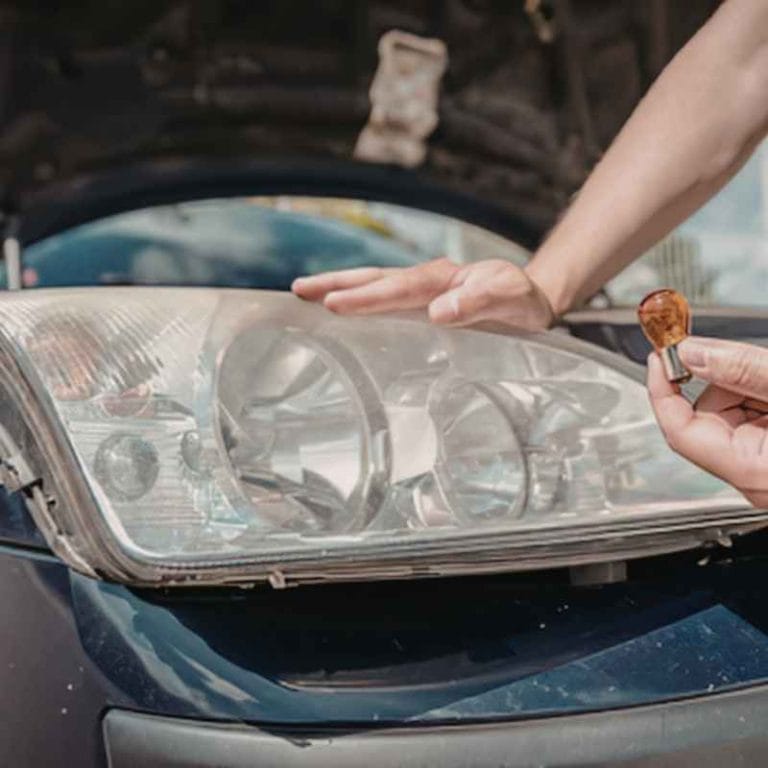
| Neither high beams nor pass light work. | The high-beam bulbs are burned out. | Replace the headlight bulbs. This is a simple DIY task for many cars. |
| No headlights (low or high beam) work. | A blown fuse or a faulty relay. | Check your car’s fuse box (the owner’s manual will show you where). A fuse is easy and cheap to replace. |
| High beams work when locked on, but not when you pull the stalk for a flash. | The switch inside the control stalk is faulty. | This is a more complex issue. The multifunction switch itself may need to be replaced by a qualified mechanic. |
If you’re not comfortable checking fuses or changing bulbs, don’t hesitate to visit a local auto shop. A mechanic can diagnose the problem quickly and safely.
Frequently Asked Questions (FAQ)
What is the symbol for the pass light?
There isn’t a separate symbol for the pass light. When you activate it, you will see the standard high-beam symbol light up on your dashboard for a moment. This symbol looks like a letter ‘D’ with several horizontal lines coming out of its flat side, pointing to the left.
Is it okay to use the pass light during the daytime?
Absolutely! In fact, the pass light can be even more effective during the day. A flash of light is highly visible in broad daylight and is a great way to get another driver’s attention when a horn might be too aggressive or go unheard in traffic noise.
Are “pass light” and “flash-to-pass” the same thing?
Yes, they are two different names for the exact same feature. “Flash-to-pass” is a more descriptive term, while “pass light” is a shorter, more common way to refer to it. You will hear both terms used.
Will using the pass light drain my car battery?
No, you don’t need to worry about this. The flash is momentary and uses a tiny amount of electricity. Your car’s alternator produces more than enough power to handle quick flashes of the headlights without any impact on your battery.
My car is very old. Does it have a pass light?
Most cars made in the last 30-40 years have this feature, but some very old or basic models might not. The easiest way to check is to sit in your car (with the engine off) and pull the turn signal stalk toward you. If your high beams flash, you have it!
Why do some drivers flash their lights when I have my high beams on?
This is a common signal from other drivers telling you that you have accidentally left your high beams on. They are flashing their lights to remind you to switch to your low beams so you don’t blind them. It’s a polite “please dim your lights” request.
Conclusion: Drive Smarter and Safer
The pass light is one of the simplest yet most effective safety and communication tools your car has to offer. It’s not a secret code or a complicated feature—it’s just a way to talk to other drivers on the road. By using a quick flash of your high beams, you can signal your intention to pass, alert a distracted driver, or warn others of danger ahead.
Now that you know what the pass light is, where to find it, and how to use it correctly, you can add it to your safe driving habits. Understanding all the features of your vehicle helps you become a more aware, confident, and courteous driver. So the next time you’re on the road, remember this simple tool. It can help make the journey safer and smoother for everyone. See also best way to clean car lights at home proven methods .
Related pick: Check today's price on Amazon