Why Are Car Lights Not Turning Off? Causes And Easy Fixes
Car lights staying on is usually due to a stuck switch, a faulty relay, or a problem with the car’s computer. Sometimes, it’s a simple fix like a blown fuse. Other times, it might need a mechanic.
Knowing the common reasons helps you figure out the next step.
Understanding Why Car Lights Stay On
When your car lights don’t turn off, it means something is telling them to stay on. This signal isn’t stopping. Cars have complex systems for lights.
These systems involve switches, wires, and computers. A small part can cause a big issue. Think of it like a light switch in your house.
If the switch is stuck in the “on” position, the light stays on. Your car’s light system has similar control points.
These systems are designed to be smart. They know when to turn on and off. For example, your headlights might come on automatically at night.
Or your interior lights turn on when you open a door. When this system breaks, the lights might get stuck. They forget to follow the rules.
This can happen with headlights, taillights, interior lights, or even dashboard lights.
The core issue is usually a failure in the control mechanism. This could be a physical switch that’s broken. It could also be an electrical signal that’s not being turned off.
Sometimes, water or dirt can get into parts. This can cause them to malfunction. Understanding these basic ideas helps a lot.
My Own Headlight Scare
I remember one time, I was out late at a friend’s house. I was tired and just wanted to get home. I got in my car, started it up, and noticed my headlights were on.
I thought, “Okay, I’ll just flick the switch.” But I did, and nothing happened. They stayed on bright. A little panic started to set in.
I tried turning the car off and on again. Still no luck. I imagined waking up to a dead battery.
I had to drive home with them on. I worried that a police car would think I was being careless. When I got home, I looked it up.
It turned out my headlight switch was a bit sticky. A good jiggle and it worked fine. But for that drive, I felt pretty helpless.
Common Culprits for Stuck Lights
Faulty Light Switch: This is the most common reason. The switch itself can wear out or get stuck. It might not send the “off” signal.
Bad Relay: Relays are like small electrical switches. If a relay gets stuck, it can keep the lights on. This is common for headlights and other main lights.
Busted Fuse: Sometimes, a blown fuse can cause odd behavior. However, usually, a blown fuse means no power. But a partially blown or corroded fuse can act strangely.
Wiring Issues: Damaged or shorted wires can create a constant circuit. This keeps the lights powered even when they should be off.
Headlights That Won’t Dim or Turn Off
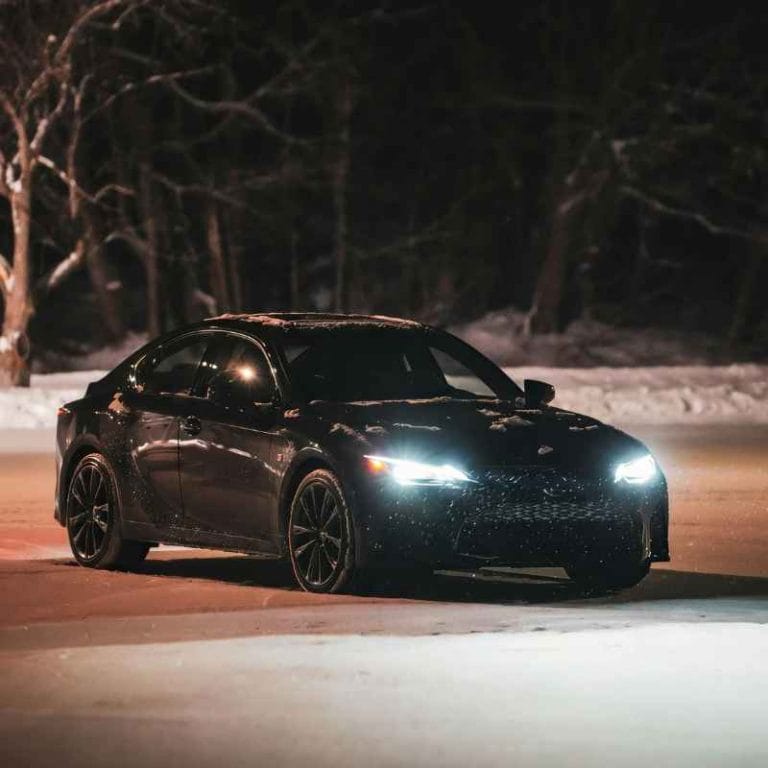
Headlights are a big concern. If they stay on, they use a lot of power. This is especially true if they’re the main, brighter beams.
Several things can cause this. The main switch on your dashboard or steering column is a prime suspect. Over time, the internal contacts can wear out or get stuck in the “on” position.
Another common issue is the headlight relay. This relay controls power to the headlights. If it fails and gets stuck closed, it will keep the headlights on.
You might hear a faint click from the fuse box area if a relay is stuck. This is a serious problem because headlights use a lot of energy. A dead battery can happen fast.
Sometimes, it’s related to your car’s body control module (BCM) or a similar computer. These computers manage many electrical functions. If the BCM gets a glitch or a faulty signal, it might keep the headlights active.
This is less common for older cars but more possible with newer ones.
Also, check your automatic headlight sensor. If it’s malfunctioning, it might think it’s always dark. This can keep your headlights on.
Some cars have a “daytime running lights” (DRL) system. Problems with the DRL module can also cause lights to stay on.
Headlight Troubleshooting Steps
Check the Switch: Gently try to move the headlight switch. See if it feels loose or stuck. Try turning it on and off several times.
Locate the Relay: Find your car’s fuse box (often under the dashboard or hood). Look for the headlight relay. You might be able to swap it with an identical relay for a different function to test it.
Inspect Fuses: Pull out the headlight fuse. Look at it carefully. If the metal strip inside is broken, it’s blown.
But even if it looks okay, try replacing it with a new one of the same amperage.
Automatic Sensor: If your car has automatic headlights, try covering the sensor to see if it triggers the lights. If it doesn’t respond, the sensor might be bad.
Interior Lights That Won’t Go Out
Interior lights, like dome lights or vanity lights, are less power-hungry. But they can still be annoying if they stay on. The most common cause here is the door switch.
Cars have small switches, often on the door frame, that tell the car when a door is open or closed. If one of these switches is stuck in the “open” position, the car thinks a door is always ajar. This triggers the interior lights.
Sometimes, the “off” delay feature can malfunction. Newer cars often have a system that keeps the interior lights on for a minute or two after you close the doors. If this timer is broken, the lights might stay on indefinitely.
This is often controlled by the same body control module that handles other electrical features.
The interior light switch itself can also be the problem. Many dome lights have a manual switch to turn them on, off, or set them to open with the doors. If this switch is stuck on manual “on,” the light will stay lit.
It’s worth checking these small manual switches first.
For some vehicles, the fuse for the interior lights might be shared with other components. A problem with another part on that circuit could indirectly affect the interior lights. Always check your car’s manual to see which fuse controls what.
Interior Light Fixes
Door Jamb Switches: Locate the small button or plunger on the car’s door frame. Press it in and out several times. Clean around it.
Sometimes dirt is the issue.
Manual Switch Check: If your dome light has a manual toggle switch, flip it to all positions. Make sure it’s set to “off” or “door” mode.
Fuse Inspection: Find the fuse for interior lights in your fuse box. Pull it out and check if it’s blown. Replace if needed.
Door Ajar Warning: Does your car’s dashboard warning light for an open door stay on? This is a strong clue that a door switch is the culprit.
Dashboard Lights That Stay Bright
It’s a bit less common for entire dashboard light panels to stay on. Usually, dashboard lights only come on when the car is running or the ignition is on. However, some parts of the dashboard lighting might be wired differently.
For instance, if you have a faulty dimmer switch, it could be stuck on a “bright” setting. This might keep some illumination active.
A more likely scenario is a problem with the ignition switch. If the ignition switch doesn’t fully disengage, it can keep power going to systems that should be off. This might include parts of the dashboard illumination.
This can also lead to battery drain.
In some cars, the parking lights and dashboard lights share circuits or control modules. If there’s an issue with the parking light system, it could indirectly cause dashboard lights to remain on. It’s important to distinguish between lights that are meant to be on when the car is parked (like parking lights) and those that should be completely off.
The electronic control units (ECUs) in modern cars play a big role. A glitch in an ECU could cause unexpected behavior. This could include keeping certain dashboard elements illuminated.
If you suspect your dashboard lights are staying on when they shouldn’t, it’s often a sign of a deeper electrical problem.
Dashboard Light Checks
Dimmer Switch: Locate the dimmer control for your dashboard lights. Try adjusting it through its full range. See if it affects the lights staying on.
Ignition Position: Ensure your key is fully turned to the “off” position. Try removing the key and seeing if the lights go out. If they don’t, the ignition switch might be failing.
Parking Light Test: Turn your parking lights on and off. See if this affects the dashboard lights. If it does, the issue might be related to the parking light circuit.
Consult Manual: Your car’s owner’s manual can tell you which systems are active when the car is off. This can help you understand what should be off.
The Role of Fuses and Relays
Fuses and relays are the guardians of your car’s electrical system. Fuses are like safety valves. They have a metal wire that melts if too much electricity flows through it.
This breaks the circuit and protects other parts. Relays are electrically controlled switches. They use a small electrical signal to control a larger electrical circuit.
This is useful for high-power items like headlights.
When a fuse blows, it’s usually because of a short circuit or a component drawing too much power. This often stops a system from working. However, a fuse can also become corroded or not seated properly.
This can lead to intermittent problems. If a fuse is slightly damaged, it might not let power through completely. Or it could allow power to stay on when it shouldn’t.
Relays are prone to sticking. Imagine a mechanical switch getting jammed. The electrical coil that’s supposed to move the switch contacts might fail.
Or the contacts themselves can get stuck in the closed position. This means power keeps flowing to the lights. A clicking sound from the fuse box area can sometimes indicate a relay is trying to work but failing.
Or it might be stuck on.
It’s important to
Fuse and Relay Basics
- Fuses protect circuits from too much current.
- Relays switch electrical circuits on and off.
- Blown fuses often stop a system.
- Stuck relays can keep a system on.
- Always use the correct amperage fuse.
- Check your owner’s manual for fuse/relay locations.
Battery Drain and What to Do
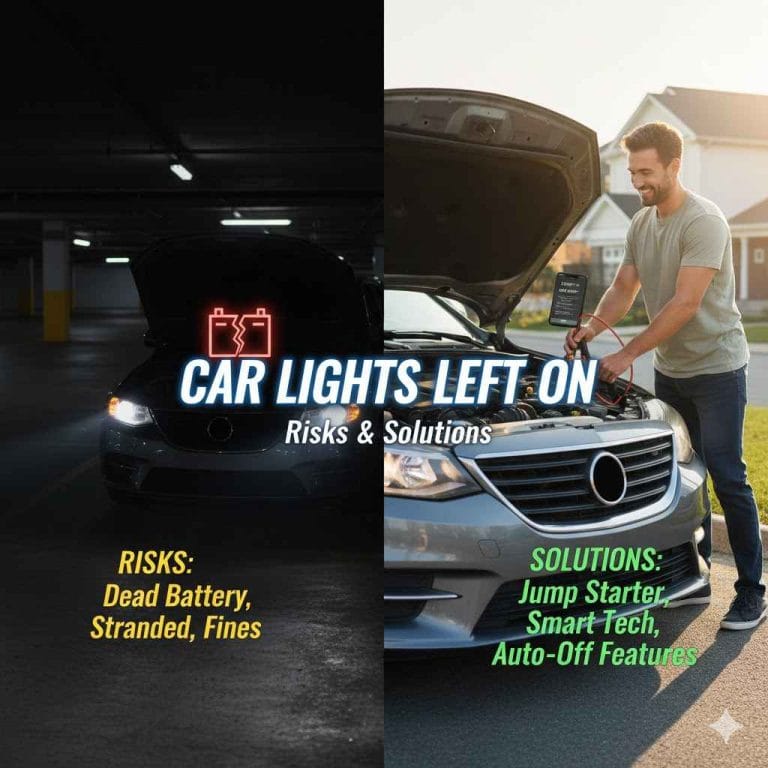
Leaving lights on is a direct cause of battery drain. Car batteries are designed to provide a lot of power for starting the engine. They can also power accessories when the engine is off, but not for long.
Headlights especially can drain a battery very quickly. You might only get an hour or two before the battery is too weak to start the car.
If your lights have been on overnight, your battery is likely dead or very low. You will need to jump-start your car. It’s important to figure out why the lights stayed on.
If you don’t fix the underlying problem, it will happen again. This can damage your battery over time, reducing its lifespan.
After jump-starting, let the car run for a good while. This allows the alternator to recharge the battery. Driving for at least 20-30 minutes is usually recommended.
If the battery doesn’t hold a charge after being drained, it might need to be replaced. Batteries have a lifespan, and deep discharges can shorten it.
If you’re not comfortable working with electrical systems, it’s best to have a mechanic look at it. They have special tools to test batteries, alternators, and electrical circuits. They can pinpoint the exact cause of the problem safely and efficiently.
Battery Drain Prevention
- Always double-check lights before leaving the car.
- Install a battery minder if you frequently drain your battery.
- Address electrical issues promptly to avoid repeated draining.
- Listen for warning sounds (like clicks from relays).
Real-World Scenarios and User Behavior
In real homes, things happen. People are often in a hurry. They have kids, groceries, or work on their minds.
This is when mistakes happen. You might be distracted by a phone call. Or you might be fumbling with your keys in the dark.
These are normal human moments.
The design of the car’s controls also plays a role. Some light switches are more intuitive than others. A switch that’s too small or hard to find can lead to errors.
The placement of the switch is also important. If it’s far from the driver’s normal line of sight, it’s easier to forget about it.
User behavior around cars often involves routine. You get in, start, drive, park, turn off. If something breaks this routine, like lights not turning off, it causes confusion.
People often assume the car will just “work” normally. When it doesn’t, it’s a surprise.
Consider parking situations. If you park in a dark garage, you might not notice the lights are on until you’re back. If you park on a busy street, you might be more focused on traffic.
These environmental factors influence whether you catch a problem.
When Lights Stay On: What This Means For You
If your car lights are staying on, it means there’s an electrical fault. It’s not just a minor annoyance. It’s a sign that a part of your car’s system isn’t working right.
This can lead to a dead battery. It can also potentially cause other electrical problems if left unaddressed.
Most of the time, it’s not an emergency. You can usually fix it yourself or with a simple repair. The key is to identify the specific light that’s staying on.
Is it the headlights? The interior dome light? The dashboard lights?
This helps narrow down the possible causes.
When it’s normal to have lights on is usually when the car is on or the key is in the ignition. You might also have courtesy lights that come on when you unlock the car. These are designed to turn off automatically.
If they don’t turn off, that’s when you need to worry.
A simple check is to turn off everything manually. Then, try turning just the headlights on. Turn them off.
Then turn them back on. See if the switch feels normal. If it feels stiff or doesn’t click properly, that’s a big clue.
Simple Checks You Can Do
- Turn off all lights manually.
- Open and close each door several times. Listen for clicks.
- Cycle the headlight switch several times.
- Check for dashboard warnings like “door ajar.”
- Note any strange sounds from the fuse box area.
Quick Fixes and Tips
Sometimes, a temporary fix can get you by. If your headlights are stuck on, and you can’t turn them off with the switch, you might be able to pull the headlight fuse. This will turn them off completely.
However, you won’t have headlights until you replace the fuse. This is only a temporary measure, usually for parking the car safely.
For interior lights, if the door switches are the problem, sometimes just pushing them firmly will unstick them. You can also try cleaning around them. A small burst of compressed air can dislodge dust.
If your car has a feature that turns lights off automatically after a delay, and it’s not working, there’s not much you can do until it’s fixed. This usually involves a computer or control module issue. These are not easy DIY fixes.
The best tip is to be proactive. If you notice your lights are staying on, don’t ignore it. Address it as soon as possible.
The longer you leave it, the more likely you are to drain your battery or cause further damage. Always consult your car’s owner’s manual for specific instructions for your model.
Temporary Solutions
Pull the appropriate fuse for the lights that won’t turn off (e.g., headlights, dome lights). This will disable them.
Disconnect the battery if you need to leave the car for an extended period and suspect a drain. This prevents battery drain but means you’ll lose radio presets and clock settings.
Manually toggle switches repeatedly to try and free them up.
Frequently Asked Questions About Car Lights Not Turning Off
Why do my headlights stay on even after I turn off the car?
This can happen if the headlight switch is faulty and stuck in the “on” position. It can also be caused by a stuck headlight relay, a short in the wiring, or a problem with your car’s body control module. Always check the switch first.
Can a bad fuse cause my car lights to stay on?
Usually, a blown fuse means the lights won’t turn on at all. However, a corroded or partially faulty fuse might cause unusual behavior, including lights staying on. It’s worth inspecting and replacing the relevant fuse.
My interior dome light won’t turn off. What’s wrong?
The most common cause is a stuck door jamb switch. These small switches tell the car when a door is open. If one is stuck, the car thinks a door is always open, keeping the interior lights on.
Dirt or damage can cause this switch to stick.
How can I prevent my car lights from draining the battery?
Always double-check that all lights are off before you leave your car. If you know you have an electrical issue, you can pull the relevant fuses to disable the lights. Regularly inspecting your battery and electrical system can also help prevent issues.
I think my car’s headlight switch is broken. Can I replace it myself?
Replacing a headlight switch can be a DIY job for some people, but it often involves removing trim panels around the steering column. If you’re not comfortable with car mechanics, it’s best to have a professional do it to avoid further damage.
What should I do if my car battery is dead because the lights were left on?
You will need to jump-start your car using jumper cables and another vehicle. Once the car is running, let it idle or drive for at least 20-30 minutes to allow the alternator to recharge the battery. If the battery is old or has been drained many times, it might need to be replaced.
Conclusion
It’s reassuring to know that car lights staying on is a common problem. Often, it’s something simple like a switch or a fuse. By understanding the possible causes, you can often figure out the next step.
Don’t let it stress you out too much. Most of these issues can be resolved with a little patience and checking the right parts.
Products related to this article
Sponsored / affiliate links. As an Amazon Associate I earn from qualifying purchases. I may earn additional commission from eligible campaigns.
 Govee Underglow Car Lights, 4pcs, RGBIC, Smart LED Lights, App Control | 16 Million Colors, 10 Scene Modes, Neon Accent Strip Lights, for SUVs, Trucks, DC 12-24V
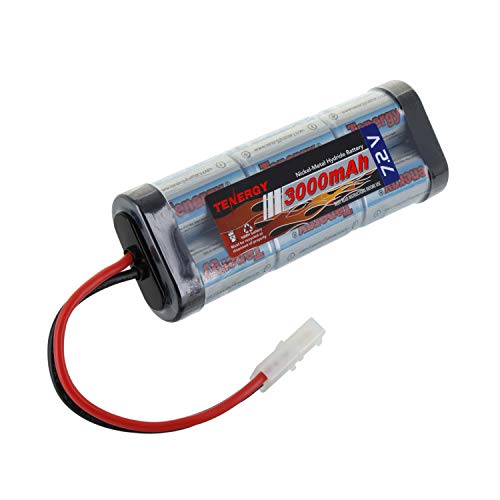 Tenergy 7.2V Battery Pack High Capacity 6-Cell 3000mAh NiMH Flat Battery Pack, Replacement Hobby Battery for RC Car, RC Truck, RC Tank, RC Boat with Standard Tamiya Connector