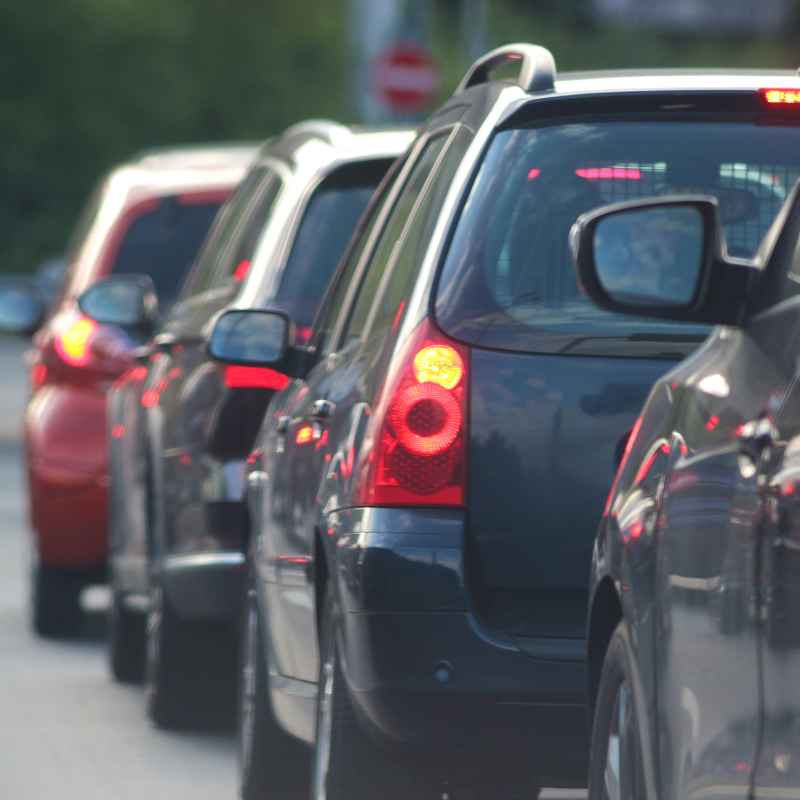
How To Stop Car Lights From Blinking (Causes & Quick Fixes)
It’s a common thing, right? You’re driving along, and suddenly, you notice a light on your dashboard blinking. Or maybe your headlights flicker. It’s that little flicker that can turn into a big worry. You might start thinking, “What’s wrong with my car now?” It’s super frustrating when your car isn’t working right. This guide will help you figure out why your car lights might be blinking and what you can do about it. We’ll break it down so it’s easy to understand. You’ll feel more in control and less stressed about it.
Car lights blinking often point to issues with the electrical system. Common culprits include a weak battery, a failing alternator, loose wiring, or even a faulty bulb. Understanding these causes helps you identify the problem and find a solution quickly, ensuring your car is safe and reliable on the road.
Understanding Why Your Car Lights Might Blink
Cars have lots of lights. You have lights on the outside, like headlights and taillights. Then you have lights on the inside, on the dashboard. These dashboard lights are like your car’s way of talking to you. They tell you when something needs attention. When a light starts blinking, it usually means there’s a more urgent issue than if it were just on steadily.
This blinking signal is important. It grabs your attention. Your car is trying to tell you it needs help. Ignoring it could lead to bigger problems down the road. So, let’s look at the main reasons this happens.
A Look at the Electrical System
Your car’s electrical system is like its nervous system. It powers everything from the radio to the engine. It’s made up of many parts working together. The battery stores power. The alternator makes power when the engine runs. Wires connect everything. Fuses protect the system from too much power. When any part of this system isn’t working right, you might see strange things happen with your lights.
A blinking light is often a sign that the power supply isn’t stable. It could be getting too much power, or not enough. It could also mean a connection is loose somewhere. We need to look at the most common culprits.
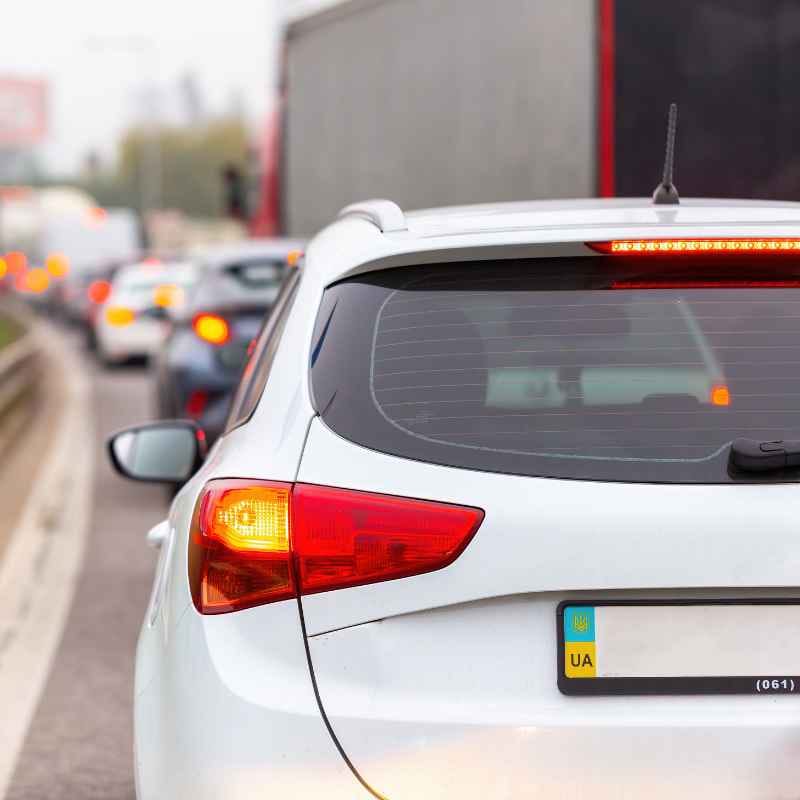
The Battery: The Heart of the Electrical System
The battery is like a big storage tank for electricity. It gives the car power to start. It also powers things when the engine is off. When your battery starts to get old or weak, it can’t hold a charge well. This means it might not have enough power to run everything smoothly.
If the battery is weak, it might not be able to provide a steady flow of power. This can cause your dashboard lights to dim or blink. Headlights might also flicker, especially when you first start the car or use other electrical things like the power windows.
Symptoms of a Weak Battery
Other signs of a weak battery can help you confirm it. You might notice the engine cranks slowly when you try to start it. Or maybe your car needs a jump-start more often. Sometimes, the headlights seem dimmer than usual, even when the engine is running. A battery that’s more than three to five years old is often nearing the end of its life.
When the battery is low on power, the car’s computer might struggle to keep all the systems running. This can lead to a blinking check engine light or other warning lights. It’s like your phone battery getting low – things start acting funny.
Battery Health Check
- Age: Batteries typically last 3-5 years.
- Starting Power: Slow engine crank?
- Jump Starts: Frequent need for a jump?
- Dim Lights: Headlights or interior lights look weak?
If you see these, your battery might be the problem.
The Alternator: Keeping the Power Flowing
The alternator is another key player. Its job is to create electricity when the engine is running. It charges the battery and powers all the car’s electrical parts. Think of it as the car’s generator.
If the alternator starts to fail, it won’t produce enough power. This means the car has to rely more on the battery. The battery will drain faster. When the power supply becomes unstable, lights can start to blink or dim. This is a very common cause of blinking warning lights.
Signs of Alternator Trouble
Besides blinking lights, a bad alternator can cause other symptoms. You might hear a whining noise coming from the engine. The battery warning light might come on steadily, not just blink. Electrical devices, like your radio or power windows, might work oddly or stop working. The car might even stall because it runs out of power.
The alternator’s output can decrease over time. Worn-out parts inside can cause it to not spin as well. This means it can’t keep up with the car’s electrical demands. Blinking lights are often the first sign that the alternator is struggling to do its job.
Alternator Warning Signs
Whining Noise: A high-pitched sound from the engine area.
Battery Light: The battery symbol on the dash stays on.
Dimming Lights: Headlights and dashboard lights get dimmer.
Electrical Issues: Radio, wipers, or power windows act strange.
Stalling: The engine might die unexpectedly.
Loose Connections and Wiring Problems
All the parts in your car’s electrical system are connected by wires and terminals. These connections need to be clean and tight to work properly. Over time, wires can get loose. Terminals can corrode or become dirty.
A loose connection is like a bad phone signal. The power flow isn’t steady. It can cut in and out. This flickering power can make lights blink. It’s like a light switch that’s not screwed in all the way. Sometimes it works, and sometimes it doesn’t. This can happen anywhere in the electrical system.
Where to Look for Loose Connections
The most common place to find loose connections is at the battery terminals. These are the posts where the cables from the car attach to the battery. If they’re loose or covered in white or blueish corrosion, the power can’t flow well. You might also find loose wires around the alternator, the fuse box, or near the light fixtures themselves.
Sometimes, a wire might fray or break inside its plastic coating. You can’t see the damage, but the connection is still bad. This can cause intermittent problems, like lights blinking only when you hit a bump or turn a corner. This is why checking these connections is a smart first step.
Quick Connection Checks
Battery Terminals: Are they tight and clean? Clean off any white or blue powder.
Visible Wires: Look for any wires that seem frayed, cut, or not plugged in securely.
Fuse Box: Make sure all fuses are pushed in fully.
Light Bulbs: Ensure the bulb is seated correctly in its socket.
Faulty Light Bulbs or Fixtures
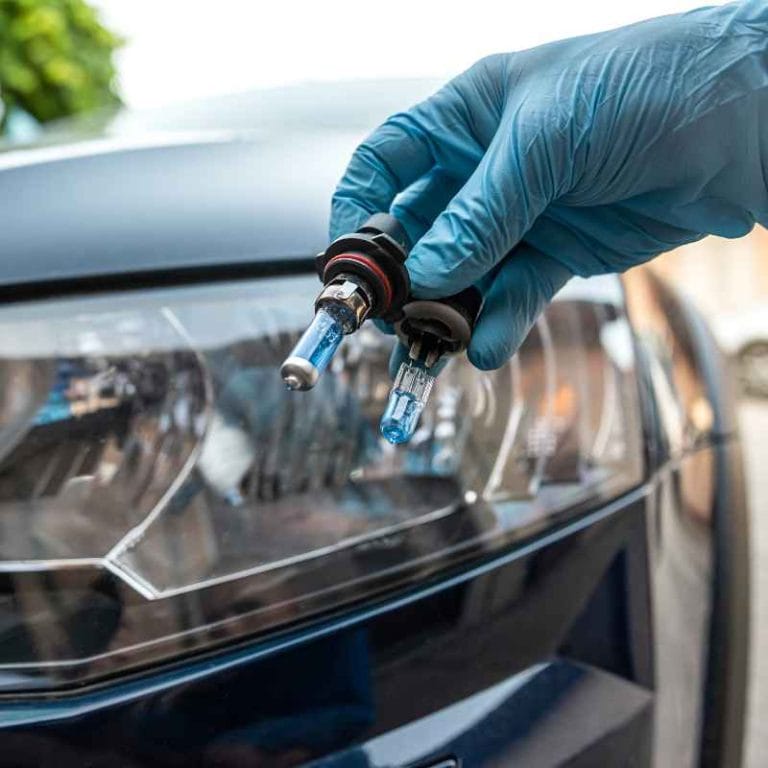
Sometimes, the problem isn’t with the power supply but with the light itself. A light bulb can go bad. It might not be completely burned out, but its filament could be damaged. This can cause it to flicker or blink.
Modern cars also use LED lights or have complex lighting systems. These can have their own issues. A faulty control module for the lights or a bad ground connection for a specific light can cause blinking. This is more common with newer cars that have more electronic features.
When a Bulb Might Be the Culprit
If only one specific light is blinking, it’s more likely the bulb or its immediate connection. For example, if only your right front turn signal blinks erratically, the bulb itself or its socket might be the issue. If all your lights are blinking or flickering, it’s more likely a system-wide electrical problem.
Sometimes, a bulb might be old and close to burning out. The filament inside is fragile. Vibrations can cause it to make poor contact, leading to flickering. Replacing a suspected bad bulb is a simple fix that’s worth trying.
My Own Experience with Blinking Lights
I remember one time, I was driving home late. It was raining, and I noticed my dashboard lights were doing this weird, rhythmic flicker. It wasn’t just one light; it was several. My heart sank. I immediately thought, “Oh no, my car is about to die.” The flickering made me so uneasy. It felt like a ghost was playing with the lights inside my car.
I pulled over safely. I popped the hood, even though I’m not a mechanic. I looked around, a bit panicked. I saw one of the battery cables looked a little loose. It was covered in that white powdery stuff too. I didn’t have tools, so I just wiggled it. When I started the car again, the flickering had stopped. It turned out that loose, corroded connection was all it was. It taught me how important those simple checks can be.
My Blinking Light Story
The Situation: Driving at night in the rain.
The Problem: Multiple dashboard lights began to flicker rhythmically.
My Emotion: Panic and worry about a major car issue.
The Fix: Pulled over, found a loose and corroded battery cable. Wiggled it, and the issue resolved.
The Lesson: Simple electrical connections are critical.
The Check Engine Light: A Common Blinker
The check engine light is probably the most talked-about dashboard warning light. When it blinks, it usually means something more serious is going on than when it’s on steadily. A steady check engine light might mean a minor issue, like a loose gas cap.
A blinking check engine light typically indicates a problem that could damage your engine if you keep driving. This often relates to the ignition system or fuel system. For example, a misfire can cause the light to blink. This means a cylinder isn’t firing correctly, which can send unburned fuel into the exhaust system and damage the catalytic converter.
What a Blinking Check Engine Light Means
When your check engine light blinks, it’s a signal to reduce your driving or stop driving altogether if possible. You should get it checked out by a mechanic as soon as you can. Driving with a blinking check engine light can lead to expensive repairs.
This light is connected to your car’s onboard diagnostic system (OBD-II). This system monitors various sensors and components. If it detects a serious issue, it will flash the light to get your attention. Common causes include spark plug problems, ignition coil failure, or issues with fuel injectors.
Blinking Check Engine Light: What to Do
Severity: More serious than a steady light.
Potential Damage: Can harm your engine and catalytic converter.
Action: Reduce driving or pull over if safe.
Next Step: Get it diagnosed by a mechanic immediately.
Other Dashboard Warning Lights That Blink
It’s not just the check engine light that can blink. Some other lights might flash to signal a problem. These can include:
- Brake System Warning Light: This light, often shaped like a circle with an exclamation mark, can blink. It might mean there’s a problem with your brake fluid level or a sensor in the braking system. Sometimes, it also means your parking brake is engaged.
- ABS (Anti-lock Braking System) Light: If this light blinks or stays on, it means there’s an issue with your ABS. This system helps you steer while braking hard. While you can usually still brake, the ABS feature won’t work.
- Airbag Light: While usually steady, some cars might have a blinking airbag light to indicate a fault in the airbag system. This is a serious safety issue.
Always consult your car’s owner’s manual to understand what each specific warning light means. The symbols and their blinking patterns can vary between car makes and models. What one car uses for a specific issue, another might use for something else.
When Your Exterior Lights Blink or Flicker
Beyond dashboard lights, you might notice problems with your car’s exterior lights. This can include headlights, taillights, or turn signals.
Headlights/Taillights Flickering: This often points back to the battery or alternator. A weak power source can cause the lights to dim or flicker. It could also be a loose connection at the headlight assembly or a faulty ground wire for the light.
Turn Signal Issues: If your turn signals blink too fast, it often means one of the bulbs is out. The car’s system tries to flash both, but if one isn’t working, the other flashes twice as fast. If they blink erratically or not at all, it could be a faulty bulb, a loose connection, a blown fuse, or a problem with the flasher relay.
Exterior Light Quirks
Fast Blinking Turn Signals: Usually means a burnt-out bulb.
Dimming Headlights: Could be a battery or alternator issue.
Flickering Taillights: Check bulb connections and wiring.
Erratic Flashing: Might be a fuse, relay, or loose wire.
Real-World Scenarios and Causes
Let’s think about some common situations where you might notice blinking lights and what they often mean.
Scenario 1: Cold Morning Start
You get in your car on a chilly morning. You turn the key, and the engine turns over slowly. As it starts, your dashboard lights flicker, maybe even your headlights dim for a moment. This is a classic sign of a weak battery. Cold weather makes batteries work harder and reduces their power output. If your battery is already old, it might struggle to provide enough juice to start the engine and power everything else at once.
Scenario 2: Driving Uphill
You’re going up a steep hill. Your car’s engine is working harder, drawing more power. Suddenly, your headlights flicker. This could indicate that your alternator is struggling to keep up with the increased demand. It might be able to supply enough power for normal driving, but when the engine works harder, it can’t quite keep up, causing a power dip that affects the lights.
Scenario 3: Hitting a Bumpy Road
You drive over a series of potholes. As your car shakes, you notice one of your taillights starts blinking erratically, or maybe the radio cuts out for a second. This points strongly to a loose connection. The vibration from the bumps is enough to momentarily break the electrical contact. This is why checking those wire connections is so important.
Scenario 4: Using Multiple Accessories
You’re driving on a hot day. You have the air conditioning blasting, the radio on, and you decide to use the power windows. As you roll them down, your interior lights dim significantly or flicker. This is usually normal if your electrical system is a bit strained. However, if the dimming is severe or the lights blink consistently with accessory use, it might mean your alternator is not producing its full output.
Common Blinking Light Triggers
Cold Starts: Weak battery struggling with low temperatures.
Engine Load: Alternator working hard to meet demand.
Vibrations: Loose wires or corroded connections.
Accessory Use: Electrical system nearing its capacity.
What This Means for You: When to Worry
Not all blinking lights are a cause for panic, but some definitely are. It’s good to know the difference.
When it’s Probably Okay (But Still Check)
A very brief flicker of dashboard lights when you first start the car, especially on a cold day, might just be the system checking itself. Also, if your turn signals blink faster than usual, and you confirm all the bulbs are working and properly seated, it might be a minor electrical glitch. However, even these small issues can become bigger problems if ignored.
When You Should Be Concerned
You should be very concerned if:
- The check engine light is blinking.
- The brake system warning light is blinking (this is a safety critical system).
- Multiple warning lights are blinking or staying on.
- Lights flicker consistently when you use other electrical components.
- Your car is behaving strangely, like stalling or losing power.
These signs often point to a problem that could affect your safety or cause significant damage to your vehicle. Don’t put off getting these checked.
Simple Checks You Can Do Yourself
Before calling a mechanic, there are a few simple things you can check yourself. These might save you time and money.
1. Check the Battery Terminals
Make sure the cables connected to your battery posts are tight. Try to wiggle them. If they move, tighten them. Also, look for corrosion (that white or greenish powdery stuff). If you see it, you can clean it off. You can use a wire brush or a special battery terminal cleaner. A mixture of baking soda and water can also work. Just be careful not to get it in your eyes. Always disconnect the negative cable first, then the positive, and reconnect the positive first, then the negative.
2. Inspect Visible Wiring
Open your car’s hood and look for any wires that seem loose, frayed, or disconnected. Pay attention to wires going to the alternator, fuse box, and any light fixtures you can easily access. Sometimes a wire harness can come loose from its clip or get damaged. If you see something obvious, you might be able to push it back into place.
3. Check Fuses
Your car has a fuse box, often located under the dashboard or in the engine bay. Fuses protect electrical circuits. If a fuse blows, the component it protects stops working. Sometimes, a blown fuse can cause related lights to behave oddly. Your owner’s manual will show you where the fuse box is and which fuse relates to which system. You can pull out a fuse and look at the little metal wire inside. If it’s broken, the fuse is blown and needs replacing. Make sure you use a fuse of the exact same amperage (the number on top).
4. Test Light Bulbs
If only one specific light is blinking, try replacing the bulb. It’s a relatively inexpensive fix. Make sure you get the correct replacement bulb for your car. Many bulbs can be accessed from behind the headlight or taillight assembly. Your owner’s manual will guide you on how to do this.
Your DIY Electrical Checks
Battery Terminals: Tight and clean.
Visible Wires: Secure and not damaged.
Fuses: Check for blown fuses,
Bulbs: Replace suspected faulty bulbs.
When to Call a Professional
While DIY checks are helpful, some problems require a mechanic’s expertise. You should call a professional if:
- You’ve done the simple checks and can’t find the problem.
- The blinking light is a serious one, like the check engine or brake light.
- You’re not comfortable working on your car’s electrical system.
- The issue involves complex parts like the alternator, starter, or computer modules.
A good mechanic has specialized tools to diagnose electrical problems. They can test the battery and alternator output accurately. They can also trace wiring issues that you might not be able to see. Getting it checked by a pro ensures the problem is fixed correctly and safely.
Frequent Questions About Blinking Car Lights
Why do my headlights flicker only when I turn the steering wheel?
This can happen if there’s a loose connection somewhere in the headlight circuit or the power steering system is drawing too much power. It might also indicate a problem with the alternator struggling to keep up with both steering and lighting demands.
My car lights blink when I hit bumps. What’s wrong?
This almost always points to a loose electrical connection. The jarring motion of hitting a bump is enough to momentarily disconnect a wire or terminal. Check battery terminals, ground wires, and connections at the light fixtures.
Can a bad ground wire cause lights to blink?
Yes, absolutely. A ground wire provides a path for electricity to return to the battery. If this path is corroded or loose, the electrical system can’t function properly, leading to flickering or blinking lights.
My turn signals blink rapidly. Is this serious?
This is usually not serious and means a bulb is out or not making good contact. The flasher unit detects the missing bulb and flashes the remaining one faster. Check and replace any burnt-out turn signal bulbs.
What does it mean if my ABS light blinks?
A blinking ABS light indicates a problem with the anti-lock braking system. While your regular brakes will likely still work, the ABS feature will not. It’s important to have this diagnosed soon, as it affects your car’s ability to stop safely in certain conditions.
I have a blinking battery light. What should I do?
A blinking battery light is a strong indicator that your alternator is not charging the battery properly. You should stop driving as soon as it’s safe to do so and have the charging system checked by a mechanic. Continuing to drive may leave you stranded.
Final Thoughts on Keeping Your Lights Bright
Seeing car lights blink can be unnerving, but it’s often a sign that your car is trying to tell you something important. By understanding the common causes like battery issues, alternator problems, and loose connections, you can feel more confident troubleshooting. Remember to do simple checks first. And when in doubt, a qualified mechanic is your best friend.
Taking care of these electrical signals can save you from bigger headaches later. Your car’s electrical system is complex, but with a little knowledge, you can keep its lights shining bright and your journeys safe.
See also best car light lens cleaner that actually restores clarity. See also what do different car lights mean complete visual guide.
Products related to this article
Sponsored / affiliate links. As an Amazon Associate I earn from qualifying purchases. I may earn additional commission from eligible campaigns.
 Govee Underglow Car Lights, 4pcs, RGBIC, Smart LED Lights, App Control | 16 Million Colors, 10 Scene Modes, Neon Accent Strip Lights, for SUVs, Trucks, DC 12-24V
 Lochnchn LED Headlight Tail Light Kit Compatible with Club Car DS Golf Carts 1993-UP | 12V Street Legal,With Turn Signal Wire Harness,For gas and electric models,Lighting Kit