What Does A Transmission Control Module Monitor? Full List
The transmission control module (TCM) monitors various sensors related to engine speed, vehicle speed, gear selection, throttle position, and fluid conditions to ensure optimal gear shifts and transmission performance. It analyzes this data to control hydraulic pressure, clutch engagement, and shift timing for a smooth ride.
Understanding the Transmission Control Module (TCM)
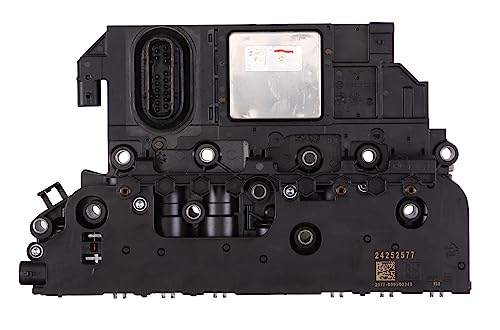
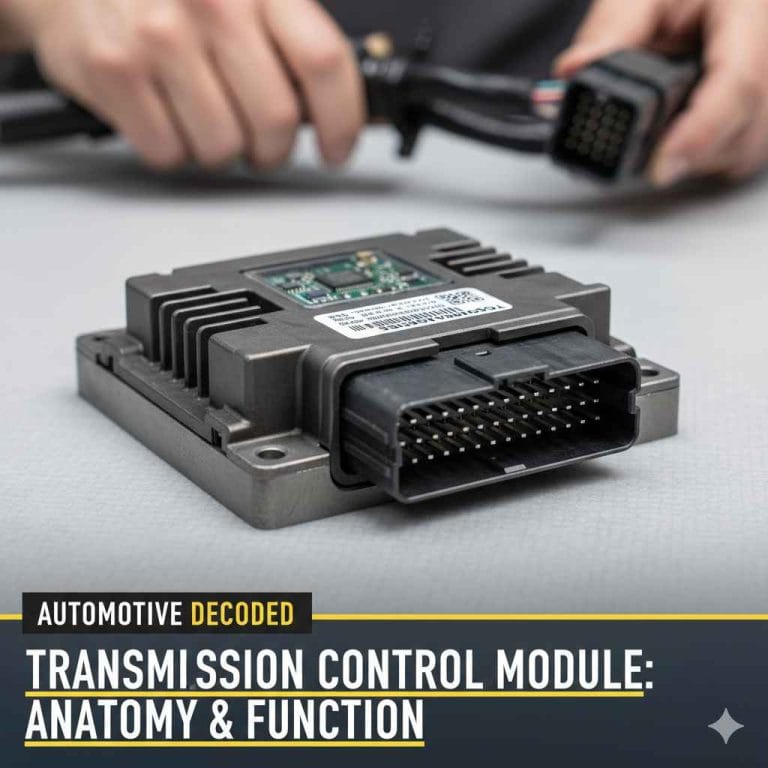
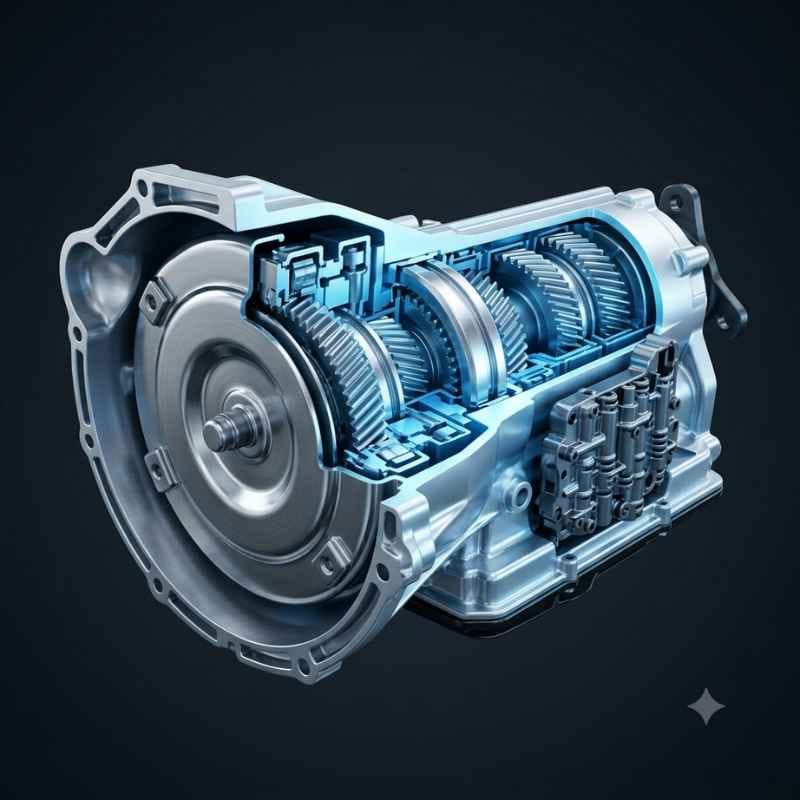
Think of your car’s transmission as its gearbox. It helps your engine’s power reach the wheels. The transmission control module, or TCM, is like the smart brain that tells the transmission exactly when and how to change gears.
It’s a small computer, but it’s super important.
It gets information from many sensors all over your car. These sensors report things like how fast the engine is spinning, how fast the car is moving, and how far you’re pressing the gas pedal. The TCM uses all this data.
It then sends commands to the transmission. This helps your car shift gears smoothly. It also makes sure the transmission works as efficiently as possible.
Without a working TCM, your car might struggle to shift gears. It could feel jerky or even get stuck in one gear. That’s why understanding what it monitors is key to knowing your car’s health.
The TCM’s Watchful Eye: What It Monitors
The TCM has a lot of jobs. It needs to collect information from many different places. This helps it make smart decisions about your car’s gears.
Let’s break down what it keeps track of.
Engine Speed (RPM)
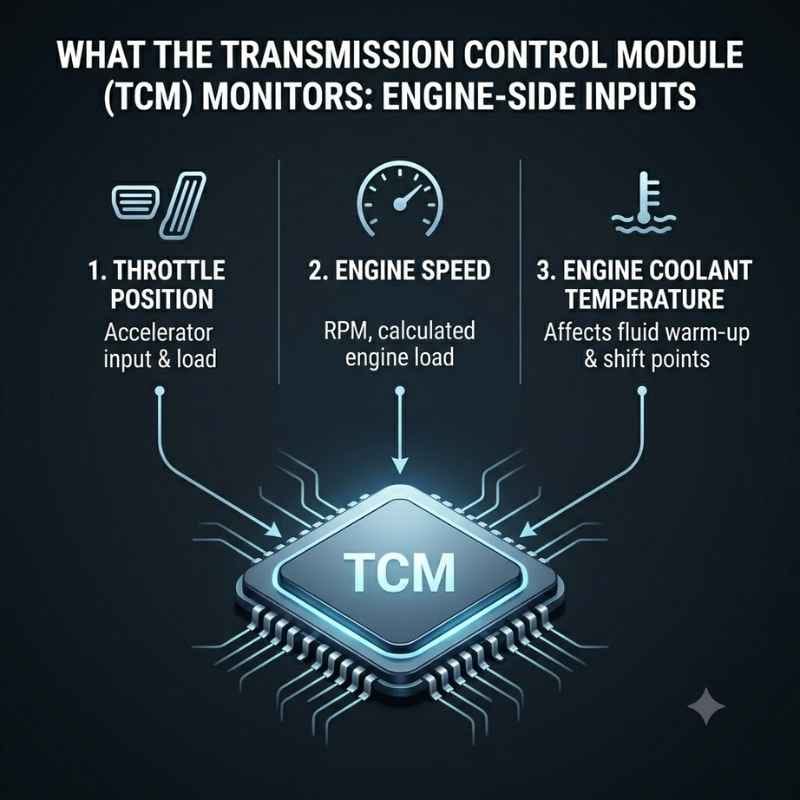
The TCM constantly watches the engine’s revolutions per minute, or RPM. This tells the TCM how fast the engine is currently running. It helps decide when to shift up or down.
For example, if the engine RPM is too high, the TCM might tell the transmission to shift into a higher gear. This slows the engine down. It saves fuel and reduces wear.
When you press the gas pedal harder, the engine RPM usually goes up. The TCM sees this. It might hold a gear longer before shifting.
This gives you more power for acceleration. When you ease off the gas, RPMs drop. The TCM then might shift to an easier gear sooner.
Vehicle Speed
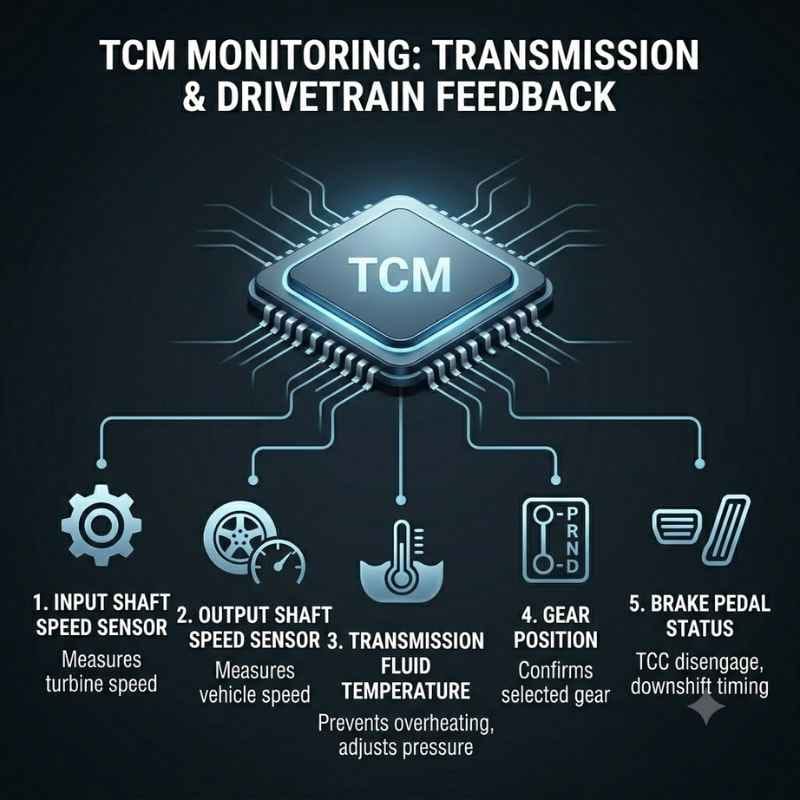
Just as important as engine speed is how fast the car itself is moving. The TCM uses vehicle speed data to know when to change gears. Cars need different gears at different speeds.
Lower gears are for starting and slow speeds. Higher gears are for highway driving.
The TCM gets this information from a speed sensor. This sensor is usually on the transmission or a wheel. It’s a vital piece of the puzzle.
Without knowing how fast you’re going, the TCM couldn’t tell the transmission to shift at the right time. Imagine trying to bicycle up a steep hill. You need a low gear.
You don’t want that gear when you’re speeding down a flat road. Your TCM understands this.
Throttle Position
How much you press the gas pedal is a big clue for the TCM. This is called throttle position. When you press the pedal down, you’re asking for more power.
The TCM sees this signal. It prepares to shift or hold a gear to give you that power. If you barely touch the pedal, the TCM knows you want to go slow and easy.
A sensor called the throttle position sensor (TPS) sends this information to the TCM. It’s like a direct line to your driving intentions. This helps the TCM make shifts feel natural and responsive.
It makes the driving experience smooth and predictable for you.
Gear Selector Position
You tell the car which gear you want by using the gear shifter. This could be a lever between the seats or buttons on the dash. The TCM monitors where you’ve put the shifter.
It needs to know if you’ve selected Park, Reverse, Neutral, Drive, or a manual gear option.
This input is fundamental. The TCM won’t try to engage a gear if the shifter isn’t in the correct position. For example, it won’t let you shift into Drive if the car is in Park.
It also helps the TCM manage things like engine braking when you select a lower gear manually.
Transmission Fluid Temperature
Transmission fluid is like the blood of the transmission. It lubricates parts and cools them down. If the fluid gets too hot, it can break down.
This can cause serious damage. The TCM monitors the fluid temperature. It can take steps to prevent overheating.
If the fluid gets too hot, the TCM might limit the transmission’s performance. It could also activate a warning light on your dashboard. This alerts you to a potential problem.
Keeping the fluid at the right temperature is crucial for the transmission’s lifespan.
This temperature reading also helps the TCM adjust shift patterns. In very cold weather, the fluid is thicker. The TCM might make shifts a bit softer.
In very hot weather, it might be more conservative with shifts.
Transmission Fluid Pressure
The transmission uses hydraulic fluid pressure to engage clutches and change gears. The TCM controls this pressure. It needs to know the actual pressure inside the transmission.
This is done with pressure sensors. These sensors tell the TCM if the pressure is correct for the current situation.
If the pressure is too low, gears might not engage properly. This can lead to slipping or clunking. If the pressure is too high, it could damage transmission parts.
The TCM works to maintain the precise pressure needed for smooth and reliable shifting. It’s a constant balancing act.
This pressure control is one of the TCM’s most critical functions. It directly influences how quickly and smoothly a gear change happens. It’s like the conductor of an orchestra, ensuring every instrument plays at the right volume and time.
Input and Output Shaft Speeds
The transmission has shafts that spin. The input shaft connects to the engine. The output shaft connects to the wheels.
The TCM monitors the speed of both these shafts. By comparing their speeds, it can figure out which gear is currently engaged.
This comparison is also how the TCM knows if a shift is happening correctly. If the output shaft speed doesn’t change as expected when the TCM commands a shift, it knows something is wrong. This helps it detect transmission slippage or other mechanical issues.
It’s a crucial diagnostic check.
This data is essential for the TCM to precisely control the timing of gear changes. It ensures the engine and drive wheels are synchronized correctly for each gear. This means less strain on the engine and a smoother ride for you.
Brake Pedal Position
When you hit the brakes, your driving style changes. The TCM monitors the brake pedal position. This tells it that you are slowing down or stopping.
In response, the TCM might prepare to downshift. This can help slow the vehicle further. It also ensures the car is in the right gear when you come to a complete stop.
This also relates to safety features. For instance, some systems might prevent shifting into certain gears while the brakes are applied. It’s another layer of intelligent control managed by the TCM.
It anticipates your needs as a driver.
Clutch Engagement Data
In automatic transmissions, clutches engage and disengage to select gears. In some transmissions, like dual-clutch transmissions (DCTs), this is very active. The TCM manages these clutches.
It monitors how they are engaging and disengaging.
The TCM controls the timing and force applied to these clutches. This ensures smooth transitions between gears. It prevents jerky shifts or wear.
It’s a complex dance of hydraulics and electronics working together. The TCM is the choreographer.
The TCM also gets feedback from sensors that tell it if the clutches are slipping. If a clutch is not fully engaging, it could cause performance issues or damage. The TCM will try to correct this or flag it as a fault.
Torque Converter Data
Many automatic transmissions use a torque converter. This is a fluid coupling that connects the engine to the transmission. It allows the engine to spin when the car is stopped.
The TCM can influence how the torque converter operates.
It monitors things like torque converter slip. This is the difference in speed between the engine side and the transmission side of the converter. In some cases, the TCM can command the torque converter to “lock up.” This creates a direct mechanical connection.
It improves fuel efficiency. The TCM decides when this is appropriate.
Park/Neutral Position Switch
This switch tells the TCM if the transmission is in Park or Neutral. It’s a safety feature. The engine can only be started when the transmission is in either of these positions.
The TCM uses this input to enable or disable the starter motor.
It also plays a role in preventing the car from rolling away unexpectedly. If the TCM detects the car is in gear but the switch says Park, it knows there’s an electrical fault. This information is critical for safe vehicle operation.
Cruise Control Signals
When you use cruise control, the TCM works with the cruise control module. The TCM helps maintain a set speed. It tells the transmission to shift gears as needed.
This keeps the engine in its optimal power band. This ensures the set speed is maintained smoothly.
The TCM receives commands from the cruise control system. It then adjusts the transmission’s behavior accordingly. It might hold a gear longer on an incline.
It could downshift to gain speed on a decline. This makes cruise control seamless.
Diagnostic Trouble Codes (DTCs)
The TCM is a diagnostic hub. It constantly checks its own systems and the sensors it monitors. If it detects a problem, it stores a Diagnostic Trouble Code, or DTC.
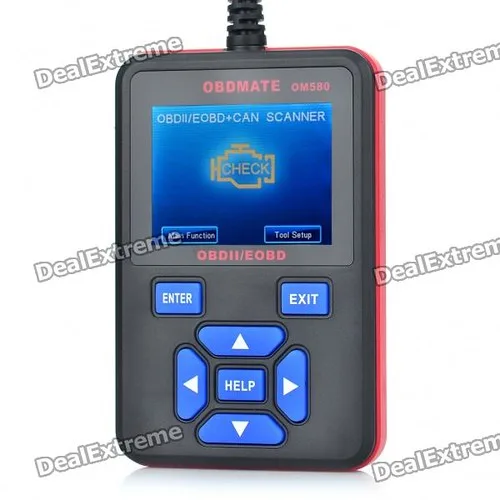
These codes can be read by a mechanic’s scanner. They point to the specific issue.
For example, a DTC might indicate a faulty speed sensor. Another might point to a problem with a transmission solenoid. The TCM’s ability to generate and store these codes is vital for troubleshooting and repair.
It acts as an early warning system.
My Own Close Call with a TCM Sensor
I remember one time a few years ago. My trusty old sedan started acting a bit strange. It wasn’t a loud bang or a sudden breakdown.
It was more subtle. The shifts felt a little mushy. Sometimes it felt like the car was confused about which gear to be in.
It was most noticeable when I was just cruising around town.
I started to worry. My mind immediately went to expensive transmission repairs. I called my mechanic, a guy I’ve trusted for years.
He listened patiently. He asked me a lot of questions about when the problem happened. He wanted to know if any warning lights were on.
Luckily, no lights had appeared yet. That often means it’s not a catastrophic failure, but it’s still concerning.
He suggested I bring it in. I did. He hooked up his diagnostic tool.
It’s a fancy computer that talks to the car’s brain. Within minutes, he found a code. It pointed to an issue with one of the transmission speed sensors.
This sensor feeds crucial data to the transmission control module. It told the TCM that the output shaft speed wasn’t matching what it expected.
The sensor itself wasn’t very expensive. The labor to replace it was reasonable. He explained that if that sensor gave bad information, the TCM would make poor decisions about shifting.
That explained the mushy, confused shifts perfectly. He replaced the sensor. He then cleared the code and took it for a test drive.
It was like a new car. The shifts were crisp and perfect again. It was a huge relief.
That experience really hammered home how important all those little sensors are, and how much the TCM relies on them.
TCM Monitoring Essentials at a Glance
Engine RPM: Tells TCM how fast the engine is running.
Vehicle Speed: Tells TCM how fast the car is moving.
Throttle Position: Shows how much gas you’re giving.
Fluid Temp: Checks if transmission fluid is too hot.
Fluid Pressure: Ensures correct hydraulic force for shifts.
Shaft Speeds: Compares engine and wheel speeds to check gears.
Real-World Context: Why These Inputs Matter
Imagine driving your car on a hot summer day. You’re stuck in stop-and-go traffic. The engine is working hard.
The transmission fluid is getting warmer. The TCM sees this. It might adjust shift points slightly.
It could also command the transmission cooler fan to engage more often. This is the TCM at work to prevent overheating.
Now think about driving up a steep hill. You’re pressing the gas pedal harder. The engine RPMs climb.
The vehicle speed might be lower than you’d like for the current gear. The TCM detects all this. It decides to hold the current gear longer.
Or, it might downshift to a lower gear. This gives you the power needed to climb the hill without straining the engine. It makes the drive much smoother and less stressful.
Consider driving on a slippery road in winter. You might be more gentle with the gas pedal. The TCM senses this subtle input.
It can also factor in wheel speed sensor data, which might indicate slippage. It will then command softer, less aggressive shifts. This helps maintain traction and control.
It prevents the car from spinning its wheels.
The design of the car also plays a role. Some cars have more complex transmissions. They might have more sensors.
They might have advanced features like adaptive learning. The TCM in these cars monitors even more data. It learns your driving habits over time.
It adjusts shift patterns to match your style. This makes the driving experience feel more personalized.
Even simple habits matter. If you tend to accelerate hard from a stop, the TCM will learn this. It will adjust its shift strategy to provide quicker acceleration when you demand it.
Conversely, if you drive very smoothly and gently, the TCM will adapt. It will favor earlier, softer shifts for better fuel economy.
Driving Scenarios & TCM Actions
| Scenario | TCM Monitors | Likely TCM Action |
| Stop-and-go traffic | Fluid Temp, Throttle Position, Vehicle Speed | Adjusts shifts for smoothness, engages cooling fans if needed. |
| Climbing a steep hill | Engine RPM, Throttle Position, Vehicle Speed | Holds gear longer or downshifts for more power. |
| Driving on icy roads | Brake Pedal Position, Wheel Speed Sensors, Throttle Position | Commands softer shifts to maintain traction. |
| Using cruise control | Set Speed Signal, Engine Load, Vehicle Speed | Adjusts gear for steady speed, potentially locking torque converter. |
What This Means for You: When to Pay Attention
Most of the time, the TCM does its job so well, you don’t even notice it. That’s the goal. Smooth, effortless shifts are a sign of a healthy system.
However, there are times when you should pay closer attention.
When it’s normal: You might notice slight changes in shift feel. This can happen when the car’s computer adjusts for changes in temperature. Or when it learns your driving style.
A very subtle change in shift timing on a cold morning is usually normal. A slightly firmer shift when you accelerate hard is also expected.
When to worry: If you experience any of the following, it’s time to get it checked out. Harsh or jerky shifts are a big red flag. If the car clunks or jolts when it changes gears, something is wrong.
Slipping gears is another major concern. This feels like the engine revs up, but the car doesn’t speed up proportionally.
Delayed shifts are also a problem. If you press the gas pedal and it takes a long time for the car to shift, that’s not good. A burning smell coming from the transmission area is a serious sign of overheating or damaged fluid.
And of course, any warning lights on your dashboard related to the engine or transmission need immediate attention.
Simple checks: You can do a few simple things. Check your transmission fluid level and condition regularly. If it’s low or smells burnt, that’s a problem.
Listen for unusual noises. Pay attention to how the car feels when it shifts. Any sudden, dramatic changes are worth investigating.
Your car’s behavior is its way of telling you something.
Quick Scan: Signs Your TCM or Transmission Might Need Help
Normal: Subtle shifts, slight changes with temperature.
Concerning:
- Harsh or jerky shifts
- Slipping gears
- Delayed shifts
- Burning smell
- Warning lights on dash
Quick Tips for Transmission Health
While the TCM itself is a computer, the transmission it controls needs good care. Here are some simple guidelines to help keep your transmission happy. This, in turn, helps your TCM function at its best.
- Follow the maintenance schedule: Your car’s owner’s manual will tell you when to change transmission fluid and filter. Do it! This is probably the single most important thing you can do. Fresh fluid keeps everything running smoothly and cool.
- Check fluid level and condition: Regularly look at your transmission fluid. It should be reddish and not smell burnt. If it’s dark, brown, or smells like burnt toast, it needs attention.
- Avoid “riding” the brake: Constantly resting your foot on the brake pedal can put extra strain on the transmission. Try to keep your foot off the brake unless you’re actively stopping.
- Don’t force shifts: If your gear shifter feels stiff or stuck, don’t yank it. You could damage the linkage. Gently try again or seek professional help.
- Allow warm-up: Especially in cold weather, give your car a minute or two to warm up before driving aggressively. This allows the transmission fluid to circulate properly.
- Don’t tow beyond capacity: Exceeding your car’s towing limits puts immense stress on the transmission. Always know your vehicle’s towing capacity and stick to it.
Your TCM’s Best Friend: Transmission Care Habits
Routine Maintenance is Key: Stick to your car’s recommended fluid and filter change schedule. This is crucial for longevity.
Fluid Checks: Regularly inspect transmission fluid for color and smell. Red and clean is good; dark and burnt is bad.
Gentle Driving: Avoid aggressive acceleration or harsh braking, especially when the transmission is cold.
Proper Towing: Never exceed your vehicle’s towing capacity. It’s a major stressor.
Frequently Asked Questions About TCM Monitoring
What is the main job of a transmission control module (TCM)?
The main job of a transmission control module (TCM) is to act as the brain for your car’s automatic transmission. It monitors various sensors to determine the best time to shift gears, ensuring smooth performance and efficiency.
Can a faulty TCM cause rough shifting?
Yes, absolutely. If the TCM is not receiving correct data or is malfunctioning, it can send incorrect commands. This often results in rough, jerky, or delayed gear shifts.
How does the TCM know when to shift gears?
The TCM uses data from multiple sensors. This includes engine speed (RPM), vehicle speed, throttle position, and brake pedal position. It analyzes this information to decide the optimal gear for the current driving conditions.
What happens if the transmission fluid is too hot?
If transmission fluid gets too hot, it can lose its lubricating properties and break down. The TCM monitors fluid temperature and may limit performance or trigger a warning light to prevent damage.
Does the TCM monitor engine performance?
While the TCM primarily focuses on the transmission, it does receive engine speed (RPM) data. This is essential for determining shift points. It works closely with the engine control module (ECM), but its direct monitoring is centered on the transmission’s needs.
Can I drive my car if the TCM has a problem?
It depends on the severity of the problem. Minor issues might result in less-than-ideal shifting. However, a significant TCM failure can leave your car undrivable or cause serious damage to the transmission if driven.
It’s best to have it checked immediately.
How often should transmission fluid be checked?
Your car’s owner’s manual will specify the recommended interval for checking and changing transmission fluid. As a general guideline, checking it every oil change and changing it according to the manual’s schedule is a good practice.
Putting It All Together
The transmission control module is a sophisticated piece of technology. It’s essential for your car’s smooth operation. By monitoring a wide array of sensors, it ensures your transmission performs optimally.
From engine speed to fluid temperature, every piece of data plays a role. Understanding what your TCM monitors helps you appreciate your car better.
It also helps you recognize when something isn’t right. Pay attention to how your car shifts. Listen for strange sounds.
Keep up with regular maintenance. These simple steps can go a long way. They help ensure your TCM and transmission work together seamlessly for many miles to come.
Products related to this article
Sponsored / affiliate links. As an Amazon Associate I earn from qualifying purchases. I may earn additional commission from eligible campaigns.