Transmission Control Solenoid Vs Shift Solenoid: Key Differences
The main difference between a transmission control solenoid and a shift solenoid lies in their primary role: transmission control solenoids manage overall transmission functions and fluid flow, while shift solenoids are specifically responsible for engaging specific gear sets to initiate shifts. Both are crucial for smooth gear changes in an automatic transmission.
Understanding Transmission Control Solenoids
Think of your car’s automatic transmission as a very complex system. It needs to tell itself when to change gears. This is where solenoids come in.
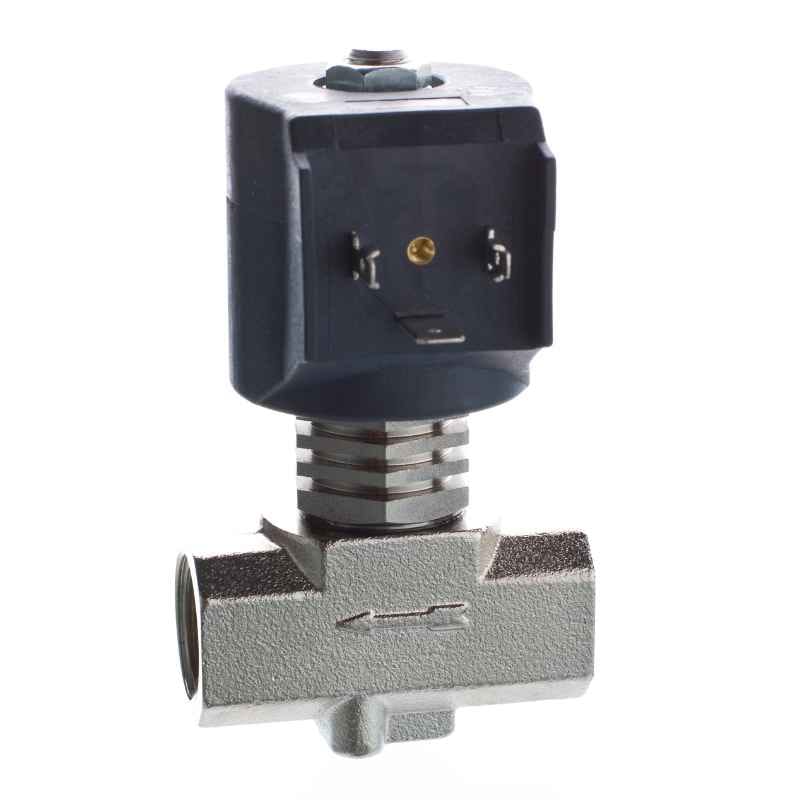
A transmission control solenoid is like a tiny electronic valve. It uses electrical signals from your car’s computer to open or close passages for transmission fluid.
This fluid is the lifeblood of your transmission. It provides pressure and lubrication. The solenoids direct this fluid to different parts of the transmission.
This allows the gears to engage or disengage correctly. Without these precise fluid movements, your car wouldn’t be able to shift gears smoothly.
There are often several solenoids in a transmission. Each one has a specific job. Some control pressure.
Others tell specific clutches or bands to apply. The transmission control module (TCM), which is your car’s computer for the transmission, tells each solenoid what to do and when. This constant communication ensures the car shifts at the right time and with the right smoothness.
In essence, transmission control solenoids are the workers that execute the commands for gear changes. They don’t usually select a specific gear themselves. Instead, they manage the flow of fluid that makes the selection happen.
This includes things like controlling torque converter lock-up, managing line pressure, and even telling other solenoids what to do.
What Exactly Are Shift Solenoids?
Now, let’s talk about shift solenoids. You can think of these as a specific type of transmission control solenoid. Their main job is more focused.
Shift solenoids are directly responsible for telling the transmission which gear to go into. They are the ones that help make the actual shift happen.
When your car’s computer decides it’s time to shift from first to second gear, for instance, it sends a signal. This signal goes to a specific shift solenoid. This solenoid then opens or closes a fluid path.
This path is linked to the clutches or bands that are needed to engage second gear.
Imagine a series of gates. The shift solenoids are like the gatekeepers for specific gears. One shift solenoid might be for first and second gear.
Another might be for third and fourth gear. When a signal comes, the correct gatekeeper opens the right gate to let the fluid do its work. This allows the transmission to select the next gear.
So, while all shift solenoids are technically transmission control solenoids, not all transmission control solenoids are shift solenoids. The term “transmission control solenoid” is broader. It covers all the solenoids that help manage the transmission’s overall operation.
Shift solenoids are a subset, focusing on the actual gear engagement.
The Relationship: How They Work Together
It’s really important to see how these parts work as a team. Your car’s transmission computer (TCM) is the brain. It monitors engine speed, vehicle speed, throttle position, and many other factors.
Based on all this data, it decides the best gear for the situation.
When the TCM decides to shift, it sends signals. These signals go to a combination of solenoids. Some of these are general control solenoids.
They might adjust fluid pressure for the upcoming shift. Then, the specific shift solenoids activate. They engage the clutches or bands for the new gear.
This coordinated action is what makes your car shift smoothly. If one of these solenoids fails or doesn’t work right, the whole shifting process can be affected. You might notice slipping, harsh shifts, or the car getting stuck in one gear.
Let’s use an analogy. Imagine a dance performance. The choreographer (TCM) has the plan.
The lighting crew and sound engineers (general control solenoids) set the stage and mood. The dancers themselves (shift solenoids engaging gears) perform the actual moves. All parts must work perfectly for a great show.
Transmission Fluid: The Silent Partner
What it is: Transmission fluid is a special oil. It’s vital for automatic transmissions.
What it does: It lubricates parts. It cools the transmission. It creates hydraulic pressure.
This pressure is what solenoids use to shift gears.
Why it matters: Old or low fluid can cause solenoid issues. It can lead to poor shifting or even damage.
Why the Distinction Matters for Car Owners
You might wonder why you need to know this difference. Well, when your car has a transmission problem, a mechanic will diagnose it. Understanding the terms helps you talk to them.
It also helps you grasp what they are explaining.
If a mechanic says a “shift solenoid is bad,” they mean the part directly responsible for selecting a gear isn’t working. This might cause the car to not shift into a specific gear or to shift roughly. If they say a “transmission control solenoid” is bad, it could be a broader issue.
It might affect line pressure, torque converter clutch, or other functions.
Sometimes, a problem is with the electrical signals. The solenoids themselves might be fine. But the wires or the computer sending the signals are faulty.
This is why proper diagnosis is key. It saves you from paying for the wrong repairs.
I remember a time when my old sedan started acting strange. It felt like it was hesitating to shift. It would sometimes lurch forward.
I took it in, and the mechanic initially thought it was a shift solenoid. But after more testing, he found that a different control solenoid, one managing line pressure, was sticking intermittently. It wasn’t the specific gear selector, but it affected how all the gears engaged.
This experience taught me that pinpointing the exact faulty part is crucial.
Common Problems with Solenoids
Solenoids, like any other car part, can wear out or fail. Several things can cause them to stop working correctly. One common issue is just age and wear.
Over time, the internal components can become dirty or fatigued.
Transmission fluid plays a huge role here. If the fluid isn’t changed regularly, it can become contaminated with tiny metal particles. These particles can clog the small passages within the solenoid.
They can also damage the delicate internal parts. This can cause the solenoid to stick or not operate smoothly.
Electrical issues are also common. The wires that connect to the solenoids can corrode or break. The solenoids themselves have electrical coils that can burn out.
If the TCM sends the wrong signal, or no signal at all, the solenoid won’t function.
Sometimes, a solenoid might not fail completely. It might just start to work slower. This can lead to delayed shifts or shifts that feel rough.
You might notice the engine revving higher than usual before a shift. Or the car might feel sluggish.
I’ve seen this happen in person. A friend’s truck started having trouble. It would feel like it was slipping out of gear sometimes.
We checked the transmission fluid; it was dark and smelled burnt. The mechanic explained that the contaminated fluid had likely caused the shift solenoids to get sticky. This meant they weren’t holding the gears properly.
Replacing the fluid and filter fixed it temporarily, but eventually, the solenoids needed to be replaced because they were damaged.
Signs of Solenoid Trouble
Rough Shifting: Gears engage with a clunk or jolt.
Delayed Shifting: Car hesitates before changing gears.
Slipping Gears: Engine revs up, but the car doesn’t speed up.
Stuck in One Gear: Transmission won’t shift up or down.
Transmission Warning Light: A light on your dashboard may illuminate.
Diagnosis and Repair
Diagnosing solenoid issues can be tricky. A mechanic will typically start with some basic checks. They’ll check the transmission fluid level and condition.
They’ll look for any error codes stored in the TCM. Many modern cars have diagnostic tools that can communicate directly with the TCM.
These tools can often tell if a specific solenoid is not responding correctly. They can also measure fluid pressure at different points. This helps determine if the problem is with a solenoid or something else, like a worn pump or internal seal.
Sometimes, a solenoid can be tested by applying a direct electrical current to it. This can sometimes free up a stuck solenoid. However, if a solenoid is truly damaged, it will need to be replaced.
This can be a relatively straightforward repair for some vehicles. For others, it can be more involved.
The location of the solenoids within the transmission can vary. Some are easily accessible from the transmission pan. Others are deeper inside.
Replacing deeply buried solenoids often means the transmission needs to be partially or fully removed. This increases the cost of the repair significantly.
It’s crucial to have a qualified mechanic diagnose the problem. They have the specialized tools and knowledge. They can tell you whether it’s a single solenoid, multiple solenoids, or another transmission issue causing the symptoms.
Sometimes, a simple transmission fluid and filter change can solve minor solenoid issues caused by dirty fluid.
Quick Scan: Solenoid Types
Shift Solenoids: Specifically select gears (e.g., 1-2, 3-4).
Pressure Control Solenoids: Manage fluid pressure for smoother shifts.
TCC Solenoids: Control torque converter lock-up for better fuel economy.
Linear Solenoids: More advanced; provide variable pressure control.
Transmission Control Solenoid vs. Shift Solenoid: A Deeper Dive
Let’s go back to the core difference. A transmission control solenoid is a more general term. It’s an electromagnetic valve.
It’s operated by your car’s computer. Its job is to regulate the flow of transmission fluid. This fluid movement is key for many transmission functions.
This includes things like engaging or disengaging clutches. It also manages the torque converter clutch. This clutch helps improve your car’s fuel efficiency at highway speeds.
So, a general control solenoid might be responsible for the overall “feel” of the transmission, not just the act of shifting gears.
A shift solenoid is a specific type of transmission control solenoid. Its primary role is to engage or disengage the gear sets themselves. When the computer wants to shift from, say, third to fourth gear, it sends a signal to the appropriate shift solenoid.
This solenoid then directs fluid pressure to activate the clutches or bands needed for fourth gear.
So, you can have a situation where a car has many solenoids. Some are general control solenoids managing pressure or lock-up. Others are specific shift solenoids for each gear change.
They all work in harmony, directed by the TCM.
It’s like an orchestra. The conductor (TCM) waves their baton. The percussion section (pressure control solenoids) might provide a steady beat.
The brass section (shift solenoids) plays the main melody for each gear. The entire performance depends on every part playing its role at the right time.
Real-World Scenarios and What to Watch For
Let’s look at some common situations. Imagine you’re driving on the highway. Your car suddenly feels like it’s losing power, or the engine revs up.
This could be a problem with the Torque Converter Clutch (TCC) solenoid. This solenoid is responsible for locking the torque converter. When it fails, the lock-up disengages, and you lose that direct connection, leading to poor acceleration and lower MPG.
Another scenario: you’re stopped at a red light. When you accelerate, the car stays in first gear for a very long time. It might even feel like it’s struggling or making a loud noise.
This could indicate an issue with a specific shift solenoid that controls engagement into second gear or higher. The computer is trying to tell it to shift, but the solenoid isn’t responding.
Or consider this: Your car shifts, but it’s very harsh. It feels like someone is slamming the gear lever. This is often a sign of pressure control issues.
A pressure control solenoid might not be regulating the fluid pressure correctly. This can lead to shifts that are too hard or too soft. In older cars, this might be called a “hard shift.”
I once had a coworker whose car would randomly shift into “limp mode.” This means the transmission computer puts the car in a default gear (usually second) to prevent further damage. It would stay in this gear no matter what. After a few days of driving like this, they finally took it in.
The mechanic found that one of the main shift solenoids was intermittently failing. When it failed, the TCM detected an impossible gear state and engaged limp mode as a safety measure. It was a nerve-wracking experience for my coworker.
Myth vs. Reality: Solenoid Issues
Myth: All transmission problems are just low fluid.
Reality: While low or bad fluid is a common cause of solenoid issues, solenoids can also fail due to electrical problems or internal wear.
Myth: Replacing a solenoid always fixes the problem.
Reality: Sometimes, the TCM or wiring is the issue. Or, other internal transmission components might be damaged from the solenoid failing.
What This Means for Your Car Maintenance
The health of your transmission solenoids is directly tied to your transmission’s overall health. Regular maintenance is key. The most important maintenance item for solenoids is changing your transmission fluid and filter at the recommended intervals.
This is specified in your car’s owner’s manual.
Using the correct type of transmission fluid is also critical. Different transmissions require different fluid formulations. Using the wrong fluid can cause damage.
It can lead to premature solenoid failure. Check your owner’s manual for the specific fluid type your car needs.
When you notice any changes in how your car shifts, don’t ignore them. A slight hesitation or a rough shift might seem minor. But it could be an early warning sign of a solenoid problem.
Addressing it early can often prevent more serious and expensive damage to the entire transmission.
Also, be mindful of where you get your car serviced. For transmission work, it’s best to go to a reputable mechanic. Especially one who specializes in transmissions.
They will have the right tools and expertise to diagnose and fix these complex systems correctly.
I learned this the hard way with my first car. I put off a transmission fluid change for too long. Eventually, I started having shifting issues.
The mechanic told me the fluid was full of debris. It had likely accelerated the wear on the solenoids. I ended up needing to replace them.
It was a lesson in preventive maintenance for sure.
When is it Normal, and When to Worry?
Some transmission behaviors are normal. For example, in colder weather, your transmission fluid is thicker. This can make shifts feel a bit firmer initially.
This is usually normal and will smooth out as the transmission warms up.
Also, many modern cars have adaptive transmissions. This means the computer learns your driving style. If you drive aggressively, it might hold gears longer.
If you drive gently, it will shift sooner. This is normal behavior and not a sign of a problem.
You should start to worry when you notice consistent changes. These include:
- Harsh or jerky shifts that feel sudden and jarring.
- Delayed shifts where the car takes noticeably longer than usual to change gears.
- Slipping, where the engine revs but the car doesn’t accelerate as it should.
- The transmission getting stuck in one gear, preventing you from driving normally.
- A transmission warning light appearing on your dashboard.
If you experience any of these, it’s time to get your car checked by a professional. Don’t wait for the problem to become worse.
Quick Tips for Transmission Care
Here are some simple things you can do to help keep your transmission and its solenoids healthy:
- Check Transmission Fluid Regularly: Make sure the fluid level is correct. It should also be clean and red. If it’s dark, burnt-smelling, or has debris, it needs attention.
- Follow Fluid Change Schedule: Stick to your car manufacturer’s recommended intervals for transmission fluid and filter changes. This is crucial.
- Use the Right Fluid: Always use the transmission fluid type specified in your owner’s manual.
- Drive Smoothly: Avoid aggressive acceleration and hard braking. This puts less stress on the transmission components.
- Listen to Your Car: Pay attention to how your car shifts. If you notice any unusual sounds or behaviors, get it checked out.
Frequently Asked Questions
What’s the difference between a shift solenoid and a transmission control solenoid?
A transmission control solenoid is a general term for any solenoid that regulates transmission fluid. A shift solenoid is a specific type of transmission control solenoid that directly engages or disengages gears.
Can a bad shift solenoid cause my car to get stuck in one gear?
Yes, absolutely. If the shift solenoid responsible for engaging a specific gear fails, the transmission may not be able to shift into that gear, or it might get stuck in a default gear like “limp mode.”
How do I know if my transmission solenoids need replacing?
Symptoms like harsh shifts, delayed shifts, slipping, or the transmission getting stuck in gear can indicate solenoid issues. A mechanic can diagnose this using diagnostic tools and by checking transmission fluid pressure.
Is it expensive to replace transmission solenoids?
The cost can vary widely. If the solenoids are easily accessible, the repair might be less expensive. If they are deep inside the transmission, the labor costs can increase significantly, making it a more costly repair.
Can I drive my car if I suspect a solenoid problem?
It’s generally not recommended to drive extensively if you suspect a transmission problem. Driving with faulty solenoids can cause further damage to the transmission, leading to much more expensive repairs.
What is the role of transmission fluid in solenoid operation?
Transmission fluid provides the hydraulic pressure that solenoids use to operate. Solenoids are essentially valves that direct this fluid pressure to engage clutches or bands for gear changes. Dirty or low fluid can prevent solenoids from working correctly.
Final Thoughts on Transmission Solenoids
Understanding the difference between transmission control solenoids and shift solenoids helps demystify your car’s automatic transmission. These small parts are vital for smooth, efficient driving. Regular maintenance, especially checking and changing your transmission fluid, is your best defense against problems.
See also how to stop seeding in transmission remote quick guide . See also what does transmission control system mean clear answer.
Products related to this article
Sponsored / affiliate links. As an Amazon Associate I earn from qualifying purchases. I may earn additional commission from eligible campaigns.