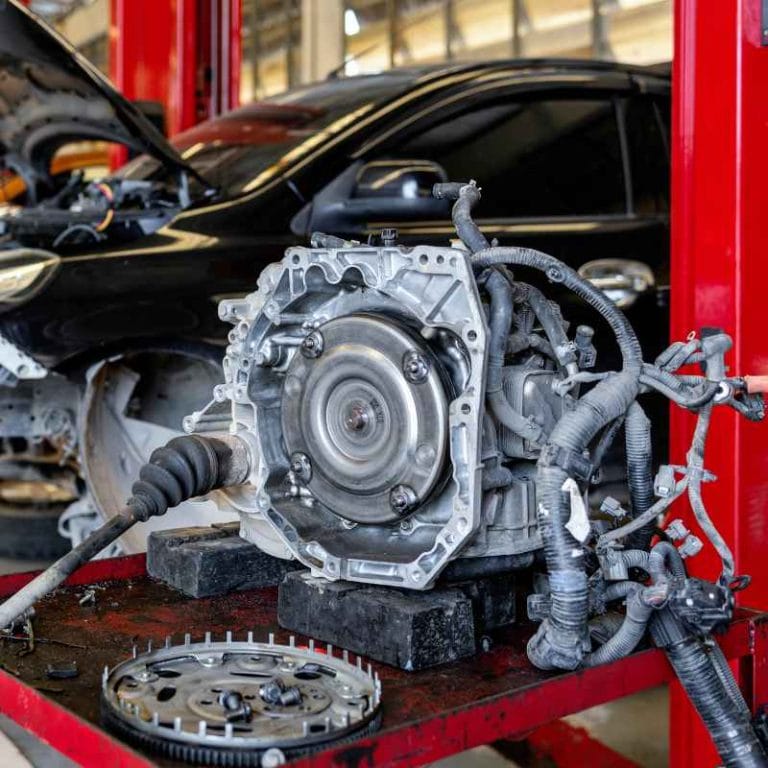
What Does A Transmission Control System Code Mean? Find Out
It’s a sinking feeling. You’re driving along, maybe running errands or heading home, and suddenly a warning light pops on your dashboard. Or perhaps your car starts acting strangely – hesitating, shifting roughly, or not shifting at all.
You might be facing a transmission control system problem.
This can be super frustrating. The transmission is like the heart of your car’s ability to move. When it signals something is wrong, it feels like a big deal.
You might wonder, “What does this code even mean?” and “How bad is this going to be?”
This guide is here to help. We’ll break down what a transmission control system code tells you. We’ll explore common reasons these codes appear.
And we’ll figure out what steps you should take next. Let’s get your car back to running smoothly.
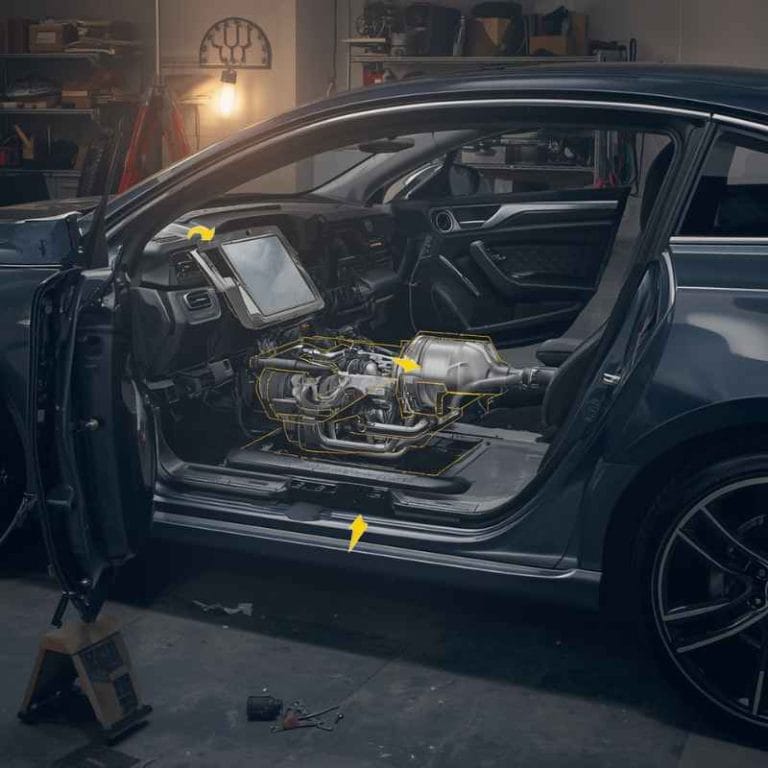
A transmission control system code indicates a potential issue within the complex network that manages your vehicle’s gear shifts. It could range from a simple sensor problem to a more serious internal transmission fault. Understanding the code helps pinpoint the exact concern.
Understanding Your Transmission Control System
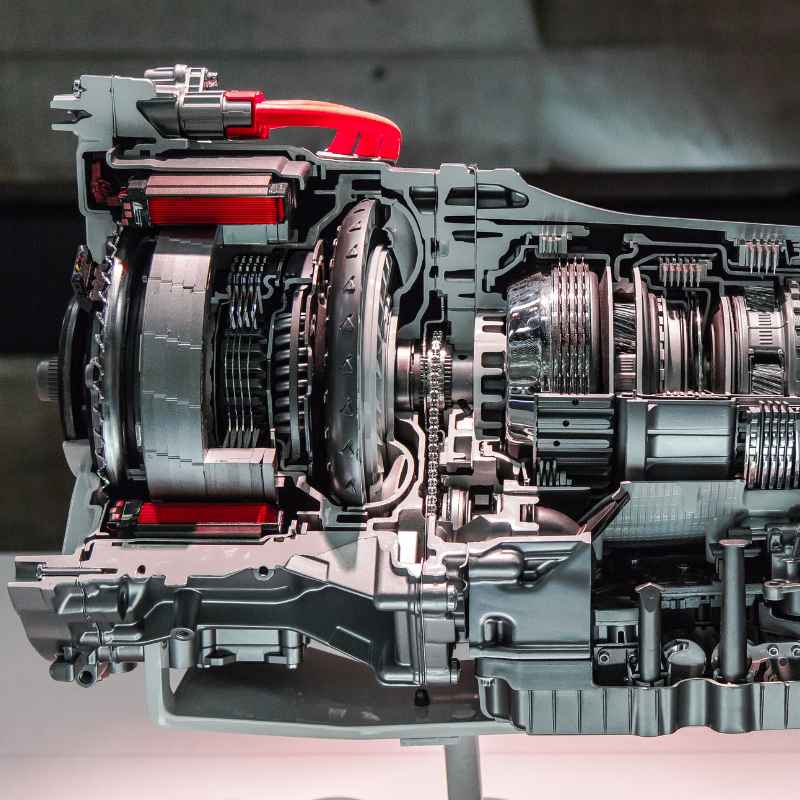
Your car’s transmission is a marvel of engineering. It helps your engine’s power reach the wheels. It does this by changing gears.
This lets your car drive at different speeds. It also helps it climb hills and tow loads.
The transmission control system, or TCS, is the brain behind this. It uses sensors. These sensors watch things like engine speed.
They also check vehicle speed and throttle position. The TCS then tells the transmission when to shift. It ensures smooth and efficient operation.
When the TCS finds a problem, it stores a code. This code is usually a P-code. It starts with a ‘P’ and has four numbers.
For example, P0700 is a general transmission system fault. Other codes are more specific, like P0730. This code means an incorrect gear ratio is detected.
Why Do Transmission Control System Codes Appear?
These codes don’t just pop up for no reason. They are triggered by specific issues. Think of them as your car’s way of saying, “Hey, something’s not right here!” Let’s look at common culprits.
Common Causes for TCS Codes
- Sensor Malfunctions: Sensors report data to the TCS. If a sensor is bad, it sends wrong info. This can cause the TCS to think there’s a problem.
- Low Transmission Fluid: Fluid is vital. It lubricates parts and helps cool the transmission. Low fluid can cause overheating and shifting issues.
- Fluid Leaks: Leaks lead to low fluid levels. Finding and fixing leaks is key.
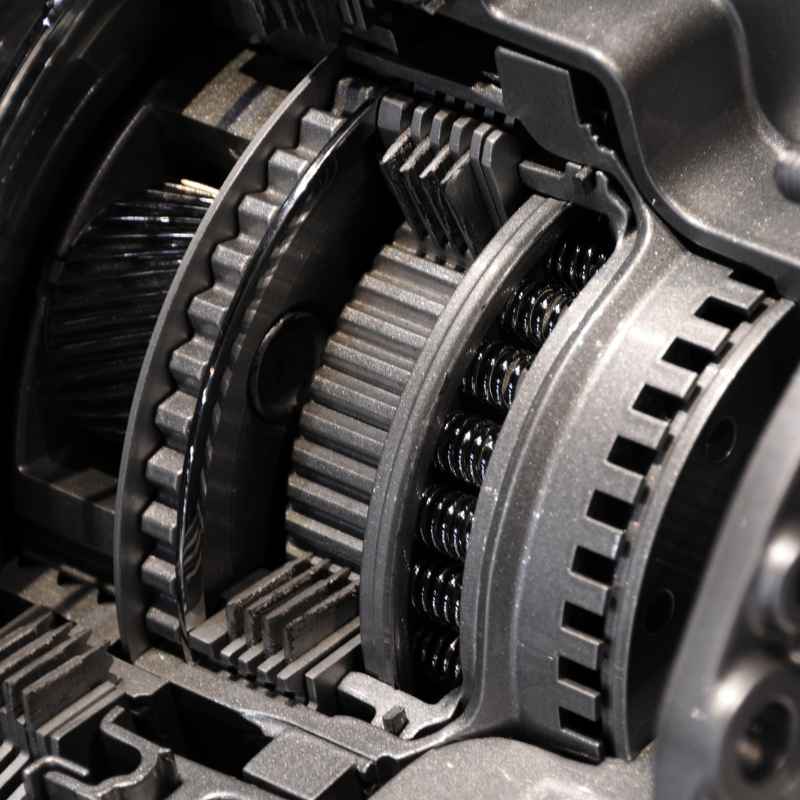
- Internal Transmission Damage: Worn gears, clutch packs, or solenoids can cause codes. This is often more serious.
- Wiring Issues: Damaged or corroded wires can disrupt signals. This affects how the TCS communicates.
- Shift Solenoid Problems: Solenoids are electrical valves. They control fluid flow for shifting. A bad solenoid means bad shifts.
- Torque Converter Issues: The torque converter connects the engine to the transmission. Problems here affect power transfer.
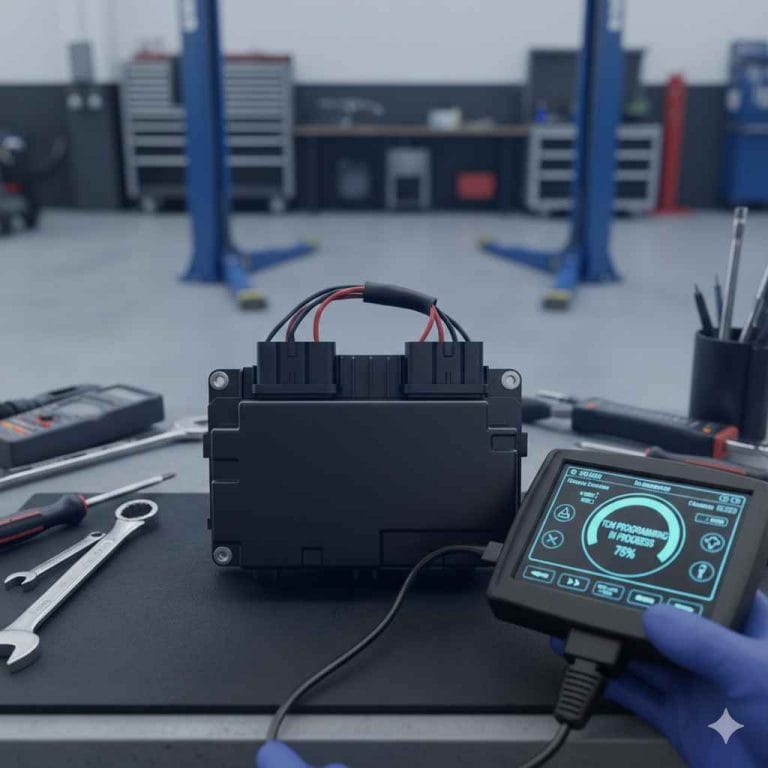
- Transmission Control Module (TCM) Failure: The TCM is the computer itself. If it fails, it can’t manage the transmission.
It’s important to know that a transmission control system code often points to a bigger issue. It’s not usually something you can just ignore. Ignoring it can lead to more damage.
My Own Transmission Scare
I remember one time, I was driving my old sedan home from a weekend trip. The highway was clear, and I was feeling good. Then, without any warning, my car lurched.
It felt like I hit a pothole, but the road was perfectly smooth. The dashboard lit up like a Christmas tree. A red warning light flashed, and a symbol I didn’t recognize appeared.
My heart sank. My car started sputtering. It felt heavy, like it was struggling to move.
I pulled over to the shoulder, my hands shaking a little. I looked at the dash again. The transmission warning light was on.
I had absolutely no idea what it meant. Was I stranded? How would I get home?
Panic started to set in.
I waited a few minutes, turned the car off, and then back on. The light stayed lit. I cautiously started driving again.
The car shifted very hard. It felt like it was protesting every gear change. I knew I couldn’t drive it like this for long.
I had to get it checked. It turned out to be a faulty speed sensor. It was an annoying fix, but much better than if it had been something worse.
Decoding Common Transmission Codes
While there are hundreds of codes, some appear more often. Understanding these can give you a head start. Remember, this is not a substitute for a mechanic’s diagnosis.
Key Transmission Codes Explained
P0700: Transmission System Malfunction
This is a general code. It means the TCM has detected a problem. It doesn’t specify what.
You’ll likely see other, more specific codes with this one.
P0730: Incorrect Gear Ratio
Your car isn’t shifting into the right gear. This can happen if the transmission slips. It might also mean there’s a problem with the solenoids or internal clutch packs.
P0740: Torque Converter Clutch Circuit Malfunction
The torque converter helps your engine connect to the transmission. This code means the clutch within it isn’t working right. You might notice poor acceleration or strange vibrations.
P0750-P0760 Series: Shift Solenoid Codes
These codes point to specific shift solenoids. For example, P0750 might be for Shift Solenoid ‘A’. A faulty solenoid means the transmission can’t engage a particular gear.
P0780: Shift Error Code
This code indicates an error during a gear change. The system detected a problem with the sequence of shifts.
These are just a few examples. The exact code and its meaning can vary slightly by car make and model. That’s why getting a specific diagnosis is so important.
Real-World Scenarios and Symptoms
What does a transmission control system code feel like in everyday driving? It’s not always a flashing light. Sometimes, the symptoms are subtle at first.
Other times, they are very obvious.
Observational Flow: Symptoms to Watch For
1. The Hesitation: You press the gas pedal. The car doesn’t move forward right away.
It pauses for a moment before accelerating. This is a common sign of internal transmission issues.
2. The Rough Shift: Gears don’t change smoothly. You might feel a clunk or a jolt when the transmission shifts.
This can be jarring and uncomfortable.
3. Slipping Gears: The engine revs high, but the car doesn’t speed up much. It feels like the transmission is failing to catch the gear.
This is a serious symptom.
4. Inability to Shift: The car might get stuck in one gear. Or it might refuse to shift into reverse or drive.
This usually means a major problem.
5. Strange Noises: Whining, clunking, or grinding sounds from the transmission area are bad signs. These noises often accompany other symptoms.
6. Overheating: A burning smell coming from the transmission is a major warning. This indicates severe overheating, often due to low fluid or internal friction.
These symptoms can appear individually or together. A burning smell, for instance, often points to low fluid or internal friction. This can lead to costly repairs if not addressed quickly.
What This Means for You: Normal vs. Concerning
It’s natural to worry when you see a warning light. But not all transmission issues are catastrophic. Knowing the difference helps you decide what to do.
Contrast Matrix: Normal vs. Concerning
| Normal (Often Minor) | Concerning (Requires Attention) |
|---|---|
| Slight, infrequent hesitation on a cold start (especially in very cold weather) | Consistent, noticeable hesitation every time you accelerate. |
| A very mild bump during a shift on an older vehicle, which has always been there. | Sudden, harsh clunks or jolts during gear changes. |
| The transmission fluid appears dark but doesn’t smell burnt. | Transmission fluid is brown, black, or smells burnt. |
| A transmission warning light that briefly flickers and then goes off. | A steady, illuminated transmission warning light. |
| Normal engine RPMs during acceleration. | Engine RPMs jump high without corresponding speed increase (slipping). |
If you notice any of the “concerning” signs, it’s time to act. Ignoring them can turn a fixable problem into a complete transmission rebuild. This is a huge expense.
A simple sensor replacement is a fraction of the cost of a new transmission.
Quick Checks and Tips
While you shouldn’t try to fix complex transmission issues yourself, there are a few simple checks you can do. These might help you understand the situation better before you call a mechanic.
Quick Scan: What You Can Check
Check Transmission Fluid Level: On many cars, you can check the fluid. Look for the dipstick labeled “Transmission” or “ATF”. Make sure the engine is running and the car is on a flat surface.
Check the fluid level against the markings. Also, note the fluid’s color and smell. It should be reddish and not smell burnt.
If it’s low or smells bad, this is a key clue.
Listen Carefully: When the car is running, listen for any unusual noises. Are there whines, clunks, or grinding sounds? Where are they coming from?
This information is helpful for a mechanic.
Observe Shifting: Pay attention to how your car shifts. Does it happen smoothly? Does it shift at appropriate speeds?
Note any instances of slipping or harshness.
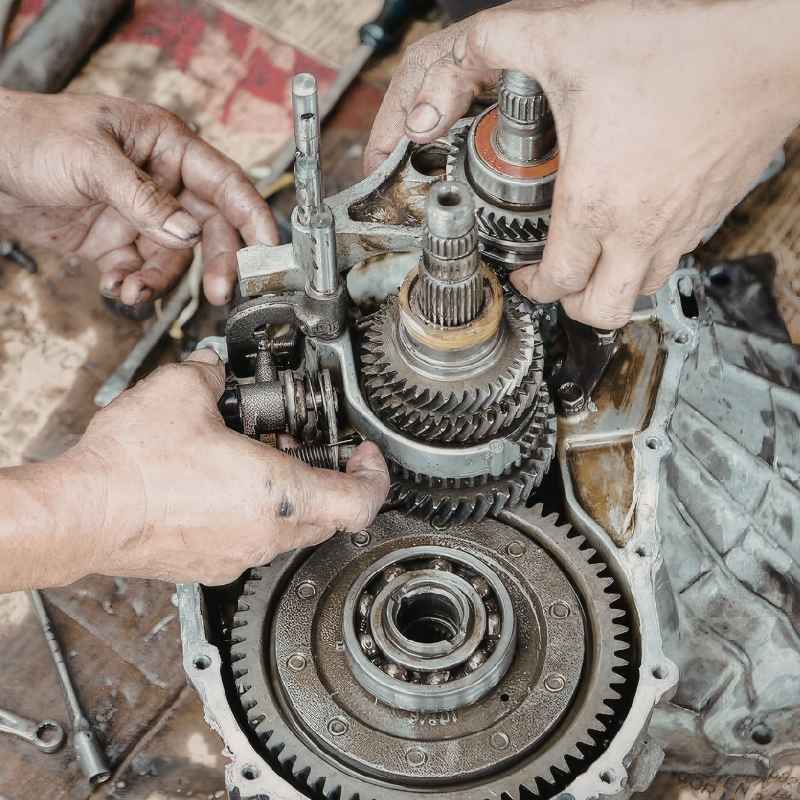
If you see a transmission control system code, it’s always best to consult a qualified mechanic. They have the tools and expertise to properly diagnose the issue. They can read the specific codes.
They can also perform further tests to find the root cause.
Frequently Asked Questions About Transmission Codes
What does a P0700 code mean?
A P0700 code is a general transmission system malfunction indicator. It means the transmission control module (TCM) has detected a problem. However, it doesn’t specify the exact fault.
Usually, there will be other, more specific codes stored along with P0700 that pinpoint the issue.
Can I drive my car with a transmission warning light on?
It depends on the severity of the issue. If the light is flashing or accompanied by severe symptoms like slipping or harsh shifting, it’s best to stop driving and get it towed. Driving with a serious transmission problem can cause further, more expensive damage.
A steady light with minor symptoms might allow you to drive a short distance to a mechanic, but caution is advised.
How much does it cost to fix a transmission code?
The cost can vary wildly. A simple fix like replacing a faulty sensor might cost a few hundred dollars. More complex issues, like replacing a shift solenoid or fixing a transmission leak, could range from several hundred to over a thousand dollars.
A full transmission rebuild or replacement can cost thousands of dollars.
How often should transmission fluid be checked or changed?
This depends on your vehicle’s make and model. Many manufacturers recommend checking the transmission fluid level periodically, often every oil change. Fluid changes are typically recommended every 30,000 to 60,000 miles, but always check your owner’s manual for the specific interval for your car.
What is the difference between a transmission code and an engine code?
Engine codes relate to issues with the engine’s performance, emissions, or basic functions. Transmission codes specifically relate to the system that manages gear shifting and power transfer to the wheels. Both use similar P-codes, but the first digit often distinguishes them (e.g., P0
Can a bad battery cause transmission codes?
Yes, a weak or failing battery can sometimes cause electrical issues that lead to various codes, including transmission codes. Low voltage can affect the performance of electronic modules like the TCM and sensors. If you’re experiencing multiple strange electrical issues or codes, checking your battery and charging system is a good first step.
In Conclusion
Seeing a transmission control system code can be unsettling. But understanding what it might mean empowers you. It helps you know when to seek professional help.
Regular maintenance, like checking fluid levels and listening to your car, can prevent many issues.
Don’t ignore those warning lights. They are your car’s way of communicating with you. Prompt attention can save you money and keep you safely on the road.
Your transmission is too important to neglect. Treating it well means many miles of smooth driving ahead.
See also cheapest transmission repair options without losing quality.