Where Is The Transmission Control Switch Located Exactly?
It can be really frustrating when you’re trying to understand a part of your car, especially something as important as the transmission control switch. You might be looking at your dashboard or under the hood, feeling a bit lost. Many drivers wonder exactly where this switch is and what it does.
Let’s dive in and make this clear for you.
The transmission control switch, often part of a larger module, doesn’t have one single fixed “location” like a light switch. It’s typically integrated within the vehicle’s main computer systems or the transmission’s own control unit. Finding it often means understanding your car’s electronic architecture rather than looking for a physical button.
Its exact placement varies greatly by make, model, and year.
Understanding the Transmission Control Switch
Let’s talk about what this transmission control switch really is. It’s not usually a switch you flip yourself. Instead, it’s an electronic component.
This component is key to how your car’s transmission shifts gears. It tells the transmission when to change from one gear to another.
Think of it as the brain for your car’s gears. It takes in information. This information comes from various sensors.
These sensors monitor things like engine speed. They also look at how fast the car is moving. Driver input, like pressing the gas pedal, is also noted.
The transmission control switch then uses this data. It decides the best time to shift gears.
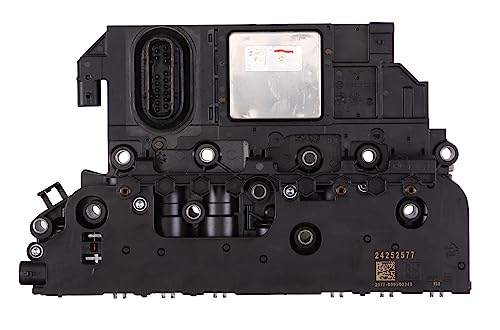
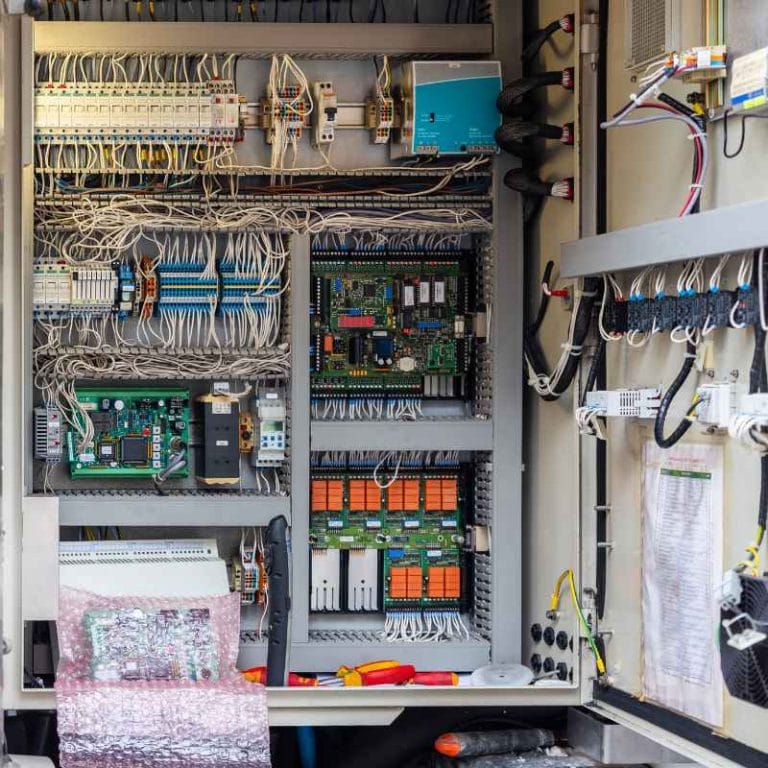
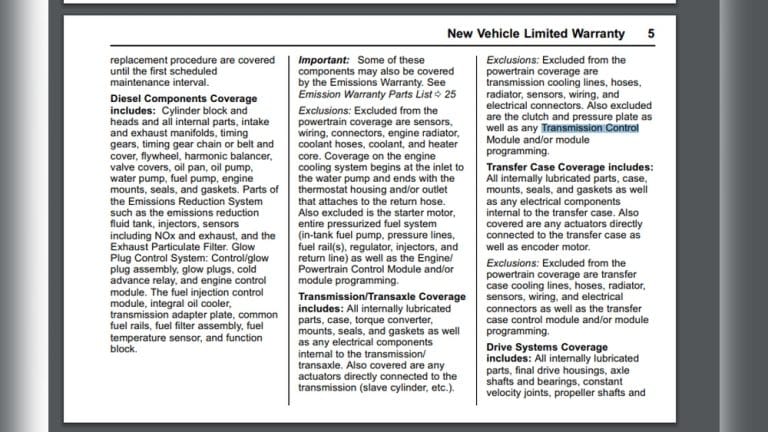
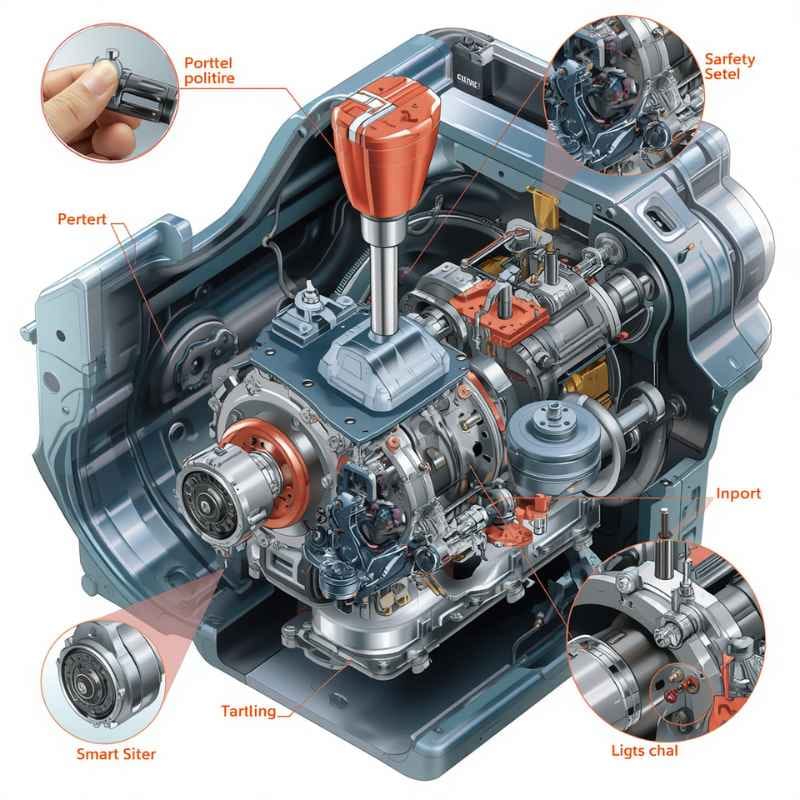
Modern cars have very complex systems. The transmission control switch is often part of a larger computer module. This module is called the Transmission Control Module (TCM).
It’s like a small computer dedicated just to the transmission. Sometimes, this TCM is a separate unit. Other times, it’s built into the main Engine Control Module (ECM).
This is sometimes called the Engine Control Unit (ECU).
The exact function depends on the car. But its main job is always about smooth and efficient gear changes. It helps your car accelerate well.
It also helps save fuel. Without a working transmission control switch, your car might not shift gears correctly. It could even get stuck in one gear.
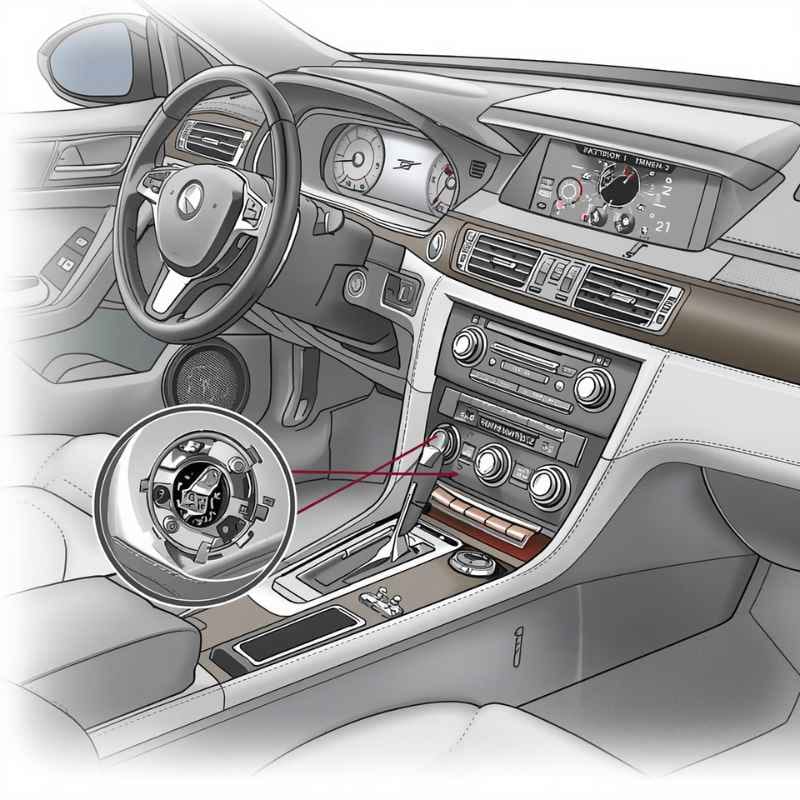
My Own Frustrating Search for a “Switch”
I remember a time a few years back. My old sedan started acting up. The transmission felt… weird.
It would lurch when shifting. Sometimes it felt like it was slipping. I’d heard about a transmission control switch.
I imagined a hidden button or a small lever somewhere I could just reset. So, I spent a good hour searching. I checked under the dash, near the gear shifter, and even in the glove box.
Nothing. I felt a growing sense of panic. Was this going to be an expensive fix?
I ended up calling my mechanic friend, totally embarrassed.
He chuckled and explained. He said, “You’re not going to find a simple ‘switch’ for that. It’s part of the car’s computer.” That moment was a real eye-opener.
It taught me that many car parts aren’t physical buttons. They are electronic signals and computer programs. This experience made me realize how much I didn’t know about modern car systems.
It pushed me to learn more. Now, I understand that “transmission control switch” often refers to a function within a module, not a standalone switch.
Where the TCM Might Be Hiding
Since we’re talking about the transmission control, let’s focus on the Transmission Control Module (TCM). This is where the “switch” functions live. Its location is not standard.
It varies a lot. It depends on the car manufacturer and the specific model.
Here are some common places the TCM might be found:
Common TCM Locations (General)
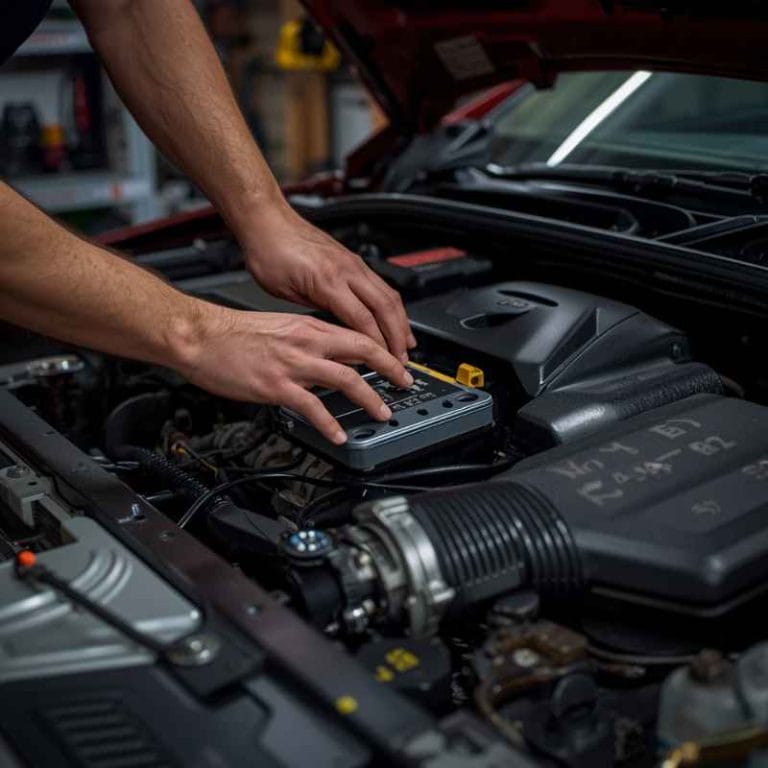
Under the Hood: Many TCMs are located in the engine bay. They are often mounted on the firewall. Sometimes they are near the battery.
They are usually in a protective casing. This helps shield them from heat and moisture.
Inside the Vehicle: In some cars, the TCM is inside the cabin. It might be under the dashboard. It could be near the steering column.
It’s less common but possible.
Near the Transmission: For some vehicles, the TCM is mounted directly onto or very close to the transmission itself. This puts it right where the action is. It can be part of the transmission housing or attached to it.
Integrated into the ECM: As mentioned, some cars combine the TCM with the ECM. In this case, you’d be looking for the main engine computer. This is almost always under the hood.
It’s often a larger metal box with many wires going into it.
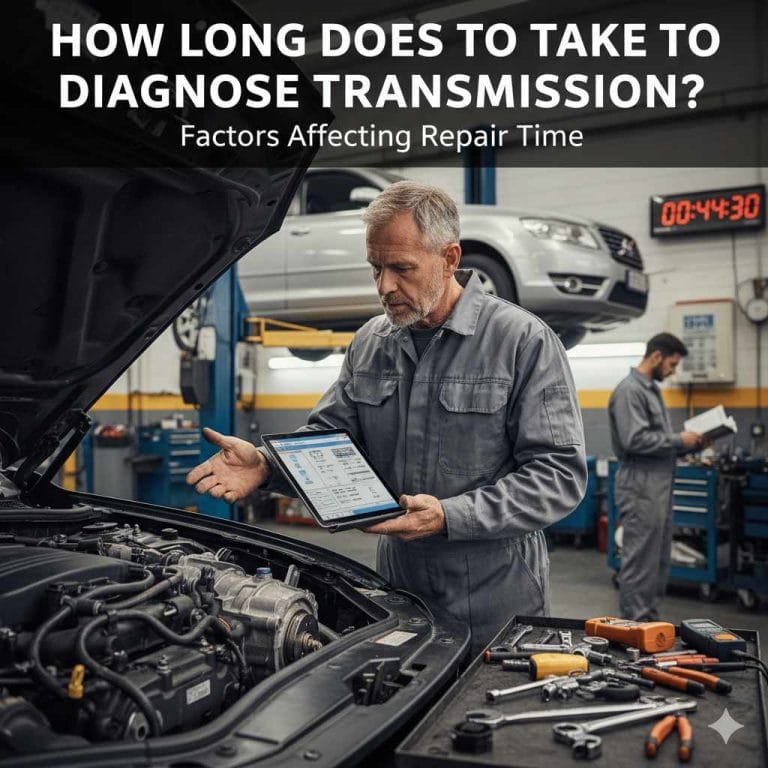
Finding the exact spot often requires your car’s service manual. Or, you can look up your specific make and model online. Searching for ” TCM location” can give you specific answers.
Why Transmission Issues Happen
Problems with the transmission can stem from many sources. The transmission control system is just one part. Understanding these can help you know when a TCM issue might be the cause.
Factors Affecting Transmission Health
- Fluid Levels and Condition: Low or dirty transmission fluid is a major cause of problems. It’s like running an engine without enough oil.
- Sensor Malfunctions: The TCM relies on input from many sensors. If a speed sensor or throttle position sensor fails, the TCM gets bad data.
- Solenoid Issues: Solenoids are like electronic valves. They direct fluid flow to engage different gears. If they fail, shifting becomes problematic.
- Wiring Problems: Damaged or corroded wires can interrupt signals to and from the TCM.
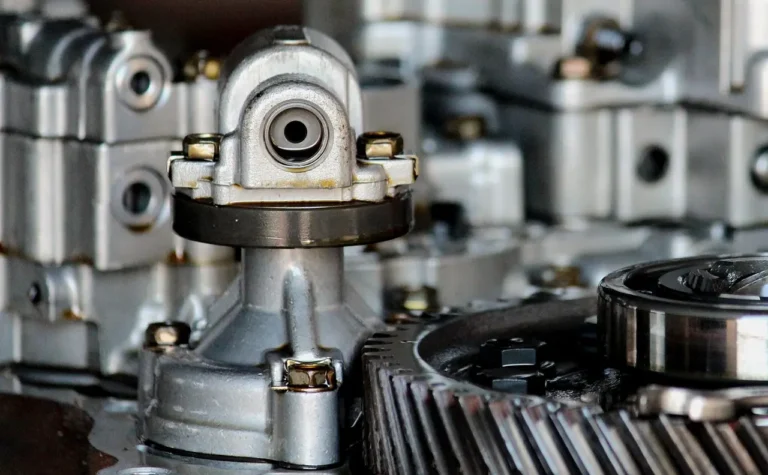
- Internal Transmission Wear: Like any mechanical part, transmissions wear out over time. This can lead to a range of issues.
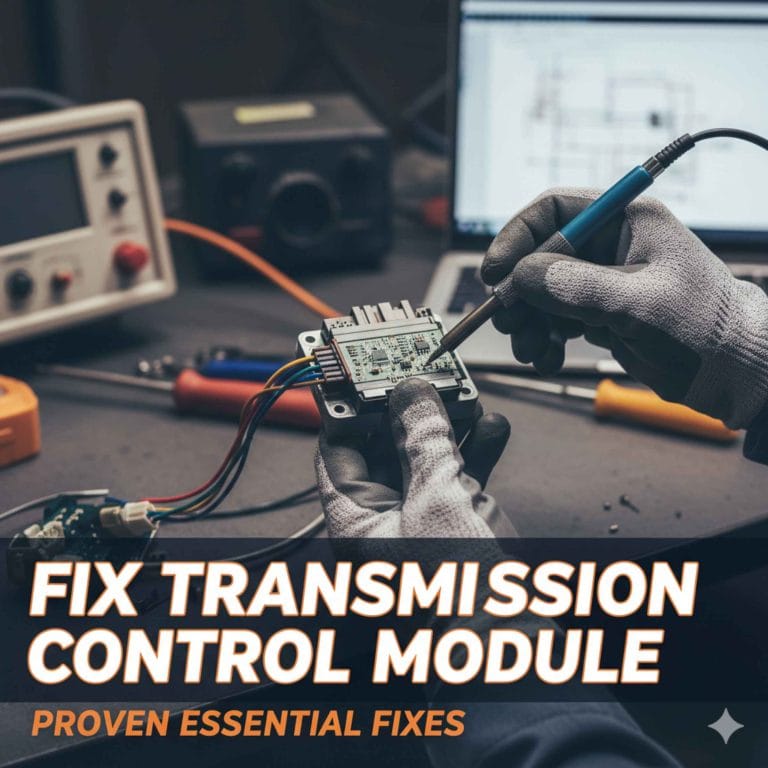
- TCM Failure: The TCM itself can fail. This can be due to age, heat, or electrical shorts.
When the transmission acts up, it’s important to consider all these factors. The TCM is a likely culprit, but not the only one. A good mechanic will check all the basics first.
Signs Your Transmission Control Might Be Off
How do you know if the issue is related to the transmission control system? There are often clear signs. Your car will tell you something is wrong.
Pay attention to these symptoms:
- Check Engine Light or Transmission Warning Light: This is the most obvious sign. Many modern cars have a dedicated transmission warning light. Or the general “Check Engine” light will come on.
- Harsh Shifting: Gears may engage with a strong jolt or clunk. This happens when the transmission shifts too hard or at the wrong time.
- Slipping Gears: The engine revs up, but the car doesn’t accelerate as it should. It feels like the transmission is not fully engaged.
- Delayed Shifting: It takes too long for the transmission to shift into the next gear. This can make acceleration feel sluggish.
- Shifting Between Gears Unexpectedly: The car might shift up or down without your input. This can be very unsettling and even dangerous.
- Getting Stuck in a Gear: The transmission may refuse to shift out of a certain gear. This often happens in “limp mode.”
- Problems Going into Reverse or Drive: The car may hesitate or refuse to engage reverse or drive.
These symptoms suggest a problem with the transmission’s control. It could be the TCM, sensors, or wiring. It’s important to get these checked out quickly.
Ignoring them can lead to more serious damage.
Real-World Scenarios and What They Mean
Let’s look at some real situations drivers face. This can help you understand the “transmission control switch” in a practical way.
Scenario Snapshot: A Cold Start Problem
The Situation: Maria started her car on a cold morning. She put it in Drive, but the car just sat there. The engine revved, but she didn’t move.
After about 10 seconds, it lurched forward. She noticed the transmission felt rough for the first mile.
The Likely Cause: Cold weather can affect transmission fluid viscosity. It can also highlight issues with solenoids or the TCM not functioning optimally until warm. This is a common indicator that the transmission’s electronic controls might be slow to react when cold.
It might point to a failing solenoid or a TCM that’s starting to degrade.
Scenario Snapshot: Sudden “Limp Mode”
The Situation: John was driving on the highway. Suddenly, his car lost power. It felt like it was stuck in second gear.
The engine was revving high, but his speed wouldn’t increase much. The “Check Engine” light came on.
The Likely Cause: This is a classic sign of the TCM engaging “limp mode.” This is a safety feature. When the TCM detects a serious fault, it limits the transmission to a low gear. This prevents further damage and allows the driver to get to a repair shop.
It points to a significant fault, possibly a failed sensor or an internal TCM error.
Scenario Snapshot: Intermittent Rough Shifts
The Situation: Sarah noticed her car would sometimes shift very roughly. It felt like a hard slam into gear. Other times, the shifts were perfectly smooth.
It wasn’t constant, making it hard to diagnose.
The Likely Cause: Intermittent issues can be tricky. They often point to electrical problems. Loose connections, failing solenoids that work sometimes, or a TCM that’s overheating could cause this.
It’s a sign that a component is starting to fail but not completely broken yet.
These scenarios show how the transmission control system impacts your driving. They also highlight that the “switch” is part of a complex electronic network.
What This Means For You: When to Worry
It’s important to know when transmission behavior is normal and when it’s not. Most modern automatic transmissions shift smoothly. You might not even notice them.
Some gentle engagement when shifting into Drive or Reverse is normal.
You should start to worry and seek professional help if you notice:
- Any of the warning lights: “Check Engine” or transmission warning lights are never to be ignored.
- Sudden or violent shifts: If gears engage with a loud bang or jolt, it’s a concern.
- Slipping or delayed engagement: These are clear signs the transmission isn’t working as it should.
- Inability to shift gears: If your car gets stuck in one gear, it needs immediate attention.
- Unusual noises: Grinding, clunking, or whining sounds from the transmission area are red flags.
Don’t delay getting these checked. The sooner you address a transmission problem, the less likely it is to become a very expensive repair. Sometimes, a simple fix is all that’s needed.
But letting it go can lead to complete transmission failure.
Quick Tips for Transmission Care
While you can’t directly “switch” your transmission control, you can take steps to care for the system.
Transmission Maintenance Checklist
Check Transmission Fluid Regularly: Follow your car’s manual for how to check the fluid level and condition. Look for leaks under your car. If the fluid is dark or smells burnt, it needs changing.
Follow Service Intervals: Stick to the recommended schedule for transmission fluid and filter changes. This is crucial for longevity.
Drive Smoothly: Avoid sudden acceleration and hard braking. This puts less stress on the transmission.
Don’t Tow Over Capacity: Overloading your vehicle puts immense strain on the transmission. Check your towing limits.
Address Warning Lights Promptly: As we discussed, don’t ignore those dashboard alerts.
These simple practices can help keep your transmission, and its control systems, working well for longer.
Frequently Asked Questions About Transmission Control Switches
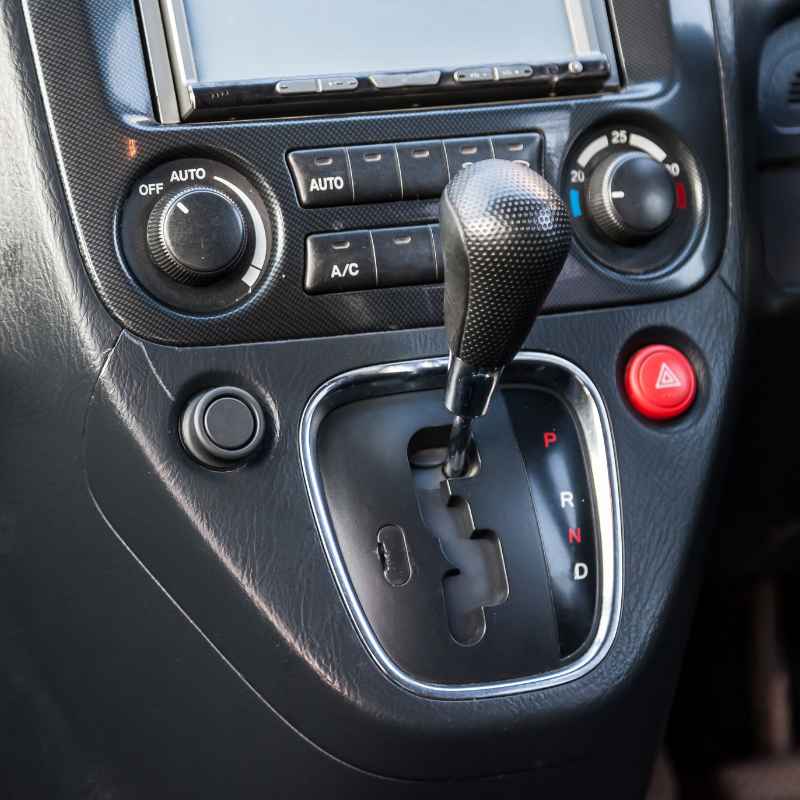
Is the transmission control switch the same as the gear shifter?
No, they are different. The gear shifter is the lever you move to select Park, Reverse, Neutral, or Drive. The transmission control switch (or module) is an electronic component that tells the transmission how to operate when you select a gear.
The shifter sends a signal to the control system.
Can I replace the transmission control module myself?
For most people, no. Replacing a TCM often requires specialized diagnostic tools. It also needs to be programmed to your specific vehicle.
It’s best left to experienced auto technicians.
What happens if the transmission control module fails completely?
If the TCM fails, your transmission will likely stop working correctly. It might get stuck in one gear, or it may not shift at all. The car may enter limp mode to prevent damage.
It’s a critical component for automatic transmissions.
How much does it cost to fix a transmission control switch issue?
The cost can vary greatly. It depends on the problem and the car. Simple issues like a loose wire might be inexpensive.
Replacing a TCM can cost several hundred to over a thousand dollars, including labor and programming.
Are all cars with automatic transmissions the same regarding control modules?
No, not at all. Manufacturers use different types of transmissions and control systems. The location and complexity of the TCM vary widely between brands, models, and even different years of the same model.
What is “limp mode” for a transmission?
Limp mode is a safety feature. When the car’s computer detects a serious transmission problem, it puts the transmission into a very basic, low gear. This limits speed and power.
It allows you to drive slowly to a repair shop without causing more damage.
Conclusion
So, where is the transmission control switch located? In short, it’s not usually a single, easily accessible switch. It’s part of a complex electronic system, most often the Transmission Control Module (TCM).
Its location varies by car. Understanding its function and common failure signs is key. Regular maintenance and prompt attention to warning lights are your best defense for a healthy transmission.
See also why does my controller keep moving left fix it now.
Products related to this article
Sponsored / affiliate links. As an Amazon Associate I earn from qualifying purchases. I may earn additional commission from eligible campaigns.