Where Does The Transmission Control Solenoid Go? Answered
This guide breaks down the location and function of transmission control solenoids. It explains what they are, why they matter, and what signs might point to a problem. We’ll cover their role in making your car shift gears smoothly and what you can expect if one isn’t working right.
Understanding Transmission Control Solenoids
A transmission control solenoid is a small but mighty part of your car’s automatic transmission. Think of it as an electronic valve. It helps control the flow of transmission fluid.
This fluid is like the oil in your engine, but for your gearbox. It lubricates parts and also helps with the mechanical work of shifting gears.
These solenoids work together. They receive signals from your car’s computer. This computer is called the Powertrain Control Module (PCM) or Engine Control Unit (ECU).
When the computer decides it’s time to shift gears, it tells the solenoids what to do. The solenoids then open or close to direct fluid. This fluid goes to specific parts of the transmission.
This action causes the gears to change. Without them, your car wouldn’t know when or how to shift.
There are usually several solenoids in an automatic transmission. They have different jobs. Some might be for shifting into reverse.
Others manage forward gears. Some control the torque converter clutch. Each solenoid has a specific role.
They work in a coordinated way. This ensures smooth and timely gear changes. It’s a complex system.
But the solenoids are key players in making it all happen.
My Own Transmission Woes: A Real-Life Story
I remember a time when my old sedan started acting up. It was a Thursday evening. I was driving home from a client meeting.
Suddenly, the car felt… sluggish. It was like it was struggling to decide which gear to be in. Then, with a jolt, it would lurch forward.
The “check engine” light came on too. My stomach dropped.
At first, I thought it was something simple. Maybe just low transmission fluid. I checked it the next day.
The fluid level was fine. But the problem continued. Shifting felt rough.
Sometimes it wouldn’t shift at all. It was incredibly frustrating. I started picturing a huge repair bill.
I felt a wave of dread wash over me. I knew I needed to figure out what was wrong.
After some research, I learned about transmission solenoids. The symptoms seemed to match. My mechanic confirmed it.
It turned out one of the shift solenoids had failed. He explained that this small part was causing all the trouble. It was a relief to have a diagnosis.
But it also meant a repair was needed. This experience really hammered home how important these little parts are.
What a Transmission Control Solenoid Looks Like
Transmission control solenoids are typically small, cylindrical or rectangular devices. They have electrical connectors on one end. These connectors are where the car’s computer sends its signals.
The other end often has a port or outlet for transmission fluid. They are usually made of metal, like brass or steel.
They are built to withstand the heat and pressure inside a transmission. Their size can vary a bit depending on the make and model of the car. But they are generally not very large.
You wouldn’t find them easily just by looking into the engine bay without knowing where to look.
Where Are They Actually Located?
This is the big question, right? Where do you find these important little parts? The answer isn’t a single spot.
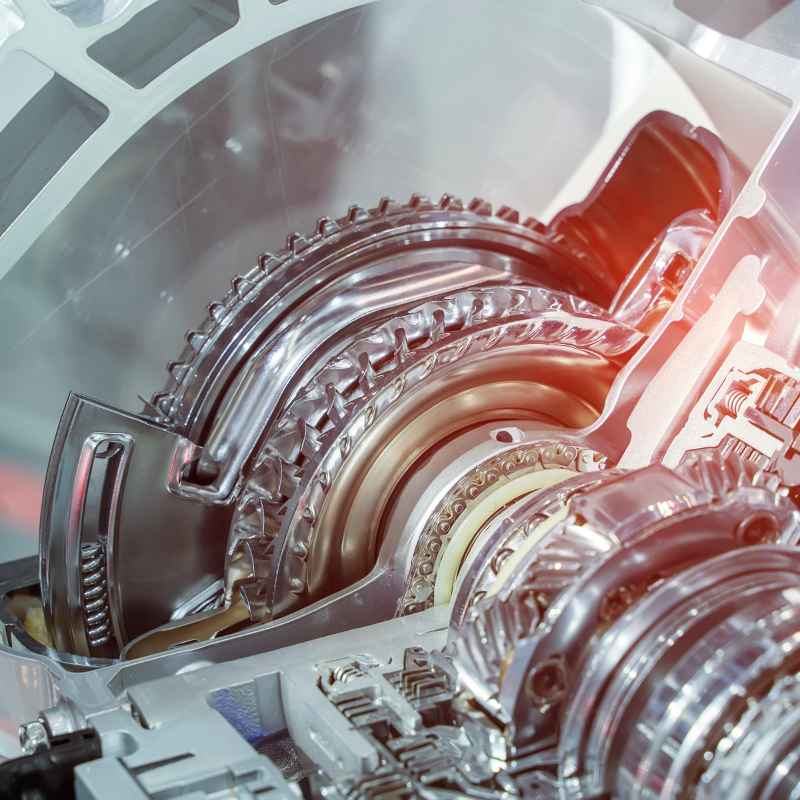
Transmission control solenoids are located inside your car’s automatic transmission. They are not in the engine bay where many other common parts reside. You can’t just pop the hood and see them.
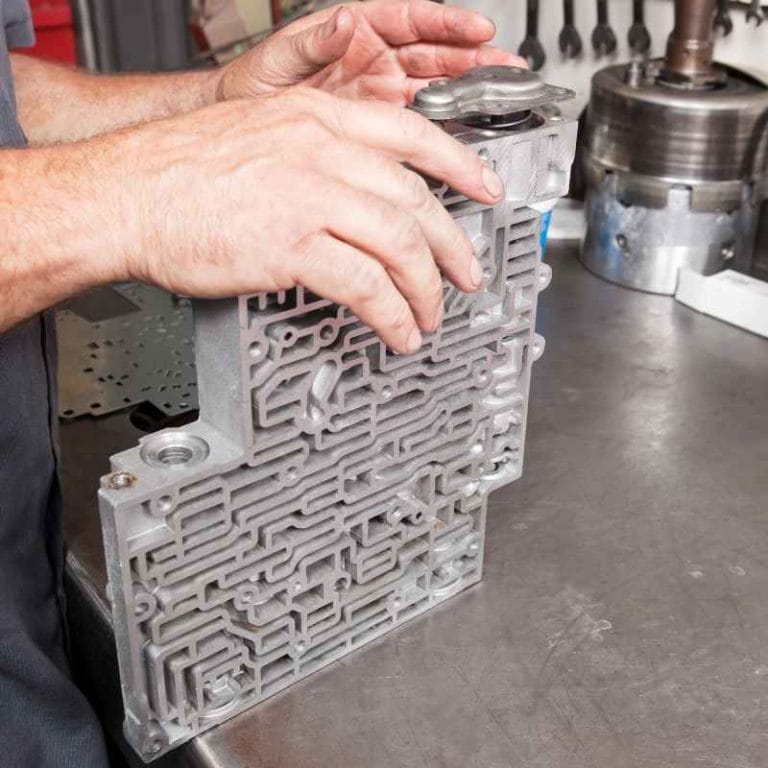
To get to them, a mechanic usually needs to remove the transmission’s oil pan. Sometimes, they might need to remove the valve body. The valve body is a complex assembly of passages and valves.
It’s where the solenoids are often mounted. The solenoids are precisely placed within this system. They are connected to the transmission’s internal wiring harness.
In some vehicles, the solenoids might be integrated into a solenoid pack. This is a single unit containing multiple solenoids. This pack is then installed into the valve body.
The location can differ based on your car’s make, model, and year. For example, a Ford F-150 might have them in a slightly different spot than a Toyota Camry. They are always within the transmission casing itself.
Because they are inside the transmission, it’s not a DIY job for most people. It requires specialized tools and knowledge. You need to drain the transmission fluid.
Then, you need to carefully disassemble parts of the transmission. Putting it back together correctly is crucial. Any mistake can lead to more serious damage.
Common Solenoid Types and Their General Positions
Shift Solenoids: These are the most common. They control the actual gear changes. They are typically found in the valve body.
They work in pairs or groups.
TCC Solenoids (Torque Converter Clutch): These engage or disengage the torque converter lock-up. This improves fuel economy. They are also usually within the valve body assembly.
EPC Solenoids (Electronic Pressure Control): These manage hydraulic pressure. This ensures smooth shifts. Their location is often near other solenoids in the valve body.
Why Your Car Needs Them to Shift Smoothly
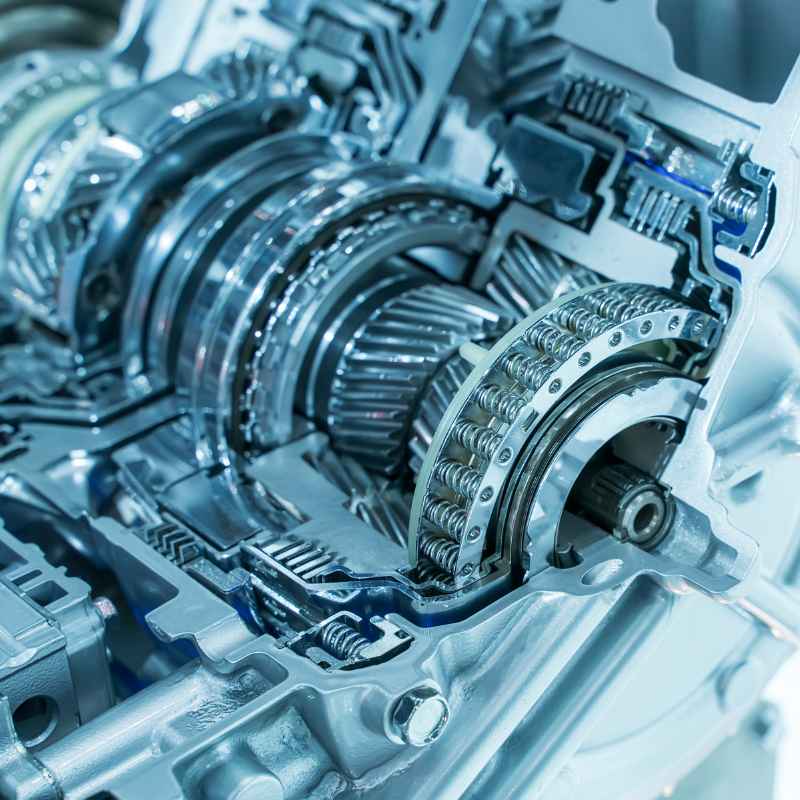
Automatic transmissions are marvels of engineering. They use hydraulic pressure. This pressure is created by transmission fluid.
The transmission control solenoids act like electronic gates. They direct this fluid pressure to specific parts of the transmission. These parts are often called clutch packs or bands.
When your car is driving, the computer (PCM) monitors things like speed, engine load, and throttle position. Based on this data, it predicts the best gear for the current driving conditions. Let’s say you’re accelerating.
The PCM might signal a solenoid to open. This lets fluid pressure flow to engage a clutch pack.
This engagement locks a set of gears together. This creates a new gear ratio. Your car moves into a higher gear.
The process happens very quickly. The solenoids receive electrical pulses. These pulses activate a small plunger or piston inside them.
This plunger moves. It opens or closes a fluid passage. It’s a precise, controlled action.
The timing of these actions is critical. If a solenoid doesn’t activate when it’s supposed to, or if it activates at the wrong time, you’ll notice it. The shift might be harsh, delayed, or might not happen at all.
This is why a malfunctioning solenoid can cause so much trouble. It disrupts the entire shifting sequence.
Contrast: Normal Shifting vs. Solenoid Issues
Normal Shifting:
- Smooth transitions between gears.
- Little to no noticeable lurching or jolt.
- Quiet operation during shifts.
- Car responds quickly to acceleration.
Solenoid Issues:
- Harsh, jerky, or clunking shifts.
- Delayed shifts or shifting at the wrong times.
- Transmission “slipping” (engine revs up, but car doesn’t speed up).
- Difficulty getting into certain gears (like Reverse or Drive).
- Check engine light illuminated, often with transmission-related codes.
Signs That a Transmission Control Solenoid Might Be Failing
If you’re experiencing issues with your car’s transmission, a failing solenoid is a common culprit. Recognizing the signs can help you address the problem before it becomes more serious. The most obvious sign is a change in how your car shifts.
This is the first thing most drivers notice.
You might feel a sudden, hard jolt when the car shifts gears. This is often described as a “clunk” or a “bang.” It’s very different from the smooth, almost unnoticeable shifts you’re used to. Another symptom is a delay in shifting.
You might press the gas pedal, and the car just stays in its current gear for a few extra seconds.
Sometimes, the transmission might seem to be “slipping.” This means the engine RPMs increase, but the car doesn’t accelerate as it should. It feels like the connection between the engine and the wheels is temporarily lost. You might also have trouble getting the car into gear at all.
Putting it in Drive or Reverse might result in a significant delay or a hard engagement.
The “check engine” light is another big indicator. Many transmission problems will trigger this warning light. The computer has detected an issue with the transmission’s operation.
A mechanic can scan these codes. They often point directly to a specific solenoid or circuit. Low transmission fluid can also mimic these symptoms.
So, checking the fluid level is always a good first step.
One more thing to watch for is inconsistent shifting. Some shifts might seem okay, while others are rough. Or, the problem might appear only when the transmission is hot.
This variability can be a sign that a solenoid is starting to fail, but not completely broken yet. These are the times when early intervention is most valuable.
Quick Scan: Is Your Transmission Acting Up?
- Harsh Shifts: Do gears engage with a jolt?
- Delayed Shifts: Does the car take too long to change gears?
- Slipping: Does the engine speed up without you going faster?
- Won’t Shift: Does the transmission get stuck in one gear?
- Warning Lights: Is the “check engine” light on?
Transmission Fluid: The Unsung Hero
It’s impossible to talk about transmission control solenoids without mentioning transmission fluid. This fluid is the lifeblood of your automatic transmission. It does several critical jobs.
It lubricates all the moving parts. This reduces wear and tear. It also cools the transmission.
The friction from moving parts generates a lot of heat.
Transmission fluid also transmits power. This is where the solenoids come in. They control the flow of this pressurized fluid.
This fluid is what actually engages the gears. It creates the hydraulic force needed for shifting. Think of it like the brake fluid in your car’s braking system.
It’s the medium that transfers force from one point to another.
The condition of your transmission fluid is hugely important for solenoids. Over time, transmission fluid can break down. It can get dirty.
It can lose its lubricating properties. Metal particles from wear and tear can get into the fluid. This debris can clog the tiny passages within the valve body.
It can even get into the solenoids themselves.
A clogged solenoid might not open or close properly. This leads to the symptoms we discussed. That’s why regular transmission fluid changes are so vital.
It’s not just about keeping things lubricated. It’s about protecting the sensitive electronic and hydraulic components like solenoids. Clean fluid ensures smooth operation and extends the life of your transmission.
When a mechanic checks for transmission problems, they always look at the fluid. They check the level. They also check the color and smell.
Dark, burnt-smelling fluid is a bad sign. It often indicates internal problems. This could include overheating or worn-out parts.
This is why proactive maintenance is so key.
Transmission Fluid Check: A Simple Step
When to Check: Ideally, check your transmission fluid regularly, perhaps during oil changes. Your car’s manual will tell you how.
How to Check:
- Your car usually needs to be running and warm.
- Park on a level surface.
- Locate the transmission dipstick (often red or yellow).
- Pull it out, wipe it clean, reinsert it, and pull it out again.
- Check the fluid level against the markings (e.g., “hot” or “full”).
- Note the color: It should be reddish and clear. Brown or black fluid is a concern.
- Smell it: It shouldn’t smell burnt.
Important Note: Some newer cars have sealed transmissions with no dipstick. These require special tools and procedures to check and fill. Consult your owner’s manual or a professional.
The Role of the Car’s Computer
We’ve mentioned the car’s computer a few times. It’s the brain behind the whole operation. Your transmission control solenoids don’t just decide on their own when to shift.
They receive precise instructions. These instructions come from the Powertrain Control Module (PCM) or Engine Control Unit (ECU).
This computer is a sophisticated piece of technology. It’s constantly gathering data from various sensors. These sensors are all over your car.
They measure things like wheel speed, engine speed (RPMs), throttle position (how much you’re pressing the gas pedal), brake pedal position, and even engine temperature.
The PCM has a program or “map” stored in its memory. This map tells it what gear the transmission should be in under different driving conditions. For example, if you’re accelerating hard, the PCM will tell the solenoids to shift to a lower gear for more power.
If you’re cruising on the highway, it will tell them to shift to a higher gear for better fuel economy.
The PCM sends electrical signals to the solenoids. These signals are tiny electrical currents. They cause the solenoids to open or close specific hydraulic valves.
This directs transmission fluid to engage different clutch packs or bands. It’s a highly precise and complex dance of electronics and hydraulics.
When a solenoid fails, the PCM often detects this. It might see that a shift isn’t happening as expected. Or, it might detect an electrical fault within the solenoid circuit itself.
This is why the “check engine” light comes on. The PCM logs a diagnostic trouble code (DTC). A mechanic reads these codes to help diagnose the problem.
It’s a closed-loop system. The computer tells the solenoids what to do, and then it monitors to make sure it’s happening correctly.
Key Sensors the Computer Uses
- Vehicle Speed Sensor (VSS): Measures how fast the car is moving.
- Engine Speed Sensor (RPM Sensor): Measures how fast the engine is spinning.
- Throttle Position Sensor (TPS): Tells the computer how far you’re pressing the gas pedal.
- Brake Pedal Position Sensor: Tells the computer if you’re braking.
- Transmission Fluid Temperature Sensor: Monitors the heat of the transmission fluid.
When Is It Normal for a Car to Shift Roughly?
It’s important to note that not every rough shift means a solenoid is failing. Sometimes, transmission behavior can seem a bit odd, but it might be normal for your specific vehicle. Older cars, especially, might have had less refined transmissions.
For instance, a very sudden, hard acceleration from a stop might cause a more noticeable shift. Similarly, slamming on the brakes might also result in a less-than-perfectly smooth downshift. Some transmissions are programmed to prioritize speed and performance over absolute smoothness.
This is common in sports cars or performance-oriented trims of regular vehicles.
Another factor is the gear you are in. Shifting into first gear from a stop, or downshifting into first, can sometimes be a bit more pronounced than shifts between higher gears. The torque converter also plays a role.
When it’s “locking up” to improve fuel efficiency, you might feel a slight change in engine feel. This isn’t usually a jolt, but more of a subtle engagement.
The temperature of the transmission fluid can also affect shifting. When the transmission is cold, the fluid is thicker. This can sometimes lead to slightly firmer shifts until it warms up.
Most modern cars have sophisticated control systems. They adjust shift patterns based on fluid temperature. But in some cases, you might still notice a difference.
If you’re ever unsure, the best thing to do is compare your car’s behavior to a similar model. Or, consult with a trusted mechanic. They can tell you if what you’re experiencing is within the normal operating range for your vehicle.
Normal vs. Concerning Shift Behavior
Normal:
- Slight, almost imperceptible feeling of gear change.
- Small, gentle nudge when engaging Drive or Reverse.
- Minor changes in feel when the torque converter locks up.
- Slightly firmer shifts when the transmission is very cold.
Concerning:
- Loud clunking or banging noises.
- Feeling like you’ve hit a wall.
- Significant delay in gear engagement.
- Transmission slipping or revving without moving.
- Multiple gears failing to engage properly.
When to See a Professional Mechanic
For most transmission-related issues, especially those involving solenoids, it’s best to consult a professional mechanic. These systems are complex. Attempting repairs without the right knowledge and tools can lead to more damage and higher costs down the road.
If you notice any of the serious symptoms we’ve discussed – harsh shifts, slipping, delayed engagement, or warning lights – it’s time to make an appointment. Mechanics have specialized diagnostic equipment. They can read the fault codes from your car’s computer.
They can also perform tests on the transmission itself.
They have the experience to understand what those codes mean. They can also perform hydraulic pressure tests. They can check the electrical signals going to the solenoids.
This helps them pinpoint the exact cause of the problem. It might be a faulty solenoid, a wiring issue, a problem with the valve body, or even something else entirely.
Don’t wait too long if you suspect a transmission problem. Driving with a faulty transmission can be dangerous. It can also cause secondary damage to other parts of the transmission.
This makes the eventual repair much more expensive. Getting an expert opinion early is always the wisest course of action.
While you can check your transmission fluid level yourself, anything beyond that is usually best left to the professionals. They have the right training, tools, and a safe environment to work on these critical components.
What a Mechanic Will Likely Do
- Scan for Diagnostic Trouble Codes (DTCs): Reads codes from the PCM.
- Check Transmission Fluid: Inspects level, condition, and color.
- Test Drive: Assesses shifting behavior and listen for noises.
- Perform Hydraulic Pressure Tests: Checks fluid pressure in different circuits.
- Check Solenoid Electrical Signals: Verifies computer is sending correct commands.
- Inspect Valve Body: Looks for blockages or physical damage.
Conclusion: The Small Part, Big Impact
So, where does a transmission control solenoid go? It goes inside your automatic transmission. It’s a vital component.
It acts as an electronic valve. It directs transmission fluid. This fluid is what makes your car shift gears smoothly.
Without functioning solenoids, your car won’t change gears properly.
The signs of a failing solenoid can range from minor annoyances to significant performance issues. Paying attention to how your car shifts is key. Regular maintenance, especially checking and changing transmission fluid, is crucial for their longevity.
When in doubt, trust a qualified mechanic to diagnose and repair the issue.
See also why transmission fails and how to prevent it early on.