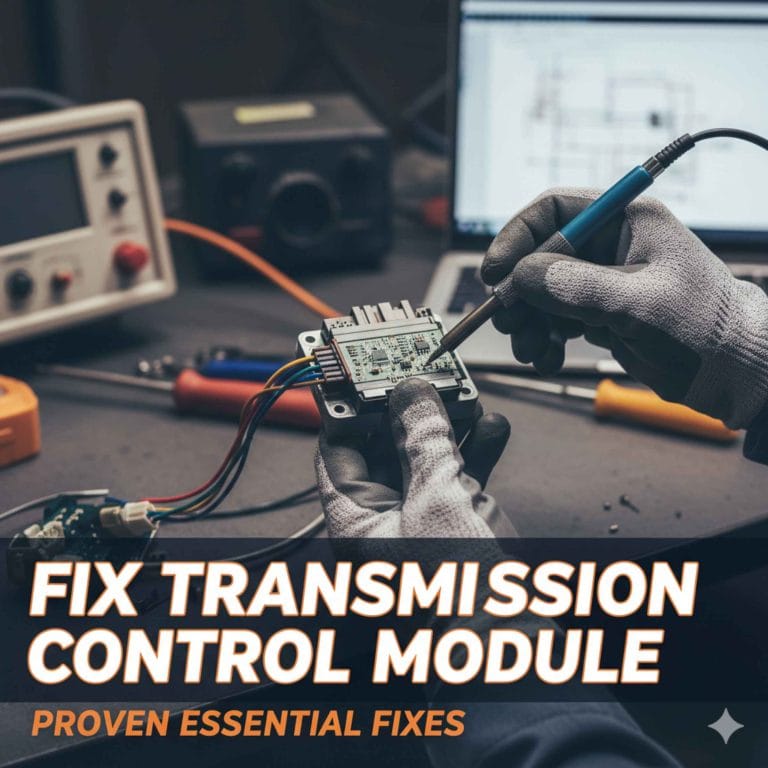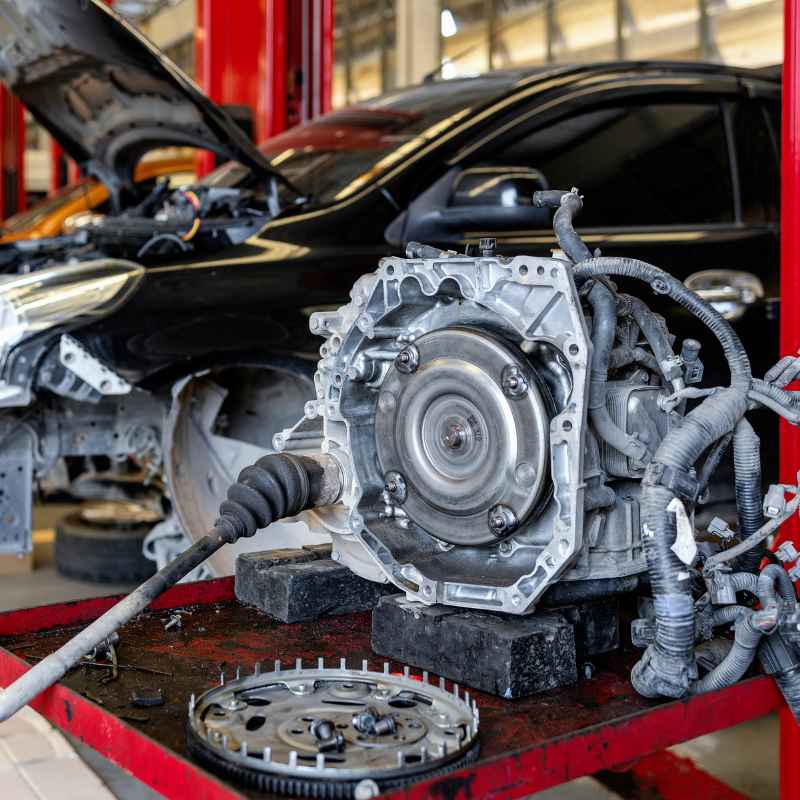
Where Is The Transmission Control Module Located In Vehicle?
It’s a common worry. Your car is acting funny. A light might be on.
You hear strange noises from the transmission. Then you hear about something called the Transmission Control Module, or TCM. But where is this important little box hiding in your car?
Figuring out where your car’s transmission control module (TCM) is located can feel like a treasure hunt. It’s a vital computer that helps your transmission shift gears smoothly. If you’re wondering about its location, you’re not alone.
Many car owners face this question when troubleshooting transmission issues.
This guide will walk you through the most common places you’ll find the TCM. We’ll cover what it does and why knowing its location can be helpful. Let’s dive in and shed some light on this often-hidden car part.
The Transmission Control Module (TCM) is typically found within or near the vehicle’s transmission assembly. Common locations include inside the transmission housing itself, attached to the valve body, or in the engine bay, often mounted to the firewall or near the powertrain control module (PCM).
Understanding the Transmission Control Module (TCM)
Think of the TCM as the brain for your car’s automatic transmission. It takes information from various sensors. These sensors tell it about things like engine speed, vehicle speed, and how hard you’re pressing the gas pedal.
The TCM then decides the best time to shift gears.
It controls the hydraulic pressure and electrical signals needed to make those shifts happen. This ensures your drive is smooth. It also helps improve fuel economy.
Without a working TCM, your transmission might shift roughly, get stuck in one gear, or not shift at all. Some cars combine the TCM and the Engine Control Module (ECM) into one unit. This is often called the Powertrain Control Module (PCM).
The TCM is a complex piece of automotive electronics. It relies on many inputs to do its job. These inputs come from sensors throughout the vehicle.
For example, the throttle position sensor tells the TCM how much power you’re asking for. The vehicle speed sensor tells it how fast you’re going. The engine speed sensor (often part of the crankshaft position sensor) tells it how fast the engine is turning.
The TCM uses this data to calculate the optimal gear for the current driving conditions. It then sends commands to actuators within the transmission. These actuators engage or disengage clutches and bands.
This process results in a seamless gear change. If any of these sensors or the TCM itself malfunctions, you’ll likely notice a problem with how your transmission behaves.
My Own TCM Location Adventure
I remember a time a few years back. My old sedan started acting up. It felt like it was dragging its feet when shifting gears.
Sometimes it would hold onto a gear for too long. Other times, it shifted with a jolt that made me wince. My mechanic mentioned the Transmission Control Module.
He said it might be on its way out.
Naturally, I wanted to see if I could at least locate it. My car was a 2008 model. I wasn’t sure where to start looking.
I grabbed my owner’s manual. It had a diagram of the engine bay but nothing specific about the TCM location. Next, I went online.
I typed in my car’s make and model plus “TCM location.”
I found a few forum posts. Some people said it was inside the transmission. Others said it was under the hood.
One guy even mentioned it being near the battery. It was a bit confusing! I decided to try the most common spot first.
This is usually inside the transmission itself, or attached to it.
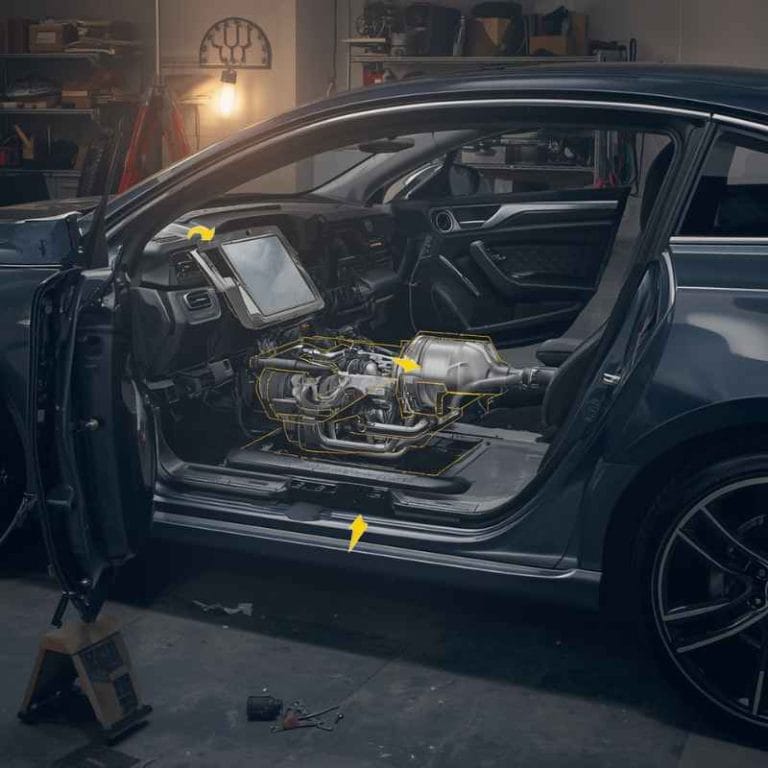
Getting under the car was the next step. I had to put it on jack stands for safety. Once I was under there, I looked at the transmission.
It’s a big metal casing. I saw lots of wires and hoses going into it. I followed a bundle of wires that went to a small metal box bolted onto the side of the transmission housing.
Bingo! That looked like it. It had a connector with a bunch of pins.
It wasn’t easy to get to. The exhaust pipe was pretty close. It made me appreciate how much work it takes to design these cars.
Even though I didn’t fix anything that day, knowing where the TCM was made me feel a bit more in control. It’s amazing how much technology is packed into something as simple as changing gears.
Common TCM Hiding Spots
Under the hood: Often near the firewall or on the side of the engine compartment.
Inside the transmission: Bolted to the valve body or inside the transmission casing.
Near the battery: Sometimes it’s tucked away in this general area.
Integrated into PCM: On newer cars, it’s part of the main engine computer.
Where to Look for Your Vehicle’s TCM
The exact location of your Transmission Control Module can vary a lot. This depends on your car’s make, model, and year. But there are a few common places mechanics and car enthusiasts often find it.
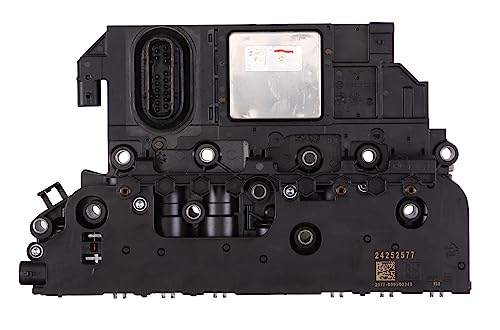
The most frequent spot is actually inside the transmission itself. In many cars, the TCM is integrated into the valve body assembly. The valve body is a complex part within the transmission that directs fluid flow.
You might also find it bolted directly to the outside of the transmission casing.
If it’s not inside the transmission, the next most likely place is under the hood. It’s often mounted to the firewall. This is the metal panel between the engine and the passenger cabin.
Sometimes, it’s attached to the side of the engine bay, near the main engine computer. This main computer is called the Powertrain Control Module (PCM).
On some older vehicles, the TCM might be a separate unit. It could be mounted near the battery. On many modern cars, the TCM is no longer a standalone module.
Instead, its functions are integrated into the PCM. So, when you’re looking for the TCM, you might actually be looking for the PCM.
Knowing your car’s specific service manual is the best way to be sure. However, starting with these common locations will give you a good head start. Always remember to disconnect the battery before working on any electrical components.
Safety first!
TCM Location by Vehicle Type
Different vehicle types often have different TCM placement strategies. Automakers design cars with space and heat management in mind. These factors influence where they put sensitive electronics like the TCM.
Cars and Sedans
In typical cars and sedans, the TCM is often found within the transmission’s valve body. This keeps it close to the solenoids it controls. If it’s external, it’s usually mounted to the transmission casing itself.
Sometimes, you’ll find it tucked away under the dashboard, though this is less common now.
In many newer sedans, the TCM is part of the larger PCM. This unit is typically located under the hood. It might be mounted on the firewall, towards the passenger side of the engine bay.
Access can sometimes be tricky, requiring removal of other components.
Trucks and SUVs
Trucks and SUVs often have more robust transmissions. The TCM location can be similar to cars. It might be inside or attached to the transmission.
However, due to the larger size and often higher engine temperatures, some manufacturers opt to place the TCM in a slightly more protected area.
This could mean mounting it on the firewall, or even sometimes on the inner fender well, away from direct engine heat. As with cars, a significant number of modern trucks and SUVs will have the TCM functions integrated into their PCM. The PCM is almost always found under the hood.
Performance Vehicles
Performance cars might have specialized transmissions. The TCM in these vehicles could be in a less conventional spot. They might be designed for easier access for tuning or upgrades.
This could mean a more accessible location under the hood or even sometimes within the cabin, though this is rare.
Some high-performance vehicles use dual-clutch transmissions (DCTs). These have their own sophisticated control units. The TCM equivalent for a DCT might be a separate module, or integrated into a high-performance PCM.
It’s always best to consult the specific service manual for these types of vehicles.
Integrated vs. Separate TCMs
Separate TCM: An independent computer dedicated solely to transmission control. Common in older vehicles.
Integrated TCM (in PCM): The transmission control functions are part of the main engine computer. Very common in modern vehicles.
Why the change? Integration simplifies wiring, reduces component count, and allows for better communication between engine and transmission systems.
How to Find Your Specific TCM Location
While the general locations are helpful, finding the TCM for your exact vehicle requires a bit more digging. Here’s how you can pinpoint its location with more certainty.
1. Consult Your Owner’s Manual
This is your first and best resource. While it might not show the TCM specifically, it will often have diagrams of the engine bay and major components. Look for sections on the transmission or powertrain.
Sometimes, a fuse box diagram will also label the TCM or PCM.
2. Use a Vehicle-Specific Service Manual
These manuals are more detailed than owner’s manuals. They are written for mechanics. You can often buy them online or find them at your local library.
Search for “Transmission Control Module location” or “Powertrain Control Module location” within the manual. They will usually have pictures or diagrams.
3. Search Online Forums and Databases
Car-specific online forums are a goldmine of information. Type your car’s year, make, and model into a search engine along with “TCM location.” You’ll likely find other owners who have asked the same question. Websites dedicated to car repair can also offer detailed guides.
4. Look for a Small Computer Under the Hood
If your TCM is a separate unit, it will look like a small metal or plastic box. It will have a wiring harness plugged into it. It’s often black or silver.
It might have cooling fins.
5. Check Around the Transmission Itself
If you’re comfortable getting under your car (safely, with jack stands!), inspect the transmission. Look for any electrical components bolted to the side. Follow the wiring harnesses.
A TCM will have a significant number of wires going into it.
6. Identify the PCM
If you can find the main engine computer (PCM), and your car is relatively new, the TCM functions are likely inside it. The PCM is usually a larger, silver or black box with multiple connectors. It’s often mounted on the firewall or near the strut tower under the hood.
Quick TCM Identification Tips
- Size: Usually small to medium-sized box.
- Connections: Will have a substantial wiring harness connected.
- Mounting: Bolted to transmission, firewall, or engine bay component.
- Markings: May have labels with part numbers or manufacturer names.
- If you find the PCM: On newer cars, this likely contains the TCM.
Why Knowing the TCM Location Matters
Knowing where your Transmission Control Module is located can be very useful. It’s not just for curious minds. It has practical applications.
Troubleshooting Transmission Issues
If your car is experiencing transmission problems, like rough shifting or gear engagement issues, the TCM is a prime suspect. Knowing its location helps you or your mechanic inspect it. You can check for obvious damage, loose connections, or corrosion.
This can save diagnostic time and cost.
For Repairs and Replacements
If the TCM needs to be replaced, knowing its location is essential. This guides the repair process. Mechanics need to access it to remove the faulty unit and install a new one.
Sometimes, a TCM might require programming after replacement, so its accessibility is key.
Preventative Checks
When you’re doing routine maintenance under the hood, you might spot the TCM. You can visually check its condition. Ensuring connections are secure and there’s no obvious wear or damage can prevent future problems.
It’s like giving your car’s brain a quick check-up.
Understanding Your Vehicle
Simply understanding where the major components of your car are located builds confidence. It makes you a more informed car owner. When a mechanic explains a problem, you have a better mental picture of what they’re talking about.
TCM Importance Snapshot
Function: Controls gear shifts for smooth operation and fuel efficiency.
Symptoms of Failure: Rough shifts, slipping gears, getting stuck in limp mode, transmission warning lights.
Location: Varies, but commonly inside or attached to the transmission, or integrated into the PCM under the hood.
Impact: Crucial for drivability and transmission health.
When is the TCM Location Integrated with the PCM?
In the automotive world, integration is a big trend. Automakers are always looking for ways to simplify manufacturing and improve performance. This is why, on most vehicles made in the last 10-15 years, the Transmission Control Module (TCM) is no longer a separate, standalone unit.
Instead, its functions are built directly into the Powertrain Control Module (PCM). The PCM is the main computer that manages both the engine and the transmission. It’s a powerful, centralized control unit.
This integration offers several benefits.
First, it reduces the number of separate electronic components needed. This means less wiring complexity. Less wiring means lower manufacturing costs and fewer potential points of failure.
Second, it allows for much tighter communication between the engine and transmission systems. The PCM can instantly share data between engine and transmission operations.
This means the computer can make even finer adjustments. It can optimize shifts for power, fuel economy, or smooth driving based on real-time engine data. It can also better manage emissions control by coordinating engine and transmission behavior.
So, if you’re looking for a separate TCM on a newer car and can’t find it, don’t worry! You’re probably looking for the PCM. The PCM is typically a larger metal box.
It will have many connectors plugged into it. It’s almost always located under the hood. Common spots are mounted on the firewall or on the inner fender well.
If your car is from the early 2000s or older, you have a better chance of finding a separate TCM. These were often located attached to the transmission. But for anything more modern, assume the TCM is part of the PCM.
Common Issues if the TCM Fails
When the TCM starts to have problems, it can cause a wide range of symptoms. These symptoms often point directly to transmission performance. It’s like the computer that runs your transmission is confused or can’t communicate properly.
One of the most common signs is rough shifting. Gears might engage with a noticeable clunk or jerk. The transmission might feel like it’s hesitating before shifting.
Sometimes, it might not shift at all, or it might get stuck in a particular gear. This is often called “limp mode” or “fail-safe mode.” In limp mode, the car will only use a few gears to allow you to drive it to a repair shop.
You might also notice slipping gears. This means the engine revs up, but the car doesn’t accelerate as it should. It feels like the transmission isn’t fully engaging.
Another symptom can be a transmission warning light on your dashboard. This light often looks like a gear with an exclamation mark inside it.
Some drivers report unusual noises coming from the transmission. This could be a sign that the TCM isn’t correctly controlling the transmission’s internal components. In very severe cases, the car might not move at all, even when in gear.
Because the TCM is a computer, it can also fail due to internal electronic issues. This could be caused by voltage spikes, overheating, or manufacturing defects. Water intrusion is also a common problem, especially if the TCM is mounted externally and seals fail.
Corrosion can then damage the electronic components.
If you experience any of these symptoms, it’s important to have your vehicle inspected by a qualified mechanic. They can diagnose whether the TCM is the root cause or if another transmission component is at fault.
TCM Failure Symptoms to Watch For
- Rough or harsh gear shifts
- Transmission slipping
- Car stuck in a single gear (limp mode)
- Transmission warning light illuminated
- Unusual noises from the transmission
- Delayed gear engagement
When to Worry About Your TCM Location
For the most part, the location of your TCM is just a piece of technical information. However, there are times when its location becomes a point of concern. This usually relates to its environmental exposure and potential for damage.
Exposure to Heat: Transmissions generate a lot of heat. If the TCM is located directly on or inside the transmission, it’s constantly exposed to high temperatures. While designed to withstand this, extreme or prolonged heat can shorten its lifespan.
If your car consistently overheats, or if you drive in very hot climates frequently, this could be a concern.
Exposure to Water and Debris: If the TCM is mounted externally on the transmission or underneath the car, it can be exposed to water, dirt, salt, and road debris. A compromised seal or gasket can allow moisture to seep in. This moisture can cause corrosion on the electronic components and connectors.
This is why checking for damaged seals around the TCM is important.
Physical Damage: Vehicles, especially trucks and SUVs, can encounter rough terrain. If the TCM is mounted low on the transmission, it could be vulnerable to impacts from rocks or road obstacles. While most are somewhat protected, severe impacts could cause physical damage.
Proximity to Other Components: Sometimes, the TCM might be located near other components that can fail. For example, if a leaking seal in the transmission allows fluid to get onto the TCM’s electrical connectors, it can cause short circuits and malfunctions.
If your TCM is part of the PCM: This unit is usually mounted higher up in the engine bay, offering better protection from water and debris. However, it can still be affected by engine heat. If you notice any signs of leaks, corrosion, or physical damage near where the PCM is mounted, it’s worth investigating.
In general, if you’re performing regular maintenance and visually inspecting areas around the transmission and engine bay, you can spot potential issues early. A little vigilance goes a long way in preventing bigger problems down the road.
Quick Checks You Can Do
If you suspect a problem with your TCM, or you’re just curious about its condition, there are a few simple checks you can do. These are basic visual inspections that don’t require specialized tools.
1. Visual Inspection of the TCM Unit (if accessible)
If you’ve found the TCM, take a good look at it. Is it clean? Are there any obvious signs of damage, like cracks in the casing?
Check the electrical connector. Is it firmly attached? Are the pins inside the connector clean and free from corrosion or moisture?
2. Check Wiring Harnesses
Follow the wires leading to and from the TCM. Are they routed properly? Are there any signs of fraying, chafing, or damage to the insulation?
Are the connections secure?
3. Inspect for Leaks
If the TCM is mounted externally on the transmission, look for transmission fluid leaks around the TCM’s gasket or mounting points. Leaking fluid can get into the electrical connectors and cause major issues.
4. Examine the PCM (if TCM is integrated)
If your TCM is part of the PCM, inspect the PCM unit. Look for any signs of overheating, such as melted plastic or discolored metal. Check its connectors for corrosion or damage.
Ensure it’s securely mounted.
5. Check Your Vehicle’s Computer Codes
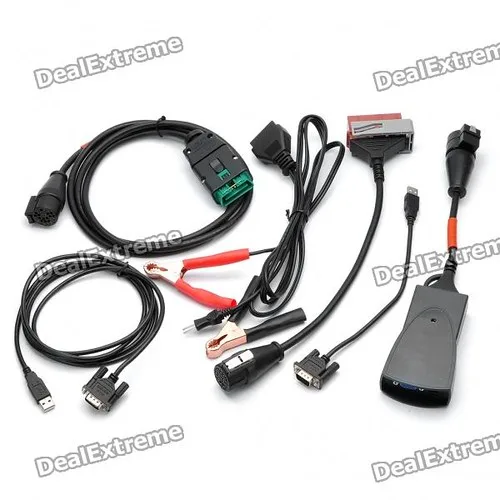
The most definitive way to diagnose TCM issues is by using an OBD-II scanner. If you have a check engine light or transmission warning light on, a scanner can read diagnostic trouble codes (DTCs). Codes related to TCM performance (often starting with P07xx) are strong indicators of a problem.
These quick checks can help identify potential issues. However, for any in-depth diagnosis or repair, it’s always best to consult a professional mechanic. They have the expertise and tools to accurately pinpoint and fix transmission control problems.
Simple DIY Checks
- Look: For cracks, corrosion, or damage on the TCM/PCM unit.
- Feel: Ensure connectors are snug and secure.
- Smell: Sometimes burnt electronics have a distinct odor.
- Scan: Use an OBD-II scanner to read diagnostic codes.
FAQs About Transmission Control Module Location
Where is the TCM on a 2010 Ford F-150?
On a 2010 Ford F-150, the Transmission Control Module (TCM) is often integrated into the Powertrain Control Module (PCM). The PCM is typically located under the hood, mounted on the passenger side firewall.
Can I drive my car if the TCM is failing?
You might be able to drive your car, but it will likely be in “limp mode.” This means the transmission will be stuck in one or a few gears to prevent further damage. It’s best to get it checked out as soon as possible.
How much does it cost to replace a TCM?
The cost can vary greatly depending on the vehicle and whether the TCM is a separate unit or part of the PCM. It can range from a few hundred dollars to over a thousand dollars for parts and labor.
What happens if the TCM gets wet?
If the TCM gets wet, moisture can enter the electrical connectors and internal components, leading to corrosion. This can cause short circuits and malfunction, resulting in transmission problems.
Does a faulty TCM affect gas mileage?
Yes, a faulty TCM can definitely affect gas mileage. If the transmission isn’t shifting at the optimal times, the engine will have to work harder, leading to decreased fuel efficiency.
Is the TCM the same as the ECM?
No, the Transmission Control Module (TCM) and the Engine Control Module (ECM) are different, although their functions are closely related. On many newer vehicles, both are combined into a single unit called the Powertrain Control Module (PCM).
Final Thoughts
Finding your car’s Transmission Control Module might seem like a daunting task. But by understanding the common locations and using the right resources, you can often pinpoint its whereabouts. Whether it’s inside the transmission, under the hood, or integrated into the PCM, this small computer plays a huge role.
Knowing its location helps with troubleshooting and repairs. It also gives you a better understanding of your vehicle’s complex systems. Keep these tips in mind, and you’ll be better equipped to handle any transmission-related concerns that might pop up.
See also how does a transmission governor work simple explanation.
Products related to this article
Sponsored / affiliate links. As an Amazon Associate I earn from qualifying purchases. I may earn additional commission from eligible campaigns.