How Much To Replace A Transmission Control Module In 2025?
It can be really worrying when a part of your car starts acting up, especially something as important as your transmission control module. You might feel a knot in your stomach, wondering if it’s a small fix or a big expense. Many people face this uncertainty, and it’s completely understandable.
Let’s break down what goes into replacing a transmission control module (TCM) in 2025 and what you can expect.
The average cost to
Understanding the Transmission Control Module (TCM)
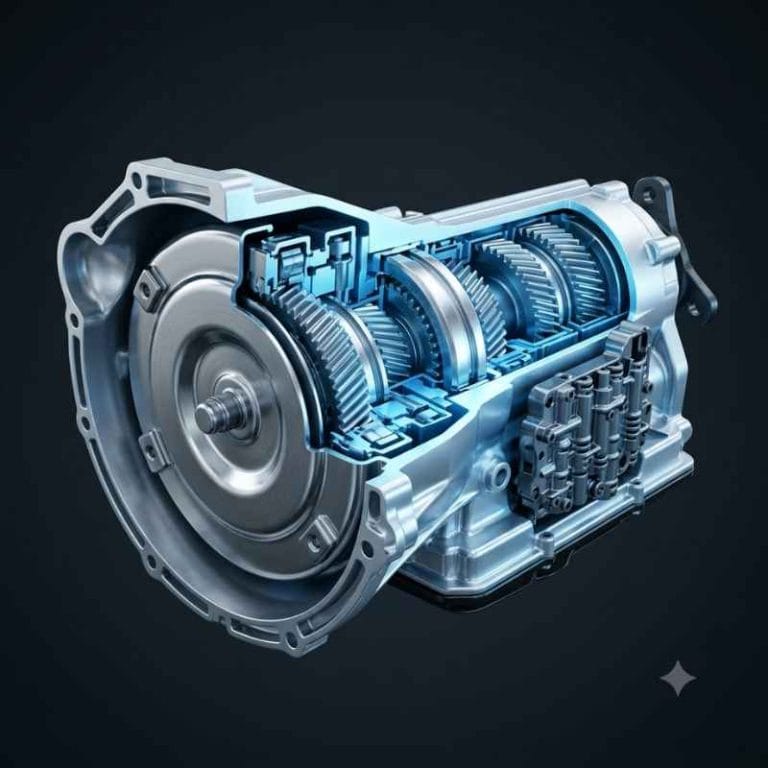
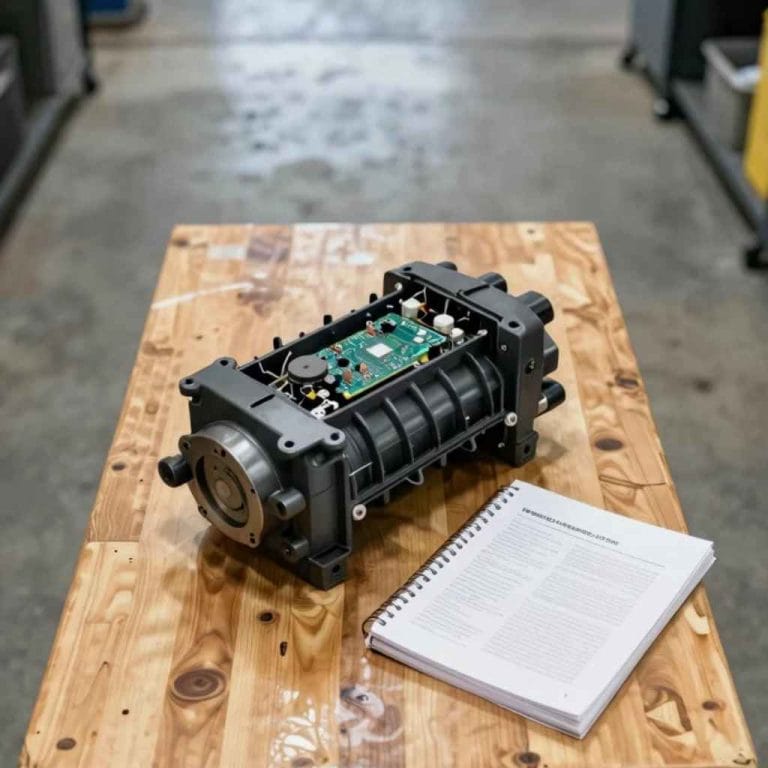
Your car’s transmission control module, or TCM, is like the brain for your transmission. It’s a small computer that tells your transmission when to shift gears. It watches how you drive, your speed, and your engine’s needs.
Then, it sends signals to make the gears change smoothly.
Without a working TCM, your car might not shift gears at all. Or, it might shift at the wrong times. This can make driving difficult and even unsafe.
The TCM uses data from various sensors to do its job. These sensors help it understand everything from engine load to brake application.
The TCM also works closely with your car’s main computer, the Engine Control Module (ECM) or Powertrain Control Module (PCM). They share information to ensure everything runs together well. This complex communication is vital for your car’s performance and fuel economy.
When the TCM fails, this communication breaks down.
My Own TCM Scare
I remember one crisp autumn evening, I was driving home from a friend’s house. The sky was dark, and the air was cool. Suddenly, my car felt… sluggish.
It was like trying to push a heavy door closed. My usual smooth gear shifts were gone. Instead, the car felt jerky and uncertain.
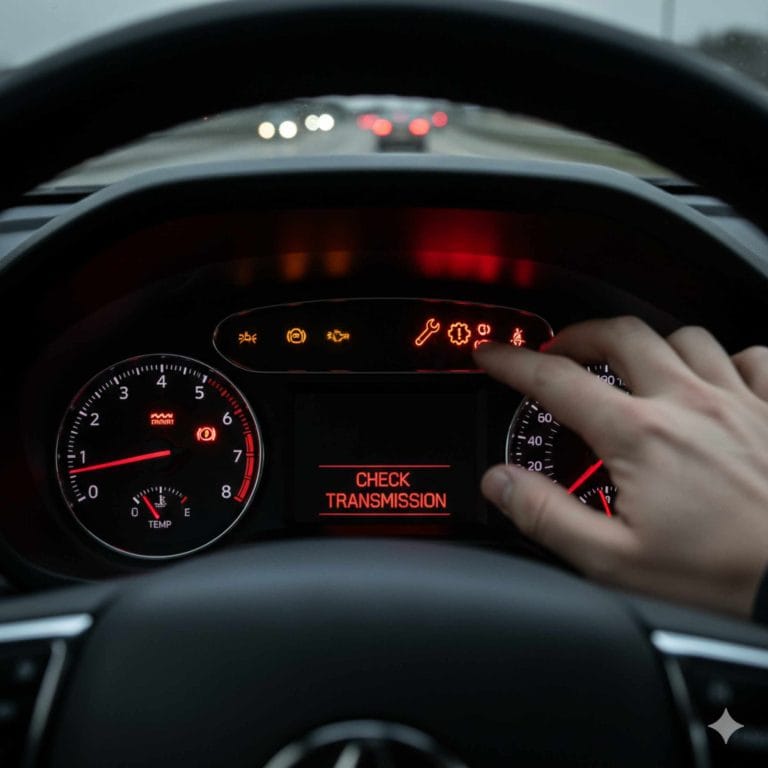
A warning light blinked on the dashboard, a symbol I hadn’t seen before. Panic started to bubble up. Was this going to be an expensive fix?
I imagined my car sitting in a garage for days, and my wallet feeling much lighter. I pulled over, my heart pounding a little. I checked my phone, but there wasn’t much I could do right then.
The next morning, I called my trusted mechanic. He listened patiently and said it sounded like a TCM issue. He explained that sometimes it’s a simple fix, like a software glitch.
Other times, the module itself needs replacing. That uncertainty was the worst part. But knowing where to start made it a bit easier.
Signs Your TCM Might Be Failing
Jerky Shifting: Gears don’t change smoothly. You feel bumps or hesitation.
Check Engine Light: This light often comes on with TCM issues.
Traction Control Light: Sometimes this light shows up too.
Car Stuck in One Gear: Your car may only use a single gear, usually third.
Difficulty Accelerating: The car feels weak and slow to pick up speed.
Transmission Slipping: It feels like the engine revs up, but the car doesn’t go faster.
Why TCMs Need Replacing
Like any computer part, TCMs can wear out over time. They are exposed to heat and vibrations inside your car. This can cause them to fail.
Sometimes, water can get into the module and cause corrosion. This is more common if seals are broken or damaged.
Electrical issues can also cause a TCM to stop working. A power surge or a short circuit can fry the delicate electronics inside. Sometimes, the software within the TCM can become corrupted.
This can lead to performance problems. Think of it like a computer program that has bugs.
The environment your car operates in matters too. Extreme heat or cold can stress the components. In areas with heavy traffic, the transmission shifts more often.
This constant work can lead to premature wear. Even rough driving habits can put extra strain on the TCM.
It’s also important to remember that TCMs are specific to your car’s make and model. A TCM for a Ford truck will be different from one for a Toyota sedan. This means you can’t just swap them out.
The part itself can be a significant part of the cost.
Common Causes of TCM Failure
- Heat Exposure: Engine heat wears down electronic parts.
- Vibration: Constant shaking can loosen connections or damage circuits.
- Water Damage: Leaks or humidity can cause corrosion.
- Electrical Surges: Sudden power spikes can damage the computer.
- Software Glitches: Corrupted code can cause malfunctions.
- Age and Wear: Like all parts, TCMs have a lifespan.
The Cost Breakdown: What You’re Paying For
When you get a quote for a TCM replacement, it’s usually broken down into a few parts. You’ll see the cost of the new part itself. Then, there’s the labor cost for the mechanic to do the work.
Sometimes, there are also costs for diagnostics and programming.
The TCM part price can vary a lot. For a common car, a new TCM might cost around $200 to $500. For luxury cars or those with more complex transmissions, this can go up to $800 or more.
Some mechanics might offer remanufactured or used TCMs. These are cheaper but come with less of a warranty.
Labor costs depend on how long it takes the mechanic to replace the module. This can range from one to three hours. The hourly rate of the shop also plays a role.
A dealership will typically charge more per hour than an independent mechanic.
In many cases, once the new TCM is installed, it needs to be programmed. This means connecting it to your car’s computer system and updating its software. This programming step ensures the new module communicates correctly with the rest of your car.
It can take an extra hour or so and adds to the total cost.
So, when you add it all up, the cost to replace a transmission control module can easily reach $400 to $1,000. This is an estimate, and your specific situation might be different. It’s always best to get a detailed quote from a reputable mechanic.
Cost Comparison: New vs. Remanufactured vs. Used TCM
Part TypeTypical Cost RangePros & ConsNew OEM TCM$300 – $800+Best compatibility, highest cost, full warranty.Remanufactured TCM$200 – $600Tested, refurbished, often good warranty, cost-effective.Used TCM$50 – $300Lowest cost, highest risk, often no warranty, compatibility issues possible.Factors Influencing the Price
Several things can make the price of a TCM replacement go up or down. Knowing these can help you understand why quotes might differ.
Vehicle Make and Model: This is a big one. Luxury cars or those with specialized transmissions often have more expensive parts. A common sedan or truck might use a more affordable module.
Part Quality: As we saw, buying a brand-new Original Equipment Manufacturer (OEM) part is usually the most expensive. Certified remanufactured parts are a good middle ground. Used parts are the cheapest but carry the most risk.
Location: Labor rates vary by region. Mechanics in major cities might charge more per hour than those in smaller towns. The availability of parts can also affect price.
Mechanic’s Shop: Dealerships often have higher overhead costs and specialized technicians. This usually means higher labor rates. Independent shops can sometimes offer more competitive pricing.
Additional Repairs: Sometimes, the TCM failure is linked to another problem. If other sensors or wiring harnesses are damaged, this will add to the total repair bill.
Urgency: If you need the repair done immediately, you might end up paying a bit more for expedited parts or labor.
Quick Scan: What Affects TCM Replacement Cost
Vehicle Type: High (Luxury, performance cars) vs. Low (Economy cars)
Part Source: High (New OEM) vs. Low (Used)
Labor Rates: High (Major city, dealership) vs. Low (Small town, independent)
Programming Needs: Yes (Adds time/cost) vs. No (Less common)
Is a Software Update Ever Enough?
Yes, sometimes a software update can fix TCM issues. Modern car systems are complex. Sometimes, a glitch in the software can cause the TCM to behave strangely.
This can mimic the symptoms of a failing module.
A mechanic can connect your car to a diagnostic computer. They can then check for any software updates for your TCM. If an update is available, they can install it.
This is often much cheaper than replacing the module.
This is why it’s crucial to get a proper diagnosis. Don’t assume you need a new part right away. A good mechanic will check for software issues first.
They will use their diagnostic tools to pinpoint the exact problem.
If the issue is purely a software bug, the cost might be just for the diagnostic time and the update itself. This could be as little as $100 to $200. It’s a much more budget-friendly solution compared to a full replacement.
Always ask your mechanic if a software update is a possibility.
When to Worry About Your Transmission
Most of the time, a malfunctioning TCM will give you clear signs. You’ll notice a difference in how your car shifts. The check engine light is a common indicator that something is wrong with the powertrain.
If your car is stuck in “limp mode,” meaning it can only drive at very low speeds, this is a serious sign. Limp mode is a safety feature that prevents further damage. It’s a clear signal that the TCM or another transmission component needs immediate attention.
If you experience any of the symptoms we discussed, like hard shifting, transmission slipping, or warning lights, it’s best not to ignore them. Continuing to drive a car with transmission problems can lead to much more severe and costly damage. You could end up needing a full transmission rebuild, which is significantly more expensive than a TCM replacement.
Pay attention to unusual noises coming from your transmission area as well. Grinding, whining, or clunking sounds can indicate underlying issues. If you’re unsure, it’s always wise to err on the side of caution.
Schedule a visit to a qualified mechanic.
Simple Checks for Transmission Issues
Visual Inspection: Look for any obvious fluid leaks under your car. Transmission fluid should be reddish and clear, not dark or burnt-smelling.
Dashboard Lights: Note any warning lights like the check engine light or a transmission-specific indicator.
Shifting Feel: Pay attention to how your car shifts gears. Is it smooth or jerky? Does it hesitate?
Performance: Does the car accelerate normally? Does it feel weak or struggle on hills?
Listen Closely: Are there any strange sounds when you accelerate or shift?
Tips for Finding a Reliable Mechanic
When it comes to car repairs, trust is key. You want to find a mechanic who is honest and skilled. Here are a few tips to help you:
Ask for Recommendations: Friends, family, or neighbors can often point you to a good mechanic they’ve used and trust.
Check Online Reviews: Look for shops with high ratings and positive reviews on sites like Google, Yelp, or Angie’s List. Pay attention to what people say about their honesty and customer service.
Look for Certifications: Mechanics who are ASE (Automotive Service Excellence) certified have passed rigorous tests. This shows they have a high level of skill.
Get Multiple Quotes: Don’t just go with the first shop you call. Get quotes from two or three different reputable places. This helps you compare prices and services.
Ask Questions: Don’t be afraid to ask questions about the diagnosis, the parts they plan to use, and the estimated cost. A good mechanic will be happy to explain everything.
Warranty on Parts and Labor: A reputable shop will offer a warranty on the work they do. Ask about the length and coverage of this warranty.
Choosing the right mechanic can save you money and a lot of headaches in the long run. For TCM issues, you want someone experienced with transmission control systems.
What This Means for Your Car’s Future
Replacing a TCM is a repair, not necessarily a sign that your car is nearing its end. Modern cars have many electronic components. When one fails, it can often be fixed or replaced.
A new or remanufactured TCM can give your car many more miles of reliable service. However, it’s wise to continue to maintain your car regularly. This includes keeping up with fluid changes and checking for any other potential issues.
If your car is older, you’ll want to weigh the cost of the repair against the overall value of the car. For a well-maintained vehicle, a $500-$1,000 repair can be a good investment to keep it running. For a car that’s already having multiple problems, it might be time to consider other options.
The key is to address problems as they arise. Don’t let small issues turn into major, expensive repairs. Regular maintenance and prompt attention to warning signs can extend the life of your vehicle.
Frequently Asked Questions About TCM Replacement
How long does a transmission control module typically last?
A transmission control module can last for many years, often as long as the car itself. However, they are electronic components and can fail due to age, heat, vibration, or electrical issues. There isn’t a fixed lifespan, and it varies greatly depending on driving conditions and manufacturing quality.
Can I drive my car if the TCM is failing?
It’s generally not recommended to drive extensively if your TCM is failing. The car might enter “limp mode,” severely limiting speed and gear selection. Continued driving could potentially cause more damage to the transmission, leading to much higher repair costs than just replacing the TCM.
Is a TCM covered by a car’s warranty?
Yes, a transmission control module is typically covered by a car’s powertrain warranty. The length of this warranty varies by manufacturer, but it often extends for several years or a specific mileage. Check your vehicle’s warranty documentation for details.
How can I tell if it’s the TCM and not another transmission problem?
Diagnosing a TCM issue requires specialized tools and expertise. A mechanic will use diagnostic scanners to read trouble codes and perform tests. Symptoms like erratic shifting, warning lights, and performance issues can point to the TCM, but other transmission components can cause similar problems.
A professional diagnosis is essential.
Can a bad battery cause TCM issues?
A weak or failing battery can cause various electrical problems in a car, including issues with the TCM. Low voltage can lead to the TCM not functioning correctly or causing erratic behavior. It’s always a good idea to have your battery tested if you suspect electrical problems.
What is the difference between a TCM and a PCM?
The Transmission Control Module (TCM) specifically manages your transmission’s gear shifting and operation. The Powertrain Control Module (PCM) is a larger computer that controls both the engine and the transmission. In some vehicles, the TCM is a separate unit, while in others, its functions are integrated into the PCM.
Final Thoughts on TCM Replacement Costs
Dealing with a car repair can be stressful, but understanding the costs involved helps. The cost to
See also best 8hp70 transmission controller top rated options 2026. See also how does a transmission stop working warning signs inside.