What Is Transmission Control System Mil Request? Explained
Ever seen a light on your dashboard and felt a knot in your stomach? You’re not alone. That little light, often yellow or orange, can pop up for so many reasons.
One of them might be related to your car’s transmission. This is where the term “Transmission Control System MIL Request” comes in. It sounds technical, but it just means your car’s computer has noticed something off.
We’re going to break down what this means. We’ll talk about why it happens and what you should know. It’s important to understand these signals from your car.
This helps you take care of it properly.
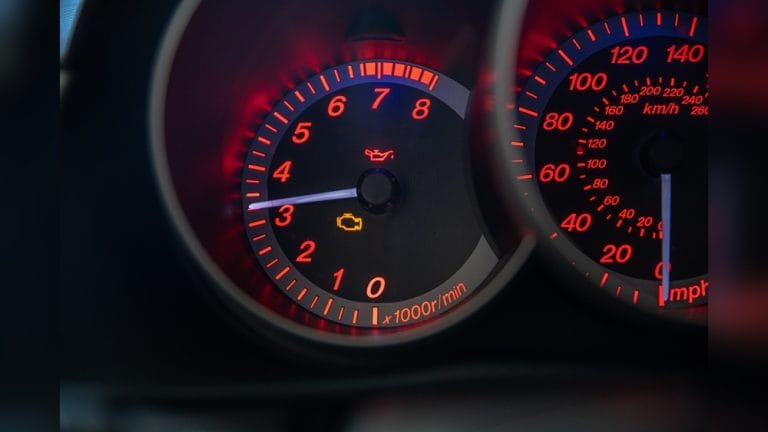
A Transmission Control System MIL Request signifies that your vehicle’s onboard computer has detected an issue with the transmission control system. The Malfunction Indicator Lamp (MIL), often called the check engine light, has been illuminated as a result. This alert prompts a diagnostic check to identify and resolve the problem.
Understanding the Transmission Control System
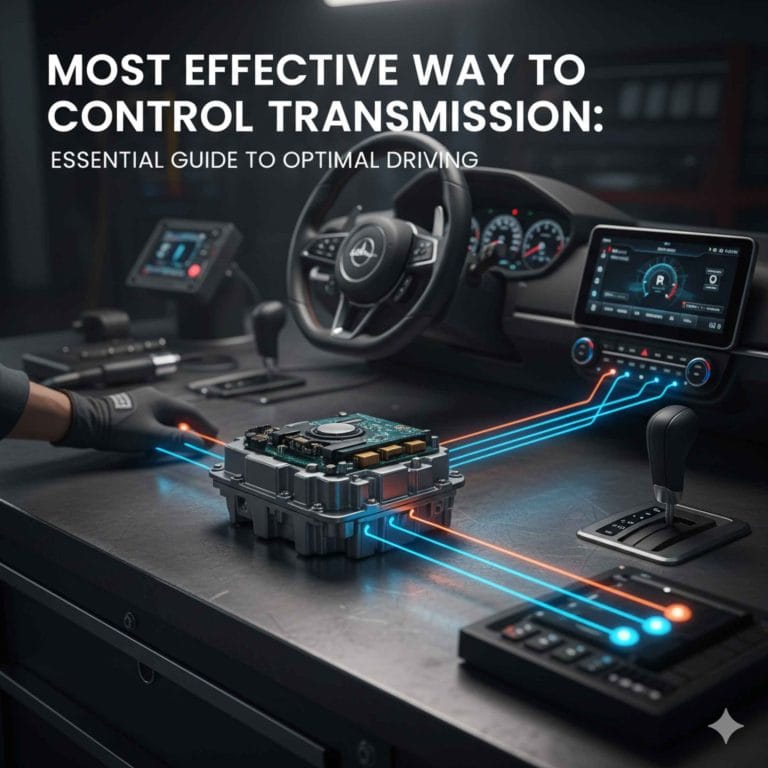
Your car’s transmission is like its gearbox. It helps send power from the engine to the wheels. Modern cars have a computer that manages this.
This is the Transmission Control System, or TCS. It tells the transmission when to shift gears. It makes sure your car runs smoothly.
It also helps save fuel. The TCS uses sensors to gather information. It knows how fast the car is going.
It knows how hard the engine is working. It knows what gear is currently selected. It even knows how much you’re pressing the gas pedal.
All this data helps the TCS make smart decisions about shifting.
This system is pretty complex. It has many parts working together. These parts include solenoids, clutches, and fluid sensors.
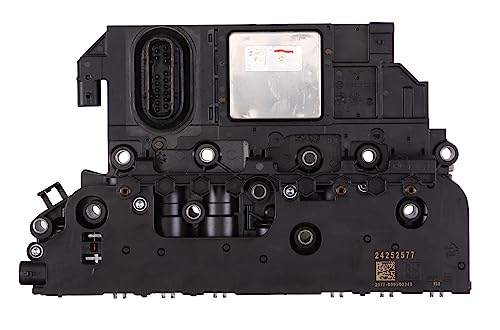
The computer, often called the Transmission Control Module (TCM), is the brain. It analyzes all the data from the sensors. Then, it sends commands to the transmission.
These commands control things like hydraulic pressure. They also control clutch engagement. This all happens in fractions of a second.
The goal is always a smooth and efficient drive. The TCM constantly monitors its own performance too.
When the TCM notices something unusual, it acts. It tries to correct the issue if it can. If it can’t fix it, it logs a trouble code.
This code tells a mechanic what went wrong. The TCM then turns on the Malfunction Indicator Lamp (MIL). This is your car’s way of saying, “Hey, I need a look.” The MIL is the same light as the “check engine” light.
So, a Transmission Control System MIL Request simply means the TCM triggered this general warning light.

What Triggers a Transmission Control System MIL Request?
Several things can make the Transmission Control System trigger the MIL. Think of it like your body sending a signal when something isn’t right. Your car does the same thing.
Many issues are related to sensors. Sensors are small devices that measure things. For example, a faulty speed sensor could cause problems.
If the TCM gets bad speed data, it might not shift correctly. This can lead to a MIL request. Another common culprit is the transmission fluid.
Transmission fluid is vital. It lubricates parts. It also cools the transmission.
And it helps create hydraulic pressure for shifting. If the fluid is low, dirty, or old, it can cause trouble. Low fluid means less lubrication.
It means the transmission can overheat. Dirty fluid can clog passages. This stops the TCM from controlling things properly.
So, checking your transmission fluid is a good first step. Make sure it’s at the right level and looks clean.
Electrical issues are also common. Wires can get damaged. Connectors can become loose or corroded.
The TCM itself could also fail, though this is less common. Sometimes, the problem isn’t even with the transmission itself. It could be an issue with another part of the car that affects the transmission.
For example, problems with the engine’s idle speed could confuse the TCM. This would then trigger the MIL. It’s a complex system, and many things have to work perfectly.
Here are some specific causes we see often:
Common Causes for Transmission MIL
Faulty Sensors: Speed sensors, temperature sensors, or position sensors can fail or send incorrect data. This is a very frequent reason.
Low or Dirty Transmission Fluid: Essential for lubrication and cooling. If it’s not right, shifts suffer.
Transmission Fluid Leaks: Leads to low fluid levels and potential damage if not fixed quickly.
Electrical Problems: Damaged wiring harnesses, corroded connectors, or faulty solenoids can disrupt communication.
Torque Converter Issues: Problems with the torque converter, which connects the engine to the transmission, can cause the MIL.
Internal Transmission Damage: Wear and tear on gears, clutches, or bands can lead to performance issues and fault codes.
Shift Solenoid Malfunction: These valves control fluid flow for shifting. If they fail, gears won’t engage properly.
My Own Transmission Scare
I remember one time, my old sedan started acting weird. It was a Tuesday evening, and I was driving home from a client meeting. Suddenly, the car felt like it was hesitating.
It wasn’t shifting into the next gear smoothly. It felt a bit jerky, almost like it was struggling. Then, the dreaded orange light blinked on.
My heart sank. I pulled over safely to the side of the road. I looked at the dashboard, and there it was: the check engine light, shining brightly.
My first thought was, “Oh no, a transmission rebuild. That’s going to cost a fortune!” I pictured myself stranded, calling for a tow truck. The car was only about five years old, so I was shocked.
I tried turning the car off and on again, hoping it was just a glitch. It seemed okay for a few minutes, but then the jerky feeling returned. The MIL stayed on.
I decided to drive home very slowly, avoiding any hard acceleration.
The next morning, I called my trusted mechanic. He told me not to panic just yet. He said many things can cause that light.
He asked me to bring it in. He hooked up his diagnostic tool. He found a code related to the transmission fluid temperature sensor.
Apparently, it was giving faulty readings. He said the transmission was actually working fine. But the computer thought it was overheating.
That’s why it triggered the MIL. He replaced the sensor. The problem was fixed.
The total bill was surprisingly low. It taught me a valuable lesson: don’t always assume the worst. Get it checked first.
How Mechanics Diagnose the Problem
When you take your car in for a Transmission Control System MIL Request, a mechanic follows a process. They don’t just guess. They use tools and their knowledge.
The first step is always connecting a diagnostic scanner. This tool plugs into a port on your car. It’s usually under the dashboard.
The scanner reads the trouble codes stored in the car’s computer. These codes are like a secret message. They point towards the area of the problem.
For transmission issues, there are specific P-codes. These codes might say something like “Transmission Fluid Temperature Sensor Circuit Malfunction.” Or they might indicate a “Shift Solenoid Circuit Performance” issue. The mechanic will note down these codes.
But the codes are just a starting point. They tell you what the computer thinks is wrong. They don’t always tell you why it’s wrong.
For example, a code for a faulty sensor could mean the sensor is bad. Or it could mean the wiring to the sensor is damaged. Or even that the computer itself has a problem.
So, the mechanic needs to do more. They will often perform a visual inspection. They look for obvious problems.
Are there any loose wires? Any signs of fluid leaks? Is the transmission fluid level correct?
Does the fluid look burnt or smell bad? These visual checks are very important. They can quickly reveal simple issues.
After the visual check, they might perform further tests. This could involve testing individual sensors or solenoids.
They might also check live data from the TCM. This shows how the system is behaving in real-time. They can see sensor readings.
They can see what the TCM is commanding. This helps them understand the situation better. Sometimes, they might need to do a “road test.” This involves driving the car.
They’ll pay close attention to how the transmission shifts. They’ll try to replicate the conditions when the MIL came on. This helps them pinpoint the exact cause.
Diagnostic Steps for Transmission MILs
1. Scan for Codes: Use a diagnostic tool to retrieve trouble codes from the TCM.
2. Interpret Codes: Understand what each code suggests is wrong.
3. Visual Inspection: Check for leaks, damaged wires, and fluid condition.
4. Check Fluid Level and Condition: Ensure fluid is at the correct level and appears healthy.
5. Test Components: Verify the function of sensors, solenoids, and other parts.
6. Review Live Data: Monitor real-time performance of the transmission system.
7. Road Test: Drive the vehicle to observe shifting behavior and replicate issues.
What Happens If You Ignore It?
It’s tempting to think, “My car is still driving, so it’s probably fine.” But ignoring a Transmission Control System MIL Request can lead to bigger problems. It’s like ignoring a small cut that gets infected. The initial issue might seem minor.
But if left unaddressed, it can turn into something serious and expensive. Your transmission is a complex piece of machinery. It relies on precise control.
When the TCM signals a problem, it’s usually for a good reason.
If the issue is related to low transmission fluid, ignoring it means parts will start to grind. This leads to excessive wear. Over time, this can destroy gears and other internal components.
The cost to repair or
If the problem is with a sensor, the TCM might not be able to control shifts properly. This could mean harsh shifts. It could mean the car gets stuck in one gear.
This makes driving difficult and potentially dangerous. It can also lead to increased wear on other parts. For example, if the transmission slips because of bad control, it can overheat.
Overheating can warp metal parts. It can degrade the fluid faster.
In some cases, the MIL might be on because of a minor electrical fault. This might not cause immediate damage. But it can still affect performance.
It might reduce fuel efficiency. It could also prevent the transmission from entering “limp mode.” Limp mode is a safety feature. It restricts the transmission’s gears.
This allows you to drive to a mechanic without causing more damage. If the MIL is on, this safety feature might not work when you need it.
So, while your car might seem to be working, underlying issues are still present. These issues can worsen over time. They can cause more widespread damage.
This makes the eventual repair much more costly. It’s always best to get it checked out. The sooner you address the problem, the better chance you have of a simple, less expensive fix.
Think of it as preventative maintenance. It saves you money and stress in the long run.
When Is It Normal for a Car to Have a Transmission Light?
Generally speaking, it’s never normal for the transmission control system to trigger the MIL. The Malfunction Indicator Lamp (MIL) is designed to alert you to a problem. It’s a signal that something is outside of normal operating parameters.
Modern cars are built with sophisticated self-diagnostic systems. These systems are constantly monitoring performance. If the Transmission Control Module (TCM) requests the MIL to illuminate, it means it has detected a fault.
However, there are a few nuances. Sometimes, a MIL might briefly illuminate. This can happen during the initial startup sequence of the vehicle.
Many warning lights, including the check engine light, will turn on for a few seconds when you first start the car. This is a self-test. It confirms the bulb is working.
As soon as the engine starts and runs normally, these lights should turn off. If the MIL stays on after starting the engine, then it indicates a persistent issue.
Another situation to consider is after certain maintenance procedures. If a component related to the transmission system was recently worked on, a MIL could temporarily appear. This might happen if a sensor was not reconnected properly.
Or if a system needs to “relearn” its settings. In these cases, the light might come on. Then, after a short period of driving, it could turn off on its own.
This is not common, but it can occur. It’s always wise to confirm with the mechanic who performed the service.
What you should watch out for are changes in how your car drives. If the MIL is on, and you also notice:
- Jerky or rough gear shifts
- Delayed shifting
- The car getting stuck in a particular gear
- Hesitation when accelerating
- Unusual noises from the transmission area
- A burning smell
These are all signs that the MIL is indicating a real problem. It’s not a false alarm. The computer is doing its job by alerting you.
It’s your job to listen to that alert.
Transmission Control System MIL Request vs. Other Lights
It’s easy to get confused by all the lights on your dashboard. The MIL for the transmission system is usually the same as the “check engine” light. However, there are other important lights specific to your transmission.
These might include a “Tow Mode” indicator or a specific transmission warning light on some vehicles. If you see a dedicated transmission warning light that is not the general MIL, it also signals a problem specific to that system.
Let’s look at a few common dashboard lights to help tell them apart:
Dashboard Light Comparison
| Light Symbol | Meaning | Urgency |
|---|---|---|
| Engine Outline (often yellow/orange) | Malfunction Indicator Lamp (MIL). Can indicate engine or transmission issues. This is what a Transmission Control System MIL Request triggers. | Moderate to High. Get checked soon. |
| Exclamation Mark in Circle (often yellow/orange) | Brake System Warning Light. Could mean low brake fluid or parking brake engaged. | High. Stop driving if brakes feel weak. |
| Oil Can Symbol (often red) | Low Engine Oil Pressure. Very serious. | Critical. Stop the engine immediately. |
| Battery Symbol (often red) | Battery Charging System Warning. Alternator or battery issue. | Moderate to High. Can leave you stranded. |
| “T” with an Arrow Below (varies) | Transmission Temperature Warning. Some cars have this dedicated light. | High. Indicates overheating. |
The key takeaway is that the MIL (check engine light) is a general alert. When it’s a “Transmission Control System MIL Request,” it specifically means the transmission computer has found a fault. It’s not usually an issue with the engine, brakes, or battery.
But it requires the same attention: a diagnostic check.
My Experience with a “Stuck” Transmission Light
A few years ago, I was on a road trip. We were driving through the mountains, and the car was performing beautifully. The scenery was amazing.
Suddenly, the transmission light came on. It was a sunny afternoon, but it felt like a dark cloud rolled in. The car didn’t seem to be shifting quite right.
It felt sluggish. I could sense something was off, but it wasn’t a dramatic change. Just subtle.
I knew I couldn’t ignore it, especially on a long trip. I found the nearest town and located a mechanic. They had a good reputation.
I explained what was happening. I mentioned the light. The mechanic listened patiently.
He then hooked up his scanner. He got a code that pointed to an issue with one of the transmission’s speed sensors. He explained that this sensor tells the computer how fast the transmission’s output shaft is spinning.
He said that if this sensor is faulty, the computer might not know when to shift gears. Or it might shift at the wrong time. This could cause the sluggishness I felt.
He also mentioned that it could lead to the transmission overheating if it kept slipping. He had the part in stock. He replaced the sensor.
It took him about an hour. After he cleared the code, the light went off. I took the car for a test drive.
It felt like new again. The shifting was smooth and responsive. That experience reinforced my belief in getting issues diagnosed promptly.
It saved me from potentially much bigger problems down the road.
Can You Drive With a Transmission MIL On?
This is a big question many people have. Can you keep driving if the transmission light is on? The answer is: it depends on the specific issue.
Some problems might allow you to drive short distances. Others are serious and require immediate attention. Driving with certain transmission problems can cause further, more severe damage.
If the MIL illuminates, and your car is still driving relatively normally, you can often drive it to a mechanic. This means shifting is smooth, there are no strange noises, and the car accelerates as expected. However, you should avoid long trips or heavy driving.
Drive gently. Avoid rapid acceleration. Avoid towing anything.
The goal is to get to a repair shop without making the problem worse.
If, however, the MIL comes on and you notice significant changes in performance, you should stop driving. These changes include:
- Harsh or clunky gear shifts
- The car being stuck in one gear (not shifting at all)
- The transmission slipping (engine revs up, but the car doesn’t speed up)
- Unusual grinding or whining noises
- A burning smell
In these cases, the transmission is likely under severe stress. Continuing to drive could cause catastrophic failure. This would lead to a very expensive repair or replacement.
It’s best to pull over safely. Call for a tow truck. Continuing to drive can turn a minor repair into a major one.
It’s always better to be safe than sorry.
Some vehicles have a “limp mode.” This is a safety feature. If the TCM detects a serious issue, it will put the transmission into limp mode. This restricts the transmission to only a few gears (often just second or reverse).
The car will drive very slowly. This is designed to allow you to get to a repair shop. If your car enters limp mode, the MIL will usually be on.
You should absolutely heed this warning and drive directly to a mechanic. Do not try to push the car beyond its limp mode capabilities.
What to Do When You See the Light
Seeing the Transmission Control System MIL Request can be stressful. But it’s manageable if you know what to do. The most important thing is not to panic.
Your car is trying to communicate with you. Listen to its message.
Here’s a step-by-step guide:
Steps When Transmission Light Appears
1. Stay Calm: Don’t immediately assume the worst. Many issues are simple fixes.
2. Observe Your Car’s Behavior: Note any changes in how it drives. Listen for strange noises.
Smell for unusual odors.
3. Check Your Owner’s Manual: Look up the warning light. Your manual will explain what it means and recommended actions.
4. Check Transmission Fluid (If Possible): If you’re comfortable, check the fluid level and condition. (Consult your manual for the proper procedure.)
5. Drive Gently (If Safe): If the car seems to be driving normally, drive cautiously to a trusted mechanic. Avoid heavy acceleration or high speeds.
6. Avoid Driving If Symptoms Are Severe: If you notice harsh shifts, slipping, noises, or smells, pull over safely and call for a tow.
7. Schedule a Diagnostic Appointment: Contact your mechanic as soon as possible to have the codes read and the issue diagnosed.
Getting a professional diagnosis is crucial. An auto repair shop has the specialized tools. They have the expertise to pinpoint the exact problem.
They can tell you if it’s a minor sensor issue or something more serious. This prevents you from wasting money on unnecessary repairs. It also ensures the correct fix is applied.
Remember, timely action is often the key to a less expensive repair.
Quick Fixes and Tips
While many transmission issues require a mechanic, there are a few things you can check yourself. Or simple steps that can help. These are not “fixes” in the sense of solving complex problems.
They are more like initial checks and preventative measures.
Transmission Fluid Level and Condition: This is number one. Your owner’s manual will show you how to check it. Some cars have a dipstick for transmission fluid.
Others require a service port check by a mechanic. The fluid should be bright red or pinkish and not smell burnt. If it’s low, adding the correct type of fluid might help temporarily.
But you must find out why it was low. A leak is likely. If it’s dark, thick, or smells burnt, it needs to be changed.
A fluid and filter change can sometimes resolve minor issues. It also prolongs the life of the transmission.
Clearing the MIL After a Potential Simple Fix: If you believe you’ve addressed a minor issue (like topping off fluid), you might wonder if the light will go off. Sometimes, if the computer detects that the problem is resolved, the MIL will turn off on its own after a certain number of driving cycles. However, it’s best to have a mechanic clear the code with a scanner.
This ensures the system is reset properly.
Regular Maintenance: The best “fix” is prevention. Follow your car’s maintenance schedule. This includes regular transmission fluid changes.
The intervals can vary widely between car models. Some manufacturers recommend changes every 30,000 miles. Others say 100,000 miles.
Always check your owner’s manual. Sticking to the recommended service schedule is vital for transmission health.
Address Leaks Promptly: If you notice red or pinkish fluid spots under your car, investigate immediately. Transmission fluid leaks are serious. They can lead to low fluid levels.
This, in turn, can cause severe damage. Get any leaks repaired as soon as possible.
Avoid “Miracle in a Bottle” Additives: Be wary of additives that promise to fix all transmission problems. While some might offer very minor temporary relief, they often don’t address the root cause. In some cases, they can even cause more harm.
Stick to using the manufacturer-recommended fluid and parts.
Frequently Asked Questions
What is a Transmission Control Module (TCM)?
The Transmission Control Module (TCM) is a computer that controls your car’s automatic transmission. It monitors various sensors. It then sends commands to shift gears, control clutch engagement, and manage other transmission functions for smooth operation and efficiency.
How long does it take to diagnose a transmission MIL?
The time to diagnose can vary greatly. A simple sensor issue might take less than an hour. More complex problems, requiring in-depth testing or disassembly, could take several hours or even days.
Can a bad battery cause a transmission MIL?
While a weak or failing battery can cause many electronic issues, it’s not a direct cause of a Transmission Control System MIL Request. However, unstable voltage from a bad battery can sometimes lead to erratic sensor readings or computer malfunctions that might trigger a code.
What does it cost to fix a transmission problem that triggers the MIL?
Costs vary widely. A faulty sensor might cost a few hundred dollars. A transmission fluid service might cost $100-$300.
Major internal repairs or a full transmission replacement can cost several thousand dollars.
Is it safe to drive my car if the transmission fluid is low?
No, it is generally not safe to drive your car if the transmission fluid is low. Low fluid means less lubrication and cooling. This can quickly lead to overheating and severe internal damage to the transmission components.
Can the check engine light turn off by itself?
Yes, sometimes the check engine light can turn off by itself. This happens if the issue was temporary or a one-time glitch. The car’s computer will monitor for a set number of driving cycles.
If no new faults are detected, the light may go out. However, it’s still recommended to have the codes read to understand why it came on.
Conclusion
Understanding a Transmission Control System MIL Request is key to keeping your car running smoothly. It’s your car’s way of telling you something needs attention. Don’t ignore it.
A quick check, a diagnostic scan, and timely repairs can save you a lot of hassle and money. Regular maintenance, especially transmission fluid checks, goes a long way. Keep an eye on your dashboard.
Listen to your car. You’ll both be happier for it.
See also best cheapest transmission fluid that still protects well.
Products related to this article
Sponsored / affiliate links. As an Amazon Associate I earn from qualifying purchases. I may earn additional commission from eligible campaigns.