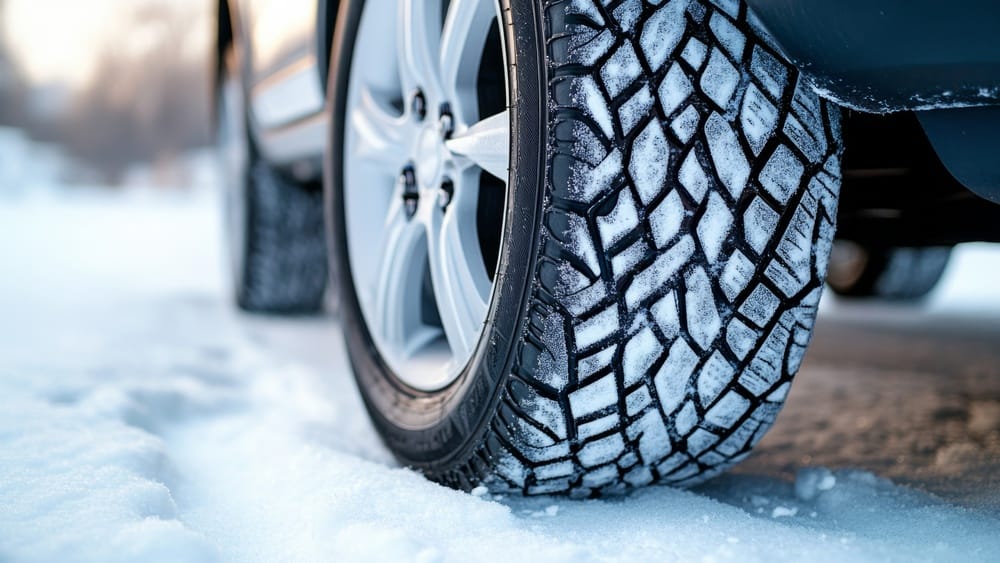
Best Car Tires for Winter: Top Picks for Safe Driving
Winter transforms roads into a challenging terrain of ice, snow, and slush, putting drivers to the ultimate test. In these conditions, your car’s tires are the most critical safety feature, forming the only contact point between your vehicle and the slippery road. While advanced all-wheel-drive systems and traction control offer assistance, winter tires remain the game-changer for safe winter driving. Without the right set, even the most skilled drivers risk losing control.
As winter storms intensify due to shifting weather patterns, the demand for high-performance winter tires is at an all-time high. Modern winter tires have evolved with advanced tread designs, rubber compounds, and engineering—enabling them to deliver outstanding grip, precise handling, and shorter stopping distances on icy and snowy roads.
Selecting the right tire is more than just a seasonal switch; it’s a smart investment in your safety and peace of mind. This guide explores the top-rated winter tires available today, compares their strengths, and provides actionable advice for choosing the best fit for your driving needs.
Key Takeaways
- Winter tires are essential for safe driving on snow and ice, offering up to 25-50% shorter stopping distances compared to all-season tires.
- Tire selection depends on your local climate, vehicle type, and driving habits; premium brands like Michelin, Bridgestone, and Nokian consistently top expert rankings.
- Studless winter tires offer exceptional performance for most drivers, while studded options provide maximum traction in extreme ice conditions.
- Tread design, rubber compound, and tire size are crucial factors for winter tire performance—always match OEM recommendations for safety.
- Proper installation and maintenance significantly extend tire life and preserve winter traction.
- Real-world case studies confirm that the right winter tires reduce accident risk and improve driver confidence.
Understanding Winter Tire Technology
Winter tires, often referred to as snow tires, are engineered specifically for cold weather and slippery surfaces. Their superiority comes from specialized materials and designs that set them apart from all-season and summer tires.
The Science Behind Winter Tire Rubber Compounds
Unlike standard tires, winter tires use a softer rubber compound that remains pliable in temperatures below 45°F (7°C). This flexibility allows the tread to conform to the road, maximizing grip. According to a study by the Rubber Manufacturers Association, winter tires retain up to 95% of their flexibility at freezing temperatures, while all-season tires can stiffen and lose traction by 30% or more.
The importance of rubber compounds extends beyond cold-weather pliability. Winter tire manufacturers often incorporate silica into their compounds, which enhances traction on wet surfaces and improves flexibility in frigid conditions. Silica also helps reduce rolling resistance, which can improve fuel efficiency—a benefit often overlooked in winter driving.
The interplay between rubber flexibility and tread design ensures winter tires maintain optimal contact with the road surface, even as temperatures fluctuate during the winter months.
Furthermore, advanced compounds also resist hardening over repeated freeze-thaw cycles, which are common in many regions. This resistance is crucial as tires exposed to such cycles can otherwise develop micro-cracks, leading to diminished performance and shorter tire life. By maintaining their elasticity, winter tires ensure consistent grip and reliability throughout the harshest conditions.
Tread Patterns: The Key To Ice And Snow Grip
Winter tire treads are deeper and feature intricate patterns:
- Sipes: Small, zigzag slits that increase the number of biting edges for better traction on ice.
- Directional tread: V-shaped grooves that channel slush and water away from the contact patch, reducing hydroplaning.
- Wide grooves: Help eject snow and prevent clogging, maintaining a consistent grip.
Some winter tires also incorporate a multi-layer tread design, where the upper layer maximizes grip while the lower layers provide durability and resistance to wear. The combination of these features ensures that, even as the tire wears down, it continues to deliver effective performance.
Additionally, the orientation and density of sipes have evolved in recent years. Some models feature thousands of micro-sipes per tire, significantly increasing the number of biting surfaces. This innovation is particularly effective during sudden stops or sharp turns, where traditional tires might lose grip.
In slushy conditions, lateral grooves and tread blocks work together to clear the contact patch quickly, ensuring stability and responsive handling.
Studded Vs. Studless Winter Tires
- Studded tires: Embedded with small metal studs that dig into ice, providing unparalleled grip. However, they are often restricted due to road wear and noise.
- Studless tires: Rely on advanced tread designs and rubber compounds for traction. These are suitable for most winter conditions and are quieter, more versatile, and legal in more regions.
Studded tires are often favored in regions where roads remain icy for extended periods, such as in northern Scandinavia or rural Canada. The studs are typically made from hard metal alloys and are designed to protrude just enough to interact with the ice without damaging the tire itself.
However, their use can be restricted or banned in many urban areas due to the damage they cause to road surfaces and the increased road noise.
Studless tires have evolved rapidly, with innovations like micro-pump sipes that absorb water from icy surfaces, creating a dry contact patch for improved grip. The latest generations of studless tires are nearly as effective as studded models in most conditions, making them the default choice for urban and suburban drivers.
They also eliminate the hassle of seasonal installation and removal of studs, streamlining the winter tire process.
How Winter Tires Differ From All-season Tires
All-season tires are a compromise, designed for moderate conditions. Testing by Consumer Reports shows winter tires can reduce stopping distances on ice by up to 30 feet compared to all-seasons at 20 mph. The difference is even more pronounced in snow, where winter tires provide up to 50% more traction.
Winter tires also feature a higher density of tread blocks and sipes, which increases their effectiveness on slippery surfaces. In comparison, all-season tires have fewer sipes and shallower tread, resulting in reduced performance on snow and ice. The rubber compounds in all-season tires are formulated for durability in warm weather, but they stiffen significantly below freezing, dramatically reducing grip.
In real-world scenarios, this means that a vehicle equipped with winter tires can stop safely at intersections or navigate turns without sliding, while all-season tires may continue to skid or lose control. This difference is critical not only for safety but also for confidence in winter driving.

Credit: www.caranddriver.com
Top 8 Winter Tires For Safe Driving
Selecting the best winter tires means balancing performance, durability, and value. Below are the industry’s top-rated tires for the 2026-2026 winter season, based on independent tests, customer reviews, and expert evaluations.
| Tire Model | Best For | Studded/Studless | Key Feature | Estimated Price (per tire) |
|---|---|---|---|---|
| Michelin X-Ice Snow | Overall performance | Studless | Long tread life, quiet ride | $150–$220 |
| Bridgestone Blizzak WS90 | Ice & packed snow | Studless | Exceptional ice grip | $120–$200 |
| Nokian Hakkapeliitta 10 | Extreme winter, ice | Studded/Studless | Optional studs, eco-friendly | $160–$240 |
| Continental VikingContact 7 | Wet & slushy roads | Studless | Superior wet traction | $130–$210 |
| Goodyear Ultra Grip Ice WRT | Versatility | Studless | Reliable in variable winter | $110–$180 |
| Pirelli Winter Sottozero 3 | Performance vehicles | Studless | Responsive handling | $180–$250 |
| General Altimax Arctic 12 | Budget-friendly | Studdable | Excellent value | $80–$140 |
| Firestone Winterforce 2 | Durability | Studdable | Long-lasting tread | $90–$150 |
Michelin X-ice Snow
The Michelin X-Ice Snow is the benchmark for studless winter tires. It boasts exceptional ice and snow traction, a quiet ride, and industry-leading tread life. Its Flex-Ice 2.0 compound maintains pliability in subzero temperatures, while Michelin’s EverGrip technology ensures maximum contact with the road.
Michelin’s proprietary tread design incorporates a high-density network of sipes and wide grooves, providing excellent performance in both deep snow and on icy surfaces. The tire’s tread life is often reported to outlast competitors, making it a cost-effective choice for drivers who log many winter miles.
It also features low rolling resistance, which can help offset winter’s impact on fuel efficiency.
Bridgestone Blizzak Ws90
Known for its outstanding grip on ice and packed snow, the Bridgestone Blizzak WS90 features a multi-cell compound that wicks away water, reducing slippage on glare ice. It consistently receives top marks in independent tests for braking and cornering control.
The Blizzak WS90’s innovative tread pattern is designed to maximize biting edges, improving grip during acceleration and braking. Bridgestone’s focus on water evacuation channels also reduces the risk of hydroplaning during thaw cycles. Many drivers praise its confidence-inspiring handling during unpredictable winter weather, making it a top pick for commuters and families alike.
Nokian Hakkapeliitta 10
If you face extreme winter conditions, the Nokian Hakkapeliitta 10 is a top contender. Available in both studded and studless versions, it offers unbeatable traction on ice and snow. Nokian’s eco-friendly production and low rolling resistance make it a favorite among environmentally conscious drivers.
Nokian’s patented stud design features a dual-layer system, with the upper layer optimized for ice and the lower layer for snow. This unique construction ensures consistent performance throughout the tire’s life. The Hakkapeliitta 10 also uses a tread pattern that remains flexible in severe cold and incorporates advanced features for noise reduction, making it comfortable for long drives.
Continental Vikingcontact 7
For wet and slushy winter roads, the Continental VikingContact 7 excels. Its advanced tread compound and unique pattern deliver reliable grip in changing temperatures, making it ideal for regions with frequent freeze-thaw cycles.
Continental uses a mix of silica and natural rubber to create a tread compound that stays supple in cold and wet conditions. The VikingContact 7’s tread blocks are specially designed to channel water and slush away quickly, reducing the risk of sliding on wet surfaces.
Its performance in mixed conditions is particularly notable for drivers in coastal regions or areas with fluctuating winter weather.
Goodyear Ultra Grip Ice Wrt
The Goodyear Ultra Grip Ice WRT is a versatile, studless tire designed for North American winters. It balances dry road handling with dependable snow and ice traction, making it a solid all-rounder for urban and rural drivers.
Goodyear’s tread pattern incorporates multiple biting edges and a high-density sipe arrangement, offering a stable ride on both dry and slippery surfaces. The tire’s performance in freezing rain and packed snow is often highlighted in user reviews, and its price point makes it accessible for a wide range of vehicles.
Pirelli Winter Sottozero 3
Catering to performance vehicles, the Pirelli Winter Sottozero 3 combines winter capability with sharp steering response. It’s favored by drivers of sports sedans and luxury cars who demand both safety and driving enjoyment in winter.
The Sottozero 3’s asymmetric tread design maximizes handling and stability at high speeds, while its rubber compound ensures grip in cold temperatures. Pirelli’s focus on responsive steering and braking makes this tire ideal for drivers who want to retain the sporty feel of their vehicle during winter months.
General Altimax Arctic 12
Offering excellent value without sacrificing safety, the General Altimax Arctic 12 can be fitted with optional studs for enhanced ice traction. Its robust construction and advanced tread make it a budget-friendly pick for harsh climates.
The Altimax Arctic 12 features a tread design that efficiently clears snow and slush, and its casing is reinforced for durability. For drivers seeking a reliable tire at a lower cost, this model provides peace of mind and consistent performance throughout the winter.
Firestone Winterforce 2
The Firestone Winterforce 2 is known for its durability and long-lasting tread. It is studdable for maximum ice performance and provides reliable grip through multiple winter seasons, making it a popular choice among fleet operators.
The Winterforce 2’s heavy-duty construction and aggressive tread pattern make it suitable for both passenger cars and light trucks. The tire’s ability to maintain traction over many seasons means fewer replacements and lower overall maintenance costs.

Credit: www.youtube.com
How To Choose The Right Winter Tires For Your Vehicle
Finding the best winter tire isn’t one-size-fits-all. The ideal choice depends on your local climate, vehicle type, and driving style.
Assess Your Local Winter Conditions
- Heavy snow and ice: Prioritize tires with aggressive tread and stud options (e.g., Nokian Hakkapeliitta 10, General Altimax Arctic 12).
- Wet, slushy, or variable winters: Look for tires with superior wet traction (e.g., Continental VikingContact 7).
- Urban, light-snow areas: High-quality studless options (e.g., Michelin X-Ice Snow, Bridgestone Blizzak WS90) offer ample safety.
In regions with unpredictable weather, such as sudden snowstorms followed by rain, choosing a tire with both snow and wet performance is crucial. For areas where roads are regularly plowed and salted, you may not need the extreme grip of studded tires, but reliable snow traction is still vital.
Match Tire Size And Specs To Your Vehicle
Always use the manufacturer’s recommended tire size, load rating, and speed rating. This information can be found in your vehicle’s owner’s manual or on the driver’s side door jamb.
Incorrect sizing can lead to handling issues, reduced safety, and uneven tire wear. For larger vehicles like SUVs and trucks, ensure the tire’s load capacity matches your vehicle’s requirements, especially if you carry heavy cargo or passengers. If you drive a compact car, focus on tires that provide nimble handling and efficient snow clearance.
Consider Your Driving Habits
- Highway commuters: Look for low rolling resistance and quiet ride.
- Mountain drivers: Emphasize maximum grip and stability.
- Performance cars: Opt for winter tires rated for higher speeds and responsive handling.
For those who frequently drive long distances, a tire with enhanced tread life and minimal road noise will make winter commutes more comfortable. If your routes include steep hills or unplowed back roads, prioritize traction and stability over ride comfort.
Budget And Longevity
Premium tires often cost more upfront but deliver longer tread life and better performance. Budget models can be excellent for moderate climates or secondary vehicles.
It’s wise to consider the long-term cost of ownership, including replacement intervals and fuel efficiency. Sometimes investing in a higher-quality tire can save money over several seasons due to reduced replacements and improved safety.
Certification And Ratings
Ensure any winter tire you select carries the Three-Peak Mountain Snowflake (3PMSF) symbol, which certifies it for severe snow service. Avoid “M+S” (Mud and Snow) only ratings, as these do not guarantee winter traction.
The 3PMSF symbol is recognized across North America and Europe, ensuring the tire meets rigorous standards for performance in snow and ice. It’s a quick way for buyers to verify that a tire is truly winter-capable.
Credit: www.consumerreports.org
Real-world Performance: Case Studies And Examples
Case Study 1: Urban Commuter In Chicago
In Chicago’s notoriously snowy winters, Sarah, a daily commuter, switched from all-season to Bridgestone Blizzak WS90 tires on her sedan. She reported a dramatic improvement in stopping power at icy intersections and less skidding during rush hour. Local accident data shows a 25% reduction in winter collision rates for drivers using dedicated winter tires.
Sarah also noted that her confidence behind the wheel increased, allowing her to navigate bridges and overpasses—which often freeze before other parts of the road—with greater safety. She found the tires particularly effective during unexpected snowfalls, where all-season tires would have struggled to maintain grip.
Case Study 2: Rural Mountain Driver In Vermont
Tom, who lives in rural Vermont, faces steep, icy roads daily. He chose Nokian Hakkapeliitta 10 studded tires for his SUV. The difference was immediate: where he once needed chains, he now navigates uphill driveways and unplowed roads with confidence, even after heavy snowfall.
Tom’s experience underscores the importance of selecting studded tires for extreme winter environments. He noted that the tires performed well not only in deep snow but also during ice storms, maintaining traction and preventing dangerous slides. He also appreciated the tire’s durability, lasting through multiple severe winters without significant wear.
Case Study 3: Performance Vehicle In Colorado
Jessica drives a BMW 3 Series and enjoys spirited driving year-round. Installing Pirelli Winter Sottozero 3 tires allowed her to maintain control on twisty, snow-dusted mountain roads without sacrificing steering precision, highlighting the importance of matching tire capabilities to vehicle performance.
Jessica found that the tires maintained her vehicle’s sporty feel, with responsive handling and strong grip even on slick surfaces. She emphasized the value of winter tires for performance vehicles, noting that they enabled her to drive safely without compromising driving enjoyment.
Winter Tire Performance Comparison: Data And Insights
To provide a clearer picture of how top winter tires perform in real-world conditions, let’s compare their results across key metrics: braking distance, snow traction, ice grip, and tread life. Data is based on independent tests by Tire Rack and Consumer Reports.
| Tire Model | Braking Distance (Ice, 20 mph to 0)* | Snow Traction (0–20 mph Acceleration)* | Wet Handling | Estimated Tread Life |
|---|---|---|---|---|
| Michelin X-Ice Snow | 44 ft | 6.3 sec | Excellent | 40,000 miles |
| Bridgestone Blizzak WS90 | 42 ft | 6.1 sec | Very Good | 35,000 miles |
| Nokian Hakkapeliitta 10 (studded) | 39 ft | 5.9 sec | Good | 30,000 miles |
| Continental VikingContact 7 | 46 ft | 6.5 sec | Excellent | 35,000 miles |
| General Altimax Arctic 12 | 48 ft | 6.7 sec | Good | 30,000 miles |
*Note: Shorter distances/times indicate better performance.
Key Takeaways From The Data
- Studded tires like Nokian Hakkapeliitta 10 deliver the shortest ice braking distance.
- Michelin X-Ice Snow and Bridgestone Blizzak WS90 offer the best balance of stopping power, snow traction, and tread life.
- Continental VikingContact 7 excels in wet handling, crucial for slushy, variable climates.
- Budget models perform well but have slightly longer stopping distances and shorter tread life.
This data demonstrates why winter tires are a necessity for safe driving in snow and ice. Even small differences in braking distance or acceleration can have a significant impact on safety, particularly in emergency situations. For fleet managers and families, choosing a tire with a longer tread life can also reduce costs and downtime.
Installation, Maintenance, And Best Practices
Proper installation and care maximize the safety and value of your winter tires.
When To Install Winter Tires
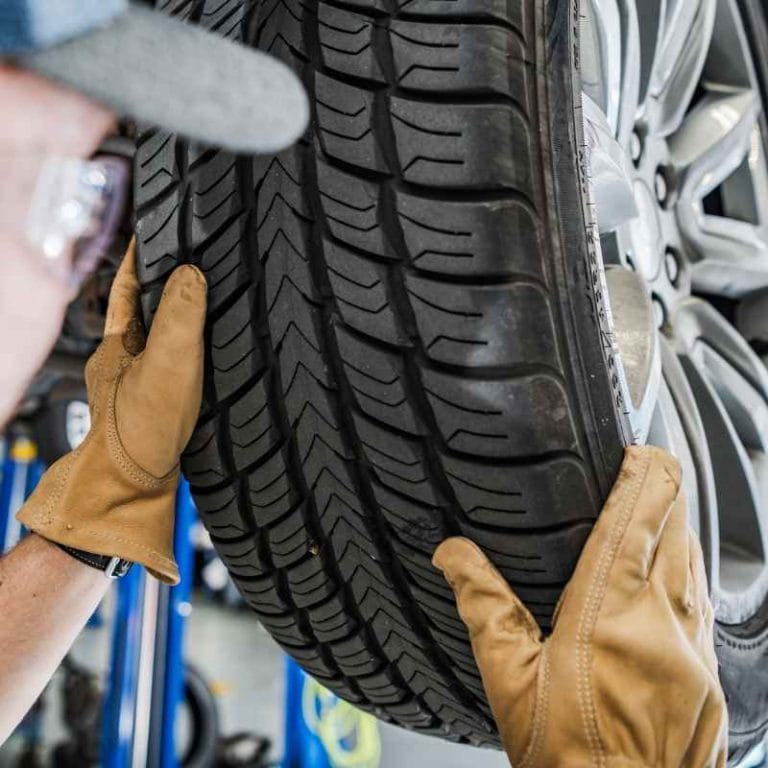
Experts recommend installing winter tires when temperatures consistently drop below 45°F (7°C), usually from November through March in most North American climates. Delaying installation increases the risk of reduced traction during early-season cold snaps.
It’s important to monitor local weather forecasts and anticipate the first freeze. Installing tires too late can expose you to unsafe conditions, while early installation ensures readiness for sudden storms. Some drivers opt for a dedicated set of wheels for their winter tires, simplifying the changeover and reducing wear from repeated mounting and unmounting.
Professional Vs. Diy Installation
- Professional installation ensures proper mounting, balancing, and inflation.
- DIY installation is possible for those with experience and the right equipment, but improper installation can lead to vibration, uneven wear, or even tire failure.
Professional installers also check for issues like bent rims or damaged valves, which can compromise tire performance. For those who prefer DIY installation, investing in a quality torque wrench and tire changer is essential. Always follow manufacturer torque specifications and check for leaks or imbalances after installation.
Tire Rotation And Pressure
- Rotate winter tires every 5,000–8,000 miles to ensure even wear.
- Check and adjust tire pressure monthly. Cold air reduces tire pressure, impacting performance and increasing wear.
During winter, tire pressure can drop significantly, sometimes by 1 psi for every 10°F decrease in temperature. Underinflated tires increase rolling resistance and reduce traction, while overinflated tires can decrease the contact patch and lead to uneven wear. Use a digital tire pressure gauge for accuracy and check pressure when tires are cold.
Storage Tips For Off-season
- Clean tires thoroughly before storage.
- Store in a cool, dry place away from direct sunlight and sources of ozone (like electric motors).
- Stack tires horizontally (if not on rims) or hang vertically (if on rims).
- Avoid storing tires outside or in extreme temperatures.
For maximum longevity, place tires in airtight bags to prevent exposure to moisture and ozone, which can degrade rubber. If storing on rims, ensure they’re inflated to manufacturer specs. Label tires by position (e. g. , LF for left front) to maintain rotation patterns.
Maximizing Tire Life
- Avoid aggressive driving—hard cornering and rapid acceleration can wear winter tread quickly.
- Remove winter tires in spring to prevent rapid wear in warmer temperatures.
- Inspect for damage, cracks, or tread depth (<6/32” is time for replacement).
Regular inspection is key to catching issues early. Look for signs of uneven wear, which may indicate alignment problems or improper inflation. Keeping tires clean and free from road salt also prevents corrosion and extends their usable life.
The Importance Of Winter Tires: Safety And Legal Considerations
Accident Reduction And Insurance Benefits
Studies by the Insurance Institute for Highway Safety show that vehicles equipped with winter tires are involved in 30–40% fewer winter accidents. Some insurance providers even offer discounts for using certified winter tires.
Beyond accident reduction, winter tires can also lower insurance premiums in certain regions. Check with your provider to see if discounts are available for using 3PMSF-certified tires. The reduction in accident risk also translates to fewer repair bills, downtime, and potential injuries.
Legal Requirements In North America
- Canada: Provinces like Quebec mandate winter tires from December 1 to March 15. Failure to comply can result in fines.
- United States: While not widely mandatory, states such as Colorado and Oregon require winter tires or chains in certain conditions.
- Always check local laws for specific requirements.
Some regions require proof of winter tire installation, such as stickers or certificates. In mountainous areas, police may conduct spot checks during snowstorms, enforcing compliance. Failing to use proper tires can also void insurance coverage in the event of an accident, making legal compliance essential.
Environmental Impact
Modern winter tires are increasingly eco-friendly. Brands like Nokian utilize low-aromatic oils and sustainable production methods. Proper winter tire use also reduces road salt usage, benefiting the environment.
Eco-conscious drivers can choose tires with recycled materials or low-resistance designs, further minimizing their carbon footprint. By improving traction, winter tires reduce the need for excessive salt or sand, which can damage ecosystems and infrastructure.
Common Myths Debunked
- Myth: All-wheel drive eliminates the need for winter tires.
- Fact: AWD helps with acceleration, but stopping and cornering are dictated by tire grip.
- Myth: All-season tires are sufficient for winter.
- Fact: All-seasons lose up to 50% of their traction below 45°F.
Other misconceptions include the belief that winter tires are noisy or uncomfortable. Modern designs have largely eliminated these drawbacks, making winter tires a practical choice for all drivers. For more on winter tire effectiveness, visit the Winter Tire Wikipedia page.
Winter Tires Vs. All-season Tires: A Detailed Comparison
To illustrate the dramatic difference between winter and all-season tires, consider the following data:
| Test Condition | Winter Tires | All-Season Tires |
|---|---|---|
| Stopping Distance (Ice, 20 mph) | 44–48 ft | 70–90 ft |
| Snow Traction (0–20 mph) | 5.9–6.7 sec | 8.0–9.5 sec |
| Cornering Grip (Snow) | High | Moderate/Low |
| Rubber Flexibility at 0°F | 95% | 60% |
Real-world Example
In a Tire Rack test, a vehicle with winter tires stopped 40 feet shorter on ice compared to the same vehicle with all-season tires. This difference could mean avoiding a collision or safely stopping at an intersection. For more detailed test results, see the Tire Rack Winter Tire Test Results.
The superior performance is even more evident in emergency maneuvers, such as lane changes or evasive actions. Winter tires maintain grip and stability, reducing the risk of spinouts or loss of control. All-season tires, while adequate in dry and mild conditions, simply cannot match the safety margins provided by dedicated winter models.
Choosing The Right Option
- Winter tires: Essential for regions with frequent snow and ice; superior safety.
- All-season tires: Acceptable only in mild climates with rare snow/ice events.
For a scientific perspective, read the National Library of Medicine’s research on winter tire effectiveness.
Frequently Asked Questions
What Is The Difference Between Winter Tires And Snow Tires?
There is no functional difference—winter tires and snow tires are terms used interchangeably. Both are designed to provide optimal traction in cold, snowy, and icy conditions using specialized rubber compounds and tread designs.
Can I Use Winter Tires Year-round?
While possible, it is not recommended. Winter tires wear rapidly in warm weather due to their softer rubber. This not only shortens their lifespan but also reduces handling performance and fuel efficiency. Always switch back to all-season or summer tires when temperatures rise above 45°F (7°C).
Are Studded Tires Better Than Studless For Ice?
Studded tires offer maximum grip on pure ice due to their metal studs. However, studless winter tires have advanced to the point where they perform nearly as well in most conditions, with the added benefit of being quieter and legal in more regions. Choose studded tires only if you frequently encounter extreme ice.
How Do I Know When My Winter Tires Need To Be Replaced?
Replace winter tires when tread depth is below 6/32” (4.8mm). Look for wear bars molded into the tread or use a tread depth gauge. Also, replace tires if you see cracks, bulges, or any damage, regardless of tread depth.
Do I Need Winter Tires If My Car Has All-wheel Drive?
Yes, AWD helps with acceleration, but does not improve braking or cornering on snow and ice. Winter tires are crucial for safe stopping and turning in winter conditions, regardless of your vehicle’s drivetrain.
References & Further Reading
- Consumer Reports: Tire Buying Guide
- NHTSA: Tire Safety Information
- Nokian Tyres: Winter Safety
Selecting the right winter tires is one of the most important decisions you’ll make to ensure safety during the coldest months. By understanding the technology, comparing the top models, and following best practices for installation and maintenance, you’ll maximize your vehicle’s winter performance and your peace of mind.
Whether you’re braving snowy highways, icy city streets, or mountain passes, the right winter tires can mean the difference between a safe journey and a risky one. Drive confidently—winter-ready and well-informed.
Products related to this article
Sponsored / affiliate links. As an Amazon Associate I earn from qualifying purchases. I may earn additional commission from eligible campaigns.