Why Do Car Tyres Burst? Warning Signs You Shouldn’T Ignore
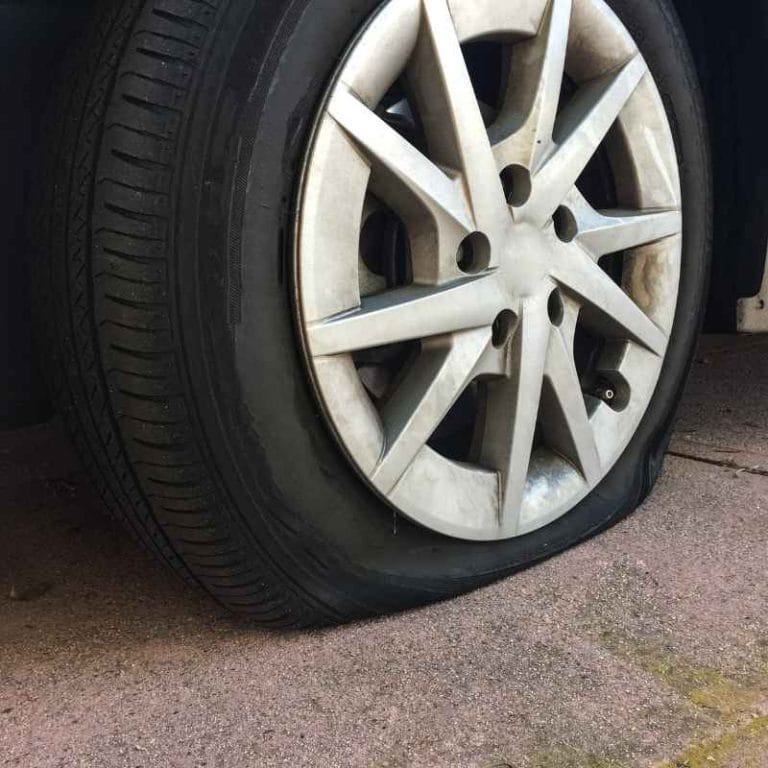
Few driving experiences are as alarming or potentially dangerous as a car tire burst. One moment you’re cruising down the highway, and the next, you’re struggling to maintain control as a loud bang echoes through your vehicle. Tire bursts, commonly referred to as blowouts, aren’t just inconvenient—they can lead to severe accidents, costly repairs, and even tragic outcomes.
But what really causes these sudden failures, and what warning signs do most drivers ignore before disaster strikes?
Understanding why car tires burst—and learning to recognize the red flags—can be the difference between a safe journey and a dangerous incident. Whether you’re a daily commuter, a road trip enthusiast, or someone who barely drives, this comprehensive guide will reveal the hidden factors behind tire blowouts, the critical warning signs you should never overlook, and the proactive steps you can take to keep your journeys safe.
Key Takeaways
- Tire bursts are most often caused by underinflation, overloading, excessive heat, and unnoticed damage.
- Warning signs include uneven tread wear, bulges, persistent vibrations, and visible cracks.
- Regular maintenance and inspection can dramatically reduce the risk of tire failures.
- Real-world case studies highlight the consequences of ignoring tire health.
- Understanding the differences between tire types and their burst risks is crucial for informed vehicle safety.

Credit: www.mountgravattmazda.com.au
What Causes Car Tyres To Burst?
The sudden and explosive failure of a car tire doesn’t happen without reason. Let’s explore the primary causes behind tire bursts and why they remain a leading factor in road accidents worldwide.
Underinflation: The Silent Threat
One of the most common causes of tire bursts is underinflation. When a tire is not inflated to the manufacturer’s recommended pressure:
- The sidewalls flex excessively, generating internal heat.
- The structure weakens, making the tire susceptible to sudden failure.
- According to the National Highway Traffic Safety Administration (NHTSA), underinflated tires are three times more likely to be involved in a crash.
Underinflation is often a result of neglecting regular tire pressure checks or relying solely on visual inspection, which is highly unreliable. Modern tires can appear properly inflated even when significantly underinflated. This is particularly dangerous on long highway trips or during hot weather, where the added stress and heat can cause a catastrophic blowout.
It’s essential to understand that even a few PSI below the recommended level can significantly impact tire performance and safety.
Example Of Underinflation In Everyday Driving
Suppose you load your car with luggage and passengers for a weekend getaway but forget to adjust your tire pressures accordingly. The additional weight causes a drop in effective tire pressure, further exacerbated by a lack of recent checks. As you drive, the tires heat up, the sidewalls flex even more, and the risk of a blowout escalates with every mile.
This scenario plays out frequently, especially during vacation seasons.
Overloading: Carrying More Than You Should
Every vehicle comes with a maximum load rating. Exceeding this limit puts immense pressure on tires, leading to:
- Overheating, especially at high speeds.
- Accelerated wear and structural damage.
- A 2019 study found that overloaded vehicles are 60% more likely to experience tire blowouts, particularly on hot days.
Overloading isn’t limited to obvious situations like moving house or carrying heavy equipment. Simple everyday activities—such as transporting several adults, sports gear, or groceries—can push your vehicle close to its load capacity. Many drivers are unaware of their vehicle’s gross vehicle weight rating (GVWR), which is typically found on a sticker inside the driver’s door frame.
Ignoring this figure can have serious consequences, as the tires are forced to support more weight than they were designed for, increasing internal friction and heat.
Real-world Overloading Example
Commercial delivery vans, especially during peak seasons like holidays, often run overloaded to meet tight deadlines. This results in a higher incidence of tire-related breakdowns and blowouts, leading to delays and, in some cases, road accidents.
High-speed Driving And Heat Buildup
Heat is the enemy of tire integrity. At high speeds:
- Friction between the tire and road increases.
- Temperatures inside the tire can soar, degrading the rubber and internal components.
- The Rubber Manufacturers Association reports that heat-related tire bursts spike during summer months, especially on long highway drives.
Heat buildup is particularly insidious because it’s often invisible to the driver until it’s too late. On highways, sustained high speeds mean the tires are constantly flexing and generating heat. This softens the rubber and weakens the bonds within the tire’s internal structure.
If the tire is already compromised—due to age, minor damage, or underinflation—the result can be sudden and catastrophic.
Additional Example
In desert regions, such as Arizona or Nevada, highway patrol regularly reports increased tire burst incidents during midday hours when road surface temperatures can exceed 140°F (60°C). Drivers often fail to adjust their habits or check their tires before embarking on long interstate journeys, increasing their vulnerability.
Impact Damage: Potholes, Debris, And Curbs
Striking a pothole, curb, or road debris can cause:
- Sidewall bulges, cuts, or internal cord separation.
- Weak points that may not cause immediate failure but can burst unexpectedly later.
- The Automobile Association notes that impact-related tire failures account for about 10% of roadside tire incidents.
Impact damage can be deceptive. A tire may appear fine immediately after hitting a pothole or debris, but the damage inside can grow over time. The inner cords or belts can be displaced or broken, creating weak spots that eventually give way under normal driving conditions.
This is why any significant impact should prompt a thorough inspection by a qualified technician, even if there are no immediate symptoms.
Example: Urban Driving Hazards
In urban environments with poorly maintained roads, drivers may hit several potholes a week. Over time, this repeated impact can weaken tires, making them susceptible to sudden failure during high-speed travel or when carrying additional loads.
Manufacturing Defects And Age
Even a well-maintained tire can fail due to:
- Manufacturing defects: Though rare, faulty materials or construction can lead to weak spots.
- Aging: Tires degrade over time, even if tread depth appears sufficient.
- Experts recommend replacing tires every 6-10 years, regardless of visible wear.
Tires are made from a mix of rubber compounds, steel, and fabric, all of which degrade with age. Exposure to sunlight, ozone, and fluctuating temperatures accelerates this aging process. Even if a tire has plenty of tread left, the rubber may become brittle and lose its elasticity, increasing the risk of cracking and structural failure.
This is why checking the manufacturing date (stamped on the tire sidewall as the DOT code) is crucial when buying new or used tires.
Example: Hidden Dangers Of Aged Tires
There have been documented cases where vehicles fitted with tires that were more than ten years old, despite having minimal mileage, suffered catastrophic failures on highways. The tires looked good externally but had lost their flexibility and strength internally.
Real-world Example: The Summer Road Trip Blowout
Consider a family embarking on a summer road trip, car packed to the brim and tires checked only visually. After hours of highway driving, the underinflated and overloaded rear tire, weakened by heat and stress, fails catastrophically—leading to a near-miss accident.
This scenario underscores how multiple factors can combine to trigger a tire burst.
A closer look at this scenario reveals just how quickly conditions can spiral. The combination of underinflation and overloading created excess heat, which was further amplified by the hot summer road and high cruising speeds. In this case, a quick tire pressure check and adjusting the load could have prevented the entire incident, saving the family from a potentially tragic outcome and costly repairs.
Warning Signs You Should Never Ignore
Tires rarely burst without giving prior warning. Recognizing and acting on these signs is vital for road safety.
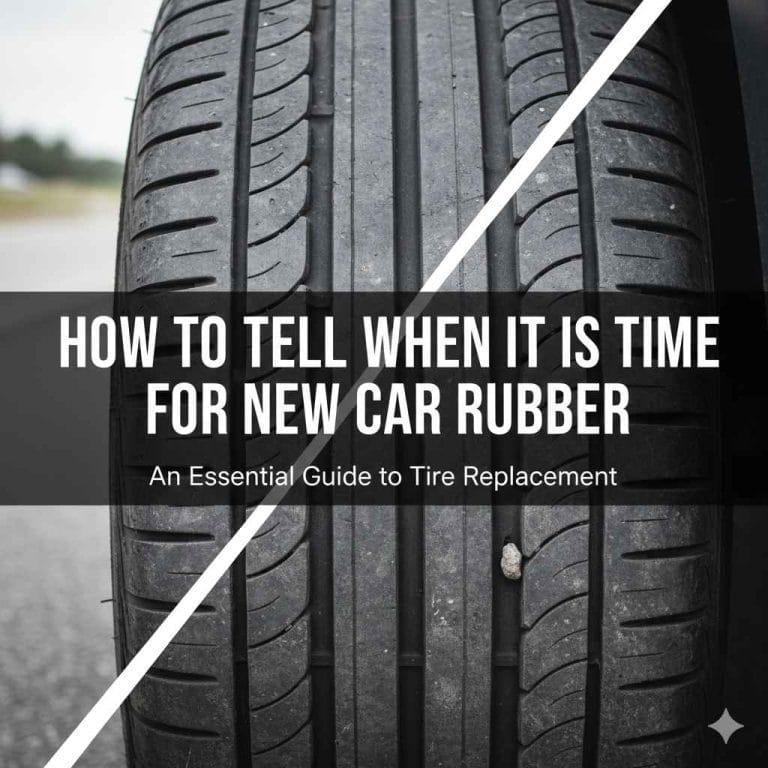
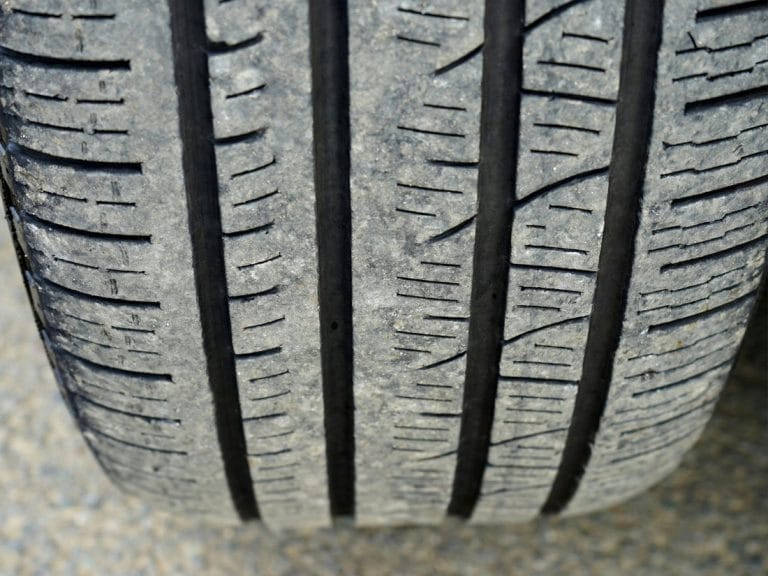
Uneven Or Excessive Tread Wear
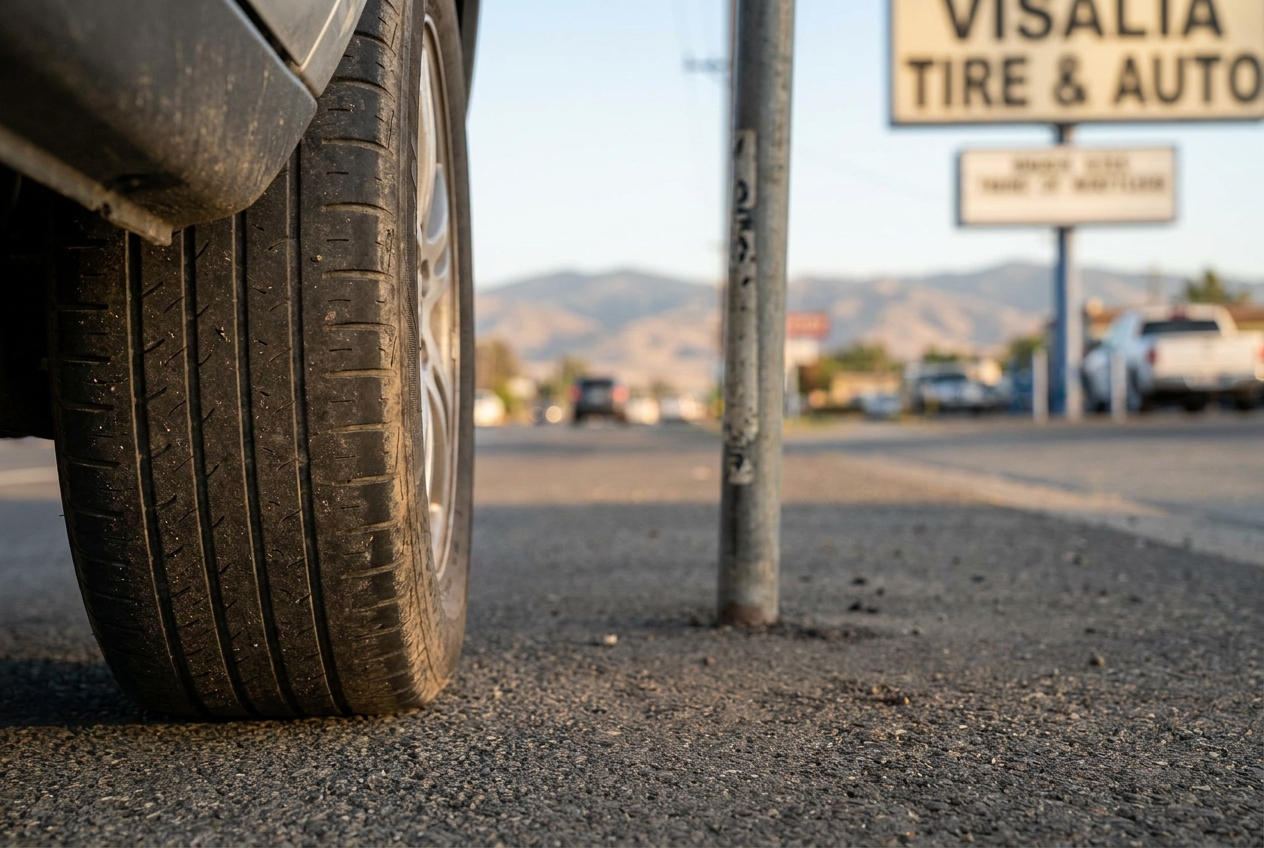
- Uneven wear (more on one edge) often points to alignment or suspension issues.
- Excessive wear reduces grip and exposes the tire to punctures and blowouts.
- Check tread depth with a penny—if Lincoln’s head is visible, it’s time to replace.
Uneven tread wear may also be a sign of improper tire rotation or unbalanced wheels. Neglecting rotation can lead to one or more tires wearing out faster, especially on front-wheel-drive vehicles where the front tires handle both steering and power delivery.
Excessive tread wear not only increases the risk of hydroplaning but also means the tire’s structural components are closer to the surface, making them more vulnerable to sharp objects and road hazards.
Visible Bulges, Blisters, Or Cuts
- Bulges or blisters on the sidewall indicate internal damage.
- Deep cuts or cracks can expose the tire’s steel belts, increasing burst risk.
- Any abnormality should prompt immediate replacement.
Bulges are usually the result of impact damage, where the internal cords are broken but the outer rubber remains intact. These bulges are weak points that can rupture unexpectedly, especially under stress. Blisters and deep cuts are equally hazardous, as they compromise the tire’s ability to withstand normal pressures and loads.
More Examples Of Visible Damage
A driver might notice a small bulge after scraping a curb but choose to ignore it because it doesn’t seem to affect performance. However, as the tire continues to flex during driving, the weakened area grows until it finally bursts, often at the worst possible moment.
Persistent Vibrations Or Thumping Noises
- Unexplained vibrations may signal a tire out of balance or internal separation.
- Thumping sounds often precede sidewall failures.
- If vibrations persist after tire rotation or balancing, seek professional inspection.
Persistent vibrations can also be caused by wheel misalignment, bent rims, or damaged suspension components. However, if these issues are ruled out, it’s crucial to have the tires removed and inspected internally for separation or hidden defects. Ignoring these warning signs can lead to a sudden tire failure at speed.
Cracks And Dry Rot
- Cracking along the sidewall or between treads is a sign of rubber deterioration.
- Dry rot occurs from age, UV exposure, or long periods without use.
- Tires with visible cracks are at high risk of sudden failure.
Dry rot is particularly prevalent in vehicles that are not used regularly, such as seasonal cars, RVs, or trailers. The rubber dries out and loses its flexibility, leading to a network of fine cracks. Even if the tread appears adequate, these tires are unsafe and should be replaced immediately.
Air Pressure Loss
- Frequent loss of pressure, even slow leaks, can lead to underinflation and heat buildup.
- Monitor tire pressures at least once a month and before long trips.
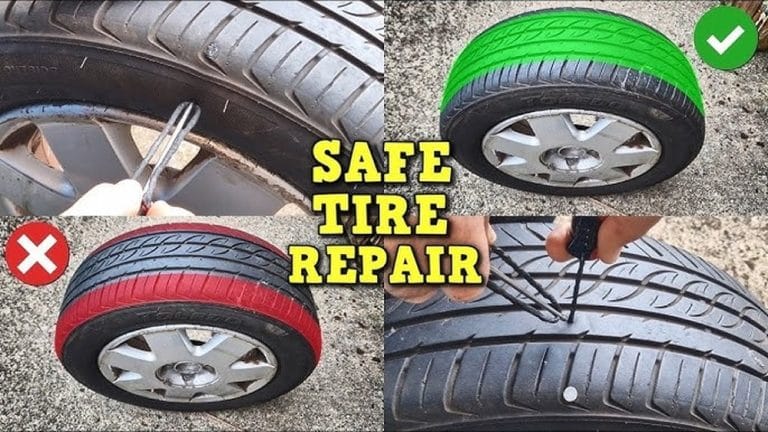
Slow leaks can be caused by embedded nails, faulty valve stems, or rim damage. It’s important not to simply top off the air and ignore the underlying cause. Small punctures can grow over time, leading to a sudden loss of pressure and increased risk of a blowout.
Example: Overlooked Air Pressure Loss
A driver notices that one tire seems to need air every few weeks but postpones a repair. Over time, the slow leak grows worse, and the underinflated tire finally bursts during a high-speed commute.
Real-world Example: The Delivery Van Incident
A delivery van driver noticed persistent vibration and a small bulge on a front tire but delayed replacement. Days later, the tire burst on the highway, resulting in a costly accident and delivery delays. Addressing the warning sign could have prevented the incident.
This case emphasizes how even minor symptoms should never be ignored, particularly for vehicles that log high mileage or are critical to business operations.
Credit: www.uhlrubber.com
How To Prevent Tire Bursts
Proactive maintenance and awareness can dramatically reduce the risk of tire bursts. Here’s how you can keep your tires healthy and safe.
Maintain Proper Tire Pressure
- Check pressures monthly and before long trips.
- Use a reliable gauge; don’t rely on visual inspection.
- Refer to your vehicle’s door placard for recommended pressures.
Maintaining the correct tire pressure is the single most effective way to extend tire life and prevent blowouts. Temperature changes can cause tire pressures to fluctuate, so more frequent checks are necessary during seasonal transitions. For vehicles with Tire Pressure Monitoring Systems (TPMS), always investigate the cause when the warning light appears—don’t just reset the system.
Avoid Overloading Your Vehicle
- Know your vehicle’s gross vehicle weight rating (GVWR).
- Distribute cargo evenly and never exceed load limits.
- Remove unnecessary items to reduce stress on tires.
Check your owner’s manual or the label inside the driver’s door for both GVWR and the maximum load for each axle. When towing, consider the weight of trailers and their effect on your tires as well.
Regularly Inspect Tires For Damage
- Look for cuts, bulges, uneven wear, and embedded objects.
- Inspect both the tread and sidewalls.
- Don’t ignore slow leaks—repair or replace as needed.
Include tire inspection as part of your monthly car care routine. Use a flashlight to check for hidden damage, and don’t forget to inspect the inner sidewalls, which are often overlooked.
Rotate Tires And Align Wheels
- Rotate tires every 5,000 to 8,000 miles.
- Ensure wheels are properly aligned to prevent uneven wear.
- Misalignment increases blowout risk, especially at high speeds.
Regular rotation helps distribute wear evenly across all tires, extending their lifespan and improving safety. Alignment should be checked at least once a year or whenever you notice the car pulling to one side or after hitting a significant pothole.
Mind Your Driving Habits
- Avoid hitting curbs, potholes, and debris when possible.
- Slow down on rough roads.
- Aggressive driving and sudden braking increase tire stress.
Smooth, defensive driving not only improves fuel economy but also protects your tires from unnecessary wear and impact damage.
Replace Aged Or Damaged Tires
- Replace tires every 6-10 years regardless of tread.
- Store unused tires in cool, dark places to prevent dry rot.
Don’t wait for the tread to wear down completely before replacing old tires. The risk of failure increases significantly with age, even if the tire looks fine externally.
Use Quality Tires And Professional Services
- Choose reputable brands and certified fitters.
- Cheap or counterfeit tires often have inferior construction.
- Check for recent manufacturing dates before purchase.
Quality tires undergo rigorous testing and meet strict safety standards. When buying, insist on tires manufactured within the past year for maximum shelf life and performance.
Real-world Example: Fleet Management Success
A logistics company implemented strict monthly tire checks and staff training. Within a year, tire-related breakdowns dropped by 40%, and costly blowouts became rare. This demonstrates the value of consistent tire care.
The company also invested in digital tracking for tire ages and wear patterns, catching potential failures before they happened. This not only reduced breakdowns but also improved driver safety and customer satisfaction.

Credit: mattsautoservicecenter.com
Comparing Types Of Tires And Their Burst Risks
Not all tires are created equal. Understanding their differences can help you select the safest option for your vehicle and driving habits.
| Type of Tire | Typical Burst Risk | Best For | Key Weakness |
|---|---|---|---|
| Radial | Low | Most passenger cars | Sidewall puncture sensitivity |
| Bias Ply | Medium | Heavy-duty/off-road | Poor heat dissipation |
| Run-Flat | Low (with punctures) | Luxury/safety vehicles | Rougher ride |
| Retreaded | High | Commercial/fleet | Variable quality control |
| Performance | Medium | Sports/high-speed | Faster wear |
Radial Vs. Bias Ply Tires
- Radial tires are standard for modern vehicles, with better heat resistance and lower burst risk.
- Bias ply tires are still used in heavy-duty/off-road vehicles but retain more heat, increasing burst likelihood.
Radial tires feature steel belts running at a 90-degree angle to the direction of travel, giving them greater flexibility and improved heat dissipation. Bias ply tires, by contrast, have crisscrossing layers of fabric, making them stiffer but less able to shed heat.
This makes bias ply tires more vulnerable to heat buildup, especially under heavy loads.
Run-flat Tires
- Allow limited driving after puncture, reducing sudden blowout risks.
- However, they can mask underlying damage, so regular inspection is still necessary.
Run-flat tires are designed with reinforced sidewalls that allow the vehicle to be driven for a short distance after a puncture. This can prevent dangerous roadside tire changes and sudden loss of control. However, because they can continue to function after damage, drivers may not realize a tire is compromised, potentially leading to further failures if not inspected promptly.
Retreaded Tires
- Common in commercial fleets for cost savings.
- Burst risk is higher due to variable quality and potential separation of tread.
Retreaded tires involve adding new tread to an existing tire carcass. While cost-effective, the process depends heavily on the quality of the original tire and the skill of the retreader. Poorly executed retreads or those used in inappropriate conditions (e.
g. , high-speed passenger vehicles) can increase burst risk.
Performance Tires
- Designed for grip and speed, but wear faster and may be more prone to failure if neglected.
Performance tires use softer rubber compounds for better traction, especially in dry conditions. This means they tend to wear out faster and are more sensitive to underinflation, overloading, and aggressive driving. Regular inspection and timely replacement are critical for these tires.
Example: Choosing The Right Tire
A sports car owner who chooses high-performance summer tires must be diligent about inspections and replacing tires at the first sign of excessive wear or damage. Using these tires in cold or wet conditions increases burst risks due to reduced flexibility and grip.
The Impact Of Environment And Road Conditions
Environmental factors play a significant role in the likelihood of tire bursts. Awareness and preparation are key.
High Temperatures
- Summer heat increases internal tire pressure.
- Hot pavement can cause rapid air expansion and rubber degradation.
- AAA recommends checking tire pressures more frequently in summer.
High temperatures can also soften the rubber, making it more susceptible to cuts and punctures. This is especially critical during heatwaves, where the combination of overloaded vehicles and hot roads can quickly create dangerous situations.
Poor Road Surfaces
- Potholes, debris, and uneven surfaces increase risk of impact damage.
- Highways with heavy truck use tend to have more tire hazards.
Municipalities may struggle to keep up with road repairs, especially after winter freeze-thaw cycles or during heavy rains. Drivers should remain vigilant for sudden road hazards, especially when driving at night or in unfamiliar areas.
Altitude And Air Pressure
- Higher altitudes reduce atmospheric pressure, affecting tire inflation.
- Adjust pressures when driving through mountainous regions.
Driving from low to high altitude can cause tires to expand and increase internal pressure, while descending may result in underinflation. Always check and adjust tire pressures when planning cross-country or mountainous trips.
Seasonal Changes
- Cold weather can reduce pressure, leading to underinflation.
- Sudden temperature changes may cause unnoticed air loss.
In colder months, tire pressures drop naturally, requiring more frequent top-ups. Conversely, as temperatures rise, tire pressure can increase, so it’s important to avoid overinflation as well.
Case Study: Monsoon Hazards In India
During monsoon season, wet roads combined with hidden potholes lead to a spike in tire bursts. Local authorities report a 25% increase in tire failures during these months, emphasizing the importance of extra vigilance.
This phenomenon is not unique to India; heavy rainfall and poor drainage in any country can mask hazards that damage tires. Drivers should slow down, avoid standing water, and inspect tires more frequently during rainy seasons.
Data And Statistics: Tire Bursts By The Numbers
Understanding the scale of the problem can drive home the importance of prevention.
| Statistic | Data Source | Key Finding |
|---|---|---|
| Annual US Tire-Related Crashes | NHTSA | ~11,000 accidents/year |
| Fatalities Linked to Tire Failures (US, 2019) | NHTSA | ~733 deaths |
| Underinflation-Related Blowouts | Bridgestone Study | Up to 75% of blowouts |
| Overloading as a Contributing Factor | AAA | ~60% of summer blowouts |
| Average Tire Age at Failure | Consumer Reports | 6-8 years |
Notable Findings
- Most tire bursts are preventable with proper maintenance.
- Underinflation remains the single largest contributing factor.
- Older tires fail more frequently, even with adequate tread.
The prevalence of underinflation and overloading as key factors highlights the importance of regular checks and informed driving habits. These data also reinforce the need to educate drivers about tire age and the risks of using tires beyond their recommended lifespan.
For more detailed statistics, see the official NHTSA Tire Safety page.
What To Do If A Tire Burst Occurs
Even with the best precautions, a blowout can happen. Here’s how to respond safely.
Stay Calm And Maintain Control
- Keep a firm grip on the steering wheel.
- Avoid slamming on the brakes—let the car slow gradually.
- Steer straight and signal as you move to the shoulder.
Panicking can make the situation worse. Sudden braking or sharp steering can cause the vehicle to swerve or roll over, especially at high speeds or if the burst tire is on the rear axle. Practice staying calm by visualizing your response or even discussing emergency procedures with your family or travel companions.
Activate Hazard Lights
- Turn on your hazards immediately to alert other drivers.
- If possible, coast to a safe, flat spot away from traffic.
Hazard lights make your vehicle more visible, reducing the chance of a secondary accident. If you’re on a busy road, try to stop as far from traffic as possible.
Exit And Assess Safely
- Only exit the vehicle when it’s safe to do so.
- Inspect the tire—never attempt to change it on a busy highway.
Personal safety always comes first. If you must wait for assistance, stay inside the vehicle with your seatbelt fastened, especially on highways or in low-visibility conditions.
Call For Assistance
- Use roadside assistance or emergency services.
- If you must change the tire, follow safety protocols and use warning triangles.
Having a roadside assistance plan or knowing how to contact emergency services can save time and reduce risk. Keep emergency numbers and your roadside kit accessible.
Real-world Example: Highway Blowout Survival
A motorist on Interstate 5 experienced a sudden blowout at 70 mph. By staying calm, avoiding abrupt steering or braking, and carefully pulling to the shoulder, he avoided a collision and safely awaited help. This response likely saved lives.
For detailed safety tips, consult the AAA Guide to Tire Blowouts.
Advanced Tips: Extending Tire Life And Safety
Go beyond basic maintenance with these advanced strategies.
Use Tire Pressure Monitoring Systems (tpms)
- Modern vehicles include TPMS to alert drivers of low pressure.
- Retrofit aftermarket systems for older cars for added safety.
Some TPMS systems can alert you to rapid pressure loss, which is especially valuable on highways. For older vehicles, affordable aftermarket sensors are available and easy to install.
Invest In Quality Tires
- Choose brands with robust testing and safety records.
- Premium tires often have enhanced heat resistance and better tread compounds.
Investing in top-tier tires may cost more upfront but can save money and prevent emergencies in the long run. Premium tires often feature innovative technologies, such as run-flat capability, noise reduction, or improved wet traction.
Schedule Professional Inspections
- Have a mechanic inspect tires during regular service.
- Request internal inspections if you suspect hidden damage.
Professional inspections can catch issues invisible to the naked eye, such as internal belt separations or sidewall damage. If you’ve hit a major pothole or curb, or if you notice persistent vibrations, request a thorough check.
Monitor Tire Recalls
- Register your tires with the manufacturer for recall alerts.
- Check the NHTSA Recalls Database regularly.
Recalls for tires are not uncommon, and staying informed can prevent you from driving on potentially dangerous products.
Use Season-appropriate Tires
- Swap to winter or summer tires as needed for optimal grip and durability.
- All-season tires are a compromise; specialized tires offer better performance in extreme conditions.
Winter tires provide better traction in snow and ice, while summer tires are optimized for heat and rain performance. Using the right tires for the season extends their life and enhances safety.
Leverage Technology
- Some apps and devices can track tire health and send alerts.
- For fleets, telematics systems provide real-time monitoring and automated reporting.
New technology, including Bluetooth-enabled sensors and fleet management software, offers real-time data on tire temperature, pressure, and wear. These tools are invaluable for businesses and can also benefit safety-conscious individuals.
For more on tire technology advancements, visit Tire Rack’s Tech Center.
Frequently Asked Questions
What Are The Most Common Causes Of Car Tire Bursts?
The most frequent causes are underinflation, overloading, excessive heat, impact damage (like hitting potholes or curbs), and tire aging. These factors weaken the tire structure, making it susceptible to sudden failure. For a comprehensive overview, refer to this Wikipedia article.
How Can I Tell If My Tire Is About To Burst?
Warning signs include uneven tread wear, visible bulges, persistent vibrations, cracks or dry rot, and frequent air pressure loss. Regular inspections and monitoring for these signs can help you replace tires before they become hazardous.
How Often Should I Check My Tire Pressure?
You should check your tire pressure at least once a month and always before long journeys. Tire pressures can fluctuate with temperature changes, so more frequent checks are recommended in extreme weather.
Are Tire Bursts More Common In Summer?
Yes, high temperatures increase the risk of tire bursts due to heat buildup and higher road friction. Overloaded and underinflated tires are especially vulnerable in hot weather conditions.
Is It Safe To Drive On A Spare Tire After A Blowout?
Spare tires are typically designed for short-term, emergency use only. They often have lower speed and distance ratings. Replace the damaged tire with a full-sized, quality tire as soon as possible, and consult your vehicle’s manual for specific spare tire limits. For more details, see this Consumer Reports guide.
Resources And Further Reading
- NHTSA Tire Safety
- Tire Rack Tech Center
- Wikipedia: Tire Blowout
- AAA: How to Handle a Tire Blowout
- NHTSA Recalls Database
- Consumer Reports: Spare Tires
A tire burst doesn’t have to be an inevitable hazard. By understanding the causes, staying alert to warning signs, and committing to regular maintenance, you can dramatically reduce your risk on the road. Your tires are the only point of contact between your vehicle and the pavement—treat them with the attention and respect they deserve for safer journeys every mile.
Products related to this article
Sponsored / affiliate links. As an Amazon Associate I earn from qualifying purchases. I may earn additional commission from eligible campaigns.