What If Car Tyre Pressure Is Too High
This guide will help you understand this issue. We will break down why it matters. You’ll learn what to watch out for.
We’ll also cover how to keep your tyres safe and sound.
When car tyre pressure is too high, it reduces the tyre’s contact with the road. This can lead to less grip, uneven tyre wear, a rougher ride, and a greater risk of damage from impacts. Maintaining correct pressure is key for safety and tyre longevity.
Understanding High Tyre Pressure
Tyre pressure is measured in pounds per square inch (PSI). Your car’s manufacturer sets a recommended PSI. This is usually found on a sticker in the driver’s side doorjamb.
It can also be in your car’s owner manual.
This recommended PSI is a balance. It ensures the tyre works as intended. It provides good grip.
It also helps the tyre last longer. It offers a comfortable ride for you.
When you put too much air in a tyre, it becomes stiff. The air inside pushes outwards more. This makes the tyre firm and less flexible.
It also changes how the tyre sits on the road.
Most people check their tyre pressure when it seems low. They might add air then. Sometimes, they add too much by accident.
Or, heat can cause the pressure to rise. This happens naturally as you drive.
The Impact of Overinflated Tyres on Your Car
Having tyres that are too full of air can cause several issues. These problems affect your car’s performance and your safety. Let’s look at the main ways it hits home.
Reduced Road Grip and Handling
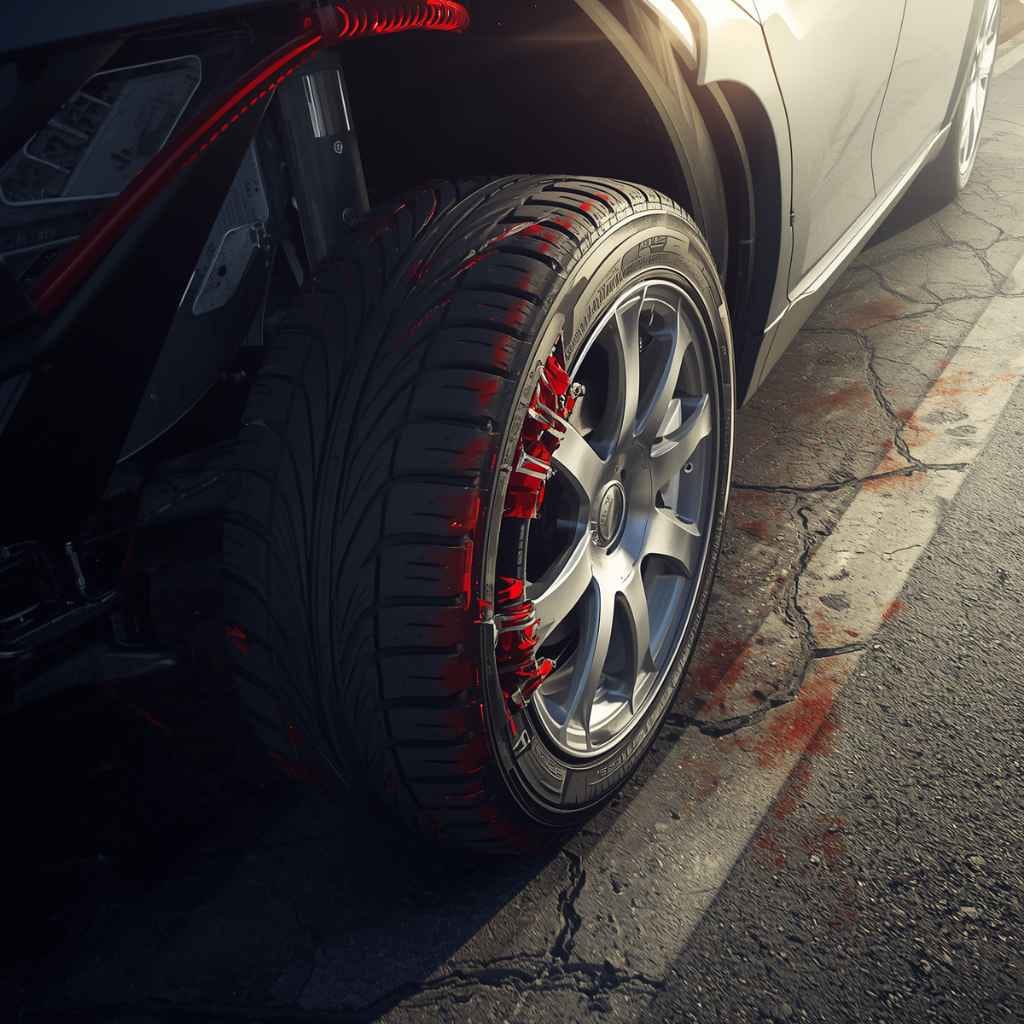
When a tyre is overinflated, its shape changes. The middle part of the tyre bulges out more. The edges might lift slightly from the road.
This means less of the tyre surface is touching the ground.
This smaller contact patch is a big deal. It is like trying to walk on stilts. You have less stability.
Your car’s ability to grip the road suffers. This is especially true when you need to brake suddenly.
Turning can also feel strange. The car might feel less steady in corners. You may notice it slides more easily.
This is because the tyre cannot flex as much. It cannot mold itself to the road surface as well.
Uneven Tyre Wear
Tyres wear down over time. This is normal. But overinflated tyres wear down faster in certain spots.
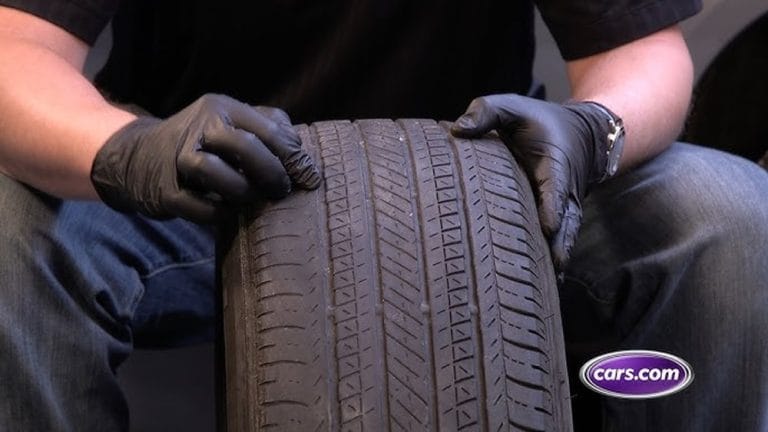
The middle part of the tyre takes the brunt of the wear.
This is because the centre of the tread is pushed harder against the road. The sides of the tyre are less in contact. So, the middle of the tyre gets worn away quickly.
The edges might still have good tread left.
This uneven wear is bad for your tyres. It means they will not last as long as they should. You will have to buy new tyres sooner.
It can also affect how well the tyres perform.
A Rougher, Bouncier Ride
Tyres are designed to absorb some of the bumps and shocks from the road. They act like a cushion. The air inside the tyre helps with this.
It has a spring-like effect.
When there is too much air, the tyre becomes very stiff. It cannot absorb bumps as well. Every little stone or pothole you drive over will feel much harder.
Your ride will be rough and uncomfortable.
This can make long car journeys tiring. It can also put more stress on your car’s suspension system. Shocks and springs can wear out faster.
You might even hear more rattling or feel more vibrations.
Increased Risk of Punctures and Blowouts
Overinflated tyres are more rigid. They have less give when they hit something sharp. Think of a soft balloon versus a hard one.
The hard one might pop more easily if poked.
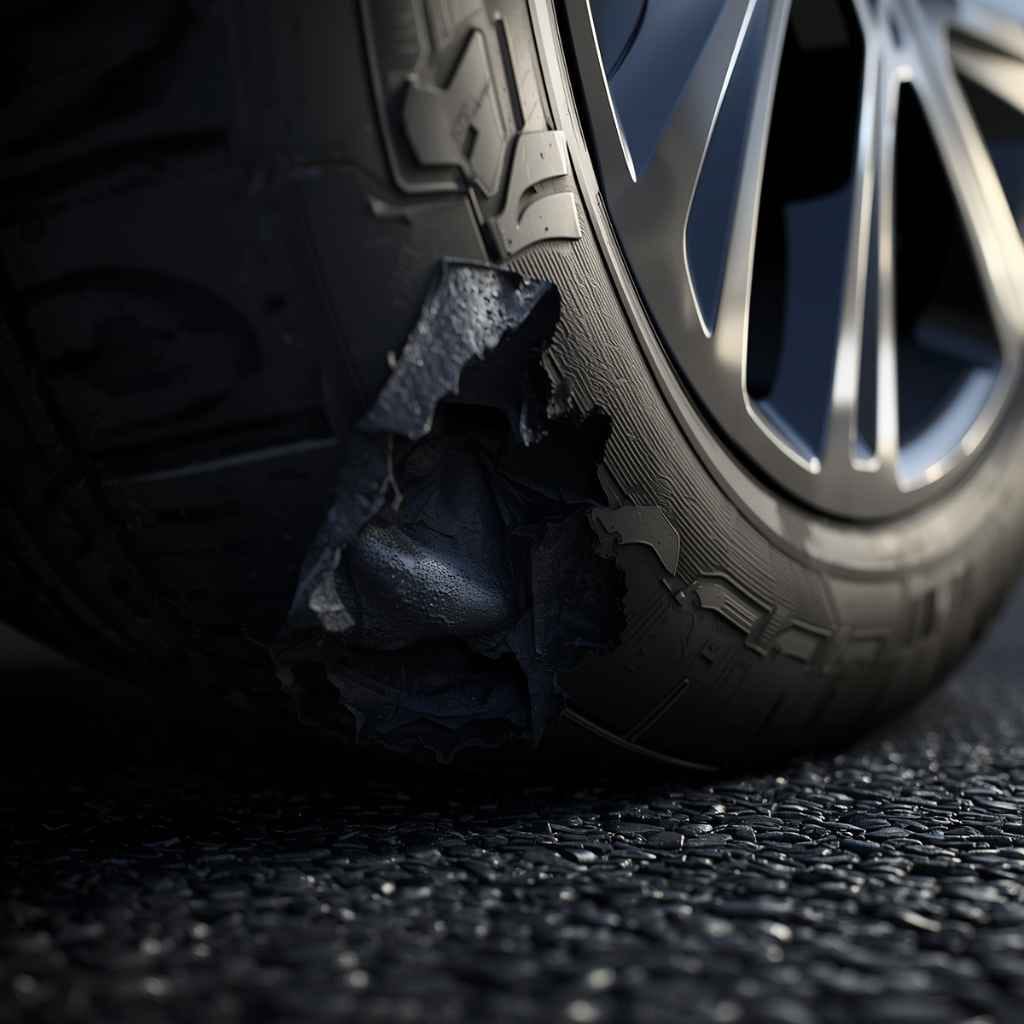
A sharp object like a nail or glass might puncture a properly inflated tyre. But an overinflated tyre is less able to “swallow” the impact. It might be more prone to suffering damage.
This could lead to a sudden blowout.
A blowout is when a tyre rapidly loses all its air. This can happen very fast. It can cause you to lose control of the car.
This is a very dangerous situation. It is a major safety risk.
Reduced Fuel Efficiency (Surprisingly!)
You might think more air means less rolling resistance, right? So, better fuel economy? That’s not always true, especially when you go too far.
While slightly higher pressure can help, too much pressure causes the tyre to deform less. This means the tyre doesn’t “squish” as much when it rolls. This can reduce the work your engine has to do.
It seems good.
But the reduced grip can also make your car’s systems work harder. For example, the anti-lock braking system (ABS) or traction control might have to intervene more often. This uses more energy.
Also, the uneven wear means the tyre’s rolling resistance increases. The centre tread wears flat, creating a larger, flatter area that pushes more air. So, the benefit is often lost.
It’s a complex balance.
The most efficient pressure is the one recommended by your car maker. It balances grip, wear, and rolling resistance for optimal performance.
I remember a time when I was rushing to get on the road for a long trip. I had added air to my tyres the day before. I thought I did a good job.
But I had a bit too much in the front tyres. The car felt jumpy the whole way. Every little crack in the road felt like a giant pothole.
I was so annoyed. Later, I checked the pressure. It was much higher than recommended.
I had made the ride really uncomfortable for myself. I learned that day to always double-check and trust the car maker’s numbers.
Quick Check: Overinflated Tyre Signs
Visual Clues:
- Tyre looks flatter in the middle than on the sides.
- Tyre sidewall looks more strained or “bowed”.
Driving Feel:
- Bumpy, harsh ride.
- Car feels “skittish” or unstable.
- Steering feels overly light or sensitive.
Noise:
- More road noise than usual.
When is Tyre Pressure “Too High”?
Knowing the right PSI is key. Your car has a “recommended” PSI. This is usually found on a sticker.
It’s often inside the driver’s side door frame. Check your owner’s manual too.
Tyre manufacturers also put a “maximum” PSI on the tyre sidewall. This is the absolute highest pressure the tyre can safely hold. You should NEVER go above this maximum PSI.
But you also shouldn’t aim for it.
The recommended PSI is usually lower than the maximum. For example, a tyre might have a maximum of 50 PSI. But your car might recommend only 35 PSI.
You should always use the car’s recommendation for normal driving.
Factors like temperature can affect pressure. Hot weather makes air expand. So, tyre pressure can rise by a few PSI on a hot day.
This is normal. Cold weather makes air shrink. Pressure can drop in the cold.
If your pressure is more than 5 PSI over the recommended amount, you are likely in the “too high” zone. If it’s nearing the maximum limit on the tyre sidewall, it’s definitely too high for everyday use.
Myth vs. Reality: Tyre Pressure
| Myth: More air always means better fuel economy. | Reality: Only correct inflation offers the best fuel economy. Overinflation can reduce grip and cause uneven wear, negating benefits. |
| Myth: The pressure on the tyre sidewall is the one I should use. | Reality: The sidewall pressure is the maximum safe limit. Your car manufacturer’s recommended pressure (found on the doorjamb sticker) is for optimal performance. |
| Myth: Tyre pressure is not affected by temperature. | Reality: Temperature greatly affects air pressure. For every 10°F (5.5°C) change, pressure can shift by about 1 PSI. |
How Tyre Pressure Gets Too High
It’s not always about actively pumping in too much air. Several things can lead to overinflated tyres.
Accidental Overinflation
This is common. When using an air pump, it’s easy to add a little too much air. Especially if the gauge on the pump isn’t very accurate.
Or, you might check the pressure when the tyres are cold. Then, you drive. The tyres heat up.
The pressure increases naturally.
Some people also use “nitrogen-filled” tyres. Nitrogen doesn’t expand and contract as much as regular air. However, if you add regular air to a nitrogen-filled tyre, it can affect pressure readings.
Temperature Changes
As mentioned, heat is a major factor. On a very hot day, the air inside your tyres expands. This raises the PSI.
If your tyres were already at the higher end of the recommended range, they could easily become overinflated.
Driving for long periods also heats up the tyres. The friction between the tyre and the road creates heat. This heat transfers into the air inside the tyre, increasing its pressure.
Faulty Pressure Monitoring Systems (TPMS)
Modern cars have Tyre Pressure Monitoring Systems (TPMS). These systems warn you if pressure is too low. But they can sometimes be inaccurate.
A malfunctioning sensor might not read the pressure correctly. It might even give a false high reading, though this is rare.
Tire Shop Errors
Sometimes, a tyre shop might overinflate your tyres. This can happen if they are in a hurry. Or if they are not paying close attention to the correct PSI for your specific vehicle.
It’s always best to check the pressure yourself after leaving a shop. Bring your own reliable tyre pressure gauge. This way, you know for sure.
What to Do if Your Tyre Pressure is Too High
Don’t panic if you discover your tyres are overinflated. It’s usually a simple fix. The goal is to let out just enough air to reach the recommended PSI.
Check Your Tyre Pressure Gauge
First, make sure your own gauge is working well. They can be inexpensive. But a good, reliable gauge is worth it.
Digital gauges are often easier to read accurately.
Find the Recommended PSI
Locate that sticker on your driver’s side doorjamb. Or, check your car’s owner manual. This tells you the PSI for your front and rear tyres.
Sometimes, they are different.
Deflate the Tyre
Most tyre valves have a small cap. Unscrew this cap. Then, you’ll see a small metal pin in the centre of the valve stem.
You can use a small tool, like the back of a tyre gauge or a small screwdriver, to gently press this pin inwards.
Pressing the pin lets air out. You will hear a hissing sound. Let air out in short bursts.
Check the pressure with your gauge frequently. You want to lower it to the recommended PSI.
It’s better to let a little air out, then check, and repeat. This helps you avoid letting too much air out.
If You Let Out Too Much Air
It happens! If you accidentally let out too much air, don’t worry. Just use your air pump to add air back.
Add it slowly. Check your gauge often. Stop when you reach the recommended PSI.
Recheck After Driving
After adjusting the pressure, it’s a good idea to check it again after you’ve driven a bit. Tyres heat up as you drive. The pressure might increase slightly.
Make sure it stays within the recommended range.
Tyre Pressure Adjustment Steps
- Park on a level surface.
- Ensure tyres are cold (driven less than a mile).
- Remove valve cap.
- Press valve pin to release air slowly.
- Check pressure with a reliable gauge.
- Repeat until recommended PSI is reached.
- Replace valve cap.
- Check all tyres.
When Overinflated Tyres Are a Serious Concern
While minor overinflation might just cause a rough ride, serious overinflation is dangerous. This happens when the pressure is way above the recommended PSI, or close to the tyre’s maximum limit.
If your tyres are significantly overinflated, you might notice:
- A very hard, bouncy ride.
- The car feels unstable, especially at higher speeds.
- The steering feels overly sensitive or twitchy.
- You hear unusual noises from the tyres or suspension.
In extreme cases, the tyre’s structure can be compromised. This increases the risk of sudden failure or a blowout. This can happen without warning.
It’s important to address overinflation promptly. Your safety, and the safety of others on the road, depends on it.
Real-World Scenarios with Tyre Pressure
Let’s consider a few everyday situations where tyre pressure matters greatly.
Scenario 1: The Long Road Trip
You’re heading out for a summer vacation. You checked your tyre pressure before you left, and it was perfect. You’ve been driving for a few hours on a hot highway.
The tyres have heated up. The pressure inside them has increased. If you started at the higher end of the recommended PSI, you might now be overinflated.
The ride feels a bit harsh. You might notice the car feels more sensitive to steering inputs. This is a sign that your tyre pressure has likely risen due to heat.
It’s a good time to find a safe spot to pull over and check your tyre pressure. You might need to let out a little air to bring it back to the ideal level.
Scenario 2: The New Car Purchase
You just bought a brand new car. You feel excited. The salesperson might have mentioned tyre pressure.
But perhaps you didn’t fully grasp it. You drive off the lot. The ride feels okay.
A few weeks later, you notice the centre of your tyres seems worn. You check the pressure.
You find that the tyres were overinflated at the dealership. They were set to the maximum PSI listed on the tyre, not the recommended PSI for your car. This has led to premature wear.
It’s a good lesson to always check your tyre pressure shortly after buying a car or having them serviced.
Scenario 3: The Winter Chill
Winter arrives, and the temperatures drop. You notice your tyre pressure warning light comes on. You check the tyres.
They are indeed a few PSI lower than they should be. You add air to bring them back to the recommended level.
But what if you added air when it was very cold? Say, 20°F (-7°C). Then, a warm spell hits, and it’s 50°F (10°C).
The pressure in those same tyres will increase. If you overcompensated in the cold, you might now have slightly overinflated tyres during the warm spell. It highlights the constant need to monitor pressure as conditions change.
Tyre Pressure: What It Means for You
When it’s Normal:
- The tyre has a slight give when you press it.
- The ride is comfortable and not too bouncy.
- All parts of the tyre tread seem to wear evenly over time.
- Your car handles predictably in turns and braking.
When to Worry (Signs of Overinflation):
- The tyre feels very hard and stiff.
- The ride is jarring and uncomfortable.
- The car feels unstable or “skittish.”
- Tyre wear is noticeably heavier in the center tread.
- Braking distances seem longer or less effective.
Simple Checks:
- Regularly check tyre pressure with a gauge (at least once a month).
- Check when tyres are cold for the most accurate reading.
- Use the pressure recommended by your car manufacturer, not the maximum on the tyre.
The Role of Tyre Type and Load
Not all tyres are created equal. And not all driving situations are the same. These factors also play a role in tyre pressure.
Tyre Load Ratings
Tyres have different load ratings. This tells you how much weight a tyre can safely carry. Higher load ratings often mean the tyre needs higher pressure.
This is especially true for tyres on trucks or SUVs.
Check your tyre’s sidewall for its load index. This is a number. Also, check the speed rating (a letter).
But remember, this is the tyre’s maximum capability. Your car’s recommended PSI is tailored to its weight and how it’s designed to be driven.
Carrying Heavy Loads
If you’re hauling heavy cargo or carrying many passengers, your car’s weight increases. In some cases, the manufacturer might recommend a slightly higher tyre pressure for heavier loads. Check your owner’s manual.
It usually has charts for different load conditions.
However, even with heavy loads, you should still stick to the manufacturer’s guidelines. Don’t just inflate to the tyre’s maximum PSI. That can be dangerous.
Performance vs. Comfort Tyres
Some tyres are designed for maximum grip and performance. These might have stiffer sidewalls. They might require higher pressures to perform their best.
For example, sports cars often have tyres that need precise inflation.
Conversely, comfort-oriented tyres are designed to absorb more road shock. They might operate best at slightly lower pressures. But again, the car manufacturer’s recommendation is the best guide.
Preventing Overinflation: Proactive Steps
The best way to deal with overinflated tyres is to stop it from happening in the first place. A few simple habits can keep your tyres in great shape.
Regular Checks are Key
Make it a habit to check your tyre pressure at least once a month. The best time is when the tyres are “cold.” This means the car hasn’t been driven for a few hours, or only for a very short distance (less than a mile).
When tyres are cold, the air inside is at its ambient temperature. This gives you the most accurate reading of the baseline pressure. You can then adjust if needed.
Invest in a Good Gauge
Don’t rely on the gauges at gas stations. They can be inaccurate. Buy your own reliable tyre pressure gauge.
A digital one is often best for clarity. Keep it in your glove box.
Know Your Car’s Recommended PSI
You know where to find it: the doorjamb sticker or owner’s manual. Write it down somewhere accessible. Understand that front and rear tyres might need different pressures.
Be Mindful When Adding Air
When you do add air, do it in short bursts. Check your gauge often. Don’t just blast air in until it looks full.
Be patient. It’s easier to add a little more air than to let too much out.
If you’re unsure, ask a professional at a tyre shop. They can show you the correct way to check and adjust pressure.
Consider Tyre Temperature
Be aware that pressure rises with heat. If you’re checking pressure on a hot day, or after driving, expect the PSI to be higher than the “cold” recommendation. You might need to adjust slightly downwards, but only if it exceeds the recommended range significantly.
Final Thoughts on Tyre Pressure
Maintaining the correct tyre pressure is a small task that has big rewards. It’s about safety. It’s about saving money on fuel.
It’s about making your tyres last longer. And it makes for a much more pleasant drive.
So, don’t ignore those tyres. A few minutes of your time each month can make a world of difference. Keep them at the right pressure, and they’ll serve you well on every journey.
Frequently Asked Questions About High Tyre Pressure
What is the recommended tyre pressure for my car?
The recommended tyre pressure for your car is typically found on a sticker located on the driver’s side doorjamb. You can also find this information in your car’s owner’s manual. It’s important to use the pressure recommended by your vehicle’s manufacturer, not the maximum pressure listed on the tyre’s sidewall.
Can overinflated tyres cause a blowout?
Yes, significantly overinflated tyres are more rigid and less able to absorb impacts. This increases the risk of damage from sharp objects or sudden stress, which can lead to a blowout. A blowout is a rapid loss of air pressure, which can cause a loss of vehicle control.
How often should I check my tyre pressure?
It’s recommended to check your tyre pressure at least once a month, and before long trips. The best time to check is when the tyres are cold, meaning the car has been stationary for at least three hours or driven less than a mile.
My tyre pressure warning light is on, but the tyres look fine. What should I do?
Your Tyre Pressure Monitoring System (TPMS) light indicates that one or more tyres are significantly underinflated. Even if they look fine, you should check the pressure with a reliable gauge. Air pressure can drop below warning levels without the tyre looking visibly flat, especially in cold weather.
Will overinflated tyres affect my braking?
Yes, overinflated tyres can negatively affect braking. Because there is less contact with the road, the tyres cannot grip as effectively. This can lead to longer braking distances, especially in emergency situations.
It can also make systems like ABS less effective.
Is it okay to ignore the recommended tyre pressure if I want better gas mileage?
No, it is not advisable to ignore the recommended tyre pressure for better gas mileage. While slightly higher pressure can reduce rolling resistance, overinflating tyres too much compromises safety, handling, and braking. It also leads to uneven tyre wear, which can eventually reduce fuel efficiency.
The manufacturer’s recommendation is a balance of all these factors.
How much air pressure can increase due to hot weather or driving?
Tyre pressure can increase by about 1 PSI for every 10°F (5.5°C) rise in temperature. Driving also heats up tyres due to friction. If your tyres are already at the higher end of the recommended range, this natural increase could lead to them becoming overinflated.
See also how to use a car tire jack safely beginner’s guide .