Types of Vehicles List: Every Category You Need to Know
Every day, billions of people rely on vehicles to move goods, reach destinations, and fuel industries. From the family sedan to the massive container ship, vehicles power economies and shape societies. Understanding the full spectrum of vehicle types is crucial for professionals in logistics, automotive sales, urban planning, and even everyday consumers.
By exploring the various categories and their unique functions, we gain insights into how transportation impacts everything from environmental policy to personal convenience.
But with technology rapidly evolving, traditional vehicle categories are being redefined. Electric cars, autonomous drones, and high-speed trains are just a few examples of innovation transforming mobility. This comprehensive guide will give you an authoritative breakdown of every major vehicle category, including land, air, and water vehicles, specialized industrial machines, and the latest trends in green transportation.
Whether you’re a student, industry expert, or curious driver, this article provides the data, context, and comparisons you need to stay informed.
Key Takeaways
- Vehicles are classified into land, water, air, and specialized categories based on their design, function, and operating environment.
- Electric vehicles (EVs) and hybrid models are reshaping traditional categories with eco-friendly alternatives.
- Commercial, industrial, and emergency vehicles play essential roles beyond personal transportation, impacting infrastructure and safety.
- Technological advances such as automation and connectivity are driving rapid change across all vehicle types.
- Understanding vehicle types helps in making informed decisions, from purchasing to regulatory compliance.
Land Vehicles: The Backbone Of Everyday Transport
Land vehicles dominate the transportation landscape, ranging from personal cars to heavy trucks and trains. Each subcategory serves distinct purposes and incorporates varying technologies, safety features, and regulatory standards.
Passenger Cars
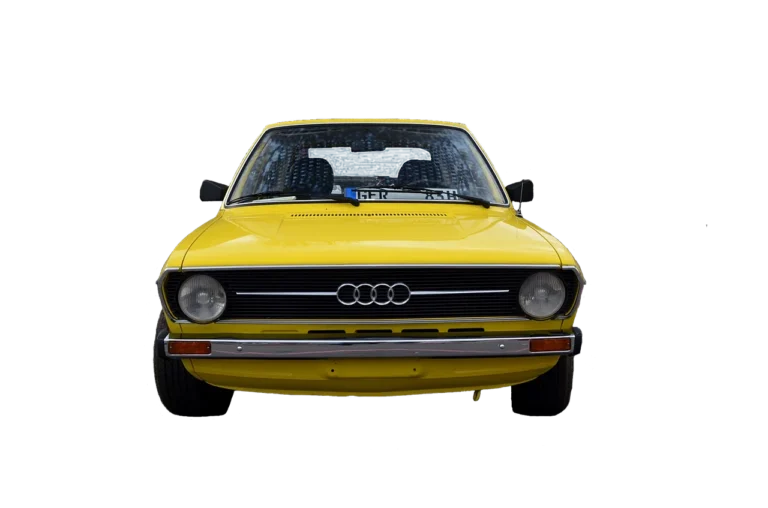
Passenger cars are the most common vehicle on the road, designed primarily for personal use and small group travel. Sedans, hatchbacks, coupes, and convertibles fall under this umbrella, offering a balance of comfort, efficiency, and style.
- Sedans: Known for their enclosed four-door design and comfortable seating for up to five passengers.
- Hatchbacks: Feature a rear door that swings upward, providing flexible cargo space.
- Coupes and Convertibles: Typically two-door models, focusing on sportiness and aesthetics.
Passenger cars account for over 60% of global vehicle sales, according to the International Organization of Motor Vehicle Manufacturers (OICA).
Suvs And Crossovers
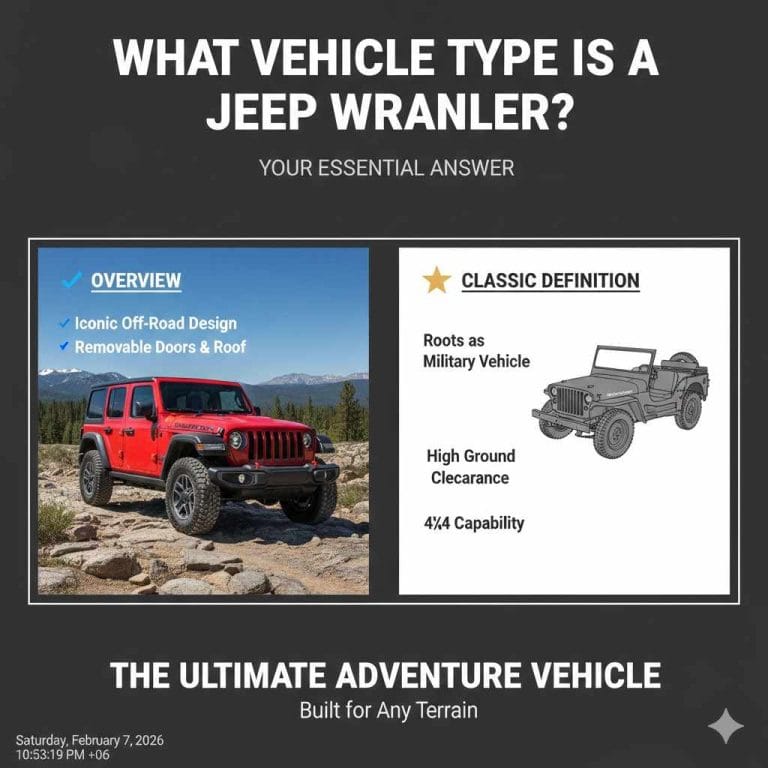
SUVs (Sport Utility Vehicles) and crossovers combine passenger comfort with higher ground clearance and off-road capability. While SUVs often use a truck-based platform, crossovers are built on car platforms, providing car-like handling with increased space.
- Compact SUVs: Ideal for urban environments, blending maneuverability with cargo capacity.
- Full-size SUVs: Feature robust towing abilities and spacious interiors, popular for families.
Trucks And Pickups
Trucks serve both personal and commercial purposes. Pickups are especially popular in North America for their versatility.
- Light-duty pickups: Used for commuting and light hauling.
- Heavy-duty trucks: Essential in construction and logistics for transporting goods over long distances.
The rise of electric pickups, such as the Ford F-150 Lightning, is transforming this segment with zero-emission options.
Buses And Coaches
Buses transport large groups, playing a vital role in public transit and private charters.
- City buses: Operate on fixed routes, focusing on accessibility and frequency.
- Coaches: Designed for longer trips with amenities like restrooms and reclining seats.
Motorcycles And Scooters
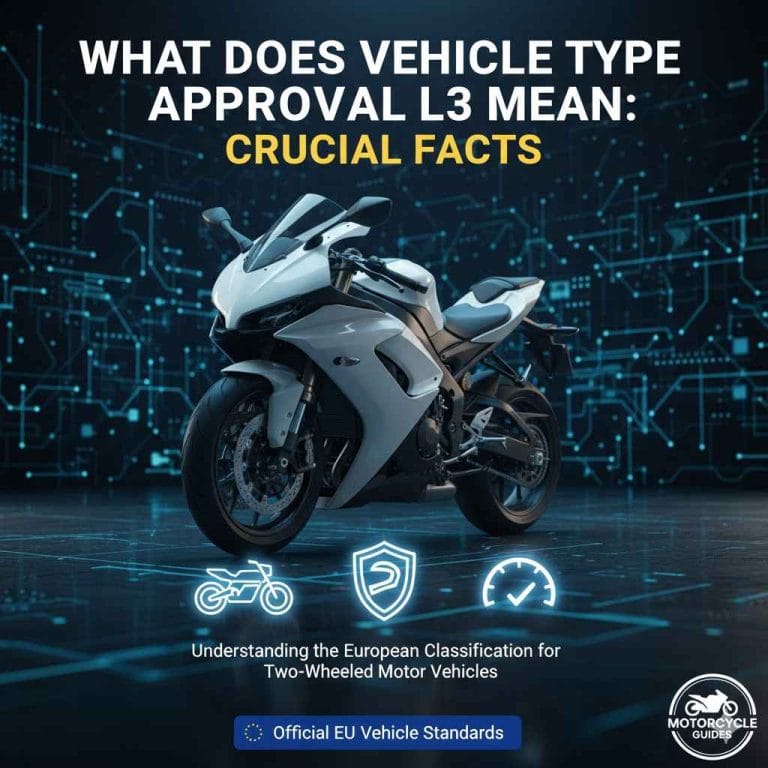
Motorcycles and scooters offer efficient, compact mobility, especially popular in densely populated regions.
- Standard bikes: All-purpose motorcycles suitable for daily commuting.
- Cruisers and sports bikes: Tailored for long-distance comfort or high-speed performance.
- Scooters: Feature step-through frames, automatic transmissions, and are ideal for urban travel.
Trains And Light Rail
Trains revolutionized freight and passenger transport. Today, high-speed rail and metro systems are critical for urban mobility and intercity travel.
- Freight trains: Haul bulk goods efficiently over long distances.
- Passenger trains: Provide mass transit, with high-speed options in countries like Japan and France.
Specialized Land Vehicles
These include vehicles designed for unique roles:
- Ambulances: Outfitted with medical equipment for emergency response.
- Fire trucks: Equipped with ladders, pumps, and rescue tools.
- Construction vehicles: Bulldozers, excavators, and cranes dominate construction sites.
Comparison Table: Common Land Vehicle Types
| Type | Primary Use | Average Capacity | Fuel Types |
|---|---|---|---|
| Sedan | Personal Transport | 5 | Gasoline, Hybrid, Electric |
| SUV | Family/Utility | 5, 8 | Gasoline, Diesel, Hybrid, Electric |
| Pickup Truck | Hauling/Utility | 2, 6 | Gasoline, Diesel, Electric |
| Bus | Public Transit | 30, 80 | Diesel, Electric, CNG |
| Motorcycle | Personal Transport | 2 | Gasoline, Electric |

Credit: www.mbusa.com
Water Vehicles: Navigating The World’s Waterways
Water vehicles are essential for trade, recreation, and defense. The diversity in this category ranges from tiny kayaks to massive cargo ships.
Boats
Boats are small to mid-sized vessels for leisure, fishing, and short-distance transport.
- Sailboats: Powered primarily by wind, popular for recreation and sport.
- Motorboats: Use internal combustion or electric engines for propulsion.
- Fishing boats: Equipped with specialized gear for commercial or sport fishing.
Ships
Ships are much larger and engineered for long-distance travel and heavy cargo.
- Container ships: Backbone of global trade, transporting goods in standardized containers.
- Cruise ships: Floating resorts, carrying thousands of passengers on multi-day journeys.
- Tankers: Designed to move bulk liquids such as oil, gas, and chemicals.
Personal Watercraft
Personal watercraft (PWC) like Jet Skis offer fast, agile travel for one or two people, mainly used for recreation.
Submarines
Submarines operate underwater for defense, research, and tourism. Military submarines are equipped with sophisticated navigation and stealth technologies.
Ferries
Ferries transport vehicles and passengers across bodies of water, crucial in regions where bridges are impractical.
Example: The Role Of Container Ships In Global Trade
A single container ship can carry over 20,000 TEUs (twenty-foot equivalent units), making it a key player in world commerce. According to the United Nations Conference on Trade and Development, over 80% of international trade by volume is carried by sea (UNCTAD).
Comparison Table: Water Vehicle Categories
| Type | Main Function | Typical Capacity | Propulsion |
|---|---|---|---|
| Boat | Leisure/Fishing | 2, 20 | Oars, Sails, Motor |
| Ship | Transport/Cargo | 50, 6,000+ | Diesel, LNG, Nuclear |
| PWC | Recreation | 1, 3 | Jet Propulsion |
| Submarine | Research/Defense | 20, 150 | Diesel-Electric, Nuclear |
| Ferry | Passenger/Vehicle Transport | 50, 2,000 | Diesel, Electric |

Credit: www.jebinsurance.com
Air Vehicles: Connecting Continents And Skies
The aviation sector encompasses a wide array of vehicles, from nimble drones to intercontinental jets, each designed for specific tasks and regulatory environments.
Airplanes
Airplanes are fixed-wing aircraft powered by engines, used for both commercial and private travel.
- Commercial jets: Carry hundreds of passengers across continents, with models like the Boeing 777 or Airbus A350.
- Regional aircraft: Serve short-to-medium haul routes, connecting smaller cities.
- Private planes: Owned by individuals or corporations, offering flexibility and convenience.
Helicopters
Helicopters use rotating blades to take off, hover, and land vertically, making them ideal for rescue operations, news coverage, and urban transport.
- Medical helicopters: Provide rapid response in emergencies.
- Military helicopters: Used for transport, surveillance, and combat.
Drones (unmanned Aerial Vehicles)
Drones have surged in popularity for photography, surveying, agriculture, and logistics.
- Consumer drones: Compact, affordable, and equipped with cameras.
- Commercial drones: Used for mapping, inspection, and cargo delivery.
Gliders And Airships
- Gliders: Rely on air currents, popular in sport aviation.
- Airships (blimps): Use lighter-than-air gases for lift, often seen in advertising or surveillance.
Example: The Rise Of Commercial Drones
Commercial drones are expected to generate over $63 billion in global revenue by 2026, according to research firm MarketsandMarkets. Their applications span from precision agriculture to infrastructure inspection, highlighting their expanding role in the modern economy.
Comparison Table: Air Vehicle Types
| Type | Main Application | Capacity | Range |
|---|---|---|---|
| Commercial Jet | Passenger Transport | 100, 850 | Up to 8,000 miles |
| Helicopter | Rescue/Transport | 2, 20 | 300, 400 miles |
| Drone | Survey/Delivery | 0 (Unmanned) | 1, 100 miles |
| Glider | Sport/Training | 1, 2 | Varies |
| Airship | Surveillance/Advertising | 2, 20 | 1,000+ miles |

Credit: hotwheelsunleashed.com
Specialized Vehicles: Industrial, Emergency, And Military
Certain vehicles are engineered for unique environments or missions, demanding advanced features and safety considerations.
Construction And Mining Vehicles
These massive machines are designed for durability and power.
- Bulldozers: Move earth and debris with heavy blades.
- Excavators: Dig, lift, and move materials with hydraulic arms.
- Dump trucks: Transport bulk materials on mining and construction sites.
Emergency Vehicles
Emergency vehicles are critical for public safety and disaster response.
- Fire engines: Feature water pumps, hoses, and ladders.
- Ambulances: Equipped for medical transport and immediate care.
- Police vehicles: Outfitted with communication and pursuit technology.
Military Vehicles
Military vehicles range from armored personnel carriers to tanks and missile launchers, built for defense and combat.
- Tanks: Provide firepower and armor protection on battlefields.
- Humvees: Versatile, high-mobility vehicles for troop and cargo transport.
- Military aircraft and ships: Specialized for surveillance, logistics, or combat.
Agricultural Vehicles
Tractors, harvesters, and plows are essential for modern farming.
- Tractors: Pull or power various implements.
- Combine harvesters: Streamline the harvesting of crops.
- Sprayers and seeders: Enhance efficiency and yield.
Example: Emergency Vehicle Response
A study by the National Fire Protection Association found that fire department vehicles in the US respond to over 35 million calls annually. The design and maintenance of these specialized vehicles directly impact response times and public safety.
Green And Alternative-fuel Vehicles: The Future Of Mobility
With climate change concerns and stricter emissions regulations, alternative-fuel vehicles are reshaping the industry.
Electric Vehicles (evs)
EVs run entirely on batteries and produce zero tailpipe emissions. Leading models include the Tesla Model 3, Nissan Leaf, and Chevrolet Bolt.
- Battery Electric Vehicles (BEVs): Fully electric, requiring plug-in charging.
- Plug-in Hybrid Electric Vehicles (PHEVs): Combine an electric motor with a gasoline engine.
Global EV sales surpassed 10 million units in 2026, a 55% increase year-over-year (International Energy Agency).
Hybrid Vehicles
Hybrids blend gasoline engines with electric motors to improve fuel economy and reduce emissions.
- Full hybrids: Can run on electricity alone at low speeds.
- Mild hybrids: Use electric assist for improved efficiency.
Hydrogen Fuel Cell Vehicles
Hydrogen vehicles use fuel cells to generate electricity, emitting only water vapor. Models like the Toyota Mirai and Hyundai NEXO are pioneering this space.
- Pro Tip: Hydrogen fueling infrastructure is currently limited, so these vehicles are most practical in regions with existing stations.
Biofuel And Natural Gas Vehicles
- Biofuel vehicles: Use ethanol or biodiesel blends from renewable sources.
- Compressed Natural Gas (CNG) vehicles: Offer lower emissions and are common in public transit fleets.
Example: Ev Adoption In Norway
Norway leads the world in EV adoption, with over 80% of new cars sold in 2026 being electric. Government incentives, extensive charging infrastructure, and public awareness have driven this remarkable transition.
Recreational And Off-road Vehicles
For adventure and leisure, various vehicles are engineered to handle rugged terrain, water, or air.
All-terrain Vehicles (atvs) And Utility Task Vehicles (utvs)
ATVs are four-wheelers designed for single riders, while UTVs accommodate multiple passengers and carry cargo.
- Sport ATVs: Built for speed and agility.
- Utility ATVs/UTVs: Used in farming, construction, and search-and-rescue.
Recreational Vehicles (rvs) And Campers
RVs provide mobile living quarters for road trips and camping.
- Motorhomes: Fully self-contained, with sleeping, cooking, and bathroom facilities.
- Travel trailers: Towable units attached to a vehicle.
Snowmobiles And Personal Watercraft
- Snowmobiles: Designed for travel over snow and ice, popular in northern climates.
- Jet Skis: Agile watercraft for lakes and coastal areas.
Off-road Motorcycles And Dirt Bikes
Built for rugged trails and competitive events, these motorcycles feature specialized tires and suspension.
- Motocross bikes: Used in racing, with lightweight frames and high power.
- Trail bikes: Designed for endurance and varied terrain.
Example: Atvs In Agriculture
In my experience, ATVs dramatically improve efficiency on large farms by allowing workers to quickly inspect fields, transport supplies, and manage livestock, especially in areas inaccessible to trucks or tractors.
Case Studies: Vehicles Shaping Industries
Examining real-world examples highlights the significance of vehicle categories in diverse sectors.
Case Study 1: High-speed Rail In Japan
Japan’s Shinkansen network has revolutionized intercity travel, connecting major cities at speeds up to 200 mph. This has reduced regional travel times, spurred economic growth, and set benchmarks for safety and punctuality.
Case Study 2: Electric Buses In Urban Transit
Cities like Shenzhen, China, have transitioned entire bus fleets to electric power. According to the World Resources Institute, Shenzhen’s 16,000 electric buses have cut CO2 emissions by over 1. 35 million tons annually, showcasing the impact of green vehicles on urban air quality.
Case Study 3: Autonomous Delivery Drones
Major retailers in the US and Europe are piloting autonomous drones for last-mile delivery. These drones can bypass traffic congestion and deliver parcels within minutes, demonstrating the potential for air vehicles to revolutionize logistics.
Frequently Asked Questions
What Are The Main Factors That Determine A Vehicle’s Classification?
Vehicles are typically classified based on function, design, and operating environment. For example, land vehicles are separated into passenger, commercial, and specialized categories depending on use case and technical specifications. Regulatory bodies may also classify vehicles by weight, engine size, or emissions profile.
How Do Electric Vehicles Compare With Traditional Gasoline Vehicles In Terms Of Maintenance?
Electric vehicles (EVs) generally require less maintenance than gasoline vehicles because they have fewer moving parts, no oil changes, fewer fluid replacements, and less brake wear due to regenerative braking. However, battery health monitoring and software updates become more critical, and specialized service centers may be necessary.
What Is The Difference Between A Boat And A Ship?
The distinction primarily lies in size and function. Boats are generally smaller, designed for recreation, fishing, or short-distance travel. Ships are much larger, built for transporting cargo or large groups of passengers over long distances. International maritime law often defines ships as vessels over a certain tonnage or length.
Are Hybrid Vehicles Suitable For Long-distance Travel?
Yes, hybrid vehicles are well-suited for long-distance travel. They combine the efficiency of electric motors for city driving with the extended range and convenience of a gasoline engine for highways. Plug-in hybrids offer even greater flexibility, allowing short trips on electric power and longer journeys using gasoline.
How Are Autonomous Vehicles Regulated?
Autonomous vehicles are subject to evolving regulations, typically set by national and local governments. These regulations address safety standards, data privacy, insurance, and operator training. The US National Highway Traffic Safety Administration (NHTSA) and the European Commission are leading the development of guidelines, but frameworks can vary significantly by region.
As vehicles continue to evolve, understanding their classifications is more important than ever. Whether considering a purchase, planning urban infrastructure, or exploring new career opportunities, having a clear grasp of vehicle categories empowers better decisions. Advances in green technology, automation, and connectivity are reshaping the landscape, ensuring that the world of vehicles remains dynamic and full of possibilities.
Products related to this article
Sponsored / affiliate links. As an Amazon Associate I earn from qualifying purchases. I may earn additional commission from eligible campaigns.