Vehicle Type Vs Make: How They Differ And Why It Matters
The automotive world is vast, intricate, and full of terminology that can confuse even seasoned enthusiasts. Two terms that often get mixed up are vehicle type and make. Whether you’re shopping for a new ride, managing a fleet, or simply trying to understand your insurance policy, grasping the difference between these concepts is crucial. Not only does it impact your buying decisions, but it also affects legal, financial, and safety considerations.
In my experience consulting with buyers and industry professionals, the confusion between vehicle type and make leads to misunderstandings about pricing, insurance rates, and even government regulations. This article aims to clarify these terms, illustrate their significance, and provide actionable insights for consumers, businesses, and anyone interested in automotive knowledge. By the end, you’ll know why it matters, and how it influences every aspect of vehicle ownership and management.
Key Takeaways
- Vehicle type refers to the classification based on design, purpose, and function (e.g., sedan, SUV, truck).
- Make denotes the manufacturer or brand (e.g., Toyota, Ford, BMW).
- Understanding both terms is essential for buying, selling, insuring, and maintaining vehicles.
- Vehicle type impacts safety, legal requirements, and pricing; make influences reliability, value, and reputation.
- Real-world examples highlight how confusion can lead to costly mistakes.
- Comparative tables help illustrate the differences and practical implications.

Credit: www.elferspot.com
What Is Vehicle Type?
Definition And Classification
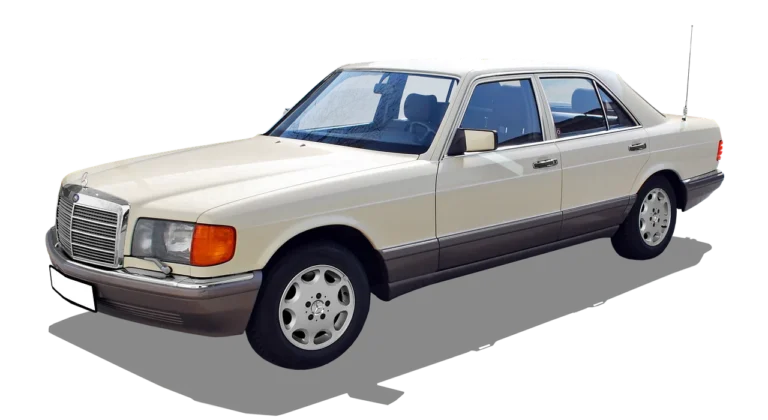
The term vehicle type describes the physical configuration and intended use of a vehicle. It’s a system of categorization applied globally to help consumers, manufacturers, and regulators distinguish between vehicles based on their shape, function, and capabilities.
Common vehicle types include:
- Sedan: Four-door passenger cars with a separate trunk.
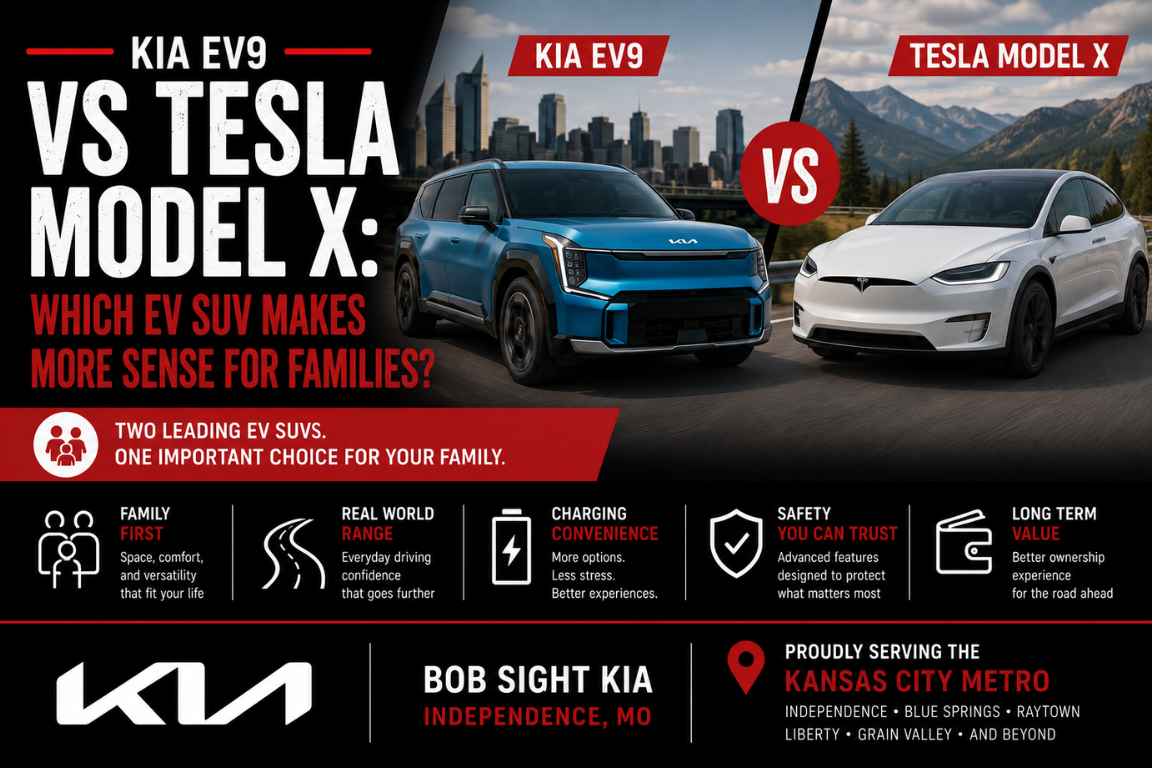
- SUV (Sport Utility Vehicle): Larger vehicles with higher ground clearance and often all-wheel drive.
- Truck: Vehicles designed for carrying cargo, usually with an open bed.
- Coupe: Two-door cars with sporty styling.
- Convertible: Vehicles with retractable roofs.
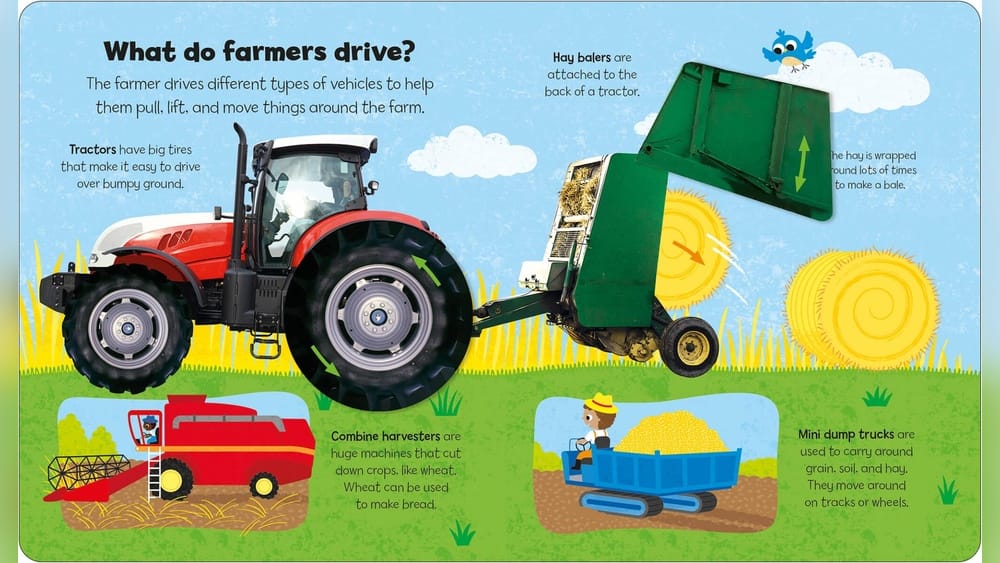
- Van: Designed for carrying passengers or cargo, with a boxy shape.
- Hatchback: Compact vehicles with a rear door that swings upward.
These categories help define not only how a vehicle looks but also how it performs and what it’s used for.
Regulatory And Industry Standards
Globally, regulatory bodies such as the National Highway Traffic Safety Administration (NHTSA) in the US and the European Union’s vehicle regulations classify vehicles by type for safety, emissions, and legal purposes. This affects:
- Insurance premiums
- Registration fees
- Safety requirements (e.g., crash tests, airbags)
- Fuel economy standards
For example, SUVs are often subject to different safety and emission regulations compared to sedans.
Impact On Consumer Decisions
Choosing the right vehicle type is critical for matching your needs and lifestyle. A family may prefer a minivan or SUV for space and safety, while a commuter might opt for a compact sedan for fuel efficiency. Fleet managers must choose types based on business requirements, such as delivery vans for logistics or trucks for construction.
Pro Tip: Always consider vehicle type when evaluating insurance quotes and maintenance costs. Different types have varying risk profiles and associated expenses.
Credit: www.bobsightkia.com
What Is Vehicle Make?
Definition And Branding
Make refers to the manufacturer or brand that produces the vehicle. Examples include Toyota, Ford, Honda, BMW, and Chevrolet. The make is a badge of origin, representing the company’s history, reputation, and design philosophy.
Each make often has unique characteristics, such as:
- Reliability: Toyota is known for durable, low-maintenance cars.
- Performance: BMW is recognized for sporty driving dynamics.
- Innovation: Tesla leads in electric vehicle technology.
Differentiating Make From Model
While make identifies the manufacturer, model refers to the specific vehicle produced by that make. For example:
- Toyota Camry: Make is Toyota; model is Camry.
- Ford F-150: Make is Ford; model is F-150.
Understanding this distinction is essential when shopping or comparing vehicles.
Influence On Value And Ownership
The make of a vehicle often dictates its resale value, maintenance costs, and owner satisfaction. For instance, vehicles from luxury makes like Mercedes-Benz generally retain value differently than mass-market brands like Hyundai.
Brands also affect warranty terms, after-sales service, and parts availability. This is particularly important for fleet managers and business owners.
Example: A logistics company choosing between Ford and Mercedes-Benz vans must consider not only purchase price but also long-term maintenance and support costs.

Credit: www.markel.com
Vehicle Type Vs Make: Side-by-side Comparison
Understanding the differences between vehicle type and make is easier with a comparative overview. The table below highlights key distinctions:
| Aspect | Vehicle Type | Vehicle Make |
|---|---|---|
| Definition | Design and function category (e.g., sedan, SUV) | Manufacturer or brand (e.g., Toyota, Ford) |
| Examples | SUV, truck, convertible, van | Toyota, BMW, Chevrolet, Honda |
| Influence | Purpose, size, legal requirements | Reputation, reliability, resale value |
| Regulation | Safety/emissions standards by type | Brand-specific recalls/support |
| Buying Decisions | Needs-based (family, cargo, commuting) | Preference-based (brand loyalty, value) |
| Insurance Impact | Type influences risk and premium | Make affects claims and parts cost |
Why The Difference Matters
Legal And Regulatory Implications
The distinction between vehicle type and make has legal consequences. For instance, regulations for emissions and safety are usually based on type, not make. Licensing, registration, and taxation often depend on whether a vehicle is a passenger car, truck, or commercial van.
Example: In the US, trucks are subject to different fuel economy standards than sedans, impacting manufacturers and owners alike.
Insurance And Financial Impact
Insurance companies price policies based on risk profiles associated with vehicle type. Sports cars and convertibles are often more expensive to insure due to higher accident and theft rates. Meanwhile, the make affects repair costs, parts availability, and claim settlements.
Fleet owners must analyze both vehicle type and make for total cost of ownership. Choosing a reliable make with a suitable type can reduce downtime and expenses.
Warning: Mixing up type and make when reporting to insurance or authorities can lead to denied claims or legal penalties.
Safety And Maintenance Considerations
Safety features and maintenance requirements vary by type and make. SUVs may have advanced driver aids and higher ground clearance, while sedans offer different handling characteristics. Some makes are known for superior safety records, which can influence buying decisions.
Pro Tip: Always check safety ratings by both vehicle type and make before purchase. Visit the IIHS official site for authoritative safety data.
Resale Value And Market Perception
The resale value of a vehicle is shaped by its type and make. Popular types like SUVs generally command higher prices, and trusted makes like Toyota have stronger resale performance. Market perception also influences demand and pricing.
For example, electric vehicles (EVs) from Tesla maintain higher values compared to less established EV brands, illustrating the interplay of type (EV) and make (Tesla).
Real-world Examples And Case Studies
Example 1: Family Buying Decision
A family of five is searching for a new vehicle. Their needs dictate a vehicle type with ample seating and cargo space, an SUV or minivan. After narrowing down the type, they compare makes like Honda and Toyota for reliability, features, and after-sales support.
This approach ensures the purchase meets both functional and quality requirements.
Example 2: Fleet Management In Logistics
A delivery company must choose vehicles for its fleet. The vehicle type, cargo van versus pickup truck, determines capacity and operational efficiency. The company evaluates makes such as Ford and Mercedes-Benz for durability and service networks.
By distinguishing between type and make, the company optimizes its fleet for cost and performance.
Example 3: Insurance Dispute
An individual mistakenly reports their vehicle’s make instead of type when filing an insurance claim, leading to denial. The insurer requires type classification (sedan, coupe) to assess risk, highlighting the importance of accurate terminology.
Pro Tip: Always verify your vehicle’s registration documents for correct type and make before insurance interactions.
How To Identify Vehicle Type And Make
Checking Registration And Vin
Every vehicle has a Vehicle Identification Number (VIN), which encodes both type and make. Registration documents and manufacturer stickers provide this information.
- VIN structure: The first three digits represent the make, while subsequent digits indicate type, model, and manufacturing details.
- Registration certificate: Lists both type (e.g., passenger car) and make (e.g., Ford).
Using Online Tools And Resources
Numerous online tools help decode VINs and classify vehicles. Government sites and manufacturers offer lookup services.
- NHTSA’s VIN decoder: Helps identify type, make, and model.
- Manufacturer websites: Provide detailed specifications.
Example: Entering a VIN on NHTSA VIN Decoder reveals the vehicle’s make, type, and safety features.
Understanding Manufacturer Badges And Logos
Physical badges and logos on the vehicle often indicate the make. Type is usually inferred from body shape and features.
- Badge: “Toyota” emblem on the front grille.
- Shape: Minivan, SUV, sedan, visible characteristics.
Consulting Dealer And Manufacturer Specifications
Dealers and manufacturers publish brochures and online guides detailing both make and type for each model. Comparing these resources ensures accuracy.
Pro Tip: Always request full specifications from dealers before purchase or lease agreements.
Vehicle Type And Make: Impact On Ownership And Operations
Maintenance And Repair Costs
Different vehicle types have unique maintenance needs. SUVs require more frequent tire rotations due to weight; trucks need specialized parts. Meanwhile, makes like Honda and Toyota have reputations for affordable maintenance, while luxury brands often incur higher costs.
| Vehicle Type | Average Annual Maintenance Cost | Typical Makes |
|---|---|---|
| Sedan | $500 – $800 | Toyota, Honda, Ford |
| SUV | $700 – $1,200 | Chevrolet, Jeep, BMW |
| Truck | $900 – $1,500 | Ford, Ram, GMC |
| Minivan | $600 – $1,000 | Honda, Chrysler, Toyota |
Fuel Efficiency And Environmental Impact
Vehicle type heavily influences fuel efficiency. Sedans typically offer better mileage than SUVs or trucks. Make contributes through engine technology and innovation.
Example: Toyota’s hybrid sedans outperform many SUVs in fuel economy, highlighting the interplay between type and make.
Insurance Premiums
Insurance companies assess risk based on both type and make. Sports cars (type) from luxury brands (make) often have higher premiums.
- Type: Sports cars, convertibles, higher risk.
- Make: Ferrari, Porsche, expensive repairs and parts.
Government Incentives And Taxation
Many governments offer incentives for specific vehicle types, such as electric vehicles (EVs). The make determines eligibility based on compliance and production standards.
Example: Tesla owners benefit from federal EV tax credits, while non-compliant makes may not.
Data-driven Insights: Market Trends
Popular Vehicle Types In The Us
According to the US Department of Transportation, SUVs and trucks dominate sales, comprising over 70% of new vehicle purchases in 2026. Sedans, though declining, remain popular for urban commuters.
Leading Makes And Brand Loyalty
Brand loyalty is strong in the US, with Toyota and Ford consistently ranking among the top makes for reliability and resale value. A survey by Consumer Reports found Toyota owners are 80% likely to repurchase.
| Rank | Make | Market Share (%) | Brand Loyalty (%) |
|---|---|---|---|
| 1 | Toyota | 13.5 | 80 |
| 2 | Ford | 12.9 | 75 |
| 3 | Chevrolet | 10.7 | 68 |
| 4 | Honda | 9.3 | 72 |
Emerging Trends: Evs And Hybrids
Electric vehicles (EVs) are reshaping the landscape. Type (EV vs gasoline) now factors into incentives and regulations, while make (Tesla, Nissan, Chevrolet) influences technology and reliability.
Pro Tip: Track market trends using authoritative sources like the Statista Automotive Industry report for investment and fleet decisions.
Choosing The Right Vehicle: Practical Steps
Assessing Needs And Purpose
Start by identifying your requirements, passenger capacity, cargo space, terrain, and fuel economy. This narrows down the vehicle type.
- Families: Minivan, SUV
- Commuters: Sedan, hatchback
- Business: Truck, van
Comparing Makes For Quality And Value
Once the type is chosen, compare makes for reliability, warranty, service networks, and resale value.
- Check Consumer Reports and JD Power rankings.
- Research warranty terms and maintenance costs.
- Consider local dealer support and parts availability.
Test Driving And Evaluating Features
Always test drive multiple makes within your chosen type. Evaluate comfort, handling, technology, and safety features.
Example: Comparing Honda and Toyota SUVs reveals differences in ride quality and infotainment systems.
Reviewing Total Cost Of Ownership
Calculate purchase price, insurance, fuel, maintenance, and resale value for both type and make.
- Use online calculators and industry reports.
- Consult fleet managers or automotive consultants for business purchases.
Frequently Asked Questions
What Is The Difference Between Vehicle Type And Model?
Vehicle type refers to the classification based on design and function (e.g., sedan, SUV), while model specifies the individual product made by a manufacturer (e.g., Toyota Camry, Ford Mustang). Type is about structure and purpose; model is about the specific variant within a make.
How Do Vehicle Type And Make Affect Insurance Rates?
Insurance rates are influenced by both type and make. Risk factors associated with type (such as sports cars being more accident-prone) and make (cost of repairs, parts, and theft rates) jointly determine premiums. Insurers use statistical data about both to set prices.
Can Vehicle Type Change After Purchase?
Generally, vehicle type cannot be changed after purchase because it’s determined by design and configuration. However, modifications (such as converting a van to a camper) may require reclassification and legal paperwork. Always consult local authorities before making structural changes.
Why Do Some Makes Offer Multiple Vehicle Types?
Automotive manufacturers diversify their offerings to appeal to different market segments. For example, Toyota produces sedans, SUVs, trucks, and hybrids to meet various consumer needs. This strategy increases sales and brand loyalty.
Are Vehicle Type And Make Important For Resale?
Yes, both type and make impact resale value. Popular types (like SUVs) and trusted makes (like Honda, Toyota) generally have higher resale prices. Market demand and reputation play key roles in determining used vehicle value.
As automotive markets grow and diversify, understanding the difference between vehicle type and make becomes ever more important. Whether you’re an individual buyer, fleet manager, or industry analyst, mastering these terms leads to smarter decisions, better investments, and safer journeys. Remember to always check both type and make before purchasing, insuring, or modifying your vehicle, and consult authoritative resources for guidance.
Products related to this article
Sponsored / affiliate links. As an Amazon Associate I earn from qualifying purchases. I may earn additional commission from eligible campaigns.