How Often Should You Change Car Headlights? (Clear Answer)
Headlights typically last between 2 to 5 years, or 40,000 to 100,000 miles. This varies greatly based on bulb type, driving habits, and environmental conditions. It’s more important to watch for signs of dimming or failure than to stick to a strict replacement schedule.
Regular checks ensure optimal visibility and safety.
Understanding Your Car’s Headlights
Your car’s headlights are super important. They help you see the road at night. They also help other drivers see you.
When they start to fade, it’s a big deal for safety. They’re not just simple bulbs anymore. Modern headlights use different technologies.
Most cars today use halogen bulbs. These are like the older incandescent bulbs but better. They use a filament inside a glass bulb.
This filament heats up. It then glows bright to make light. Halogen bulbs are common because they are cheap to make.
They also give off a decent amount of light.
Then there are HID (High-Intensity Discharge) lights. These are also called Xenon lights. They don’t use a filament.
Instead, they create light by making an electric arc. This arc jumps across a gas inside a bulb. HID lights are much brighter than halogen bulbs.
They also use less energy. You often see them in luxury cars or higher-end models.
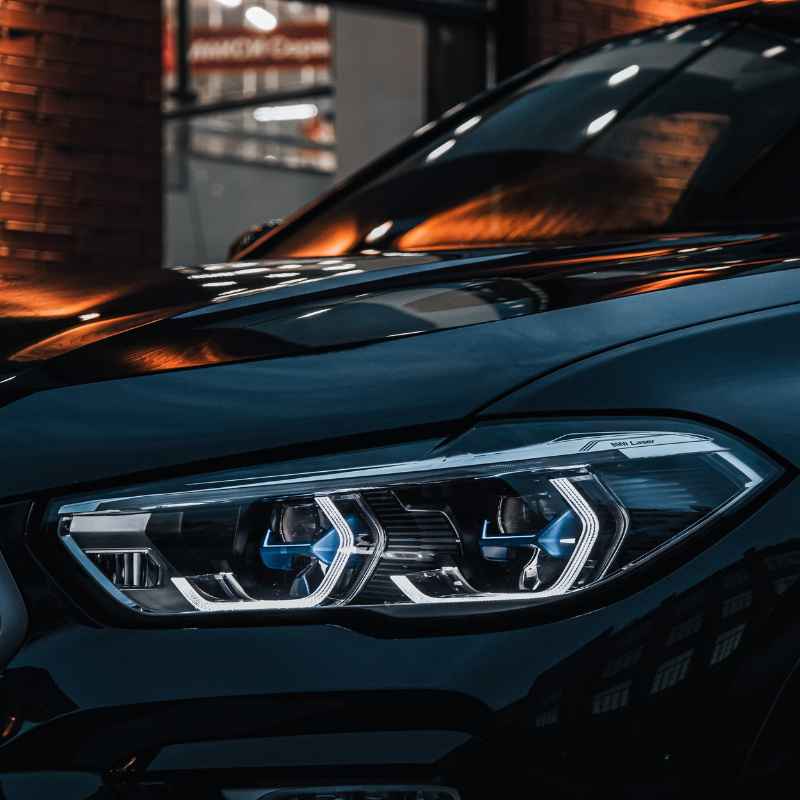
LED (Light Emitting Diode) lights are the newest technology. They are very energy efficient. They also last a very long time.
LEDs are becoming more common. Many new cars come with them as standard. They produce a very bright, crisp light.
They can also be shaped in cool ways for car designs.
Each type of bulb has its own lifespan. Halogen bulbs tend to burn out the quickest. HID bulbs last longer.
LEDs can last for a very, very long time. The environment plays a role too. Heat and moisture can make bulbs fail sooner.
Driving on bumpy roads can also shake them up.
So, when we talk about how often to change them, we need to think about the bulb type. But more than that, we need to think about how they look and perform. A headlight that is working perfectly is key to safe driving.
Anything less than perfect needs attention.
My Own Headlight Scare
I remember this one time a few years back. It was a dark, rainy Tuesday evening. I was heading home from a friend’s house.
The sky was really dark. I had my wipers on high. As I turned onto a less familiar road, I noticed something odd.
The light from my headlights seemed… weak. It was like looking through a foggy window. The road ahead wasn’t as clear as it should have been.
A little bit of panic set in. I started to squint, trying to see better. Was it the rain?
Was it my eyes? Then I saw a car coming towards me. Its headlights seemed so much brighter.
That’s when it hit me. My own headlights were definitely not cutting it. I felt a surge of annoyance at myself.
How could I have let this happen? I was driving in conditions where I needed the best possible visibility. And I wasn’t getting it.
I decided to pull over at the next safe spot. I turned off the engine and got out. I walked to the front of my car.
I looked at the headlights. They didn’t look burnt out, but they definitely didn’t have that sharp, bright beam. They looked a bit yellowed.
I could tell right then and there that it was time for an upgrade. It was a good wake-up call about how easy it is to ignore these things until it’s almost too late.
Why Headlights Dim and Fail
Headlights don’t just suddenly stop working. There’s usually a process. It’s like anything that gets used a lot.
It wears out over time. For halogen bulbs, the filament inside gets thinner and thinner. It’s made of tungsten.
This filament glows hot to make light. Over thousands of hours, it degrades. It can also get coated with tiny particles.
This wear and tear makes the light output go down. The bulb doesn’t get as hot. Or it doesn’t glow as brightly.
This is what we call dimming. It happens gradually. You might not notice it day to day.
But over weeks or months, the difference is clear. The light becomes more yellow. It doesn’t project as far down the road.
For HID and LED lights, the reasons are a bit different. HID bulbs have electrodes. These electrodes can get eroded over time.
The gas inside can also degrade. This affects the arc and the light quality. LED lights are solid state.
They don’t have moving parts like a filament. But the diodes themselves can still fail. They can overheat.
Or the internal components can break down.
External factors also play a big part. Moisture can get inside the headlight housing. This can cause corrosion.
Dirt and road salt can build up on the lens. This blocks the light. Extreme temperatures, both hot and cold, can stress the components.
Vibrations from driving can also loosen connections. Or even damage the bulb itself.
Think about it like a light bulb in your house. If you leave it on all the time, it will eventually burn out. Car headlights are on for many hours.
They are also exposed to rough conditions. Rain, sun, snow, bumps – they take a beating. All these things contribute to their eventual dimming and failure.
Headlight Lifespan Factors
Bulb Type:
- Halogen: Shorter lifespan, typically 400-1000 hours.
- HID/Xenon: Longer lifespan, often 2000-3000 hours.
- LED: Longest lifespan, can exceed 10,000 hours.
Usage:
- Frequent night driving means more hours of use.
- Using headlights as DRLs (Daytime Running Lights) shortens lifespan.
Environment:
- Extreme heat or cold can affect performance.
- Humidity and moisture can cause corrosion.
- Road salt and debris can damage the lens.
Vehicle Age & Condition:
- Older seals can let in moisture.
- Suspension issues can cause excessive vibration.
Signs Your Headlights Need Changing
The biggest clue is dimming. Your headlights don’t shine as brightly as they used to. The beam might not reach as far down the road.
You might notice that dark areas look darker than before. This is a common sign that the bulb is aging.
Another sign is a change in color. New headlights often have a clean, white light. As they age, they can start to look more yellow.
This yellow tint means the light output is not as strong. It’s like the bulb is getting tired. This yellowing is especially noticeable on halogen bulbs.
Flickering is also a red flag. If one or both headlights flicker, it could mean a few things. The bulb itself might be failing.
Or there could be a problem with the wiring or the power supply. Consistent flickering is a clear sign that something is wrong.
Sometimes, a headlight might just go out completely. This is the most obvious sign. If one bulb is out, you need to
Cloudy or yellowed headlight lenses can also make your lights seem dim. The plastic cover on the outside can get scratched. It can also become oxidized from the sun.
This haze blocks the light from getting out. This isn’t the bulb itself, but it has the same effect on visibility. You might need to clean or restore the lenses.
If you notice any of these signs, it’s time to check your headlights. Don’t wait until it’s pitch black and you can’t see. A quick inspection can save you a lot of trouble.
And most importantly, it can keep you and others safe on the road. It’s a simple check with big safety benefits.
Headlight Bulb Types and Lifespans
Let’s dive a bit deeper into the different types of bulbs. This will give you a better idea of what to expect. The type of headlight bulb in your car really matters for how long it will last.
Halogen bulbs are the most common. They are what most cars have used for many years. They work by heating a filament.
This filament is inside a glass bulb filled with halogen gas. The gas helps the filament last longer than in older bulbs. But it still burns out eventually.
A typical halogen bulb might last between 400 and 1,000 hours of use. This translates to roughly 2 to 5 years for the average driver. They are also the cheapest bulbs to replace.
HID (High-Intensity Discharge) bulbs are a step up. They are also called Xenon bulbs. They don’t have a filament.
Instead, they create light by passing an electric arc through a gas and metal salts. This process makes a much brighter light. HID bulbs last longer than halogens.
They can typically last between 2,000 and 3,000 hours. This means they could last 5 to 10 years or even more for some drivers. They are more expensive upfront, though.
LED (Light Emitting Diode) bulbs are the most modern option. They are very efficient. They also last a very, very long time.
LEDs are basically tiny semiconductor chips that produce light when electricity passes through them. They don’t have a filament to burn out. They also don’t get as hot as halogen bulbs.
Their lifespan is measured in tens of thousands of hours. Many LED headlights can last 10,000 hours or more. This could mean they last the lifetime of the car.
They are the most expensive option upfront but can save money in the long run due to longevity. Many new cars come with LED headlights now.
The lifespan numbers are estimates. Real-world use can change things. Driving on rough roads can shorten life.
Constant stopping and starting can be harder on bulbs. Extreme temperatures can also play a role. For example, if your car sits in the hot sun all day, that heat can affect the bulb.
Likewise, very cold weather can also be tough on components.
It’s also important to know that headlights often dim gradually before they burn out. So, you might not get a lot of warning. It’s always better to be proactive.
Check your lights regularly. Make sure they are bright and clear.
Quick Bulb Comparison
Halogen:
- Pros: Cheap, widely available.
- Cons: Shortest lifespan, less bright.
- Lifespan: 400-1000 hours.
HID/Xenon:
- Pros: Brighter, longer lasting than halogen.
- Cons: More expensive, requires ballast.
- Lifespan: 2000-3000 hours.
LED:
- Pros: Longest lifespan, energy efficient, very bright.
- Cons: Most expensive upfront.
- Lifespan: 10,000+ hours.
When to Consider Changing Your Headlights
The general rule of thumb for halogen headlights is around every 2 to 3 years. This is for the average driver. If you drive a lot at night, you might need to change them sooner.
If you only drive occasionally, they might last longer.
However, just replacing them on a schedule might not be the best approach. What if your halogen bulbs are still bright and clear after 3 years? You don’t need to replace them just because the calendar says so.
It’s better to rely on visual cues.
The most important thing is to keep an eye on their performance. If you notice any dimming, yellowing, or flickering, that’s your cue. Don’t wait for them to burn out completely.
It’s safer to replace them when you first notice a problem.
Also, consider replacing them in pairs. If one headlight is dim, the other is likely not far behind. Replacing them at the same time ensures consistent brightness.
It also means you won’t have one bright light and one dim light. This can be distracting for other drivers.
If you have HID or LED headlights, the replacement schedule is much longer. These bulbs can last for many years. You’ll likely notice dimming or other signs of failure before they burn out completely.
For LEDs, outright failure is less common than a slow decline in brightness over a very long time.
Some people upgrade their headlights for brighter, more modern options. If you’re doing this, you’ll be replacing them by choice. This is a good time to choose a higher-quality bulb.
Or even switch to a different technology like LED. Just make sure any new bulbs are compatible with your car’s system.
Ultimately, the decision to change your headlights should be based on their condition. Watch for the signs we talked about. Don’t guess.
Inspect them. And if in doubt, it’s always safer to replace them. A little effort now can prevent a big safety issue later.
Maintaining Headlight Lenses
Sometimes, the problem isn’t the bulb at all. It’s the cover, or lens, of the headlight. Over time, the plastic lenses can get cloudy.
They can turn yellow. This happens because of the sun’s UV rays. Road debris, like sand and salt, can also scratch the plastic.
This makes the surface rough.
A cloudy or scratched lens acts like a barrier. It blocks the light from your bulb. So, even if you have a brand-new, bright bulb inside, the light won’t get out effectively.
This can make your headlights seem dim. It can also scatter the light in weird ways.
The good news is that you can often fix this. There are headlight restoration kits you can buy. These kits usually come with special cleaning compounds and sealants.
You use them to buff out the haze and scratches. It’s like giving your headlights a polish.
The process usually involves cleaning the lens first. Then, you apply a rubbing compound. This is like a very fine sandpaper.
It removes the damaged layer of plastic. You might need to do this a few times. After buffing, you apply a sealant.
This protects the plastic from the sun. It helps keep them clear for longer.
Headlight Lens Care Steps
1. Clean: Wash the headlight lens with soap and water. Remove dirt and grime.
2. Mask: Use painter’s tape to protect the car’s paint around the headlight.
3. Restore: Apply a headlight restoration compound or polish. Use a soft cloth or buffing pad.
Work in small sections.
4. Protect: Apply a UV sealant or protective coating. This prevents future yellowing.
5. Enjoy: Admire your clearer, brighter headlights!
Restoring your headlight lenses can make a big difference. It can improve light output significantly. It also makes your car look better.
If your lenses are badly damaged, you might need to replace the whole headlight assembly. But for most common cloudiness, restoration works well.
It’s a good DIY project. You can save money by doing it yourself. Just follow the kit’s instructions carefully.
And remember to apply that sealant. It’s the key to keeping them clear for a while. This is another way to ensure your headlights are working their best.
It’s not just about the bulb inside.
When is it Time to Worry?
It’s normal for headlights to dim over time. This happens with all types of bulbs. What’s not normal is a sudden, drastic change.
If one headlight suddenly goes out, that’s a problem. If both headlights start flickering at the same time, that’s also a concern.
If you’ve restored your lenses and
You should also worry if your headlights are pointing the wrong way. If they seem too low, you won’t see far enough. If they’re too high, you’ll blind oncoming drivers.
Headlights can get knocked out of alignment by bumps or accidents. If you notice the beam is off, get them adjusted. This is usually something a mechanic can do.
Driving with significantly dim or misaligned headlights is dangerous. You increase your risk of an accident. You also risk getting a ticket from the police.
It’s important to address these issues promptly. Don’t put it off.
If you’re unsure about what’s wrong, it’s always best to consult a professional. A mechanic can diagnose electrical issues. They can also check the alignment.
They can tell you if it’s the bulbs, the wiring, or something else. Peace of mind is worth it. Knowing your car is safe to drive at night is priceless.
Quick Fixes and Tips
Here are some simple tips to keep your headlights working well:
1. Clean Regularly: Wash your car often. This includes the headlight lenses.
Remove dirt and grime that can block light.
2. Check Brightness: Park your car facing a wall at night. Turn on your headlights.
Look at the beams. Are they strong? Do they reach far?
Compare them to what you remember.
3. Replace in Pairs: If one headlight bulb burns out, replace both. This ensures even brightness and performance.
4. Consider Upgrades: If you’re replacing halogen bulbs, think about higher-quality ones. Or even consider LED conversion kits.
Make sure they are legal in your area.
5. Restore Lenses: If your lenses are cloudy, use a restoration kit. It’s a cost-effective way to improve visibility.
6. Professional Check: If you suspect an electrical issue or alignment problem, see a mechanic. Don’t try to fix complex electrical problems yourself unless you’re trained.
7. Use Your Headlights: Don’t be afraid to use your headlights, even in hazy daylight. Better visibility helps others see you.
Just remember to turn them off when parking if they aren’t on an auto setting.
8. Drive Smart at Night: Always drive at a speed that allows you to stop within the illuminated area of your headlights. If they seem dim, slow down.
Headlight Maintenance Checklist
- Weekly: Quick wash to remove surface dirt.
- Monthly: Check for obvious dimming or discoloration.
- Quarterly: Perform a brightness test against a wall. Check for condensation inside the housing.
- Annually: Inspect lenses for cloudiness or scratches. Consider lens restoration if needed.
- As Needed: Replace bulbs when dim or burnt out. Get alignment checked if beams seem off.
Frequently Asked Questions
How long do LED headlights last?
LED headlights are known for their incredible longevity. They can last for 10,000 to 25,000 hours or even more. This means they can often outlast the vehicle itself.
They are much more durable than traditional halogen bulbs.
Can I put LED bulbs in a car that came with halogen headlights?
Yes, in many cases, you can. These are called LED conversion kits. However, it’s important to ensure the kit is designed for your specific vehicle.
Also, check if these conversions are legal in your state. Some jurisdictions have strict rules about headlight types.
Why do my headlights look yellow?
Yellowing is usually due to oxidation of the plastic headlight lens. The sun’s UV rays degrade the plastic over time. Road debris can also cause haziness and scratching.
This reduces light output. Headlight restoration kits can often fix this issue.
Should I replace my headlights myself?
Replacing halogen bulbs is often a straightforward DIY task. Many cars have easily accessible bulbs. However, some vehicles make it difficult to reach them.
For HID or LED systems, or if you’re unsure, it’s best to have a professional do it. They have the right tools and knowledge.
Is it illegal to drive with dim headlights?
Yes, it can be. Driving with headlights that are too dim or not working properly can be a safety hazard. It can also result in a traffic citation in most places.
Maintaining clear and bright headlights is essential for safe driving and legal compliance.
Do headlights get weaker over time, or do they just burn out?
Headlights typically get weaker, meaning they dim, over time before they burn out. This gradual dimming is a sign of wear and tear on the bulb’s filament (for halogen) or other components. It’s more common to notice dimming than a sudden failure, though sudden failure can happen.
Conclusion
Keeping your car’s headlights in good shape is vital for safety. They don’t have a strict, one-size-fits-all replacement schedule. Instead, pay attention to how they perform.
Look for dimming, yellowing, or flickering. Take care of the lenses too. Simple maintenance and timely replacement will keep you and others safe on the road.
Drive bright!
See also best car for light towing top picks for 2026. See also can police car lights cause seizures what you must know.
Products related to this article
Sponsored / affiliate links. As an Amazon Associate I earn from qualifying purchases. I may earn additional commission from eligible campaigns.
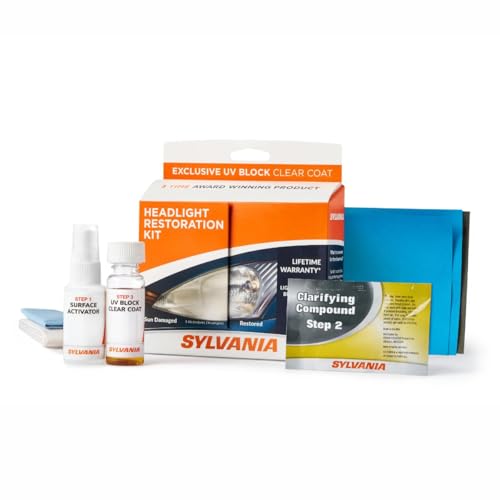 SYLVANIA Headlight Restoration Kit, Restores to Like-New Condition | Keeps Headlights Clear and Like-New with a Durable, Long-Lasting UV-Protective Coating for Easy At-Home Use
 LX-LIGHT 1000% Bright 7 Inch LED Headlights Anti-glare Round H6024 LED Headlight Compatible with Jeep Wrangler JK JKU TJ LJ Chevy Ford GMC Dodge etc DOT Approved Hi/Low Sealed Beam Black