Cheapest Place To Buy Car Light Bulbs Without Sacrificing Quality
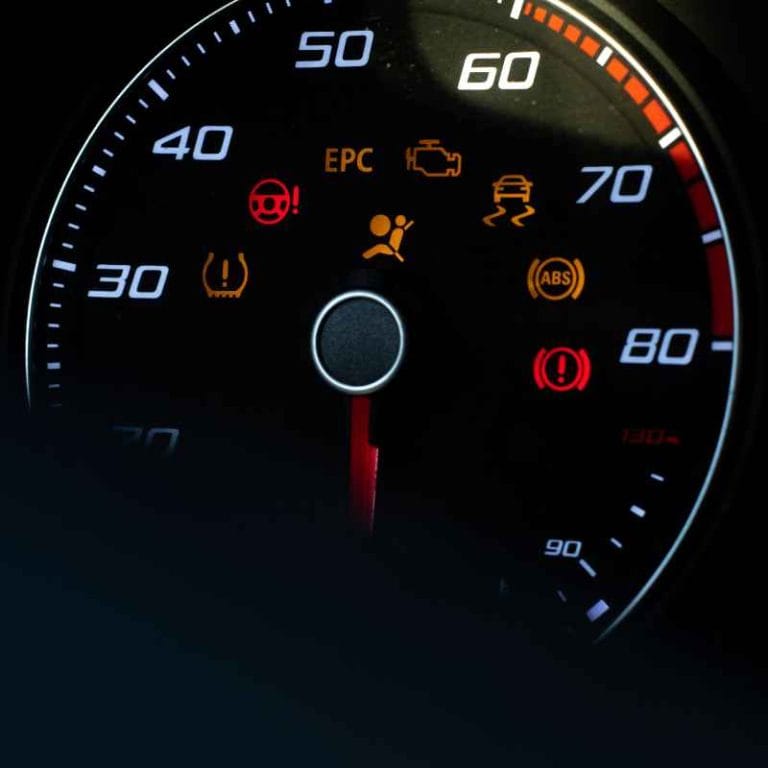
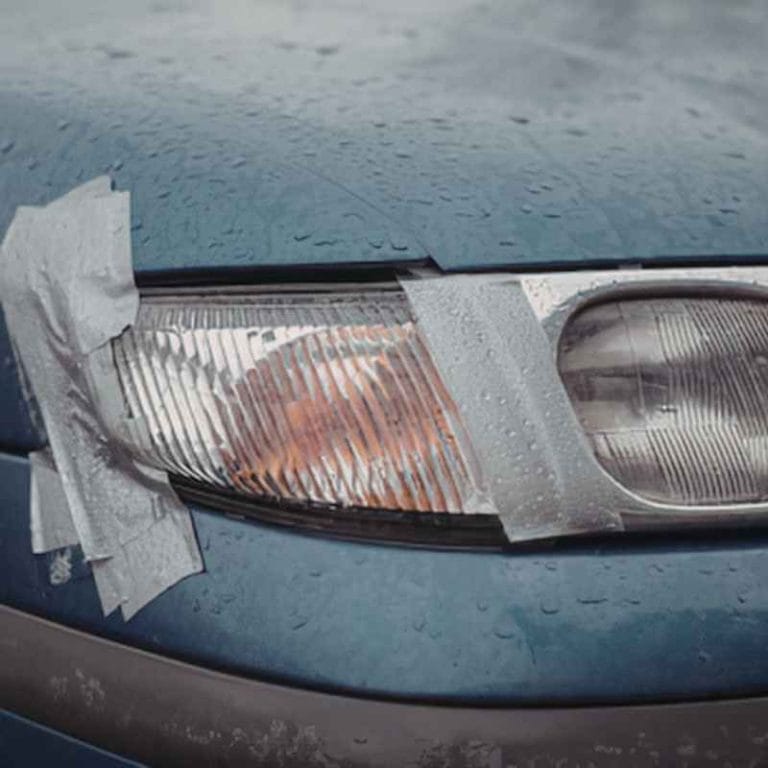
Dealing with a burnt-out car headlight or taillight can be a real pain. Not only does it look bad, but it’s also a safety issue. You need good lights to see the road and for others to see you.
But when you start looking for
You can find cheap car light bulbs without losing quality by shopping online at major retailers like Amazon, Walmart, or Target, and at auto parts stores like AutoZone or Advance Auto Parts. Look for reputable brands, read customer reviews, and compare prices to ensure a good balance of cost and performance.
What Are Car Light Bulbs and Why Do They Matter?
Car light bulbs are small but vital parts of your vehicle. They help you see at night. They also signal your presence to other drivers.

As an Amazon Associate I earn from qualifying purchases.
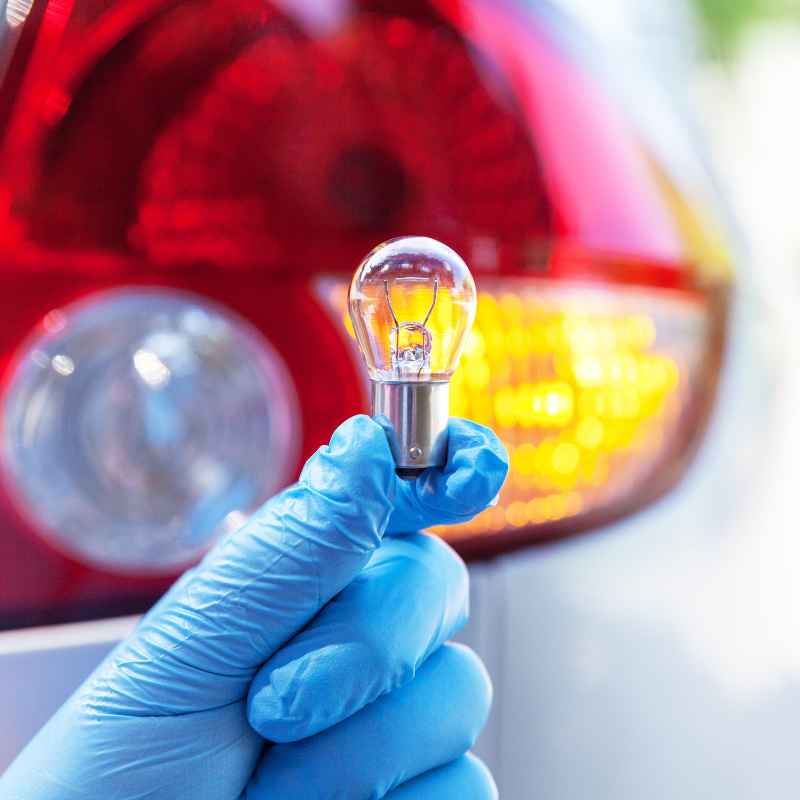
There are many kinds of lights on a car. Headlights are for seeing the road ahead. Taillights and brake lights show where you are.
Turn signals tell others where you’re going. Interior lights help you see inside your car.
These bulbs don’t last forever. They burn out over time. Heat and vibrations wear them down.
Sometimes they break unexpectedly. When a bulb fails, it’s more than just an annoyance. A dim headlight can make it hard to drive safely.
A non-working brake light could cause an accident. Many places have laws about working lights. You can get tickets for bad bulbs.
So, getting the right bulbs is important. You need them to be bright. They need to be reliable.
And, of course, you don’t want to spend a fortune. Finding the sweet spot between cost and quality can feel tricky. But with a little know-how, it’s totally doable.
We’ll explore where to find good bulbs at good prices.
My Own Bulb Blunder: A Tale of Dim Lights and Buyer’s Remorse
I remember one time, a few years back, my driver’s side headlight started to flicker. It was late, and I was on a back road. The light would dim, then brighten, then almost go out.
It was super unsettling. My heart did that little jump of panic. I knew I couldn’t drive like that for long.
I pulled over and looked at the dashboard. No warning lights. Just this sad, dying headlight.
The next day, I rushed to the closest auto parts store. I just wanted the problem fixed ASAP. The guy at the counter told me I needed a specific type of bulb.
He showed me two options. One was a well-known brand, costing about $40. The other was a generic brand, around $15.
He nodded towards the expensive one. “This one lasts longer, brighter,” he said. I felt pressured.
I grabbed the $40 bulb, thinking I was being smart.
Fast forward six months. The new $40 bulb was already dimming. The generic one I’d skipped?
It probably would have lasted just as long, if not longer. I felt so annoyed. I had paid way too much for something that didn’t even deliver.
That experience taught me a lot. It showed me that just because something is expensive doesn’t mean it’s better. And the cheapest options aren’t always the worst.
Understanding Bulb Types
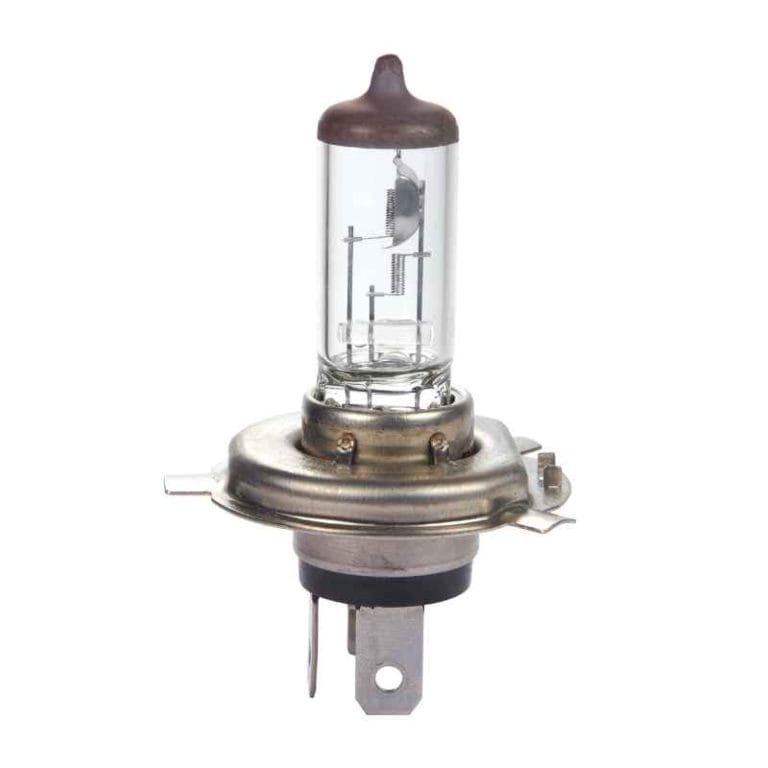
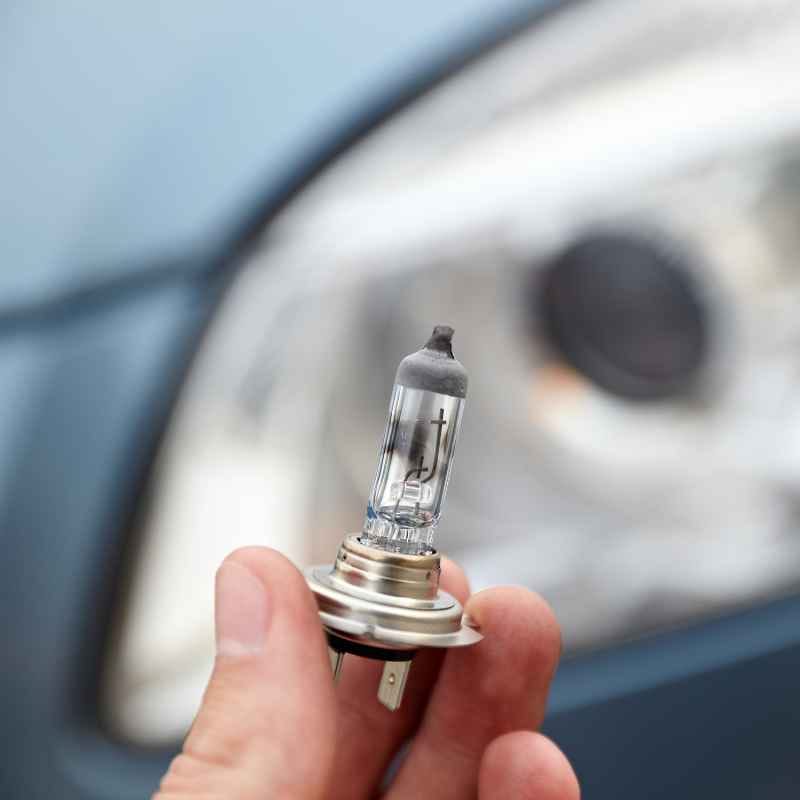
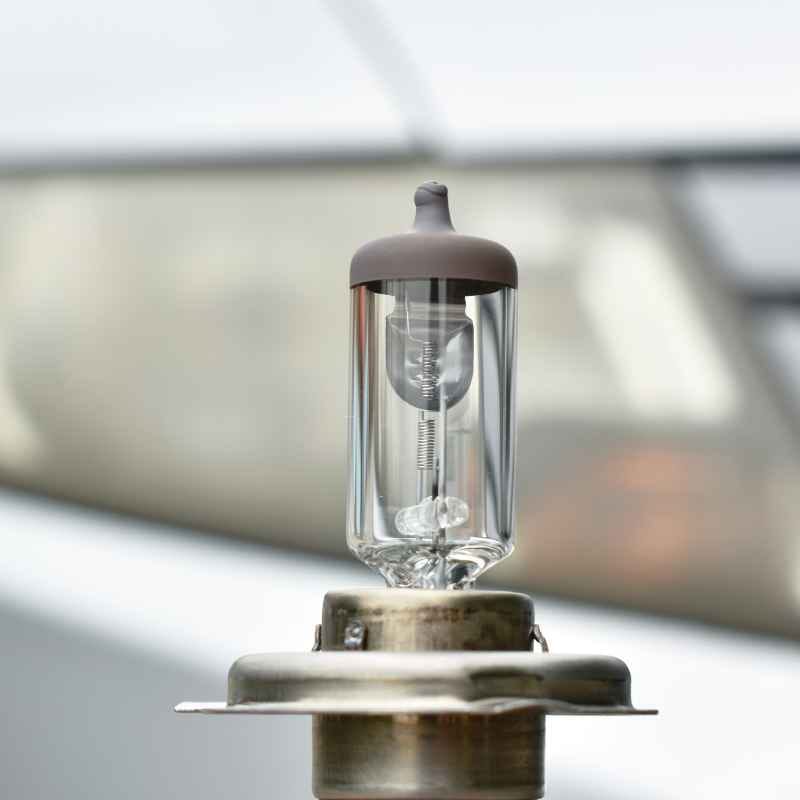
Halogen: The most common type. They use a filament inside a glass bulb filled with halogen gas. They are affordable and widely available.
However, they don’t last as long as newer types and can be less bright.
HID (High-Intensity Discharge): These bulbs produce light using an electric arc. They are much brighter than halogens and have a bluish-white color. They also tend to last longer.
But they are more expensive and often require a ballast to work.
LED (Light Emitting Diode): LEDs are becoming very popular. They use semiconductors to produce light. They are incredibly energy-efficient, last a very long time, and offer excellent brightness and clarity.
Their initial cost can be higher, but their lifespan makes them cost-effective over time. Many newer cars come with LED headlights standard.
Where Can You Find the Cheapest Car Light Bulbs?
The hunt for affordable car bulbs often leads people to a few key places. These spots offer a range of options. You can often find great deals if you know where to look and what to compare.
Online Retail Giants
Websites like Amazon, Walmart.com, and Target.com are huge marketplaces. They have countless sellers. This competition drives prices down.
You can find bulbs from major brands as well as lesser-known ones. It’s a good place to compare many options side-by-side without leaving your house.
Pros:
- Huge selection
- Competitive pricing
- Easy to compare options
- Customer reviews are abundant
Cons:
- Can be overwhelming with choices
- Need to verify seller reputation
- Can’t physically see the bulb before buying
Auto Parts Stores (Online and In-Person)
Big auto parts chains like AutoZone, Advance Auto Parts, O’Reilly Auto Parts, and NAPA are great resources. Many have both physical stores and active websites. Shopping in person means you can get the part quickly.
Their websites let you check stock and compare prices. They often have sales and loyalty programs.
Pros:
- Fast if you need a bulb today
- Knowledgeable staff can help
- Often have good return policies
- Loyalty programs offer discounts
Cons:
- Prices can sometimes be higher than online retailers
- Selection might be more limited to popular car models
Warehouse Clubs
Places like Costco and Sam’s Club sometimes carry automotive essentials, including light bulbs. They buy in bulk. This often means lower prices for members.
However, their selection can be very limited. You might find bulbs for common car types, but not specialized ones.
Pros:
- Potentially very low prices
- Good for common bulb types
Cons:
- Limited selection
- Requires membership
- Availability varies
Discount Retailers
Stores like Dollar General or Family Dollar might have a small automotive section. You can sometimes find basic replacement bulbs here for very low prices. These are often for older cars or less critical lights like interior bulbs.
Quality can be hit or miss.
Pros:
- Extremely low prices
- Convenient for quick, basic needs
Cons:
- Very limited selection
- Quality may be lower
- Not ideal for headlights or critical safety lights
Quick Comparison: Online vs. In-Store
Online: Generally better prices and wider selection. Great for research. Wait time for delivery.
In-Store: Immediate availability. Expert help. Sometimes higher prices.
Limited selection.
How to Spot Quality Bulbs on a Budget
Just because a bulb is cheap doesn’t mean it’s bad. And expensive doesn’t always mean good. The trick is to know what to look for.
This helps you avoid buying something that fails quickly.
Stick to Reputable Brands
While you’re looking for cheap bulbs, don’t go for completely unknown names. Brands like Sylvania, Philips, GE, and Bosch have a long history. They generally make reliable products.
You can often find their bulbs at competitive prices, especially if you shop around.
Even within these brands, there are different tiers. A basic Sylvania bulb might be cheaper than their “ultra-bright” or “long-life” version. For budget shopping, the standard line from a good brand is often a great choice.
Read Customer Reviews
This is your best friend when shopping online. Look at reviews for the specific bulb you’re considering. Are people happy with the brightness?
How long did the bulbs last for them? Do many reviews mention early failure?
Pay attention to patterns. If multiple people say a bulb died after three months, that’s a red flag. If many people praise its brightness for the price, that’s a good sign.
Don’t just look at the star rating. Read the actual comments.
Spotting Quality: Key Factors
Brand Reputation: Choose known brands like Philips, Sylvania, GE.
Customer Reviews: Look for consistent positive feedback on brightness and lifespan.
Warranty: Some bulbs come with a limited warranty, indicating manufacturer confidence.
Material Quality: While hard to tell online, good brands use better filament and glass.
Check the Bulb’s Specifications
Bulbs have numbers and codes. These tell you what type they are. For example, H4, 9003, H11 are common headlight bulb types.
Make sure you get the exact match for your car. Your car’s manual or an online parts lookup tool can tell you this.
Also, look for brightness (lumens) and estimated lifespan (hours). Cheaper bulbs might have lower lumen counts. They might also have shorter lifespans listed.
Compare these numbers between different bulbs. A bulb that’s slightly more expensive but significantly brighter or longer-lasting can be a better deal.
Look for Sales and Discounts
Auto parts stores and online retailers frequently have sales. Keep an eye out for holiday promotions, clearance events, or coupon codes. Sometimes buying a pair of bulbs (left and right) is cheaper than buying them individually.
Many mechanics recommend replacing bulbs in pairs. This is because they tend to burn out around the same time.
A common mistake is only replacing one bulb when it burns out. The new bulb will be much brighter than the old one. This can be distracting and look odd.
Buying a pair ensures they match in brightness and color. Plus, the cost per bulb is often lower.
Smart Shopping Tip: Buy in Pairs
Why? New bulbs are brighter than old ones, creating an uneven look.
Cost Savings: Many deals offer a lower price per bulb when you buy two.
Convenience: You’ll have a spare ready if the other burns out soon.
Understanding Bulb Technologies and Their Cost
The type of technology used in a light bulb affects its price and performance. Knowing the difference helps you make informed choices.
Halogen Bulbs: The Budget Standard
Halogen bulbs are the most traditional. They’ve been around for decades. They work by passing electricity through a tungsten filament.
This filament is inside a glass bulb filled with halogen gas. The gas helps the filament last longer and burn brighter than older incandescent bulbs.
Cost: Very affordable. You can often find a single halogen bulb for $10-$25.
Pros: Cheap, easy to find, simple to replace.
Cons: Shorter lifespan (around 500-1000 hours), less bright than other types, can be sensitive to oils from your hands.
HID (High-Intensity Discharge) Bulbs: Brighter, Pricier
HID bulbs, often called xenon lights, use a gas mixture and an electric arc to create light. They produce a much brighter, whiter light than halogens. They also tend to last longer.
Cost: More expensive. A single HID bulb can cost $30-$100 or more. They also need a ballast, which adds to the cost.
Pros: Very bright, long-lasting (2000-3000 hours or more), distinct modern look.
Cons: High initial cost, complex to install (need ballast), can be too bright for oncoming drivers if not aimed correctly.
LED Bulbs: The Modern, Long-Lasting Choice
LEDs are the latest in lighting technology. They use light-emitting diodes. These are solid-state devices that produce light when electricity passes through them.
LEDs are known for their extreme longevity, energy efficiency, and bright, crisp light.
Cost: Can have a higher upfront cost, ranging from $25-$100+ per bulb. However, their lifespan often makes them cheaper in the long run.
Pros: Extremely long lifespan (25,000-50,000+ hours), very energy efficient, instant on, bright and clear light, durable.
Cons: Higher initial price, can be complex to install (some systems), quality varies greatly between brands.
LED vs. Halogen: The Long-Term Value
Halogen: Low initial cost, shorter life. You buy them more often.
LED: Higher initial cost, very long life. You buy them rarely.
Calculation: If a halogen bulb costs $20 and lasts 1 year, and an LED costs $50 and lasts 5 years, the LED is cheaper over time.
Real-World Scenarios: When to Splurge vs. Save
Your decision on where to buy and what to buy can depend on your situation. Not all bulb replacements are equal.
Urgent Replacement on the Road
If a headlight dies on you late at night, safety comes first. You need a replacement now. In this case, a local auto parts store is your best bet.
Even if it costs a bit more, getting back on the road safely is worth it. You can always order a cheaper, better set online later to replace the temporary fix.
Routine Maintenance and Upgrades
If you’re doing general maintenance or want to upgrade your car’s lighting, you have more time. This is where online shopping shines. You can research brands, read reviews, and find the best prices.
Consider this a good time to look at LED upgrades if your car supports them. The long-term savings can be significant.
Older Cars vs. Newer Cars
For older cars, simple halogen bulbs are often the most cost-effective and easiest to find. They are usually less expensive. For newer cars that might have come with LED or HID factory lights, replacing them with similar quality is often best.
While you might find cheaper alternatives, ensure they are compatible and safe.
Scenario Guide: Where to Buy
Need it Now: Local Auto Parts Store (e.g., AutoZone)
Research & Save: Online Retailers (e.g., Amazon, Walmart.com)
Best Value Upgrade: Online Retailers for LED kits
Basic Interior Light: Discount Retailer or Online Marketplace
What This Means for You: Making Smart Bulb Choices
Knowing where to buy and what to look for empowers you. You can save money and still get good quality.
When a Cheap Bulb is Fine
For interior lights, license plate lights, or maybe even backup lights on an older car, a very inexpensive bulb might be perfectly acceptable. These bulbs aren’t critical for driving safety. If one burns out, you can replace it easily and cheaply.
When to Be Cautious About Price
Headlights: These are critical for seeing at night. You need bright, reliable headlights. Cheap, dim bulbs can be dangerous.
Don’t skimp too much here.
Brake Lights and Taillights: These lights are essential for signaling. If they are dim or fail, other drivers might not see you. This is a major safety risk.
Turn Signals: Clear, bright turn signals are vital for safe lane changes and turns.
For these safety-critical lights, focus on quality brands and positive reviews, even if it means spending a few dollars more than the absolute cheapest option. The peace of mind and safety are worth it.
Simple Checks You Can Do
Check Your Car Manual: Always confirm the exact bulb type your car needs. Using the wrong bulb can cause damage or not work at all.
Inspect Old Bulbs: When you remove a burnt-out bulb, look at it. Does it look melted? Is the glass discolored?
This might indicate a problem with the car’s electrical system, not just the bulb.
Test After Replacement: Once you install new bulbs, turn on your headlights, brake lights, and turn signals. Make sure they all work and are bright.
Safety First: Critical Light Check
Headlights: Check low and high beams.
Brake Lights: Have someone press the brake pedal while you watch.
Taillights: Ensure they are on when headlights are activated.
Turn Signals: Verify front and rear lights flash correctly.
Quick Tips for Buying Car Light Bulbs Smartly
Here are some final thoughts to help you get the best bang for your buck.
- Compare prices online before you buy in-store. You might find a better deal.
- Look for bundles or pairs. Often cheaper than buying one at a time.
- Don’t forget reviews. They give you real-world insights.
- Stick to known brands for safety lights. Philips, Sylvania, GE are good bets.
- Consider LEDs for long-term savings. If the upfront cost fits your budget.
- Always check the bulb number. Ensure it matches your car’s needs.
- Keep your old bulbs for a bit. Just in case the new ones have issues.
Frequently Asked Questions About Buying Car Light Bulbs
Are cheap car light bulbs worth it?
Cheap bulbs can be okay for non-critical lights like interior bulbs. For headlights and brake lights, it’s better to spend a little more on a reputable brand to ensure safety and longevity. Always check reviews.
Where is the absolute cheapest place to buy car light bulbs?
Online marketplaces like Amazon or Walmart.com often have the lowest prices due to high competition. Discount retailers might also offer very low prices, but selection and quality can be limited.
Should I replace both headlight bulbs at once?
Yes, it’s generally recommended to replace both headlight bulbs at the same time. New bulbs are brighter than old ones, so replacing just one can create an uneven light output that is distracting. Buying a pair can also be more cost-effective.
What’s the difference between a cheap bulb and an expensive one?
Expensive bulbs often use higher-quality materials, have better manufacturing processes, and may offer increased brightness or a longer lifespan. Cheap bulbs might use lower-grade materials and have a shorter life expectancy or be less bright.
Can I put LED bulbs in a car that came with halogens?
Yes, in many cases, you can
How long should car light bulbs typically last?
Halogen bulbs typically last between 500 and 1,000 hours. HID bulbs can last 2,000 to 3,000 hours or more. LED bulbs are the longest-lasting, often providing 25,000 to 50,000 hours of use, which can be many years.
Conclusion: Bright Lights, Smart Savings
Finding the cheapest car light bulbs without losing quality is all about smart shopping. It means knowing where to look, comparing options, and understanding what truly matters for safety and performance. You don’t need to break the bank to keep your car well-lit and safe on the road.
With a little effort, you can find great deals that offer reliability and brightness.
See also when to use car headlights day.
Related pick: Check today's price on Amazon See also why won’t car light turn off here’s how to fix it.
Products related to this article
Sponsored / affiliate links. As an Amazon Associate I earn from qualifying purchases. I may earn additional commission from eligible campaigns.
 Antline 1156 1141 1003 7506 BA15S LED Bulbs Xenon White 20-Packs, Super Bright 3014 50-SMD LED Replacement for 12 Volt RV Camper Trailer Boat Trunk Interior Light Bulbs
 Safego H11 Halogen Headlight Bulb - 12V 55W, High/Low Beam Fog Light Replacement,Halogen Light Bulbs,DOT Compliant,Universal Lighting Accessories for Cars,Not fit 24V Vehicles,Pack of 2