Should I Keep My Car Lights On Auto? Pros And Cons
The “Auto” setting for car headlights is designed to turn lights on and off based on light levels. While convenient, it’s important to understand its limitations and when manual control might be better for safety.
Understanding Your Car’s Auto Headlight System
So, what exactly happens when you flip that switch to “Auto”? Your car has sensors. These are usually small bumps or dark spots on your dashboard or windshield.
They measure how much light is around your car. When it gets dark, like at dusk or when you go into a tunnel, the sensors tell the car to turn on the headlights.
When the light gets bright again, say when the sun comes out, the sensors tell the car to turn the lights off. It’s like your car has its own little brain for lights. This is meant to make things easier for you.
You don’t have to remember to turn them on or off all the time. The system tries to keep you safe by making sure your lights are on when you need them.
There are different types of auto headlight systems. Some are very basic. They just turn lights on when it’s dark outside.
Others are more advanced. They might turn on your headlights when your wipers are on. This is often a rule in some places.
Some systems also control your taillights and other exterior lights.
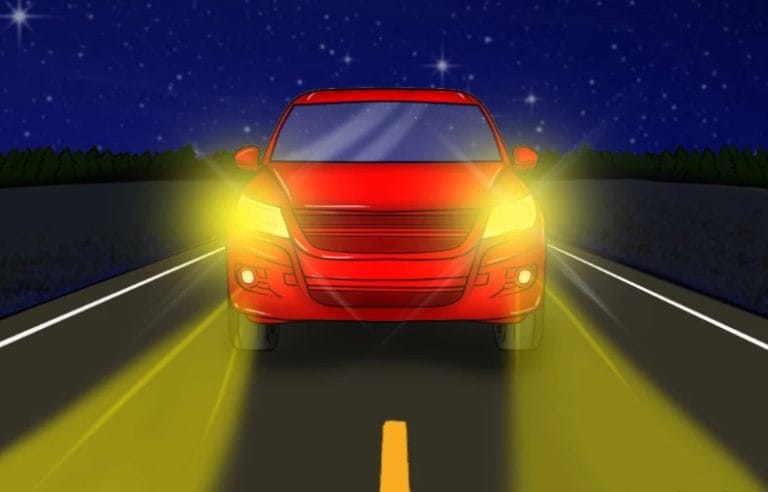
The goal is always safety. The idea is to help other drivers see you. It also helps you see the road better.
Automatic lights can prevent you from driving in the dark without your lights on. This is a common mistake people make. It can be dangerous.
The “Auto” setting aims to fix that problem easily.
My Experience With Automatic Headlights
I remember I was driving home one evening. It was that time of day, just after sunset. The sky was still a little bit light.
My car had just gotten this new auto headlight feature. I was feeling pretty smug, thinking how clever I was for having this automatic system. I figured I didn’t need to worry about a thing.
As I rounded a bend, a deer suddenly jumped out from the trees. It was too late to really stop. My headlights were on, thankfully.
But the automatic system hadn’t quite kicked in yet. It was still that sort of in-between light. My heart was pounding.
I swerved and managed to avoid hitting the poor animal. But it made me realize something important.
That moment taught me that while auto lights are great, they aren’t always perfect. Sometimes, the light is tricky. It’s not dark enough for the sensor to say “Lights on!” but it’s also not bright enough for other cars to see you easily.
That deer crossing was a real wake-up call. I started paying more attention to the system after that.
When Auto Might Not Be Enough
Low Light Conditions: Sometimes, just before sunrise or right after sunset, the light is in a tricky spot. Your auto lights might not turn on yet. Other drivers might not see you well.
It’s good to be aware of this. This is especially true on foggy or rainy days. The sensors might not react fast enough.
They can’t see the true darkness.
The Benefits of Using the Auto Setting
One of the biggest pluses of the auto headlight setting is convenience. You just set it and then you don’t have to think about it. This is great for everyday driving.
It means you’re less likely to forget to turn your lights on. This is super important for safety.
Being seen by other drivers is a big deal. Especially in bad weather or when it’s getting dark. Automatic headlights help ensure your lights are on when they should be.
This makes you more visible. It helps other drivers notice you on the road. This can prevent accidents.
It’s a simple feature that adds a layer of protection.
Another benefit is energy saving. When your lights aren’t needed, the auto system turns them off. This can help save a little bit of fuel.
It also means your bulbs last longer. You’re not running them when you don’t have to. Over time, this can add up.
It’s a small thing, but it’s a nice perk.
Modern cars often have advanced auto light systems. Some can even sense oncoming traffic. They can then dim your bright headlights automatically.
This prevents blinding other drivers. This is a huge safety feature. It makes night driving much smoother.
It shows how smart these systems are becoming.
Smart Features of Auto Lights
- Automatic On/Off: Takes the guesswork out of remembering your lights.
- Increased Visibility: Helps others see you better, especially in fading light.
- Fuel Efficiency: Lights only run when needed, saving a bit of gas.
- Bulb Longevity: Reduces wear and tear on your headlight bulbs.
- Advanced Systems: Some dim high beams automatically for oncoming cars.
The Downsides and Limitations of Auto Lights
Even though auto lights are great, they aren’t foolproof. The biggest issue is that the sensors rely on light levels. They can sometimes be fooled.
For instance, if you’re driving on a very bright, cloudy day, it might not be dark enough for the lights to come on. But visibility can still be poor.
Driving in a car wash is another funny example. The changing lights can make your headlights flash on and off. This can be a bit distracting.
It’s a minor issue, but it shows the sensors aren’t perfect. They are reacting to light, not necessarily your actual need to be seen.
Sometimes, the auto system might not turn off your lights when you expect. You might park your car, but the lights stay on for a while. This is usually a feature to let you see as you walk away.
But it can drain your battery if you’re not careful. You might not realize they are still on.
Another thing to consider is different driving conditions. Fog, heavy rain, or snow can all reduce visibility. The auto sensors might not register this reduced visibility as “darkness” right away.
Your lights might stay off longer than they should. This leaves you less visible to others for a critical period.
When to Be Cautious
Confusing Light: Cloudy days, tunnels, and shaded areas can trick sensors. Your lights might stay off when they should be on.
Weather Effects: Heavy rain, snow, or fog can reduce visibility. Auto lights may not activate quickly enough.
Battery Drain Risk: Lights may stay on longer than needed after parking. Monitor this to avoid a dead battery.
Tunnel Transitions: Entering or exiting tunnels can sometimes cause a slight delay in light activation.
Real-World Scenarios Where Manual Control Shines
Let’s talk about when you might want to take matters into your own hands. Picture this: You’re driving on a highway on a bright, sunny afternoon. But there’s a thick patch of fog ahead.
The auto system might not see the fog as “dark.” Your lights would stay off. But other drivers need to see you in that fog.
Another time is when you’re driving through a parking garage. These can have very dark spots and very bright spots. The auto lights might flicker on and off.
This can be distracting. It’s often better to just put them on manual so they stay steady. You can then focus on parking safely.
Think about driving in a dense forest. Even in the middle of the day, the trees can block a lot of sunlight. The area might feel dark.
But the auto sensors might think it’s bright enough. You might need your headlights on to see clearly and to be seen by others who might be driving on that road.
Some states have laws about headlights. For example, many require headlights to be on whenever your windshield wipers are in use. This is because if your wipers are on, it usually means it’s raining or snowing.
Visibility is reduced. Your auto system might not always link these two things. You need to manually turn them on.
Scenarios for Manual Override
- Entering Tunnels: Ensure lights are on immediately for safety.
- Heavy Rain/Snow: Manually activate headlights for better visibility.
- Dense Fog: Don’t rely solely on sensors; turn lights on for others to see you.
- Forest Roads: Activate lights even in daylight if the forest canopy creates deep shade.
- Car Washes: Turn lights off if flickering is distracting.
- State Laws: Comply with specific laws, like headlights on with wipers.
How Your Car’s Sensors Work (A Little Deeper)
The magic behind your auto headlights is a light sensor. Most modern cars use a photoresistor or a photodiode. These are tiny electronic parts.
They change their electrical resistance based on the amount of light hitting them. Think of it like a dimmer switch for light.
When there’s a lot of light, the sensor has high resistance. This tells the car’s computer that it’s bright. When the light fades, the resistance goes down.
This lower resistance signals the computer to turn on the headlights. The computer has a pre-set “darkness” level. It triggers the lights when the sensor’s resistance drops below that point.
These sensors are usually placed on the dashboard, often near the windshield. This is so they get a good reading of the general light conditions outside. They are designed to measure ambient light.
They are not cameras. They don’t “see” the road or other cars.
The system is calibrated by the car manufacturer. They decide when the lights should turn on and off. This setting is usually fixed.
You can’t change it yourself. Some cars might have a setting to adjust the sensitivity. This means you can make the lights turn on earlier or later.
But this is not common in all vehicles.
Inside the Sensor
Component Type: Usually a photoresistor or photodiode.
How it Works: Changes electrical resistance based on light intensity.
Trigger Point: A pre-set resistance level tells the car’s computer when to activate lights.
Location: Typically on the dashboard, facing outward to measure ambient light.
Calibration: Set by the manufacturer; usually not user-adjustable.
When Is It Okay to Leave Lights Off Manually?
There are definitely times when you don’t need your headlights on at all. On a clear, sunny day, you can usually turn them off. You want to save battery and bulb life.
If your car doesn’t have an auto setting, you need to remember this. But even with an auto setting, there are times you might want to switch to manual.
If you are parked in a well-lit area, like a bright garage, you can turn them off. You don’t want them to stay on and drain your battery. Some cars have a feature that turns off lights after a set time.
But it’s always good to double-check. Don’t assume your car will do it for you.
If you’re dealing with a faulty sensor, you might need to keep them on manual. If the sensor is stuck “on,” your lights will always be on. This will drain your battery.
If it’s stuck “off,” your lights won’t turn on when they should. In that case, you’ll need to manually turn them on every time you drive.
Another situation is when you want to be discreet. Maybe you’re arriving late at night and don’t want to light up the whole street. This is rare, but it’s a reason.
Most of the time, though, it’s better to be seen. So, if you’re unsure, turning them on is usually the safer bet.
Situations for Manual Off
- Bright Sunny Days: No need for headlights when visibility is excellent.
- Well-Lit Parking Lots: Save battery power when parked.
- Faulty Sensor: If the sensor is stuck “on,” manual off is necessary.
- Discreet Arrival: In rare cases, you might want to avoid lighting up an area.
- Specific Driving Courses: Some off-road or private courses might have different rules.
Checking Your Car’s Light Settings
It’s a good idea to know how your car’s lights work. Check your owner’s manual. It will tell you exactly how the auto setting operates.
It will also show you how to switch between modes. You might be surprised by the options your car has.
Most cars have a dial or a switch for the lights. It usually has positions for “Off,” “Auto,” “Parking Lights,” and “On” (for headlights). Sometimes, “Auto” is just another position on the dial.
Other times, it might be a separate button.
Take a few minutes to experiment. Turn the car on. Set the lights to “Auto.” Then, go outside and cover the sensor with your hand.
Your headlights should come on. Then uncover it. They should go off.
This confirms the system is working. Do this in different light conditions too.
Pay attention to your dashboard. Many cars have a light symbol. It shows when your headlights are on.
It might look like a green headlight. Or it might be a blue headlight if your high beams are on. Knowing these symbols will help you know what your car is doing.
Your Quick Guide to Light Controls
- Consult Your Manual: Understand your specific car’s system.
- Locate the Switch: Find the light control dial or buttons.
- Test the “Auto” Mode: Cover and uncover the sensor to verify function.
- Observe Dashboard Symbols: Learn what indicators show your lights are on.
- Understand “Parking Lights”: These are dimmer lights for visibility when parked, not for driving.
Legal Requirements and Headlights
Laws about car lights vary by state. But most places have rules that require you to have your headlights on in certain conditions. The U.S.
Department of Transportation (DOT) has guidelines. Many states follow these. Generally, you must use your headlights from sunset to sunrise.
You also need them during periods of low visibility. This includes fog, rain, snow, or dust storms. Some states have “dim-out” laws.
These require headlights even during the day if visibility is poor. This is to make sure you can see and be seen by others.
A common law, as mentioned before, is turning on headlights when your wipers are on. This is a smart rule. If it’s bad enough to need wipers, it’s usually bad enough to need lights.
The National Highway Traffic Safety Administration (NHTSA) pushes for these safety measures.
Failing to use your headlights when required can lead to tickets. It can also be a factor if you’re involved in an accident. The police will look at whether you were following traffic laws.
So, it’s not just about convenience; it’s about following the rules of the road.
Key Legal Points
Sunset to Sunrise: Headlights are generally required during these hours.
Low Visibility: Always use headlights in fog, rain, snow, or dust.
Wiper Rule: Many states require headlights when windshield wipers are active.
Fines and Penalties: Non-compliance can result in tickets and affect accident liability.
State Variations: Always check your specific state’s laws for exact requirements.
When to Consider Manual Control Over Auto
You’ve seen that auto lights are mostly helpful. But there are times you should think about switching to manual. If you’re driving in heavy fog, don’t wait for the auto system.
Turn your lights on yourself. This is a situation where visibility is key. You need to be seen by others.
The same goes for driving in thick snow. The flakes can make it hard to see. And it can make it hard for others to see you.
Don’t rely on the sensors to decide. Take control and turn on your lights. This is a simple step that makes a big difference.
Driving through a shadowy area, like a dense forest road, is another example. The light levels can change very quickly. The auto sensors might not keep up.
You could be driving in near darkness without realizing it. Manually turning on your lights ensures you have the best possible vision.
If you notice your auto lights are not coming on when they should, don’t ignore it. Your car might have a problem with the sensor. Or maybe the setting is wrong.
In this case, you must switch to manual mode. You need to ensure your lights are on whenever it’s needed for safety. Get it checked out by a mechanic.
Manual Control Checklist
- Heavy Fog: Always manually activate headlights.
- Blizzard Conditions: Ensure lights are on for visibility.
- Deep Forest Shade: Turn on lights even if it’s daytime.
- Tunnels: Switch to manual for consistent light.
- Sensor Malfunction: If auto lights fail, use manual mode immediately.
- Law Requirements: If state law dictates lights on, override auto if necessary.
Common Questions About Auto Headlights
Will leaving my car lights on auto drain my battery?
Generally, no. The auto system is designed to turn lights off when they are not needed. However, if there’s a sensor issue or a specific feature keeping them on, it’s possible.
Always check your lights before leaving your car parked for a long time.
Do auto headlights turn on in tunnels?
Most auto headlight systems will turn on when you enter a tunnel because the light level drops significantly. However, there might be a slight delay. For immediate safety, some drivers prefer to manually turn them on when entering a tunnel.
Can I adjust the sensitivity of my auto headlights?
In some vehicles, yes. Your owner’s manual will specify if your car has adjustable sensitivity for the auto headlights. This allows you to set how dark it needs to be before the lights turn on.
What should I do if my auto headlights aren’t working correctly?
If your auto headlights are not turning on when they should, or staying on when they shouldn’t, there might be an issue with the sensor or the system. Switch to manual mode immediately and have your car inspected by a qualified mechanic.
Are auto headlights legal everywhere?
The auto headlight feature itself is legal. However, you are still responsible for complying with local and state laws regarding when your headlights must be on. The auto system is a convenience, but ultimate responsibility for visibility rests with the driver.
Do auto headlights work in all weather conditions?
Auto headlights work based on light sensors. While they usually activate in rain or snow when it gets dark, they might not always sense reduced visibility as quickly as a human driver would. For severe weather, manual control is often safer.
Final Thoughts on Auto vs. Manual
The auto headlight setting is a fantastic innovation. It adds a lot of convenience and safety to your driving. For most everyday situations, it works perfectly.
It helps you remember to turn on your lights. This is crucial for being seen on the road.
However, it’s not a system to be trusted blindly. You are the driver. You know the conditions best.
If you feel it’s too dark, too foggy, or too snowy to be seen, take control. Switch to manual mode. Don’t hesitate to override the auto system when your gut tells you to.
Understanding how your car’s lights work is important. Knowing when to use auto and when to use manual will make you a safer driver. It’s about using technology smartly.
It’s also about using your own judgment. This combination is the best way to stay safe on any road, any time.
See also how to set auto light on g-shock watches easy steps . See also can you replace car headlights yourself yes.