How Do Car Tire Sizes Work? A Simple Guide for Everyone
Car tire sizes are a mystery to many drivers, hidden in plain sight on the tire’s sidewall as a cryptic string of numbers and letters. Yet, this simple code holds the key to your car’s safety, performance, fuel efficiency, and even the comfort of your ride.
Whether you’re replacing worn-out tires, considering a different wheel size, or upgrading for better handling, understanding tire sizes is an essential skill every car owner should have.
This guide takes the confusion out of tire sizing and turns you into an informed consumer. We’ll break down the meaning behind those sidewall markings, explain the impact of different sizes, and show you how to choose the best tire for your needs.
Real-world examples, data tables, and expert advice will help you decode the tire industry’s language—empowering you to make smart, safe choices for your vehicle.
Key Takeaways
- Tire size codes (like 205/55R16 91V) reveal width, aspect ratio, construction, wheel diameter, load index, and speed rating.
- Choosing the correct tire size ensures safety, optimal handling, accurate speedometer readings, and better fuel economy.
- Tire sizes are standardized globally by organizations like the Tire and Rim Association (TRA) and European Tyre and Rim Technical Organisation (ETRTO).
- Upsizing or downsizing tires can affect performance, ride quality, and vehicle systems—always consult your vehicle’s manual or a trusted tire professional.
- Understanding specialty tire sizes (e.g., for SUVs, trucks, off-road vehicles) is critical for specific driving needs.
- Accurate tire size selection can save money, extend tire life, and prevent costly mechanical issues.

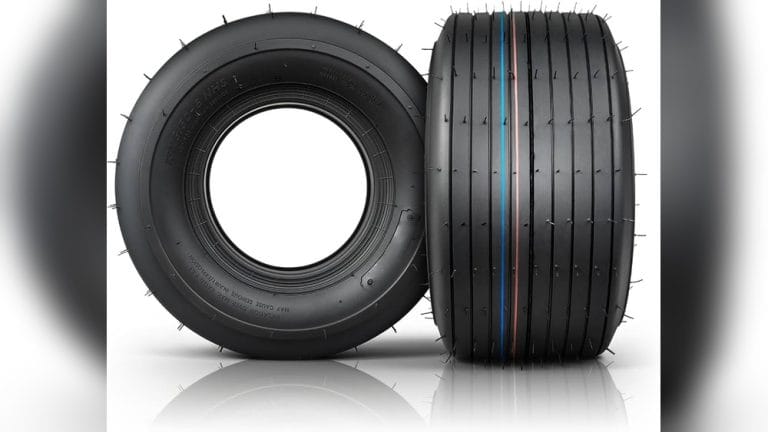
Credit: www.showagroup.com
The Anatomy Of A Tire Size Code
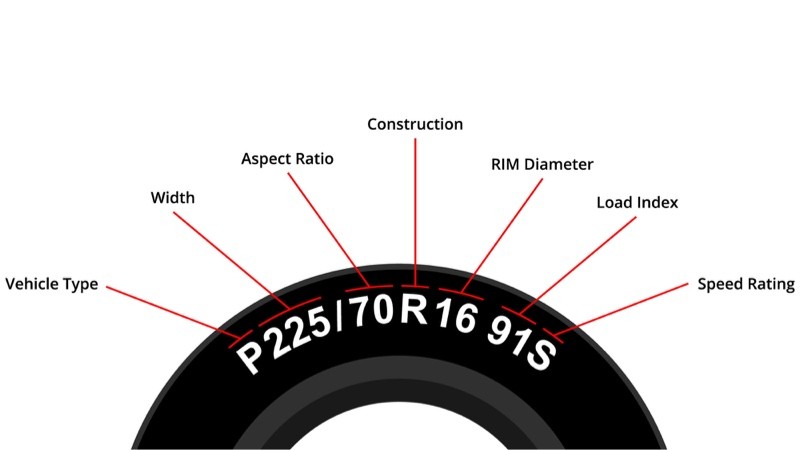
Tire size codes appear complex, but each part serves a purpose. Let’s break down a typical passenger car tire size: 205/55R16 91V.
Understanding Each Component
- 205: Tire width in millimeters.
- 55: Aspect ratio (sidewall height as a percentage of width).
- R: Radial construction (the most common type).
- 16: Wheel (rim) diameter in inches.
- 91: Load index (how much weight the tire can carry).
- V: Speed rating (maximum safe speed).
Each element is crucial to ensuring the tire will fit your wheel, support your vehicle’s weight, and perform safely at the speeds you drive. For example, choosing a tire with the wrong load index could mean your tires are overloaded, increasing the risk of a blowout.
Similarly, a mismatched speed rating could lead to overheating and tire failure at highway speeds.
Decoding Tire Sidewall Markings
To fully understand what each marking means, let’s look at a visual breakdown:
| Marking | Meaning | Example Value |
|---|---|---|
| Section Width | Width of tire (mm) | 205 |
| Aspect Ratio | Sidewall height as % of width | 55 |
| Construction | Radial (R) or Bias-ply (B, D) | R |
| Rim Diameter | Wheel diameter (inches) | 16 |
| Load Index | Max load (numeric code) | 91 |
| Speed Rating | Max speed (letter code) | V |
Example: What Does 205/55r16 91v Mean?
- 205 mm wide
- 55% aspect ratio (sidewall height = 55% of 205mm)
- Radial construction
- Fits a 16-inch rim
- Load index 91 (can carry up to 615 kg per tire)
- Speed rating V (up to 149 mph/240 km/h)
This code is more than just information—it’s a safety feature. The correct size ensures your brakes, suspension, and traction control systems work as designed. Modern vehicles are engineered with precise tolerances; even small changes in tire size can affect electronic systems, ABS, or even fuel efficiency.
Additional Markings And What They Mean
- M+S: Mud and Snow—indicates all-season capability.
- XL: Extra Load—reinforced for higher load capacity.
- DOT: Compliance with U.S. Department of Transportation standards.
- TWI: Tread Wear Indicator location.
Other sidewall codes include manufacturing date (e. g. , “2922” = 29th week of 2026), temperature and traction grades, and sometimes a directional arrow showing the correct rotation. These all provide valuable information about a tire’s intended use, legal compliance, and lifespan.
Understanding these codes ensures you select tires that meet your vehicle’s specifications and legal requirements. For a comprehensive list of tire codes and meanings, refer to the National Highway Traffic Safety Administration.
Credit: www.bridgestoneamericas.com
Tire Size Standards And Global Systems
Tire sizing isn’t arbitrary—global standards ensure consistency, safety, and compatibility.
The Main Tire Sizing Systems
- Metric System (P-Metric and Euro-Metric)
- Used worldwide for passenger cars, SUVs, and light trucks.
- Example: 225/60R17.
- P-Metric (U.S.) sizes may have slightly different load ratings than Euro-Metric, but are otherwise dimensionally similar.
- Flotation Sizing
- Common for light trucks, SUVs, off-road, and specialty tires.
- Example: 31×10.50R15LT (31 inches tall, 10.5 inches wide, fits 15-inch rim).
- “LT” at the end signifies Light Truck construction.
- Alpha-Numeric and Numeric Sizing
- Older systems, now rare on modern vehicles.
- Example: G78-15 (G = width, 78 = aspect ratio, 15 = rim diameter).
- Still found on some classic and vintage cars.
Understanding which system your vehicle uses is essential when shopping for tires—especially if you own an imported, classic, or specialty vehicle.
Standardization Organizations
- Tire and Rim Association (TRA): Sets U.S. standards for tire and rim dimensions.
- European Tyre and Rim Technical Organisation (ETRTO): Governs European standards.
- Japan Automobile Tire Manufacturers Association (JATMA): Oversees Japanese standards.
These organizations also coordinate with ISO (International Organization for Standardization) to ensure that tires and wheels are interchangeable worldwide, facilitating international travel and trade. For example, if you drive from the U. S. to Canada or Europe, you can find replacement tires that match your vehicle’s requirements.
Comparing P-metric And Flotation Sizing
| Feature | P-Metric Example (225/65R17) | Flotation Example (31×10.50R15LT) |
|---|---|---|
| Width Unit | Millimeters | Inches |
| Aspect Ratio | As % of width | Not specified |
| Diameter Unit | Inches (rim) | Inches (overall tire height) |
| Vehicle Type | Passenger, SUV, CUV | Truck, SUV, Off-road |
Real-world Example: Switching Sizing Systems
A Jeep Wrangler owner may choose between:
- P-Metric tire: 265/70R17 (265mm wide, 70% aspect ratio, 17-inch rim)
- Flotation tire: 32×11.50R15 (32-inch tall, 11.5-inch wide, 15-inch rim)
The flotation tire is taller and wider, which affects ground clearance and speedometer readings. This can be beneficial for off-road use, but it may also require recalibration of the vehicle’s electronic systems or speedometer.
Why Standardization Matters
- Interchangeability: Ensures tires fit various makes and models.
- Safety: Consistent sizing prevents mismatches.
- Global compatibility: Facilitates international trade and travel.
- Consumer confidence: Provides reliability and trust, knowing a 205/55R16 tire from one brand fits the same as another.
For more technical details, see the Wikipedia Tire Code page.
How Tire Size Affects Performance, Safety, And Efficiency
Choosing the right tire size is about more than matching the numbers—it impacts your car’s handling, comfort, and even your wallet.
Impact On Handling And Ride Quality
- Wider tires offer more grip and stability but may cause heavier steering and road noise.
- Narrower tires provide less rolling resistance, improving fuel economy, but offer less cornering grip.
- Lower aspect ratio (shorter sidewall) means sharper handling, but a stiffer, less comfortable ride.
For example, performance sedans often come with low-profile tires to maximize cornering ability, while family sedans might use higher profile tires for a smoother, quieter ride.
Speedometer And Odometer Accuracy
Tire diameter directly affects your speedometer and odometer readings:
- Larger diameter tires make your speedometer read slower than your actual speed.
- Smaller diameter tires make your speedometer read faster.
If your tire diameter changes by 5%, your speedometer will be off by the same amount. This can result in unintentional speeding or underestimating mileage for maintenance intervals.
Fuel Efficiency
- Larger, heavier tires can decrease fuel economy due to increased rolling resistance.
- Properly sized tires maximize efficiency by matching the manufacturer’s specs.
- Under-inflated tires or using off-road/aggressive tread tires on highways can also reduce fuel efficiency.
Manufacturers select tire sizes for a balance of handling, comfort, and mileage. Deviating from these specs can have a measurable impact on real-world fuel costs.
Load Capacity And Towing
Choosing a tire with the correct load index is crucial for safety, especially for trucks and SUVs:
- Overloaded tires risk blowouts and rapid wear.
- Consult your vehicle’s door jamb sticker or manual for required load ratings.
- If you tow heavy loads, consider Light Truck (LT) tires with higher load capacities.
Safety Risks Of Incorrect Sizing
- Under-sized tires: Reduced ground clearance, poor handling, higher risk of rim damage.
- Over-sized tires: Can rub against wheel wells, trigger ABS/traction control errors, and stress suspension components.
- Incorrect load or speed rating: Can void insurance or warranties and increase the risk of accidents.
Case Study: The Wrong Tire Size Dilemma
A 2019 Honda Accord owner installs 225/60R16 tires instead of the recommended 225/50R17:
- Result: Speedometer reads 4% slower, handling is less responsive, and the tire rubs against the suspension at full steering lock.
- Lesson: Always stick to manufacturer-recommended sizes or consult a tire professional before changing.
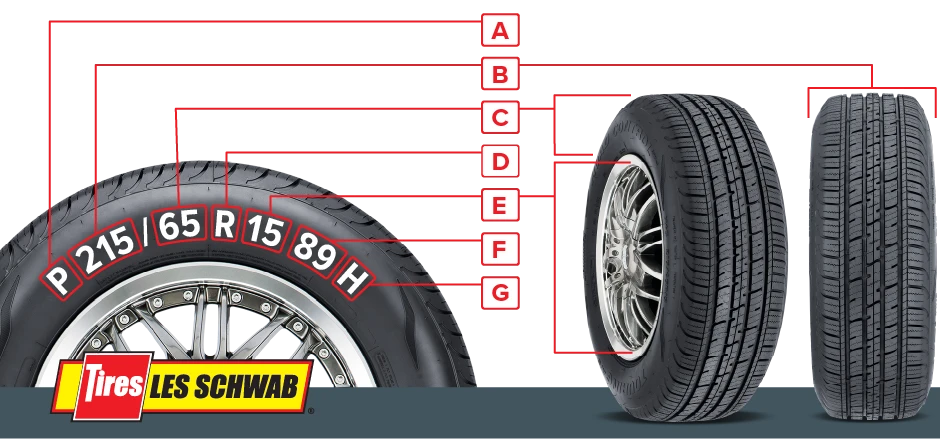
Data Table: Tire Size Impact On Speedometer
| Original Size | New Size | Diameter Difference | Speedometer Error |
|---|---|---|---|
| 205/55R16 | 215/60R16 | +3.1% | Reads 3.1% slower |
| 225/50R17 | 225/45R17 | -3.5% | Reads 3.5% faster |
For more on safety and performance, visit the NHTSA Tire Safety page.
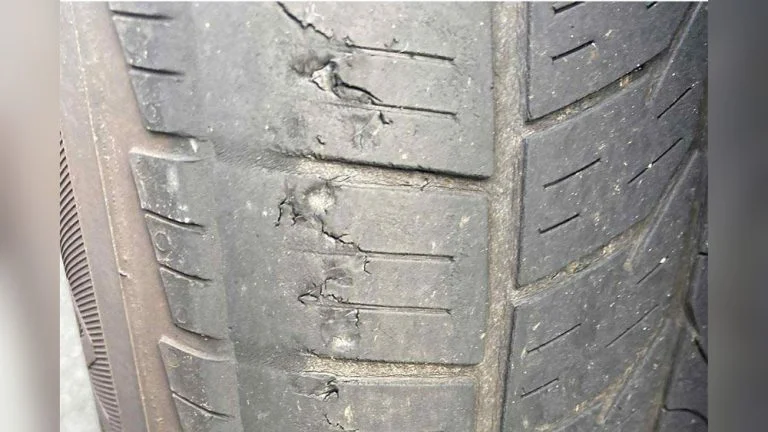
Credit: www.lesschwab.com
How To Read And Choose The Right Tire Size
Picking the correct tire size involves more than copying what’s on your current tires. Here’s a step-by-step guide.
Step 1: Find Your Recommended Tire Size
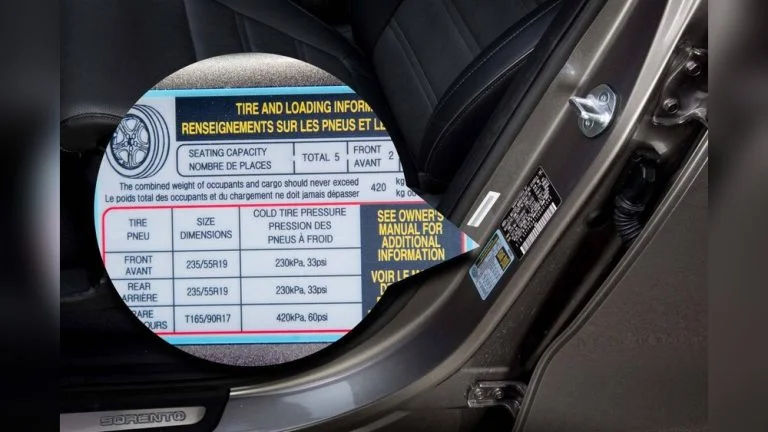
- Check your owner’s manual.
- Look for the sticker on the driver’s door jamb.
- Consult the manufacturer’s website or use a fitment tool.
This information is your baseline. Manufacturers determine tire size based on extensive testing for safety, performance, and efficiency. If your car has aftermarket wheels, double-check fitment and clearances.
Step 2: Understand Your Driving Needs
- Commuting: Prioritize comfort and fuel economy.
- Performance driving: Look for lower aspect ratios and higher speed ratings.
- Off-roading: Opt for larger, wider tires with aggressive tread.
- Towing/Hauling: Higher load index is essential.
Your driving environment also plays a role—urban, rural, highway, or mixed. Each scenario might benefit from different tire characteristics, such as noise reduction, puncture resistance, or winter performance.
Step 3: Consider Plus Sizing Or Minus Sizing
- Plus sizing: Increasing rim diameter while reducing sidewall height to maintain overall diameter. Common for performance upgrades.
- Minus sizing: Decreasing rim size, increasing sidewall for rough terrain or winter tires. This can improve ride comfort and traction in snow.
Tip: Keep the overall diameter within ±3% of OEM to avoid mechanical and speedometer issues. Going beyond this range may require recalibration of your speedometer or electronic stability systems.
Step 4: Check Load Index And Speed Rating
- Never choose a lower load index or speed rating than recommended.
- Upgrading is possible for performance, but consult an expert.
- Consider your local climate and typical driving speeds when selecting the speed rating.
Step 5: Double-check Before Purchase
- Confirm fitment with your tire retailer.
- Ask about warranty and return policies.
- If buying wheels and tires together, confirm bolt pattern, offset, and center bore compatibility.
Real-world Example: Plus Sizing For Performance
A driver upgrades from 205/55R16 to 225/45R17:
- Wider footprint improves cornering.
- Shorter sidewall sharpens response.
- Overall diameter remains close (within 2%).
This is a common upgrade for sportier handling without affecting speedometer accuracy. However, the driver should expect a slightly firmer ride and potentially more road noise.
Tools For Tire Size Comparison
Use online calculators or charts to compare tire sizes and their effects. For a reputable tool, try the Tire Rack Tire Size Calculator. These tools help visualize changes in diameter, speedometer error, and fitment concerns before making a purchase.
Specialty Tire Sizes: Trucks, Suvs, Off-road, And More
Not all vehicles use standard passenger tire sizing. Trucks, SUVs, off-road, and specialty vehicles often require different approaches.
Light Truck (lt) Tire Sizes
- LT245/75R16: Indicates a Light Truck tire, designed for higher loads and tougher conditions.
- Usually have higher load indexes and reinforced construction.
- LT tires are often required for vehicles carrying heavy loads, trailers, or operating in severe conditions.
Flotation Tires For Off-road Use
- 35×12.50R17LT: 35 inches tall, 12.5 inches wide, fits a 17-inch rim.
- Popular for lifted trucks and off-road vehicles.
- Flotation tires provide a larger footprint for sand, mud, and snow, reducing the risk of getting stuck.
All-terrain And Mud-terrain Tires
- Aggressive tread patterns and sidewall protection.
- May require aftermarket wheels or suspension modifications.
- All-terrain tires balance on-road manners with off-road capability, while mud-terrain tires prioritize off-road grip at the expense of on-road comfort and noise.
Winter And Snow Tire Sizes
- Sometimes recommended to downsize rim diameter and use a narrower tire for better snow traction.
- Always maintain or exceed the load index.
- Narrower tires cut through snow more effectively and increase ground pressure for better grip.
Case Study: Off-road Tire Upgrade
A Ford F-150 owner switches from P265/70R17 to LT285/70R17 all-terrain tires:
- Benefits: Improved ground clearance, off-road traction.
- Challenges: Slightly heavier steering, small speedometer deviation.
- Additional Considerations: Increased tire weight may affect braking distance and fuel economy.
Specialty Vehicles: Trailers, Classic Cars, And More
- Trailer tires (ST): Special Trailer tires marked as ST205/75R15. These are designed with stiffer sidewalls for towing stability.
- Classic cars: May use vintage numeric or alphanumeric sizing. Owners may need to consult specialty suppliers for correct fitment.
- Commercial vehicles: Often use unique sizing and load ratings. Always refer to manufacturer or fleet guidelines.
For a detailed explanation of specialty tires, see the Goodyear Types of Tires page.
Changing Tire Size: Pros, Cons, And What To Watch For
Altering your tire size—whether for style, performance, or necessity—has significant implications. Here’s what you need to know.
Pros Of Changing Tire Size
- Improved aesthetics: Larger wheels can enhance your car’s look.
- Better performance: Wider/lower profile tires improve grip and handling.
- Specialized capability: Off-road or winter tires for specific conditions.
- Personalization: Allows you to tailor your vehicle’s characteristics to your preferences or needs.
Cons And Risks
- Speedometer/odometer inaccuracy: Alters distance and speed readings.
- Potential for rubbing: Larger tires can hit fenders or suspension parts.
- Altered ride quality: Stiffer, harsher ride with low-profile tires.
- Impact on safety systems: ABS, traction, and stability control may malfunction.
- Warranty and insurance issues: Non-OEM sizes may void warranties or affect insurance claims.
Guidelines For Safe Sizing Changes
- Stay within 3% of original tire diameter.
- Match load index and speed rating or exceed them.
- Consult professionals for modifications beyond stock size.
- Test fit before buying: Some retailers offer trial fitting to check for clearance issues.
Data Table: Pros And Cons Of Common Tire Size Changes
| Change | Advantages | Potential Drawbacks |
|---|---|---|
| Plus Sizing | Better handling, sporty look | Harsher ride, risk of rim damage |
| Downsizing | Improved comfort, snow traction | Less precise handling, looks less aggressive |
| Wider Tires | More grip, improved cornering | Hydroplaning risk, increased fuel use |
Case Study: Winter Tire Downsizing
A Subaru Outback owner switches from 225/60R18 (OEM all-season) to 215/70R16 (winter tires):
- Result: Narrower tires cut through snow better, 16-inch wheels allow for taller sidewalls and smoother ride.
- Caveat: Wheel and tire combo matches OEM diameter for accurate speedometer.
- Additional Benefit: The smaller wheels are often less expensive and provide more sidewall flex, absorbing impacts from potholes and rough winter roads.
Professional Advice Matters
Consult with tire experts or certified mechanics before making significant changes. Many tire shops offer complimentary consultations and can simulate fitment or show you expected changes in handling and ride quality. For more guidance, check the Consumer Reports Tire Buying Guide.
Real-world Examples And Case Studies
Learning from real-world scenarios helps clarify the impact of tire size choices.
Example 1: Commuter Car Tire Replacement
- Vehicle: 2017 Toyota Camry
- OEM size: 215/55R17
- Replacement: 225/50R17 (slightly wider, lower profile)
- Outcome: Improved grip and sharper steering, but slightly firmer ride. Speedometer off by less than 2%, within safe limits.
- Additional Insight: The change allowed for a wider selection of performance tires, but the owner noticed more road feedback over rough pavement.
Example 2: Truck Upsizing For Towing
- Vehicle: 2018 Chevrolet Silverado 1500
- OEM size: P265/65R18
- Upgrade: LT275/70R18 (taller, higher load index)
- Outcome: Handles trailer weight better, maintains stability. Slight increase in fuel consumption due to larger tires.
- Further Details: The owner also upgraded to heavy-duty shocks to compensate for increased unsprung weight.
Example 3: Performance Sedan Plus Sizing
- Vehicle: 2020 BMW 3 Series
- OEM size: 225/45R18
- Upgrade: 245/40R19 (plus one sizing)
- Outcome: Enhanced cornering at the expense of ride comfort. No fitment issues as the overall diameter remains within 1.5% of OEM.
- Long-Term Note: The owner noticed increased tire replacement costs and more road noise, but prioritized handling improvements.
These examples show that careful planning and understanding of tire sizing ensures the desired outcome, whether it’s more comfort, performance, or capability.
Frequently Asked Questions
What Happens If I Use The Wrong Tire Size On My Car?
Using the wrong tire size can negatively impact your vehicle’s safety, handling, speedometer accuracy, and even void your warranty. Tires that are too large or too small may rub against suspension components, trigger warning lights, or cause premature wear on transmission and brakes. Always match your tire size to the manufacturer’s recommendations or seek expert guidance. In some cases, your insurance may not cover accident claims if tires are improperly sized.
Can I Change My Tire Size For Better Performance Or Looks?
Yes, you can plus size or minus size your tires to alter performance or aesthetics, but it’s crucial to stay within recommended limits. Changing tire size affects handling, ride quality, and the accuracy of your vehicle’s systems. Keep overall diameter within 3% of the original and ensure proper load index and speed rating. Always check for sufficient wheel well clearance and re-torque lug nuts after installation.
How Do I Know The Correct Tire Size For My Car?
The correct tire size is found in your owner’s manual, on the sticker inside the driver’s door jamb, or by consulting the manufacturer’s website. If you’re unsure, ask a tire professional or use an online fitment guide. Never rely solely on the tires currently installed, as they may not be the original or proper size. If you buy a used car, always verify the tire size matches OEM recommendations.
What Do The Numbers And Letters Mean On My Tire?
The numbers and letters on your tire indicate its width, aspect ratio, construction type, rim diameter, load index, and speed rating. For example, 225/60R16 98H means the tire is 225mm wide, has a 60% aspect ratio, radial construction, fits a 16-inch rim, has a load index of 98, and a speed rating of H. Other markings may include date of manufacture, treadwear grade, and rotation direction.
Is It Safe To Use A Different Tire Size Than Oem?
It can be safe to use a different tire size if you follow guidelines: keep the overall diameter within 3% of OEM, match or exceed load index and speed rating, and ensure there’s no rubbing or interference. Major size changes should be discussed with a tire expert to avoid negative impacts on safety and vehicle systems.
A deeper understanding of tire sizes empowers you to make confident, informed decisions about your car’s safety and performance. Whether you’re replacing, upgrading, or exploring specialty tires, the knowledge you’ve gained here will help you choose wisely and avoid costly mistakes. For further reading and the latest industry standards, consult sources like the SaferCar Tire Information Center. Safe travels and smart tire shopping!
Products related to this article
Sponsored / affiliate links. As an Amazon Associate I earn from qualifying purchases. I may earn additional commission from eligible campaigns.