What Happens When a Car Tire Goes Flat? Full Breakdown
A flat tire can turn an ordinary drive into a stressful experience. Whether you’re navigating a busy highway, pulling out of your driveway, or simply returning to your parked car, the shock of a deflated tire demands immediate attention. But what truly happens—mechanically, physically, and practically—when a car tire goes flat?
Understanding the sequence of events, the risks involved, and the essential steps to address a flat tire is crucial for every driver’s safety and confidence on the road.
This comprehensive guide offers a full breakdown of what occurs when a car tire goes flat. You’ll learn the underlying causes, the science behind tire failure, the real-world impacts on your vehicle and driving, and actionable steps for managing the situation.
Packed with data, practical tips, and expert-backed advice, this article empowers drivers to handle flat tires with clarity and composure.
Key Takeaways
- Flat tires result from punctures, sidewall damage, valve failures, or slow leaks, each with distinct warning signs.
- Driving on a flat tire risks rim damage, loss of control, and expensive repairs.
- Immediate, safe response and proper tools can prevent further vehicle damage and ensure personal safety.
- Routine tire maintenance and proper inflation dramatically reduce the risk of flats.
- Knowing how to handle a flat—whether DIY or calling for help—minimizes downtime and danger.
- Specific case studies highlight real-world consequences and best practices for drivers.

Credit: www.dreamstime.com
What Happens Mechanically When A Tire Goes Flat?
When a tire loses air pressure, a chain of mechanical and physical events unfolds, impacting both the tire and the entire vehicle. Understanding these processes is key to appreciating the urgency of handling a flat tire swiftly.
Loss Of Air Pressure And Tire Structure
A car tire is engineered to withstand high internal pressure—typically between 30-35 psi for passenger vehicles. When a puncture or other failure occurs, air rapidly or slowly escapes, causing:
- Collapse of the tire’s shape, as the internal pressure no longer supports the car’s weight.
- The sidewalls begin to flex and bulge, risking structural damage.
- The bead (the part of the tire that seals against the rim) may lose its grip, allowing the tire to partially or fully separate from the wheel.
The loss of pressure fundamentally alters the tire’s ability to maintain its designed profile. As the tire collapses, it loses the ability to evenly distribute the load across the tread, and the sidewalls bear more weight than they were engineered for.
This can result in visible deformation and, in severe cases, the bead separating from the rim, which compromises the wheel’s seal and can lead to further air loss.
Impact On Vehicle Handling
A flat tire immediately alters how a car behaves:
- Increased rolling resistance makes steering sluggish and unpredictable.
- The car may pull to one side, especially if the flat is on a front tire.
- Braking distances increase, and anti-lock braking systems may not function as intended.
With a flat tire, the contact patch—the area of the tire touching the ground—changes shape and size. This affects the car’s ability to grip the road. Drivers may experience delayed response times when turning the steering wheel, and the car might “wander” or feel loose, especially during lane changes or when making turns at intersections.
The increased rolling resistance can also place additional strain on the engine, potentially causing it to work harder and consume more fuel.
Damage To Wheel And Suspension
Continuing to drive—even a short distance—on a flat tire can cause:
- Rim damage: The exposed metal rim contacts the road, bending or cracking under the car’s weight.
- Suspension stress: The unbalanced load can misalign or damage suspension components.
- Tire shredding: Heat and friction rapidly destroy the remaining rubber, making the tire unrecoverable.
The suspension system is designed to absorb shocks and keep the tires in contact with the road. A flat tire disrupts this balance, forcing the suspension to compensate for the uneven load. Over time, this can accelerate wear on shocks, struts, and control arms.
The friction created by the rim scraping the pavement leads to heat buildup, which quickly destroys the tire carcass and renders it unfit for repair.
Real-world Example: Sudden Flat On The Highway
A commuter on Interstate 95 experiences a sudden tire blowout at 65 mph. The car veers sharply, and the driver struggles to maintain control. Quick action—firm grip on the wheel, gradual deceleration, and a safe lane change—prevents a collision. Inspection reveals a shredded tire and a bent rim, demonstrating how rapidly damage can escalate if a flat is not addressed immediately.
This scenario underscores that even with swift, correct response, the physical consequences of a flat tire can be severe. The force of a blowout at highway speeds puts immense stress on both the tire and rim, often requiring full replacement.
Such events highlight the importance of regular tire inspection and maintenance to prevent catastrophic failures.

Credit: www.firestonecompleteautocare.com
Common Causes Of Flat Tires
Understanding the root causes of flat tires can help drivers take preventive measures and recognize warning signs before disaster strikes.
Punctures And Road Debris
The leading cause of flats is puncture damage from sharp objects such as:
- Nails, screws, or broken glass
- Potholes containing jagged debris
- Metal fragments or construction materials
A tire can lose air instantly or slowly, depending on the puncture’s size and location.
Punctures most often occur on the tread area, where the tire meets the road. While a small nail may lead to a slow leak, larger objects or sharp debris can cause rapid deflation, increasing the risk of a blowout. In urban areas, construction zones and poorly maintained roads heighten the risk of encountering such hazards.
Drivers should regularly scan the road ahead for potential debris, particularly after storms or in areas undergoing maintenance.
Valve Stem Failures
The valve stem allows you to inflate and deflate the tire. Over time, it can:
- Crack or become brittle due to age or weather exposure
- Loosen, causing a slow leak
- Be damaged during curb impacts or improper maintenance
Valve stems are often overlooked during routine tire checks, but their integrity is critical. Exposure to extreme temperatures or road salts can accelerate deterioration. A faulty valve stem may produce a subtle hissing sound and can be detected by applying soapy water to the area—bubbles indicate a leak.
Routine replacement of valve stems during tire changes is a best practice.
Sidewall Damage
Unlike the tread, the sidewall is more vulnerable to cuts and tears. Sidewall damage can result from:
- Curb strikes
- Hitting potholes at high speed
- Overloading the vehicle
Once compromised, the tire’s structural integrity is lost, and repair is rarely possible.
Sidewall damage is particularly hazardous because it can appear as a bulge or blister, indicating internal separation. Such injuries can lead to sudden blowouts, especially at higher speeds. Overloading your vehicle puts extra strain on the sidewalls, increasing the likelihood of failure.
Drivers should avoid abrupt maneuvers that risk striking curbs and should inspect sidewalls for irregularities during regular maintenance.
Bead Leaks And Improper Seal
The bead must form a tight seal with the rim. Common causes of bead leaks include:
- Corrosion or dirt on the rim
- Incorrect installation
- Driving with low pressure, allowing the bead to unseat
Bead leaks often manifest as slow, persistent pressure loss. Corrosion is common in regions with heavy use of road salts, which can build up on the rim and prevent a proper seal. Proper cleaning and inspection during tire mounting is essential to minimize bead leaks.
If you notice frequent pressure drops, consult a professional to inspect the rim and bead area for damage or contamination.
Slow Leaks And Aging
Tires naturally lose air over time—typically 1-2 psi per month—but faster loss indicates a problem. Aging tires may develop cracks or separation, increasing the risk of a flat.
As tires age, the rubber compounds degrade, becoming less flexible and more prone to cracking. UV exposure, extreme temperatures, and ozone contribute to this process. Even tires with ample tread depth can fail due to age-related deterioration, so checking the manufacturing date (found on the tire sidewall) and replacing tires older than six years is recommended.
Data Table: Top Causes Of Flat Tires
| Cause | Percentage of Flats (%) | Typical Warning Signs |
|---|---|---|
| Punctures (Nails, Glass, Debris) | 47 | Rapid deflation, visible object in tire |
| Valve Stem Failures | 20 | Slow leak, hissing sound near valve |
| Sidewall Damage | 15 | Bulges, cuts, air escaping from side |
| Bead Leaks | 10 | Pressure loss after rim impact |
| Tire Aging/Cracking | 8 | Cracks in rubber, consistent pressure loss |
*Data Source: NHTSA Tire Safety*
Immediate Effects Of A Flat Tire On Driving
The instant a tire goes flat, the driving experience changes dramatically. Recognizing these effects can help drivers respond appropriately and safely.
Handling And Control
A flat tire significantly impairs steering control:
- Pulling to one side: The car veers toward the flat, especially if a front tire is affected.
- Steering wheel vibration: Noticeable wobble or shaking.
- Reduced response: Turning and braking become less predictable.
When the tire loses pressure, the tread no longer evenly grips the road, which can lead to oversteer or understeer. If the flat occurs suddenly, the car may jerk violently in the direction of the affected tire, requiring immediate steering correction.
For rear tires, the risk of fishtailing increases, making it difficult to maintain lane discipline, especially at higher speeds.
Braking Performance
A flat tire increases stopping distances:
- The car’s weight shifts unevenly, reducing grip on the affected wheel.
- Emergency braking can cause the car to skid or spin, particularly in wet conditions.
The tire’s ability to transmit braking forces is greatly diminished during a flat. Anti-lock braking systems (ABS) may activate prematurely or ineffectively, and the vehicle may require significantly more distance to stop. Wet or icy roads exacerbate the problem, as the compromised tire cannot channel water or maintain traction, increasing the risk of hydroplaning.
Ride Comfort And Noise
Drivers and passengers often notice:
- Thumping or flapping sounds as the tire contacts the road.
- Harsh vibrations felt through the seat and floor.
- An overall rougher ride due to lack of cushioning.
The physical discomfort from a flat tire is noticeable almost immediately. The rhythmic thumping is caused by the flat spot where the tire collapses under the car’s weight, and vibrations can make it difficult to concentrate or maintain control. Long-term exposure to such vibrations can also contribute to fatigue and distraction, further increasing accident risk.
Real-world Example: Urban Flat During Rush Hour
A city driver encounters a slow leak on a congested street. The vehicle feels sluggish, and the steering wheel vibrates. Pulling over reveals a nail embedded in the tire. Because the flat was detected quickly, the driver avoids rim damage and safely switches to a spare, illustrating the importance of early detection.
The timely intervention in this scenario prevented additional damage and minimized traffic disruption. In dense urban environments, quick response is vital to avoid blocking lanes and creating hazards for other drivers and pedestrians.
Safety Risks
Driving on a flat tire endangers:
- The driver, due to loss of control
- Other road users, if the car becomes unpredictable
- The vehicle itself, as continued driving can damage rims, brakes, and suspension
A flat tire increases the risk of accidents and can leave you stranded in unsafe locations. In addition, shredded tires can scatter debris onto the roadway, posing hazards for others.
Credit: www.etsy.com
How To Respond Safely To A Flat Tire
The right response to a flat tire can mean the difference between a safe outcome and a costly, dangerous situation.
Immediate Steps While Driving
If a flat occurs while the car is moving:
- Stay calm: Avoid sudden movements.
- Grip the steering wheel firmly: Maintain control.
- Gradually slow down: Remove your foot from the accelerator; do not brake hard.
- Signal and steer to a safe location: Pull off the road, away from traffic if possible.
- Turn on hazard lights: Alert other drivers to your situation.
It is crucial to avoid abrupt braking, which can cause loss of control, especially if the flat is on a front tire. If you’re on the highway, aim for the right shoulder and look for a wide, flat area. In urban settings, seek a parking lot or side street rather than stopping in traffic.
Assessing The Tire And Vehicle
Once stopped:
- Inspect the flat tire for visible damage (punctures, sidewall tears, object protrusion).
- Check the rim and surrounding area for any signs of impact or additional damage.
- If on a busy road, stay inside the vehicle with seatbelt fastened until it is safe to exit.
When evaluating the tire, look for signs of catastrophic failure such as shredded rubber, exposed cords, or bent rim. If the tire is simply flat but appears intact, you may be able to repair or replace it with a spare.
If the rim is damaged, avoid driving further as this can lead to more severe mechanical issues.
Changing The Tire Or Calling For Help
Depending on your comfort and the situation:
- Use the spare tire and jack if you are trained and it is safe to do so.
- Contact roadside assistance or a tow service if conditions are unsafe or you lack the necessary tools.
- Never attempt a tire change on the highway shoulder if traffic is heavy—relocate to a safer area if possible.
If you are unsure about your ability to safely change the tire, it’s better to wait for professional help. Many insurance policies include roadside assistance, which can provide support for tire changes or towing.
Essential Tools For Emergency Flats
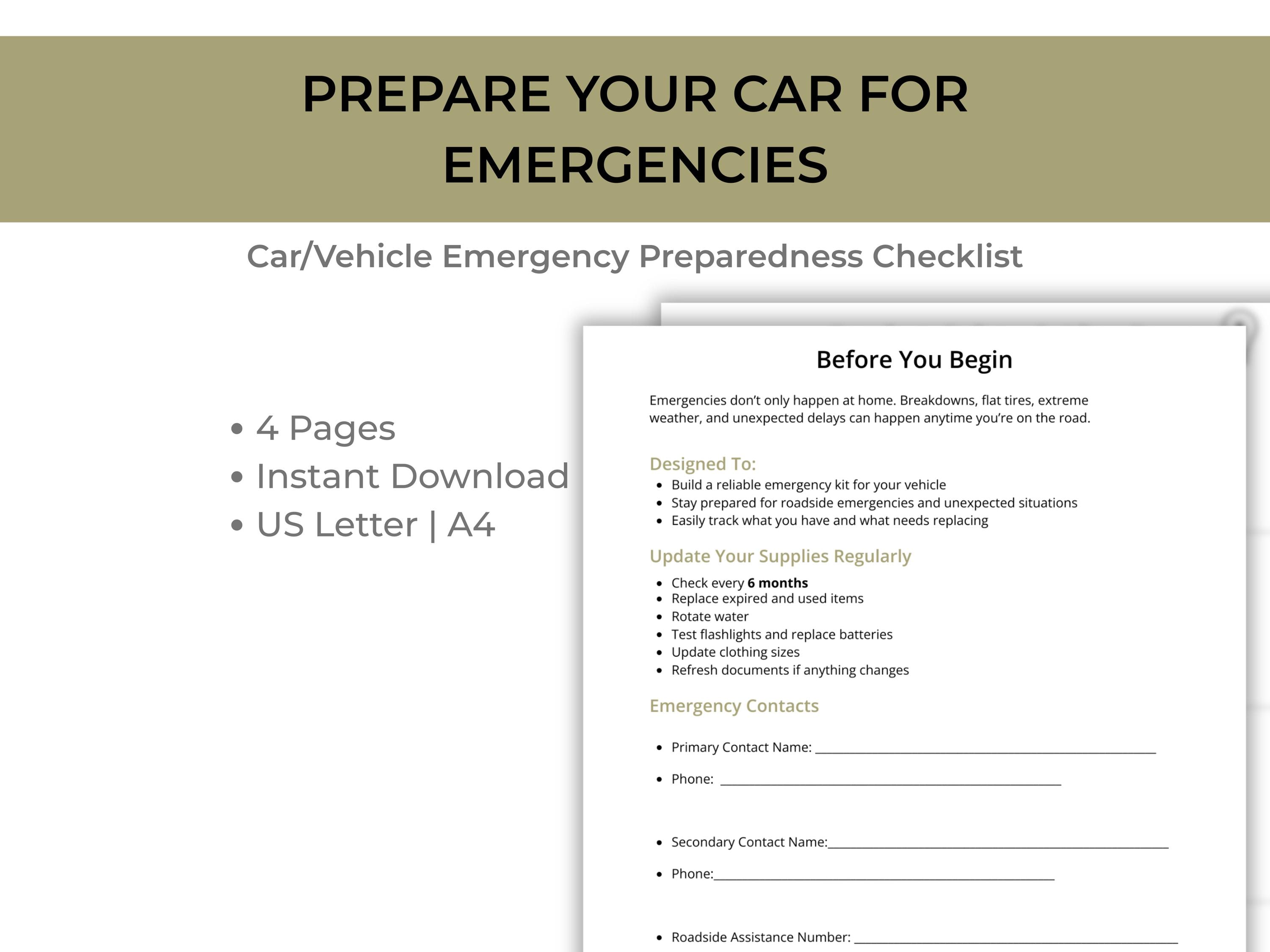
Every driver should carry:
- Spare tire (full-size or compact)
- Jack and lug wrench
- Tire pressure gauge
- Reflective triangles or flares
- Gloves and flashlight
Additional helpful items include a portable air compressor, tire sealant, and a kneeling pad or mat. These tools ensure you can handle a flat safely, even at night or in adverse weather.
Case Study: Rural Flat Without Cell Service
A driver experiences a flat on a country road with no cell signal. Equipped with a spare, jack, and basic tools, the driver safely replaces the tire and continues the journey. This underscores the importance of preparation and self-sufficiency in remote areas.
Preparation is especially critical when traveling long distances or through isolated regions. Having a well-stocked emergency kit can mean the difference between a brief inconvenience and a prolonged ordeal.
Long-term Consequences Of Driving On A Flat Tire
Ignoring a flat tire or attempting to “limp” to a destination can have severe repercussions for both your vehicle and your wallet.
Rim And Wheel Damage
Driving even a short distance on a flat can:
- Bend or crack the rim, necessitating expensive repairs or replacement.
- Damage the wheel hub and brake components, leading to safety risks.
Rims are designed to support tires, not to bear direct contact with the road surface. Even short distances driven on a flat can cause permanent deformation, which often requires full replacement rather than repair. Damaged hubs and brakes can compromise vehicle safety and may lead to secondary failures.
Tire Irreparability
A flat tire driven on for too long can:
- Shred or delaminate, making professional repair impossible.
- Void manufacturer warranties due to misuse.
Manufacturers typically decline warranty coverage for tires that have been driven on while flat, considering it a form of neglect. Internal damage may not always be visible, so even tires that appear intact after being driven flat should be inspected by professionals.
Suspension And Alignment Issues
The added stress of an unbalanced load can:
- Misalign the suspension, causing uneven tire wear after repairs.
- Lead to premature wear of shocks, struts, and bushings.
Alignment issues cause the vehicle to pull to one side, reducing fuel efficiency and increasing tire wear. Suspension components are expensive to replace, and misalignment can also affect vehicle handling, increasing risk of future accidents.
Insurance Implications
Some auto insurance policies may not cover damage resulting from continued driving on a flat, considering it negligence. Always check policy details with your provider or review resources from the Insurance Information Institute.
Insurance companies expect drivers to exercise reasonable care; ignoring a flat tire may result in denied claims for related damages. Understanding your coverage and maintaining proper tire care can help avoid such disputes.
Cost Comparison Table: Flat Tire Damage Vs. Immediate Repair
| Scenario | Average Cost (USD) | Details |
|---|---|---|
| Immediate Flat Repair (Plug/Patch) | $15-$30 | Puncture repair at tire shop |
| New Tire Replacement | $100-$250 | Depends on brand/size |
| Rim Repair/Replacement | $75-$400 | Aluminum or alloy rims cost more |
| Suspension/Alignment Repair | $150-$500 | May require full alignment, parts replacement |
*Data Source: Consumer Reports*
Prevention: Reducing Your Risk Of A Flat Tire
While some flats are unavoidable, many can be prevented with smart habits and regular maintenance.
Regular Tire Inspections
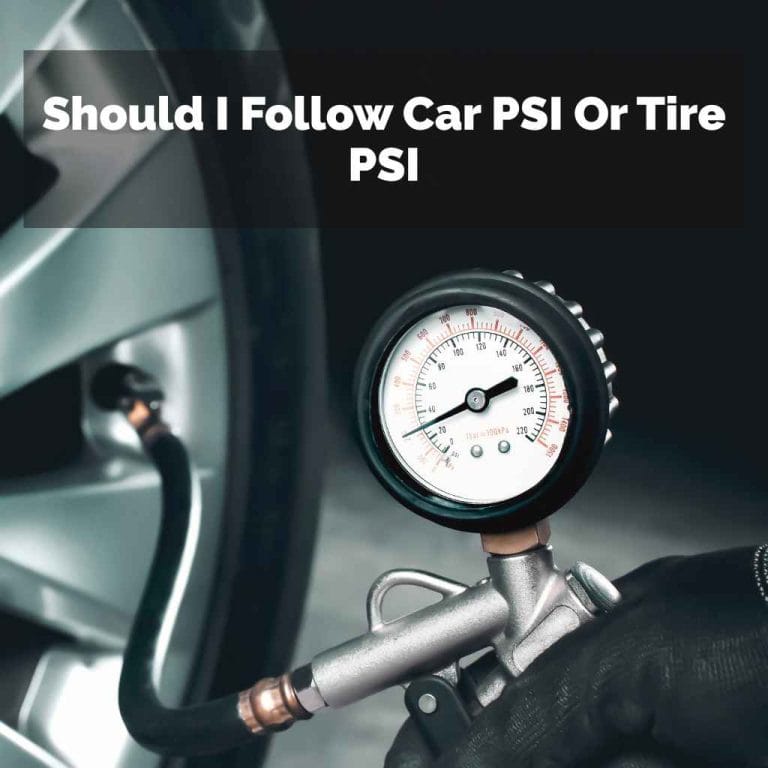
- Check tire pressure monthly: Use a reliable gauge, and adjust to manufacturer specs.
- Inspect treads and sidewalls: Look for embedded objects, cracks, or bulges.
- Rotate tires every 5,000–7,500 miles to ensure even wear.
Routine inspections can catch slow leaks, punctures, or developing cracks before they become hazardous. Checking the tread depth is also important; shallow treads are more susceptible to punctures and hydroplaning.
Proper Inflation
- Underinflated tires are more prone to overheating and blowouts.
- Overinflated tires are at greater risk from sharp impacts.
- Always follow the manufacturer’s recommended pressure, found on the driver’s door sticker or owner’s manual.
Regular inflation checks should include the spare tire, which is often overlooked but essential in emergencies. Temperature changes can affect tire pressure, so seasonal adjustments are necessary, particularly in regions with extreme climates.
Avoiding Road Hazards
- Slow down in construction zones, near debris, or on poorly maintained roads.
- Give space to vehicles carrying loose materials.
Avoiding hazards is not always possible, but being vigilant and adjusting speed can reduce risk. If you cannot avoid driving over debris, inspect your tires afterward for potential damage.
Use Of Quality Tires And Components
- Choose reputable tire brands with proven safety records.
- Replace tires that are older than 6 years, regardless of tread depth, as rubber degrades over time.
- Use high-quality valve stems and have them replaced with every new tire installation.
Investing in quality tires reduces the likelihood of sudden failures. Cheaper, poorly constructed tires may save money initially but increase the risk of flats and associated damages.
Seasonal Considerations
- Winter tires are more resistant to cold-induced cracks.
- Summer tires may be more prone to punctures from hot, softened asphalt.
Consider climate and driving conditions when selecting tires. Winter tires provide better grip and durability in cold climates, while all-season tires offer balanced performance for most regions.
Data Table: Tire Longevity And Failure Rates
| Tire Type | Average Lifespan (Miles) | Failure Rate (%) |
|---|---|---|
| All-Season | 50,000–70,000 | 2.1 |
| Summer/Performance | 20,000–40,000 | 3.5 |
| Winter/Snow | 30,000–40,000 | 2.8 |
| Run-Flat | 30,000–50,000 | 1.5 |
*Data Source: Tire Rack*
Modern Solutions: Run-flat Tires And Tire Pressure Monitoring Systems (tpms)
Technological advances have made flat tires less perilous and more manageable for today’s drivers.
Run-flat Tires
Run-flat tires are designed to allow limited driving (often up to 50 miles at 50 mph) after air loss. Key features:
- Reinforced sidewalls support the car’s weight temporarily.
- No immediate need to change the tire on busy or unsafe roads.
- Drawbacks include firmer ride and higher replacement costs.
Run-flat tires are especially beneficial for drivers who frequently travel on highways or through areas with limited roadside assistance. However, their stiffer construction can result in a less comfortable ride, and they often cost more than conventional tires. Not all vehicles are compatible with run-flat tires, so consult your owner’s manual or a tire professional before making the switch.
Tire Pressure Monitoring Systems (tpms)
A TPMS automatically alerts drivers when a tire loses pressure. There are two types:
- Direct TPMS: Sensors in each wheel measure pressure and report to the dashboard.
- Indirect TPMS: Uses ABS sensors to detect changes in wheel speed indicating pressure loss.
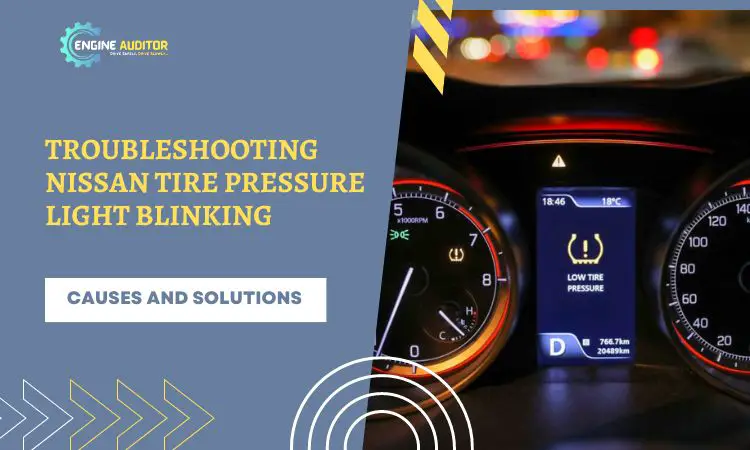
TPMS became mandatory on all new US vehicles from 2008 onward, greatly reducing the incidence of severe flat-related accidents.
A TPMS warning should never be ignored. While it may indicate a minor issue, it can also signal an impending blowout or rapid pressure loss. Some systems provide real-time pressure readings, allowing drivers to monitor changes and respond before a flat occurs.
Case Study: Tpms Saves The Day
A family road trip is interrupted when the TPMS alert appears. The driver pulls over and discovers a slow leak from a nail. Early detection allows for a safe, uneventful tire change, preventing rim damage or a blowout.
This example demonstrates the value of modern safety technology. TPMS alerts empower drivers to take action before a situation escalates, reducing repair costs and improving safety.
External Resources
For more on run-flat tires and monitoring systems, consult the Wikipedia entry on Run-Flat Tires and the NHTSA’s TPMS Guide.
Professional Tire Repair Vs. Diy: What’s Best After A Flat?
Once you’ve safely addressed a flat, deciding between professional repair and a do-it-yourself fix is crucial.
When A Tire Can Be Repaired
A tire may be safely repaired if:
- The puncture is less than 1/4 inch in diameter
- The damage is confined to the tread area (not the sidewall or shoulder)
- There is no visible tire or rim damage
Tire repair is only possible if the internal structure is intact. If the puncture is too close to the sidewall or if multiple punctures occur, replacement is the safer option. Internal damage caused by driving on a flat often goes unnoticed without professional inspection.
The Professional Repair Process
A qualified technician will:
- Remove the tire from the rim for internal inspection.
- Patch and plug the puncture from both sides.
- Rebalance the tire before installation.
This ensures the repair is strong and safe for continued use.
Professional repair is preferable because it includes inspection for hidden damage. A plug alone does not seal the inner liner, which is essential for air retention and safety.
Diy Plug Kits: Pros And Cons
Plug kits are widely available and can offer a quick fix, but:
- They are best for temporary, emergency use.
- Plugs do not seal internal damage and may fail over time.
- Always seek professional evaluation after using a plug.
Plug kits are useful for roadside emergencies but should not be considered a permanent solution. Improper use can lead to leaks, blowouts, or further damage.
When Replacement Is Necessary
- Sidewall damage, large punctures, or visible belts/cords mean the tire is beyond repair.
- Aging tires, with cracks or bulging, should always be replaced.
- If in doubt, consult your tire manufacturer’s guidelines or a trusted shop.
Attempting to repair a tire with structural damage is dangerous and increases the risk of future failure. Replacement ensures the safety and integrity of your vehicle.
Table: Repair Vs. Replacement Comparison
| Situation | Repairable? | Recommended Action |
|---|---|---|
| Small Tread Puncture (<1/4 inch) | Yes | Professional plug and patch |
| Sidewall Cut or Bulge | No | Replace tire |
| Large Puncture (>1/4 inch) | No | Replace tire |
| Multiple Close Punctures | No | Replace tire |
| Temporary DIY Plug | Maybe (short-term only) | Get professional repair ASAP |
*For official repair standards, review the U.S. Tire Manufacturers Association guidelines.*
Frequently Asked Questions
What Are The First Signs Of A Flat Tire While Driving?
Common early signs include a pulling sensation to one side, increased road noise or a thumping sound, sluggish acceleration, and difficulty steering. A visible warning from the TPMS dashboard light also indicates low pressure.
Physical signs may be accompanied by reduced fuel efficiency and difficulty maintaining speed. Drivers should investigate any sudden changes in handling or unexplained noises to rule out tire issues.
Is It Safe To Drive On A Flat Tire For A Short Distance?
Driving on a flat—even for a short distance—can quickly damage the rim, tire, and suspension. If possible, stop immediately and address the flat in a safe location. Driving further may turn a simple repair into an expensive replacement.
Even if the flat seems minor, continued driving risks escalating the damage. The safest approach is to pull over and inspect the tire as soon as possible.
Can All Flats Be Repaired, Or Do I Always Need A New Tire?
Not all flats are repairable. Small punctures in the tread area can usually be patched, but sidewall damage, large holes, or extensive internal damage require replacement. When in doubt, seek a professional assessment.
Tire professionals use specialized equipment to evaluate internal damage. Attempting to repair irreparable tires can endanger both the driver and passengers.
How Do Run-flat Tires Work If I Get A Flat?
Run-flat tires have reinforced sidewalls that temporarily support the vehicle even after air loss. This allows you to drive to a safe place (often up to 50 miles at 50 mph) for repair or replacement. However, they should be inspected as soon as possible after being driven flat.
Run-flat tires are not intended for extended use after deflation; their purpose is to provide time to reach a service location. Always follow manufacturer recommendations for post-flat driving distances and speeds.
How Often Should I Check My Tire Pressure To Prevent Flats?
It’s best to check tire pressure at least once per month and before long trips. Use a reliable gauge and maintain pressure at the manufacturer’s recommended level. Regular checks help catch slow leaks or pressure loss before a flat occurs.
Temperature changes, long drives, and heavy loads can cause pressure fluctuations. Including tire checks in your routine maintenance schedule is an effective preventive measure.
A flat tire may be inconvenient, but with proper knowledge, preparation, and prompt response, it’s a manageable challenge. By understanding the mechanics, causes, risks, and prevention strategies, drivers can minimize their chances of getting stranded—and protect both their safety and their vehicle investment.
Stay vigilant, maintain your tires, and drive with confidence, knowing you’re equipped to handle whatever the road may bring.
Products related to this article
Sponsored / affiliate links. As an Amazon Associate I earn from qualifying purchases. I may earn additional commission from eligible campaigns.