Can Car Tires Be Used On A Trailer? Safety Facts Inside
It’s a question many people ponder when facing a tire change or looking to save a few bucks: Can car tires actually work on a trailer? You might have a set of good tires off your old car, or maybe your trailer tires are worn out. It seems like a simple swap, right?
But this seemingly small decision can have big consequences for your safety and the well-being of your trailer and its cargo. Let’s dive into what makes trailer tires different and when, or if, you can safely use car tires.
The short answer is: sometimes, but it’s often not the best or safest idea. Trailer tires have specific designs and load capacities that car tires usually lack, leading to potential safety issues if swapped without careful consideration.
Understanding Trailer Tires vs. Car Tires
When we talk about tires, it’s easy to think they are all the same. They all roll, they all need air, and they all grip the road. But the job a tire does for a car is quite different from what it does for a trailer.

Free Country
Free Country Grand Ride Set 4 Trailer…
- Set of 4 New Premium Radial Trailer Tires 225/75R15 10PR, Brand: FREE COUNTRY
- Full cap ply ( nylon overlay cross entire tread area), significant upgrade from most other products on the market have nylon strip…
- Featured "Scuff Guard" ring on tire wall for better tire side protection
As an Amazon Associate I earn from qualifying purchases.
This difference is key to understanding why swapping them isn’t always a good idea.
Think about a car. It has an engine, a steering wheel, and suspension. It moves, it turns, it stops, and it carries passengers and their gear.
The tires on a car need to handle acceleration, braking, and cornering. They also need to provide a comfortable ride. The weight distribution on a car is also dynamic, changing as people get in and out, or as the car moves.
A trailer, on the other hand, is mostly a load carrier. It follows behind a vehicle. It doesn’t steer itself.
It doesn’t have an engine. Its primary job is to hold your stuff. This means the tires on a trailer face a different set of challenges.
They need to support a constant, often heavy, load. They don’t typically need to handle sharp turns or quick stops in the same way a car does. Their focus is on stability and carrying capacity under sustained pressure.
Key Differences Explained
The main differences between car tires and trailer tires boil down to a few critical design elements. Understanding these will help you see why a direct swap isn’t always wise.
1. Load Capacity (The Biggest Factor)
This is where the most significant difference lies. Trailer tires are built with much stronger sidewalls. This allows them to carry more weight.
Each tire has a load index, which is a number that tells you how much weight that specific tire can safely support. Car tires have a load index for their intended use – carrying the weight of the car plus passengers.
Trailer tires, especially those for utility trailers, campers, or boats, have a much higher load index. This is because trailers often carry heavy items like furniture, tools, kayaks, or even other vehicles. The weight on trailer tires is also more constant.
They don’t get a break when the trailer is empty, as they still need to support their own weight plus the weight of the trailer frame.
Using car tires on a trailer means you might be overloading them. This is incredibly dangerous. An overloaded tire can overheat, leading to a blowout.
A blowout on a trailer can cause the trailer to swerve uncontrollably, potentially leading to a serious accident. You’ll often see ST on the sidewall of a trailer tire. This stands for Special Trailer.
It means the tire is designed specifically for trailer use.
2. Sidewall Stiffness
As mentioned, trailer tires have stiffer sidewalls. This stiffness is crucial for several reasons. It helps the tire maintain its shape under heavy load, preventing excessive flexing.
This flexing can generate heat, which is the enemy of tire life and safety. Stiffer sidewalls also contribute to trailer stability. They reduce sway, which is that side-to-side rocking motion a trailer can sometimes do, especially at higher speeds or in windy conditions.
Car tires have more flexible sidewalls. This flexibility is designed to absorb bumps and provide a smoother, more comfortable ride for passengers. While good for a car, this flexibility is a disadvantage on a trailer.
It can lead to more trailer sway and a less stable towing experience.
3. Tread Design and Wear Patterns
The tread on trailer tires is usually designed for durability and consistent contact with the road. They often have a simpler tread pattern than car tires. The goal is to provide good traction for straight-line towing and braking, and to resist flat spotting (uneven wear).
They are not typically designed for aggressive cornering or performance driving.
Car tires have varied tread patterns for different purposes, like all-season traction, wet grip, or sporty handling. The wear patterns on car tires are also influenced by the car’s suspension and alignment, which are more complex than a trailer’s.
4. Tire Pressure Recommendations
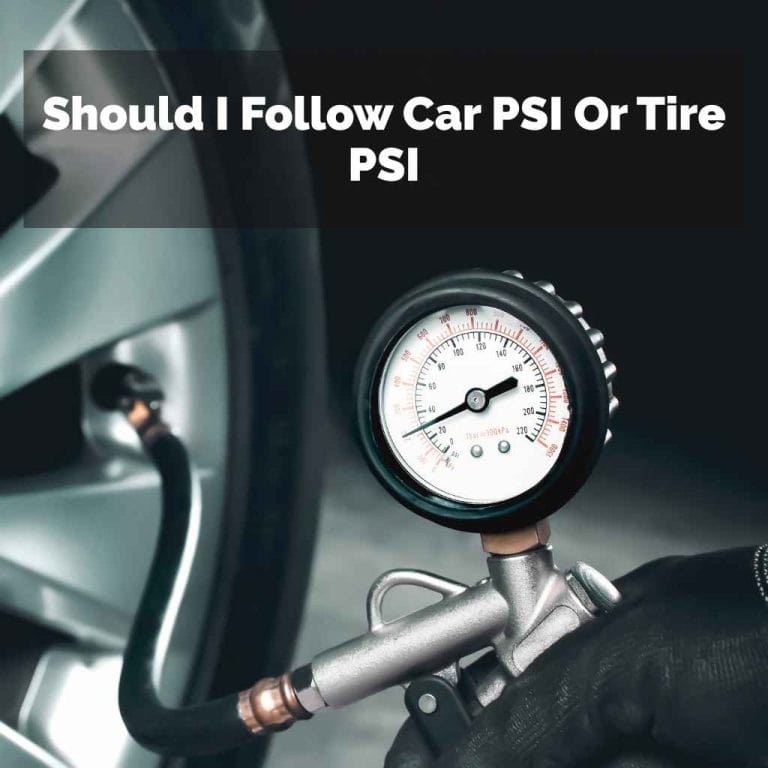
Trailer tires often require higher inflation pressures than car tires. This higher pressure helps them support the heavier loads and maintain their shape. You’ll usually find the maximum recommended pressure for the trailer tire on its sidewall.
It’s important to inflate them to the pressure recommended for the trailer’s load, not necessarily the maximum.
Car tires have different pressure needs, often lower than trailer tires, to ensure ride comfort and proper contact patch for their specific vehicle. Using car tires on a trailer and inflating them to trailer tire pressures could be unsafe if the tire isn’t built for it.
When It Might Be Okay (With Big Caveats)
There are very specific, limited situations where using car tires on a trailer might seem plausible, but even then, it comes with significant risks. It’s crucial to stress that these are exceptions, not rules, and safety should always be the top priority.
Light Utility Trailers with Very Low Loads
Imagine a small, lightweight utility trailer used only for hauling very light loads, like a few bags of mulch or garden tools. These trailers often have a low Gross Vehicle Weight Rating (GVWR). If the trailer’s GVWR is very low, and you are absolutely certain the car tires you’re considering have a sufficient load capacity for the combined weight of the trailer and its light load, it might be considered.
However, this is a slippery slope. How do you know for sure the car tires can handle it? Most people don’t have the charts to cross-reference load indexes accurately or understand the long-term effects of constant load on a tire not designed for it.
Even a light load can be enough to cause issues over time. The stiffer sidewall of a trailer tire is still a major advantage for stability, even on light trailers.
Temporary, Very Short Distances (Emergency Only)
In an absolute emergency, if you’re stranded and need to move a trailer a very short distance at a very slow speed to a safer location, using a suitable car tire might be a temporary measure. For instance, moving a boat trailer just a few yards from the side of a road to a driveway.
This should never be a long-term solution. You should
The Dangers of Using Car Tires on a Trailer
Let’s be clear: the risks associated with using car tires on a trailer far outweigh any perceived benefits. This isn’t about being overly cautious; it’s about understanding basic physics and engineering principles that keep you safe on the road.
Increased Risk of Tire Blowouts
As we touched on, trailer tires are built to handle heavier, constant loads. Car tires, with their more flexible sidewalls and lower load ratings, are not. When a car tire is subjected to the sustained pressure and weight of a trailer, especially on a longer journey or at highway speeds, it can overheat.
The tire flexes more than it’s designed to, creating friction and heat. This heat weakens the tire structure, making a sudden and violent blowout much more likely.
A blowout on a trailer tire is not like a blowout on a car tire. Because the trailer is not actively steered, a sudden tire failure can cause it to fishtail violently, forcing the towing vehicle off the road. It can also cause the trailer to flip or jackknife, leading to a multi-vehicle accident.
Trailer Sway and Instability
Trailer sway is a terrifying phenomenon. It’s when the trailer starts to oscillate side-to-side behind the towing vehicle. This can be triggered by various factors, including wind, passing trucks, uneven road surfaces, or improperly loaded cargo.
Trailer tires, with their stiffer sidewalls, are designed to resist this sway. They maintain a more rigid connection to the road, helping to keep the trailer tracking straight.
Car tires, with their softer, more flexible sidewalls, tend to amplify trailer sway. The sidewalls will flex and roll more under the trailer’s load, making the trailer more susceptible to wobbling. This instability can quickly escalate, and once it starts, it can be very difficult to control, often leading to the trailer and towing vehicle leaving the roadway.
Reduced Towing Stability and Control
Even if you don’t experience a dramatic blowout or violent sway, using car tires will generally lead to a less stable and more unpredictable towing experience. You might notice the trailer feels “mushy” or less responsive. The towing vehicle might feel like it’s being pushed around more.
This makes it harder to control your vehicle, especially when braking, cornering, or dealing with changing road conditions.
The higher load capacity of trailer tires also means they are less likely to deform significantly under load. This consistent shape helps maintain a predictable contact patch with the road, which is vital for safe maneuvering.
Shorter Tire Lifespan
Even if car tires don’t fail catastrophically, they will likely wear out much faster when used on a trailer. They are not designed for the constant, heavy load and the stresses associated with trailer towing. They will experience increased heat buildup and fatigue, leading to premature wear and tear.
You’ll find yourself replacing them much sooner than you would if you used proper trailer tires.
Voiding Warranties
Using the wrong type of tire on your trailer can also void any manufacturer warranties. If something goes wrong with the trailer and it’s determined that improper tires contributed to the failure, the manufacturer may deny your claim. This can lead to expensive repairs that could have been avoided.
What to Look For in Trailer Tires
So, if car tires are generally not the way to go, what should you look for when buying tires for your trailer? It’s not complicated, but it does require attention to detail.
The “ST” Designation
As mentioned earlier, look for tires marked with “ST” on the sidewall. This stands for Special Trailer. This designation means the tire has been manufactured to meet specific DOT (Department of Transportation) standards for trailer use.
It indicates a tire designed for the unique demands of towing, including higher load capacities and stiffer sidewalls.
Load Index and Speed Rating
Every tire has a load index and a speed rating. For trailer tires, the load index is the most critical. You need to ensure that the combined load capacity of all tires on your trailer (check the tire’s load index chart and multiply by the number of tires) meets or exceeds the trailer’s GVWR.
Never use tires with a load index below the trailer’s GVWR requirements.
The speed rating for trailer tires is often lower than for car tires. Many ST tires are rated for 65 mph or 75 mph. It’s important to adhere to these speed limits.
Driving faster than the tire’s speed rating can lead to overheating and failure.
Tire Size
This might seem obvious, but ensure you get the correct tire size. Trailer tire sizes look a bit different from car tire sizes. For example, a common trailer tire size might be ST205/75R14.
ST is for Special Trailer, 205 is the width in millimeters, 75 is the aspect ratio (sidewall height as a percentage of width), R is for radial, and 14 is the rim diameter in inches.
Ply Rating (Load Range)
Trailer tires also have a ply rating, often indicated by letters like C, D, or E. This indicates the tire’s load-carrying capacity and construction. Higher letters mean a higher load range and stiffer construction.
Ensure the ply rating matches the requirements for your trailer’s weight.
Real-World Scenarios and Experiences
I remember helping a friend move a few years back. He had a sturdy, but older, utility trailer. His car tires were fairly new and had plenty of tread left.
He suggested we use those on the trailer to save money on buying new trailer tires. I hesitated. I’d heard all the warnings, but he insisted it would be fine for the short trip across town.
We loaded up the trailer. It wasn’t excessively heavy, mostly furniture and boxes. As we started driving, I immediately noticed a difference.
The trailer felt…floaty. It was much more prone to swaying when we hit any uneven pavement. I felt a constant sense of unease, as if the trailer was trying to wag the dog.
My friend, driving the truck, kept glancing in the rearview mirror, his knuckles white on the steering wheel. Every bump felt amplified.
When we got to the new place, we unloaded everything. The car tires looked okay, but they felt hotter than I expected, even on a cool day. We had made it without incident, but the stress and the lack of control were not worth the money saved.
I learned a valuable lesson that day: the specialized design of trailer tires is not just marketing hype; it’s essential for safety and peace of mind. The slight cost difference for proper trailer tires is minuscule compared to the potential cost of an accident.
Trailer Tire Spotlight: What Makes Them Special
ST Tires vs. P Tires: ST (Special Trailer) tires are engineered differently. P (Passenger) tires are built for comfort and handling in a car.
Stiff Sidewalls: Crucial for trailer stability and resisting sway. Car tires are more flexible.
Higher Load Capacity: Designed to carry more weight consistently without overheating or deforming.
Heat Dissipation: While trailer tires can still overheat, their construction is generally better at managing heat under load compared to car tires.
Real-World Context: When and Where This Comes Up
This question about using car tires on trailers often pops up in a few key scenarios. Understanding these contexts helps explain why so many people consider it.
1. The DIY Haul
Many people have small utility trailers for home projects or hauling lawn clippings. When the trailer tires wear out, the temptation is to use old car tires from the garage. The trailer’s Gross Vehicle Weight Rating (GVWR) is often quite low, leading people to think car tires are sufficient.
2. The Budget-Conscious Owner
New trailer tires can seem expensive, especially if you have a trailer with multiple axles (four or more tires). If a set of four car tires is cheaper than a set of four trailer tires, the financial appeal is obvious. People look for ways to cut costs, and tires are a visible expense.
3. The “It’s Just Down the Road” Mentality
Sometimes, people only plan to tow their trailer short distances, like from their home to a local storage unit or a campsite nearby. They figure that since they won’t be going fast or far, car tires will be fine. This is a dangerous assumption, as tire failure can happen at any speed and distance.
4. The “Looks the Same” Mistake
Visually, many car tires and trailer tires can look similar at first glance. They have rubber, they have tread. Without knowing the subtle but critical differences in sidewall construction and load ratings, it’s easy to assume they are interchangeable.
What This Means for You: When to Worry and When It’s Likely Okay
Understanding the implications helps you make informed decisions for your own safety and the safety of others on the road. Let’s break down when you should be concerned and when, perhaps, you have a little more flexibility.
When to Worry (Most of the Time)
Any trailer with a GVWR over 1,000-1,500 lbs: For these trailers, especially if you plan to tow at highway speeds or carry significant weight, you absolutely need dedicated trailer tires (ST tires).
Towing at highway speeds (above 55-60 mph): Car tires are not designed for the sustained heat and stress of higher speeds when under a trailer’s load. Trailer tires have specific speed ratings for a reason.
Carrying heavy or bulky items: If your cargo is heavy, awkward, or has a high center of gravity, trailer stability is paramount. Car tires will likely compromise this stability.
Experiencing trailer sway: If you notice your trailer rocking or swaying excessively, the tires are a prime suspect. Replacing them with proper trailer tires is often the first step to fixing it.
Tires showing signs of stress: If the sidewalls of car tires on a trailer look overly bulged or feel excessively hot after short trips, they are being overloaded.
When It Might Be Okay (Extremely Limited Cases)
Very small, lightweight trailers: Think of a small kayak trailer or a tiny hand-truck style trailer with a GVWR of only a few hundred pounds. If the car tires you’re considering have a load index well above the total weight (trailer + cargo), and you’re only traveling at low speeds on local roads.
Emergency, very short-distance moves: As mentioned, moving a trailer a few feet to get it out of a dangerous spot. This is not a solution, but a temporary, extremely risky maneuver.
Always double-check load ratings: Even in these limited cases, you MUST verify the load index of the car tires and ensure it’s adequate for the total weight. Consult tire load charts if unsure. The load rating for a trailer tire is typically higher than for a car tire of the same size.
Quick Scan: Car Tire vs. Trailer Tire
Feature | Car Tire | Trailer Tire
Primary Purpose | Ride comfort, handling, passenger safety | Load carrying, stability
Sidewalls | Flexible | Stiff
Load Capacity | Lower | Higher
Heat Management | Designed for dynamic driving | Designed for sustained load
Sway Resistance | Lower | Higher
Tread Design | Varied for performance | Focused on durability and traction
Typical Speed Rating | Higher (often 100+ mph) | Lower (often 65-75 mph)
Quick Fixes and Tips for Trailer Tires
While we can’t give “fixes” for using the wrong tires, we can offer essential tips for maintaining and choosing the right ones.
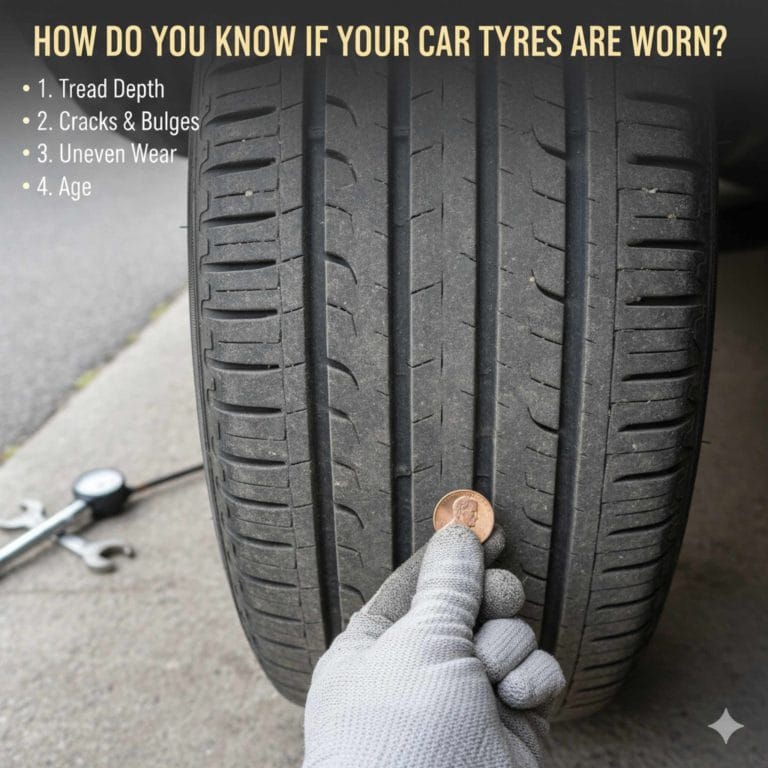
- Inspect Regularly: Check your trailer tires for wear, cracks, bulges, and proper inflation before every trip.
- Proper Inflation is Key: Always inflate trailer tires to the pressure recommended on the tire sidewall or your trailer’s VIN sticker. Underinflation is a major cause of tire failure. Overinflation can lead to a harsher ride and uneven wear.
- Know Your GVWR: Understand your trailer’s Gross Vehicle Weight Rating. This is the maximum weight the trailer is designed to carry, including the trailer itself and its cargo.
- Match Tires to Load: Choose tires with a load index that meets or exceeds the trailer’s GVWR requirement. If your trailer has multiple axles, ensure the combined load capacity of all tires is sufficient.
- Consider Tire Age: Rubber degrades over time, even if the tires look good. Most tire manufacturers recommend replacing tires that are 6 years old or older, regardless of tread depth. Check for a DOT date code on the sidewall.
- Store Properly: If your trailer sits for long periods, consider covering the tires to protect them from UV rays and elements.
Myth vs. Reality: Trailer Tires
Myth: All tires are the same, so car tires work fine on trailers.
Reality: Trailer tires (ST) are specifically engineered with stiffer sidewalls and higher load capacities for the unique demands of towing, which car tires (P) do not possess.
Myth: As long as the tread looks good, the tire is safe.
Reality: Tire age, sidewall integrity, and load capacity are critical. Old or stressed tires can fail even with good tread.
Frequently Asked Questions
Can I use passenger car tires on my boat trailer?
It is generally not recommended to use passenger car (P) tires on a boat trailer. Boat trailers typically carry significant weight, and they are often exposed to moisture. Boat trailer tires are specifically designed with higher load capacities and stiffer sidewalls (ST designation) to handle these conditions safely.
Using car tires can lead to overheating, blowouts, and trailer instability.
What does ST mean on a trailer tire?
ST stands for Special Trailer. Tires with this designation are manufactured to meet specific DOT standards for trailer use. They have reinforced sidewalls and are built to carry heavier loads and provide greater stability compared to passenger car tires.
How do I know if my trailer tires are overloaded?
You can tell if your trailer tires are overloaded by checking their load index and comparing it to the trailer’s Gross Vehicle Weight Rating (GVWR). The combined load capacity of all tires on the trailer must equal or exceed the trailer’s GVWR. Signs of overloading also include tires that bulge excessively, feel very hot to the touch after a short drive, or show premature wear on the sidewalls.
What is the difference between ST and LT tires?
ST tires are for Special Trailers. LT tires are for Light Trucks. While LT tires are stronger than standard passenger tires, they are still designed with some flexibility for ride comfort and are not typically built to the same load and stability standards as ST trailer tires.
ST tires are almost always the correct choice for utility trailers, campers, and other towed vehicles.
Can I use used car tires on my camper trailer?
Using used car tires on a camper trailer is a significant safety risk. Camper trailers carry heavy loads for extended periods, often at highway speeds. Used tires may have hidden damage, be close to their age limit, or not have the required load capacity.
Always use new, proper ST-designated trailer tires for campers to ensure stability and prevent blowouts.
How long should trailer tires last?
The lifespan of trailer tires depends on usage, maintenance, and tire quality. However, rubber degrades over time due to exposure to UV rays, ozone, and heat. Most manufacturers recommend replacing trailer tires that are 6 years old or older, even if they have plenty of tread.
Regular inspections for wear, cracks, and proper inflation are crucial for maximizing tire life and safety.
Conclusion
The simple truth is that while a car tire might physically fit on a trailer rim, it’s rarely a safe or advisable substitution. The specialized construction of trailer tires isn’t just a suggestion; it’s a critical safety feature. Prioritizing proper trailer tires means choosing stability, reliability, and peace of mind on the road.
Always opt for ST-rated tires that match your trailer’s weight requirements.
See also why don’t they plug tires anymore the real reason.
Related pick: Check today's price on Amazon
Products related to this article
Sponsored / affiliate links. As an Amazon Associate I earn from qualifying purchases. I may earn additional commission from eligible campaigns.