Why Do Car Tyres Crack Over Time? Causes And Prevention
Few drivers think about their car’s tires until something goes wrong. Yet, the tires are the only point of contact between a vehicle and the road, playing a pivotal role in safety, comfort, and performance. One common and often overlooked issue is cracking in car tires. These cracks can compromise the integrity of the tire and lead to dangerous blowouts or loss of control. But what causes car tires to crack over time, and more importantly, how can you prevent it?
Understanding the science behind tire cracking empowers drivers to make informed decisions, extend tire lifespan, and avoid costly repairs or accidents. Whether you’re a daily commuter, a weekend road tripper, or manage a fleet of vehicles, knowing what makes tires crack — and how to stop it — is essential for safe and efficient driving.
Key Takeaways
- Car tire cracking is primarily caused by environmental factors, chemical degradation, and improper maintenance.
- Age, UV exposure, ozone, and under-inflation are leading contributors to sidewall and tread cracking.
- Regular inspection, proper storage, and routine tire care can significantly extend tire lifespan.
- Cracked tires pose serious safety risks, including blowouts and reduced traction.
- Preventive strategies and prompt replacement are crucial for maintaining road safety.
- Understanding tire warranties and manufacturer recommendations helps ensure optimal tire health.

Credit: tirewarehouse.ca
Understanding Tire Composition And Aging
Modern car tires are more than just round rubber rings; they are feats of engineering designed to withstand extreme conditions. To comprehend why tires crack, it’s vital to first understand their composition and aging process.
Tire Construction And Materials
Tires are constructed using a blend of natural and synthetic rubber, steel belts, fabric, and various chemical additives. Key components include:
- Tread: The part that contacts the road, designed for grip and durability. It often features complex patterns and grooves for water dispersion and enhanced traction. The tread compound is specifically engineered to resist wear, but over time, environmental exposure can cause it to harden and crack.
- Sidewall: The vertical section connecting tread to the bead; crucial for absorbing shocks. The sidewall also displays important information like tire size, load rating, and manufacturing date. This area is more flexible than the tread, but its thinner structure makes it vulnerable to environmental damage.
- Bead: The edge of the tire that sits on the wheel rim, ensuring an airtight fit. The bead is constructed with high-strength steel wires encased in rubber, providing rigidity and preventing air leaks. Damage or cracking here can compromise the seal between tire and rim.
- Steel Belts and Plies: Provide structural strength and resist punctures. The belts are typically made from woven steel cords, while plies may use polyester or nylon. These layers help maintain tire shape and distribute forces evenly during driving.
Each layer plays a unique role in the tire’s performance and longevity. The quality and blend of these materials, along with manufacturing precision, directly influence how quickly a tire will begin to show signs of aging or cracking.
The Role Of Antioxidants And Antiozonants
Tire manufacturers incorporate antioxidants and antiozonants to slow down the rubber’s degradation. These chemicals protect tires from oxygen and ozone damage, but their effectiveness diminishes with time and exposure.
Antioxidants delay the oxidation process, which causes rubber to harden and lose flexibility. Antiozonants, on the other hand, specifically target the effects of ozone, which can cause surface cracking even at low concentrations. As the tire flexes during driving, these protective chemicals migrate to the surface, but when a tire sits unused or is exposed to harsh environments, this migration slows, reducing their effectiveness.
Natural Aging Of Tires
Even with protective additives, tires age naturally. Over time, the rubber hardens, loses elasticity, and becomes more susceptible to cracking. The rate of aging depends on various factors, including:
- Climate conditions: Hot, humid, or sunny environments accelerate chemical breakdown.
- Frequency of use: Regular driving helps distribute protective chemicals, while idle tires age faster.
- Storage environment: Tires stored in poor conditions degrade more rapidly.
- Manufacturing date: Older tires are inherently more prone to cracking, regardless of tread depth.
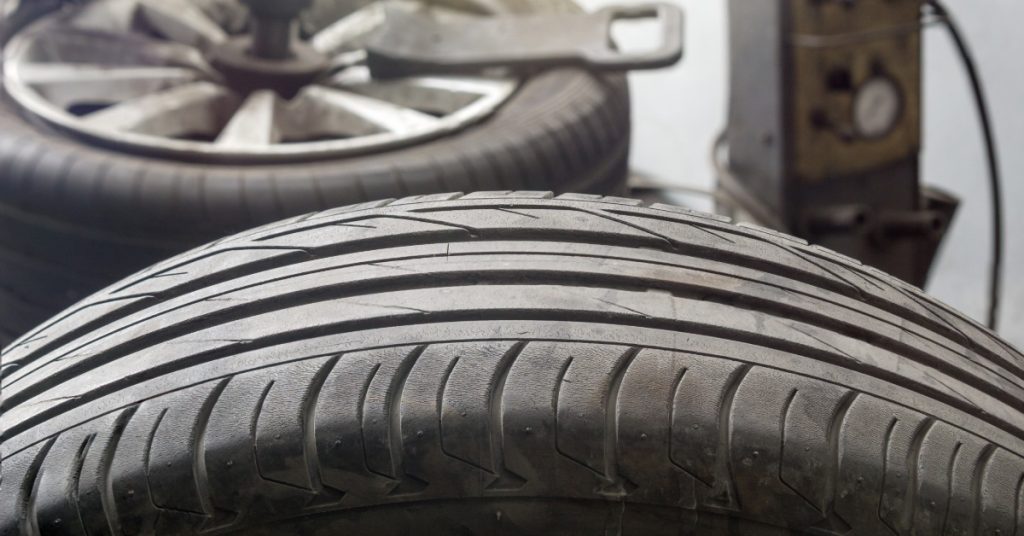
Tires can begin to show visible cracks — known as weather checking or ozone cracking — as they age, especially after five years, regardless of tread depth. Even premium tires eventually succumb to this process, highlighting the importance of monitoring tire age and condition.
Credit: rnrtires.com
Main Causes Of Tire Cracking
Several factors contribute to the cracking of car tires. Understanding these causes can help drivers take proactive measures to mitigate risk.
Environmental Exposure
Uv Radiation
Exposure to ultraviolet (UV) rays from sunlight breaks down rubber polymers, causing the surface to become brittle and develop cracks. Tires on vehicles parked outdoors, especially in sunny climates, are at higher risk.
UV rays penetrate the rubber surface, breaking molecular bonds. Over time, this leads to a loss of elasticity and the formation of microscopic cracks that can grow into larger fissures. This effect is compounded by reflective surfaces like concrete or metal nearby, which can intensify UV exposure.
Ozone
Ozone, a reactive gas present in the atmosphere, reacts with tire rubber, leading to ozone cracking. This is particularly common in urban and industrial areas with higher ozone levels.
Ozone attacks double bonds in rubber molecules, causing surface cracks that often appear as a web-like pattern. Tires stored near sources of ozone, such as electric motors or generators, are especially vulnerable. Even tires indoors can suffer from ozone exposure if placed near such equipment.
Temperature Fluctuations
Extreme temperatures accelerate the aging process. Heat causes rubber compounds to break down, while cold makes them more rigid and prone to cracking.
High temperatures force the tire’s internal chemicals to react faster, causing oxidation and evaporation of protective additives. Conversely, cold temperatures make the rubber less flexible, increasing the risk of cracks when the tire flexes during driving. Frequent transitions between hot and cold further stress the rubber, hastening the onset of cracking.
Chemical And Road Contaminants
Road Salts And Chemicals
De-icing salts, oils, and other chemicals on the road surface can attack tire rubber, accelerating deterioration and cracking.
Road salts, especially those used in winter, are highly corrosive. They can penetrate small cracks and accelerate their growth by drawing moisture into the rubber. Similarly, oils and industrial chemicals spilled on roads can weaken the tire’s protective surface, making it more susceptible to environmental damage.
Cleaning Products
Using harsh or petroleum-based cleaners on tires can strip away protective layers, exposing the rubber to faster degradation.
While cleaning tires is important for appearance and maintenance, the use of inappropriate products can have the opposite effect. Petroleum-based solvents dissolve essential antiozonants, leaving the rubber exposed. Even frequent washing with strong detergents can gradually erode the protective surface.
Improper Tire Maintenance
Under-inflation And Over-inflation
Incorrect tire pressure leads to abnormal flexing, heat buildup, and increased risk of sidewall and tread cracks.
Under-inflated tires flex more than intended, causing excessive heat and stress on the sidewall. Over-inflation makes the tire more rigid, increasing susceptibility to impact damage and cracking. Both conditions cause uneven distribution of forces, leading to premature wear and crack formation.
Poor Alignment And Balancing
Misalignment causes uneven wear, which puts localized stress on certain tire areas, making them more vulnerable to cracking.
Improper balancing can cause vibrations, further stressing the rubber and accelerating crack development. Vehicles with worn suspension components or misaligned wheels often experience faster tire deterioration due to these additional forces.
Neglecting Regular Inspections
Failing to check tires for early signs of damage or wear can allow small cracks to grow into serious safety hazards.
Routine inspections help catch early-stage cracks before they worsen. Without regular monitoring, drivers may overlook subtle changes that indicate underlying problems, such as loss of elasticity or chemical breakdown.
Aging And Storage Conditions
Idle Vehicles
Tires on vehicles that are rarely driven age faster due to flat-spotting and lack of flexing, which helps distribute protective chemicals within the rubber.
Flat-spotting occurs when a tire sits in the same position for extended periods. The weight of the vehicle compresses the tire, causing deformation and localized stress that can lead to cracking. Regular movement is essential to maintain chemical distribution and structural integrity.
Poor Storage
Storing tires outdoors, in direct sunlight, or in areas with fluctuating temperatures and humidity accelerates cracking.
Exposure to moisture, temperature swings, and ozone increases the rate of rubber degradation. Tires stored improperly can show signs of cracking even before they are mounted on a vehicle.
Manufacturing Defects
While rare, some tires may develop cracks due to manufacturing flaws or inferior quality materials. Always purchase tires from reputable brands and authorized dealers.
Defects such as improper curing, contamination, or substandard compounds can lead to premature cracking. Reputable manufacturers conduct rigorous quality control, minimizing these risks.
Case Study: Sun-baked Tires In Arizona
In Arizona, where summer temperatures routinely exceed 100°F (38°C), studies show that tires exposed to direct sunlight can develop cracks in as little as 2–3 years, compared to 5–6 years in milder climates. Vehicles parked outdoors or driven infrequently are particularly susceptible, emphasizing the role of environmental factors in tire aging.
This example highlights how local climate and parking habits directly affect tire lifespan. Fleet managers and residents in hot, sunny regions should prioritize shaded parking and routine inspections.
Types Of Tire Cracks And Their Implications
Not all cracks are equal. Identifying the type and location of cracks can help determine severity and the necessary course of action.
Sidewall Cracks
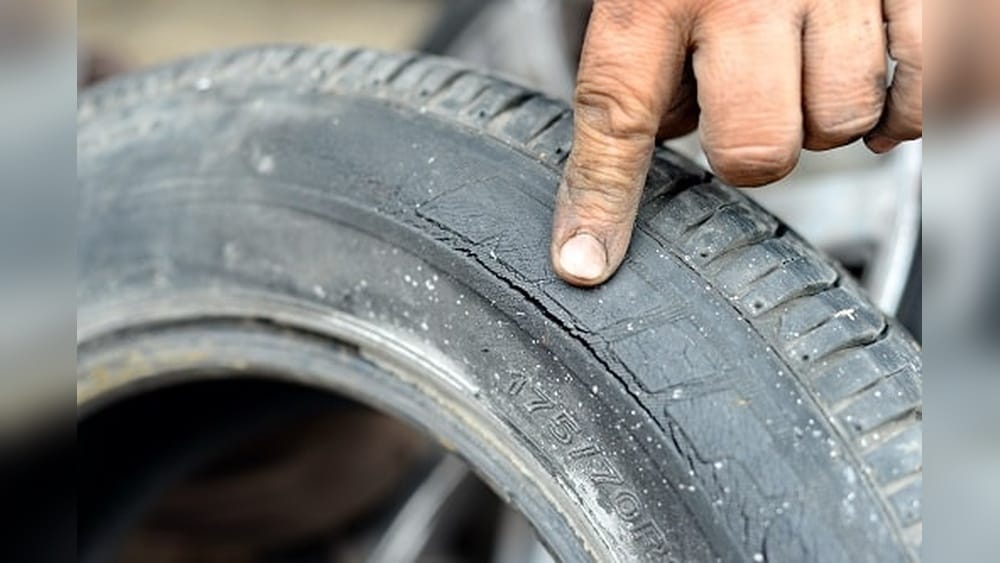
Sidewall cracks are visible lines or splits on the side of the tire. They usually result from UV exposure, ozone, or under-inflation. These cracks can compromise the structural integrity of the tire, increasing the risk of blowouts.
Sidewall cracks often start as fine lines but can quickly expand if the tire is subjected to additional stress. Because the sidewall is crucial for absorbing shocks and maintaining the tire’s shape, even moderate cracks here pose significant risks.
Tread Cracks
Cracks in the tread area are often caused by aging, environmental exposure, or manufacturing defects. While small, shallow cracks may not immediately pose a safety risk, deep or spreading cracks can reduce traction and increase the likelihood of tire failure.
Tread cracks are sometimes mistaken for normal wear but should be distinguished by their depth and pattern. If cracks run perpendicular to the tread grooves or extend deep into the rubber, tire performance is severely compromised.
Bead Cracks
Cracks near the bead (where the tire meets the rim) are usually due to improper mounting, over-flexing, or age. These can lead to slow leaks or sudden loss of air pressure.
The bead is critical for maintaining the tire’s seal with the rim. Cracks here can cause air leaks that are difficult to detect visually but may result in unexplained pressure loss.
Micro-cracking Vs. Deep Cracking
- Micro-cracking: Tiny, superficial cracks that usually appear as a network or “crazing” pattern. They indicate aging but may not require immediate tire replacement.
- Deep cracking: Larger, deeper splits that penetrate the rubber layers. These are serious and warrant immediate tire inspection or replacement.
Micro-cracks are often seen on older tires and can be monitored over time. Deep cracks, especially those accompanied by bulging or air loss, are a clear indication that the tire is no longer safe.
Table: Comparison Of Crack Types And Risks
| Type of Crack | Location | Common Causes | Risk Level | Recommended Action |
|---|---|---|---|---|
| Sidewall Crack | Sidewall | UV, Ozone, Under-inflation | High | Replace Tire |
| Tread Crack | Tread Surface | Aging, Heat, Chemicals | Medium/High | Inspect, Replace if Deep |
| Bead Crack | Bead Area | Improper Mounting, Age | High | Replace Tire |
| Micro-Cracking | Any Surface | Natural Aging | Low/Medium | Monitor, Replace if Worsens |
Real-world Example: Fleet Vehicles
A logistics company operating a fleet of delivery vans in Houston, Texas, noticed an uptick in tire failures. Investigation revealed that most failed tires exhibited deep sidewall cracks. The root cause was frequent exposure to heat and road chemicals, combined with inconsistent tire pressure checks.
After implementing regular inspections and proper maintenance, tire replacement rates and roadside incidents dropped by 30%.
This real-world scenario underscores the importance of proactive maintenance and environmental awareness. Fleet managers should establish standardized inspection protocols and educate drivers about tire health.

Credit: www.telletire.com
The Impact Of Tire Cracking On Safety And Performance
Cracked tires are more than just a cosmetic issue. They pose significant risks to both driver and vehicle safety.
Compromised Structural Integrity
Cracks weaken the tire’s structure, making them more prone to blowouts, especially at high speeds or under heavy loads.
A blowout is a sudden loss of air pressure, often accompanied by a loud noise and immediate loss of control. The weakened rubber cannot withstand the forces exerted during driving, especially on highways or during emergency maneuvers.
Reduced Traction And Handling
Cracked tread can lead to uneven contact with the road, reducing grip, especially in wet or slippery conditions.
Loss of traction increases braking distance and reduces steering responsiveness, making it harder to avoid obstacles or maintain control in adverse weather.
Increased Risk Of Sudden Failure
Deep or spreading cracks can result in rapid air loss or tread separation, both of which can cause accidents.
Tread separation occurs when the outer layer of the tire detaches from the underlying structure, often at high speed. This catastrophic failure can lead to rollovers or collisions, particularly for heavy vehicles.
Legal And Insurance Implications
Driving on visibly cracked tires can be a violation of road safety regulations and may void insurance claims in the event of an accident.
Many jurisdictions require that tires meet specific safety standards, including freedom from visible cracks. Insurance companies may refuse coverage if it’s determined that an accident was caused by neglected tire maintenance.
Case Study: Tire Blowout Incident
In 2020, the National Highway Traffic Safety Administration (NHTSA) reported over 600 fatalities in the US due to tire-related crashes. Analysis revealed that a significant portion involved tires with visible cracks or signs of aging, underscoring the importance of timely tire inspection and replacement (NHTSA).
This data serves as a stark reminder that ignoring tire cracks is not just costly—it’s potentially life-threatening.
Table: Effects Of Tire Cracks On Vehicle Performance
| Issue | Performance Impact | Safety Risk |
|---|---|---|
| Sidewall Crack | Loss of air pressure, increased flexing | Blowout, loss of control |
| Tread Crack | Reduced traction, uneven wear | Longer braking distance, skidding |
| Bead Crack | Slow leaks, poor rim fit | Sudden deflation |
How To Prevent Car Tire Cracking
Prevention is always better than cure. With the right strategies, drivers can extend the life of their tires and avoid costly or dangerous failures.
Regular Tire Inspections
- Check for cracks, bulges, or unusual wear patterns at least once a month.
- Inspect tires before long trips or after driving through harsh conditions.
For fleet operators and commercial drivers, daily pre-trip inspections are critical. Catching early signs of cracking can prevent breakdowns, delays, and costly roadside repairs.
Maintain Proper Tire Pressure
- Use a quality tire pressure gauge to check inflation at least monthly.
- Follow the manufacturer’s recommended PSI, found in the owner’s manual or door jamb.
Incorrect pressure accelerates wear and cracking. Investing in digital pressure gauges and tire inflators helps maintain optimal performance and longevity.
Protect Tires From Environmental Damage
- Park in shaded areas or use a car cover to reduce UV exposure.
- Store vehicles or spare tires in cool, dry, and dark locations.
- Avoid prolonged exposure to road chemicals and clean tires with water and mild soap only.
Consider using tire-specific covers, especially for RVs or vehicles parked outdoors for extended periods. These covers block UV rays and ozone, preventing surface degradation.
Rotate And Balance Tires
- Rotate tires every 5,000–8,000 miles to ensure even wear.
- Balance tires at regular intervals to prevent localized stress.
Proper rotation patterns (front-to-back, cross, or side-to-side) depend on vehicle type. Balancing prevents vibration and uneven wear, reducing the likelihood of stress-induced cracking.
Drive Regularly
- Driving helps distribute protective chemicals within the tire and reduces flat-spotting.
Even short drives every week can maintain tire health. For stored vehicles, periodic movement prevents flat spots and chemical stagnation.
Use Quality Tires And Products
- Choose tires from reputable brands with a proven track record.
- Avoid cheap, off-brand tires that may lack adequate protective additives.
Investing in premium tires pays off in durability and safety. Brands like Michelin, Goodyear, and Continental have robust quality controls and incorporate advanced compounds.
Avoid Overloading
- Never exceed the tire’s maximum load rating, as overloading accelerates wear and cracking.
Check load ratings before hauling heavy cargo or towing. Overloaded tires flex excessively, increasing internal heat and stress.
Table: Tire Maintenance Schedule
| Task | Frequency | Purpose |
|---|---|---|
| Visual Inspection | Monthly | Detect cracks, cuts, bulges |
| Pressure Check | Monthly | Maintain correct inflation |
| Rotation | 5,000–8,000 miles | Promote even wear |
| Alignment/Balance | Annually or as needed | Prevent uneven stress |
| Professional Inspection | Annually | In-depth assessment |
Real-world Example: Rv Tire Preservation
Owners of recreational vehicles (RVs) often face tire cracking due to infrequent use and prolonged storage. By investing in tire covers, maintaining proper inflation, and driving their RVs at least once a month, many RV owners have extended tire life by up to 50%, reducing costs and improving safety (RV Tire Safety).
This demonstrates how simple, consistent practices can deliver substantial benefits over time. RV owners should also check tire age and consider replacement even if tread appears healthy.
When Should You Replace Cracked Tires?
Knowing when a tire crack is merely cosmetic and when it’s a serious safety concern can be challenging. Here’s how to make an informed decision.
Assessing Crack Severity
- Shallow, superficial cracks: Usually safe to monitor, especially if they are less than 1 mm deep and not spreading.
- Deep, expanding cracks: Indicate compromised rubber structure and require immediate attention.
Use a depth gauge or inspect cracks visually. If the cracks catch a fingernail or appear in clusters, replacement is necessary.
Location Matters
- Cracks on the sidewall or bead are more dangerous than those on the tread.
- Multiple cracks, or those accompanied by bulging or air loss, are red flags.
Sidewall and bead cracks weaken the tire’s ability to hold air and withstand impact. Tread cracks are less critical if shallow but should be monitored closely.
Age And Mileage
- Most tire manufacturers recommend replacing tires every 6–10 years, even if they appear visually fine (Michelin).
- Check the DOT code on the tire sidewall to determine the manufacturing date.
Mileage is also important. Even if a tire is only a few years old, heavy use can accelerate cracking. Always consider both age and mileage when deciding on replacement.
Professional Inspection
- If in doubt, have a qualified technician inspect the tires.
- Some cracks may not be visible without removing the tire from the rim.
Professional inspections use specialized tools and techniques to assess internal damage. This is especially important for fleet vehicles and high-performance cars.
Manufacturer Recalls And Warranties
- Stay informed about tire recalls or manufacturer bulletins related to cracking issues.
- Most tire warranties do not cover cracks caused by environmental exposure or poor maintenance, but defects are usually covered.
Register your tires with the manufacturer to receive recall notifications. Keep purchase receipts and warranty documents for reference.
Case Study: Tire Recall Example
In 2015, a major tire manufacturer recalled over 400,000 tires due to premature cracking caused by a manufacturing defect. Timely recall notices and inspections prevented hundreds of potential accidents (NHTSA Recalls).
This highlights the importance of staying informed and acting promptly when recalls are announced.
The Role Of Proper Tire Storage
Proper storage can dramatically reduce the risk of tire cracking, especially for spare tires, seasonal tires, and vehicles that are stored for long periods.
Best Practices For Storing Tires
- Clean Tires Before Storage
- Remove dirt, debris, and chemicals with water and mild soap.
- Store in a Cool, Dry Place
- Avoid exposure to sunlight, ozone, and fluctuating temperatures.
- Use Tire Bags or Covers
- Prevents ozone and UV exposure.
- Keep Tires Upright
- Store tires vertically, not stacked, to avoid deformities.
- Avoid Contact with Petroleum Products
- Keep tires away from solvents, oils, or equipment that emit ozone (e.g., electric motors).
Proper storage not only prevents cracking but also preserves tire shape and performance. For seasonal tire swaps, ensure storage locations are free from moisture and pests.
Table: Storage Methods Comparison
| Storage Method | Pros | Cons | Recommended For |
|---|---|---|---|
| Garage (Climate-Controlled) | Optimal protection, consistent temperature | Requires indoor space | All tires |
| Outdoor (With Cover) | Easy, affordable | Exposed to humidity and temperature swings | Short-term storage |
| Stacked Flat | Saves space | Risk of deformity, uneven weight distribution | Short-term, limited space |
| Vertical (Upright) | Best for shape retention | Needs secure stands | Long-term storage |
Example: Classic Car Preservation
Classic car enthusiasts often store vehicles for extended periods. By following proper storage protocols — cleaning tires, maintaining pressure, and using ozone-resistant covers — many have preserved original tires for decades, avoiding premature cracking and maintaining authenticity (Hagerty).
This demonstrates the effectiveness of rigorous storage methods for preserving tire longevity and value, especially for rare or vintage vehicles.
Innovations In Tire Technology And Future Trends
The automotive industry continues to innovate, developing new materials and technologies to combat tire cracking and extend lifespan.
Advanced Rubber Compounds
Modern tires use silica-enriched rubber and improved antioxidants, offering better resistance to ozone, UV, and heat.
Silica compounds enhance wet traction while slowing chemical breakdown. New generations of antioxidants and antiozonants extend tire life, even in challenging environments.
Self-healing Materials
Research is underway into self-healing polymers that can repair micro-cracks, potentially revolutionizing tire durability (ScienceDirect).
These polymers contain embedded capsules or networks that release repair agents when cracks form, sealing them automatically. Early trials show promise for extending tire lifespan and reducing maintenance needs.
Smart Tires
Some manufacturers are introducing smart tires with embedded sensors to monitor pressure, temperature, and even detect developing cracks in real time (Continental Tires).
Smart tire systems alert drivers to abnormal conditions, allowing immediate intervention. Fleet managers can use these systems to monitor large numbers of vehicles, reducing downtime and improving safety.
Eco-friendly Alternatives
Eco-conscious drivers can now choose tires made from sustainable materials and advanced protective chemicals, reducing both environmental impact and cracking risk.
Natural rubber blends, recycled materials, and bio-based compounds are gaining popularity, offering comparable performance with reduced environmental footprint.
Real-world Example: Fleet Monitoring
A European trucking company piloted smart tires with real-time monitoring. The system alerted drivers and maintenance teams to early signs of cracking and pressure loss, reducing roadside breakdowns by 40% and extending average tire life by 20%.
This case study illustrates how technology-driven solutions can dramatically improve tire management and reduce operational costs.
Frequently Asked Questions
What Causes Car Tires To Crack The Fastest?
UV exposure, ozone, and extreme temperatures are the fastest contributors to tire cracking. Parking outdoors in direct sunlight or near ozone sources (like electric motors) accelerates the degradation of rubber compounds.
In regions with hot climates or high ozone levels, tire cracking occurs much faster. Urban drivers should be especially vigilant about environmental exposure.
Are Small Cracks In Tires Dangerous?
Small, superficial cracks (micro-cracks) are common as tires age and may not immediately compromise safety. However, if cracks deepen, spread, or are located on the sidewall or bead, the tire should be inspected and likely replaced.
Monitoring crack progression is essential. If cracks multiply or deepen quickly, replace the tire to avoid sudden failure.
Can I Repair Cracked Tires, Or Do I Need To Replace Them?
Cracks in tires cannot be reliably repaired. Surface-level cracks may not require immediate action, but deep or spreading cracks mean the tire’s structure is compromised and must be replaced to ensure safety.
Professional repairs focus on punctures or cuts, not cracks. Attempting to patch cracks can mask underlying structural issues.
How Can I Tell How Old My Tires Are?
Check the DOT code on the tire sidewall. The last four digits indicate the week and year the tire was manufactured (e.g., “2518” means the 25th week of 2018). Most manufacturers recommend replacing tires every 6–10 years, regardless of appearance.
If the DOT code is faded or unreadable, consult a tire professional or consider replacement as a precaution.
Do Tire Protectants And Dressings Help Prevent Cracking?
Quality, water-based tire protectants can help preserve rubber and block UV rays, but petroleum-based products or overuse can actually accelerate cracking. Always follow manufacturer recommendations and avoid harsh chemicals.
Apply protectants sparingly and avoid glossy, silicone-based formulas that may attract dirt and degrade rubber over time.
Parking your vehicle on safe, reliable tires is non-negotiable when it comes to road safety. Tire cracking is a natural process influenced by environmental, chemical, and maintenance factors. By understanding what causes cracks, recognizing warning signs, and adopting proactive prevention strategies, drivers can extend tire life, save money, and — most importantly — protect themselves and others on the road. Invest in regular inspections, proper care, and timely replacements to ensure your vehicle is always equipped for the journey ahead.
Products related to this article
Sponsored / affiliate links. As an Amazon Associate I earn from qualifying purchases. I may earn additional commission from eligible campaigns.