Why Is My Car Tire Smoking? Causes And What to Do Next
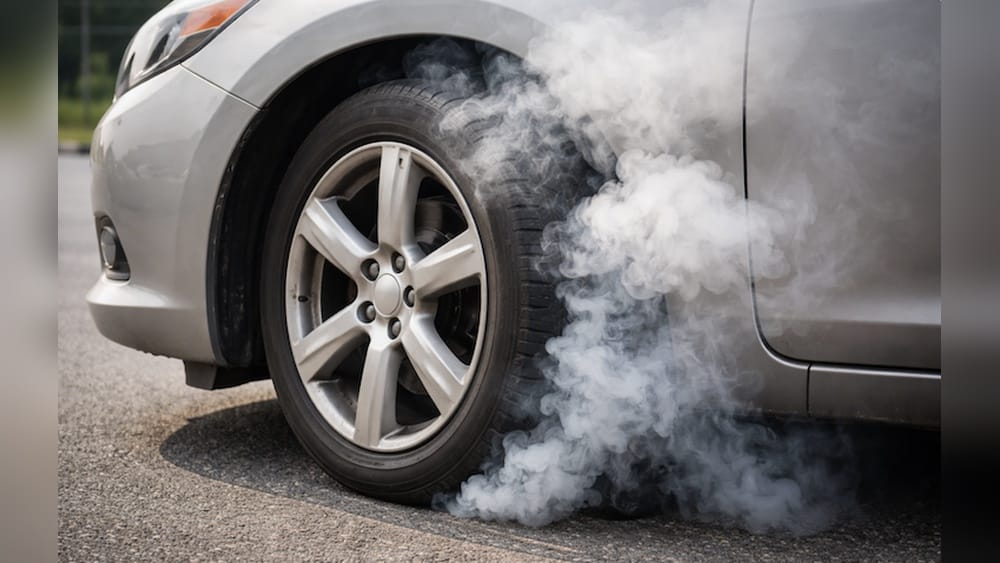
Seeing smoke billowing from your car tire is a moment that can jolt even the most seasoned driver into panic. That unsettling sight is more than just a minor inconvenience; it’s often a warning sign that something critical is happening with your vehicle. Whether it’s a faint wisp or a thick cloud, smoking tires demand immediate attention to prevent further damage, costly repairs, or even a dangerous accident.
But what actually causes a car tire to start smoking? Is it always a sign of a severe problem, or could it sometimes be something less serious? In this comprehensive guide, we’ll break down the most common causes of smoking tires, explain the science behind each issue, and provide actionable steps to address the problem safely.
We’ll also share real-world examples and expert insights to empower you with the knowledge you need, whether you’re a daily commuter, a car enthusiast, or someone facing this issue for the first time.
Key Takeaways
- Smoking tires can signal serious mechanical, brake, or tire issues—never ignore them.
- Common causes include brake problems, tire damage, wheel alignment issues, and foreign object interference.
- Immediate action is crucial; safely pull over, inspect, and avoid driving further until the cause is identified.
- Regular maintenance and inspections are key to preventing most smoking tire incidents.
- Understanding the different causes helps you communicate clearly with mechanics and avoid unnecessary repairs.

Credit: carused.jp
Common Causes Of Smoking Car Tires
When you notice smoke coming from your tire, the source could be one of several underlying problems. Some are mechanical, others are environmental or even driver-induced. Here, we’ll examine the most frequent causes and how to differentiate them.
Brake System Malfunctions
The most widespread reason for smoking tires is an overheating brake system. This can result from:
- Stuck brake caliper: The caliper can seize, pressing the brake pad against the rotor continuously. When this happens, the constant friction quickly generates enough heat to vaporize any residue, causing smoke to pour out from the wheel. This can also lead to glazing or warping of the rotor, further compounding the problem.
- Worn-out brake pads: Thin pads can overheat quickly, producing smoke. As the friction material wears away, the metal backing plate can make direct contact with the rotor, resulting in excessive heat, sparks, and sometimes even visible flames if left untreated.
- Dragging brakes: Sometimes a parking brake doesn’t fully release, causing friction and heat. This is particularly common in vehicles with manually adjusted parking brakes or after driving through water or mud, which can cause the mechanism to stick.
- Aggressive driving/braking: Constant hard braking, especially downhill, can make brakes overheat. This is known as brake fade, where the braking system becomes less effective as it heats up, potentially resulting in longer stopping distances and increased risk of accidents.
Case Example:
A 2015 Honda Accord owner noticed smoke while descending a steep mountain pass. After pulling over, a mechanic found a stuck caliper that kept the brake pad pressed, generating excess heat and smoke. Replacing the caliper and pads resolved the issue.
Additional Example:
A delivery van repeatedly experienced smoking brakes in city traffic. Investigation revealed that the driver habitually rested their foot on the brake pedal, causing the pads to drag and overheat. After a brake fluid flush and retraining the driver, the issue was resolved.
Tire Damage Or Failure
A tire can smoke if it’s damaged or failing due to:
- Underinflation or overinflation: Incorrect pressure causes excessive flexing or uneven wear. Underinflated tires flex more, generating heat internally, while overinflated tires have a smaller contact patch, leading to concentrated stress and rapid wear.
- Tire blowout: When a tire ruptures, the friction of the flapping rubber against the road can cause smoke. This often leads to pieces of rubber detaching at high speed, which can be extremely dangerous for both the driver and other road users.
- Internal tire separation: Broken belts or sidewall damage can generate heat and smoke. Sometimes, this is accompanied by a rhythmic thumping sound or vibration, indicating imminent tire failure.
Statistics:
According to the National Highway Traffic Safety Administration, 11,000 tire-related crashes occur annually in the US, many due to underinflation or poor maintenance (NHTSA).
Additional Insight:
Temperature extremes, such as heatwaves, can exacerbate tire issues. Hot pavement increases tire pressure and internal temperatures, making poorly maintained tires much more likely to fail and smoke.
Foreign Object Interference
Sometimes, foreign objects like plastic bags, ropes, or road debris can get lodged around the wheel or brake components. The friction as these objects rub against hot parts can create smoke and burning smells.
- Plastic bags are a common culprit. When they wrap around a hot exhaust or brake assembly, they quickly melt and smoke, often emitting a pungent, chemical odor that differs from the smell of burning rubber or oil.
- Organic debris such as leaves or twigs can also become trapped, especially if you’ve recently driven through a pile of yard waste or construction zones.
Real-World Example:
A driver noticed smoke after driving through a construction zone. A plastic bag had wrapped around the axle and started to melt, creating smoke. Removal of the bag solved the problem.
Further Illustration:
In winter climates, road salt bags or ice-melting chemicals can become lodged in the wheel well. When exposed to friction and heat, these substances may emit acrid fumes and visible smoke, but usually don’t cause lasting damage if removed promptly.
Wheel Bearing Failure
A seized or failing wheel bearing creates intense friction that can generate smoke and, if ignored, even cause the wheel to detach.
Warning Signs:
- Grinding or humming noises from the wheel area, especially at certain speeds.
- Excessive heat near the affected wheel, sometimes hot enough to blister paint or cause the hubcap to discolor.
- Steering wheel vibrations or “looseness” in handling.
Expert Insight:
Professional mechanics note that wheel bearing failures are more common in older vehicles or those exposed to floodwater or poor road conditions (Popular Mechanics). Additionally, towing heavy loads or frequent driving on unpaved roads can accelerate bearing wear.
Added Detail:
If left unchecked, a failed wheel bearing can cause the wheel to lock up or separate from the vehicle, potentially resulting in catastrophic loss of control.
Excessive Wheel Spin (“burnouts”)
Intentional or accidental burnouts—rapidly spinning the tires while stationary—cause tires to overheat and smoke. This is common in motorsports or among performance car enthusiasts, but it can also occur if a driver is stuck and spinning the wheels.
Risks:
- Rapid tire wear, reducing the tire’s lifespan from years to mere minutes in extreme cases.
- Possible tire blowout due to excessive heat softening the rubber structure.
- Transmission and drivetrain stress, possibly causing expensive mechanical failure.
Additional Note:
Even all-wheel-drive and traction-controlled vehicles can suffer from accidental burnouts if one axle loses grip on slippery surfaces, making it important to avoid excessive throttle input when stuck.
Improper Wheel Alignment Or Suspension Issues
If your car’s wheel alignment is off or suspension components are worn, tires may drag or scrub against the road at unnatural angles, causing excess heat and sometimes smoke.
Symptoms:
- Uneven tire wear, often feathered or scalloped tread patterns.
- Pulling to one side while driving straight.
- Vibrations or noises, especially at highway speeds or during turns.
Added Explanation:
Alignment issues often stem from impacts like hitting a curb or pothole, or from worn suspension parts such as bushings or ball joints. Left unresolved, the increased friction can superheat the tire’s tread or sidewall, producing smoke and ultimately leading to blowouts.
Leaking Fluids
Fluids such as oil, transmission fluid, or brake fluid can leak onto hot brake components or the tire itself. When these fluids hit hot surfaces, they can vaporize and produce smoke.
Typical sources:
- Worn seals or gaskets around the brake caliper or axle.
- Loose or damaged hoses, especially after recent repairs or maintenance.
- Overfilled or spilled fluids during routine service.
Additional Detail:
Brake fluid is particularly hazardous—if it leaks onto the rotor or pads, it not only causes smoke but also severely diminishes braking performance, greatly increasing accident risk.
Other Less Common Causes
- Locked-up brakes after a long-term park. Rust or corrosion can cause the pads to adhere to the rotor, especially after rain or high humidity.
- Electrical short in or near the wheel well, such as a damaged ABS sensor wire.
- Fire from flammable materials trapped near the tire, which can escalate rapidly and endanger the entire vehicle.

Credit: carfromjapan.com
How To Respond When Your Car Tire Is Smoking
Knowing what to do in the critical moments when you spot smoke from your tire can prevent further damage and keep you safe.
Step 1: Stay Calm And Pull Over Safely
- Signal and move to the shoulder or a safe location.
- Avoid sudden braking if you suspect brake issues—gradually slow down using lower gears when possible.
- Stay aware of your surroundings, especially on highways or narrow roads. If possible, pull into a parking lot or wide shoulder for better safety.
Step 2: Inspect The Affected Wheel
- Look for visible damage, debris, or leaks. Use a flashlight if it’s dark.
- Smell for burning rubber, oil, or plastic. The type of odor can give clues—chemical smells often point to brake or electrical issues, while sharp rubber smells suggest tire problems.
- Check if the wheel is excessively hot—use caution, as it may burn. You can carefully hover your hand nearby to feel for heat without touching the wheel.
Extra Safety Tip:
If you have water, you can gently sprinkle a small amount near (not on) the wheel to observe if it sizzles or evaporates instantly, indicating excessive heat.
Step 3: Do Not Drive Further
- If smoke persists, do not attempt to drive any further, even to a nearby garage.
- Driving on a smoking tire can cause a fire, blowout, or brake failure. Even short distances can multiply the damage or risk.
Step 4: Call For Assistance
- Contact roadside assistance, a tow service, or your mechanic. Clearly describe what you see and smell for better advice.
- If you’re on a busy highway, stay inside the car with hazard lights on. Exiting your vehicle can be dangerous on high-speed roads.
Step 5: Document The Incident
- Take photos for insurance or mechanic review, capturing the wheel, smoke, and any visible debris or leaks.
- Note any unusual sounds, smells, or sensations before and after the smoke appeared. This information can help mechanics diagnose the problem faster.
Pro Tip:
If you’re comfortable and it’s safe, use a fire extinguisher if flames are present, but never use water on a brake or oil fire.

Credit: www.presstelegram.com
Diagnosing The Cause: How Mechanics Identify Smoking Tires
A professional diagnosis ensures proper repair and helps prevent recurrence. Here’s how mechanics approach the issue:
Visual Inspection
Mechanics first perform a visual examination to check for:
- Burn marks or discoloration on the wheel, brake caliper, or rotor.
- Melted debris or plastic wrapped around axle or suspension components.
- Leaks or fluid stains, which may appear as shiny patches or wet spots.
Hands-on Checks
- Spinning the wheel (with the car safely lifted) to detect drag or resistance. If the wheel doesn’t spin freely, a seized brake or bearing is likely.
- Feeling for excessive heat—using infrared thermometers for accuracy, as touch alone is not always reliable or safe.
Brake System Analysis
- Inspecting calipers, rotors, and pads for seizing, glazing, or uneven wear. Mechanics check for heat discoloration (bluish tinge on rotors) and pad thickness.
- Checking brake fluid levels and for leaks, including around hoses and master cylinder.
Added Detail:
Mechanics may also check for ABS error codes or sensor faults using diagnostic scanners, as some brake system failures trigger warning lights.
Tire And Wheel Inspection
- Examining for tread separation, blisters, or punctures. Sometimes, internal damage is only visible after the tire is removed from the rim.
- Checking pressure and wear patterns, noting any signs of underinflation or uneven wear indicating alignment or suspension issues.
Suspension And Alignment Checks
- Assessing ball joints, tie rods, and bushings for play or damage. Damaged components can cause wheels to sit at incorrect angles, increasing friction and heat.
- Measuring alignment angles, often using computerized racks for precise readings.
Wheel Bearing Assessment
- Rotating the wheel to listen for grinding, roaring, or clicking noises.
- Testing for wobble or play in the hub by rocking the wheel top-to-bottom and side-to-side.
Fluid Leak Detection
- Using UV dye or fluorescent markers to trace leaks. This is especially helpful for pinpointing small or slow leaks.
- Inspecting seals and hoses for cracks, splits, or improper installation.
Data Table: Mechanic Diagnostic Tools vs. DIY Checks
| Tool/Method | Professional Mechanic | DIY Owner |
|---|---|---|
| Infrared Thermometer | Yes | Rarely |
| Brake Pad Gauge | Yes | Sometimes |
| Alignment Rack | Yes | No |
| UV Leak Detector | Yes | No |
| Visual/Touch Inspection | Yes | Yes |
Diagnostic Fees And Turnaround
Most shops charge $50–$150 for a thorough inspection, but prices vary. Expect 1–2 hours for diagnosis, longer if complex repairs are needed. In some cases, specialized diagnostic procedures (e.g., for ABS or traction control faults) can add time and cost but are vital for a complete solution.
Extra Tip:
Always ask for a written estimate and detailed explanation before authorizing repairs. A reputable shop will walk you through their findings and recommendations.
Preventing Smoking Tire Incidents
The best way to avoid the stress and danger of a smoking tire is proactive maintenance. Here’s how you can dramatically reduce your risk.
Regular Tire Checks
- Inspect for cuts, bulges, or uneven wear every month. Use a tread depth gauge to ensure adequate traction.
- Check pressure when tires are cold; adjust according to your car’s manual. A difference of just a few PSI can affect handling and heat generation.
- Rotate tires every 5,000–7,000 miles to promote even wear.
Added Detail:
Don’t forget to check the spare tire (if equipped); a flat spare won’t help during an emergency.
Brake System Maintenance
- Replace brake pads at recommended intervals (usually every 25,000–70,000 miles), or sooner if you notice squealing, grinding, or reduced stopping power.
- Flush brake fluid every 2 years, or as specified by your vehicle manufacturer. Old fluid can absorb moisture, lowering its boiling point and increasing the risk of brake fade.
- Have brakes inspected annually, or sooner if you notice squealing or reduced performance.
Example:
Fleet operators often schedule brake checks every oil change, as frequent stop-and-go driving accelerates wear.
Suspension And Alignment Care
- Schedule a wheel alignment check annually or after hitting a pothole. Misalignment can dramatically shorten tire lifespan.
- Replace worn shocks, struts, and bushings promptly. These parts help absorb road impacts and maintain tire contact with the road.
Tip:
Listen for new noises after impacts or off-road driving, as these may indicate hidden suspension damage.
Avoiding Hazardous Driving Habits
- Don’t ride the brakes, especially downhill. Use lower gears to control speed and reduce brake workload.
- Avoid hard acceleration and spinning tires. Traction control can help, but driver input is still crucial.
- Don’t overload the vehicle, which stresses tires and brakes beyond their rated capacity.
Extra Caution:
When towing or carrying heavy loads, periodically check tire and brake temperatures during trips.
Watch For Fluid Leaks
- Regularly check under your car for spots or puddles, especially after parking overnight.
- Address leaks quickly to prevent them from reaching hot brake or wheel areas. Even small leaks can escalate into major failures.
Comparison Table: Maintenance Frequency and Impact
| Maintenance Task | Recommended Frequency | Impact on Smoking Tire Risk |
|---|---|---|
| Tire Pressure Check | Monthly | High |
| Brake Inspection | Annually or every 12,000 mi | High |
| Wheel Alignment | Annually | Moderate |
| Suspension Check | Every 2 years | Moderate |
| Fluid Leak Inspection | Every oil change | High |
Using Technology For Prevention
Modern vehicles may offer:
- Tire Pressure Monitoring Systems (TPMS) to alert you of pressure loss before it becomes dangerous.
- Brake pad wear indicators that give an audible or dashboard warning when pads are thin.
- Onboard diagnostics for wheel and brake issues, making it easier to identify problems early.
Tip:
Apps and telematics can remind you of maintenance schedules and alert you to early problems (NHTSA). Many automakers now offer connected services that notify you or your dealer automatically if a critical issue is detected.
Real-world Examples And Case Studies
Learning from real scenarios can highlight the importance of prompt response and proper maintenance.
Case Study 1: The Overheated Brakes
Situation:
A driver descending a long interstate grade noticed smoke and a burning smell from the front wheels of their SUV. They’d been using the brakes heavily to control speed.
Diagnosis:
Both front brake pads were glazed and scorched. The mechanic confirmed that “riding the brakes” had caused them to overheat.
Resolution:
Pads and rotors were replaced. The driver was instructed to use lower gears next time to let the engine help slow the vehicle.
Lesson Learned:
Proper braking technique is as important as good maintenance, especially in mountainous areas.
Case Study 2: The Tire Blowout
Situation:
A commuter ignored a persistent low tire pressure warning. Eventually, the tire blew out on the highway, with smoke and burning rubber smell.
Diagnosis:
The tire had a slow leak and had been running underinflated for weeks, causing internal damage and overheating.
Resolution:
Tire replaced, TPMS sensor checked. The driver learned the importance of regular pressure checks.
Lesson Learned:
Ignoring dashboard warnings can turn a minor issue into a major emergency.
Case Study 3: Foreign Object Meltdown
Situation:
After parking near a construction site, a driver noticed smoke from the right rear tire. Investigation revealed melted plastic stuck to the hot exhaust and brake area.
Diagnosis:
No mechanical issues—just foreign debris trapped and melted.
Resolution:
Debris removed; no further action needed.
Lesson Learned:
Always inspect for foreign objects after driving through debris-prone areas.
Case Study 4: Suspension Failure
Situation:
A car owner noticed tire smoke after hitting a pothole. The wheel began to wobble, and the car pulled to one side.
Diagnosis:
A bent control arm caused the wheel to drag at an angle, creating excessive heat and smoke.
Resolution:
Suspension components replaced, alignment restored.
Lesson Learned:
Road hazards can cause hidden damage that leads to dangerous symptoms if not checked promptly.
External Resource:
For more on how suspension and alignment impact tire health, visit Consumer Reports.
When To Seek Professional Help
While some causes of tire smoke can be resolved by removing debris or correcting a driving habit, others demand immediate expert attention.
Emergency Situations
- Continuous smoke after stopping.
- Visible flames or tire deformation.
- Loud noises, grinding, or shaking.
Action:
Call 911 or emergency roadside assistance. Do not attempt to continue driving. These are signs of imminent failure or fire risk.
Signs Requiring Prompt Mechanic Visit
- Smoke accompanied by warning lights (brakes, ABS, tire pressure).
- Repeated incidents of tire smoke.
- Fluid leaks visible on or near the wheel.
Added Note:
Even if the smoke stops, underlying damage may persist and worsen with continued driving.
Diy Fixes That Are Safe
- Removing visible debris (if cool and safe).
- Adding air to a slightly underinflated tire (if no structural damage).
Caution:
Never attempt brake or suspension repairs without proper tools and knowledge—these are safety-critical systems.
External Resource:
For safe roadside repair tips, consult AAA.
The Costs Of Ignoring Smoking Tires
Neglecting a smoking tire can have serious, expensive consequences. Here’s what you risk by not acting promptly.
Potential Damages
- Complete brake system failure: $300–$1,000+ for parts and labor, not including potential accident costs.
- Tire blowout accident repairs: $1,500–$10,000+ depending on severity and insurance.
- Wheel bearing replacement: $200–$800 per wheel, but delays can escalate to thousands if axle or hub damage occurs.
- Fire damage: $2,000+ (and possible total loss if the fire spreads to the engine compartment or cabin).
Insurance Implications
Accidents caused by ignored tire issues may not be fully covered if maintenance negligence is proven (NerdWallet). Keeping service records and acting promptly can help your claim.
Safety Risks
- Loss of steering or braking control, especially at highway speeds.
- Increased risk of highway collisions, rollovers, or multi-car pileups.
- Injury to driver, passengers, or others—a risk no repair bill can justify.
Data Table: Cost Comparison Of Early Vs. Late Intervention
| Issue | Early Repair Cost | Late Repair/Accident Cost |
|---|---|---|
| Brake Pad Replacement | $150–$300 | $800–$1,500 (with rotor/caliper damage) |
| Wheel Bearing Replacement | $200–$400 | $1,000+ (wheel/hub failure or accident) |
| Tire Replacement | $100–$300 | $1,500+ (if blowout causes crash) |
| Debris Removal | $0–$50 | $2,000+ (if fire or brake damage) |
Frequently Asked Questions
What Should I Do First If I See Smoke Coming From My Tire?
Immediately pull over to a safe spot, turn on your hazard lights, and avoid driving further. Inspect the area for debris, damage, or leaks, but use caution as the parts may be extremely hot. Call for roadside assistance if you can’t identify or resolve the issue.
Is It Ever Safe To Drive With A Smoking Tire?
No. Driving with a smoking tire is highly dangerous. The underlying cause could lead to brake failure, tire blowout, or even fire. It’s essential to stop driving and address the root cause before proceeding.
Can A Smoking Tire Cause A Car Fire?
Yes. If the smoke is due to overheated brakes, leaking fluids, or foreign objects, there’s a real risk of fire. Fast action—stopping the vehicle and calling for help—can prevent escalation.
How Can I Tell If The Smoke Is From The Brakes Or The Tire?
Brake smoke tends to be lighter in color, with a sharp, chemical smell, and often appears near the wheel hub. Tire smoke is darker, with a burnt rubber odor, and may be accompanied by visible tire damage. If unsure, let a mechanic diagnose the issue.
Will Insurance Cover Repairs From A Smoking Tire Incident?
Coverage depends on the cause. Comprehensive insurance may cover fires, but if the issue is due to neglected maintenance, coverage could be denied. Always check your policy details and maintain regular service records.
External Resources For Further Reading
- NHTSA: Tire Safety
- Wikipedia: Automobile Tires
- Popular Mechanics: Common Car Problems
- Consumer Reports: Tire Buying Guide
- AAA: When to Pull Over
- NerdWallet: Tire Damage and Insurance
Spotting smoke from your car tire is a clear signal to act, not ignore. Understanding the likely causes and the right steps to take can make the difference between a simple fix and a catastrophic failure. Regular maintenance, attentive driving, and prompt professional help are your best defenses.
Stay informed, stay safe, and always treat a smoking tire as the urgent warning it is.
Products related to this article
Sponsored / affiliate links. As an Amazon Associate I earn from qualifying purchases. I may earn additional commission from eligible campaigns.