Pros And Cons of Used Tires: Is It Worth the Risk?
Buying used tires can seem like a smart way to save money, especially as the cost of new tires continues to rise. For budget-conscious drivers, the appeal is clear: why pay full price for something that might serve your needs just as well at half the cost? Yet, just beneath the surface, the decision is more complex than it appears. Used tires come with their own set of risks and rewards, and the wrong choice could compromise not only your wallet but also your safety.
With over 38 million used tires sold annually in the United States alone, this is not a niche market. From small local shops to online marketplaces, the options are seemingly endless. But how do you know if buying used tires is worth the risk?
This article provides a comprehensive, data-driven look at the pros and cons of used tires, so you can make an informed decision that fits your needs, your budget, and—most importantly—keeps you safe on the road.
Key Takeaways
- Used tires offer significant savings but may carry hidden risks that could impact safety and long-term value.
- Proper inspection and selection are crucial to minimize the dangers associated with used tires.
- Regulations and standards for used tires are less stringent than for new tires, making buyer vigilance essential.
- Environmental benefits exist, as buying used tires extends their lifecycle and reduces waste.
- Real-world examples reveal both positive outcomes and costly mistakes from buying used tires.
- Careful comparison with new tires helps clarify when buying used is a wise choice—or a gamble.

Credit: www.conger.com
Understanding Used Tires: The Market And The Basics
Before diving into the pros and cons, it’s essential to understand what constitutes a used tire and how this market operates. Used tires are those previously mounted and driven on another vehicle, then removed, inspected, and resold. They may come from trade-ins, lease returns, salvage yards, or tire recycling programs. The diversity in their origin adds to the complexity of assessing their quality, as each tire may have experienced very different road and environmental conditions.
The Used Tire Market Landscape
- Size and Growth: The US used tire market is estimated at over $1 billion annually, with millions of units changing hands each year. The market has been steadily growing as consumers look for cost-saving measures amid rising vehicle ownership costs.
- Sources: Common sources include tire dealers, online marketplaces (e.g., eBay, Craigslist, Facebook Marketplace), and salvage yards. Some auto repair shops also sell used tires as a service to customers who cannot afford new ones, and specialized used tire retailers have emerged in urban and suburban areas.
- Typical Buyers: Budget-conscious drivers, owners of older vehicles, and those seeking rare or discontinued tire models. Additionally, auto enthusiasts searching for specific models for restoration projects, and fleet operators looking to reduce operating expenses, frequently turn to used tires.
Used Tire Grading And Standards
Unlike new tires, there is no universal grading system for used tires in the United States. However, many sellers use informal grading based on:
- Tread Depth: Measured in 32nds of an inch; new tires usually have 10/32″–12/32″, while used tires may range from 4/32″ to 8/32″. Some dealers use color-coded labels or written notes to indicate remaining tread life.
- Age: The Department of Transportation (DOT) code indicates manufacturing date, but many used tires are over six years old. Some European countries ban tires older than ten years, but in the U.S., it’s left to buyer discretion.
- Repair History: Includes plugs, patches, or sidewall repairs. Documentation of repairs is rarely provided, so buyers should inspect for visible signs of patchwork or repairs.
Prevalence Of Used Tire Sales
According to the Rubber Manufacturers Association, about 30–35% of all tire replacements in the US involve used tires. Despite their popularity, used tires are not regulated as strictly as new ones, meaning the burden of quality control falls heavily on the buyer. This prevalence means that many drivers are rolling the dice with their safety, often without realizing the risks involved.
Why People Choose Used Tires
- Affordability: Main reason cited by 67% of used tire buyers (source: Tire Business Magazine). Even a single replacement tire can be cost-prohibitive for some families if purchased new.
- Availability: Finding rare or discontinued models. For car enthusiasts, replacing just one tire on a classic or specialty vehicle can be impossible with new stock.
- Short-term Use: For vehicles nearing end-of-life or being sold soon. Some drivers use used tires to pass vehicle inspections before selling their car or turning in a lease.
The Pros Of Buying Used Tires
Used tires are not inherently bad. In fact, they offer several tangible benefits—if chosen wisely. Let’s explore the primary advantages.
Cost Savings
Used tires typically cost 30%–70% less than their new counterparts. For instance, a set of four used tires might cost $200–$300, compared to $500–$800 for new ones. This cost difference can make the difference between a car remaining roadworthy or being parked due to unaffordable repairs.
Example Price Comparison Table
| Type | Average Price per Tire | Set of Four | Estimated Remaining Tread Life (Miles) |
|---|---|---|---|
| New All-Season | $120 | $480 | 50,000–70,000 |
| Used All-Season | $50 | $200 | 15,000–30,000 |
| New Performance | $180 | $720 | 30,000–50,000 |
| Used Performance | $75 | $300 | 10,000–20,000 |
For families or businesses operating multiple vehicles, these savings can add up quickly, making used tires an attractive short-term solution. Even when replacing a single damaged tire, buying used allows drivers to match an existing set more affordably.
Environmental Benefits
Opting for used tires extends the lifecycle of each unit, reducing landfill waste. According to the Environmental Protection Agency (EPA), over 290 million tires are discarded each year in the US. Reusing tires helps:
- Lower the demand for raw materials.
- Reduce carbon footprint from manufacturing.
- Decrease landfill volume.
When considering the environmental impact, it’s important to note that tire manufacturing is resource-intensive, requiring vast quantities of rubber, petroleum, and energy. Reusing tires delays the need for new products and minimizes the environmental burden. Tire recycling options exist, but not all old tires are recycled responsibly, leading to illegal dumping and environmental hazards.
epa: Sustainable Management Of Used Tires
Accessibility And Convenience
Used tires can be sourced quickly, especially for older or discontinued models. This is especially useful if you:
- Need a single replacement to match existing tires.
- Own a rare or vintage vehicle.
- Require a temporary solution due to budget constraints.
In rural areas or small towns, new tire options may be limited, making the used tire market an essential resource for drivers who need to replace a tire promptly to remain mobile. Online platforms have further increased convenience, allowing buyers to search by size, brand, or tread pattern and have tires delivered directly to their door or local installer.
Immediate Availability Of Rare Sizes
Sometimes, specific tire sizes or tread patterns are discontinued by manufacturers. Used tire markets can be a goldmine for:
- Classic car restorers.
- Niche vehicle owners.
- Fleet operators with mixed vehicle types.
For example, owners of imported vehicles or older trucks often struggle to find new tires in the correct size. Used tire retailers may have inventory that is years or even decades old, providing a lifeline for those seeking to keep unique vehicles on the road.
Case Study: Fleet Operator Savings
A small delivery company in Texas replaced three sets of van tires with quality used units, saving over $1,500 in one year. The tires performed reliably for 20,000 miles, allowing the company to invest savings elsewhere.
The operator noted that, by carefully selecting used tires with at least 75% tread remaining and inspecting them for signs of damage or repairs, they experienced no major issues. This approach enabled them to maintain their delivery schedule and allocate more funds to vehicle maintenance and driver training.
Short-term Or Seasonal Use
For vehicles driven only seasonally (e.g., winter cars, classic cars), used tires can be an economical and practical choice, as tread wear is minimal over short periods.
Consider a sports car stored during winter months: buying new tires may be unnecessary if the car is driven sparingly in summer. Similarly, drivers needing winter tires for a few months each year may find used tires a budget-friendly way to stay safe without investing in a new set that will age before the tread wears out.
Credit: llamatrike.com
The Cons Of Used Tires
Despite the benefits, there are significant downsides to consider when purchasing used tires. These risks can affect not only your wallet but also your safety and legal standing.
Safety Risks
Used tires can hide a multitude of issues, even if they look acceptable on the surface. Key risks include:
- Tread separation: Weakening of the bond between layers, which can lead to catastrophic blowouts.
- Internal damage: Unseen sidewall or bead damage may compromise structural integrity.
- Previous repairs: Plugs and patches, especially on the sidewall, reduce safety and longevity.
According to a National Highway Traffic Safety Administration (NHTSA) study, 11% of tire-related crashes involved tires with prior repairs or damage.
nhtsa: Tire-related Crashes
Other safety issues include dry rot, which causes the rubber to crack and weaken, making the tire more susceptible to failure at highway speeds. High-speed driving, heavy loads, or extreme temperatures all increase the risk associated with compromised tires.
Inconsistent Quality
There is little standardization in the used tire market. Two tires with similar tread depth may have vastly different histories or hidden flaws. Issues include:
- Uneven wear from poor alignment or rotation.
- Dry rot or age-related cracking.
- Exposure to harsh chemicals or extreme temperatures.
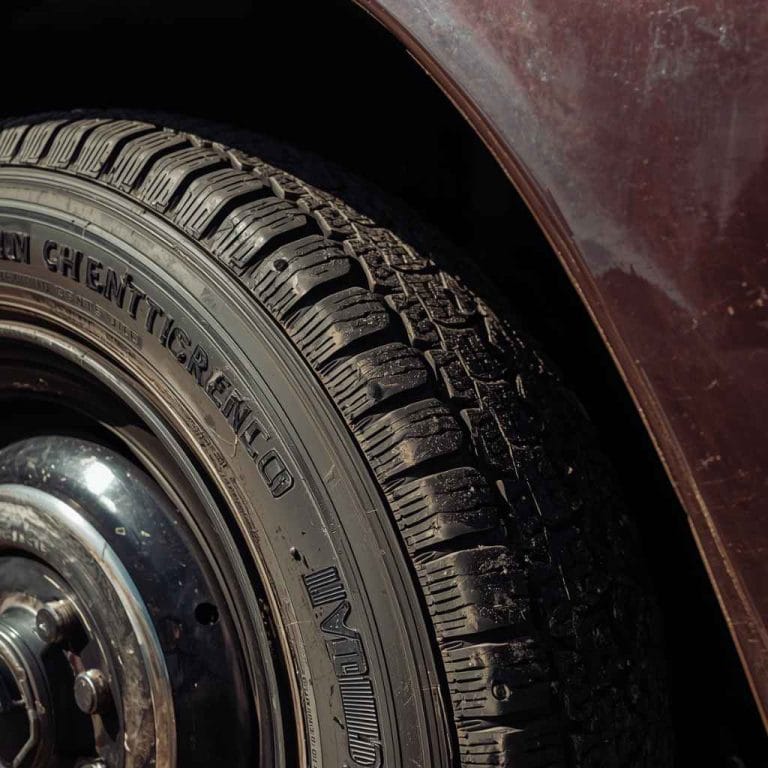
For example, a tire that spent time in a sunny, arid region may develop cracks from UV exposure, while one from a colder climate may suffer from hardening of the rubber compound. Sellers rarely disclose such history, making buyer vigilance essential.
Shorter Lifespan
Even with decent tread depth, used tires have already lost some of their functional life. Factors affecting longevity:
- Age: Rubber compounds degrade over time, regardless of tread.
- Heat cycles: Each heating and cooling cycle hardens the rubber, reducing grip.
- Previous usage: Aggressive driving, overloading, or underinflation can cause unseen damage.
Lifespan Comparison Table
| Tire Type | Expected Remaining Life (Years) | Risk of Failure |
|---|---|---|
| New Tire | 6–10 | Low |
| Used Tire (4 Years Old) | 2–4 | Moderate |
| Used Tire (6+ Years Old) | 0.5–2 | High |
Tires older than six years are particularly vulnerable to sudden failure, even if they appear visually acceptable. The risk increases if the tire has been stored improperly, exposed to sunlight, or underinflated.
Limited Warranty And Legal Concerns
Most used tires come with little or no warranty. If a defect or failure occurs, you may have no recourse. Additionally, some states ban or restrict the sale of certain used tires (e. g. , tires below 2/32″ tread).
- No Manufacturer Support: Warranty transfers rarely apply.
- Liability: If a used tire fails and causes an accident, legal liability can be complex.
consumer Reports: Used Tire Risks
This lack of protection means that, should a tire fail due to a pre-existing defect, the costs of repairs, towing, or medical expenses could far outweigh any initial savings.
Hidden Costs
While upfront savings are appealing, used tires may require:
- Frequent replacements: Shorter lifespan means more frequent purchases and installations.
- Alignment and balancing: Used tires often require extra balancing or alignment, adding to overall cost.
- Potential fines: Using illegal or unsafe tires can result in traffic citations.
Additional costs may arise from emergency roadside assistance, towing, or even increased fuel consumption if the tires are mismatched or worn unevenly. Insurance companies may also deny claims if an accident is caused by unsafe tires, further increasing potential liability.
Case Study: The Cost Of A Blowout
In 2026, a driver in Ohio purchased a set of used tires for $180. Within two months, a sidewall failure led to a blowout at highway speeds, causing a $2,500 vehicle repair bill and minor injuries. The tires showed no obvious defects at purchase, highlighting the unpredictable risk.
This example underscores how hidden weaknesses, such as internal damage from a previous curb impact, may only reveal themselves under stress, often with costly or dangerous results.

Credit: libertytire.com
How To Safely Buy Used Tires: Inspection And Best Practices
If you choose to purchase used tires, a careful inspection process is essential. These steps can minimize risk and help you find quality options.
Visual Inspection Checklist
- Tread Depth: Use a gauge; avoid anything under 4/32″. Deeper tread not only extends lifespan but also improves grip in wet conditions.
- Age: Check the DOT code; avoid tires older than six years. If possible, opt for tires less than four years old for best performance.
- Sidewall Condition: Look for cracks, bubbles, or repairs—reject if found. Examine both inside and outside sidewalls, as some damage is not immediately apparent.
- Even Wear: Uneven tread may indicate alignment or suspension issues. Tires worn more on one edge may have been used on a misaligned vehicle, reducing future safety.
- Previous Repairs: Avoid tires with sidewall plugs or multiple patches. Plugs in the tread area are safer than those in the sidewall, but excessive patching is a red flag.
tire Rack: How To Inspect Used Tires
Professional Inspection
Whenever possible, have a certified technician inspect used tires before purchase. They can check for:
- Internal damage using specialized equipment.
- Bead and belt integrity.
- Manufacturer recalls.
Technicians may use tools such as tire spreaders, X-ray machines, or ultrasonic devices to detect issues invisible to the naked eye. Some shops also check for tire recalls, which can be a critical safety safeguard.
Where To Buy Safely
- Reputable tire shops: Some offer limited warranties and professional inspections.
- Certified used tire dealers: Look for dealers who follow industry guidelines.
- Avoid private sellers unless you can inspect the tires thoroughly.
Online purchases should only be made from sellers with strong reviews, clear return policies, and detailed photos. Ask for the DOT code and close-up pictures of tread and sidewalls before buying.
Questions To Ask The Seller
- What is the tire’s age and usage history?
- Has it been repaired? If so, where and how?
- Is there any warranty or return policy?
Asking these questions can help weed out poor-quality options and ensure you’re not buying tires that are too old, damaged, or unsafe.
Matching And Mixing Tires
For best performance and safety, avoid mixing brands, models, or significantly different tread depths on the same axle.
Matching Used Tires Table
| Scenario | Recommended Action | Potential Issues |
|---|---|---|
| Single Used Tire Replacement | Match brand/model/tread as closely as possible | Uneven handling, traction imbalance |
| Pair on Same Axle | Both tires should be similar | Reduced stability if mismatched |
| Four Used Tires | Best if all four are identical | Minimized risk |
Mixing tires can cause issues with ABS systems, all-wheel drive performance, and can even void warranties on some vehicles. Always strive for uniformity whenever possible.
Real-world Example: Smart Used Tire Purchase
A college student in California purchased a single used tire to replace a blowout. By inspecting tread depth, checking for repairs, and verifying the DOT code, the student drove safely for 18 months until all tires were replaced with new ones.
This example highlights that with due diligence and proper inspection, used tires can serve as a safe and practical option for certain drivers.
Comparing Used Tires To New Tires: A Data-driven Approach
Making the right choice means weighing used tires against new ones based on safety, value, and longevity. Here’s a detailed comparison.
Safety And Reliability
- New tires have full tread, fresh rubber compounds, and manufacturer warranties.
- Used tires may have hidden defects, older rubber, and no warranty support.
New tires undergo rigorous quality control, and any defects are typically covered by the manufacturer. Used tires, however, rely on the seller’s honesty and the buyer’s ability to inspect them. This difference is crucial for drivers who frequently travel at high speeds or carry heavy loads.
Cost Over Time
While used tires are cheaper up front, the shorter lifespan means you may spend more over several years.
For example, replacing used tires every 18 months may ultimately cost more than buying a new set that lasts four or five years. Additionally, frequent replacements add to installation and balancing expenses.
Performance
- New tires offer optimal grip, braking, and fuel efficiency.
- Used tires may have compromised performance, especially in wet or icy conditions.
Tests by organizations such as Consumer Reports consistently show that even slightly worn tires have significantly longer stopping distances in the rain. For drivers in areas with frequent precipitation or snow, new tires offer a measurable safety advantage.
Environmental Impact
Used tires reduce waste, but frequent replacements can offset environmental gains.
If used tires are replaced more often, the environmental benefits of reusing them diminish. However, for drivers who only need a temporary or seasonal solution, the environmental impact can be positive.
Table: Used Tires Vs. New Tires
| Criteria | Used Tires | New Tires |
|---|---|---|
| Initial Cost | Low | High |
| Lifespan | Shorter (1–3 years) | Longer (4–7 years) |
| Warranty | Rare/None | Standard (40,000–80,000 miles) |
| Safety | Variable | High |
| Environmental Impact | Positive (reuse) | Negative (new production) |
| Availability of Rare Sizes | High | Low |
Case Study: Family Minivan Decision
A family in Florida compared buying four used tires ($240) versus new ones ($560). The used set lasted 18 months before needing replacement, while the new set lasted over four years. In total cost per year, the new tires were the better value.
Factoring in installation, balancing, and the inconvenience of more frequent replacements, the family concluded that new tires provided greater peace of mind and long-term savings.
Used Tire Regulations, Standards, And Buyer Rights
Understanding the legal and regulatory landscape is vital before purchasing used tires.
Us Federal And State Regulations
- No universal federal standard for used tires; regulations vary by state.
- Some states (e.g., California, New Jersey) prohibit the sale of tires below 2/32″ tread or with sidewall damage.
- Federal Motor Vehicle Safety Standards (FMVSS) apply mainly to new tires.
nhtsa: Tire Regulations
Some states also require used tire dealers to provide documentation of tread depth and age, while others have no requirements at all. Enforcement is inconsistent, placing responsibility on the buyer to know and follow local laws.
International Standards
- European Union: Strict rules on minimum tread depth and repairs. The EU mandates a minimum tread depth of 1.6mm (approximately 2/32″) and prohibits the sale of tires with significant repairs or damage.
- Canada: Varies by province but generally stricter than most US states. Some provinces require used tires to be marked as such and to pass safety inspections before resale.
Buyer Protections
- Return policies: Some reputable dealers offer limited returns or exchanges. Always request written terms before purchase.
- Warranties: Extremely rare for used tires, usually “as-is” sales.
In some cases, buyers may have recourse under state “lemon laws” or consumer protection acts if a seller knowingly misrepresents a tire’s condition. However, these cases are difficult to prove.
Industry Guidelines
Organizations like the U.S. Tire Manufacturers Association (USTMA) provide best practices for safe used tire sales, but these are voluntary.
ustma: Used Tire Guidelines
Best practices include prohibiting the sale of tires with exposed cords, significant sidewall repairs, or altered DOT codes.
What To Watch Out For
- Sellers who can’t provide basic information (tread, age, repairs).
- Tires with ground-off DOT codes (may indicate recalls or defects).
- “Recapped” or “retreaded” tires being sold as standard used tires.
Always be wary of deals that seem too good to be true, and avoid purchasing from sellers who are unwilling to answer questions or allow inspections.
Real-world Examples: Successes And Failures With Used Tires
Nothing illustrates the true risk and reward of used tires better than actual cases.
Example 1: Classic Car Enthusiast’s Lucky Find
A Michigan collector found a set of discontinued tires for a 1970s muscle car at a used tire dealer. After thorough inspection, the tires performed flawlessly in shows and limited road use, preserving the vehicle’s authenticity.
This case highlights the value of used tires for niche or vintage vehicles where new replacements are unavailable.
Example 2: Budget Commuter’s False Economy
A rideshare driver in Atlanta opted for four used tires to save money. Within eight months, two suffered tread separation, resulting in downtime and extra costs that exceeded the savings from buying used.
The driver later switched to new tires and found improved performance, reduced downtime, and fewer maintenance headaches.
Example 3: Off-road Enthusiast’s Smart Compromise
An off-road enthusiast in Colorado bought a set of slightly used all-terrains for a weekend Jeep. The tires, less than two years old with ample tread, delivered excellent performance on trails at half the price of new ones.
The buyer was careful to inspect for damage and check the manufacturing date, and the purchase proved cost-effective for low-mileage, recreational use.
Example 4: Legal Trouble From Unsafe Tires
In Illinois, a driver was cited for bald used tires purchased from a private seller. The cost of the fine and mandatory replacement negated any initial savings, underscoring the importance of legal compliance.
Example 5: Fleet Manager’s Environmental Win
A municipal fleet manager in Oregon adopted a policy to purchase high-quality used tires for non-essential vehicles, reducing tire waste by 20% and saving $12,000 annually without significant incidents.
By working with a reputable dealer and setting strict inspection standards, the fleet maintained safety while meeting environmental goals.
Frequently Asked Questions
What Is The Minimum Safe Tread Depth For Used Tires?
The generally accepted minimum safe tread depth is 2/32 of an inch. However, for optimal wet-weather performance, many safety experts recommend replacing tires at 4/32″ or more. Always measure tread depth with a reliable gauge.
How Do I Check The Age Of A Used Tire?
Look for the DOT code on the sidewall. The last four digits indicate the week and year of manufacture (e.g., “2319” = 23rd week of 2019). Avoid tires older than six years, as rubber degrades over time.
Can I Mix Used Tires With New Tires On My Vehicle?
Mixing used and new tires is not recommended, especially on the same axle. Differences in tread depth, brand, or model can cause handling issues, uneven wear, and reduced safety. Always try to match tires as closely as possible.
Are Used Tires Legal In All States?
No. Some states have specific regulations prohibiting the sale or use of tires with excessive wear, sidewall damage, or prior repairs. Always check your state and local laws before purchasing used tires.
What Are The Warning Signs Of Unsafe Used Tires?
Key warning signs include:
- Cracks or dry rot in the sidewall.
- Bulges or bubbles indicating internal damage.
- Uneven tread wear or less than 4/32″ tread depth.
- Visible plugs or patches on the sidewall.
- Altered or missing DOT codes.
If you see any of these issues, do not purchase or use the tire.
—
Choosing between used and new tires is a decision that balances cost, convenience, environmental impact, and—most critically—safety. For some drivers, used tires can be a sensible, budget-friendly choice, especially with careful inspection and reputable sourcing. For others, the risks outweigh the rewards, making new tires the preferred investment.
By understanding the pros and cons, inspecting carefully, and staying informed about regulations and best practices, you can make a decision that keeps both your wallet and your passengers protected on the road.
Products related to this article
Sponsored / affiliate links. As an Amazon Associate I earn from qualifying purchases. I may earn additional commission from eligible campaigns.