Car Tires Starting to Crack? Do This Before It’S Too Late
Every car owner dreads that moment: you’re washing your car or checking your tire pressure when you spot them—those faint, branching lines on your tires. At first, tire cracks may seem harmless, but they signal a silent threat that could compromise your safety, vehicle performance, and wallet. While cracked tires are common as tires age or face the elements, ignoring them can quickly lead to dangerous blowouts or costly repairs. The good news? With timely action and the right knowledge, you can extend your tires’ lifespan and keep your journeys safe.
This comprehensive guide dives deep into the causes, risks, and solutions for cracked car tires. You’ll discover how to identify the early warning signs, learn what steps to take before it’s too late, and get actionable advice backed by automotive experts and real-world data.
Whether you’re a seasoned DIY enthusiast or a new driver, mastering tire care is essential for peace of mind on every drive. Let’s get rolling.
Key Takeaways
- Cracking in car tires is an early warning sign of aging, environmental exposure, or improper maintenance.
- Failing to address tire cracks can lead to blowouts, poor handling, and increased accident risk.
- Proactive inspection, routine maintenance, and correct storage are vital to extend tire life.
- Replacing tires at the right time is the safest option if cracks are deep or widespread.
- Real-world case studies show that early intervention saves money and prevents dangerous situations.
- The right tire care habits can prevent cracks and maximize your investment.
Credit: www.pandahub.com
Understanding Why Car Tires Crack
Car tires are engineered from complex rubber compounds designed to handle thousands of miles under varying conditions. Despite this, even the best tires are susceptible to cracking over time. Understanding the underlying causes is crucial for prevention and timely intervention.
The Science Behind Tire Aging
Rubber, by its nature, is subject to oxidation and UV degradation. As tires age, exposure to oxygen, ozone, and sunlight breaks down the chemical bonds in the rubber, causing it to harden and lose elasticity. These changes manifest as tiny surface cracks, known in the industry as “weather checking” or “dry rot.”
Tire manufacturers add special antioxidants and antiozonants during production to slow down this process, but these additives only delay the inevitable. Over time, the continual flexing of tires during driving helps distribute these protective chemicals throughout the rubber. However, as these protective agents are depleted—either through age, environmental exposure, or lack of use—the rubber becomes increasingly vulnerable.
Even tires that have never been mounted on a car can eventually develop cracks if they sit unused for long periods.
Environmental Factors
Several environmental elements accelerate the cracking process:
- UV Radiation: Direct sunlight is a primary factor in rubber degradation. Tires exposed to sun for extended periods will develop cracks faster than those stored in shade.
- Ozone Exposure: Ozone in the air reacts with tire compounds, causing ozone cracking—often seen as fine, spider-web-like cracks.
- Temperature Extremes: Frequent cycling between hot and cold temperatures causes the rubber to expand and contract, hastening the cracking process.
- Humidity and Precipitation: In coastal areas with high humidity and salt in the air, or regions with heavy rainfall, tires may experience more rapid chemical breakdown. Moisture can interact with the rubber and embedded steel belts, accelerating oxidation and internal corrosion.
Environmental pollutants—such as oil, gasoline, and industrial chemicals—can also leach into tires and weaken their structure. Parking in areas where these substances accumulate, like garages or streets near factories, can increase the risk of premature tire cracking.
Improper Maintenance And Usage
The way you care for and use your tires also plays a significant role:
- Underinflation or Overinflation: Incorrect tire pressure strains the sidewalls and tread, making them more prone to cracking.
- Harsh Chemicals: Cleaning with solvents not intended for tires can strip away protective oils, increasing susceptibility to cracks.
- Lack of Use: Ironically, tires on vehicles that sit unused for long periods are more likely to develop cracks because movement helps distribute protective waxes within the rubber.
- Aggressive Driving: Frequent hard cornering, rapid acceleration, and abrupt braking put additional stress on the rubber, especially at the tread edges and sidewalls, accelerating the onset of cracks.
- Improper Tire Storage: Storing tires near heat sources or electrical motors (which emit ozone) can greatly increase the risk of cracking.
Real-world Example: Florida Sun And Tire Lifespan
A study conducted in Orlando, Florida found that tires exposed to direct sunlight daily showed visible cracks within three years, while identical tires stored indoors lasted over six years before similar signs appeared (Consumer Reports). This underscores how environment directly impacts tire longevity. In addition, the same study found that tires exposed to salty coastal air experienced higher incidences of surface cracking, even when not in direct sunlight.
Signs Your Car Tires Are Starting To Crack
Recognizing early warning signs can mean the difference between simple maintenance and an unexpected roadside emergency. Here are the top indicators to watch for:
Visual Inspection: Where And What To Look For
- Sidewall Cracks: Look for fine lines running parallel or perpendicular to the tire’s sidewall. These are often the earliest warning sign and can appear anywhere on the sidewall, sometimes near the bead or shoulder.
- Tread Cracks: Tiny splits between the tread blocks are a red flag, especially if they appear deep. Cracks here can allow water to penetrate and compromise the internal structure.
- Shoulder Area: Inspect where the tread meets the sidewall, as cracks often start here. This area flexes most during cornering and is a common weak spot.
Inspect tires in good lighting. It’s best to check when they’re clean and dry, as dirt and moisture can conceal cracks.
Depth And Pattern Of Cracks
- Surface-Level: Fine, hairline cracks are generally less urgent but warrant monitoring. These are often shallow and do not penetrate deeply into the rubber.
- Deep or Widespread: If the cracks are deep enough to reveal the underlying fabric or cords, replacement is necessary. Cracks that run across the tire or appear in clusters should be taken seriously.
Other Warning Signs
- Bulging or Blisters: Indicates internal damage, often associated with advanced cracking. The rubber may have separated from the internal plies.
- Loss of Tire Pressure: Cracked tires may lose air more quickly. If you are refilling your tires more often and cannot find a puncture, check for cracks near the bead and sidewall.
Other signs include uneven tread wear, increased road noise, or visible discoloration—these can all indicate that the rubber’s structure is compromised.
Case Study: Missed Warning Signs Lead To Blowout
In 2026, a sedan owner in Phoenix, Arizona ignored minor sidewall cracks, continuing to drive for another 6,000 miles. The tire suffered a high-speed blowout, resulting in a costly tow and wheel replacement. A simple inspection could have prevented the incident (NHTSA).
Table: Common Signs Of Tire Cracking And Severity
| Sign | Description | Recommended Action | Risk Level |
|---|---|---|---|
| Fine sidewall cracks | Superficial lines on the sidewall | Monitor regularly | Low |
| Tread cracks | Splits between tread blocks | Inspect depth, consider replacement | Moderate |
| Deep cracks | Cracks reach fabric or cords | Replace immediately | High |
| Bulging/blisters | Raised areas, often with cracks | Do not drive, replace tire | Critical |

Credit: www.wiltonautoandtire.com
What To Do When You Spot Cracks: Immediate Actions
If you notice cracks starting to form on your tires, acting quickly can prevent further damage or even a hazardous blowout. Here are the essential steps to take before it’s too late.
Step 1: Assess The Severity
- Inspect All Tires: Check each tire, including the spare, for similar signs of cracking. Cracking on one tire often means others are at risk, especially if they were purchased as a set.
- Measure Crack Depth: Use a small probe or even a toothpick to gently gauge the depth of cracks. If cracks are deeper than 2mm, the tire’s safety is compromised.
- Photograph for Reference: Document the cracks for comparison over time. This helps track progression and is useful if you need to file a warranty claim or consult a professional.
Step 2: Adjust Driving Habits
- Reduce Speeds: Drive cautiously, especially on highways, to lower the risk of sudden tire failure.
- Avoid Heavy Loads: Extra weight increases stress on compromised tires. If you must transport heavy items, distribute weight evenly and reduce speed.
- Limit Long Trips: Postpone lengthy or high-speed journeys until your tires are deemed safe.
Step 3: Inflate To Correct Pressure
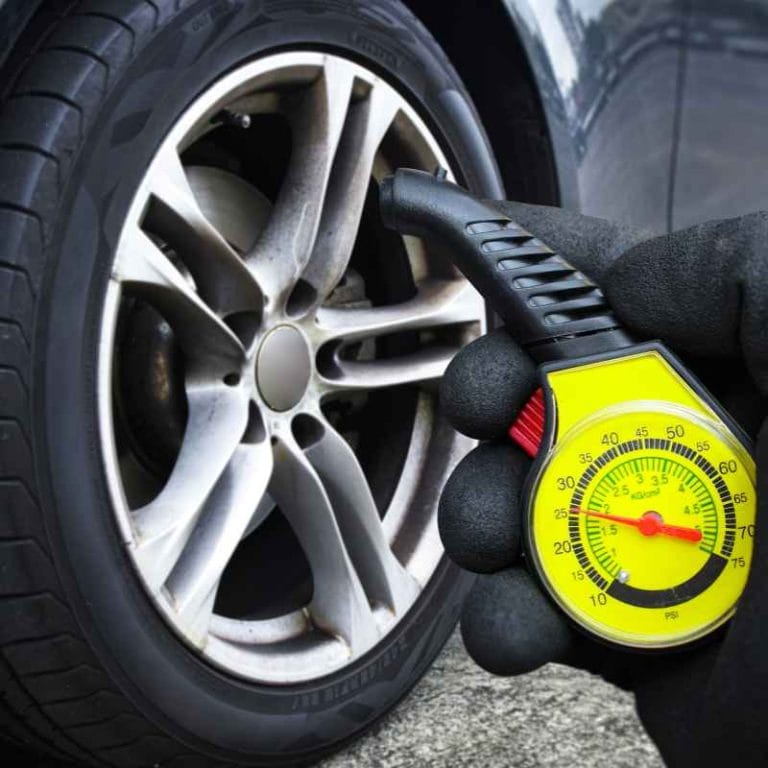
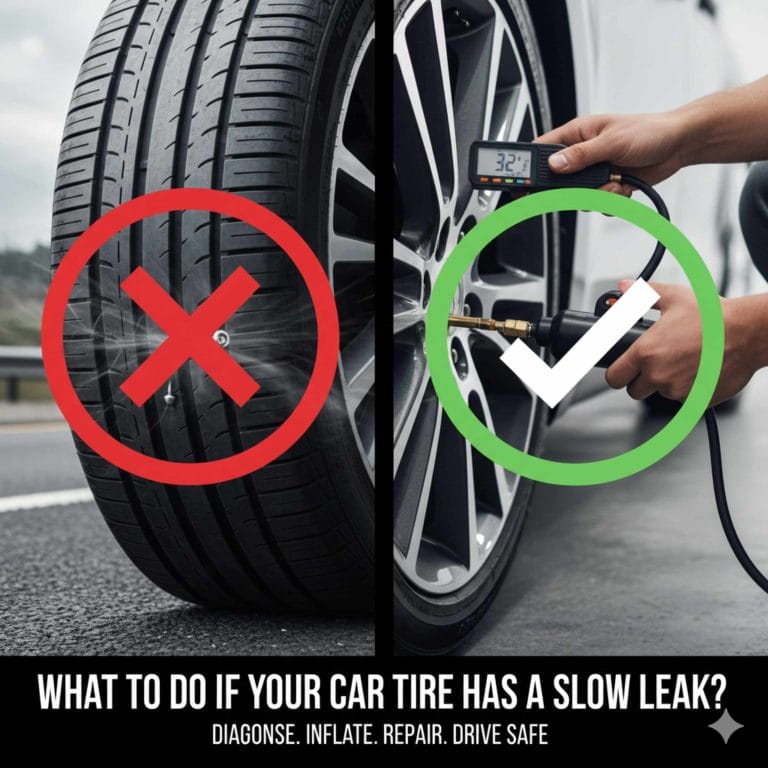
Under- or over-inflated tires are more vulnerable. Use a reliable gauge to ensure your tires match the manufacturer’s recommended PSI. Don’t forget to check tire pressure when the tires are cold for the most accurate reading.
Step 4: Clean Tires Properly
- Use pH-balanced Cleaners: Avoid harsh chemicals that can strip away vital oils from the rubber. Products labeled as “tire safe” are best.
- Rinse Thoroughly: Remove road salts and debris, which can exacerbate cracking. For vehicles used in winter climates, this step is especially important as road salt accelerates rubber degradation.
Step 5: Apply Tire Protectants
Quality UV-protectant sprays help replenish lost oils and create a protective barrier against further sun and ozone exposure. Choose products specifically designed for automotive tires. Avoid silicone-based dressings that can cause rubber to dry out over time. Apply protectants after every wash for ongoing protection.
Step 6: Schedule Professional Inspection
If cracks are moderate to severe, consult a trusted mechanic or tire shop. They can:
- Perform a thorough internal and external assessment using specialized lighting and tools
- Advise on immediate replacement needs
- Check for additional issues like alignment or suspension wear that may be contributing to uneven tire stress
- Offer advice on whether a warranty claim is possible, as some manufacturers cover premature cracking under their limited warranties
Real-world Example: Proactive Maintenance Saves A Family Trip
In 2026, a family in Denver, Colorado discovered minor cracks on their minivan’s tires before a cross-country trip. After following these steps and scheduling a professional check, they replaced two tires and avoided a potential breakdown hundreds of miles from home (AAA). The mechanic also recommended regular applications of UV protectant and adjusting their tire pressure before their next trip.

Credit: oldoxtire.com
Long-term Strategies To Prevent Tire Cracking
Preventing cracks in the first place is always preferable to managing the aftermath. Adopting consistent tire care habits can dramatically extend the lifespan of your tires.
Routine Tire Inspections
- Monthly Checks: Inspect for cracks, bulges, and tread wear. Monthly checks are especially important in climates with significant seasonal changes.
- After Extreme Weather: Look for damage following heat waves or cold snaps. Extreme heat can cause oils in the tire to evaporate, while cold can make rubber brittle and prone to cracking.
Regular inspections give you early warning, allowing you to address issues before they become dangerous.
Proper Tire Inflation
- Check Pressure Monthly: Underinflation is a leading cause of premature tire aging. Check pressure more often in extreme temperatures, as air expands and contracts with temperature shifts.
- Use Quality Gauges: Digital gauges are more accurate than pen-style or dial types. Store your gauge in your glove box for quick access.
Maintaining correct inflation not only prevents cracking but also improves fuel efficiency and tire wear.
Tire Rotation And Alignment
- Rotate Every 5,000–7,000 Miles: Promotes even wear and helps spot early signs of damage. Uneven wear can lead to localized stress and cracking.
- Check Alignment Annually: Misaligned wheels increase uneven stress on tires, causing some areas to age faster than others.
Following your vehicle manufacturer’s recommended rotation pattern (front to back, side to side, or cross pattern) is best.
Storage Best Practices
- Avoid Direct Sunlight: Store vehicles or spare tires in shaded or indoor areas. UV rays are a primary cause of premature cracking.
- Use Tire Covers: For vehicles parked outdoors, covers protect against UV rays and ozone. Choose covers with UV-resistant materials for maximum protection.
- Elevate Tires: If storing tires off the vehicle, keep them off concrete floors to reduce moisture absorption. Use tire cradles or racks to keep tires dry and clean.
If you store your vehicle for months at a time, inflate tires to the upper range of recommended pressure and move the car occasionally to prevent flat spots and uneven aging.
Cleaning And Conditioning
- Mild Soap and Water: Clean tires regularly to remove debris and road salts. Road grime and salt can break down rubber compounds over time.
- Apply Rubber Conditioners: Use products approved by tire manufacturers, avoiding those with petroleum distillates. Conditioning helps maintain flexibility and slows down the drying process.
Regular cleaning and conditioning not only prevent cracking but also improve appearance and performance.
Table: Best Practices For Tire Longevity
| Practice | Frequency | Benefit |
|---|---|---|
| Visual inspection | Monthly | Early crack detection |
| Pressure check | Monthly | Prevents uneven wear |
| Rotation | Every 5,000–7,000 miles | Extends tire life |
| Cleaning | Every wash | Reduces environmental damage |
| Professional inspection | Annually | Identifies hidden damage |
Real-world Example: Classic Car Collector’s Tire Preservation
A classic car enthusiast in San Diego, California uses climate-controlled storage, tire cradles, and UV-blocking tire covers. As a result, his vehicles’ tires remain crack-free for over a decade—far exceeding average tire lifespans (Tire Rack). He also avoids using harsh cleaners and always maintains proper tire pressure, demonstrating the combined benefits of multiple best practices.
When To Replace Cracked Car Tires
Knowing when to hold on and when to let go is key for safety and cost-effectiveness. Cracked tires may be serviceable for a while, but certain criteria demand immediate action.
How Much Cracking Is Too Much?
- Superficial, Shallow Cracks: Often safe to monitor unless cracks grow or multiply. If cracks are less than 1mm deep and not widespread, they may be observed over time.
- Cracks Exposing Cords or Fabric: Tires must be replaced without delay. The internal structure is no longer protected and the risk of blowout is high.
- Multiple or Widespread Cracks: Even if shallow, a pattern of widespread cracking is a sign of generalized rubber degradation.
If in doubt, consult a tire professional who can measure the depth and assess if the integrity of the tire is compromised.
Tire Age And Replacement Guidelines
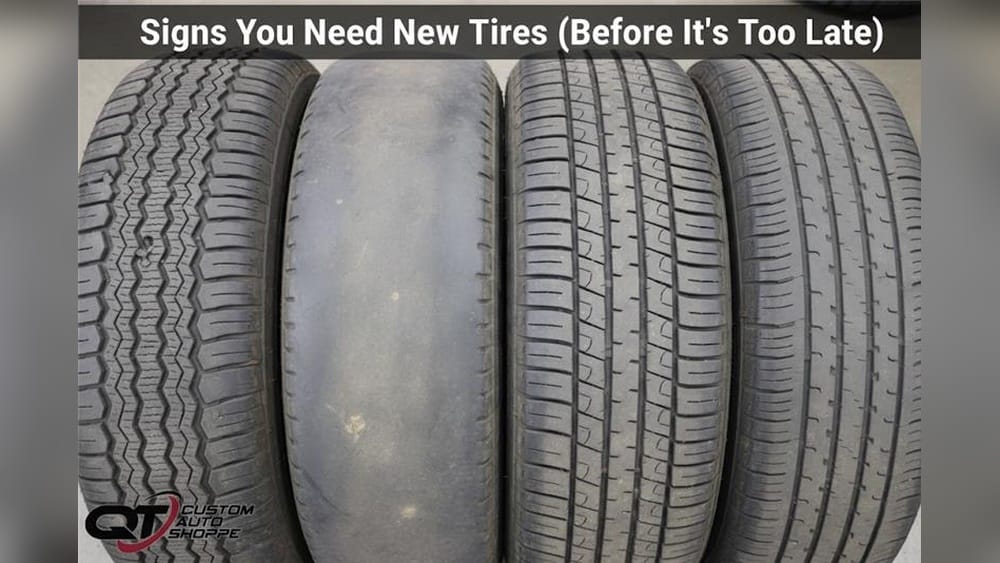
Most manufacturers recommend tire replacement at 6–10 years, regardless of tread depth, due to the natural aging of rubber compounds. Some recommend checking the “DOT code” on the tire sidewall for the manufacture date. Even if a tire looks fine, its rubber may be too old to be safe.
Table: Tire Age Vs. Risk Of Cracking
| Tire Age (Years) | Common Condition | Risk of Cracking | Recommended Action |
|---|---|---|---|
| 0–3 | Like-new, minimal wear | Low | Standard maintenance |
| 3–6 | Some signs of aging possible | Moderate | Monitor, inspect regularly |
| 6–10 | Noticeable aging, cracks common | High | Replace tires |
| 10+ | Severe aging and cracks | Very High | Immediate replacement |
Professional Assessment
A reputable tire shop can measure crack depth and assess internal damage using specialized tools. Don’t hesitate to seek expert advice if you’re unsure. A professional may also check for recalls or manufacturer defects if the cracks appear prematurely.
Cost-benefit Analysis: Repair Vs. Replace
While some minor cracks can be managed with maintenance, replacement is the only safe solution for advanced cracking. Attempting to repair deep cracks is not recommended by tire manufacturers or safety organizations. The cost of a blowout or accident far exceeds the price of new tires.
Case Study: Fleet Owner Saves On Liability
A commercial fleet manager in Chicago implemented a policy of replacing any tire with visible cracks over 2mm deep. Over three years, this proactive approach reduced tire-related breakdowns by 40% and avoided costly liability claims (NHTSA Tire Aging Study). The policy also improved driver confidence and reduced downtime for the fleet.
How To Choose The Right Replacement Tires
When it’s time to retire your cracked tires, selecting the right replacements ensures safety, performance, and value. Here’s how to make an informed choice.
Match Tire Type To Vehicle And Driving Conditions
- All-Season Tires: Balanced performance for most cars and climates. Ideal for drivers who experience moderate weather year-round.
- Performance Tires: Enhanced grip for sporty driving; may have shorter lifespans. Best for sports cars or drivers seeking sharper handling.
- Winter Tires: Superior traction in snow and ice, but can age faster in warm climates. Install only during the cold season and remove in spring to extend life.
- Touring Tires: Designed for comfort and longevity; ideal for daily commuting. These often feature advanced compounds to resist cracking.
Consider Longevity And Warranty
Look for tires with strong manufacturer warranties and high ratings for tread life and durability. Longer warranties often indicate confidence in the tire’s resistance to cracking and other age-related issues.
Compare Tire Construction And Features
- Tread Compound: Advanced compounds resist cracking and dry rot. Look for tires with silica-based compounds, which offer flexibility and durability.
- Built-in UV Protection: Some premium tires have additives to resist sun damage. These are especially beneficial for vehicles regularly parked outdoors.
- Sidewall Reinforcement: Extra layers may reduce the risk of cracking from impacts. Reinforced sidewalls are a smart choice for SUVs, trucks, and vehicles frequently driven on rough roads.
Table: Popular Tire Brands And Crack Resistance
| Brand | UV/Ozone Resistance | Average Lifespan (Years) | Warranty |
|---|---|---|---|
| Michelin | Excellent | 6–10 | Up to 80,000 miles |
| Bridgestone | Very Good | 6–9 | Up to 70,000 miles |
| Goodyear | Good | 5–8 | Up to 65,000 miles |
| Continental | Excellent | 6–10 | Up to 70,000 miles |
| Pirelli | Good | 5–8 | Up to 65,000 miles |
Installation And Break-in
- Professional Mounting: Ensures proper bead seating and avoids initial stress on new tires. Professional installers check for proper balance and alignment.
- Break-In Period: Drive gently for the first 500 miles to allow the tires to settle. Avoid hard braking or aggressive cornering during this period to maximize lifespan.
Recycling Old Tires Responsibly
Most tire shops will recycle old, cracked tires. Recycling reduces environmental impact and may be required by law in some states (EPA). Ask your installer about recycling programs in your area, or check local government websites for drop-off sites.
The Hidden Dangers Of Ignoring Cracked Tires
While it’s tempting to squeeze a few more miles out of aging tires, the risks far outweigh the savings. Cracked tires are a leading cause of tire blowouts, which can result in severe accidents, injuries, and property damage.
Safety Risks
- Loss of Vehicle Control: Cracks weaken the tire structure, increasing the chance of sudden failure. This can cause fishtailing, skidding, or rollovers, especially at highway speeds.
- Reduced Traction: Cracked tires may lose grip, especially in wet or icy conditions. Water can seep into cracks, further deteriorating the tire’s ability to channel water away from the tread.
- Compromised Braking: Tires with cracks have diminished stopping power. In emergency stops, this may be the difference between a safe stop and a collision.
- Potential for Chain-Reaction Accidents: A tire blowout can lead to multi-car pileups, especially on busy roads.
Legal And Insurance Implications
- Traffic Violations: Driving on visibly damaged tires can result in fines or failed vehicle inspections. Many states have minimum tire condition standards.
- Insurance Liability: Accidents caused by neglected tires may not be fully covered by insurance policies. Insurers may consider such cases negligence, reducing or denying payouts.
- Resale Value Impact: Cars with cracked tires may fail pre-sale inspections, reducing their market value.
Financial Consequences
- Costly Repairs: A blowout can damage wheels, suspension, and bodywork. The costs can quickly exceed the price of replacement tires.
- Towing and Emergency Services: Unexpected breakdowns lead to added expenses and inconvenience. A single tow can cost more than a new tire.
- Potential Legal Claims: If a cracked tire leads to an accident involving injuries or property damage, you could be held liable for damages.
Real-world Example: Insurance Claim Denied
A driver in Houston, Texas was denied coverage for accident damages after investigators found that the tire responsible for the crash had extensive, long-ignored cracking. The lesson: regular tire care is not just about safety—it’s about protecting your investment (Insurance Information Institute).
Frequently Asked Questions
What Causes Car Tires To Crack?
Car tires crack due to a combination of age, environmental exposure, and improper maintenance. Prolonged exposure to sunlight, ozone, and extreme temperatures accelerates the breakdown of rubber compounds, while underinflation, overinflation, or harsh chemicals further weaken the tire structure. Lack of movement, aggressive driving, and poor storage conditions can also contribute.
Are Cracked Tires Safe To Drive On?
Minor, superficial cracks may not pose immediate danger but should be monitored closely. However, deep, widespread, or cord-exposing cracks are unsafe and require immediate replacement. Driving on compromised tires increases the risk of blowouts and accidents. If in doubt, have a professional inspect your tires.
Can I Repair Cracked Tires, Or Do I Need To Replace Them?
There is no safe, long-term repair for deep or structural cracks. Minor surface cracks can sometimes be managed with protectants and correct maintenance, but once cracks deepen or multiply, replacement is the only safe option. Never attempt to fill or glue cracks—these “fixes” do not restore strength or safety.
How Can I Prevent My Tires From Cracking In The Future?
Prevent cracks by:
- Regularly inspecting tires for early signs of damage
- Maintaining correct tire pressure
- Rotating and aligning your tires as recommended
- Storing vehicles and spares away from sunlight and ozone
- Cleaning tires with pH-balanced products and applying UV protectants
- Driving gently and avoiding heavy loads or sharp impacts
How Often Should I Check My Tires For Cracks?
Experts recommend a monthly inspection, especially if your vehicle is exposed to harsh weather or long periods of inactivity. Also, check after extreme temperature changes or before long trips for extra peace of mind (SaferCar.gov). Frequent checks are the best way to catch problems early and avoid costly surprises.
Every mile you drive on your tires is an investment in safety and performance. Spotting and addressing cracks early is more than just a maintenance chore—it’s a critical step in protecting yourself, your passengers, and your vehicle. By understanding what causes tire cracks, knowing when to act, and choosing the right solutions, you can avoid costly surprises and enjoy the road with confidence.
Make tire care a regular part of your automotive routine and drive assured, knowing you’re prepared for whatever the journey brings.
Products related to this article
Sponsored / affiliate links. As an Amazon Associate I earn from qualifying purchases. I may earn additional commission from eligible campaigns.