Why Is My Car Tire Making Noise? Top Causes Explained
Car tire making noise is a common concern that can range from a minor annoyance to a sign of serious trouble. This post breaks down the top causes of tire noise, how to diagnose them, and what you should do about each one.
Simply put, tire noise usually comes from uneven wear, low air pressure, debris in the tread, damaged belts, or misaligned wheels. The exact sound—humming, thumping, squealing, or clicking—tells you which problem you are dealing with. Quick diagnosis prevents further damage and keeps you safe on the road.
Key Takeaways

Healifty
Healifty Spare Tire Sound Insulation Mat 28.3X28.3…
- EASY DIY INSTALLATION, MAXIMIZE YOUR COMFORT: Our car sound insulation mat offers a setup, letting you enjoy reduced noise instant…
- BUTYL-BASED EFFICIENCY, SUPERIOR NOISE REDUCTION: ENGINEERED FOR QUIET: This sound deadener mat utilizes butyl for optimal sound d…
- SIMPLICITY MEETS STABILITY, ENHANCED PROTECTION: With its straightforward design, our car sound dampening material ensures ease-of…
As an Amazon Associate I earn from qualifying purchases.
- Tire making noise often signals uneven tire wear, improper inflation, or suspension issues that need prompt attention.
- The type of noise (humming, thumping, squealing, clicking) points to a specific root cause, making self-diagnosis easier.
- Regular tire rotations and pressure checks can prevent most noise-related tire issues before they start.
- A professional inspection is recommended if noise persists after checking air pressure and removing visible debris.
- Ignoring tire noise can lead to blowouts, poor fuel economy, and costly suspension repairs down the road.
What Causes a Car Tire to Make Noise?
Several mechanical and environmental factors can cause a tire to produce sound while driving. The noise you hear is essentially the result of air, rubber, and road surface interacting in an abnormal way. Identifying the exact cause starts with understanding what is happening inside and around the tire.
Below are the most frequent culprits behind a noisy tire. Each cause produces a distinct sound signature that can help you narrow down the problem quickly.
- Uneven tread wear from improper alignment or lack of rotation creates a rhythmic hum.
- Low tire pressure causes the tire to flatten slightly, increasing road contact and noise.
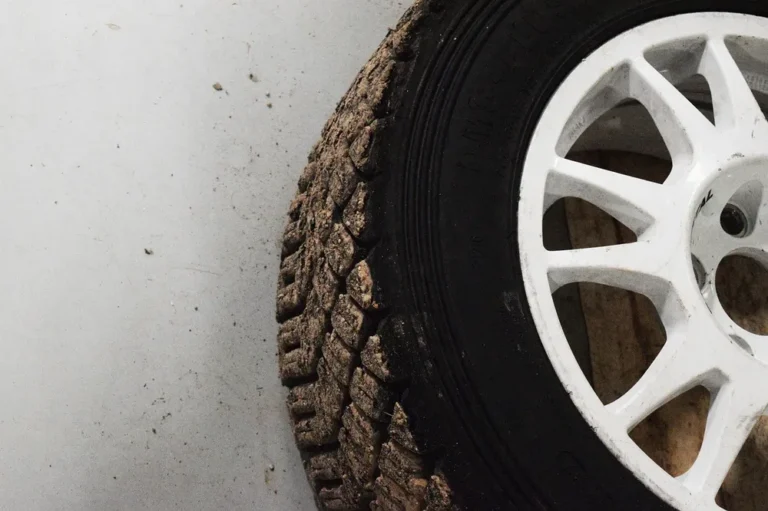
- Debris in the tread (stones, nails, glass) produces clicking or scraping sounds at low speeds.
- Separated belt layers inside the tire create a thumping or slapping noise that gets louder with speed.
- Wheel bearing failure produces a deep, continuous roar that changes with steering input.
- Aggressive tread patterns on all-terrain or winter tires generate more airborne noise by design.
- Bent or damaged wheels cause vibrations and irregular noise that intensify at highway speeds.
If the sound specifically mimics a flapping or thumping flat tire even though your tires check out fine, see car sounds like a flat tire but it’s not for how to isolate the wheel bearing, brake, or CV joint causes.
| Noise Type | Common Cause | Typical Speed Range |
|---|---|---|
| Humming | Uneven wear or alignment | 30-60 mph |
| Thumping | Belt separation or flat spot | 15-45 mph |
| Squealing | Underinflation or aggressive turning | 5-25 mph |
| Clicking | Stone or debris in tread | 10-30 mph |
This table gives you a quick reference to match the sound you hear with its most likely source. Keep in mind that some causes, like a separated belt, require immediate tire replacement for safety.
Warning: If your tire noise is accompanied by a vibration in the steering wheel or seat, stop driving and inspect the tire immediately. Belt separation or a detached tread can cause a sudden blowout at highway speeds.
How to Diagnose Tire Noise at Home
You do not need a mechanic to figure out the source of tire noise in many cases. A simple step-by-step inspection at home can reveal the cause and save you a trip to the shop. Start with a visual check and then move to a listening test on a quiet road.
Follow these steps to pinpoint the issue accurately. Each step builds on the previous one, so do not skip ahead.
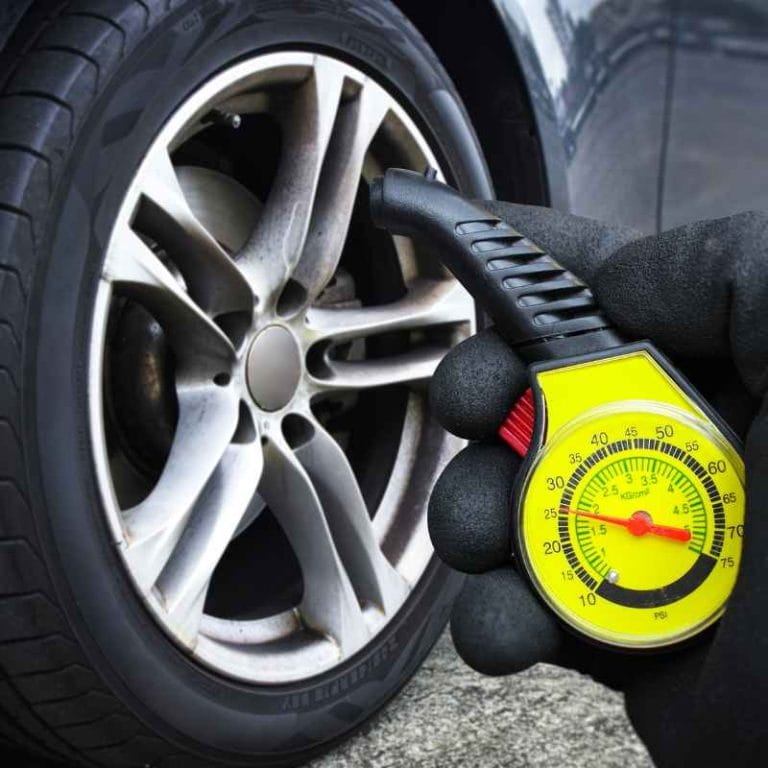
- Check tire pressure on all four tires using a reliable gauge. Inflate to the manufacturer’s recommended PSI found on the driver’s door jamb sticker.
- Inspect tread depth with a penny or tread gauge. Place the penny into the tread groove with Lincoln’s head facing down. If you see the top of his head, the tread is below 2/32 inch and needs replacement.
- Look for uneven wear across the tread surface. Feathering, scalloping, or cupping indicates alignment or suspension issues.
- Remove debris from the tread grooves using a screwdriver or pliers. Pay special attention to stones that make contact with the road surface.
- Spin each wheel by hand (with the car safely jacked up) and listen for grinding or rubbing sounds from the bearings.
- Take a test drive on a smooth, quiet road at varying speeds. Note whether the noise changes when you turn left or right.
- Repeat the test on different road surfaces to isolate whether the noise comes from the tire or the road itself.
Tip: Drive on a freshly paved asphalt road and then on concrete. If the noise disappears on asphalt, your tread pattern is likely the main cause. If the noise stays the same, suspect a mechanical problem inside the tire or wheel assembly.
Performing this check once a month will help you catch problems early. The National Highway Traffic Safety Administration (NHTSA) reports that underinflated tires are involved in over 600 fatal crashes per year in the United States, so regular inspection is not just about noise—it is about safety.
Common Tire Noises and What They Mean
Each type of tire noise tells its own story. Learning to distinguish between a hum, a thump, a squeal, and a click will help you decide whether you can fix the problem yourself or need professional help. Below is a breakdown of the four most common tire noises and their meanings.
Pay attention to when the noise occurs—during acceleration, braking, turning, or at steady speed—because that timing adds another clue.
Humming Noise
A steady humming noise that increases with speed usually points to uneven tread wear or a worn wheel bearing. If the hum gets louder when you turn left, the right-side bearing is likely failing, and vice versa.
Thumping Noise
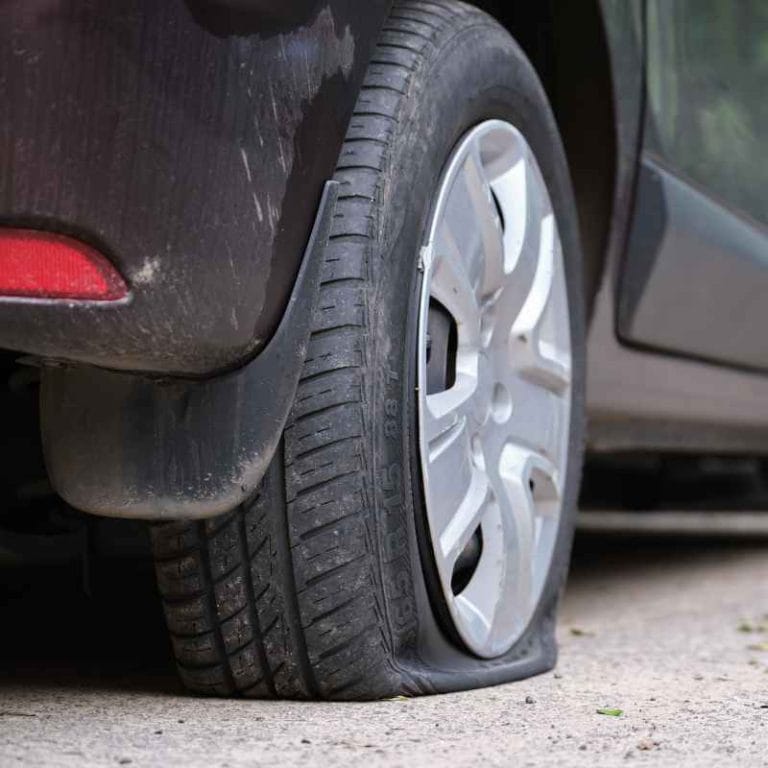
A rhythmic thumping or slapping sound suggests a flat spot on the tire, a separated belt, or a large object embedded in the tread. Flat spots often result from hard braking or parking for long periods in cold weather.
Squealing Noise
Squealing during turns or low-speed driving indicates underinflation, aggressive driving, or a worn suspension component. This noise is the rubber sliding sideways against the pavement due to insufficient air pressure or alignment angles.
Clicking Noise
A clicking sound that speeds up as you accelerate typically comes from a small stone or nail lodged in the tread groove. Most of the time you can remove it yourself with a pair of pliers.
- Humming = bearing wear, alignment issues, or cupped tread
- Thumping = belt separation, flat spots, or severe imbalance
- Squealing = low pressure, hard cornering, or worn bushings
- Clicking = foreign objects, loose wheel covers, or small nails
- Roaring = aggressive tread design, or worn tires nearing end of life
- Scraping = brake shield rubbing, wheel well contact, or loose mud flaps
- Whining = gear noise from the differential mistaken for tire noise
According to Tire Industry Association data, nearly 1 in 4 vehicles on the road has at least one tire that is significantly underinflated. That alone accounts for a large percentage of noise complaints that drivers bring to repair shops.
Why Tire Noise Changes at Different Speeds
If you have noticed that your tire making noise only at certain speeds, you are not imagining things. Speed affects how the tire interacts with the road surface and how mechanical components transmit vibrations. Understanding this relationship helps you narrow down the cause without guesswork.
Below are the most common speed-related noise patterns and what they indicate about the condition of your tires and suspension.
- Noise at low speeds (10-25 mph): Clicking sounds from debris or stones in the tread. Also common with loose wheel covers or bent wheels.
- Noise at moderate speeds (30-50 mph): Humming or droning that points to uneven wear, cupping, or a failing wheel bearing.
- Noise at highway speeds (55-75 mph): Roaring or vibration suggests imbalance, belt separation, or aggressive tread patterns designed for off-road use.
- Noise that changes with steering: A bearing issue on the side you are turning toward. Noise gets louder in one direction and quieter in the other.
- Noise that disappears at certain speeds: Often related to tire imbalance that resonates at a specific frequency and then smooths out.
Important: A tire that vibrates strongly at 55-65 mph and then smooths out above 70 mph is a classic sign of imbalance. Get your tires balanced professionally before the vibration damages the wheel bearings or suspension joints.
The physics behind this is straightforward. Every tire has a natural frequency based on its mass, tread pattern, and inflation level. When the rotational speed matches that frequency, the noise becomes amplified.
That is why you might hear a loud drone at 45 mph but almost silence at 35 mph.
How to Fix or Reduce Tire Noise
Once you have identified the cause, the next step is to take action. Some fixes are simple and cost nothing, while others require professional equipment. Below is a practical guide to resolving the most common tire noise issues, ordered from easiest to most involved.
Always start with the simplest fix first. Many drivers rush to replace tires when a simple rotation or pressure adjustment would solve the problem.
- Inflate tires to the correct pressure. Use the door jamb sticker, not the tire sidewall number. Proper pressure reduces road noise by up to 30 percent in some cases.
- Remove debris from the tread. Use pliers or a screwdriver to pry out stones, glass, and nails. Test-drive afterward to see if the clicking stops.
- Rotate your tires. Move front tires to the rear and cross them according to your vehicle’s rotation pattern. This evens out wear and can eliminate humming.
- Re-balance the tires. A balancing machine identifies heavy spots and applies weights to correct them. This fixes vibration and high-speed drone.
- Align the wheels. Misalignment causes feathering and cupping that produce noise. Alignment fixes the root cause of uneven wear.
- Replace worn tires. If tread depth is below 2/32 inch or belt separation is present, replacement is the only safe option.
- Replace wheel bearings. If the noise is a deep roar that changes with steering, the bearing assembly needs professional replacement.
| Fix | DIY or Shop | Approx. Cost |
|---|---|---|
| Air pressure adjustment | DIY | Free |
| Debris removal | DIY | Free |
| Tire rotation | DIY or Shop | $20 – $40 |
| Wheel balancing | Shop | $40 – $80 |
| Wheel alignment | Shop | $80 – $120 |
| Tire replacement | Shop | $80 – $300+ per tire |
This cost breakdown shows that most tire noise problems are inexpensive to fix. A rotation and balance combination typically costs under $100 and resolves the majority of noise complaints.
Tip: Rotate your tires every 5,000-7,000 miles to prevent uneven wear from forming in the first place. Set a reminder on your phone or schedule it with every oil change.
Can Tire Noise Be Dangerous?
Not all tire noise signals danger, but some types are clear red flags. The key is learning which noises mean “fix it soon” and which mean “stop driving now.” This section helps you make that distinction quickly and confidently.
According to the Rubber Manufacturers Association, tire-related breakdowns account for over 70,000 roadside emergencies in the US each year. Many of these could have been prevented if the driver had heeded the warning signs—including noise.
- Loud thumping with vibration: This indicates belt separation or a bubble in the tire sidewall. The tire can fail without warning. Replace it immediately.
- Continuous roaring that gets louder: This points to a failing wheel bearing. If the bearing locks up, the wheel can separate from the vehicle. Have it inspected right away.
- Metal scraping sound: This often means the brake shield is rubbing against the rotor or a stone is lodged between the shield and rotor. It is less urgent but still needs attention.
- Squealing every time you brake: This is likely a worn brake pad indicator, not a tire issue. It is a reminder to replace brake pads soon.
- Mild humming with no vibration: Generally safe to drive on, but schedule a tire rotation and alignment check within the next week.
- Clicking that stops after debris removal: No danger. You have already solved the problem.
Warning: If you feel a thumping noise combined with a visible bulge or bubble on the tire sidewall, do not drive the vehicle. Call a tow truck or change to the spare tire on the spot. A sidewall bulge means the internal structure has failed and a blowout is imminent.
The bottom line is that any noise that changes your driving experience—especially if it comes with vibration, pulling, or handling changes—should be investigated quickly. Your safety depends on the four contact patches where rubber meets road.
When to See a Mechanic for Tire Noise
Some causes of tire noise are easy to fix yourself, but others require professional diagnostic equipment and expertise. Knowing when to call a mechanic saves you time and prevents you from misdiagnosing a serious problem.
Below is a guide that matches symptoms with the right action. If your situation matches any of the “see a mechanic” rows, schedule an appointment promptly.
| Symptom | DIY or Mechanic? | Urgency |
|---|---|---|
| Clicking from debris in tread | DIY | Low |
| Humming with slight vibration | DIY or Mechanic | Medium |
| Thumping with strong vibration | Mechanic | High |
| Roar that changes with steering | Mechanic | High |
| Sidewall bulge or bubble | Mechanic (tire replacement) | Immediate |
| Noise after tire rotation | Mechanic (re-check balance) | Medium |
If you attempt a DIY fix and the noise persists, do not assume it will go away on its own. Tires wear progressively, and a small issue can become a major hazard within a few hundred miles. Many tire shops offer free noise inspections and will give you an honest assessment.
Frequently Asked Questions
Why is my tire making noise but not low on air?
Tire noise is not always caused by low pressure. Uneven tread wear, alignment problems, wheel bearing failure, or debris stuck in the tread can all produce noise even when the tire is properly inflated. Check the tread condition and listen for changes when turning to narrow down the cause.
Can tire noise cause vibration?
Yes, many causes of tire noise also produce vibration. A separated belt, large flat spot, or severe imbalance will create both sound and physical shaking. If you feel vibration in the steering wheel or seat along with the noise, the problem is likely mechanical rather than just surface-level.
How long can I drive on a noisy tire?
It depends on the cause. A clicking stone can be ignored for a short drive until you remove it. But a thumping noise from belt separation or a roaring bearing should be addressed immediately.
Driving on a structurally damaged tire risks a blowout, especially at highway speeds.
Does tire noise mean I need new tires?
Not always. Many tire noises are resolved with air pressure correction, rotation, balancing, or alignment. Only about 30 percent of tire noise cases actually require replacement.
Have a professional inspect the tire if you are unsure about the tread depth or internal condition.
Why do my tires make noise after rotation?
Some noise after rotation is normal if the tires were worn unevenly and moved to a different position. The sound often fades after 100-200 miles as the tread settles. If the noise is loud or accompanied by vibration, the tires may not have been balanced correctly during the rotation.
Final Thoughts
Figuring out why your car tire is making noise comes down to listening carefully and checking the basics first. Most causes are simple to fix with air pressure adjustments, debris removal, or a rotation. If the noise is accompanied by vibration, a bulge, or a change in handling, do not delay—get it inspected by a professional.
Regular tire maintenance not only keeps your ride quiet but also extends tire life and keeps you safe on the road.
See also how to get cheap car tires without sacrificing your safety.
Related pick: Check today's price on Amazon
Products related to this article
Sponsored / affiliate links. As an Amazon Associate I earn from qualifying purchases. I may earn additional commission from eligible campaigns.