What Happens When Car Tires Aren’T Balanced? Real Effects
Think of your car’s wheels like a perfectly running clock. Each part has to be in sync. When your tires aren’t balanced, it means there’s an uneven distribution of weight around the tire and wheel assembly.
This slight imbalance causes the wheel to shake or vibrate as it spins. This isn’t just a feeling; it creates real stress on your vehicle.
This uneven spinning sends vibrations through your car. These vibrations travel up your steering column to your hands. They also travel through your suspension system and into the car’s frame.
Over time, these constant shakes can cause serious wear and tear. It’s like shaking a box of old tools; eventually, things start to break.
Most modern cars have tire balancing done when tires are first mounted. It’s a standard procedure. Small weights are attached to the wheel rim.
These weights counteract any heavy spots. This keeps the wheel spinning smoothly. But these weights can fall off.
Tires can also wear unevenly. This throws the balance off again.
The main problem with unbalanced tires is the uneven pressure they put on the road. One part of the tire hits the ground harder than others. This is what causes the shaking.
It also means that part of the tire wears down faster. We’ll explore the specific effects this has.
My Own Close Call with Wobbly Wheels
I remember driving on a long road trip a few years back. About three hours from home, I started to feel it. A slight wobble in the steering wheel.
At first, I thought it was just the road surface. I’d driven this route a hundred times. But the feeling grew.
It was a subtle tremor. It made my hands feel a bit tingly after a while.
Then came the noise. A low hum that seemed to get louder with speed. It wasn’t a normal road noise.
It felt… wrong. I tried to ignore it. I was close to my destination and didn’t want to stop.
That was a mistake. By the time I got to my hotel, the wobble was much more noticeable. I could actually see the steering wheel shake slightly at stoplights.
I felt a knot of worry in my stomach. What if this was serious?
The next morning, before heading back, I decided to get it checked at a local shop. The mechanic took one look. He said, “Looks like one of your balance weights is missing.” He put the car on the lift.
Sure enough, a small metal weight was gone. He quickly added a new one. The difference was immediate.
The wobble vanished. The hum disappeared. It was like a whole new car.
I felt so relieved, but also a little foolish. I had ignored the warning signs. I could have caused more damage.
It was a good lesson.
Quick Tire Balancing Facts
What it is: Tire balancing means making sure the weight of a tire and its wheel are spread evenly around the entire assembly. This prevents wobbling.
How it’s done: Small weights are attached to the edge of the wheel rim. These weights even out the tire’s rotation.
Why it matters: It ensures a smooth ride. It also helps your tires last longer. Plus, it protects other car parts.
When to do it: Usually when new tires are put on. Also, if you feel vibrations. Or if your car pulls to one side.
The Widespread Effects on Your Ride
When your tires are out of balance, your car doesn’t ride as smoothly. This is the most common symptom. You’ll feel vibrations.
These might be in the steering wheel. They could also be in the seat. Sometimes, you might feel them in the floorboard.
These vibrations aren’t just uncomfortable. They can make long drives tiring. They can also make it harder to control the car.
Especially at higher speeds. A smooth ride is key to enjoying your car. It’s also about feeling connected and in control of the road.
The shaking can also put extra strain on your car’s suspension. This includes parts like shocks and struts. These parts are designed to absorb bumps.
They are not designed to handle constant vibrations. Over time, this can lead to premature wear. You might need to replace these parts sooner than you expected.
Your car’s steering components can also suffer. Tie rods and ball joints can wear out faster. The constant jostling can loosen connections.
This can lead to a “sloppy” feeling in your steering. It can also affect your car’s alignment.
Key Takeaway: Unbalanced tires directly impact your comfort and the longevity of your suspension and steering systems.
Common Symptoms of Unbalanced Tires
- Vibrations in the steering wheel, especially at highway speeds.
- A shaking feeling in your seat or floorboards.
- Uneven tire wear (more on this below!).
- A humming or buzzing sound that changes with speed.
- Your car feels less stable at higher speeds.
The Silent Killer: Uneven Tire Wear
This is one of the most significant and costly effects of unbalanced tires. When a tire is unbalanced, one part of its surface carries more weight. This means that part hits the road harder.
It also spins through more friction.
As a result, that heavier section of the tire wears down faster. You might see bald spots. Or you might see scalloped patterns.
This is often called “cupping.” This uneven wear means the tire’s tread depth is not consistent across the surface.
When tire tread is uneven, it affects your car’s performance. The tire can’t grip the road as well. This is especially dangerous in wet conditions.
Stopping distances can increase. Cornering can become less stable.
Uneven wear also means you’ll need to replace your tires much sooner. You’re essentially throwing away good rubber. Because one section is worn out, the whole tire becomes unsafe or ineffective.
This leads to unexpected and often expensive tire purchases.
If you notice your tires looking worn in specific spots, or if you see a pattern, it’s a strong sign that they are out of balance. Or they might need alignment. Both are critical for tire health.
Tire Wear Patterns to Watch For
- Cupping: This looks like small, cup-shaped depressions on the tire. It often happens on the edges or in the middle.
- Feathering: The edges of the tread blocks wear down in one direction more than the other.
- Scalloping: Similar to cupping, but more like dips or hollows.
- Bald Spots: Very specific areas where the tread is completely gone.
Impact on Your Car’s Alignment
Tire balance and wheel alignment are related but different. Tire balancing deals with the weight distribution of a single wheel. Wheel alignment deals with the angles of your wheels relative to each other and the road.
However, unbalanced tires can negatively affect your alignment. The constant vibrations and uneven forces put stress on your steering and suspension. This can cause the alignment settings to drift.
Imagine trying to hold a perfectly straight line while a constant vibration shakes your arms. It’s hard to keep steady.
If your alignment is off, you’ll notice your car pulling to one side. The steering wheel might be crooked when you’re driving straight. This can also cause further uneven tire wear.
It creates a vicious cycle.
It’s common advice to get your tires balanced and your alignment checked at the same time. Especially if you’re buying new tires or notice any of these symptoms. A mechanic can check both.
They can make sure everything is set correctly.
Why it’s important: Good alignment ensures your tires are pointing straight. This means they roll smoothly. It prevents them from dragging or fighting against each other.
This saves wear and improves fuel economy.
Safety Concerns: Grip and Control
Safety is paramount when driving. Unbalanced tires can compromise your safety in several ways. The most direct impact is on your car’s ability to grip the road.
Uneven tire wear means less consistent contact with the pavement.
In wet conditions, this is particularly dangerous. A tire with worn spots will have less traction. This means longer braking distances.
It also increases the risk of hydroplaning. Hydroplaning happens when a layer of water builds up between the tire and the road. Your car can lose steering control.
The vibrations themselves can also be a safety issue. While usually not severe enough to cause an immediate accident, they can make it harder to maintain control of the vehicle. Especially during emergency maneuvers like a sudden lane change or swerving to avoid an obstacle.
When your steering wheel is shaking, it can be distracting. It can also make fine adjustments to your steering more difficult. This reduced control is a risk factor for accidents.
Especially in unpredictable driving situations.
Think about it: your tires are the only part of your car touching the road. Keeping them in optimal condition is crucial for safe driving. This includes proper inflation, good tread depth, and being properly balanced.
Safety Checklist for Unbalanced Tires
- Brake Test: Notice if your braking distances feel longer, especially in rain.
- Steering Control: Can you easily make small steering corrections? Or does the vibration make it harder?
- Wet Road Grip: Do you feel less confident cornering or accelerating on wet surfaces?
- High-Speed Stability: Does the car feel less stable or more prone to wandering at highway speeds?
Fuel Efficiency Takes a Hit
This might surprise some people, but unbalanced tires can actually reduce your car’s fuel efficiency. How? It all comes back to friction and resistance.
When a tire is unbalanced, it has to work harder to roll smoothly. The uneven weight distribution causes more drag. The engine has to exert more force to keep the car moving at a given speed.
This means burning more fuel.
Also, as mentioned, unbalanced tires often lead to poor alignment. Misaligned wheels create even more rolling resistance. They essentially “fight” against each other.
This forces your engine to work overtime. Over time, this can add up to a noticeable increase in your gas bills.
While not as dramatic as a serious mechanical failure, improved fuel efficiency is a nice bonus of properly maintained tires. If you’re seeing your gas mileage drop, it’s worth checking if your tires are balanced and aligned.
Quick Tip: Keeping your tires properly inflated is also a key factor in fuel efficiency. Check your tire pressure regularly!
Stressed Components: Beyond the Tires
The vibrations from unbalanced tires don’t stay contained. They travel throughout your vehicle. This puts stress on many different components.
We’ve talked about suspension and steering parts. But the stress can go further. The constant shaking can affect the wheel bearings.
Wheel bearings allow your wheels to spin freely. If they are subjected to excessive vibration, they can wear out faster. This can lead to noisy wheels and eventually bearing failure.
The lug nuts and studs that hold the wheel onto the car can also be affected. The constant stress can potentially loosen them over time. This is a serious safety concern.
A loose wheel is a dangerous situation.
Even parts like your engine mounts and transmission mounts can experience increased stress. These mounts are designed to absorb engine vibrations. But they can be overwhelmed by the constant, harsh vibrations from unbalanced wheels.
This can lead to premature wear on these mounts.
Basically, any part of your car that is connected to the wheels or the frame can feel the impact of unbalanced tires. It’s a cumulative effect. Small shakes add up to big problems over time.
Components Under Stress From Unbalanced Tires
- Wheel Bearings: Increased wear and potential failure.
- Lug Nuts & Studs: Risk of loosening over time.
- Engine Mounts: Accelerated wear from constant vibration.
- Transmission Mounts: Similar stress as engine mounts.
- Drivetrain Components: Though less common, extreme imbalance can stress CV joints and axles.
When Is It “Normal” vs. “Concerning”?
It’s important to know that some very minor vibrations can occur. For example, driving over a slightly uneven patch of road will cause a temporary shake. Or, after a long period of disuse, tires might develop a slight flat spot.
These usually go away after a few miles of driving.
However, if you notice a vibration that:
- Is consistent.
- Gets worse with speed.
- Doesn’t go away after a few minutes of driving.
- Is accompanied by noise or visible tire wear.
Then it is definitely concerning. These are clear signs that something is wrong. It’s not something to ignore or hope will fix itself.
The National Highway Traffic Safety Administration (NHTSA) emphasizes proper tire maintenance for safety. While they don’t have a specific “unbalanced tire” warning, they highlight that tire condition directly impacts braking, steering, and stability. Unbalanced tires degrade these critical functions.
If you’re unsure, the best course of action is always to get your car checked by a qualified mechanic. They have the tools and expertise to diagnose the problem accurately. They can tell you if your tires need balancing, alignment, or if there’s another issue.
Simple Checks You Can Do
- Visual Tire Inspection: Look for any unusual wear patterns or bald spots.
- Feel the Steering Wheel: Gently turn the wheel at low speeds. Does it feel smooth or jerky?
- Listen for Sounds: Pay attention to humming or grinding noises that change with speed.
- Test Braking: Gently brake on a safe, empty road. Does the car pull or feel unstable?
Quick Fixes and Best Practices
The “fix” for unbalanced tires is straightforward: tire balancing. This is a service offered by almost any tire shop or mechanic.
Here’s what usually happens:
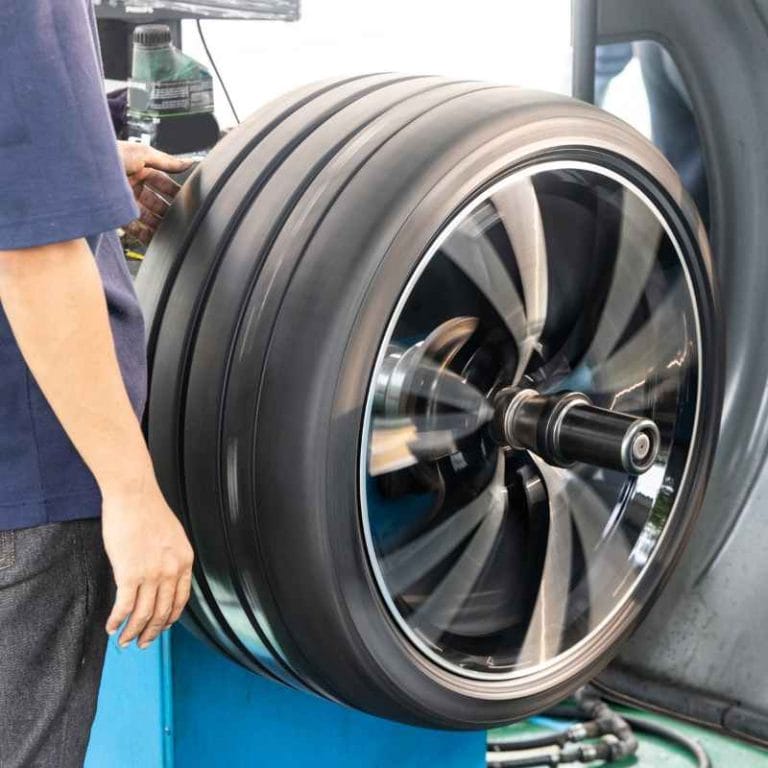
- Your car’s wheels are mounted onto a balancing machine.
- The machine spins the wheel to detect imbalances.
- Small, adhesive or clip-on weights are added to the rim.
- These weights are positioned to counteract the heavy spots.
- The wheel is spun again to confirm it’s now balanced.
This process is relatively quick and inexpensive. It’s a preventative measure that pays off in the long run.
Best Practices for Tire Health:
- Regular Balancing: Get your tires balanced whenever you get new tires. Also, consider it if you notice vibrations or every 5,000-10,000 miles.
- Wheel Alignment Checks: Have your alignment checked periodically, especially after hitting a pothole or if you notice pulling.
- Tire Pressure Monitoring: Check your tire pressure at least once a month. Use the recommended pressure found on your car’s doorjamb sticker.
- Rotation: Rotate your tires according to your car manufacturer’s recommendations. This helps them wear more evenly.
- Visual Inspection: Regularly look at your tires for signs of wear or damage.
Adhering to these practices will help ensure your tires perform their best. It will also contribute to a safer and more comfortable driving experience.
Frequently Asked Questions
How often should I get my car’s tires balanced?
It’s a good idea to balance your tires whenever you get new ones mounted. Also, if you start to feel vibrations or your car pulls to one side. Many experts recommend balancing every 5,000 to 10,000 miles as a preventative measure.
Can unbalanced tires cause a car to vibrate at low speeds?
Yes, while vibrations from unbalanced tires are often more noticeable at higher speeds, they can sometimes be felt at lower speeds too. Any consistent shaking or wobbling, regardless of speed, is a sign something needs checking.
What is the difference between tire balancing and wheel alignment?
Tire balancing is about distributing weight evenly around a single wheel so it spins smoothly. Wheel alignment is about the angles of your wheels relative to each other and the road, ensuring they point straight. Both are important for tire wear and driving safety.
How much does it cost to balance tires?
The cost can vary, but typically balancing a set of four tires ranges from $40 to $100. It’s a relatively inexpensive service compared to the cost of premature tire replacement or suspension repairs.
Can I balance my tires myself?
While there are DIY balancing kits, it’s generally not recommended for most car owners. Professional balancing machines are more accurate and ensure the precise placement of weights for optimal results. Mistakes can lead to continued issues.
What happens if I never balance my tires?
If you never balance your tires, you can expect accelerated and uneven tire wear, reduced fuel efficiency, increased strain on your suspension and steering components, a less comfortable ride, and potentially compromised safety due to reduced grip and control.
Final Thoughts on Keeping Your Ride Smooth
Understanding what happens when car tires aren’t balanced is key to keeping your vehicle running smoothly and safely. It’s not just about a slight annoyance; it’s about the health of your entire car. From the comfort of your ride to the lifespan of your tires and the safety of your journey, proper tire balance plays a vital role.
Regularly checking for vibrations, listening to your car, and performing basic maintenance can save you money and headaches down the road. So next time you feel a little shimmy, don’t ignore it. Your car will thank you.
See also is car tire rotation really necessary the honest truth.
Products related to this article
Sponsored / affiliate links. As an Amazon Associate I earn from qualifying purchases. I may earn additional commission from eligible campaigns.