When Is The Best Time To Check Motor Oil? Do This First
The best time to check motor oil is when the engine is cool and has been off for at least 10-15 minutes. This allows oil to drain back into the oil pan for an accurate reading. Always check your owner’s manual for specific instructions.
Understanding Your Engine Oil
Your car’s engine oil does a lot. It keeps parts moving smoothly. This reduces wear and tear.
Oil also helps keep your engine clean. It can even help cool it down a bit. Over time, oil gets dirty.
It can also get low.
This is why checking it matters. A dipstick is your tool. It shows you how much oil is in your engine.
It also gives you a look at the oil’s condition. Knowing when to check helps you get the most honest answer.
Why Timing Matters for Oil Checks
Think of oil like water in a glass. If you shake the glass, the water level changes fast. If you let it sit, it settles.
Engine oil works a bit like that. When your engine runs, oil goes everywhere. It pumps to the top of the engine.
It gets into small spaces.
When you turn off the engine, most of this oil flows back down. It collects in the oil pan at the bottom. This is where the dipstick usually sits.
If you check the oil right after running the engine, you won’t see all the oil. Some is still up in the engine.
This would make the dipstick show less oil than you actually have. This could lead you to add more oil. Too much oil can also harm your engine.
So, waiting is key. It lets the oil settle. It gives you a true picture of the oil level.
The Golden Rule: Cool and Settled
The most common advice is to check your oil when the engine is cool. What does “cool” mean? It means the engine has not been running for a while.
We usually say at least 10 to 15 minutes. This is long enough for most of the oil to drip back down.
Many people check their oil first thing in the morning. This is a great time. The car has been sitting all night.
The engine is totally cold. All the oil is in the pan. This gives you the most accurate reading.
But what if you can’t check it in the morning? That’s okay. Just make sure the engine has had enough time to cool down.
Driving around and then stopping for a quick check might not work. You need that waiting time.
Checking Oil: Quick Steps
1. Find a Flat Spot: Park on a level surface. This is vital for a good reading.
Inclines mess up the level.
2. Turn Off Engine: Make sure the engine is off. Let it cool for about 15 minutes.
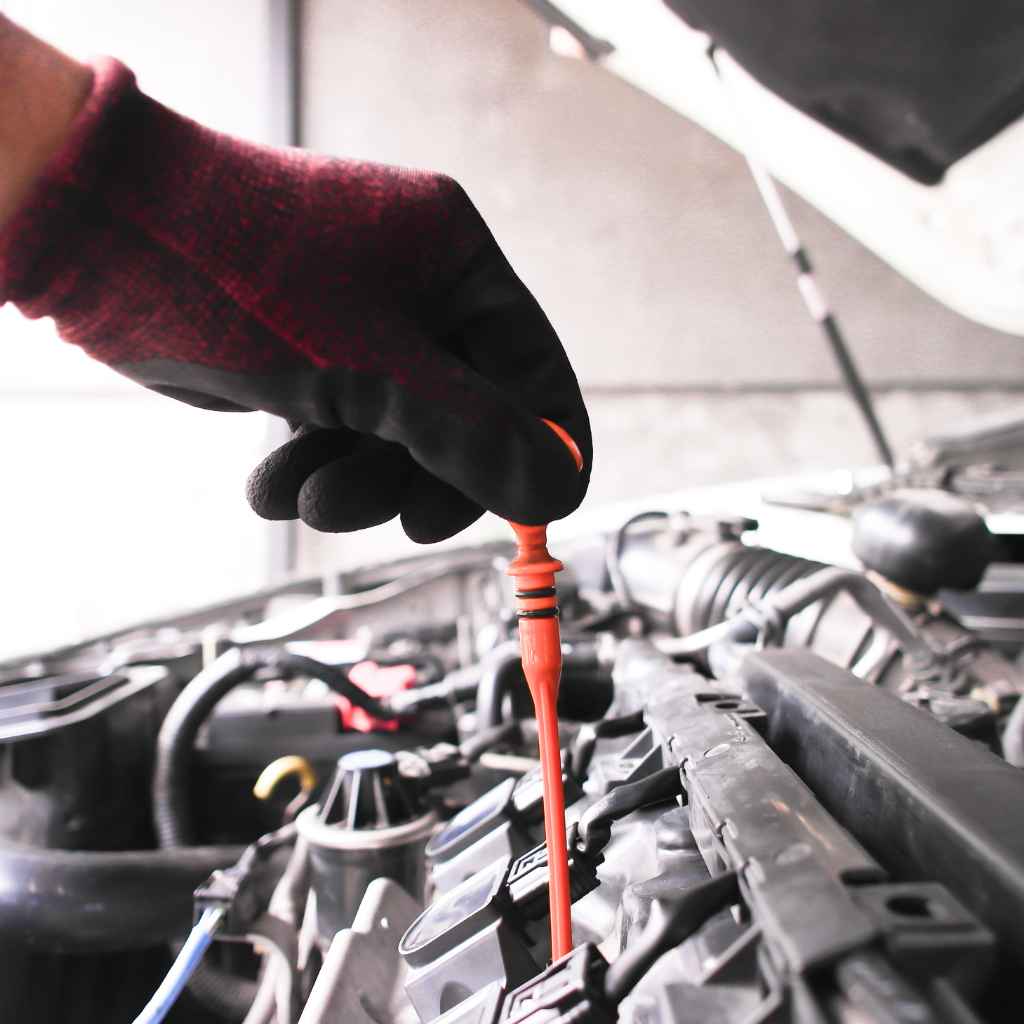
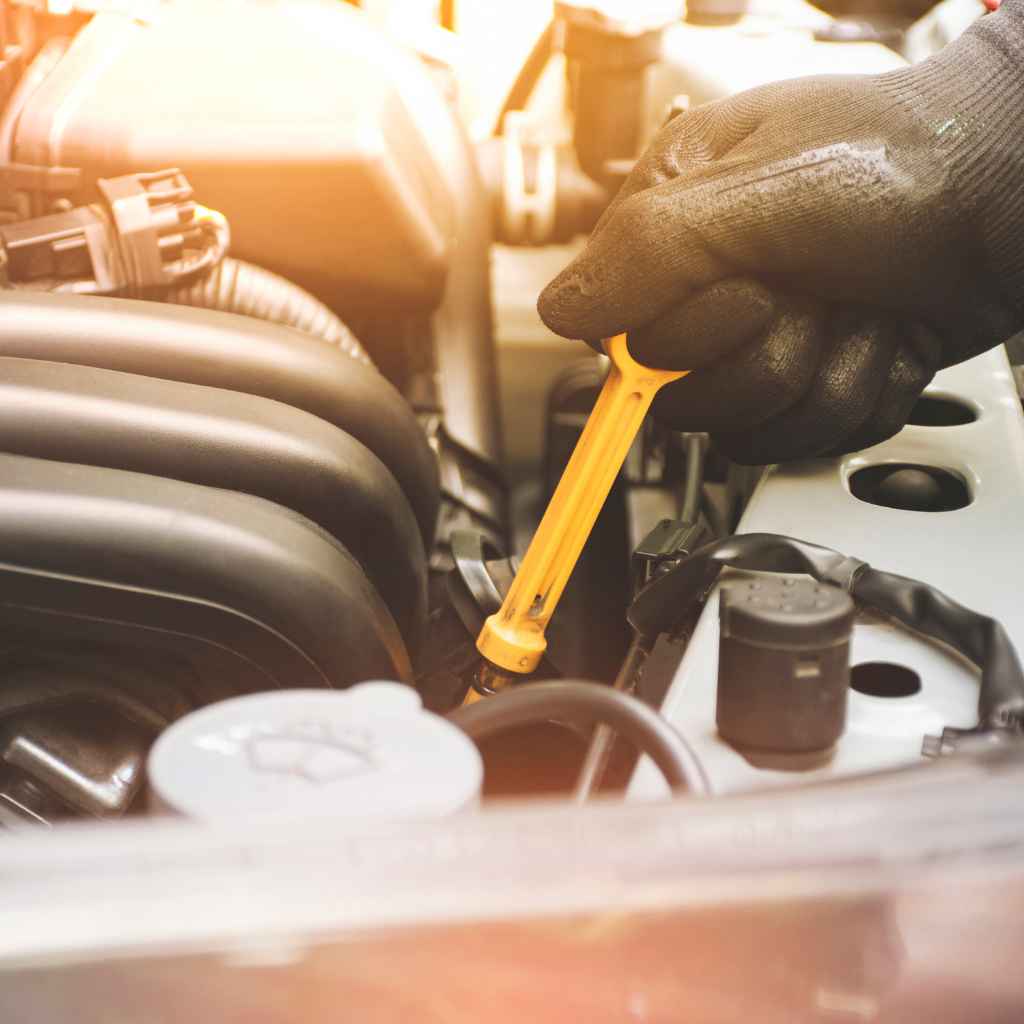
3. Locate Dipstick: It’s usually a brightly colored loop or handle.
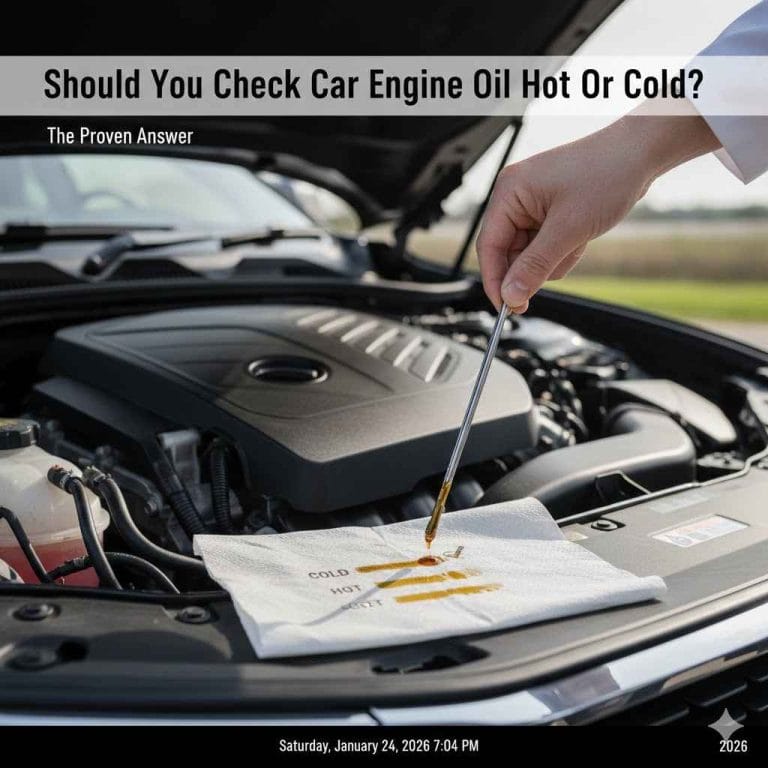
4. Pull and Wipe: Pull it out. Wipe all the oil off with a clean cloth or paper towel.
5. Reinsert Fully: Push the dipstick all the way back in.
6. Pull and Check: Pull it out again. Look at the oil level on the markings.
When NOT to Check Your Oil
We talked about the best times. Now, let’s cover the worst times. Checking your oil right after a long drive is a bad idea.
The engine is very hot. Oil is still spread out. You will likely see a low reading.
This can trick you into adding too much oil.
Also, checking on a hill or a sloped surface is not good. The oil will pool on one side of the pan. This makes the dipstick show a false level.
Always aim for a flat surface. This is one of those small things that makes a big difference.
If you just added oil, don’t check it right away. Wait for the engine to cool. This lets the new oil settle.
It ensures your reading is accurate after the addition.
The Role of Your Owner’s Manual
Every car is a little different. Your car’s maker knows your car best. That’s why the owner’s manual is your best friend.
It will tell you exactly how they want you to check the oil.
Some cars might have a slightly different procedure. Maybe they want you to check after 5 minutes instead of 15. Or maybe they have a special way to read the dipstick.
Always look this up first.
The manual also tells you what type of oil your car needs. It tells you how often to change it. Following the manual is a big part of good car care.
It’s where you find the most reliable info for your specific vehicle.
Oil Dipstick Markings Explained
Low/Add Mark: This line shows the minimum amount of oil needed. If the oil level is at or below this, you need to add oil.
Full/Max Mark: This is the ideal level. You want the oil to be at or just below this mark.
Crosshatch Area: Some dipsticks have a crosshatched section between Low and Full. This whole area is usually okay, but the Full mark is best.
Important Note: Never let the oil level go above the Full mark. Too much oil can be harmful.
My Own Experience with Oil Checks
I remember when I first got my driver’s license. My dad showed me how to check the oil. He said, “Always when it’s cold, always on a flat spot.” I thought, “How much difference can it really make?” I was in a hurry one day.
I had just driven across town.
I pulled over quickly. I popped the hood. I pulled out the dipstick.
It looked really low. I panicked a little. I rushed to the nearest auto parts store.
I bought a quart of oil. I added it. Then I checked it again.
It still looked a little low. I felt confused. Maybe it needed more?
I was about to buy another quart. Then I remembered my dad’s words. I decided to wait.
I went home and let the car sit overnight. The next morning, I checked it again. The oil level was perfect.
It was right at the Full mark. I felt so silly. Adding that extra quart would have overfilled it.
I learned a valuable lesson that day. Taking just a few extra minutes makes a huge difference. It prevents mistakes and keeps your engine happy.
What if the Oil Looks Bad?
Checking your oil isn’t just about the level. The color and texture tell a story too. Fresh oil is usually clear or light amber.
It might look a bit golden. As it’s used, it gets darker. This is normal.
Dark brown or black oil means it’s time for a change. But watch out for other signs. If the oil looks milky or foamy, that’s a problem.
It could mean coolant is getting into the oil. This is serious and needs immediate attention.
If you see small metal flakes in the oil, that’s also bad news. It suggests parts inside your engine are wearing down too fast. Any strange color or texture should be investigated by a mechanic.
When to Check Your Oil: A Quick Guide
Most Important:
- First thing in the morning (engine cold, car off for 8+ hours).
- After the car has been parked on a level surface for at least 15 minutes.
Also Good Times:
- Before a long road trip (gives peace of mind).
- When you notice any unusual engine noises or warning lights.
Avoid:
- Immediately after driving (especially long distances).
- On an incline or sloped surface.
How Often Should You Really Check?
This is a question many drivers ask. The simple answer is: it depends. Your owner’s manual will give you a recommended schedule.
Many mechanics suggest checking your oil at least once a month. This is a good general rule.
However, some drivers check it more often. If you drive a lot, or if your car is older, checking every other week might be better. If you drive an electric car, you don’t have engine oil to check, but this article is for gas and hybrid vehicles.
If you notice your car seems to burn oil (you see blue smoke from the exhaust, or the oil level drops quickly between changes), you should check it more often. Some people even check it every time they fill up with gas. This is a bit much for most cars, but it ensures they never run low.
The key is to find a routine that works for you and your car. Consistency is more important than frequency for most standard vehicles. A monthly check is usually enough for a healthy car with no oil issues.
Understanding Oil Consumption
Most cars use a little bit of oil. It’s normal for the level to drop slightly over time. This is called oil consumption.
It’s usually not a big deal if it’s a small amount.
However, some cars use more oil than others. Factors like age, driving style, and engine design play a role. High-performance engines or older engines might consume oil more noticeably.
If you’re adding more than a quart of oil between changes, it’s worth looking into. This might be a sign of a leak or that the engine is burning oil internally. A mechanic can help diagnose this.
If you drive a newer car, especially one designed for fuel efficiency, it might use very little oil. You might only need to add a small amount over thousands of miles.
Signs Your Car Might Be Using Oil
There are clues your car might be burning oil or leaking it. One of the most obvious is the oil warning light on your dashboard. If this comes on, stop driving as soon as it’s safe.
Check your oil level immediately.
Another sign is blue smoke coming from the exhaust pipe. This smoke smells like burning oil. It means oil is getting into the combustion chamber.
This is not good for your engine or the environment.
You might also notice a persistent oil smell inside or outside your car. This could indicate a leak. Check under your car for any fresh oil spots after it’s been parked for a while.
Regularly checking your oil level using the correct method helps catch these issues early. Catching them early can save you from much bigger, more expensive repairs down the road.
Oil Level: Normal vs. Concerning
Normal:
- Oil level is between the “Low” and “Full” marks on the dipstick.
- Oil appears dark brown but not gritty or milky.
Concerning:
- Oil level is at or below the “Low” mark.
- Oil level is significantly above the “Full” mark.
- Oil looks milky, foamy, or has visible metal particles.
- Constant need to add oil between regular oil changes.
The Best Time for a “Real” Oil Check
Let’s talk about the best time for a detailed check. This is when you’re not in a rush. Maybe on a weekend morning.
You have time to do it right. Park on that flat surface.
Let the engine cool completely. Then, pull the dipstick. Wipe it clean.
Reinsert it all the way. Pull it out again. Now you can really look at the oil.
Is it the right color? Does it feel gritty between your fingers? Can you see any metal bits?
This level of checking takes maybe five minutes. But it gives you so much information. It’s like a mini-health check for your engine.
This is the check I try to do at least once a month. It gives me peace of mind. Knowing my oil is at the right level and looks healthy means my car is likely to keep running smoothly.
What If My Car Doesn’t Have a Dipstick?
Some newer cars, especially hybrids and electric vehicles, don’t have traditional oil dipsticks. They rely on electronic sensors. Your car’s computer monitors the oil level.
To check the oil in these cars, you usually need to start the engine. Then, go through the car’s onboard computer menu. You’ll find an option related to “Vehicle Information” or “Maintenance.” Select it, and it should show you the oil level.
The manual is crucial here. It will guide you through the specific steps for your car model. You’ll also need to follow the manual’s advice on when to perform this electronic check.
Often, it’s recommended after the engine has reached operating temperature and has been off for a few minutes.
Even without a dipstick, the principle is the same: the engine needs to be off for a bit so the oil can settle for an accurate reading. The sensor is still trying to measure the oil in the pan.
Quick Checks vs. Deep Dives
Think of it like checking your own health. Sometimes you just quickly glance in the mirror to see if you look okay. That’s a quick check.
Other times, you might do a more thorough look. You might check your skin, your teeth, etc.
Checking your oil can be like that. A quick check is just looking at the dipstick level after the car has sat for a bit. This is good for day-to-day or week-to-week awareness.
A deep dive check is when you really examine the oil’s color and texture. You look for signs of problems. This is important periodically, like monthly or before a long trip.
It’s the more proactive approach.
Both types of checks are valuable. The quick check helps you catch low levels. The deep dive helps you catch changes in the oil itself.
They work together to keep your engine protected.
When to Get Professional Help
There are times when you should absolutely let a mechanic take a look. If your oil warning light stays on, don’t drive. Get it towed.
If you see significant oil spots under your car regularly, even after checking and topping up, it’s time for a mechanic. They can find leaks in seals or gaskets.
If the oil looks milky, foamy, or has metal shavings, call a professional immediately. These are often signs of serious internal engine damage. Waiting can make the repair much more costly, or even impossible.
Don’t hesitate to ask your mechanic about your oil. They can show you how to check it properly if you’re still unsure. They can also tell you if the oil you’re using is the right type for your car.
Checking Oil: A Practical Routine
Weekly Glance:
- Quick check on a flat surface after the car has sat for a bit. Is the level okay?
Monthly Deep Dive:
- Perform the full check: cool engine, flat surface, pull, wipe, reinsert, pull, examine level, color, and texture.
Before Long Trips:
- Always perform a deep dive check. Ensure everything is in order for the journey.
After Warning Lights:
- If any oil-related warning lights come on, check immediately and consult a mechanic if unsure.
The Bottom Line: Best Time to Check
So, to wrap this all up, the best time to check your motor oil is when the engine is cool. And you must ensure the car is on a level surface. Letting the oil settle for at least 10 to 15 minutes is important.
This gives you the most accurate reading.
Don’t rush this. A few minutes of your time can save your engine a lot of trouble. It’s a small task that has a big impact on your car’s life.
Stay safe and happy driving!
Frequently Asked Questions About Checking Motor Oil
What happens if I check my oil when the engine is hot?
If you check your oil when the engine is hot, the oil is still spread throughout the engine. It hasn’t drained back into the oil pan yet. This means the dipstick will show a lower oil level than what is actually in the engine.
You might then add too much oil, which can cause its own problems like foaming and overheating.
Does checking oil on a slight incline matter?
Yes, even a slight incline can matter. When a car is not on a perfectly flat surface, the oil in the oil pan will pool to one side. This will make the dipstick read inaccurately.
It might show the oil level as being lower or higher than it really is. Always find the flattest spot possible.
How often should I check my oil if I drive a lot?
If you drive many miles, it’s a good idea to check your oil more often. Some people check it every time they get gas. For most drivers, checking at least once a month is enough.
If your car is older or known to use oil, checking weekly is wise. Always follow your owner’s manual recommendations.
Can I use any type of oil to top up?
No, you should use the specific type of oil recommended in your owner’s manual. Using the wrong type of oil can affect engine performance and protection. It’s best to stick to the viscosity grade (like 5W-30) and oil type (conventional, synthetic) that your car’s maker specifies.
If you’re unsure, ask a mechanic.
What should I do if my oil looks foamy or milky?
Foamy or milky oil is a serious sign. It usually means coolant has leaked into the oil system. This is very bad for your engine.
You should not drive the car. Have it towed to a mechanic immediately to find and fix the problem.
When is it okay to add a lot of oil at once?
It’s generally okay to add oil if the dipstick shows the level is at or below the “Add” or “Low” mark. You can add oil gradually until it reaches the “Full” mark. Avoid overfilling.
If you need to add more than a quart between oil changes, it might be time for your car to be checked by a mechanic for leaks or oil consumption issues.
What is the “crosshatch” area on a dipstick?
The crosshatch area on some dipsticks is a range where the oil level is considered acceptable. It’s between the “Low” and “Full” marks. While any level in this area is okay, it’s best to keep the oil level as close to the “Full” mark as possible without going over it.
This ensures optimal lubrication.
Products related to this article
Sponsored / affiliate links. As an Amazon Associate I earn from qualifying purchases. I may earn additional commission from eligible campaigns.