Car Engine Oil Vs Bike Engine Oil: What’S The Difference?
It’s a question many car and motorcycle owners ask: is car engine oil the same as bike engine oil? You might think oil is just oil. But when it comes to your engine, the type of oil matters a lot.
Using the wrong oil can lead to bigger problems down the road. Let’s clear up the confusion.
Understanding the Core Differences
Cars and motorcycles have different engines. These engines work in unique ways. Because of this, they need different kinds of oil.
Car engines and motorcycle engines have distinct requirements. Their oils are designed to meet these specific needs. The main differences lie in their formulation and purpose.
Think of it like this: you wouldn’t use the same fuel in a lawnmower as you would in a car. Engine oil is similar. It’s specialized for the job it needs to do.
The design of your vehicle’s engine dictates the best type of oil. We’ll dive into why these differences are so important for your engine’s health.
Why Your Car Engine Needs Specific Oil
Car engines are complex machines. They have many moving parts. These parts rub against each other.
This creates friction. Friction can cause heat. It can also cause wear and tear.
Engine oil is like a lubricant. It reduces this friction. It keeps parts moving smoothly.
This helps the engine last longer.
Car engines also need oil to keep them clean. Small bits of dirt and metal can build up. These are byproducts of the engine running.
The oil picks up these bits. It carries them to the oil filter. The filter traps the dirt.
The clean oil then goes back to work. This keeps the engine running efficiently.
Heat is a big issue for car engines. Oil helps to cool the engine. It carries heat away from hot parts.
These parts are usually deep inside the engine. The oil then goes to the oil pan. It cools down there.
This cycle of cooling is vital. It prevents the engine from overheating. Overheating can cause serious damage.
It can warp metal parts. It can even cause the engine to seize up.
Car engines are usually cooled by a separate system. This system uses coolant. This is a fluid designed specifically for cooling.
It circulates through the engine. It absorbs heat. It then releases that heat through the radiator.
Engine oil plays a secondary cooling role. It cools parts that the coolant can’t reach easily. Think of parts like the pistons and crankshaft.
They get very hot.
Why Your Bike Engine Needs Specific Oil
Motorcycles are different. Many motorcycle engines have a shared system. This system handles both lubrication and cooling.
The engine oil does more than just lubricate. It also cools the engine directly. It cools the transmission gears.
It also cools the clutch plates. This is a big difference from car oil.
The clutch is a key component in most motorcycles. It engages and disengages the engine. This allows the bike to change gears.
The clutch plates are often bathed in engine oil. This oil needs to provide lubrication. But it also needs to prevent the clutch plates from slipping.
Car engine oil is not designed for this. It would make the clutch slip.
The transmission gears in a motorcycle also get a lot of stress. They need lubrication. But they also need protection from shock.
Motorcycle oil is formulated to handle these high pressures. It needs to be tough. It needs to withstand the forces involved.
Car oil might not be strong enough for this. It could break down. This would lead to gear damage.
Because of this shared system, motorcycle oil often has different additives. These additives help with cooling. They also help with clutch function.
They provide the extra protection needed for gears. This makes motorcycle oil more specialized. It’s not just about lubricating the engine itself.
It’s about protecting the whole powertrain.
Viscosity: A Key Factor
Viscosity refers to how thick or thin a liquid is. It’s a measure of how well oil flows. This is crucial for engine protection.
Both car and bike oils come in different viscosities. This is shown by numbers like 10W-30. The first number (10W) is for cold weather.
The ‘W’ stands for Winter. A lower number means the oil flows better when it’s cold. This helps start the engine easier.
The second number (30) is for hot weather. A higher number means the oil stays thicker when the engine is hot. This provides better protection.
It ensures a strong oil film between parts. Both car and bike oils use this rating system. However, the specific viscosity needed can vary greatly.
Motorcycle engines often run at higher RPMs (revolutions per minute). They also tend to run hotter. Because of this, they might need a different viscosity oil than a car.
Some high-performance motorcycles might use thinner oils. This helps with faster oil flow. Others might need thicker oils for more protection at high speeds.
It really depends on the bike’s design.
Car engines have a wider range of viscosities. This is also true for bike engines. The best way to know is to check your owner’s manual.
It will tell you the exact viscosity recommended. Using the wrong viscosity can cause issues. Too thin an oil might not protect parts.
Too thick an oil might not flow well. This can lead to poor lubrication.
Additives: The Secret Ingredients
Engine oil is not just plain oil. It has special additives. These additives give the oil its properties.
They help it perform its many jobs. Car engine oils and motorcycle engine oils have different additive packages. This is a major point of separation.
Car oils often have specific additives. These help with cleaning. They also fight oxidation.
Oxidation is when oil breaks down due to heat and air. Car oils might also have detergents. These keep engine parts clean.
They prevent sludge from forming. Sludge is a thick, dark deposit. It can clog oil passages.
Motorcycle oils have different additives. They often contain more anti-wear additives. This is because motorcycle engines can be more stressed.
They might also have special friction modifiers. These are for the clutch. They help the clutch engage properly.
They prevent slipping. This is vital for gear changes. It’s also important for acceleration.
Many motorcycle oils also focus on extreme pressure (EP) additives. These protect gears and bearings. They work under very high loads.
The shared oil system in bikes means the oil must do more. It must protect engine parts, gears, and the clutch. Car oil simply isn’t built for all these tasks.
The JASO Standard for Motorcycles
There’s a standard specifically for motorcycle oils. It’s called JASO. This stands for Japanese Automotive Standards Organization.
JASO has different ratings. The most common ones are JASO MA and JASO MB. You’ll see these ratings on motorcycle oil bottles.
JASO MA is for motorcycles with wet clutches. These are the most common type of clutch. A wet clutch is one that runs in oil.
JASO MA oils are tested to ensure they don’t cause clutch slippage. There are actually three levels: MA, MA1, and MA2. MA2 offers the highest friction performance.
This is best for modern, high-performance bikes.
JASO MB is for motorcycles with dry clutches. These clutches don’t run in oil. This rating indicates that the oil meets certain fuel economy standards.
It’s not designed for wet clutch systems. Using JASO MB oil in a bike with a wet clutch is a big mistake. It will likely cause clutch problems.
Cars don’t have a direct equivalent standard like JASO MA. Car oil standards are set by organizations like the API (American Petroleum Institute) and the ACEA (European Automobile Manufacturers’ Association). These focus on engine protection, emissions, and fuel economy for cars.
They don’t address clutch friction.
When buying motorcycle oil, always look for the JASO rating. It’s your best guide. It ensures the oil is safe for your bike’s specific clutch system.
If your manual says “use oil meeting API SG or higher and JASO MA,” then you need that specific type. Don’t just grab any oil. It’s worth the extra check.
Understanding the API Service Categories
For cars, the American Petroleum Institute (API) sets the standards. You’ll see oil bottles labeled with API service categories. These look like “API SP” or “API SN.” The letters indicate the oil’s performance level.
The further down the alphabet, the more advanced the oil is.
API SP is the latest standard for gasoline engines. It was released in 2020. It offers improved protection against low-speed pre-ignition (LSPI).
LSPI is a common problem in modern turbocharged engines. Older standards like API SN still work. But newer ones offer better protection.
They also meet stricter emissions requirements.
Many API-rated oils are also “Resource Conserving.” This means they are formulated to help improve fuel economy. They also reduce emissions. These oils are great for most modern cars.
They help your car run cleaner and more efficiently.
While motorcycles also have API standards mentioned, the JASO standard is usually more critical. This is because of the clutch and transmission. A car oil might meet a high API standard.
But it could still be terrible for a motorcycle. This is due to the lack of clutch-compatible additives. Always prioritize the JASO rating for bikes.
Myth vs. Reality: Common Misconceptions
Myth vs. Reality
Myth: All engine oils are the same. You can use car oil in your motorcycle.
Reality: This is false and dangerous. Motorcycle engines have unique needs, especially concerning clutches and transmissions. Using car oil can cause severe damage and clutch failure.
Always use oil specifically designed for motorcycles.
Myth: A thicker oil always offers better protection.
Reality: Not necessarily. While adequate viscosity is crucial, too thick an oil can strain the engine. It might not flow properly, especially at startup.
Always follow your owner’s manual for the recommended viscosity.
Myth: If it’s synthetic, it’s fine for any engine.
Reality: Synthetic oil is generally superior. However, even synthetic oils must meet the specific requirements for cars or motorcycles. A synthetic car oil might still harm a motorcycle’s clutch.
Always check the JASO rating for bikes.
Real-World Scenarios and Consequences
Imagine Sarah. She has a new sportbike. She was doing some basic maintenance.
She noticed her car’s oil was almost empty. She thought, “I’ll just top it up with this.” She grabbed a bottle of good quality 5W-30 car oil. She poured it into her bike’s engine.
A week later, she noticed her clutch felt weak. It was slipping when she tried to accelerate hard.
She took her bike to the mechanic. He asked about the oil she was using. When she admitted it was car oil, he sighed.
He explained that the car oil lacked the right additives. It couldn’t handle the friction of the wet clutch. The clutch plates were starting to wear out.
She was lucky it hadn’t caused more damage.
The mechanic had to
Then there’s Tom. He has an older pickup truck. He decided to save some money.
He bought a cheaper, generic oil. It was labeled for “cars and motorcycles.” He poured it into his truck. Within a few months, he started hearing strange noises.
The engine felt sluggish. The oil light flickered more often.
Tom’s truck needs oil that can handle higher temperatures. It also needs to protect its aging engine parts. The cheap, generic oil couldn’t do that.
It broke down too quickly. It didn’t offer enough protection. He ended up needing expensive engine repairs.
He realized that being cheap with oil cost him more in the long run.
These stories highlight a key point. The oil inside your engine is not a minor detail. It’s a vital component.
It affects performance, longevity, and cost. Using the correct oil is an investment. It saves you from costly headaches later.
Quick Scan: Car vs. Bike Oil Essentials
Key Differences at a Glance
| Feature | Car Engine Oil | Bike Engine Oil |
|---|---|---|
| Primary Purpose | Lubrication, Cooling (secondary), Cleaning | Lubrication, Cooling (primary), Transmission, Clutch Protection |
| Clutch Compatibility | Not designed for wet clutches | Designed for wet clutches (JASO MA/MA2) or dry clutches (JASO MB) |
| Transmission Protection | Limited; separate transmission fluid used | Essential; integrated oil handles gears and pressure |
| Additives | Detergents, dispersants, anti-wear | More robust anti-wear, EP additives, friction modifiers for clutch |
| Cooling Role | Secondary | Primary for engine, clutch, and transmission |
| Key Standards | API (SP, SN), ACEA | JASO (MA, MA1, MA2, MB), API |
What This Means for Your Vehicle
The biggest takeaway is this: use the oil recommended by your vehicle’s manufacturer. It sounds simple, but it’s often overlooked. For cars, this means checking your owner’s manual for the correct API or ACEA rating and viscosity.
For motorcycles, it’s even more critical. You must use oil that meets the JASO standard specified in your manual. If your bike has a wet clutch, you need JASO MA or MA2 oil.
If it has a dry clutch, you might use JASO MB. Never guess. A wrong choice can ruin your clutch or transmission.
Consider the environment your vehicle operates in. If you live in a very cold climate, a lower ‘W’ number is important. This ensures oil flows well in freezing temperatures.
If you live somewhere very hot, or if you drive your car hard, a good quality oil with a suitable high-temperature viscosity is vital.
Also, think about the age of your vehicle. Older engines might have different needs than brand new ones. Sometimes, older engines benefit from oils with slightly different additive packages.
For example, some older engines might require higher levels of zinc (ZDDP) for wear protection. Check your manual or consult a specialist if you have an older vehicle.
Most modern cars and bikes are built to tight tolerances. They require clean oil. They also need oil that doesn’t degrade quickly.
Using an oil that is “too good” isn’t usually a problem, but using one that isn’t good enough certainly is.
Simple Checks You Can Do
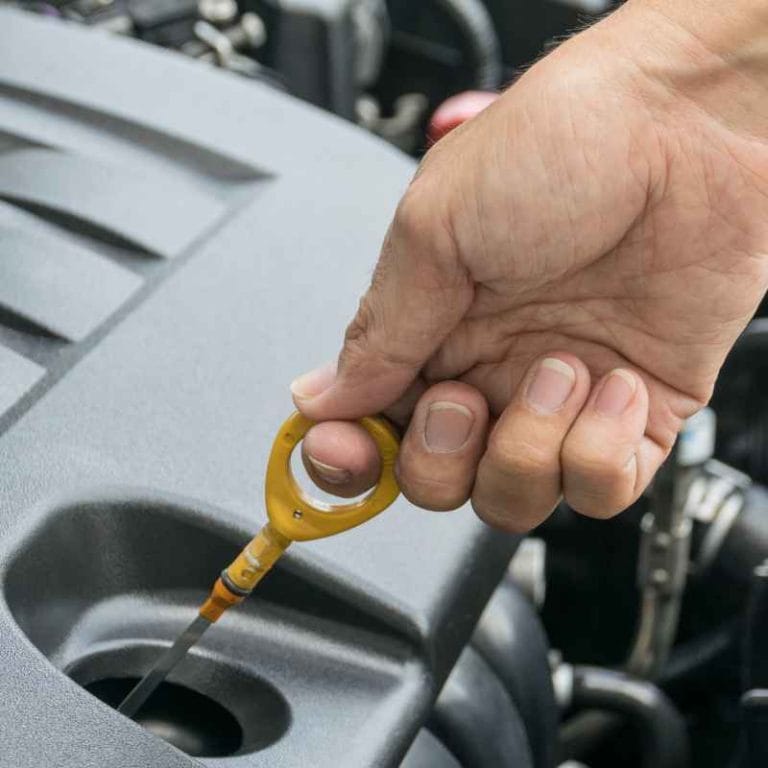
Checking your oil is a good habit for any vehicle owner. It’s a simple task that can save you a lot of trouble. For cars, locate the dipstick.
It’s usually a bright colored loop, often yellow or orange. Pull it out. Wipe it clean with a rag.
Re are usually two marks on the dipstick. The oil level should be between these two marks. If it’s too low, you need to add more oil.
If it’s too high, you may need to drain some out.
Also, look at the color and consistency of the oil. New oil is usually amber or light brown. As it gets used, it darkens.
It will become darker brown or black. If the oil looks milky or frothy, it could mean coolant is leaking into the oil. This is a serious problem.
It requires immediate attention from a mechanic.
For motorcycles, the process is similar but can vary. Some bikes have a dipstick. Others have a sight glass.
This is a small window on the engine case. It allows you to see the oil level directly. Again, check your owner’s manual for the exact procedure.
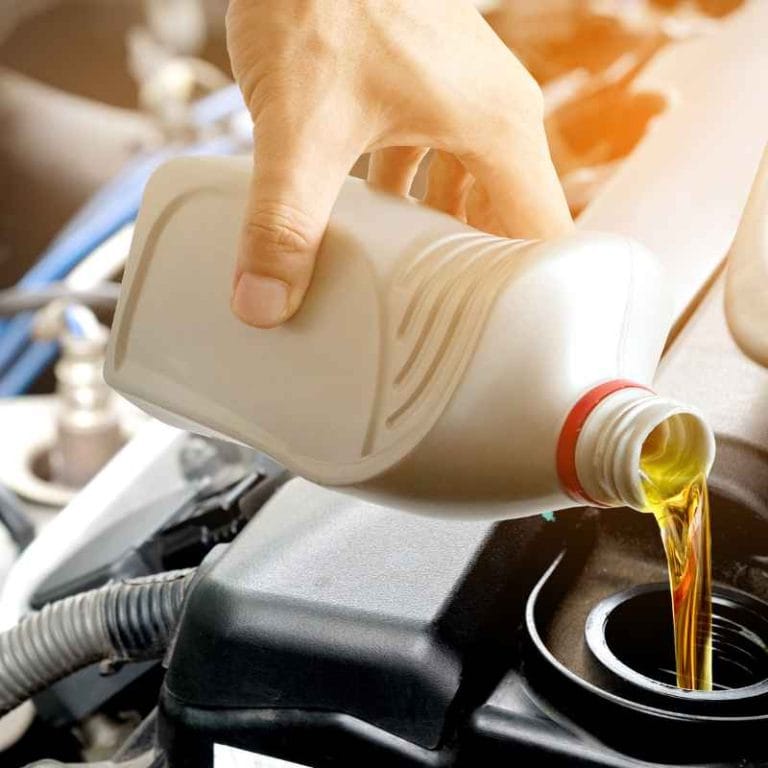
Always use the correct type of oil when topping up or changing the oil. Don’t just grab any oil from the auto parts store. Make sure it’s the right type for your car or bike.
The cost of a few extra minutes of checking is nothing compared to the cost of a major engine repair.
When to Worry: Red Flags
Warning Signs to Watch For
Unusual Engine Noises: Knocking, ticking, or grinding sounds can indicate poor lubrication. This means the oil isn’t doing its job properly.
Oil Light Staying On: If the oil pressure warning light stays on after starting your engine, stop driving immediately. This is a critical sign of low oil pressure or a severe lubrication issue.
Milky or Frothy Oil: As mentioned, this can mean coolant is mixing with your oil. This is a serious internal engine problem.
Burning Oil Smell: A distinct smell of burning oil could mean oil is leaking into the combustion chambers or onto hot engine parts.
Clutch Slipping (Motorcycles): If your motorcycle’s clutch doesn’t grab firmly when you accelerate, especially after recent maintenance, it might be due to the wrong oil or a worn-out clutch.
Poor Shifting (Motorcycles): If your gears are hard to shift or feel rough, it could be related to the transmission oil.
Quick Fixes and Tips
The best “fix” is always prevention. This means using the correct oil from the start. However, here are some tips.
Tip 1: Consult Your Manual First. This is non-negotiable. Your owner’s manual is your best friend. It has the precise specifications your vehicle needs.
Tip 2: Use Reputable Brands. Stick to well-known oil manufacturers. Brands like Mobil 1, Castrol, Valvoline, and Motul have a proven track record. Cheaper, lesser-known brands might cut corners.
Tip 3: Understand Oil Change Intervals. Follow the recommended oil change schedule. Modern cars often have longer intervals. Motorcycles, especially those ridden hard, might need more frequent changes.
Severe driving conditions (like stop-and-go traffic or frequent short trips) can shorten these intervals.
Tip 4: Don’t Mix Oil Types. If you are topping up oil, try to use the same type and viscosity. Mixing different brands or types might not be ideal. It could potentially affect the oil’s performance.
Tip 5: Keep Records. Note down when you last changed your oil. This helps you keep track of your maintenance schedule. It’s also useful if you sell your vehicle later.
Tip 6: Consider Synthetic. For both cars and motorcycles, synthetic oil generally offers better performance. It provides superior protection at high and low temperatures. It also lasts longer than conventional oil.
While more expensive upfront, it can be a good investment.
Frequently Asked Questions
Can I use car oil in my motorcycle if I don’t ride it hard?
It is strongly advised against using car oil in a motorcycle, even if you don’t ride it hard. Most motorcycles have wet clutches that require specific friction modifiers found in motorcycle oil. Car oil can cause clutch slippage, premature wear, and potentially serious transmission damage, regardless of how gently you ride.
What happens if I use motorcycle oil in my car?
Using motorcycle oil in a car is generally not recommended, though the consequences might be less severe than the reverse. Motorcycle oils often have higher levels of certain additives for clutch and transmission protection. These additives might not be necessary for a car and could potentially interfere with catalytic converters or emissions systems over the long term.
It’s best to stick with car-specific oil for your car.
What does the ‘W’ in oil viscosity mean?
The ‘W’ in oil viscosity ratings, such as 10W-30, stands for ‘Winter’. It indicates the oil’s flow characteristics at colder temperatures. A lower ‘W’ number means the oil flows more easily when the engine is cold, which is crucial for easier starting and faster lubrication of engine parts during cold starts.
Are all synthetic oils the same?
No, not all synthetic oils are the same. While they are all made using advanced processes that create a more consistent molecular structure than conventional oils, they still have different additive packages and base stocks. It’s important to choose a synthetic oil that meets the specific requirements and standards for your vehicle, whether it’s for a car or a motorcycle (looking for the correct API, ACEA, or JASO ratings).
How often should I change the oil in my motorcycle?
The oil change frequency for a motorcycle varies greatly depending on the make, model, year, and how it’s ridden. Always refer to your owner’s manual for the manufacturer’s recommendation. As a general guideline, many motorcycles require oil changes every 3,000 to 5,000 miles, or annually, whichever comes first.
Performance bikes or those ridden in harsh conditions might need more frequent changes.
Can I use a multi-grade oil in my classic car?
For classic cars, it’s often recommended to use oils designed for older engines, which might include specific additive packages like ZDDP (zinc dialkyldithiophosphate). While some multi-grade oils might be suitable, it’s crucial to check if they meet the requirements for older engines and if they have adequate anti-wear protection. Consult a classic car specialist or research the specific needs of your vehicle model.
Conclusion
The distinction between car engine oil and bike engine oil is significant. It’s driven by the unique demands of each vehicle type. While both lubricate, motorcycle oil has the added burden of protecting clutches and transmissions.
Always honor your vehicle’s specific needs. Using the right oil ensures your engine runs smoothly, lasts longer, and keeps you moving safely.
Products related to this article
Sponsored / affiliate links. As an Amazon Associate I earn from qualifying purchases. I may earn additional commission from eligible campaigns.
 ECOGARD X10023 Cartridge Engine Oil Filter for Conventional Oil - Premium Replacement | Fits 2018-2023 Volkswagen Atlas 3.6L; 2020-2023 Atlas Cross Sport 3.6L
 ECOGARD X10040 Cartridge Engine Oil Filter for Conventional Oil - Premium Replacement | Fits 2011-2026 Jeep Grand Cherokee, Dodge Durango 3.6L; 2012-2026 Wrangler 3.6L; 2014-2022 Cherokee 3.2L