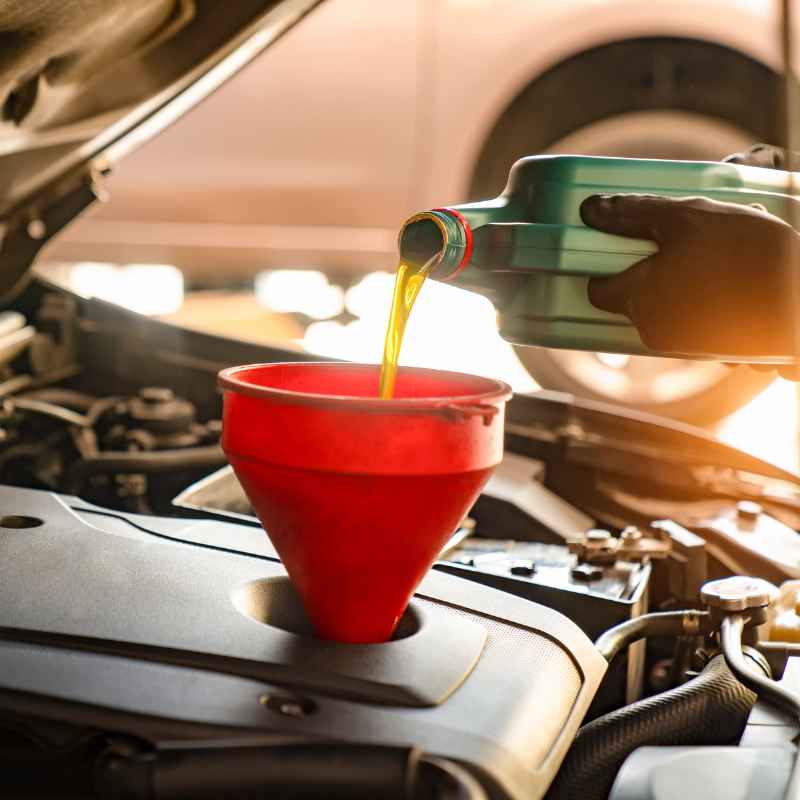
Cheapest Place To Get Car Engine Oil Changed Near You
The cheapest places to get your car engine oil changed often include quick lube shops, some independent mechanics, and places that offer specific deals or loyalty programs. While price is a factor, it’s crucial to balance cost with quality and trustworthiness to avoid future repair bills.
Understanding the Cost of an Oil Change
Why do oil changes cost what they do? It’s not just the oil. Think about it.
There are a few main parts to the price you see.
First, there’s the oil itself. This is a big chunk. Different cars need different types of oil.
Some need conventional oil. Others need synthetic oil. Synthetic oil is much more expensive.
It lasts longer and protects your engine better, but it costs more upfront. The amount of oil your car needs also matters. Bigger engines use more oil.
Then comes the oil filter. Every oil change needs a new filter. These vary in price too.
Some are basic. Others are high-end and built for tougher conditions. The brand and type of filter can change the cost.
Don’t forget the labor. Even a quick oil change takes time. The technician has to drain the old oil, change the filter, add new oil, and check other fluids.
They need to dispose of the old oil safely. This all adds up. Shops have to pay their workers.
They also pay for tools and rent.
Finally, there are shop fees and profit. Every business needs to make money. There are overhead costs like electricity, water, and insurance.
They also have marketing costs. These are all built into the price you pay.
So, when you see a low price, ask yourself what might be different. Are they using cheaper oil? A less durable filter?
Or is it a special promotion?
Where to Find Budget-Friendly Oil Changes
Finding a cheap oil change isn’t impossible. You just need to know where to steer your car. Many places offer competitive pricing to bring you in.
Once they have you, they hope you’ll come back for other services.
1. Quick Lube Chains: These places are built for speed. They often have very competitive prices.
Think Jiffy Lube, Valvoline Instant Oil Change, and similar spots. Their business model is focused on high volume. They move a lot of cars through.
This allows them to keep prices lower. They often run specials. You might see coupons in your mail or online.
2. Independent Mechanic Shops: Don’t rule out your local, smaller garages. Some independent mechanics offer great value.
They might not have the fancy waiting rooms of a big chain, but they can be very affordable. They often have lower overhead. This can translate to lower prices for you.
It’s a good idea to build a relationship with a trusted local mechanic.
3. Dealership Service Centers (Sometimes): This might sound surprising. Dealerships are often seen as expensive.
However, they sometimes run oil change specials. These are often aimed at newer customers or for specific car models. They might also have loyalty programs.
If you own a car from a specific brand, check your dealership’s service specials. It might surprise you.
4. Big Box Retailers with Auto Centers: Stores like Walmart and some auto parts stores (like AutoZone or Advance Auto Parts, though not all offer installs) have auto service centers. Their prices can be very competitive.
They aim to be a one-stop shop. Check if they offer oil changes and what their prices are. Read reviews if possible.
5. Tire Shops: Many tire shops also offer basic car maintenance. This includes oil changes.
They often have good deals to get you in the door, especially if you bought your tires from them. It’s worth checking if your local tire shop provides this service.
My First “Cheap” Oil Change Fiasco
I remember this one time, years ago. My old Honda Civic was making a funny noise. It wasn’t major, but I wanted to be proactive.
I saw a flyer for an oil change that was ridiculously cheap. Like, under twenty bucks. I thought, “Score!
This is perfect.” I pulled into the place. It was a small, no-name shop in a slightly rough part of town. The guy barely looked up when I came in.
He took my keys. The waiting area was… basic. A few worn-out chairs and a dusty magazine rack.
After about twenty minutes, he called me over. He said they were all done. I paid the twenty bucks.
He handed me my keys and a slip of paper. As I was backing out, I noticed the paper was just a handwritten note. No company name, no date, nothing official.
That night, I was driving home. The funny noise was still there. But now, I also heard a new sound.
A sort of… ticking. It got louder. Then, the oil light on my dashboard flickered on.
Panic set in. I pulled over immediately. I popped the hood.
The dipstick was bone dry. Bone dry! They hadn’t put enough oil in, or maybe they used the wrong kind.
I ended up having to get towed. The repair cost me way more than the twenty dollars I “saved.” It was a hard lesson learned. Sometimes, the cheapest option costs you the most in the long run.
That experience stuck with me. It taught me that “cheap” needs to come with “good.” You can’t just look at the number. You have to consider the whole picture.
Key Takeaway: A handwritten receipt and an empty oil dipstick are big red flags.
The Importance of Checking Your Oil Level Regularly
Even if you get your oil changed at the best place, it’s still a good idea to check your oil yourself. You know, between changes. It’s a super simple habit that can save you a ton of trouble.
Think of it like checking the fuel gauge on your car. You don’t wait until the light blinks to get gas, right? Your oil is the lifeblood of your engine.
It keeps everything moving smoothly. It also helps keep it cool and clean.
How to Check Your Oil:
- Park your car on a level surface. This is important for an accurate reading.
- Turn off the engine. Let it cool for a few minutes. This makes it safer to handle.
- Open the hood. Find the oil dipstick. It usually has a bright colored handle, often yellow or orange.
- Pull the dipstick all the way out. Wipe it clean with a paper towel or rag.
- Push the dipstick all the way back in.
- Pull it out again. Look at the oil level on the end of the dipstick.
There are usually two marks on the dipstick. One is for “Add” or “Low.” The other is for “Full” or “Max.” Your oil level should be somewhere between these two marks. If it’s near the “Low” mark, you need to add oil.
If it’s near the “Full” mark, you’re good.
Adding oil is easy. You just need to know what type of oil your car uses. Check your car’s owner’s manual.
Most auto parts stores can also help you find the right kind.
This simple check takes maybe two minutes. But it can help you spot a leak early. It can also prevent catastrophic engine damage if your oil level is dangerously low.
It’s a free way to protect your investment.
Quick Oil Check: What to Look For
When to Add Oil: If the oil level on the dipstick is below the lower mark.
Adding Oil: Use the exact type recommended in your owner’s manual. Add a little at a time, then recheck the dipstick. Don’t overfill!
Color of Oil: Fresh oil is usually amber or light brown. Dark, black oil means it’s time for a change. Oily sludge or milky-looking oil could mean bigger problems.
Decoding Oil Change Coupons and Deals
Coupons and deals are everywhere when it comes to car maintenance. They can be a great way to save money. But you have to read the fine print.
Not all deals are created equal.
Common Types of Deals:
- Percentage Off: “20% off any oil change.”
- Fixed Price: “$29.99 conventional oil change.”
- Buy One, Get One (BOGO): “Buy one oil change, get the second half price.”
- Bundle Deals: “Oil change and tire rotation for $45.”
- Loyalty Programs: “Buy 5 oil changes, get the 6th free.”
What to Watch Out For:
- “Conventional Oil Only”: Many cheap deals are only for basic, conventional oil. If your car needs synthetic, the price will go up. And it might go up a lot. Always confirm if synthetic is included or extra.
- “Up to 5 Quarts”: This is a big one. Some oil changes include a certain amount of oil. If your car takes more, you’ll pay extra per quart. Some larger engines can take 7 or 8 quarts.
- Filter Upgrades: The basic price might include a very basic oil filter. They might try to upsell you to a better one. Sometimes this is worth it. Sometimes it’s just an extra charge.
- “Extra Services” Push: Be prepared for them to suggest other services. They might say your air filter is dirty or your fluids are low. Sometimes these suggestions are valid. Other times, they are just trying to increase the total bill.
- Expiration Dates: Make sure the coupon is still valid!
My advice? Look for deals from reputable places. Check online reviews for the shop before you go.
Sometimes a place that seems cheapest upfront has hidden fees or poor service. A slightly higher price at a trusted shop is often better than a super low price that leads to problems.
Coupon Hunter’s Checklist
Is it for the right oil type? (Conventional vs. Synthetic)
What’s the oil capacity limit? (e.g., up to 5 quarts)
What kind of filter is included?
Are there any mandatory fees or shop charges?
Is the shop well-reviewed?
Independent Mechanics vs. Quick Lube Shops
When you need an oil change, you have two main types of places to choose from: quick lube chains and independent mechanic shops. Both have their pros and cons, especially when it comes to price.
Quick Lube Shops (e.g., Jiffy Lube, Valvoline):
Pros:
- Speed: They are designed to be fast. You can often get in and out in 15-30 minutes.
- Convenience: Many have multiple locations. They often have convenient hours, including weekends.
- Price: They often have the lowest advertised prices, especially with coupons.
- Standardized Service: The process is usually very similar no matter which location you go to.
Cons:
- Upselling: They are notorious for trying to sell you extra services.
- Basic Service: The focus is on speed, not always on thorough inspection. They might miss small issues.
- Limited Expertise: They are trained for quick oil changes. They might not be the best for complex repairs or diagnostics.
- Quality of Products: Sometimes they use lower-grade oil or filters to keep costs down.
Independent Mechanic Shops:
Pros:
- Expertise: Mechanics here are usually more experienced with a wider range of car problems.
- Thorough Inspection: A good independent mechanic will often do a more detailed inspection of your car during an oil change.
- Trustworthiness: If you find a good one, they can become your go-to person for all car needs.
- Better Quality Parts (Often): They might offer a wider range of oil and filter options, including higher quality ones.
Cons:
- Time: Oil changes might take longer. They might not be as focused on speed.
- Price: Can sometimes be more expensive than quick lube places, especially if not on sale.
- Finding a Good One: It can take time and research to find a truly trustworthy independent mechanic.
Which is cheaper? For the absolute lowest upfront price, quick lube shops often win, especially with coupons. However, if an independent mechanic offers a package deal or if you trust them to do a more thorough job that prevents future issues, they can offer better value in the long run. It really depends on what you prioritize.
Quick Lube vs. Independent: Your Choice
Go Quick Lube If: You need it done fast and cheap, have a simple car, and don’t mind potential upselling.
Go Independent If: You value a thorough inspection, want expert advice, or have a specific car model with known issues.
When “Cheap” Means Cutting Corners
It’s one thing to find a good deal. It’s another thing entirely when “cheap” means the service is actually bad. This is where you can end up spending more money in the long run.
You need to know the signs that a place might be cutting corners.
1. The Wrong Type of Oil: This is a big one. Some places might use a cheaper conventional oil when your car specifically calls for synthetic.
Or they might use an oil with the wrong viscosity (like 5W-30 instead of 0W-20). This can damage your engine over time, especially in extreme temperatures.
2. Substandard Oil Filters: Cheap oil filters might not filter as well. They could clog faster.
They might not have the right pressure relief valve. This can lead to oil bypass, meaning dirty oil circulates through your engine. Or, it could restrict oil flow, starving parts of your engine.
3. Not Draining All the Old Oil: Sometimes, in the rush, technicians don’t let all the old, dirty oil drain out completely. This means your engine starts with less clean oil than it should.
It also means old contaminants are still in the system.
4. Overfilling or Underfilling: As I learned the hard way, underfilling is a disaster. But overfilling is also bad.
Too much oil can create excessive pressure. It can also cause the crankshaft to whip the oil into foam. Foamy oil doesn’t lubricate properly.
It can lead to leaks and engine damage.
5. Ignoring Your Car’s Needs: A good oil change isn’t just about the oil and filter. It’s also about checking other things.
Is your oil cap tight? Is the drain plug properly sealed? Are there any obvious leaks?
A place only focused on the lowest price might skip these important checks.
6. Sketchy Environment: If the shop looks run-down, disorganized, or dirty, it can sometimes be a sign of poor practices. This isn’t always true, but it’s something to consider.
A clean, organized shop usually indicates a more professional operation.
What to do? If a price seems too good to be true, it probably is. Ask questions. What brand of oil do they use?
What kind of filter? What if my car takes synthetic? If they are evasive or pushy, walk away.
Your engine is worth more than a few dollars saved today.
Red Flags to Watch For
Vague Answers: “We use good oil.” (What does “good” mean?)
High-Pressure Upselling: “You need this $100 fuel system cleaner right now!”
No Written Record: No proper invoice or receipt.
Rushed or Careless Service: Spills, loose parts, or a quick dismissal.
What Your Car’s Owner’s Manual Says
This is the golden rulebook for your car. Your owner’s manual has a wealth of information. It tells you exactly what kind of oil your car needs.
It also tells you the correct viscosity. For example, it might say “SAE 0W-20 synthetic oil.” This is crucial information!
The manual also has a recommended maintenance schedule. It will tell you roughly how often you should change your oil. This is usually based on mileage or time.
For example, “change every 5,000 miles or 6 months, whichever comes first.” Some newer cars with advanced synthetic oils might go longer, like 7,500 or even 10,000 miles.
Why is this important for finding the cheapest place? Because if you go to a shop that doesn’t follow your manual’s recommendations, you could end up paying more later. Using the wrong oil can reduce fuel economy.
It can also lead to premature wear and tear on engine components. Repairs for those issues will cost far more than the difference between cheap oil and the right oil.
Don’t have your manual? Most car manufacturers have PDFs of their owner’s manuals available on their websites. Just search for ” owner’s manual PDF.” It’s usually a free download.
When you go for an oil change, especially at a new place, it’s good to know what your manual says. You can even tell them, “My manual recommends XYZ oil.” This shows you’re informed. It can help prevent them from trying to sell you something unnecessary or using the wrong product.
Manual Matters: Key Info to Know
Oil Type: Conventional, Synthetic Blend, Full Synthetic
Oil Viscosity: e.g., 5W-30, 0W-20
Oil Capacity: How many quarts your engine needs
Oil Change Interval: Miles or months recommended
Cost-Saving Strategies Beyond Just Price
Saving money on oil changes isn’t just about finding the lowest sticker price. There are other smart ways to keep costs down without sacrificing quality.
1. DIY Oil Changes: If you’re a bit handy and have the space, doing it yourself is the cheapest option. You only pay for the oil and filter.
The savings can add up significantly over time. You also have complete control over the quality of products used. Many YouTube videos can guide you through the process for your specific car.
2. Timing is Everything: Plan ahead. Don’t wait until your car is making a terrible noise.
Many shops run specials during slower times of the week or month. Avoid peak times like weekends or the end of the month if possible.
3. Loyalty Programs: As mentioned, many quick lube places and even some independent shops have loyalty cards. After a certain number of oil changes, you get one free.
Keep track of these cards!
4. Bundle Services: Sometimes, if you need other things done, like a tire rotation or fluid check, see if you can get a bundle price. Some shops will offer a discount if you combine services.
5. Watch for Seasonal Promotions: Around holidays or in certain seasons (like spring or fall), auto shops often have special deals. Keep an eye out for these.
6. Ask About “House” Brands: Some shops use their own branded oil and filters. These are often made by major manufacturers but sold at a lower price.
Ask if these meet the specifications for your car.
7. Build a Relationship: If you find a good independent mechanic, talk to them about cost-saving options. They might know ways to get parts cheaper or offer discounts to loyal customers.
They also won’t try to sell you things you don’t need.
Remember, the goal is to get the job done right at a fair price. It’s not always about finding the absolute cheapest place. It’s about value.
Smart Saver’s Tips
DIY Power: If you can, do it yourself.
Loyalty Love: Always ask about loyalty programs or punch cards.
Bundle Up: Combine services when possible.
Timing is Key: Go during off-peak hours or days.
When Price Shouldn’t Be Your Only Factor
It’s tempting to go for the lowest price every single time. Who doesn’t want to save money? But for your car’s engine, there are times when focusing solely on the cheapest option can be a mistake.
1. Your Car Requires Synthetic Oil: If your owner’s manual states your car needs full synthetic oil, do not let anyone talk you into conventional. Synthetic oil is engineered differently.
It provides superior protection, especially in extreme temperatures (both hot and cold). It also lasts longer. Using the wrong oil can cause engine wear that will cost thousands to fix.
2. High-Performance or Luxury Vehicles: These cars often have very specific requirements. The engines are engineered with tighter tolerances.
They may require specialized oils or filters. Cheaper alternatives might not meet these strict standards, leading to problems down the road.
3. Cars Under Warranty: If your car is still under warranty, you need to follow the manufacturer’s recommended maintenance schedule and use specified products. Using cheap, non-specified parts or fluids could void your warranty.
If something goes wrong, the manufacturer might refuse to cover the repair costs.
4. Experiencing Engine Issues: If your car is already showing signs of engine trouble, like strange noises, rough idling, or oil leaks, a cheap, quick oil change might not be enough. You need a qualified mechanic who can diagnose the problem and use the correct, high-quality products to fix it.
5. Peace of Mind: Sometimes, paying a little extra for a reputable shop means you get peace of mind. You know they are using quality parts, experienced technicians are doing the work, and they stand behind their service.
That peace of mind is worth something. It can prevent the stress and cost of dealing with an engine failure.
Think of it like this: would you buy the cheapest possible paint for your house if you knew it would peel in a year? Probably not. Your car’s engine is a complex, expensive piece of machinery.
It deserves the right care.
When to Splurge a Little
Synthetic Oil Needs: Stick to the recommended type.
Warranty Protection: Follow manufacturer guidelines.
Vehicle Type: High-performance or luxury cars often need specialized care.
Existing Problems: Don’t mask issues with cheap fixes.
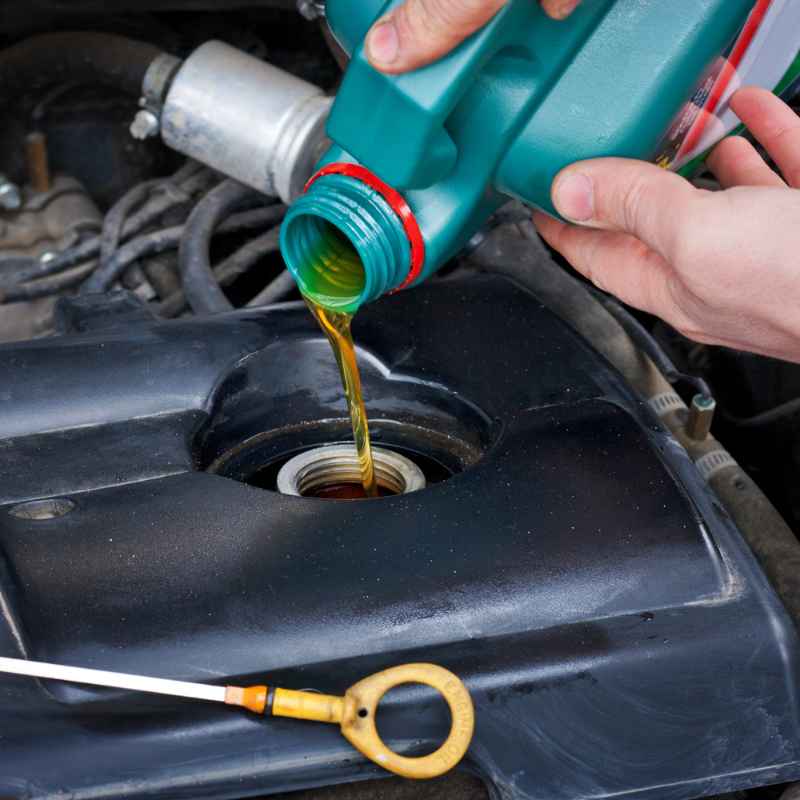
Frequently Asked Questions About Cheap Oil Changes
Is it ever okay to use a $19.99 oil change coupon?
Yes, it can be okay, but you must do your homework. These deals are often for conventional oil and may have limits on the amount of oil or filter type. Make sure the shop is reputable.
Ask what oil and filter are included. If your car needs synthetic oil or more than 5 quarts, the final price will be higher. Always confirm the total cost before they start.
How often should I actually get my oil changed?
This depends on your car and the type of oil you use. For conventional oil, every 3,000 to 5,000 miles is common. For synthetic oil, you can often go 7,500 to 10,000 miles.
Always check your car’s owner’s manual for the manufacturer’s specific recommendations. Driving conditions also matter. If you drive in dusty, hot, or stop-and-go traffic, you might need changes more often.
Can I get my oil changed at a place that specializes in tires?
Many tire shops do offer basic car maintenance like oil changes. They often have competitive pricing. It can be convenient if you’re already getting tires serviced.
Just like any other shop, check reviews and ask about the quality of oil and filters they use. Ensure they follow your car’s specific needs.
What’s the difference between conventional and synthetic oil?
Conventional oil is refined from crude oil. It’s the traditional type of engine lubricant. Synthetic oil is chemically engineered.
It’s designed to be more stable and perform better under extreme conditions. Synthetic oil offers better protection against heat and wear, lasts longer, and can improve fuel efficiency. It is more expensive.
What should I do if I think my oil change was done poorly?
If you notice leaks, strange noises, or your oil light comes on shortly after an oil change, contact the shop immediately. Explain your concerns. If they are reputable, they should be willing to look at your car.
If they refuse to help or the problem persists, consult a trusted independent mechanic and keep records of the faulty service. You may need to seek compensation.
Are oil change specials usually a good deal?
Often, yes, but always read the fine print. The advertised price might only be for basic conventional oil and a standard filter, up to a certain amount. If your car requires synthetic oil, more oil, or a special filter, the cost will increase.
Look for deals from reputable shops and understand the total potential cost before agreeing to service.
Final Thoughts: Value Over Just Price
Finding the cheapest place for an oil change is a goal many of us share. It’s smart to be budget-conscious. However, the real aim should be finding the best value.
That means getting a quality service at a fair price.
Look for deals from trusted shops. Understand what’s included in that low price. Always consider your car’s specific needs, especially if it requires synthetic oil.
Your owner’s manual is your best friend here. And never underestimate the power of a simple, regular check of your oil level yourself.
By being informed and a little bit picky, you can keep your car running smoothly without emptying your bank account. Happy driving!
Products related to this article
Sponsored / affiliate links. As an Amazon Associate I earn from qualifying purchases. I may earn additional commission from eligible campaigns.
 ECOGARD X10023 Cartridge Engine Oil Filter for Conventional Oil - Premium Replacement | Fits 2018-2023 Volkswagen Atlas 3.6L; 2020-2023 Atlas Cross Sport 3.6L
 ECOGARD X10040 Cartridge Engine Oil Filter for Conventional Oil - Premium Replacement | Fits 2011-2026 Jeep Grand Cherokee, Dodge Durango 3.6L; 2012-2026 Wrangler 3.6L; 2014-2022 Cherokee 3.2L