How To Stop Your Car Engine From Burning Oil (Fix Guide)
If your car engine is burning oil, it often means oil is getting into the combustion chambers and burning up. Common reasons include worn-out piston rings, valve seals, or engine gaskets. Fixing this usually involves replacing these worn parts to seal the engine properly.
Understanding Engine Oil Burning
When we say a car engine is “burning oil,” it means oil is escaping its usual path. It then finds its way into the parts of the engine where fuel and air mix. These parts are the combustion chambers.

Lucas Oil
Lucas Oil 10278 Engine Oil Stop Leak…
- Compatible with petroleum, semi-synthetic, and full synthetic motor oils
- Renews worn seals with no risk of damage or eventual corrosion
- Reduces engine noise and oil consumption, while raising oil pressure
As an Amazon Associate I earn from qualifying purchases.
Once oil gets there, it burns along with the fuel. This burning oil creates smoke. It also lowers your engine’s oil level over time.
This isn’t just a little bit of smoke. It’s a sign that something in your engine isn’t sealing as it should. Your engine has many moving parts.
These parts need oil for lubrication. But that oil needs to stay in its specific passages. It should not enter the combustion process.
When it does, it causes issues.
Why is this bad? Burning oil means your engine is losing its essential lubricant. This can lead to parts not being greased well.
That friction can cause parts to wear out faster. It can also lead to carbon build-up. This build-up can harm other engine parts.
It might even foul your spark plugs.
The amount of oil a car burns can vary. Some cars might burn a little bit over many miles. Others might show signs of burning a lot of oil quite quickly.
The key is to notice the signs early. Early detection often means simpler and less expensive fixes. It’s like catching a small leak before it floods your home.
Why Does My Car Engine Burn Oil?
There are several common culprits when an engine starts burning oil. These issues often relate to parts that are meant to keep oil where it belongs. Think of them as seals and guides for the oil.
One of the most frequent reasons is worn piston rings. Piston rings are metal rings that fit around the pistons. Pistons are the parts that move up and down inside your engine cylinders.
These rings create a seal. They stop oil from splashing up into the combustion chamber. They also help control the oil that lubricates the cylinder walls.
If these rings wear out, they can’t seal properly. Oil then slips past them into the cylinder. This oil gets burned.
Another common cause is bad valve seals. The valves in your engine open and close to let air and fuel in and exhaust out. These valves move up and down through valve guides.
Seals, often made of rubber, sit around these valve stems. They prevent oil from dripping down the valve stems into the combustion chamber. Over time, these seals can dry out, crack, or get hard.
When they fail, oil leaks down the valve stems and is burned.
Your engine also has gaskets. Gaskets are like seals between different engine parts. They prevent fluids, like oil and coolant, from leaking.
The head gasket is a critical one. It sits between the engine block and the cylinder head. If the head gasket blows or leaks, oil can leak into the combustion chamber.
This is a more serious issue. It often shows up with other symptoms too, like coolant loss or white smoke.
Less common, but still possible, are issues with PCV systems. PCV stands for Positive Crankcase Ventilation. This system helps remove blow-by gases.
These gases are combustion byproducts that escape past the piston rings. A clogged PCV valve or system can cause pressure to build up inside the engine. This pressure can force oil past seals and into the combustion areas.
Engine design itself can sometimes play a small role. Some engines are known to be more prone to oil consumption than others. Factors like how the engine is used, the type of oil used, and maintenance schedules also matter.
But generally, a noticeable increase in oil burning points to a mechanical issue.
Personal Experience: The Day My Car Started Hissing Oil
I remember it vividly. It was a Tuesday afternoon, and I was driving home from the grocery store. The sun was just starting to dip, casting long shadows.
Suddenly, I noticed a faint, peculiar smell. It wasn’t the usual exhaust smell. It was more acrid, almost burnt.
Then, I saw it in my rearview mirror. A small, wispy cloud of blue smoke trailed behind my car. My heart did a little jump.
I pulled over to the side of the road, a bit panicked. I popped the hood, though I’m no mechanic. Everything looked… oily.
I checked the dipstick. It was way lower than it should have been. I’d been topping it up every month, thinking it was just normal use.
But this smoke and low reading told a different story. I felt a knot of worry form. Was this going to cost me thousands?
Signs Your Car Might Be Burning Oil
Catching oil burning early is key. Your car often gives you clues before it becomes a major problem. Pay attention to these signs:
- Blue Smoke from the Exhaust: This is the most obvious sign. If you see blue or bluish-grey smoke coming from your tailpipe, especially when you start the car or when you accelerate, it’s a strong indicator that oil is burning.
- Low Oil Level: If you’re checking your oil dipstick more often than usual, and the level keeps dropping, your car is consuming oil. This could be oil burning or a leak, but burning is a common cause of disappearing oil.
- Foul Smell: A burnt oil smell, different from normal exhaust fumes, can mean oil is getting into the combustion chamber and burning.
- Oil Deposits on Spark Plugs: If a mechanic checks your spark plugs, they might find oily or sooty deposits on them. This means oil has been entering the cylinder.
- Engine Performance Issues: Over time, burning oil can lead to rough idling, misfires, or a loss of power. This happens as carbon builds up and spark plugs get fouled.
Quick Oil Consumption Checks
Check Oil Level Regularly: Do this once a month or every few gas fill-ups. Make sure the car is on a flat surface.
Look for Smoke: Notice any unusual colors from your exhaust, especially blue.
Listen to Your Engine: Any new, strange noises or rough running?
Smell Your Exhaust: A burnt smell is a warning.
When Is Oil Burning Normal?
It’s important to know that some oil consumption is normal for many engines. Manufacturers have guidelines for what they consider acceptable oil usage. This varies greatly by car model, engine size, and age.
For example, a brand-new engine might consume a tiny bit more oil as its parts seat themselves. Older engines, with more miles on them, might also naturally use a bit more oil. This is often due to slight wear on the piston rings and valve seals.
They aren’t brand new anymore.
What’s considered “normal” often ranges from a quart of oil every 1,000 to 5,000 miles. It really depends on the car. If you’re adding a quart of oil every few months, and your car isn’t showing other worrying signs like excessive smoke, it might just be within the normal range for your specific vehicle.
The key is consistency. If your oil level has always stayed pretty steady, and then suddenly it starts dropping fast, or you see smoke, that’s when it’s not normal. It’s when the consumption dramatically increases or new symptoms appear that you need to investigate.
Common Causes: A Deeper Look
Let’s dive a bit deeper into the most frequent mechanical issues causing oil burning.
Worn Piston Rings
Piston rings are like the seals on a can of soup. They are crucial. They sit in grooves on the piston.
There are usually three rings per piston. The top ring scrapes oil off the cylinder wall. The middle ring helps with sealing and scraping oil.
The bottom ring is a more robust oil scraper. They are under a lot of pressure and heat.
Over many miles and years, these rings can wear down. Their tension can decrease. They can become less effective at scraping oil.
They can also get stuck in their grooves due to carbon build-up. When they don’t seal tightly against the cylinder wall, oil passes by them. This oil then enters the combustion chamber.
It burns.
This wear usually happens gradually. It’s often related to the engine’s age and mileage. It can also be made worse by poor maintenance, like infrequent oil changes.
Using the wrong type of oil can also contribute to deposits that stick the rings.
Worn Valve Seals
Your engine has intake and exhaust valves. These open and close thousands of times a minute. They need to seal perfectly to keep the combustion process contained.
The valve stems move through valve guides. Small rubber seals are placed around the valve stems at the top. These seals stop oil from flowing down the guides into the cylinder.
They are like little rubber gaskets for the valve stems.
These rubber seals are exposed to heat and oil vapors. Over time, they can become brittle. They can crack.
They can shrink. When they are no longer pliable and soft, they lose their ability to seal. Oil then slowly drips down the valve stem.
It enters the combustion chamber. This often causes more smoke when the engine is first started after sitting. This is called “startup smoke.” It’s because oil has had time to seep down while the engine was off.
This is a very common cause of oil burning, especially in older vehicles. It’s often less expensive to fix than piston rings because the cylinder head may need to be removed, but not necessarily the entire engine block.
Blown Head Gasket
The head gasket is a vital seal. It sits between the cylinder head and the engine block. It seals the combustion chambers.
It also seals oil and coolant passages. It’s under extreme pressure and heat. If this gasket fails, it can lead to oil leaking into the coolant, coolant into the oil, or oil directly into the combustion chamber.
A blown head gasket is a serious problem. It often shows other symptoms besides just oil burning. You might see milky or foamy oil.
You might see oil in your coolant reservoir. You might have engine overheating. There might be white smoke (steam from coolant) or blue smoke (oil).
This is a more complex and costly repair.
Contrast Matrix: Oil Burning Causes
Myth: My car just needs more oil.
Reality: Adding oil masks the problem. It doesn’t fix why oil is disappearing. Continuous loss means a part is failing or oil is burning.
Normal: Slight smoke on startup after sitting overnight.
Concerning: Constant blue smoke, rapid oil level drops, or thick smoke under acceleration.
PCV System Issues
The PCV system is designed to keep your engine healthy. It removes harmful gases from the crankcase. These gases are created during combustion.
They can build up pressure. The PCV system vents these gases back into the intake system to be burned. It also helps prevent oil sludge formation.
If the PCV valve gets clogged with gunk, the system can’t breathe. Pressure builds up inside the crankcase. This increased pressure can force oil past seals and gaskets.
It can push oil into places it shouldn’t be, like the intake manifold. This can then lead to oil being drawn into the combustion chambers and burned. A clogged PCV system is a relatively simple fix, usually just replacing the valve.
Real-World Context: Why It Happens in American Homes
In many American homes, cars are essential. They are used for commuting, school runs, and long road trips. This means engines often rack up miles faster than in some other countries.
Higher mileage naturally leads to more wear and tear on engine components.
Think about the diversity of driving conditions here. Stop-and-go city traffic in Los Angeles puts different stresses on an engine than highway cruising across Texas. The constant starting and stopping, coupled with potential heat buildup, can accelerate the wear on things like valve seals.
Extreme temperatures, from freezing winters in the Midwest to scorching summers in the Southwest, also test the limits of engine seals and gaskets.
Furthermore, maintenance habits vary. While many car owners are diligent, others might stretch oil change intervals. This can lead to oil breaking down faster and forming sludge.
Sludge can clog the PCV system and contribute to stuck piston rings. These habits, combined with the demanding use of vehicles in the U.S., create a perfect storm for oil consumption issues to appear over time.
What This Means for You: When to Worry and When Not To
So, you’ve noticed a potential oil issue. What’s the big deal? When should you really start to worry?
When it’s normal:
- You check your oil, and it’s slightly low after several thousand miles.
- You add a quart of oil every 3,000-5,000 miles, and the engine runs smoothly without smoke.
- You have an older car (100,000+ miles) and notice very minimal oil loss over long periods.
- You see a tiny puff of blue smoke on startup that quickly disappears.
When to worry:
- You’re adding oil much more frequently than before (e.g., every few hundred miles).
- You see consistent blue smoke from your exhaust, especially when accelerating.
- Your engine is running rough, misfiring, or has lost power.
- You notice oil levels dropping dramatically between oil changes.
- You see signs of oil in your coolant or vice-versa (milky oil).
- You smell a strong, persistent burnt oil odor.
If you fall into the “when to worry” category, it’s time to get your car checked by a qualified mechanic. Ignoring these signs can lead to more serious engine damage. This could turn a repairable issue into a need for a full engine rebuild or replacement.
Simple Checks You Can Do
1. Dipstick Test: Check oil when the engine is cold and on a level surface. Note the level.
Check again after a drive. Has it dropped significantly?
2. Exhaust Smoke Watch: Have a friend watch your exhaust while you start the car and gently rev the engine. Look for blue or white smoke.
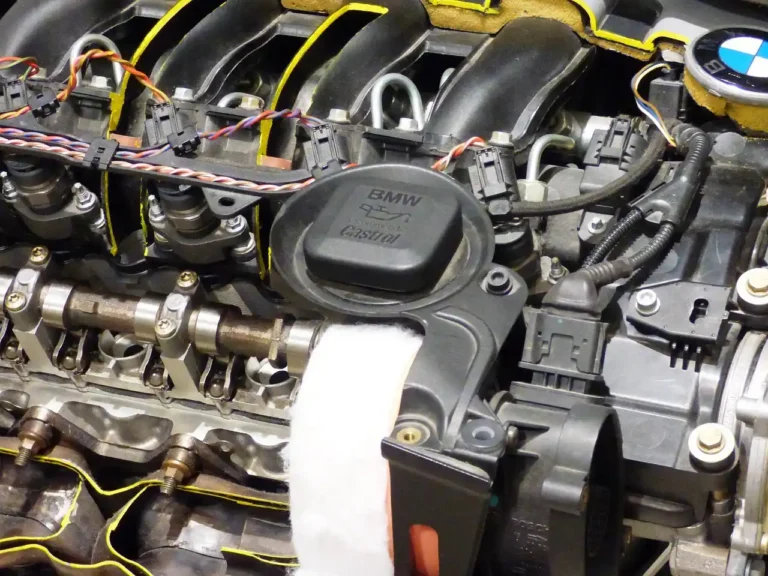
3. Oil Cap Inspection: Remove your oil fill cap. Look for a thick, milky sludge.
This can indicate coolant mixing with oil, often a head gasket issue.
4. Oil Cap Interior: Sometimes, you’ll see a thin, light brown film. This is usually okay.
A thick, dark brown or black sludge is more concerning.
Quick Fixes & Tips for Reducing Oil Burning
While major oil burning often requires repair, there are some proactive steps and temporary measures you can take.
Regular Oil Changes Are Crucial
This is the single most important thing you can do. Clean oil lubricates better. It also helps keep engine parts clean and free from sludge.
Sludge can clog the PCV system and cause piston rings to stick. Follow your car manufacturer’s recommended oil change intervals. Using the correct type of oil is also vital.
Check your owner’s manual for the recommended viscosity (like 5W-30) and oil specifications.
Use Quality Oil and Filters
Don’t skimp on oil or filters. High-quality synthetic oils can offer better protection and thermal stability. This means they resist breaking down at high temperatures.
This can help reduce burning. A good oil filter ensures that any contaminants in the oil are trapped, preventing them from circulating and causing wear.
Consider Oil Additives (With Caution)
There are many oil additives on the market. Some claim to help seal worn rings or valve seals. These are not a guaranteed fix for worn-out parts.
However, for very minor oil consumption, some additives might offer a temporary improvement. They can sometimes help swell seals slightly. Always choose reputable brands.
And read reviews. Additives are not a substitute for mechanical repair.
Important Note: Some additives can actually cause harm if they are too harsh or not compatible with your engine’s seals. Use them sparingly and at your own risk. They are a band-aid, not a cure.
Address PCV System Issues Promptly
If a mechanic diagnoses a clogged PCV valve or system, get it fixed. Replacing a PCV valve is usually an inexpensive repair. It can significantly reduce oil consumption caused by crankcase pressure buildup.
It’s often a simple part to access and replace.
Driving Habits Matter
Aggressive driving, like frequent hard acceleration and braking, can put more stress on the engine. This can contribute to oil burning over time. Smoother driving can help reduce wear and tear.
Letting your engine warm up properly before driving, especially in cold weather, is also beneficial.
Tips for Managing Oil Consumption
Keep Oil Topped Up: If you know your car burns a little oil, check the level weekly. Keep it between the minimum and maximum marks on the dipstick.
Use the Right Oil: Always use the viscosity and specification recommended by your car’s manufacturer.
Drive Smoothly: Avoid sudden acceleration and hard braking when possible.
Regular Maintenance: Stick to your car’s scheduled maintenance. This includes oil changes and filter replacements.
Frequent Questions About Cars Burning Oil
What does it mean if my car uses a lot of oil but doesn’t smoke?
If your car is using a lot of oil but not smoking, it’s a strong sign of an oil leak. Oil could be leaking externally from the engine. Or, it could be leaking internally into the coolant or the combustion chambers, but not burning visibly yet.
A mechanic should inspect for leaks.
Can I drive my car if it’s burning oil?
You can often drive your car if it’s burning a small amount of oil. However, you must monitor the oil level very closely. If the oil level gets too low, it can cause severe engine damage.
Significant oil burning is a sign of a problem that needs fixing soon. Driving with very low oil is dangerous for the engine.
How much does it cost to fix an engine burning oil?
The cost varies greatly. Minor issues like a PCV valve replacement might cost $100-$300. Replacing valve seals can range from $500 to $1,500 depending on the car.
Fixing worn piston rings or a blown head gasket can cost $2,000 to $5,000 or even more. Getting an estimate from a mechanic is best.
Will synthetic oil stop my car from burning oil?
Synthetic oil offers better protection and resists breakdown at high temperatures. It might help slightly reduce oil consumption in some cases. However, it will not fix worn-out mechanical parts like piston rings or valve seals.
It’s a maintenance improvement, not a repair for a leak or worn seals.
Is blue smoke from my exhaust bad for the catalytic converter?
Yes, burning oil creates carbon deposits. These deposits can foul your spark plugs and eventually damage your catalytic converter. The extra oil can clog the fine mesh inside the converter.
This reduces its ability to clean exhaust fumes. It can lead to expensive catalytic converter replacement.
Can I just keep adding oil instead of fixing the problem?
For a while, yes. But this is not a long-term solution. It’s expensive to constantly buy oil.
More importantly, continuing to drive with a significant oil burning issue can lead to much bigger problems. This includes engine seizure or catastrophic failure, which is far more costly than fixing the initial issue.
Conclusion: Keeping Your Engine Healthy
Seeing your car burn oil can be a worrying sign. It hints at internal engine issues. Understanding the common causes, like worn piston rings or valve seals, is the first step.
Always pay attention to the warning signs. These include blue smoke and dropping oil levels. Regular maintenance is your best defense.
It helps prevent problems and catches them early if they do arise. While some minor oil consumption is normal, significant burning needs attention. Getting it checked by a trusted mechanic can save you money and heartache down the road.
A healthy engine relies on proper lubrication, and that means keeping the oil where it belongs.
Related pick: Check today's price on Amazon
Products related to this article
Sponsored / affiliate links. As an Amazon Associate I earn from qualifying purchases. I may earn additional commission from eligible campaigns.