How Long Can You Store Car Engine Oil? (Exact Answer)
Unopened engine oil typically lasts 4-5 years in sealed containers, but once opened, shelf life drops to 6 months to a year due to air and contaminant exposure.
For a full breakdown of exactly how oil degrades and the warning signs to check for, see does car engine oil go out of date.
Engine oil typically lasts 4-5 years in unopened containers when stored properly. Once opened, its shelf life shortens significantly due to exposure to air and contaminants. Proper storage in a cool, dry place away from extreme temperatures is key to maximizing its lifespan.
What is Engine Oil Shelf Life?
Engine oil doesn’t really “expire” like milk. It doesn’t suddenly become unusable. Instead, its quality degrades over time.

Sharmeal
Sharmeal Car Jump Starter 7000A, Jump Starter…
- 7000A Peak Current & Broad Compatibility – Equipped with a high-rate lithium battery, this portable jump starter delivers 7000A pe…
- "Forced Start Button" FOR FULLY DRAINED BATTERIES – Our smart cable features an override "Forced Start Button" . If your battery i…
- 14-WAY SAFETY WITH METAL CLAMPS – No more flimsy plastic clips. Sharmeal features heavy-duty metal clamps and 14 smart protections…
As an Amazon Associate I earn from qualifying purchases.
This means it won’t protect your engine as well as it should. Think of it like a brand-new tire versus one that’s been sitting in the sun for a decade. Both are rubber, but one performs much better.
Engine oil is made of base oils and additives. These work together to keep your engine clean and cool. They also fight wear and tear.
Over long periods, these components can break down. The oil can lose its power to do its job.
Several things affect how long oil stays good. The biggest ones are how it’s stored and whether the container is sealed. Heat is a major enemy of oil.
So is moisture. Air can also cause problems over time. If the oil is opened, it can pick up dirt and other gunk.
This makes it less effective. Understanding these factors helps you know what to look for.
How Long Can You Store Unopened Engine Oil?
For sealed, unopened bottles or jugs of engine oil, the general rule of thumb is about 4 to 5 years. This is a good, safe estimate for most brands and types of oil. Some manufacturers might even say longer, like 5 to 7 years.
But 4-5 years is a reliable number to keep in mind. This applies when the oil is stored in a stable environment.
This means a place that isn’t too hot or too cold. It should also be dry. Think about a typical garage or basement.
If you keep it away from direct sunlight and extreme temperature swings, it will stay good for a long time. The seal on the bottle is crucial. It keeps air, moisture, and dirt out.
This prevents the oil’s quality from decreasing. Most oil containers have a “manufactured on” date. You might not see an “expiration” date.
You can use this date to figure out its age.
I remember finding a case of oil from a few years back. It was from when I was doing a lot of work on my old truck. The bottles were sealed tight.
I checked the manufacture date. They were about three years old. I still used some of it for a routine top-off.
The truck ran just fine. But for a full oil change, especially on a newer car, I’d be more cautious. It’s better to be safe than sorry with engine oil.
Why this time frame? The additives in the oil are designed to last for a certain period. These additives help prevent oxidation.
They also keep sludge from forming. Over many years, these can start to degrade. The base oil itself can also start to oxidize.
This makes it less effective at lubricating moving parts. The seal is your best friend here. It keeps all those good things inside and the bad things out.
Key Point: Unopened engine oil in a sealed container usually lasts 4-5 years. Proper storage is vital.
Factors Affecting Oil Shelf Life
Several things can make your engine oil go bad faster. Knowing these helps you store it better. It also helps you decide if old oil is still okay to use.
Even if the bottle is sealed, how you store it matters a lot.
One of the biggest culprits is temperature. Extreme heat is bad for oil. It can cause the oil to degrade faster.
It can break down the additives. High heat also makes the oil more prone to oxidation. Cold isn’t as bad, but very cold temperatures can sometimes cause issues with separation of components.
Consistent, moderate temperatures are best. Avoid storing oil in places that get very hot during the summer or very cold during the winter.
Moisture is another enemy. Even in a sealed container, tiny amounts of moisture can sometimes get in over many years. If the container is damaged or the seal isn’t perfect, moisture can enter more easily.
Water in oil is a big problem. It can cause rust and corrosion. It also reduces the oil’s ability to lubricate.
Condensation can form inside containers if they go through big temperature changes. This can introduce water.
Air exposure is a big factor. Once the seal is broken, the oil is exposed to oxygen. This leads to oxidation.
Oxidation makes the oil thicker. It forms sludge and varnish. These can clog up your engine’s oil passages.
It also reduces the oil’s lubricating properties. The longer it’s exposed to air, the worse this gets. This is why keeping the cap on tight after use is so important.
The type of oil can also play a small role. Synthetic oils generally have more stable additives. They tend to resist degradation better than conventional oils.
This means they might have a slightly longer shelf life. However, the difference is usually not huge for typical home storage. Both types still benefit from good storage practices.
Finally, contamination is a huge issue, especially for opened containers. Dirt, dust, metal shavings, or water can get into the oil. These contaminants can damage your engine.
They reduce the oil’s effectiveness. They can also cause wear. Always store oil in clean containers.
If you have any doubt about whether oil has been contaminated, it’s best not to use it.
Storage Factors at a Glance
Temperature: Avoid extremes. Moderate temps are best.
Moisture: Keep containers dry to prevent water entry.
Air: Sealed containers protect from oxygen. Tight caps after use.
Type of Oil: Synthetics may last slightly longer.
Contamination: Prevent dirt, dust, or water from getting in.
Storing Opened Engine Oil
Once you open a bottle of engine oil, its clock starts ticking much faster. The seal is broken. Now air can get in.
Dirt and other things can fall in too. This dramatically reduces its shelf life. You can’t expect an opened bottle to last as long as a sealed one.
If you’ve used some oil from a jug and need to store the rest, do it carefully. First, make sure the cap is screwed on very tightly. A loose cap lets air and moisture in.
It also makes it easier for dirt to fall in. If possible, try to store it upright. This helps prevent leaks.
It also reduces the chance of anything falling into the opening.
The ideal storage spot is still a cool, dry place. Avoid garages that get very hot or humid. A shelf in your basement might be better.
Try to use the opened oil within six months to a year, if possible. The longer it sits around, the more likely it is to pick up contaminants or degrade. If you’re not sure if you’ll use it soon, it might be better to discard it than risk it.
I once had a half-used jug of oil sitting in my garage for over a year. I needed to top off my lawnmower. I pulled it out.
The oil looked okay. It wasn’t cloudy or anything. But I noticed a bit of dust had settled on the inside of the opening.
I decided against using it. I figured it wasn’t worth the risk for the small amount I needed. I bought a new quart instead.
It’s a small cost to avoid potential engine problems.
It’s also a good idea to label the opened containers. Write down the date you opened them and the type of oil inside. This helps you keep track.
You can then use the oldest opened oil first. This is a good practice for any stored product.
Action: Always tighten caps securely on opened oil containers. Use them within a year if you can.
Signs Your Engine Oil Has Gone Bad
Sometimes, you can tell if oil is no longer good just by looking at it or smelling it. These aren’t foolproof signs, but they can be good indicators. Always combine these observations with how long the oil has been stored.
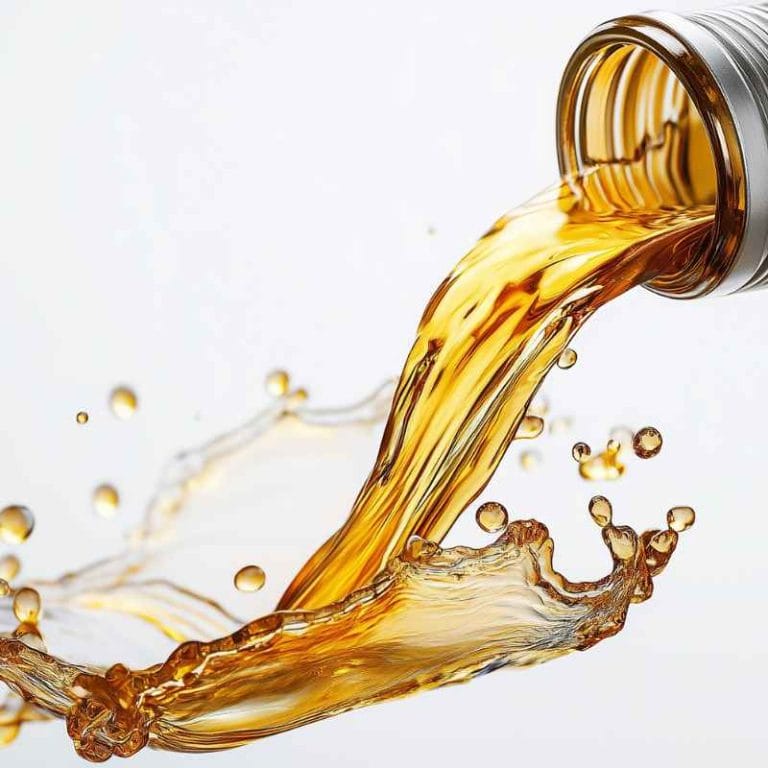
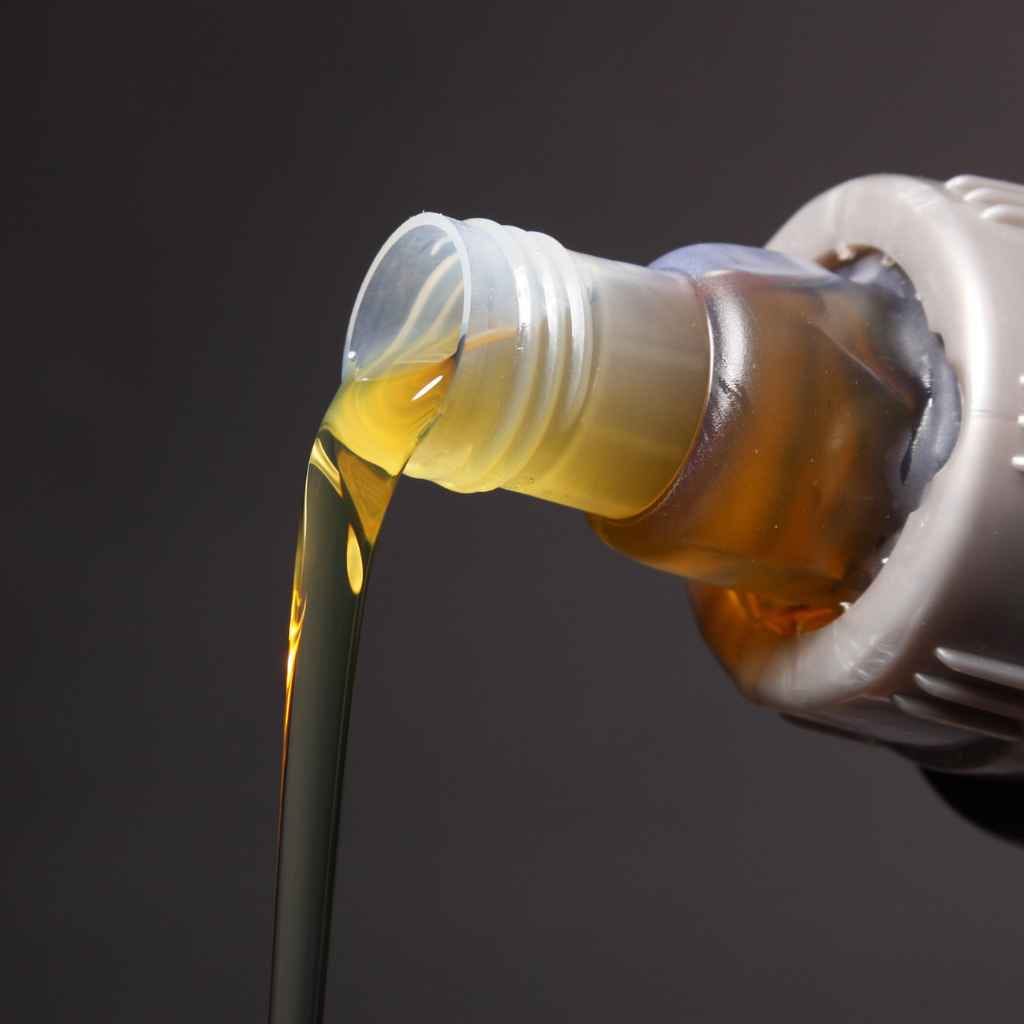
One of the most obvious signs is a change in color and consistency. New engine oil is usually amber or light brown. It’s smooth and flows easily.
If the oil has gone bad, it might become very dark, almost black. It could also look murky or cloudy. If you see sludge or thick clumps in the oil, it’s definitely no longer good.
Sludge is a sign of heavy oxidation and contamination.
The smell can also tell you something. Fresh oil has a mild petroleum smell. If the oil smells burnt or rancid, it has likely degraded.
A burnt smell often means the oil has been subjected to high heat for too long. This breaks down its protective properties. A rancid smell suggests oxidation has taken hold.
If you have oil that has been stored for a very long time, say over 5-7 years, even if it looks and smells okay, its performance might be reduced. The additives might not be as effective. It’s like a medicine that’s past its expiration date.
It might not hurt you, but it might not help as much as it should. For engine oil, this means less protection for your engine.
Visual Check: Look for dark color, cloudiness, or sludge. Smell Test: Burnt or rancid odors are bad signs.
I had a situation a few years ago where I found an old bottle of oil in the back of a shelf. It was sealed, but it looked very dark. Even though it was sealed, I decided to throw it away.
It was probably older than five years. I didn’t want to risk using it. The cost of a new bottle was much less than a potential engine repair.
Remember, these are indicators. If you’re unsure, it’s always best to err on the side of caution. Using old, degraded oil can cause wear and tear on your engine.
This can lead to expensive repairs down the line. It’s often not worth the gamble.
When to Be Concerned About Your Oil: Quick Checklist
- Color: Very dark or black, murky, cloudy.
- Texture: Gritty, sludgy, contains clumps.
- Smell: Burnt, acrid, or rancid odor.
- Age: Over 5 years in sealed container, over 1 year opened.
Why Does Oil Degrade? The Science Bit
Let’s dive a little deeper into why engine oil doesn’t stay perfect forever. It’s all about chemistry. Engine oil has two main parts: base oils and additives.
Both can change over time.
The base oil is the foundation. It’s what provides the basic lubrication. This base oil can undergo oxidation.
Oxidation is a chemical reaction with oxygen. It’s like how metal rusts when exposed to air. When oil oxidizes, it forms acids.
It also forms sludge and varnish. This makes the oil thicker and less able to flow. It also loses its ability to protect parts.
The additives are what give oil its special properties. These include things like detergents, dispersants, anti-wear agents, and antioxidants. These additives help keep the engine clean.
They prevent friction and wear. They also help the oil fight off oxidation. However, these additives are consumed over time.
The antioxidants get used up as they fight oxidation. Detergents can become less effective. This is why oil needs to be changed regularly.
Heat speeds up these chemical reactions. High temperatures cause the base oil to break down faster. They also cause additives to degrade or evaporate.
This is why driving your car hard in hot weather, or letting it sit in a hot garage, can impact the oil’s life. Even in a sealed container, heat can accelerate the natural degradation process.
Moisture can react with the oil and its additives. It can also lead to hydrolysis, which breaks down some additives. Water in oil can also promote corrosion.
This is damaging to engine parts. It also contaminates the oil, making it less effective.
Shear is another factor, though more relevant when oil is in use. Engine oil is constantly pumped and squeezed through tight spaces in the engine. This physical stress can break down the long molecules in the oil.
This is especially true for certain types of additives. Over time, this can reduce the oil’s viscosity. It makes it thinner than it should be.
So, while it sits in the bottle, it’s mainly oxidation and temperature that are the big worries. Once it’s in your engine, heat, shear, and contamination from combustion byproducts come into play.
The Science Behind Oil Degradation
Oxidation: Reaction with air makes oil thicker and forms sludge.
Additives Depletion: Special ingredients that protect the engine get used up.
Heat: Speeds up chemical reactions and breaks down oil.
Moisture: Can cause corrosion and react with oil components.
Shear (in use): Physical stress breaks down oil molecules.
Proper Storage for Engine Oil
To get the longest life out of your engine oil, good storage is key. It’s not complicated, but it does require a little attention. If you follow these tips, you can be confident that your stored oil is still good to use when you need it.
First, always store oil in its original container. The container is designed to protect the oil. It has a proper seal.
If you have to store leftover oil, use a clean, sealable container. Make sure it’s one that’s meant for liquids. Never reuse containers that held other chemicals.
You don’t want any cross-contamination.
Second, find the right spot. The ideal place is cool and dry. A temperature-controlled garage or a basement is perfect.
Avoid places with big temperature swings. This includes areas exposed to direct sunlight. Don’t store oil near heat sources like water heaters or furnaces.
Try to keep the temperature as stable as possible, ideally between 50°F and 70°F (10°C and 21°C).
Third, keep it away from moisture. Garages can sometimes be damp. If your garage is prone to humidity, try to elevate the oil containers off the floor.
You could use a shelf or a small pallet. This helps prevent condensation from forming on the bottom of the containers. Condensation can lead to rust on metal cans or allow moisture to seep into plastic jugs over long periods.
Fourth, keep containers sealed. For unopened bottles, ensure the factory seal is intact. For opened bottles, screw the cap on as tightly as you can.
If the original cap is lost or damaged,
Fifth, store containers upright whenever possible. This minimizes the surface area exposed to air and reduces the risk of leaks. If you have metal cans, storing them upright also helps prevent rust.
For plastic jugs, it’s less of an issue, but upright is still the best general rule.
Finally, organize your storage. Keep track of how old your oil is. If you buy oil in bulk, use the oldest stock first.
You can mark containers with the purchase date or manufacturing date if it’s available. This helps you rotate your inventory. It ensures you use the oil while it’s still at its best quality.
Optimal Oil Storage Checklist
- Container: Original is best. Use clean, sealable alternatives.
- Location: Cool, dry, stable temperature.
- Moisture: Keep away from humidity. Elevate off floor if needed.
- Seal: Ensure caps are tight on opened containers.
- Position: Store upright to prevent leaks and reduce air exposure.
- Organization: Mark dates, rotate stock.
Synthetic vs. Conventional Oil Shelf Life
When we talk about engine oil, there are generally two main types: conventional and synthetic. Both have different properties, and this can sometimes affect how long they last.
Conventional oil is made from refined crude oil. It’s the traditional type of engine oil. It’s less processed than synthetic oil.
Because of this, its molecules are less uniform. This can make it more prone to breaking down under extreme temperatures. It can also oxidize faster.
Synthetic oil is engineered in a lab. It’s made from purer chemicals. The molecules are more uniform and stable.
This means synthetic oil typically has better resistance to oxidation and thermal breakdown. It generally performs better in extreme temperatures, both hot and cold. Because of these properties, synthetic oils often have a slightly longer shelf life than conventional oils, especially when stored.
However, the difference in shelf life for unopened containers in ideal storage conditions isn’t usually massive. Both types are designed to be stable. A properly stored bottle of conventional oil can still last 4-5 years.
A synthetic oil might push it to 5-7 years under the same conditions. The key is that both benefit from good storage practices.
Once opened, the rules are similar for both. Exposure to air and contaminants will degrade both types of oil. The superior stability of synthetics might mean they degrade slightly slower than conventional oil, but the impact of an open container is still significant.
What’s more important for an oil’s longevity is often its formulation and the quality of the additives used, rather than just conventional versus synthetic. Some high-quality conventional oils might outlast a poorly formulated synthetic. But as a general rule, synthetics offer a bit more resilience.
In short: Synthetics tend to be more stable and may have a slightly longer shelf life, but proper storage is critical for both types.
I switched to synthetic oil in my car a few years ago. I noticed it seemed to hold up better in the heat. I also felt more confident about storing a spare bottle for a longer time.
But even with synthetic, I still make sure to keep it in a cool, dark place. I don’t want to waste its premium qualities.
Can You Use Old Oil for Other Things?
Sometimes, you might have oil that’s too old or questionable for your car’s engine. You might wonder if it can still be useful for something else. This is a common thought, especially if you hate to waste things.
For some tasks, slightly degraded oil can still work. For example, you might use it as a lubricant for garden tools. Things like hinges on gates, wheelbarrows, or even the chain on a bicycle could benefit from a bit of oil.
It won’t be as effective as fresh oil, but it might be better than nothing.
Old oil can also be useful for lubricating metal parts to prevent rust. If you have tools or equipment that you store for a long time, a light coating of oil can offer some protection. However, be careful if the oil has become gummy or sludgy.
This could actually attract dirt and make things worse.
Important Note: Never use old engine oil for tasks where clean lubrication is critical. For example, don’t use it in food processing machinery or on any surfaces that come into contact with food. Also, avoid using it on anything where its color might stain or its smell would be unpleasant.
There are also creative uses, like in art projects (e.g., mixed media painting, though check for fumes). Some people use it for bartering or as a fuel in specific industrial applications, but this is not for home use.
The biggest caution is around environmental impact. Used motor oil is a hazardous waste. Even if it’s old and degraded, it can still contain harmful chemicals.
If you can’t use it for a secondary purpose, make sure to dispose of it properly. Many auto parts stores and local recycling centers accept used motor oil. They will handle its disposal or recycling safely.
Recycling is key if you can’t find a secondary use. Do not pour old oil down the drain or on the ground. It can contaminate soil and water.
Secondary Uses for Older Engine Oil
- Lubrication: Garden tools, hinges, bicycle chains.
- Rust Prevention: Coating for stored metal items.
- Art Projects: With caution and proper ventilation.
Always recycle if you can’t find a safe secondary use.
When to Just Throw It Away
Sometimes, the best course of action is to simply get rid of old engine oil. It’s not worth the risk to use it. When should you make that decision?
If the oil looks significantly degraded, it’s time to go. This means it’s very dark, almost black, or has a murky, cloudy appearance. If you see any signs of sludge, clumps, or separation within the oil, discard it immediately.
If the oil has a strong, burnt, or rancid smell, it’s a clear sign of degradation. Fresh oil has a mild petroleum scent. Anything stronger or unpleasant suggests it’s no longer performing well.
If the container is compromised, it’s risky. This includes rusted-through metal cans or plastic jugs with cracks or major damage to the seal. If you suspect moisture or dirt has entered the container, it’s best to replace the oil.
If the oil is extremely old, even if it looks and smells okay, you might want to consider replacing it. For unopened containers, going beyond 5-7 years is stretching it. For opened containers, if it’s been more than a year or two, it’s probably past its prime for engine use.
And as mentioned, if you can’t be sure about its condition, it’s always safer to buy new oil. The cost of a new bottle of oil is far less than the potential cost of engine damage. Modern engines have very tight tolerances.
They rely on high-quality lubricants to function correctly.
Disposal is important. Never pour old oil down a drain, into the sewer, or onto the ground. It’s harmful to the environment.
Most local auto parts stores, service stations, and community recycling centers have collection points for used motor oil. They will handle it responsibly.
Decision: If it looks bad, smells bad, is very old, or the container is damaged, it’s time to dispose of it properly.
What This Means For Your Car
So, what does all this talk about oil shelf life mean for your car? It’s pretty straightforward. Using the right oil, at the right time, is crucial for engine health.
Using old, degraded oil in your car can lead to several problems:
- Increased Wear: The lubricating film might be weaker. This means more metal-on-metal contact. This leads to accelerated wear on engine parts like bearings, pistons, and camshafts.
- Overheating: Oil helps dissipate heat. If the oil’s properties are compromised, it might not cool as effectively. This can contribute to engine overheating.
- Sludge Buildup: Degraded oil can form sludge. This thick gunk can block oil passages. This prevents oil from reaching critical parts of the engine, leading to damage.
- Corrosion: If moisture has entered the oil, it can cause rust and corrosion on internal engine components.
- Reduced Fuel Efficiency: An engine with poor lubrication or internal friction will not run as efficiently.
- Engine Failure: In the worst-case scenario, using severely degraded oil can lead to catastrophic engine failure.
It’s important to use oil that meets your car manufacturer’s specifications. Check your owner’s manual for the recommended viscosity grade (like 5W-30) and the API service classification. Using the wrong type of oil is also bad, regardless of age.
If you’re topping off your oil and the oil you’re adding is old, consider the impact. A small amount of older oil mixed with fresh oil might not be a huge issue, but a significant amount could be. For a full oil change, always use fresh, quality oil that meets your car’s requirements.
The best practice is to buy oil as you need it, or in reasonable quantities that you know you’ll use within a year or two. Store it properly in between uses. If you have a sealed container that’s approaching the 4-5 year mark, it’s probably time to use it up or dispose of it responsibly.
Your car’s engine is a complex, precision machine. It deserves the best lubrication. Don’t gamble with its health by using old or questionable oil.
Quick Fixes & Tips
While there aren’t really “fixes” for oil that has degraded over time, there are definitely tips to manage your oil supply and ensure you’re always using good product.
- Buy What You Need: The simplest way to avoid old oil issues is to buy oil in quantities you know you’ll use within a year. For most cars, this means one or two 5-quart jugs for a full oil change.
- Check the Date: If you can, look for a “manufactured on” date on the container. While not an expiration date, it gives you a good idea of how old the oil is.
- Rotate Your Stock: If you buy oil in advance, use the oldest bottles first. Mark them with the purchase date to help you keep track.
- Label Opened Containers: Always write the date you opened a jug of oil on the container itself. This helps you remember how long it’s been exposed to air.
- Store Smart: Reiterate the importance of cool, dry, stable storage conditions. Avoid extreme temperatures and humidity.
- When in Doubt, Toss It Out: If you have any uncertainty about the oil’s condition, it’s better to discard it and buy fresh. The cost of new oil is minimal compared to engine repairs.
- Use for Non-Critical Tasks: If oil is too old for your car but still looks decent, consider using it for lubricating garden tools or other non-engine tasks.
- Proper Disposal is Non-Negotiable: Always recycle old or unusable motor oil. Never pour it down drains or onto the ground.
Frequently Asked Questions
How long does unopened engine oil last?
Unopened engine oil, when stored properly in a cool, dry place, typically lasts 4 to 5 years. Some manufacturers might suggest a longer shelf life, up to 5-7 years, but 4-5 years is a safe general guideline.
Can I use engine oil that is 10 years old?
It is generally not recommended to use engine oil that is 10 years old, even if it’s unopened. The additives in the oil degrade over time, and its protective qualities diminish significantly, increasing the risk of engine damage.
Does storing oil in the heat make it go bad faster?
Yes, storing engine oil in extreme heat can significantly speed up its degradation process. High temperatures cause the oil’s components to break down more quickly, reducing its effectiveness and lifespan.
What happens if I use old engine oil?
Using old or degraded engine oil can lead to increased engine wear, overheating, sludge buildup, corrosion, reduced fuel efficiency, and potentially severe engine damage or failure. It no longer provides adequate lubrication and protection.
Is synthetic oil better than conventional oil for shelf life?
Synthetic oils are generally more stable and may have a slightly longer shelf life than conventional oils due to their engineered molecular structure. However, both types degrade over time and require proper storage to maximize their lifespan.
How should I store leftover engine oil after opening the container?
After opening, always screw the cap on tightly to minimize air exposure. Store the container upright in a cool, dry place. It’s best to use opened oil within a year to ensure its quality.
Can I recycle old engine oil?
Yes, recycling old engine oil is highly recommended and often required. Many auto parts stores, service centers, and local recycling facilities accept used motor oil for proper disposal and recycling. Never pour it down drains or onto the ground.
Conclusion
Keeping your engine oil in good condition is all about storage. Unopened, it’s good for about 4-5 years. Opened oil needs to be used much sooner.
Store it cool and dry, and always keep those caps tight. If it looks or smells off, or is very old, it’s best to get new oil for your car. A little care now saves big problems later.
Related pick: Check today's price on Amazon
Products related to this article
Sponsored / affiliate links. As an Amazon Associate I earn from qualifying purchases. I may earn additional commission from eligible campaigns.