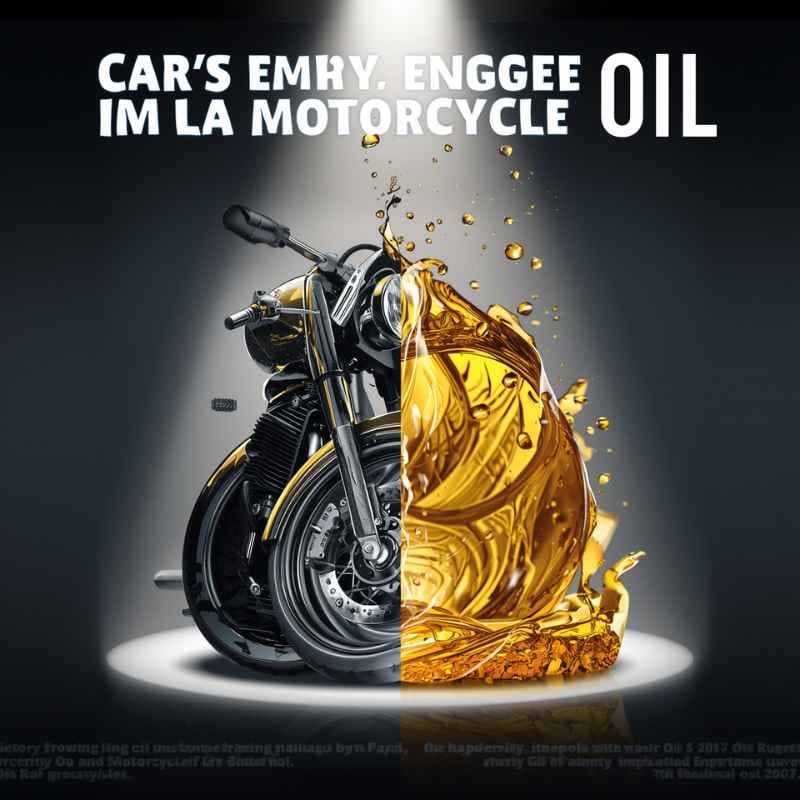
Can Car Engine Oil Be Used in a Bike (Complete Guide)
While it might seem convenient, using car engine oil in your motorcycle is generally not recommended. Motorcycles and cars have different engine designs and needs, especially when it comes to lubrication. The wrong oil can cause damage and reduce the lifespan of your bike’s engine components. Always check your owner’s manual for the correct oil type.
Understanding the Core Differences: Car vs. Motorcycle Oil
Engines are the heart of any vehicle. They need oil to run smoothly. But not all oil is the same.
Car engines and motorcycle engines have very different jobs. This means they need different kinds of oil to do their best work.
Think of it like feeding pets. A dog needs dog food. A cat needs cat food.
They both eat, but their food is made for their specific bodies and needs. Oil is much the same for cars and bikes.
Why Bikes Need Special Oil
Motorcycle engines are unique. They often have shared systems. This means one oil bath cools the engine, lubricates the gears, and even lubricates the clutch.
Cars usually have separate systems for these jobs. Their engine oil doesn’t touch the clutch or the transmission gears directly.
Because of this shared system, motorcycle oil needs to do more than just reduce friction in the engine. It needs to handle the high pressures and heat found in the transmission. It also needs to work with the clutch plates without causing them to slip.
Car engine oil is designed only for the engine itself. It doesn’t have to worry about clutches or gearboxes. This means it has different additives.
Some of these additives can actually harm a motorcycle’s clutch. They can make the clutch plates stick or slip, which is bad news for your bike’s performance.
A Look Under the Hood (and Engine Case): How They Work Differently
Let’s dive a bit deeper. Your car’s engine works in a certain way. Your bike’s engine works in a slightly different way.
This is where the oil differences really show up.
Car Engine Design and Oil Needs
Most car engines are designed with a dry-sump or wet-sump system. The oil circulates through the engine. It lubricates moving parts like pistons and bearings.
It also helps carry away heat. After it does its job, the oil returns to the oil pan (sump) at the bottom. This oil is mostly focused on friction reduction within the engine itself.
Car oils often have friction modifiers. These are added to help improve fuel economy. They make engine parts slide past each other more easily.
While good for cars, these same modifiers can cause a motorcycle’s wet clutch to slip. The clutch needs a certain amount of friction to engage properly.
Motorcycle Engine Design and Oil Needs
Motorcycles are a different story. Many use what’s called a “shared sump” or “total loss” system. Here, the same oil is used for the engine, transmission, and clutch.
This design is more compact and lighter. It’s perfect for a motorcycle where space and weight are critical.
But this shared system puts more demands on the oil. The oil must:
- Cool the engine
- Lubricate engine parts
- Lubricate transmission gears (which face very high pressure)
- Prevent clutch slippage
Motorcycle oils are formulated to handle all these tasks. They have specific additives to protect the transmission gears from wear. They also lack the harmful friction modifiers found in many car oils.
This ensures the clutch can grab and work as it should.
Personal Experience: That Time I Almost Made a Big Mistake
I remember one sweltering summer afternoon. I was out on a longer ride than I usually took. My old trusty sportbike was running great, but the oil light flickered on for just a second.
It rarely did that, and it made my stomach drop a little. I was miles from home, and the sun was beating down.
Pulling over to the side of a dusty road, I popped the seat and checked the dipstick. It was lower than I liked. My mind immediately went to the garage.
I knew I had a gallon jug of high-quality synthetic oil sitting there. It was the good stuff, made for cars, and I thought, “What’s the big deal? It’s oil, right?”
I pictured myself pouring it in, the light going off, and getting back on the road. But then, a memory flashed back. A conversation with an old mechanic years ago.
He had a stern look on his face as he explained the clutch issues. He called car oil “poison” for a wet clutch. I felt a cold sweat, not from the heat, but from the potential disaster I was about to cause.
I decided to limp to the nearest town and find a proper motorcycle shop. That day, I learned a valuable lesson about respecting specialized fluids. It saved me a very expensive repair bill down the line.
Motorcycle Oil vs. Car Oil: Quick Snapshot
Engine Type:
Car: Separate engine lubrication.
Bike: Often shared oil for engine, transmission, and clutch.
Key Additives:
Car: May have friction modifiers for fuel economy.
Bike: Designed to protect gears and prevent clutch slip.
Performance Impact:
Car Oil in Bike: Can cause clutch to slip, reduce gear protection.
Bike Oil in Car: Usually safe, but may be less fuel efficient.
The Dangers of Using the Wrong Oil
So, what exactly happens if you ignore the warnings and use car oil in your bike? It’s not just a small problem. It can lead to a cascade of issues that damage your motorcycle.
Clutch Slippage: The Most Common Problem
This is the one most riders worry about. As I mentioned, car oils often have friction modifiers. These make things slide better.
Your clutch plates need to grab each other to transfer power. When these friction modifiers are present, the plates can’t grip. This is known as clutch slippage.
What does this look like? Your engine might rev up, but your bike won’t speed up as quickly as it should. You’ll feel a loss of power, especially when accelerating.
Over time, this constant slipping can severely damage your clutch plates. Replacing a clutch can be an expensive repair.
Transmission Wear and Tear
Motorcycle transmissions deal with intense pressure. Gears are constantly meshing and grinding. Motorcycle oils have specific additives, like extreme pressure (EP) additives, to protect these gears.
These additives create a protective layer that prevents metal-on-metal contact.
Car oils may not have these specific EP additives, or they might have lower levels. Without this protection, the gears in your motorcycle’s transmission can wear down much faster. This can lead to grinding noises, difficulty shifting, and eventually, complete transmission failure.
Engine Overheating
While less common than clutch or transmission issues, using the wrong oil can sometimes contribute to overheating. Car oils might not have the same heat dissipation qualities needed for a motorcycle engine, especially during high-performance riding or in hot weather. This can lead to increased engine wear and potential damage over time.
Myth vs. Reality: “All Oil Is The Same”
Myth:
Any oil will do. If it says “oil,” it’s fine for any engine.
Reality:
Vehicle oils are specialized. Car oil has additives that hurt motorcycle clutches and transmissions. Motorcycle oil is designed for shared systems.
How to Choose the Right Motorcycle Oil
Now that you know why it’s important, let’s talk about how to pick the right oil. It’s not as complicated as it might seem. The key is to know what to look for and where to find that information.
Check Your Owner’s Manual
This is your bible. Your motorcycle’s owner’s manual has all the specific information you need. It will tell you:
- The correct viscosity grade (e.g., 10W-40, 20W-50).
- The required API service classification (e.g., SG, SH, SJ, SL, SM, SN).
- The JASO standard (e.g., MA, MA1, MA2, MB).
This is the most reliable source. Don’t guess. Don’t rely on what your friend uses.
Your manual is tailored to your specific bike.
Understanding Viscosity (The “W” Numbers)
You’ll see numbers like 10W-40 on oil bottles. What do they mean? The first number (like 10W) is the viscosity at cold temperatures.
The “W” stands for “Winter.” A lower number means the oil flows better when it’s cold. This is important for starting your engine on a chilly morning.
The second number (like 40) is the viscosity at operating temperature. This is how thick the oil is when the engine is hot. A higher number means the oil stays thicker when hot.
Your manual will specify the right range for your bike’s climate and typical use.
The Importance of JASO Standards
This is a big one for motorcycles. JASO stands for Japanese Automotive Standards Organization. They have specific standards for motorcycle oils.
Look for:
- JASO MA: Suitable for most motorcycles with wet clutches.
- JASO MA1: A lower friction standard, still good for many bikes.
- JASO MA2: A higher friction standard, offering better clutch engagement.
- JASO MB: Designed for scooters or motorcycles with dry clutches or automatic transmissions. These oils have more friction modifiers and should NOT be used in bikes with wet clutches.
Most motorcycle oils will clearly state their JASO rating on the bottle. Always choose an oil that meets your bike’s specific JASO requirement, especially if it has a wet clutch.
Quick Oil Check Guide
What to Look For:
- Your Bike’s Owner’s Manual: Always the first step.
- Correct Viscosity: e.g., 10W-40.
- JASO Rating: MA, MA1, or MA2 for wet clutches.
- API Rating: SG or higher is usually fine.
What to Avoid:
- Car Engine Oil: Unless explicitly stated as safe for motorcycles.
- JASO MB Oil: If your bike has a wet clutch.
- Oils with “Energy Conserving” labels: These have friction modifiers.
Motorcycle Oil vs. Car Oil: A Deeper Dive into Additives
Let’s talk more about those tiny but mighty additives. They are the secret sauce that makes one oil work and another fail in a motorcycle engine.
Friction Modifiers: The Good and the Bad
In car oils, friction modifiers are used to reduce the internal friction of the engine. This can lead to slight improvements in fuel economy. Some common friction modifiers include molybdenum and boron compounds.
However, in a motorcycle with a wet clutch, these same modifiers can get between the clutch plates. This prevents them from gripping each other effectively. Imagine trying to hold hands with someone wearing oven mitts.
It’s hard to get a good grip. That’s what happens to your clutch plates with car oil.
Motorcycle oils (JASO MA, MA1, MA2) are formulated to minimize or exclude these types of friction modifiers. They allow the clutch to engage firmly.
Extreme Pressure (EP) Additives: Protecting Gears
Motorcycle transmissions have gears that grind together. These gears experience extreme pressure. To protect them, motorcycle oils contain extreme pressure (EP) additives.
These additives react with the metal surfaces under high pressure and heat to form a sacrificial layer. This layer prevents direct metal-to-metal contact, thus reducing wear.
Car oils may not contain the same level or type of EP additives needed for the harsh environment of a motorcycle transmission. Relying on car oil can mean your gears are not getting the robust protection they need, leading to premature wear and damage.
Detergents and Dispersants
Both car and motorcycle oils use detergents and dispersants. Detergents clean engine parts by preventing deposits from forming. Dispersants keep contaminants, like soot and sludge, suspended in the oil so they can be filtered out.
While the function is similar, the balance and type of these additives can differ. Motorcycle engines, due to their higher operating temperatures and shared oil systems, might require specific formulations to handle the increased load of combustion byproducts and heat.
Oil Additive Breakdown
In Car Oil:
- Friction Modifiers: Yes (for fuel economy).
- EP Additives: May be present, but not always optimized for motorcycle gear pressure.
- Detergents/Dispersants: Yes.
In Motorcycle Oil (MA/MA2):
- Friction Modifiers: Minimal to none.
- EP Additives: Optimized for transmission gears.
- Detergents/Dispersants: Yes, balanced for shared systems.
When Is It Okay? The Rare Exceptions
Are there ANY times you can use car oil in a bike? Very rarely. Some modern motorcycles are designed differently.
Others may have a separate transmission and clutch that run on their own oil, similar to a car. Or, some might be designed to use specific multi-purpose oils that also happen to be suitable for cars.
However, these are exceptions, not the rule. For the vast majority of motorcycles on the road today, especially those with a visible oil sight glass or a dipstick for checking engine oil, using car oil is a gamble you don’t want to take.
Checking for Separate Systems
How can you tell if your bike has a separate transmission oil fill plug? Look for two distinct oil fill points on your engine. One for the engine oil, and another, usually smaller, one for transmission oil.
If you see this, your engine oil might not be directly interacting with the clutch and transmission in the same way.
Even then, always consult your owner’s manual. It’s the definitive guide. Some manufacturers might still recommend specific motorcycle-formulated oils even with separate systems, due to temperature or other factors.
Spotting a Separate Transmission (Rare Bike Designs)
Look for:
- A distinct oil fill cap labeled “Transmission Oil” or similar.
- A separate drain plug for transmission oil, often located lower down.
- Your owner’s manual explicitly stating separate lubrication for engine and transmission.
If you see these:
You might be able to use certain car oils, but ALWAYS double-check your manual to confirm the oil type and specifications. For most bikes, stick to motorcycle-specific oil.
Real-World Scenarios: When Oil Choice Matters Most
The environment and how you ride your motorcycle greatly impact the stress on your engine oil. Understanding these scenarios can highlight why using the right oil is crucial.
Performance Riding and Track Days
If you’re a sportbike rider who hits the track or enjoys spirited riding on twisty roads, your engine and transmission are pushed to their limits. Temperatures soar, and pressures increase dramatically. In these conditions, the specialized additives in motorcycle oil are essential for preventing premature wear and clutch failure.
Car oil would likely fail quickly under such extreme stress.
Long-Distance Touring
For motorcycle tourers, reliability is key. The engine oil in your bike is working constantly for hours on end, often in varying weather conditions. It needs to maintain its protective properties under sustained heat and load.
Car oil might break down faster, losing its viscosity and protective film, leading to increased engine wear over long distances.
Everyday Commuting in City Traffic
Even stop-and-go city riding presents challenges. Frequent starts and stops, plus the heat generated in congested traffic, can be tough on oil. The clutch is used more often.
If you’re using car oil, the clutch might start to slip during those frequent take-offs, and the transmission faces constant engagement and disengagement.
Cold Weather Starts
Motorcycle oils are formulated with specific cold-flow properties. The “W” in the viscosity rating (e.g., 10W) indicates how well the oil flows when cold. This ensures vital engine parts get lubricated immediately upon startup, preventing damage.
Some car oils might be too thick when cold, delaying lubrication and causing wear.
Riding Style Impact on Oil Needs
Aggressive Riding:
High heat, high pressure. Requires robust motorcycle oil with excellent heat resistance and EP additives.
Touring:
Sustained operation. Needs oil that maintains viscosity and protection over long periods.
City Commuting:
Frequent clutch use, stop-start. Requires oil that prevents clutch slip and protects transmission.
What This Means for You: When to Worry and When It’s Normal
Understanding the nuances of motorcycle oil means you can spot problems early. Knowing what’s normal helps you avoid unnecessary worry.
When You Should Be Concerned
If you’ve accidentally put car oil in your bike, or are unsure what’s in it, pay close attention to these signs:
- Clutch Slipping: Engine revs up, but the bike doesn’t accelerate proportionally. This is the most obvious sign.
- Grinding Noises: Especially when shifting gears or when the clutch is engaged.
- Difficulty Shifting: Gears feel stiff, or the shifter won’t move smoothly.
- Overheating: The engine temperature gauge (if equipped) is higher than usual, or you feel excessive heat.
- Oil Pressure Warning Light: While this can be many things, it’s worth considering if you’ve used the wrong oil.
When Is It Normal?
Some things might seem concerning but are perfectly normal:
- Normal Oil Level Fluctuations: Oil levels can change slightly between checks. Just make sure it’s within the recommended range.
- Slight Engine Noise: Every engine has its own unique sounds. As long as there’s no sudden increase in rattling or grinding, it’s likely fine.
- Clutch Engagement: A firm, crisp clutch engagement when you release the lever is a sign of a healthy clutch system.
- Smooth Shifting: Gears should shift easily, both up and down, without harshness.
The best way to ensure normalcy is to use the correct, high-quality motorcycle oil. This prevents most of these potential issues from arising in the first place.
Quick Tips for Oil Management
Keeping your motorcycle happy is all about consistent care. Here are a few easy tips to make sure you’re using the right oil and keeping your bike in top shape.
- Always Refer to Your Manual: It’s the most important rule. Keep it handy or take a photo of the oil specifications page.
- Buy Motorcycle-Specific Oil: When you’re at the auto parts store, grab the bottle clearly labeled “For Motorcycles” or with the JASO rating you need.
- Don’t Rely on “Energy Conserving” Labels: These are for cars and often indicate the presence of friction modifiers that can harm your bike’s clutch.
- Check Your Oil Level Regularly: Make it a habit, perhaps every other time you fill up with gas.
- Change Your Oil and Filter on Schedule: Follow the intervals recommended in your owner’s manual. Fresh oil is crucial for engine health.
- Dispose of Old Oil Properly: Don’t pour it down the drain. Take it to a recycling center or an auto shop that accepts used oil.

Frequently Asked Questions
Can I mix different brands of motorcycle oil?
It’s generally best to stick to one brand and type of motorcycle oil. If you must top up with a different brand, ensure they are the same viscosity and JASO rating. Mixing can sometimes lead to chemical reactions between additives, though this is less common with modern oils.
Always check your manual for specific advice.
What happens if I use a 20W-50 oil when my manual says 10W-40?
Using a thicker oil (like 20W-50) might be okay in very hot climates or for older engines that have developed wear. However, in colder weather, it can make starting harder and reduce lubrication. In most cases, it’s best to stick to the viscosity recommended by your motorcycle’s manufacturer.
Is motorcycle oil more expensive than car oil?
Generally, yes. Motorcycle-specific oils often cost more because they are formulated with specialized additives to handle the unique demands of motorcycle engines, transmissions, and clutches. The research and development for these specific formulations contribute to the higher price point.
How often should I change my motorcycle oil?
This varies greatly by motorcycle model and riding conditions. Your owner’s manual will provide the exact recommended interval, usually expressed in miles or months (whichever comes first). For most street bikes, it’s typically between 3,000 and 6,000 miles or every 6-12 months.
What is the difference between mineral, semi-synthetic, and fully synthetic motorcycle oil?
Mineral oils are basic, refined crude oil. Semi-synthetic oils blend mineral and synthetic base oils. Fully synthetic oils are engineered in a lab and offer the best performance, protection, and stability at extreme temperatures.
Your manual will specify which type is recommended or required for your bike.
Can I use synthetic car oil in my motorcycle?
Only if the synthetic car oil explicitly states it is safe for wet clutches and transmissions, and meets the JASO MA/MA2 standards. Most synthetic car oils are NOT suitable due to friction modifiers. It’s always safer to use oil labeled specifically for motorcycles.
Conclusion
Taking care of your motorcycle is a rewarding experience. Understanding the specific needs of its engine, especially regarding lubrication, is a huge part of that. While it might be tempting to use car oil to save a few dollars or minutes, the potential for costly damage to your clutch, transmission, and engine is simply too high.
Always consult your owner’s manual and choose oil specifically designed for motorcycles. Your bike will thank you with a longer life and smoother rides.
Related pick: Check today's price on Amazon
Products related to this article
Sponsored / affiliate links. As an Amazon Associate I earn from qualifying purchases. I may earn additional commission from eligible campaigns.
 ACROPIX Engine Oil Level Indicator Dipstick for Ford Fusion 2010-2012 for Ford Escape 2010-2012 for Ford Fusion 2006-2007 No.6E5Z6750AC Car Parts
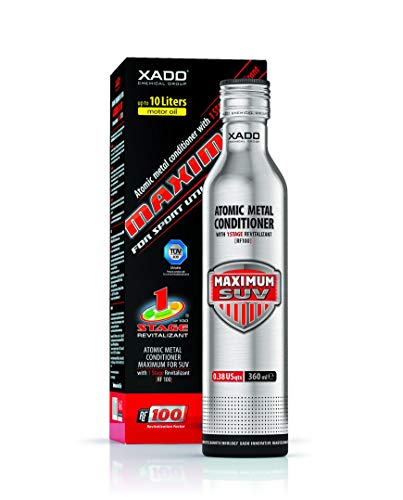 XADO Engine Oil additive - Protection for Engines - additive for wear Protection & rebuilding of Worn Metal Surfaces - Metal Conditioner w. Revitalizant 1Stage Maximum SUV (up to 10qt of Oil Capacity)