Why Are My Brakes Grinding After a Snowstorm?
Brakes grind after a snowstorm most often because slush, packed ice, or surface rust got between the pads and rotors. If the noise fades after a few stops, it was likely temporary, but grinding that stays loud or gets worse points to worn pads or rotor damage. Ignoring the wrong kind of grind can turn a simple cleanup into scored rotors, damaged pads, and longer stopping distances. This guide shows how to tell winter contamination from brake damage and what to check first.
This guide is part of our Winter Brake Problems: Squealing, Freezing and Road Salt Damage series.
Why brakes grind after snowstorm driving
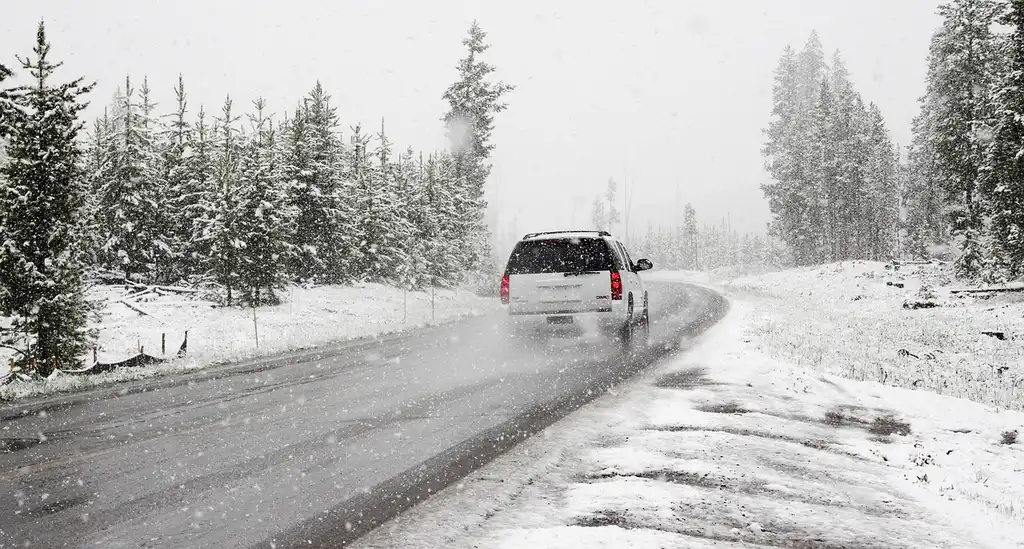


After snow, contamination is the common cause, not immediate failure. Water, road film, salt, and grit can sit on the rotors overnight, then scrape loudly on the first stop. If the sound fades after a few gentle brake applications, it may point to temporary rust or debris rather than metal-to-metal wear.
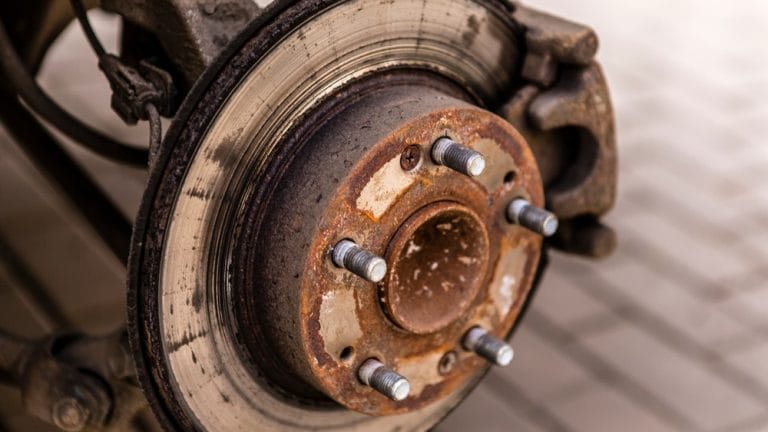
Surface rust from overnight moisture
Moisture leaves a thin rust film on the rotor surface as soon as the car sits. That rust can make the first stop sound harsh, especially after slush or wet-road exposure, but it usually wears off quickly once the pads sweep the rotor clean.
That temporary noise should get quieter, not louder. If the sound stays sharp after several stops, or one wheel still grinds while the others quiet down, treat it as a brake inspection problem rather than a normal winter squeak.
Slush, ice, and grit packed near the rotor
Snow can pack into the backing plate area, around the caliper, or near the rotor edge. Small stones or crusted ice can scrape every time the wheel turns, and that noise often sounds like grinding even when the pads themselves are not worn out.
A common mistake is assuming all four wheels are affected. Often only one wheel carries the debris, which is why the noise may show up only when turning, braking lightly, or rolling at low speed.
Salt film and winter corrosion
Road salt speeds corrosion and leaves a winter film on metal brake parts. That film can make rotors noisy after a storm, and repeated exposure can also attack brake lines, caliper hardware, and the rotor edge. A post-storm inspection matters even if the sound fades, because salt can keep working after the noise is gone. (Wikipedia)
Winter brake diagnosis matrix
Use this table to separate temporary winter noise from damage that needs same-day attention. The key question is how long the noise lasts, whether it is wheel-specific, and whether it changes after a few brake applications.
| Symptom | Likely cause | How long it lasts | What you can safely do next | Usually front or rear? |
|---|---|---|---|---|
| Light scrape on the first stop after sitting in snow | Temporary surface rust | Usually a few stops | Drive gently and listen for fading noise | Either |
| Grinding at one wheel after slushy roads | Packed slush or debris | Until the material is cleared | Inspect that wheel area for ice, stones, or crusted buildup | Either, often one wheel only |
| Rear drag or a stuck feeling after parking in freezing weather | Frozen parking brake hardware | Minutes to hours, sometimes longer if corrosion is present | Do not force the vehicle; inspect rear hardware before more driving | Rear |
| Loud grinding that does not fade, plus thin pads | Worn pads | Persistent | Arrange inspection and likely pad replacement | Either |
| Grinding on one side, uneven pad wear, pulling, or heat smell | Sticking caliper | Persistent or recurring | Have the caliper, slide pins, and related rotor checked the same day | Either |
When the noise is normal
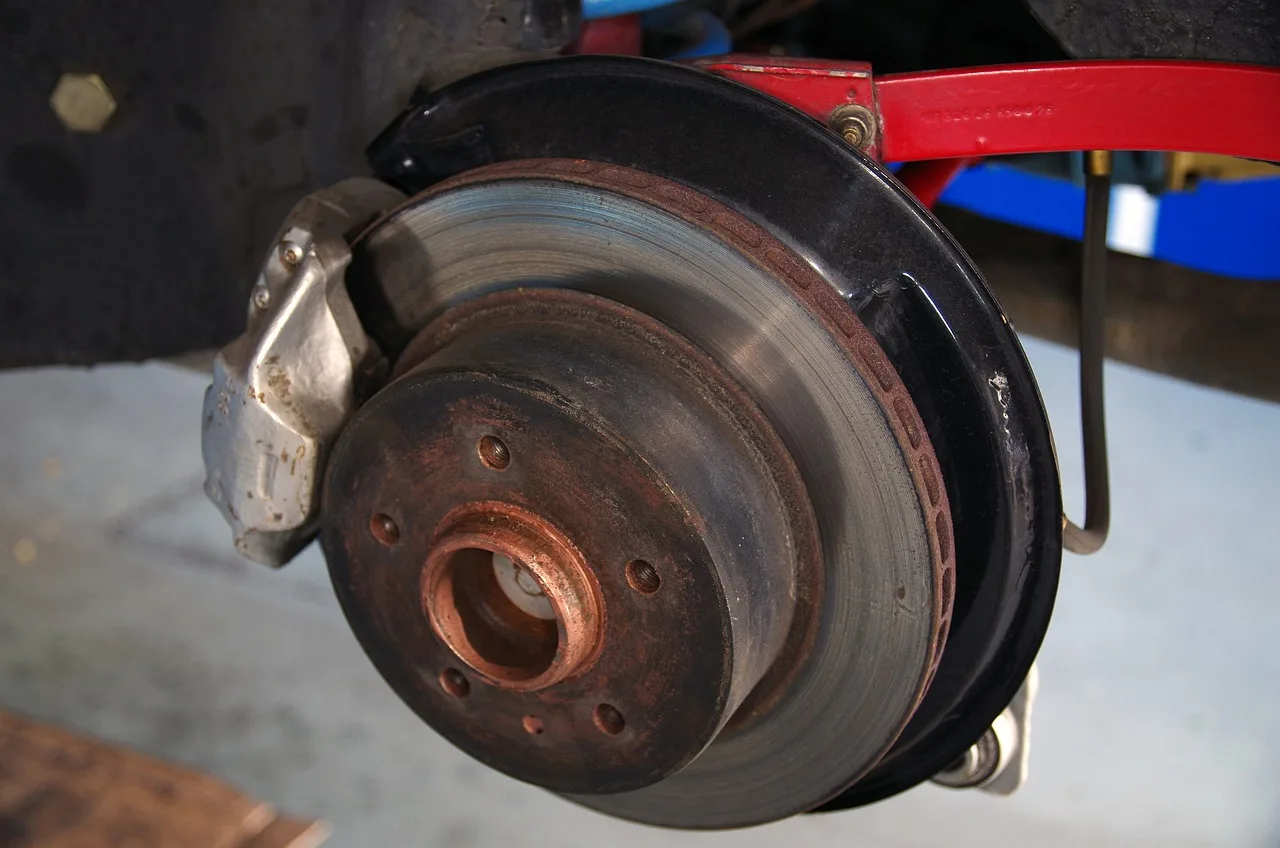
It is often normal for brakes to make a brief scrape after winter driving. If the sound fades after a few gentle stops and does not return at higher speed, the rotor surface may simply be clearing off rust and moisture.
First-stop scrape after sitting in wet snow
The first brake application after an overnight snowstorm often sounds worse than the brake system really is. Overnight rust film, wet rotor edges, and a dusting of salt can all scrape for a moment and then disappear.
Noise that fades after a few gentle stops
If the noise drops off after two or three light stops, that is the typical pattern for contamination. New pads should quiet a bit faster than worn pads because they have more friction material and less chance of metal backing plate contact, unless something else is wrong.
Picture a car that sat outside through slush and freezing rain. The first block away from home brings a rough scrape from the front wheel, but after two stops the sound is gone. That pattern fits surface rust or debris far better than damaged pads.
What usually points to front brakes versus rear brakes
Front brakes take more braking load, so worn pads and rotor scoring often show up there first. Rear brakes, however, are more likely to involve parking brake hardware, frozen mechanisms, or rusted components after winter exposure, especially on vehicles with rear drum setups or integrated rear parking brake parts.
When grinding means real brake wear
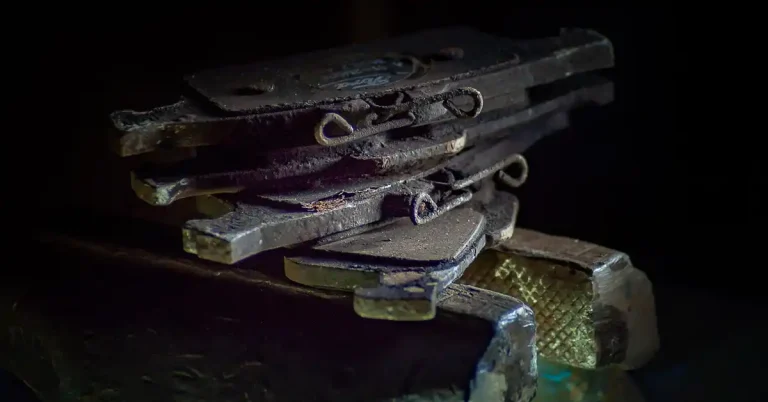
Grinding that keeps going after the first few stops is more serious. A worn brake pad can reach its wear indicator tab first, then progress to metal backing plate contact, which is the metal-to-metal condition described in brake warnings. That stage can damage the rotor quickly.
Brake pad wear indicator tab contact
Some brake pads have a built-in wear indicator tab. It usually makes a squeal before true grinding starts, which is why a new squeal after winter driving should trigger a pad inspection before the sound becomes rougher and more expensive.
One cited pad thickness threshold for replacement is around 1/4 inch. That is not a universal rule for every vehicle, but it is a useful check point if the wheel is already off and you can compare the remaining friction material across pads.
Metal backing plate on rotor contact
When friction material is gone, the pad’s metal backing plate can contact the rotor. That is the classic metal-to-metal grind. It usually sounds harsher than rust noise and often gets louder when you press the pedal harder.
At that point, the rotor may already be damaged. Grinding usually means rotor damage and may require rotor replacement in addition to pads, not just a quick pad swap.
Rotor scoring, glazing, or heat damage
Rotors can be damaged by scoring, glazing, or heat spots after repeated metal contact. A rotor with deep grooves or heat-related surface damage may not clean up with simple resurfacing. If the rotor is too thin or too uneven, replacement is the safer path.
Rotor life is often about 50,000 to 70,000 miles, but winter corrosion and repeated grinding can shorten that. If you hear a persistent grind after snow, do not assume the rotor is still within normal life just because the mileage seems low.
Can road salt or slush cause grinding?
Yes. Road salt and slush can cause grinding brakes by coating rotors, packing into wheel areas, and accelerating corrosion. They can also make rear brake hardware stick, so a noise that seems like pad wear may actually be frozen or contaminated parts after winter driving.
How salt speeds corrosion
Salt keeps moisture on metal longer and speeds corrosion. That matters for rotor faces, rotor edges, caliper hardware, and even brake lines. A brake that looked fine before the storm can become noisy after one salty commute and an overnight freeze.
How debris mimics rotor damage
Small stones, hardened slush, or ice chunks can scrape with each wheel rotation and sound very much like damaged rotors. The clue is wheel-specific behavior: one corner of the car is noisy, while the others stay normal.
Suppose the left rear only grinds when backing out of a salted driveway, then quiets down after a short roll forward. That pattern points more toward trapped debris or frozen rear hardware than toward all-around pad failure.
Why rear brakes and parking brake parts are common trouble spots
Rear brake assemblies can trap more road spray and salt film, and parking brake hardware can freeze after slush exposure. If the parking brake does not release fully, the rear pads or shoes can drag and make a grinding or scraping sound long after the snowstorm has passed.
What new brakes can still do in cold weather
New pads do not rule out winter grinding. If debris was trapped during the repair, if the caliper slides are sticking, or if the pad hardware was contaminated by winter road film, a brand-new brake job can still make noise right away.
Debris caught between pad and rotor
If grinding occurs suddenly after new pads, trapped debris is a possible cause. It may be a small stone, rust crust, or leftover road grit that was already in the wheel area. The noise is often localized to one wheel and may change with steering or speed.
Frozen slide pins or caliper movement issues
Brake calipers need free movement on their guide pins to apply pad pressure evenly. If the slide pins are dry, corroded, or frozen, one pad can drag harder than the other, causing uneven wear and a noise that feels worse after cold weather or slushy driving.
Improper bedding or contamination from winter road film
New brakes can also squeal or scrape if the pads and rotors were contaminated by road film during installation or if bedding was incomplete. A squeal can happen before grinding and may be caused by glazed pads, but a loud grind after new parts still deserves a careful inspection.
What to check after the snowstorm
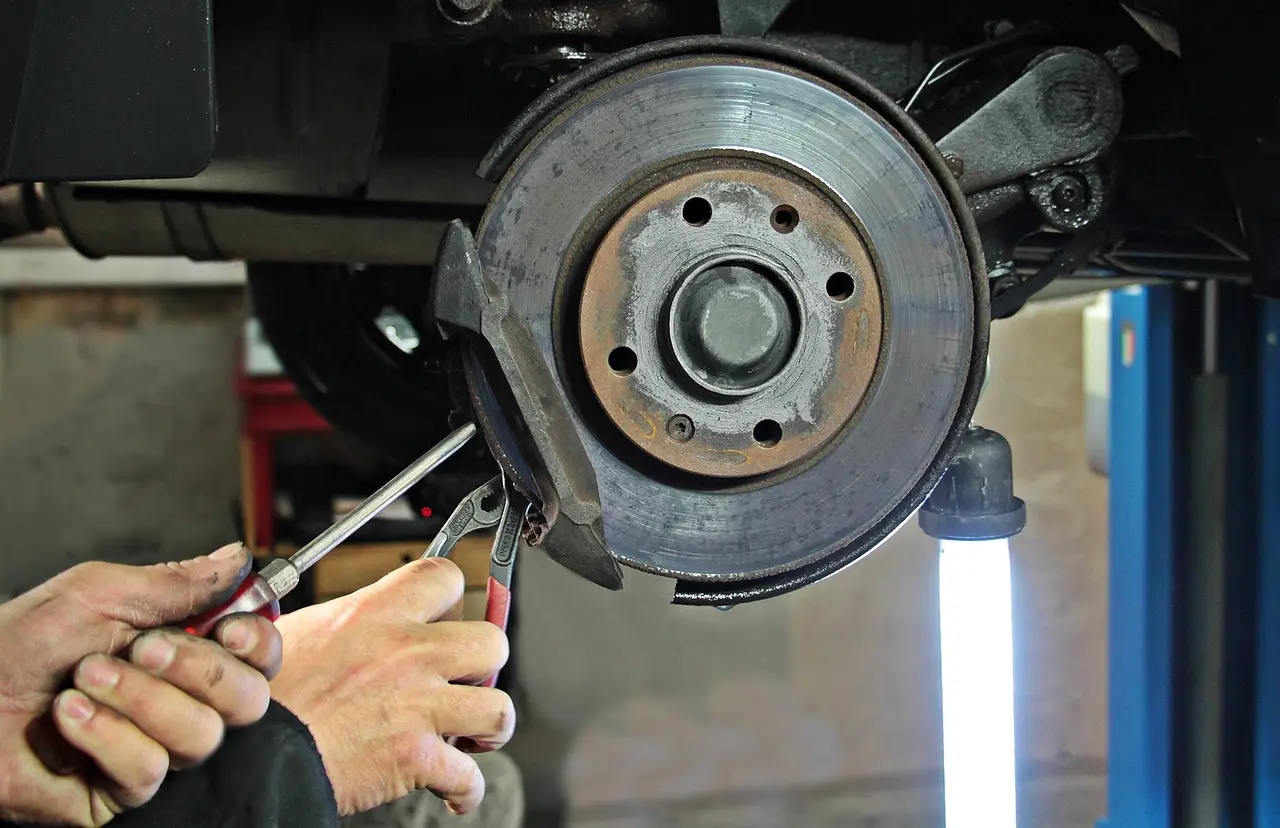
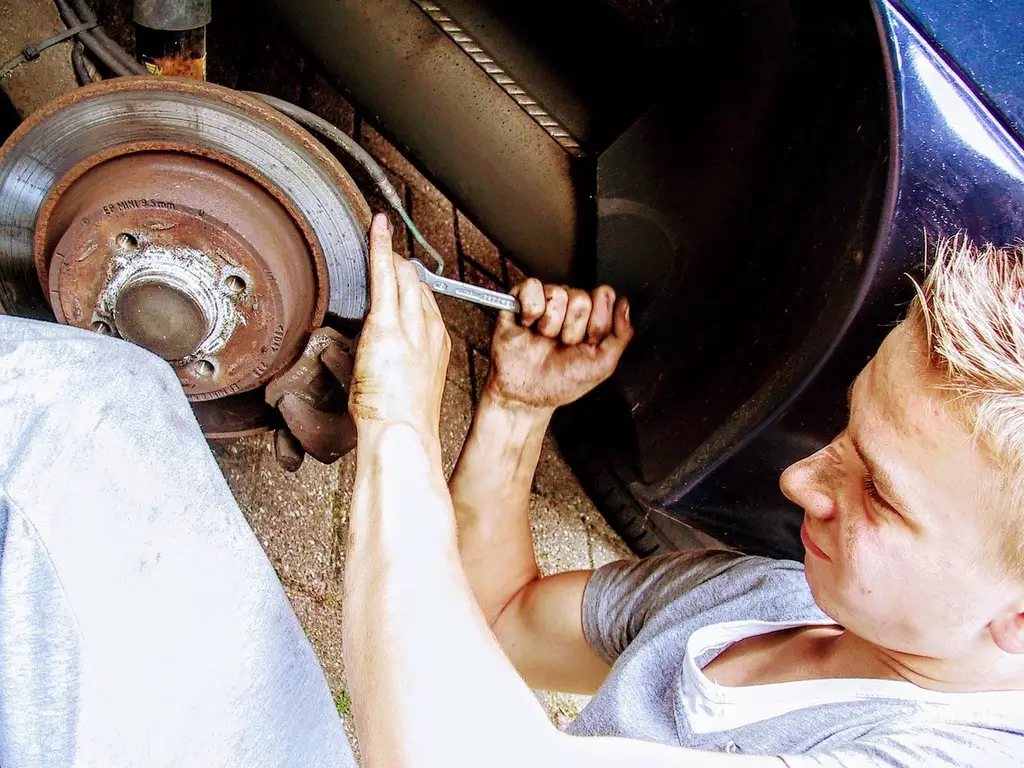
Start with the wheel that makes the noise. A few simple checks can separate temporary contamination from true wear. If the grind remains loud after a short drive, or if one wheel is much hotter than the others, stop treating it as a normal winter sound.
- Listen for whether the sound is only on the first few stops or continues at every stop.
- Note whether the noise comes from one wheel, the front axle, or the rear axle.
- Look for snow, ice, or crusted salt around the wheel, backing plate, and rotor edge.
- Inspect pad thickness if you can see it through the wheel; thin pads need attention soon.
- Check for uneven rotor scoring, blue heat marks, or a rough lip on the rotor edge.
- Look for sticking caliper movement, torn boots, or dry slide pins.
- Confirm the parking brake releases fully, especially on rear brakes after freezing weather.
Brake fluid and lubrication checks
Brake fluid and lubrication matter because caliper hardware depends on smooth movement. Contamination, corrosion, or old lubricant can let the slide pins stick, and that can create uneven pad contact. Fluid flush needs depend on the vehicle schedule, but winter noise is a good reason to inspect the brake system rather than ignore it.
When same-day inspection makes sense
Get the car inspected the same day if the grinding does not fade after a few stops, if the pedal feels different, if braking pulls to one side, or if one wheel smells hot. Those signs point beyond surface rust and into pad wear, caliper seizure, or rotor damage.
Frequently asked questions
Why are my brakes grinding after a snowstorm?
Most often, slush, packed ice, surface rust, or road salt got between the pads and rotors. If the sound fades after a few stops, it is usually temporary. If it stays loud or worsens, suspect worn pads, rotor damage, or a sticking caliper.
Is it normal for brakes to grind after driving in snow?
A brief scrape or light grind can be normal after snow driving, especially on the first stop. Moisture and salt film can clear quickly. What is not normal is grinding that keeps returning after several stops or changes into a louder metal-on-metal sound.
Can road salt or slush cause grinding brakes?
Yes. Salt speeds corrosion, and slush can pack into wheel areas and scrape the rotor. That can make the brakes sound badly worn even when the issue is temporary. Rear brakes and parking brake parts are especially worth checking after a freeze.
Why do my brakes grind only when I stop after winter driving?
That pattern often points to rust film, debris, or a partially frozen parking brake rather than constant pad wear. The sound appears under braking because the pads are pressing the contaminated rotor surface. If it stops after a few applications, contamination is likely.
Why are my new brakes grinding in cold weather?
New pads can still grind if debris was trapped during installation, if the caliper slide pins stick, or if winter road film contaminated the parts. New hardware should not be ignored just because it is new. Persistent noise still needs inspection.
When is brake grinding after winter weather unsafe to keep driving?
It is unsafe when the grind does not fade, gets louder, comes with pulling or vibration, or is joined by a hot wheel smell. That can mean metal-to-metal contact, rotor damage, or caliper seizure. In those cases, same-day inspection is the safer move.
Products related to this article
Sponsored / affiliate links. As an Amazon Associate I earn from qualifying purchases. I may earn additional commission from eligible campaigns.
 Brake Bleeder Kit Automotive,Brake Fluid Bleeder Exchanger Machines,Brake Oil Fluid Extractor Pump,Professional Pulsating Brake Oil Fluid Bleeding Tool,Automatic Vacuum Brake Bleeder One Person
 QivaZira Brake Pad Measuring Tool Set Brake Lining Thickness Gauge for Automotive Maintenance Color Coded SAE and Metric Wear Indicator for Cars Trucks