Brake maintenance myths that can cost you money now
Replace brake parts when pad friction material is getting thin, rotors are scored or out of spec, fluid looks contaminated, or a hydraulic leak is present; noise by itself is not enough to order parts. I have seen guessed brake work eat up hundreds in pads, rotors, and labor that were never needed. This guide clears out the myths that trigger needless replacement and points to the inspection clues that justify real spending.
Brake maintenance myths that waste the most money

Brake systems slow the car by turning motion into heat, and that heat is handled by pads, rotors, fluid, calipers, hoses, and hardware working together. Most of the money waste comes from guessing, not from the parts themselves. A shop can spend your money in the wrong place if it treats every squeak, pulse, or dark fluid sample as proof of a full brake job.
These myths survive because brake symptoms are noisy, and drivers want a simple rule. There is no single mileage point that fits every vehicle, and not every brake complaint means the pads are worn out. Modern systems use a brake booster that amplifies foot pressure on the pedal, most modern vehicles have disc brakes on all four corners, and brake pads create friction by rubbing against the spinning brake disc. That basic design is simple. The diagnosis is not.
Why bad advice turns into extra pad, rotor, and fluid bills
The common error is replacing parts in bundles instead of reading the evidence. A pad set with uneven wear may need hardware and a caliper check, not rotors by default. A rotor with a light lip may be reused if its thickness and surface condition still check out. Dark fluid may need service, but a low reservoir can point to pad wear or a leak. Guessing multiplies labor and parts cost fast.
Do brakes need replacement on a fixed mileage schedule?
No. Mileage alone does not tell you when brakes are worn out, because driving pattern matters more than the odometer. City stop-and-go, mountain grades, towing, and repeated short trips can wear pads far faster than steady highway use. Some vehicles need attention early. Others do not.
How driving pattern changes brake life
City traffic creates repeated heat cycles and more pad use. Mountain driving keeps the brakes hot longer, which can accelerate pad wear and fluid stress. Towing adds load and heat, and short trips often leave moisture and corrosion in the system because the brakes never get fully dried out. A commuter car with gentle highway miles can still be in good shape while a similar car in hilly traffic needs work sooner.
What a real wear check looks like
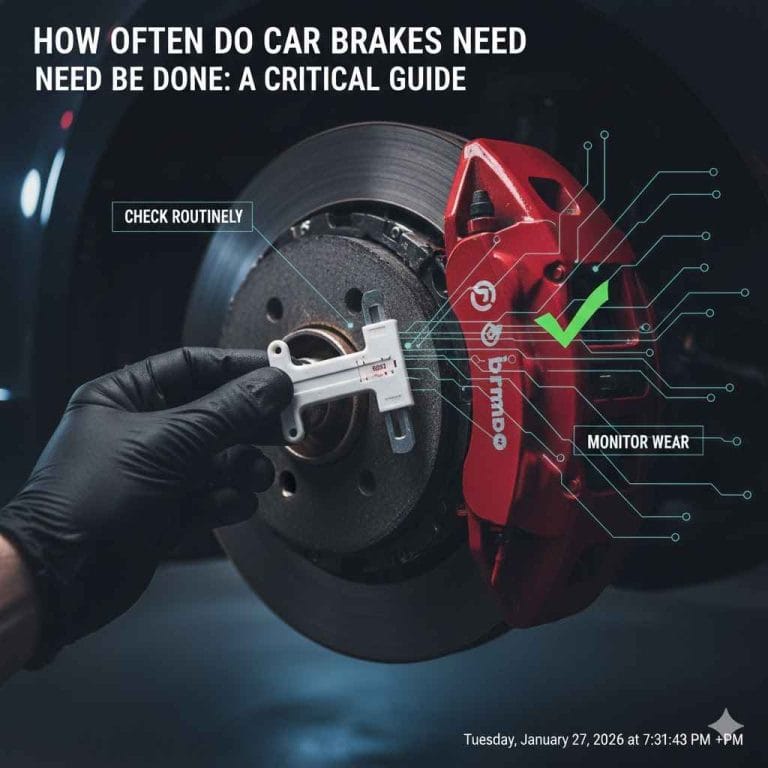
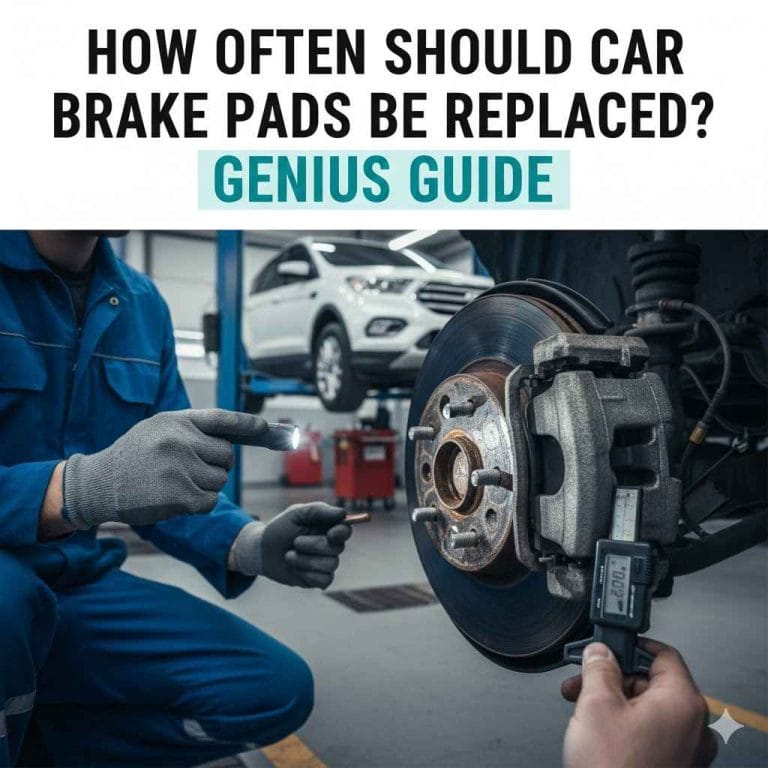
A real check starts with pad thickness, not guesswork. Look at the friction material, not just the backing plate, and compare both inner and outer pads. Uneven wear can point to a sticking caliper or slide pin issue. Inspect the rotor surface for scoring, heat spots, cracking, or a strong lip. If the car has rear drums, the inspection method changes, which is another reason a mileage-only rule fails.
- Measure pad friction material on both sides of the axle.
- Check the rotor face for grooves, rust ridges, heat checking, and thickness.
- Inspect caliper movement, slide pins, and hardware for binding.
- Look for fluid leaks at the caliper, hose, and fittings.
- Road test for pull, vibration, or noise before approving parts.
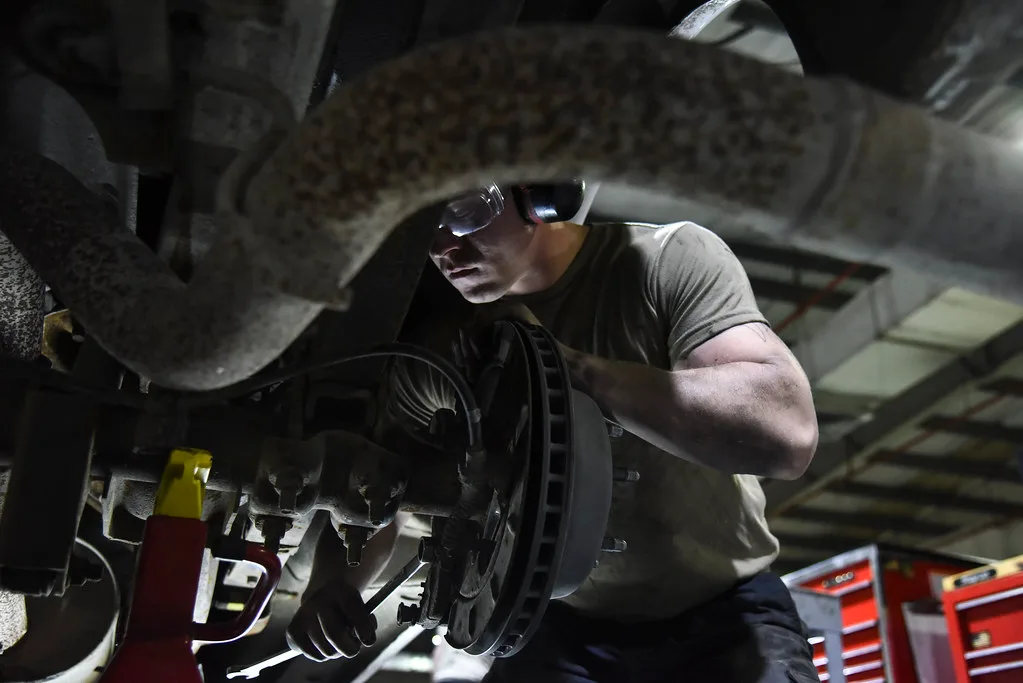
What brake checks should you do before paying for a repair?
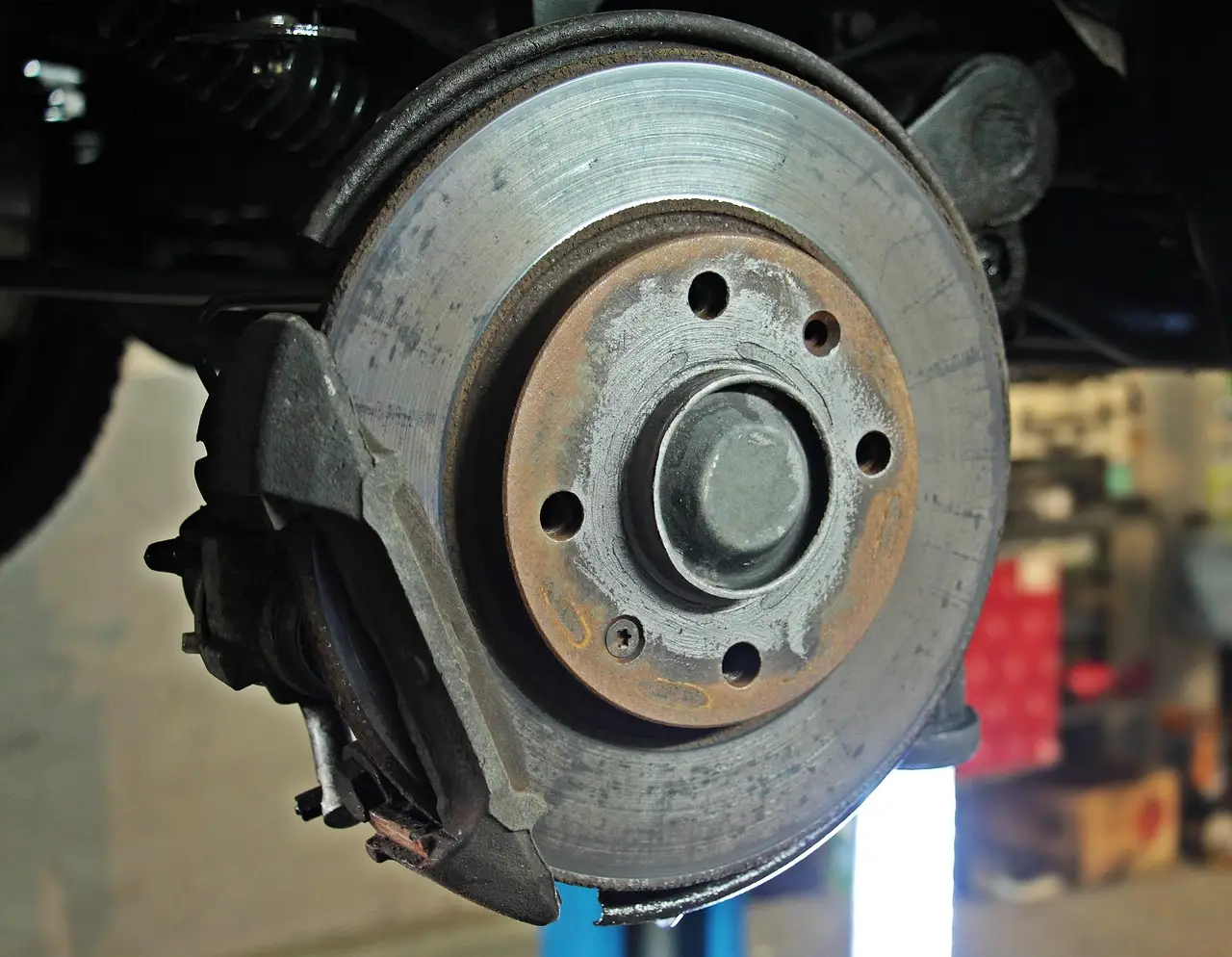
Start with the parts that wear first and cost least to verify. Pads, rotors, fluid, calipers, hoses, and hardware each leave different clues. A proper inspection can separate a simple pad job from a bigger hydraulic or hardware fault. That keeps a quote honest and cuts the odds of paying for parts that still had life left.
Pad thickness and wear indicator checks
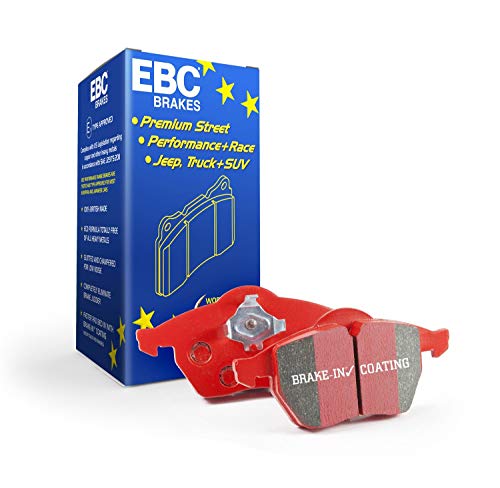
Brake pads are usually the main friction wear item. Many pads include wear indicators that squeal when the material gets thin, but noise is a clue, not a verdict. Check remaining friction material on both pads at each wheel. Look for taper wear, cracked friction blocks, or one inner pad wearing much faster than the outer pad. If the pad still has useful material and the wear is even, replacement may wait.
Rotor measurement, runout, and surface checks
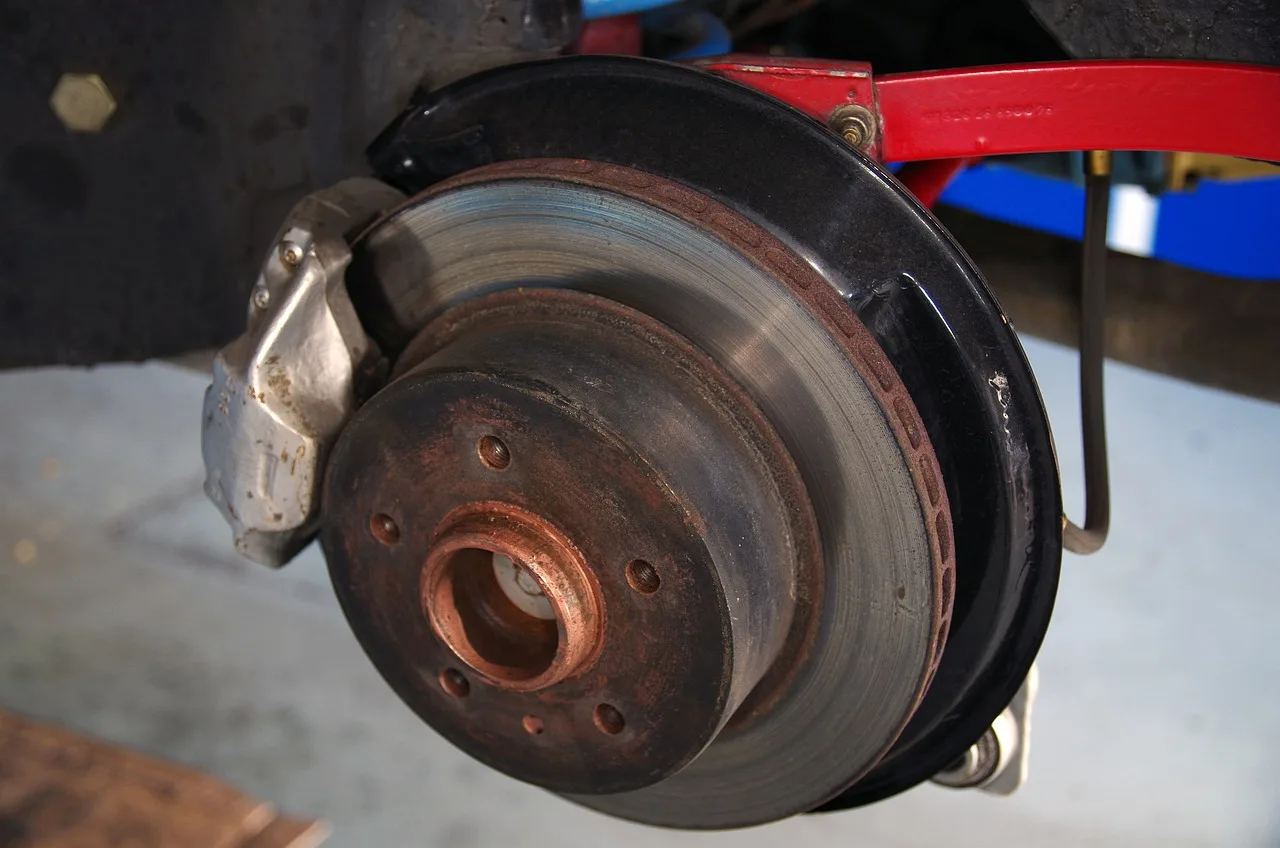
Disc brake rotors are typically made of cast iron and many are vented for cooling. Rear brakes often do less work than front brakes, so rear rotors are sometimes solid. Measure thickness and compare it with the service limit, check runout if the pedal pulses, and inspect for scoring or cracking. A rotor can often stay in service when it is within spec and the surface is sound. It does not need replacement just because new pads are installed.
Fluid level, color, and contamination checks
Brake fluid is the hydraulic medium that carries pedal force to the calipers. Reservoir markings help indicate proper fluid level with MIN and MAX marks. Low level can reflect pad wear, but it can also mean a leak. Dark, murky, or contaminated fluid is another matter. Fluid that has absorbed moisture over time may still move the car, yet it can still justify service because performance and corrosion resistance decline before a driver feels a problem.
Slide pin, hose, and leak inspection
Brake calipers create clamping force, and they depend on free piston and slide pin movement. A sticking caliper often shows up as uneven pad wear, a hot wheel, or a pull during braking. Brake lines and hoses carry fluid under pressure, so cracks, swelling, leaks, or damaged fittings are safety issues, not cosmetic ones. Brake hardware such as clips, shims, and pins should be checked for corrosion, dry contact points, and lost anti-rattle function.
How do I know whether to replace pads, rotors, or both?
Replace pads alone when rotor thickness, surface condition, and runout are still acceptable. Replace rotors when they are below spec, deeply scored, cracked, heat checked, or too uneven to work with fresh pads. Do both when the rotor condition would shorten pad life or create noise and vibration that will return fast. Front and rear wear often differ, so each axle should be judged on its own.
When pads can be replaced on their own
Pads can stand alone when the rotor face is smooth enough, thickness is within spec, and the brake pedal feels normal. This is common when wear was caught early and the old pads did not run metal-to-metal. The hardware should still be checked, because new pads on corroded clips or dry pins can start squeaking immediately.
When rotors need machining or replacement
Rotors need action when the surface has grooves, cracks, severe rust ridges, or measurable thickness loss. If a rotor is still thick enough and has enough usable surface, machining may be possible where the design allows it. If not, replacement is the better move. Rotors are heat sinks, and once they are too thin or uneven, they stop doing that job well.
Front and rear differences that change the answer
Front brakes usually do more work, so they often wear faster than the rear set. That means the front axle may need pads first while the rear still has life. On some cars, rear wear can be masked by light use or by a parking brake design that adds its own wear points. Inspect each axle separately instead of assuming all four corners age the same way.
Is brake fluid supposed to last forever if the car stops fine?
No. Brake fluid does not last forever, even if pedal feel seems normal. It can absorb moisture over time, and that moisture can lower boiling resistance and encourage internal corrosion. A car can still stop fine on a calm road while the fluid is still due for service. That is why fluid condition matters, not just drivability.
How moisture changes fluid performance over time
Moisture contamination matters most under heat. Hard braking can boil degraded fluid sooner, which may create a soft pedal when the system is stressed. That problem may not appear in easy commuting. Fluid that looks dark or dirty also deserves attention because contamination is a sign that the system has aged, not just that the fluid is ugly.
When a fluid flush is justified versus when it is not
A flush makes sense when the fluid is contaminated, the service interval in the owner’s manual is due, or the system has been opened for repairs. It is less defensible when a shop uses dark fluid alone to sell extra parts. Check the reservoir level first, then look for leaks and corrosion before agreeing to add unrelated work. Low fluid can mean pad wear, but it can also mean a hydraulic fault that needs diagnosis.
Can I ignore brake noise if the car still brakes normally?
No. Some noise comes from hardware wear or light surface rust, but repeated squeal, grinding, clunking, or scraping deserves inspection. A car can still stop and still be close to a costly failure. Noise becomes more serious when it is paired with vibration, pull, or a change in pedal feel. That combination is not something to shrug off.
Which noises point to hardware wear
Light squeal after rain or after a few days of sitting can come from surface rust or dry hardware. Missing clips, worn shims, or poorly lubricated contact points can also make noise without meaning the pads are finished. In those cases, the fix may be hardware service and cleaning rather than a full pad-and-rotor order.
Which noises suggest pad, rotor, or caliper trouble
Grinding often means the friction material is gone or close to gone. A rhythmic scrape can point to a bent shield, a damaged rotor, or trapped debris. Pulling to one side, a hot wheel, or uneven pad wear can indicate a sticking caliper or slide pin. Those are repair cues, not excuses to keep driving until the rotor is ruined.
When vibration or pull means stop driving and inspect
Strong vibration under braking can mean rotor runout or severe thickness variation. Pulling hard to one side can mean a hydraulic imbalance, a sticking caliper, or a hose that is restricting fluid flow. If the pedal drops, feels spongy, or changes suddenly, stop driving and inspect the hydraulics before paying for pads alone.
Myth-to-cost checklist: what each bad rule makes you replace
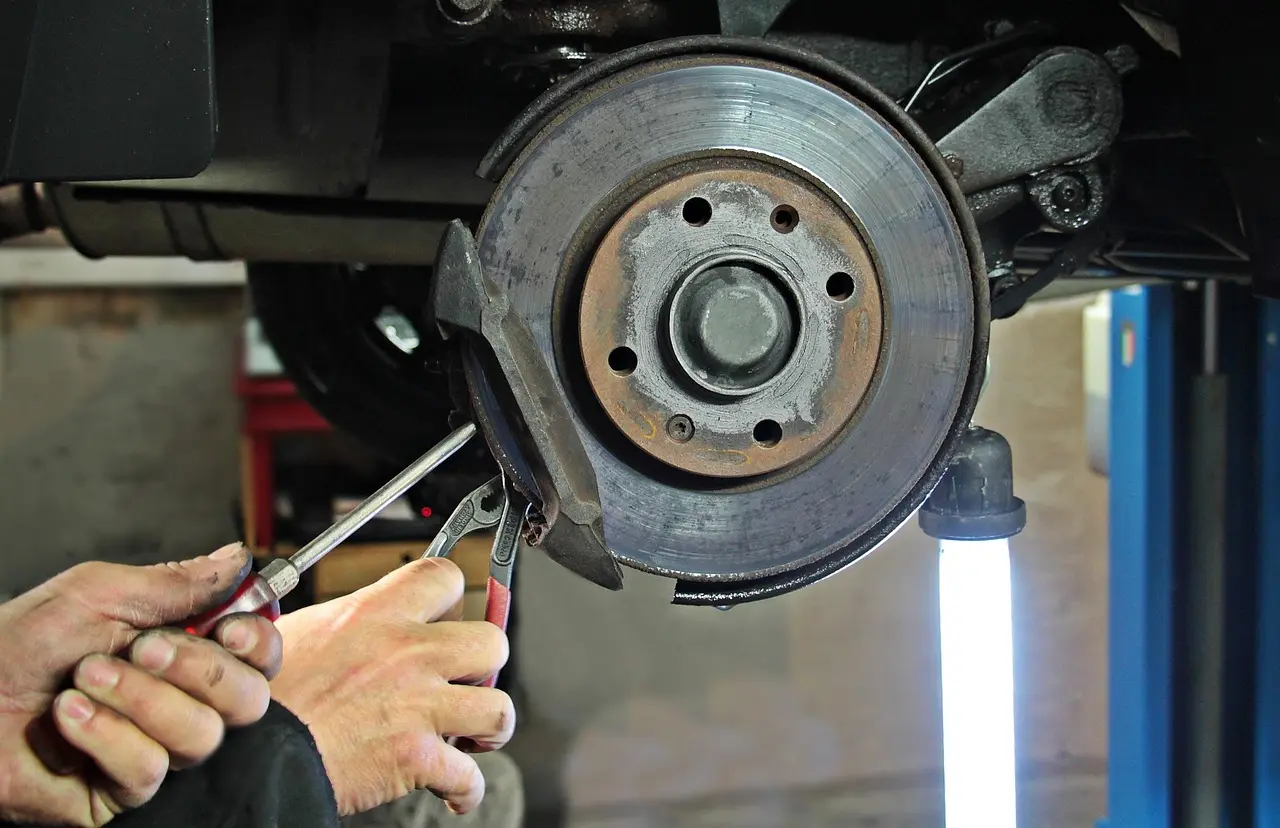
This is the quickest way to avoid overbuying. Read the myth, then match it to the right inspection. The point is not to delay needed work. The point is to spend money only where the evidence supports it.
| Myth | What owners often replace unnecessarily | Real diagnostic check | Likely money-saving outcome |
|---|---|---|---|
| Brakes need replacement at a fixed mileage | Pads, rotors, and sometimes hardware all at once | Measure pad thickness, rotor thickness, and inspect wear pattern | Keep service limited to the axle that actually wore out |
| Any squeal means new pads and rotors | Rotors that still measure and surface well | Check hardware, pad indicators, and rotor face condition | Replace clips or pads only when the rotor is still usable |
| Brake fluid lasts forever if the car stops fine | Nothing, until a costly hydraulic or corrosion repair appears | Check reservoir MIN/MAX, fluid color, moisture contamination, and leaks | Service fluid before heat or corrosion turns into bigger repairs |
| Rotor replacement is automatic with new pads | Needless rotors and extra labor | Measure thickness, runout, and surface scoring | Reuse safe rotors and keep the bill tied to condition |
| Premium pads are always worth paying more for | Higher-cost pads that do not suit the car or driving pattern | Match pad material to heat, noise, dust, and load needs | Choose the pad type that fits the route, not the marketing |
| Noise can be ignored if braking still works | Delay until rotors, calipers, or hardware are damaged | Inspect for uneven wear, sticking pins, leaks, and hot spots | Catch a small fix before it becomes a full brake job |
How to use the checklist at a shop counter
Ask for measurements, not adjectives. Pad thickness, rotor thickness, fluid condition, and evidence of caliper movement should be stated clearly. If a quote includes rotors, ask why the old ones cannot stay. If it includes a caliper, ask what symptom points to sticking or leakage. If it includes fluid, ask whether contamination or the maintenance interval supports the work.
Are premium brake pads worth paying extra for?
Sometimes, yes. Sometimes, no. Premium pads can be quieter, cleaner, or better at heat control, but those benefits only matter if they fit the vehicle and the use case. A daily commuter with mild braking may not need the top-priced pad, while a tow vehicle or mountain driver may benefit from a material that handles heat better.
When premium pads make sense
They make sense when the car sees heat, load, or long descents often enough that fade resistance matters. They can also make sense if the owner wants lower dust or less noise and is willing to pay for that result. What matters is fit, not price tags. A good pad choice is the one that matches the driving pattern and the rotor condition.
When standard pads are the smarter buy
Standard pads are often enough for normal commuting, especially when the brakes are healthy and the rotors are still in good shape. Paying more for a pad does not fix a sticking caliper, a worn hose, or corroded hardware. If the root problem is elsewhere, premium pads only hide it for a short time.
Frequently asked questions
What brake maintenance myths waste the most money?
The costliest myths are fixed-mileage brake replacement, automatic rotor replacement with every pad job, and the idea that brake fluid can wait forever if the car still stops. Those habits lead to extra parts, extra labor, and missed faults in calipers, hoses, or hardware that should have been inspected first.
Do brakes really need replacement on a fixed mileage schedule?
No. Brake wear depends on load, terrain, traffic, towing, and how often the car is driven hard. Mileage can help with planning, but it cannot replace an inspection. Pad thickness, rotor condition, fluid status, and hardware movement tell the truth better than a calendar or odometer alone.
Is brake fluid supposed to last forever if the car stops fine?
No. Brake fluid absorbs moisture over time, and that can reduce performance under heat and promote corrosion inside the system. A car may feel normal in routine driving and still need fluid service. Check the reservoir level, the fluid’s condition, and the maintenance interval before assuming it is fine.
Can I ignore brake noise if the car still brakes normally?
Not safely. Some noise comes from surface rust or worn hardware, but repeated squeal, grinding, clunking, or scraping can point to worn pads, rotor damage, or caliper trouble. If the noise comes with vibration, pull, or a changing pedal feel, the car needs inspection right away.
How do I know whether to replace pads, rotors, or both?
Replace pads alone when rotor thickness, runout, and surface condition are still within spec. Replace rotors when they are too thin, deeply scored, cracked, or uneven enough to create vibration or noise. If the caliper is sticking or the hardware is corroded, fix that too or the new parts may wear unevenly.
What brake checks should I do before paying for a repair?
Ask for pad thickness, rotor thickness, rotor surface condition, fluid level at the MIN and MAX marks, and a check for leaks, swollen hoses, sticking slide pins, and uneven wear. If the shop cannot explain which symptom or measurement supports each line item, the quote needs a second look.
Products related to this article
Sponsored / affiliate links. As an Amazon Associate I earn from qualifying purchases. I may earn additional commission from eligible campaigns.
 Yekoaru 3.93 Ft Brake Fluid Bleeder Hose, Car Oil Fluid Extractor Tool, Brake Bleeding Change Hose with Adapter, Universal Replacement Tube for Car Motorcycle Braking System Repair Tool
 Brake Bleeder Kit Automotive,Brake Fluid Bleeder Exchanger Machines,Brake Oil Fluid Extractor Pump,Professional Pulsating Brake Oil Fluid Bleeding Tool,Automatic Vacuum Brake Bleeder One Person