How Often Should You Replace Car Brakes? Expert Timeline
Thinking about your car’s brakes can feel a bit daunting. They’re so important for staying safe on the road, but figuring out exactly when they need attention isn’t always clear. Many drivers worry if they’re waiting too long or changing them too soon.
Let’s clear this up so you can feel confident about your car’s stopping power.
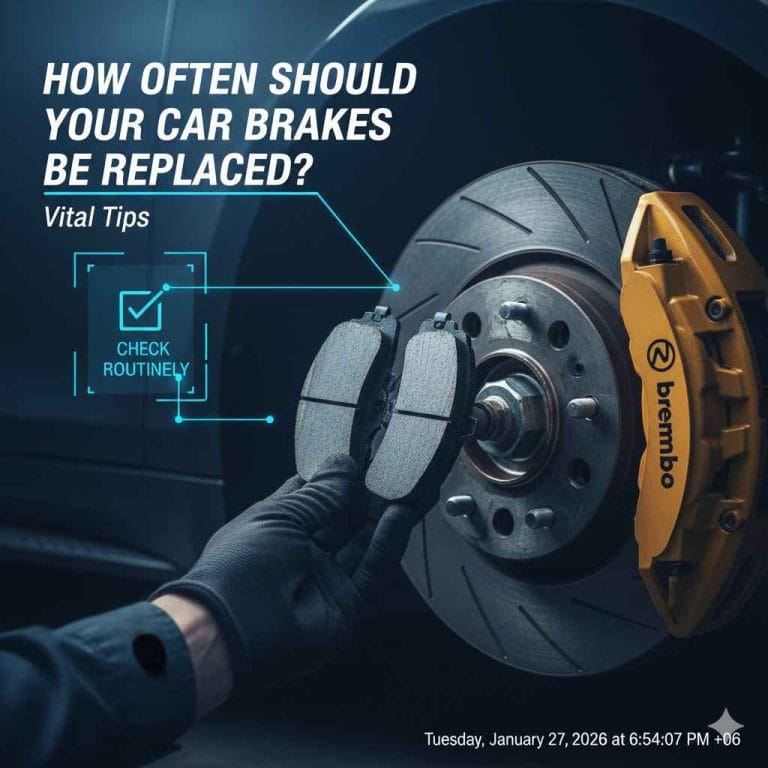
You should replace car brakes based on mileage, wear indicators, and specific symptoms. A general guideline is between 25,000 to 70,000 miles for front brakes and 50,000 to 100,000 miles for rear brakes, but this varies greatly. Always check for signs of wear like grinding noises, pulling to one side, or a soft brake pedal.
Understanding Your Car’s Brakes
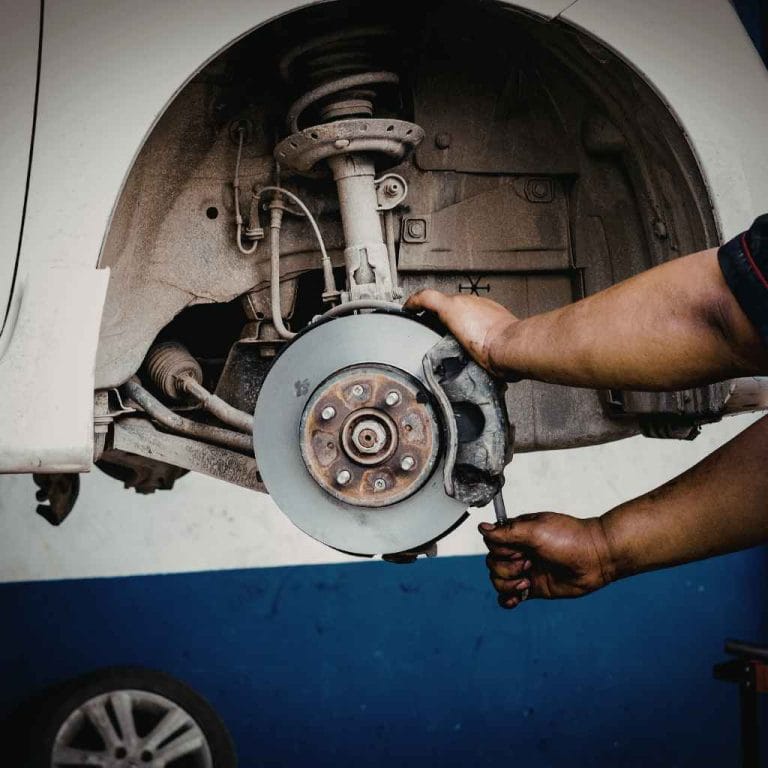
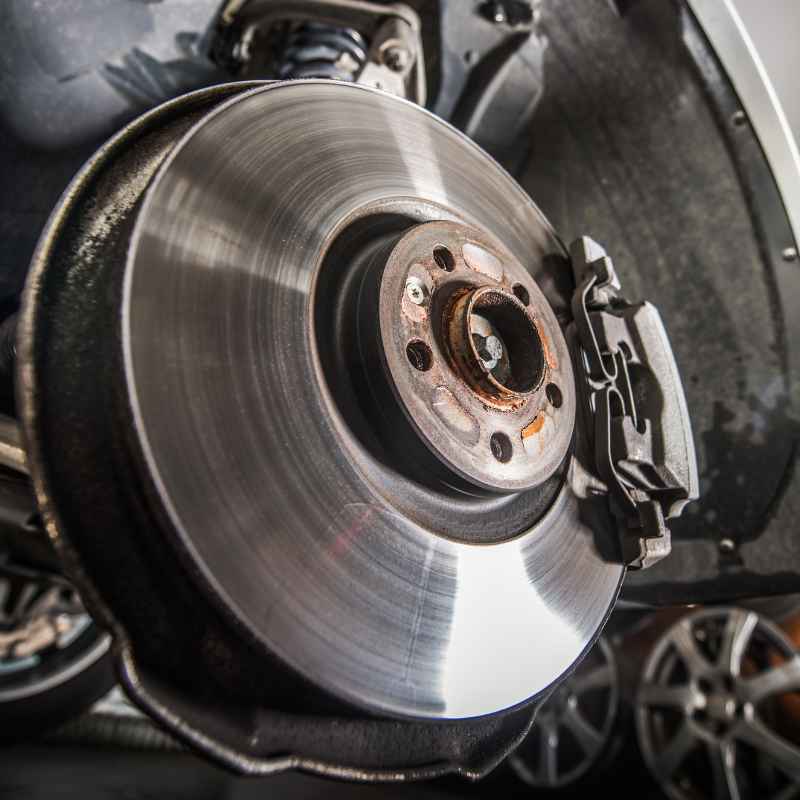
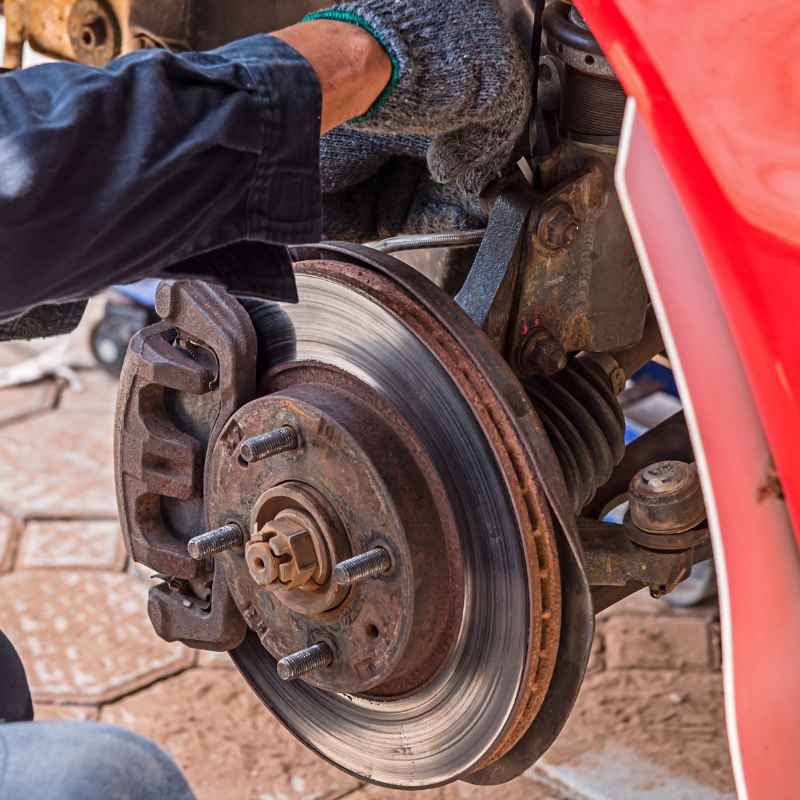
Your car’s brakes are a system. They work by pressing pads or shoes against rotors or drums. This friction slows your wheels down.
Over time, this friction wears away the brake material. That’s why they need to be replaced. It’s a normal part of car ownership.
Many things can affect how long your brakes last.
Think about how often you use them. City driving means more stopping and starting. This wears brakes faster.
Highway driving often means less braking. Your driving style matters a lot. Being gentle with the brake pedal helps them last longer.
Slamming on the brakes all the time wears them out much faster.
A Personal Story: The Grinding Noise
I remember one crisp autumn morning. I was driving to a client meeting, feeling pretty good about the day. The radio was playing softly.
Suddenly, a high-pitched squeal cut through the music. It was a sound I hadn’t heard before. It only happened when I pressed the brake pedal.
My heart sank a little. My car was telling me something was wrong.
I tried to ignore it for a block. But the squealing got louder. It was almost a grinding sound now.
It felt like metal on metal. That’s a sign of serious wear. I pulled over safely.
I pictured the brake pads worn down to nothing. I knew I couldn’t drive much longer. The thought of brake failure made me feel a wave of panic.
It was a stark reminder that car maintenance isn’t optional.
Signs Your Brakes Need Attention
Listen Carefully: Squealing or grinding noises are big warnings.
Feel the Pedal: Is it soft, spongy, or does it go too low?
Watch Your Car: Does it pull to one side when you brake?
Look at the Dashboard: Is the brake warning light on?
How Long Do Brake Pads and Rotors Last?
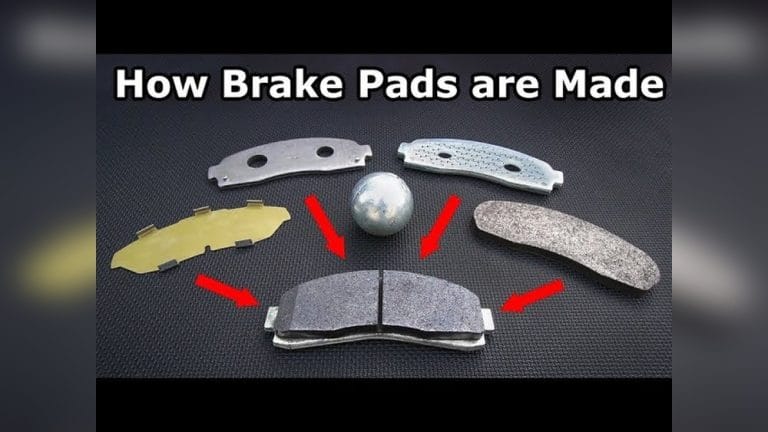
Brake pads are the parts that press against the rotor. They are designed to wear out. Most brake pads last between 25,000 and 70,000 miles.
Front brakes often wear faster than rear brakes. This is because most of a car’s braking force happens at the front. Rotors are the discs that the pads squeeze.
They can last longer than pads. Sometimes they last for two sets of pads.
However, this is just a general idea. Factors like the type of pads you use matter. Ceramic pads often last longer but might cost more.
Metallic pads offer great stopping power but can wear faster. Driving conditions are also a big factor. Frequent hard braking wears down pads and rotors quickly.
Gentle braking helps them last longer.
Brake Wear Factors: Quick Look
- Driving Habits: Aggressive vs. gentle braking.
- Road Conditions: City traffic vs. highway cruising.
- Brake Material: Ceramic, metallic, or semi-metallic.
- Vehicle Weight: Heavier cars put more stress on brakes.
- Climate: Extreme heat or cold can affect wear.
What Happens If You Don’t Replace Worn Brakes?
Ignoring worn brakes is a bad idea. It’s not just about an annoying noise. It’s about safety.
Worn brake pads can lead to rotor damage. This means you might need to replace both pads and rotors. Rotors are more expensive than pads.
If your brakes fail completely, you could have a serious accident. It’s very dangerous.
The braking distance of your car will increase. This means it takes longer to stop. In an emergency, this could be the difference between avoiding a crash or not.
Also, a warning light on your dashboard is a sign to get it checked. Don’t wait for a problem to get worse. Regular checks are key.
When Do You Really Need New Brakes?
Several signs tell you it’s time for new brakes. One common sign is a squealing noise. This is often caused by a small metal indicator on the brake pad.
It’s designed to make a noise when the pad is getting thin. Another sound is grinding. This means the pad material is gone.
You’re hearing metal on metal. This can damage your rotors quickly. It’s a sign to stop driving and get them fixed immediately.
The brake pedal feel is important too. If the pedal feels spongy or soft, it might mean air in the brake lines or a leak. If the pedal sinks all the way to the floor, that’s a major problem.
Your car might also pull to one side when you brake. This can happen if the brakes on one side are more worn than the other. Or it could be a problem with the brake caliper.
Common Brake Warning Signs
- Squealing: High-pitched noise when braking.
- Grinding: Rough, metallic sound.
- Soft Pedal: Pedal sinks easily.
- Car Pulls: Vehicle drifts left or right when stopping.
- Brake Light: Dashboard warning indicator is on.
Understanding Brake Lifespan Variances
It’s crucial to understand that no two cars are the same. Lifespan estimates are just that: estimates. My neighbor, for example, drives a large truck.
He hauls things often. His brake pads wear out much faster than mine. He might need them every 20,000 miles.
I drive a small sedan mostly on highways. My brakes could last 60,000 miles or more.
The materials used in brakes also play a huge role. Organic pads are quiet and easy on rotors. But they don’t last as long.
Semi-metallic pads offer a good balance. They handle heat well. Ceramic pads are known for longevity and less dust.
They can be a bit pricier. Choosing the right type for your driving needs is smart.
Real-World Context: City vs. Highway Driving
Let’s talk about where you drive. If you live in a busy city like New York or Los Angeles, you’re likely braking more. Traffic lights, stop signs, and congestion mean constant stopping and starting.
This really speeds up brake wear. You might find yourself needing new brake pads every 25,000 to 30,000 miles.
On the other hand, if you drive mostly on highways, your brakes get a break. You might go for long stretches without needing to brake hard. This is much easier on your brake pads and rotors.
For highway drivers, brake replacements could be much further apart, perhaps 50,000 to 70,000 miles. It really depends on your daily commute and habits.
Driving Style Impact on Brakes
Aggressive Driver: Hard acceleration, late braking.
Normal Driver: Balanced acceleration and braking.
Conservative Driver: Gentle acceleration, early braking.
Result: Aggressive drivers wear brakes fastest. Conservative drivers extend brake life.
The Role of Vehicle Weight and Towing
Heavier vehicles have a harder time stopping. Think about a large SUV or a truck. They carry more weight.
This means the brakes have to work harder to slow them down. This extra effort causes more friction and heat. More friction means faster wear.
So, if you drive a heavier vehicle, expect your brakes to wear out sooner than someone with a smaller car.
Towing also puts a huge strain on your brakes. When you tow a trailer, you’re essentially adding more weight. Your vehicle’s braking system has to manage the weight of your car and the trailer.
This is especially true when going downhill. Many trucks and SUVs designed for towing have larger, more robust brake systems. But even these will wear faster if used for heavy towing regularly.
What This Means for Your Car’s Health
Understanding how often to replace car brakes helps keep your vehicle safe and reliable. It’s not just about following a number. It’s about listening to your car.
Paying attention to the sounds and feelings when you brake is smart. A brake inspection should be part of your regular car maintenance. Many shops offer free brake checks.
If you notice any of the warning signs, don’t delay. Get your brakes checked by a trusted mechanic. They can tell you if you need new pads, rotors, or just a simple adjustment.
Early detection of issues can save you money and prevent bigger problems down the road. Your safety is worth the small effort and cost.
When Are Your Brakes Normal vs. Concerning?
It’s normal for brakes to make a slight noise when they are new. They might need a little time to “bed in.” This means they are getting used to the rotor surface. Also, some dust from brake pads is normal.
This is especially true with metallic or semi-metallic pads. You might see a bit of gray or black dust on your wheels.
However, persistent squealing or grinding is not normal. A brake pedal that feels too soft or goes to the floor is a serious concern. If your car pulls strongly to one side when braking, that needs immediate attention.
Also, if your dashboard brake warning light stays on, it’s a signal that something is wrong and needs expert inspection. Don’t ignore these.
Normal vs. Concerning Brake Behavior
| Normal Brake Behavior | Concerning Brake Behavior |
|---|---|
| Slight, temporary squeal when new. | Loud, constant squealing or grinding. |
| Some brake dust on wheels. | Excessive, dark dust on wheels. |
| Firm brake pedal that stops the car. | Soft, spongy pedal or pedal to the floor. |
| Car stops straight and evenly. | Car pulls to one side when braking. |
| Brake light off when driving. | Brake warning light stays on. |
Quick Checks You Can Do At Home
You can do a few simple checks yourself. First, listen to your brakes. Do you hear any unusual noises?
Next, check your brake pedal. Does it feel firm? Try pumping it a few times.
Does it feel solid? You can also try to look at your brake pads if you have alloy wheels. You might be able to see the pad thickness through the wheel spokes.
Look for the metal backing plate of the brake pad. If you can see that metal plate, your pads are very thin. You need to get them replaced soon.
Another check is for brake fluid leaks. Look under your car. If you see any dark or brownish fluid where your car is parked, it could be a brake fluid leak.
This needs immediate attention from a mechanic.
Tips for Extending Brake Life
There are simple ways to make your brakes last longer. One of the best tips is to avoid sudden stops. Anticipate traffic.
Slow down gradually. This reduces the strain on your brake pads and rotors. Try not to “ride” your brakes.
This means not resting your foot on the brake pedal while you are driving. This causes unnecessary friction.
Keep your tires properly inflated. Good tire pressure helps your car stop more efficiently. Avoid carrying unnecessary weight in your car.
The lighter your car, the easier it is for your brakes to do their job. If you drive in very dusty or muddy conditions, cleaning your brakes periodically can help. But this is something a mechanic usually handles.
Extending Brake Life: Simple Steps
Gentle Braking: Slow down gradually.
Avoid Riding Brakes: Don’t rest foot on pedal.
Reduce Weight: Carry only essentials.
Proper Tire Inflation: Essential for good stopping.
Anticipate Stops: Look ahead and react early.
Frequent Questions About Brake Replacement
How often should I check my brakes?
It’s a good idea to have your brakes checked at least once a year. Many car manufacturers recommend checking them during routine maintenance intervals, like oil changes. If you notice any unusual sounds or feelings, get them checked right away, regardless of the schedule.
What’s the difference between brake pads and rotors?
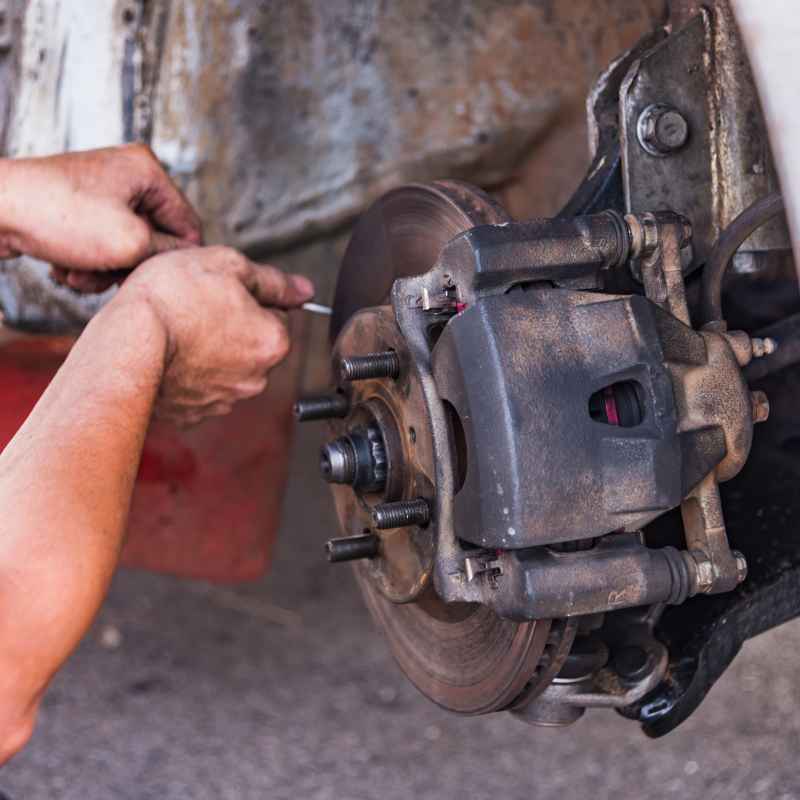
Brake pads are the friction material that presses against the rotor. They are designed to wear down. Rotors are the metal discs that the pads clamp onto to slow the wheel.
Pads need replacing more often than rotors.
Can I replace just the brake pads?
Sometimes you can. If your rotors are still in good condition, you might only need new pads. However, if your rotors are worn, grooved, or warped, a mechanic will likely recommend replacing both the pads and rotors for optimal performance and safety.
What are the cheapest brake options?
The most budget-friendly brake pads are usually made of organic materials. However, they may not last as long and can wear out rotors faster over time. For a balance of cost and durability, semi-metallic or ceramic brakes are often a better long-term investment, even if they have a higher upfront cost.
How do I know if my brake fluid needs changing?
Brake fluid absorbs moisture over time, which can lower its boiling point and reduce braking effectiveness. Most manufacturers recommend flushing and replacing brake fluid every 2 to 3 years. A mechanic can test your brake fluid for moisture content.
Is it bad to drive with squeaky brakes?
A light, occasional squeak might be normal. But a loud, consistent squeal is a warning sign. It usually means your brake pads are worn very thin.
Continuing to drive with squeaky brakes can lead to more expensive damage to your rotors and other brake components.
Final Thoughts on Brake Maintenance
Keeping your brakes in good shape is essential. It’s about more than just avoiding a ticket. It’s about protecting yourself and others on the road.
Pay attention to your car’s signals. Don’t ignore noises or changes in how the pedal feels. Regular checks and timely replacements ensure your car stops when you need it to.
See also how do you bleed car brakes correctly full walkthrough. See also how to free stuck brakes on a car fast and easy methods .
Products related to this article
Sponsored / affiliate links. As an Amazon Associate I earn from qualifying purchases. I may earn additional commission from eligible campaigns.