How the Brake System Works in a Car (Simply Explained)
When you press the brake pedal in your car, you’re triggering a complex system designed to stop thousands of pounds of moving metal—quickly, smoothly, and safely. Even though this process feels almost instantaneous, it’s the result of carefully engineered components working together in perfect harmony.
Understanding how the brake system works isn’t just for mechanics or car enthusiasts; it’s valuable knowledge for every driver. A basic grasp of your car’s brakes can help you recognize problems early, make informed maintenance decisions, and ultimately keep you and your passengers safer on the road.
In this article, we’ll break down the car brake system into simple, easy-to-understand parts. Whether you’re curious about how disc brakes differ from drum brakes, what role brake fluid plays, or how modern safety features like ABS enhance stopping power, you’ll find clear explanations and real-world examples.
We’ll also compare brake types, dispel common myths, and answer the most frequently asked questions—so you leave with a complete picture of how your car’s brakes really work.
Key Takeaways
- The brake system converts a driver’s foot pressure into stopping force using mechanical, hydraulic, and friction-based components.
- Modern brake systems feature both disc and drum brakes, each with unique advantages for different vehicle applications.
- Brake fluid plays a critical role by transmitting pedal force through hydraulic lines to the brake components.
- Safety features like ABS and Electronic Brakeforce Distribution dramatically improve stability and control during emergency stops.
- Regular maintenance—checking pads, fluid, and rotors—significantly extends the life of your brake system and keeps you safer.
- Understanding the basics of brake operation helps drivers recognize symptoms of failure and make better maintenance choices.

Credit: www.supaquick.com
The Basic Principles Of Car Braking
At its core, a car’s brake system is designed to do one thing: transform the energy of a moving vehicle into heat, which is then dissipated into the environment. This process, while simple in theory, relies on a series of carefully engineered steps and components.
Energy Transformation: Kinetic To Heat
When your car is moving, it possesses kinetic energy. To stop, the brake system uses friction to convert this kinetic energy into heat energy. This heat is absorbed by the brake pads and rotors or drums and then released into the air.
The effectiveness of this energy transformation depends on several factors, including the speed and weight of the vehicle, the condition of the braking components, and even external factors like weather and road surface. For example, a heavy SUV traveling at high speed will require much more energy to stop than a small compact car, which is why high-performance vehicles and trucks often have larger or multiple brake components to handle the increased demand.
The Role Of Friction
Friction is the key player in braking. Brake pads or shoes press against a spinning surface (a disc or drum), creating resistance and slowing the wheel’s rotation. The harder the pads press, the more friction—and the faster the car stops.
Friction material technology has advanced considerably over the years. Modern brake pads are made from composites such as ceramics, semi-metallic compounds, or organic materials. Ceramic pads, for example, are quieter and produce less dust, making them popular for daily drivers.
High-performance vehicles may use more metallic compounds for improved heat resistance and stopping power. The choice of friction material can significantly affect braking performance, longevity, and even the feel of the brake pedal.
Hydraulic Force Multiplication
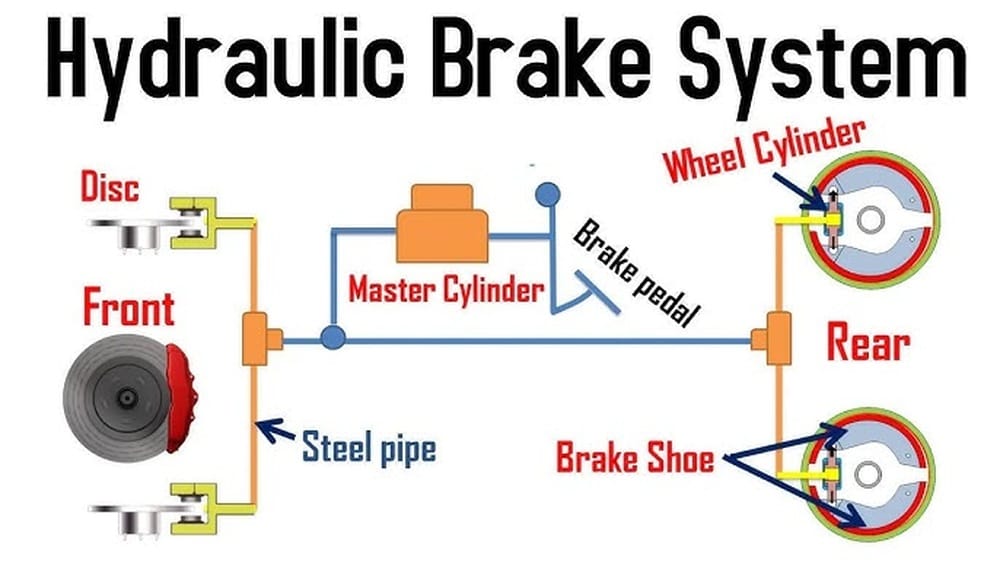
Most modern cars use a hydraulic brake system. Pressing the brake pedal pushes a piston in the master cylinder, which forces brake fluid through lines to each wheel. This fluid transmits force evenly and amplifies your foot’s pressure, allowing even a light press on the pedal to deliver strong stopping power.
This hydraulic principle is based on Pascal’s Law, which states that pressure applied to a confined fluid is transmitted equally in all directions. This means a small force at the pedal can generate much larger forces at the wheels, thanks to the differences in piston sizes between the master cylinder and the calipers or wheel cylinders.
This force multiplication is critical for providing effective braking without requiring excessive effort from the driver.
Real-world Example: Emergency Stop On Wet Roads
Imagine you’re driving at 60 mph when a deer jumps in front of your car. You slam the brakes. The hydraulic system instantly multiplies your input, sending fluid to all four wheels. Friction between pads and rotors slows the wheels, while modern features like ABS prevent skidding, helping you stop quickly and maintain steering control.
In such scenarios, the condition of your tires, road surface, and brake components all play a crucial role. On wet roads, the coefficient of friction between the tire and pavement drops, which can lead to longer stopping distances or loss of control.
Advanced systems like ABS intervene by modulating brake pressure, preventing lock-up and allowing you to steer around the obstacle—something that would be almost impossible with locked wheels.
Main Components Of A Car Brake System
A car’s brake system is a network of interconnected parts, each with a specific role in bringing your vehicle to a halt. Let’s explore the essential components.
Brake Pedal And Linkage
The brake pedal is your interface with the system. When pressed, it activates a mechanical linkage connected to the master cylinder.
- Pedal ratio: Designed to give you mechanical advantage, making braking easier.
- Return springs: Ensure the pedal returns to its original position after release.
Pedal feel and travel are carefully engineered to provide feedback to the driver. Manufacturers balance sensitivity and firmness to give drivers confidence in their braking while avoiding excessive pedal travel, which could indicate air in the lines or worn components.
Master Cylinder
The master cylinder is the heart of the hydraulic system. It converts the mechanical force from your foot into hydraulic pressure. Most cars use a tandem master cylinder with two separate circuits for safety—if one fails, the other still works.
In addition to providing redundancy, many modern master cylinders are equipped with sensors to detect fluid pressure or level. These sensors can trigger dashboard warning lights if a problem is detected, giving drivers early notice before a complete brake failure occurs.
Brake Lines And Hoses
These durable, reinforced tubes carry brake fluid from the master cylinder to each wheel. Rigid lines run along the chassis, while flexible hoses connect to moving parts at the wheels.
Over time, brake lines can corrode or develop leaks, especially in regions with harsh winters or salted roads. Flexible hoses are designed to withstand movement but can deteriorate due to age or exposure to chemicals. Regular inspections ensure that leaks or weak points are addressed before they become a hazard.
Brake Calipers And Wheel Cylinders
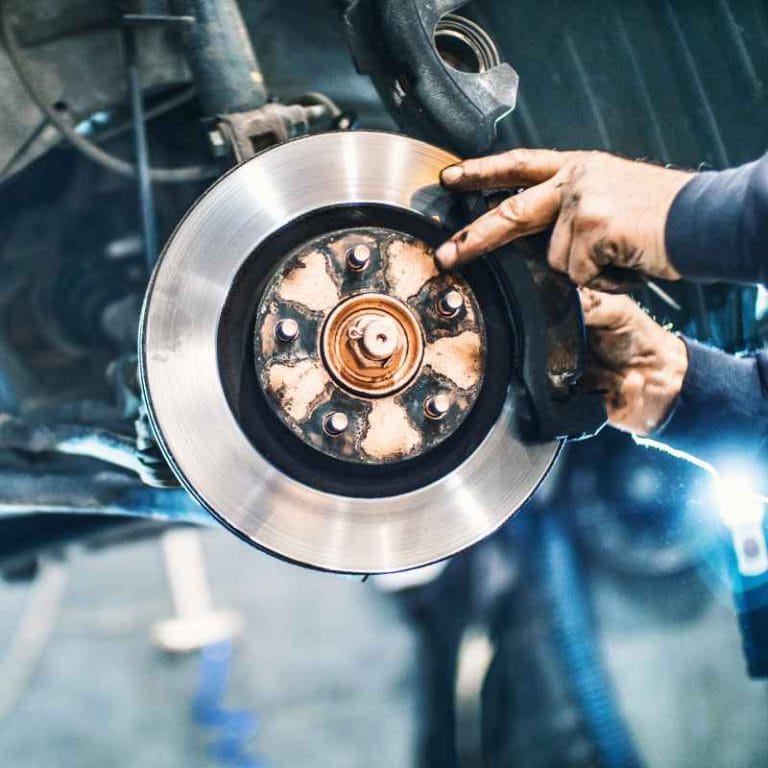
- Disc brakes use calipers, which squeeze brake pads against a spinning rotor.
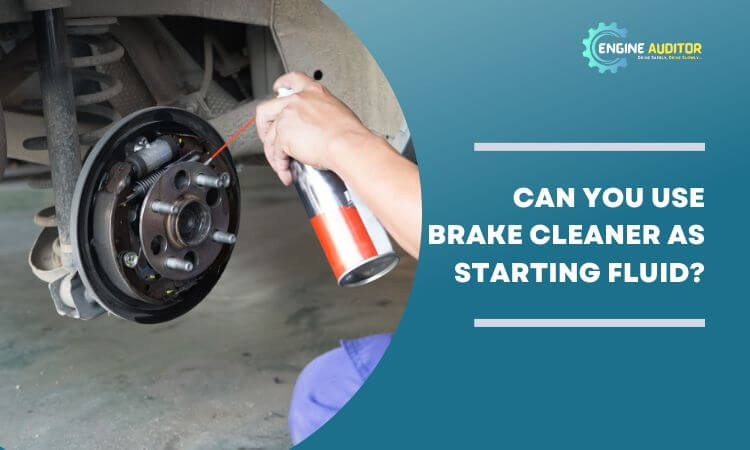
- Drum brakes use wheel cylinders, which push brake shoes outward against the drum’s interior.
Calipers can be either floating (sliding) or fixed. Floating calipers are more common on everyday vehicles due to their simplicity and lower cost, while fixed calipers offer greater performance and are often used in sports or luxury cars. Wheel cylinders in drum brakes must remain free of leaks, as any loss of hydraulic pressure can severely impact braking effectiveness.
Brake Pads And Shoes
- Brake pads (disc brakes): Made from high-friction material bonded to a metal backing.
- Brake shoes (drum brakes): Crescent-shaped and lined with friction material.
The wear rate of pads and shoes depends on driving habits, environment (city vs. highway), and the type of friction material used. Some high-performance pads may offer better stopping power but wear out faster, while long-life pads might sacrifice a little performance for extended durability.
Rotors And Drums
- Rotors: Flat, round discs attached to the wheels.
- Drums: Hollow cylinders that rotate with the wheel.
Rotors come in various designs, including solid, vented (with cooling channels), drilled, or slotted to dissipate heat more effectively. High-performance or heavy-duty vehicles often use larger or more advanced rotor designs to handle increased thermal loads.
Brake Fluid
A specially formulated, non-compressible liquid that transmits force and resists high temperatures.
Brake fluid must meet strict standards for boiling point, viscosity, and chemical stability. Over time, it can absorb moisture, lowering its boiling point and increasing the risk of vapor lock—a dangerous condition where vapor bubbles reduce hydraulic pressure. That’s why periodic fluid changes are essential.
Real-world Example: Brake Fade On A Mountain Descent
On a long downhill drive, continuous braking can overheat pads and rotors. As temperatures rise, brake fade can occur—friction drops, and stopping distances increase. This highlights the importance of high-quality materials and proper maintenance.
Truck drivers often use “engine braking” (downshifting to use engine resistance) on steep grades to minimize brake heat. For passenger vehicles, using lower gears and giving brakes time to cool between applications can also reduce the risk of fade and maintain consistent stopping power.

Credit: www.youtube.com
Types Of Brakes: Disc Vs Drum Brakes
Understanding the two main types of brakes used in vehicles helps explain why some cars stop quicker or last longer between brake jobs.
Disc Brakes
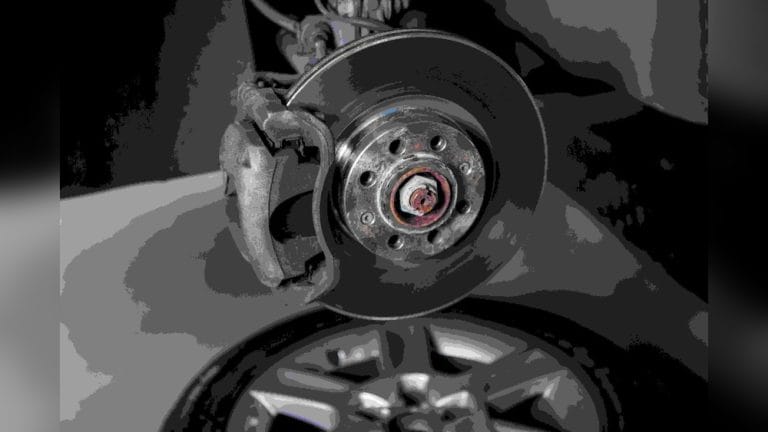
Disc brakes are the most common on modern vehicles, especially on the front wheels. They feature a rotor, caliper, and brake pads.
How They Work
- Pressing the brake pedal activates the caliper.
- The caliper squeezes pads against the rotor.
- Friction slows the rotor’s rotation, stopping the wheel.
Disc brakes are exposed to airflow, which helps dissipate heat generated during braking. Ventilated rotors (with internal vanes) and performance features like cross-drilled or slotted rotors further enhance cooling. This makes disc brakes ideal for high-speed or performance applications, where repeated hard stops are common.
Advantages
- Better heat dissipation (less prone to brake fade).
- Superior stopping power, especially at high speeds.
- Easier inspection and replacement.
- Less susceptible to water fade, meaning they recover more quickly after driving through puddles or rain.
Drum Brakes
Drum brakes are found on older vehicles and the rear wheels of some new cars.
How They Work
- The wheel cylinder pushes brake shoes outward.
- Shoes contact the drum’s inner surface.
- Friction slows the drum and wheel.
Drum brakes are more enclosed, which can make them less effective at dissipating heat and more prone to brake fade under heavy or repeated use. However, they offer certain advantages, especially for rear wheel applications or parking brake integration.
Advantages
- Lower manufacturing cost.
- Integrated parking brake.
- Self-energizing effect (shoes press harder as the drum turns).
- Often last longer in low-stress, rear-wheel applications due to less frequent and lighter use.
Comparison Table: Disc Vs Drum Brakes
| Feature | Disc Brakes | Drum Brakes |
|---|---|---|
| Heat Dissipation | Excellent | Poor |
| Maintenance | Easy | Complex |
| Cost | Higher | Lower |
| Performance (Wet) | Very Good | Fair |
| Common Use | Front or all wheels | Rear wheels |
| Integration with Parking Brake | Requires separate mechanism | Integrated easily |
Real-world Example: Upgrading To Disc Brakes
Many classic car enthusiasts upgrade from drum to disc brakes for better safety. After the swap, stopping distances decrease, and brake fade on steep roads is less of a concern—a clear improvement for daily driving.
For example, a 1960s muscle car equipped with four-wheel drum brakes may experience significant brake fade after a few hard stops. After upgrading to front disc brakes, owners consistently report more predictable pedal feel, shorter stopping distances, and increased confidence during spirited driving or emergency situations.

Credit: www.youtube.com
The Braking Process: Step-by-step
To appreciate how seamlessly your car’s brakes work, let’s follow the process from pedal to pavement.
1. Pedal Depression
You press the brake pedal. The force is multiplied by the pedal’s lever action and sent to the master cylinder.
The amount of force applied, the speed at which the pedal is pressed, and the duration of application all influence the braking response. In emergency situations, sudden, hard application may trigger advanced features like Brake Assist.
2. Master Cylinder Activation
The master cylinder converts mechanical force into hydraulic pressure, pushing brake fluid through lines.
Modern vehicles may also include a brake booster (vacuum or electronic) between the pedal and master cylinder, further reducing the effort needed by the driver and enhancing braking force.
3. Hydraulic Pressure Transmission
Brake fluid travels through lines to the brakes at each wheel. Because fluid doesn’t compress, pressure is transmitted instantly and evenly.
Hydraulic circuits are often split diagonally (left front/right rear and right front/left rear) to maintain balanced braking even if one circuit fails. This redundancy is a crucial safety feature mandated by regulations in many countries.
4. Brake Engagement
At the wheels:
- Disc brakes: Caliper pistons press pads against rotors.
- Drum brakes: Wheel cylinders push shoes against drums.
The amount of braking force at each wheel is also influenced by load distribution, vehicle design, and sometimes electronic systems that adjust pressure for optimal performance.
5. Friction And Heat Generation
Friction between pads/shoes and rotors/drums converts kinetic energy to heat, slowing the car.
This heat must be effectively dissipated to prevent brake fade. High-performance vehicles may use larger rotors, special pad materials, or even dedicated cooling ducts to manage thermal loads during spirited driving or track use.
6. Release And Return
Letting off the pedal releases pressure, springs retract the pads/shoes, and the wheels spin freely.
In some advanced systems, electronic actuators may also quickly disengage the brakes to reduce drag and improve efficiency, especially in hybrid and electric vehicles.
Case Study: Abs In Action
A study by the U.S. Department of Transportation found that cars equipped with Anti-lock Braking Systems (ABS) reduce the risk of a fatal crash by 31% on wet roads. ABS rapidly pulses the brakes, preventing wheel lockup and allowing drivers to maintain steering control during emergency stops (NHTSA).
Additional research shows that even experienced drivers benefit from ABS, as it can react much faster and more precisely than human reflexes, especially during panic stops or on slippery surfaces.
Advanced Braking Technologies
Modern vehicles go far beyond basic hydraulic brakes, using electronics and sensors to enhance safety and performance.
Anti-lock Braking System (abs)
ABS prevents wheels from locking during hard braking. Sensors monitor wheel speed, and the system modulates brake pressure to maintain traction.
- Benefits: Shorter stopping distances on slippery surfaces, improved control.
- Adoption: Standard on all new cars in the US since 2013.
ABS technology has evolved to include features like Electronic Stability Control (ESC) and Traction Control, which work in tandem to prevent skids and improve handling during emergency maneuvers.
Electronic Brakeforce Distribution (ebd)
EBD works with ABS to automatically adjust braking force between front and rear wheels, optimizing performance based on load and road conditions.
This ensures that heavy loads or uneven cargo don’t compromise braking performance, especially in vehicles like SUVs or pickup trucks that may carry varying loads.
Brake Assist
This system detects panic braking and instantly applies maximum pressure, helping shorten stopping distances in emergencies.
Brake Assist recognizes the speed and force with which the pedal is pressed, distinguishing between regular and emergency stops. By intervening when milliseconds count, Brake Assist can make a crucial difference in avoiding collisions.
Regenerative Braking (in Hybrids And Evs)
Regenerative braking converts kinetic energy into electricity during deceleration, recharging the battery in hybrid and electric vehicles. This reduces wear on traditional brakes and improves efficiency (Wikipedia).
In these vehicles, the electric motor reverses its operation during braking, acting as a generator. Some models allow drivers to adjust the level of regenerative braking for a more personalized driving experience. This not only improves energy recovery but also extends the lifespan of brake pads and rotors.
Real-world Example: Tesla Model 3’s Regenerative Braking
The Tesla Model 3 uses strong regenerative braking. In city driving, owners report replacing brake pads only after 100,000+ miles because the system slows the car using the electric motor, not friction.
This dramatic reduction in wear means less frequent maintenance and lower lifetime costs for owners. Additionally, regenerative braking contributes to the overall range and efficiency of electric vehicles, making them even more appealing for environmentally conscious drivers.
Comparison Table: Traditional Vs Regenerative Braking
| Feature | Traditional Brakes | Regenerative Brakes |
|---|---|---|
| Energy Conversion | Kinetic to Heat | Kinetic to Electric |
| Wear on Pads | High | Low |
| Fuel Efficiency Impact | Neutral | Improves |
| Common in | All vehicles | Hybrids/EVs |
| Maintenance Cost | Higher (more frequent replacements) | Lower (less frequent replacements) |
Common Brake Problems And Warning Signs
Staying alert to brake issues can prevent costly repairs and dangerous situations. Here’s how to spot trouble before it escalates.
Squealing Or Grinding Noises
- Squealing: Often caused by worn pads or glazed surfaces.
- Grinding: Indicates metal-on-metal contact—pads may be fully worn out and damaging the rotors.
Sometimes, brake squeal can be caused by minor surface rust or dust accumulation, especially after rain. However, persistent or loud noises should never be ignored. Certain pads include wear indicators that deliberately make noise as a warning that replacement is due.
Soft Or Spongy Brake Pedal
A pedal that sinks or feels soft can signal air in the brake lines or a brake fluid leak.
Other causes might include failing master cylinder seals or issues with the brake booster. Any change in pedal feel should be investigated immediately, as it can indicate a loss of hydraulic pressure and a significant reduction in stopping power.
Vibration Or Pulsation
If you feel shaking through the pedal, rotors may be warped or unevenly worn.
This can occur after heavy braking, such as descending a mountain pass, or from improper installation or torquing of wheel lug nuts. In some cases, worn suspension components can also contribute to pedal vibration.
Warning Lights
Modern cars have dashboard brake warning lights. If illuminated, check the owner’s manual and address the issue promptly.
Some vehicles have separate lights for ABS, brake pad wear sensors, or low brake fluid. Ignoring these warnings can lead to more severe problems or even complete brake failure.
Reduced Stopping Power
Longer stopping distances or a need to press the pedal harder than usual can indicate worn pads, low fluid, or other failures.
This symptom is sometimes gradual and can be overlooked. Regularly testing your brakes in a safe environment can help you notice subtle changes before they become critical.
Real-world Example: Brake Failure Due To Neglect
According to the AAA Foundation, brake-related problems cause roughly 22% of vehicle “loss of control” accidents. Many are traced to ignored warning signs or overdue maintenance (AAA Exchange).
A real-life example: a commuter ignored a spongy pedal and occasional grinding sounds for several weeks. Eventually, the brake pads wore completely through, causing rotor damage and a dangerous reduction in stopping power—resulting in an expensive repair and a near-miss accident. Addressing issues early can prevent these outcomes.
Maintaining Your Brake System For Safety And Longevity
Routine maintenance is the key to a reliable brake system. Here’s what every driver should know.
Regular Brake Inspections
Have brakes checked at least every 12,000 miles or annually—sooner if you notice warning signs.
- Inspect pads, rotors, and brake fluid.
- Look for uneven wear, cracks, or discoloration.
During inspections, technicians also check for proper caliper operation, secure mounting hardware, and check the parking brake system. Preventive inspections can catch issues like sticking calipers, which can cause premature pad wear or even lead to a fire in extreme cases.
Brake Fluid Checks And Replacement
Brake fluid absorbs moisture over time, reducing effectiveness. Most manufacturers recommend replacing fluid every 2–3 years (Consumer Reports).
Moisture in the fluid not only lowers the boiling point but can also corrode internal components, leading to costly repairs. Some shops can test the moisture content of your brake fluid with a specialized meter, helping you determine if replacement is needed before the scheduled interval.
Pad And Rotor Replacement
Pads typically last 30,000–70,000 miles, depending on driving style. Rotors may last two pad cycles but should be resurfaced or replaced if warped or deeply grooved.
When replacing pads, it’s important to also inspect hardware such as shims, clips, and caliper pins. Using quality replacement parts and following manufacturer torque specifications ensures optimal performance and longevity.
Signs You Need Service
- Squealing or grinding sounds.
- Warning light on.
- Vibrating or soft pedal.
Other signs include pulling to one side during braking, burning smells after heavy use, or visible scoring on the rotors. Addressing these early can save money and prevent more serious failures.
Diy Vs Professional Maintenance
- DIY: Replacing pads is possible for skilled home mechanics.
- Professional: For fluid flushes, rotor resurfacing, or ABS issues, seek a certified technician.
Improperly performed brake work can compromise safety. If you lack experience, the proper tools, or the service manual for your specific vehicle, it’s best to consult a professional. Certified shops can also reset electronic systems and properly bleed hydraulic lines, ensuring your brakes perform as intended.
Real-world Case Study: Fleet Maintenance Saves Money
A delivery fleet in Chicago reduced brake-related downtime by 40% after implementing biannual brake inspections and fluid changes. The investment in maintenance paid off in lower repair costs and fewer accidents (FleetOwner).
This example demonstrates that proactive brake maintenance not only increases safety but also delivers measurable financial benefits, from reduced liability to improved vehicle uptime.
How Brakes Have Evolved Over Time
The modern brake system is the result of over a century of innovation. Here’s a brief look at key milestones.
Early Mechanical Brakes
The earliest cars used mechanical drum brakes operated by cables and rods. These were prone to wear, required frequent adjustment, and had limited stopping power.
Mechanical brakes depended heavily on driver strength and were often affected by uneven wear or stretching cables, leading to inconsistent and sometimes dangerous stopping ability. Regular manual adjustments were needed to keep them working properly.
Introduction Of Hydraulic Brakes
Hydraulic brakes appeared in the 1920s, offering more consistent and powerful braking. The 1940 Chrysler Imperial was the first American car with four-wheel hydraulic brakes (Wikipedia).
This advance allowed for more reliable and evenly distributed braking force, dramatically improving safety and paving the way for modern systems. Hydraulic brakes also made it possible to apply braking to all four wheels simultaneously, rather than just the rear wheels as in some early cars.
The Rise Of Disc Brakes
Disc brakes entered mass production in the 1950s, first on sports cars, then on mainstream vehicles. Their superior performance made them the standard for front brakes by the 1980s.
Disc brakes improved heat management and consistency, especially under repeated heavy use. Early adopters included racing and performance vehicles, but the benefits quickly made them popular across all vehicle types as manufacturing costs came down.
Computerized And Electronic Braking
The 1970s saw the introduction of ABS. By the 2000s, electronic systems like EBD and Brake Assist became common, improving safety and adaptability.
These systems use sensors and computers to monitor vehicle dynamics and driver input, making split-second adjustments impossible with purely mechanical or hydraulic systems. As technology advanced, features like adaptive cruise control and autonomous emergency braking further enhanced safety by integrating with the braking system.
The Electric Revolution
Modern hybrids and EVs now feature regenerative braking, cutting pad wear and boosting efficiency. With autonomous vehicles on the horizon, brake-by-wire systems promise even more precision and reliability (SAE International).
Brake-by-wire systems replace traditional hydraulic connections with electronic controls and actuators, allowing for faster response times, easier integration with automated driving systems, and new possibilities for vehicle design and safety.
Table: Timeline Of Major Brake Innovations
| Year | Innovation | Impact |
|---|---|---|
| 1902 | Drum Brakes Patented | First reliable car brakes |
| 1921 | Hydraulic Brakes Introduced | Consistent, stronger braking |
| 1953 | Disc Brakes in Production | Better heat resistance |
| 1978 | ABS Debuts | Prevents wheel lock |
| 2000s | Electronic Braking | Enhanced safety features |
| 2010s | Regenerative Braking | Energy recovery in EVs |
| 2020s | Brake-by-Wire Technology | Precision and integration with autonomous vehicles |
Frequently Asked Questions
How Often Should I Replace My Brake Pads?
Most brake pads last between 30,000 and 70,000 miles, but the exact interval depends on your driving habits, vehicle type, and pad material. City drivers or those who brake aggressively will need new pads sooner. Always follow your vehicle’s maintenance schedule and have your brakes checked regularly.
Hard braking, mountainous terrain, towing, or carrying heavy loads can shorten pad life. Many vehicles are equipped with pad wear sensors, which trigger a dashboard warning or audible squeal when replacement is due.
What Are The Signs Of A Failing Master Cylinder?
A failing master cylinder may cause a soft or sinking brake pedal, brake fluid leaks under the car, or a warning light on your dashboard. If you notice these symptoms, have your brake system inspected immediately, as this component is critical for safe braking.
Other signs include inconsistent braking, or the pedal gradually losing pressure when held down. Master cylinder failure is rare, but when it occurs, it can result in a significant loss of braking ability.
Is It Safe To Drive With Squeaky Brakes?
Squeaky brakes aren’t always dangerous—they can result from dust, moisture, or minor pad wear. However, persistent squealing or grinding indicates worn pads and could lead to more serious (and expensive) damage. Always have unusual brake noises checked by a professional.
Ignoring early warning signs can lead to damaged rotors, increased repair costs, and compromised safety. In some cases, a simple cleaning or lubrication can resolve the noise, but it’s important to have a technician diagnose the root cause.
What Does The Abs Warning Light Mean?
If the ABS warning light is on, it means your car’s anti-lock braking system isn’t functioning. Your main brakes will still work, but you might lose enhanced control during hard stops. Check your owner’s manual, and have the system inspected as soon as possible.
Driving with a non-functioning ABS doesn’t affect normal braking under most circumstances but increases the risk of wheel lockup and skidding during emergency stops or on slippery surfaces.
Can I Mix Different Types Of Brake Fluid?
Never mix different brake fluid types (such as DOT 3, DOT 4, or DOT 5) unless your vehicle manual specifically allows it. Mixing incompatible fluids can cause corrosion, seal failure, or poor braking performance. Always use the type recommended by your manufacturer.
DOT 3 and DOT 4 are glycol-based and generally compatible, but DOT 5 is silicone-based and not compatible with most other types. Using the wrong fluid can cause expensive damage to your braking system and void warranties.
—
Understanding how your car’s brake system works gives you a new appreciation for the engineering behind every safe stop. From the basic principles of friction and hydraulics to advanced systems like ABS and regenerative braking, each component plays a vital role in your safety.
Regular maintenance, timely repairs, and an awareness of warning signs will keep your brakes working at their best—so you can drive with confidence, no matter the road ahead.
By staying proactive about brake care and keeping up with the latest technology and safety features, drivers can not only extend the life of their vehicles but also significantly reduce the risk of accidents and costly repairs. Whether you’re a casual commuter or a passionate car enthusiast, knowledge about your brake system is an investment in your safety and peace of mind.
Products related to this article
Sponsored / affiliate links. As an Amazon Associate I earn from qualifying purchases. I may earn additional commission from eligible campaigns.