How Much Do Car Brake Pads Cost? Full Price Breakdown
Car brake pads are one of the most critical components for vehicle safety, yet many drivers only think about their cost when maintenance becomes unavoidable. Whether you’re an experienced car owner or a first-time buyer, understanding the full price breakdown of brake pads can help you make informed decisions, avoid unnecessary expenses, and keep your car running safely.
The cost of brake pads isn’t just about the sticker price—it’s a blend of parts, labor, vehicle type, and usage patterns that all impact your total bill.
In today’s market, brake pad prices can vary dramatically, from budget-friendly options for economy cars to premium, high-performance pads for luxury vehicles. With so many brands, materials, and installation options available, it’s easy to feel overwhelmed. This comprehensive guide will demystify brake pad pricing, break down the factors that influence costs, and provide you with real-world examples and actionable advice to ensure you get the best value for your money.
Key Takeaways
- Brake pad replacement costs typically range from $100 to $350 per axle, but can climb higher for luxury or performance cars.
- Material type, vehicle make/model, and labor rates are the top factors influencing price.
- DIY installation can save on labor, but carries risks if you lack expertise.
- Premium brands and specialty materials (like ceramic or performance pads) significantly increase costs.
- Regular maintenance prevents more expensive repairs and ensures safety.
- Comparing quotes and understanding part quality helps avoid overpaying.
Credit: www.owl-let.com
Understanding Brake Pads And Their Importance
What Are Brake Pads?
Brake pads are friction materials that press against the brake rotor to slow or stop your vehicle. Every time you apply your brakes, the pads convert kinetic energy into heat, causing gradual wear. Brake pads are engineered to withstand extreme temperatures and pressures, and are a key part of your vehicle’s disc brake system. Modern pads are often designed with slots, chamfers, and shims to reduce noise and improve performance.
Why Are Brake Pads Essential?
The effectiveness of your brake pads directly affects your stopping distance and overall safety. Worn-out or low-quality pads can lead to:
- Increased stopping distances
- Rotor damage
- Brake system failure
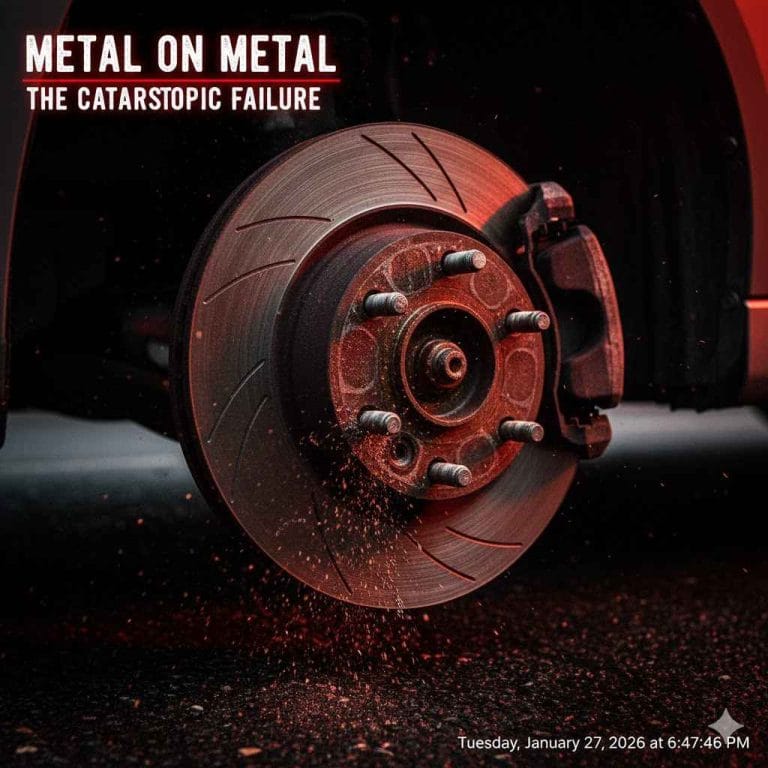
Brake pads also play a crucial role in maintaining control during emergency stops, especially in adverse weather conditions. Quality pads help minimize brake fade, a phenomenon where heat buildup reduces braking power. If pads are not replaced when needed, excessive wear can expose the metal backing plate, causing direct metal-on-metal contact with the rotor, resulting in expensive damage and hazardous driving conditions.
Typical Lifespan
Most brake pads last between 30,000 and 70,000 miles, but this can vary based on:
- Driving habits (city vs highway)
- Vehicle weight
- Pad material
- Climate and road conditions
For example, frequent stop-and-go city driving wears pads faster than steady highway cruising. Heavier vehicles, such as SUVs and trucks, place more strain on brake pads, shortening their lifespan. Environmental factors like mountainous terrain or salty winter roads can also accelerate wear.
Signs You Need New Brake Pads
Look out for:
- Squealing or grinding noises
- Longer stopping distances
- Vibration when braking
- Warning lights on the dashboard
Squealing is often caused by built-in wear indicators designed to alert you before pads are completely worn. Grinding noises usually signal that the pads are severely worn and metal is contacting the rotor. Vibrations can indicate uneven pad wear or warped rotors, and dashboard warning lights (often labeled “BRAKE” or a symbol) suggest sensor-triggered alerts on modern vehicles.
Ignoring these symptoms can result in costlier repairs, such as damaged rotors or calipers, and compromise your safety.
Credit: europarts360.com
Brake Pad Cost Breakdown: Parts, Labor, And Hidden Fees
Understanding the total cost of replacing brake pads involves more than just the price of the pads themselves. This section explores all components that make up the final bill.
Average Price Ranges
The cost for a brake pad replacement varies widely. Here’s a general breakdown:
| Vehicle Type | Pad Material | Parts (per axle) | Labor (per axle) | Total Cost (per axle) |
|---|---|---|---|---|
| Economy Car | Semi-metallic | $30–$70 | $70–$120 | $100–$190 |
| Mid-size Sedan | Ceramic | $50–$120 | $80–$140 | $130–$260 |
| Luxury/Performance | High-performance Ceramic | $100–$250 | $120–$200 | $220–$450 |
| Pickup/SUV | Semi-metallic | $60–$130 | $90–$160 | $150–$290 |
These ranges highlight how vehicle type and pad material significantly influence costs. Luxury and performance vehicles often demand higher-quality pads and more complex labor, leading to higher bills.
Parts: What You’re Paying For
- Brake pads (the primary expense)
- Hardware kits (clips, shims)
- Brake sensor wires (for modern vehicles)
- Brake rotors (if replacing at the same time)
Hardware kits are important for ensuring proper pad movement and preventing noise. Some vehicles use electronic sensor wires to monitor pad wear, which adds to parts cost. If rotors are below minimum thickness or warped, they may need replacement, further increasing expense.
Labor Charges
Labor costs are influenced by:
- Shop location (urban vs rural)
- Reputation and expertise
- Vehicle complexity
Average labor rates in the US range from $80 to $150 per hour ([Consumer Reports](https://www.consumerreports.org/cars-car-maintenance/what-you-need-to-know-about-brake-repair-a4601800247/)). Labor may include additional steps such as cleaning caliper slides, lubricating hardware, and checking brake fluid levels. On modern cars, electronic parking brakes or advanced braking systems may require specialized tools and procedures, driving labor costs higher.
Hidden And Additional Fees
- Shop supplies (rags, lubricants): $5–$20
- Disposal fees (old pads/rotors): $5–$10
- Taxes: Varies by location
Some shops charge for environmental disposal of old pads and rotors, or for mandatory shop supplies. These fees are often not quoted upfront, so request itemized estimates to avoid surprises.
Case Study: Brake Pad Replacement On A 2019 Honda Accord
A 2019 Honda Accord owner reports the following breakdown:
- Parts: $85 (Ceramic pads)
- Labor: $110 (per axle)
- Taxes and fees: $15
- Total: $210 per axle
This example matches national averages, showing how costs accumulate beyond just the pads. The owner opted for ceramic pads for quieter operation and longer lifespan, a typical choice for mid-size sedans.
Factors Influencing Brake Pad Pricing
Brake pad costs aren’t uniform. Multiple factors can raise or lower your bill dramatically.
Vehicle Make And Model
Luxury or performance vehicles often require specialized pads and have more complex brake systems, driving up costs.
- BMW, Mercedes-Benz, Audi: Often $300+ per axle
- Toyota, Ford, Honda: Typically $120–$220 per axle
Higher-end vehicles may use larger, multi-piston calipers or proprietary pad shapes, making generic replacements impossible. Sports cars may require performance pads with superior heat tolerance, while hybrids may have regenerative braking systems that require unique pads.
Pad Material
The material directly impacts both performance and price:
| Material | Typical Price (per axle) | Pros | Cons |
|---|---|---|---|
| Organic | $30–$80 | Quiet, low cost | Short lifespan, more dust |
| Semi-metallic | $40–$120 | Good performance, moderate cost | Noisier, more rotor wear |
| Ceramic | $80–$150 | Quiet, clean, long lifespan | Higher cost, less effective at extremes |
| Performance/Carbon | $120–$300+ | Best performance, heat resistance | Very expensive, may be noisy |
Ceramic pads, although pricier, excel in durability and produce less brake dust, which keeps wheels cleaner. Semi-metallic pads offer balanced performance but can be noisier and wear rotors more quickly. Organic pads are budget-friendly and suited to lighter vehicles, while carbon or composite pads are reserved for high-performance applications.
Brand And Quality
Top brands command higher prices due to quality control, warranty, and performance. Popular brands include Brembo, Akebono, Bosch, and Wagner.
Choosing a reputable brand can mean longer pad life, better braking feel, and fewer warranty issues. For example, Brembo is known for its premium performance pads, while Akebono specializes in ceramic pads with low noise and dust. Budget or unknown brands may offer lower prices but risk inconsistent performance or premature wear.
Shop Type: Dealer Vs Independent Mechanic Vs Chain
- Dealerships: Highest prices, OEM parts, warranty
- Independent shops: Moderate pricing, quality varies
- Chains (e.g., Midas, Firestone): Competitive prices, promotions
Dealerships often use manufacturer-approved parts and offer longer warranties, but at higher prices. Independent mechanics may use aftermarket parts, which can save money, while national chains often provide bundled services and seasonal discounts.
Regional Labor Costs
Labor rates differ greatly by region. For example:
- California, New York: Often $120–$180/hour
- Midwest, South: Commonly $80–$120/hour
Urban areas with higher living costs generally have higher shop labor rates. In rural regions, rates may be lower, but access to specialized parts or experienced technicians can be limited.
Real-world Example: Brake Pad Costs In Different States
A 2026 survey found average brake pad replacement costs (per axle):
- California: $275
- Texas: $180
- Florida: $200
- New York: $260
- Illinois: $185
These numbers show how local labor rates, taxes, and shop competition can influence pricing.
Additional Work Increases Cost
If your rotors, calipers, or sensors need replacing, costs increase significantly.
- Rotor resurfacing: $20–$40 per rotor
- New rotors: $40–$120 each
- Caliper replacement: $150–$400 each
Some shops recommend replacing rotors with every pad change, especially if rotors show scoring, warping, or have reached minimum thickness. Caliper replacement is more involved and necessary if calipers are sticking or leaking, adding substantial cost.

Credit: www.paautosales.com
Comparing Brake Pad Types: Cost, Performance, And Longevity
Choosing the right brake pad isn’t just about price—it’s about finding the best balance for your driving needs and budget.
Organic Brake Pads
- Cost: Lowest, $30–$80 per axle
- Best for: Light vehicles, city driving
- Pros: Quiet, gentle on rotors
- Cons: Fast wear, less effective under heavy load
Organic pads, made from fibers and resins, are ideal for older or smaller cars. They provide smooth braking with minimal noise but require more frequent replacement, especially under aggressive driving.
Semi-metallic Brake Pads
- Cost: Moderate, $40–$120 per axle
- Best for: Most standard cars and SUVs
- Pros: Good stopping power, affordable
- Cons: Louder, more rotor wear
Semi-metallic pads contain metal fibers for improved heat dissipation and stopping power. They are common in mid-range vehicles, offering a balance of cost and performance, but can be noisy and produce more brake dust.
Ceramic Brake Pads
- Cost: Higher, $80–$150 per axle
- Best for: Daily drivers, luxury cars
- Pros: Quiet, minimal dust, long lifespan
- Cons: More expensive, less effective in extreme cold
Ceramic pads use advanced materials for superior longevity and consistent performance. They excel in urban and highway driving, and are favored for their cleanliness and quietness, making them popular among luxury car owners.
Performance/carbon Brake Pads
- Cost: Highest, $120–$300+ per axle
- Best for: Sports cars, track use
- Pros: Superior heat resistance, performance
- Cons: Price, noise, potential for faster rotor wear
These pads are engineered for high-speed, high-temperature environments, such as racing or spirited driving. They are not recommended for daily commuting due to their cost and noise, but are indispensable for those prioritizing maximum braking performance.
Data Table: Brake Pad Comparison
| Type | Price Range | Average Lifespan (miles) | Noise Level | Best For |
|---|---|---|---|---|
| Organic | $30–$80 | 20,000–40,000 | Low | City driving |
| Semi-metallic | $40–$120 | 30,000–60,000 | Medium | Mixed driving |
| Ceramic | $80–$150 | 50,000–75,000 | Very Low | Highway/luxury |
| Performance/Carbon | $120–$300+ | 25,000–50,000 | High | Performance/track |
Real-world Example: Toyota Camry Brake Pad Choices
A Toyota Camry owner in Ohio faced three options:
- Organic pads: $45 (parts) + $100 (labor) = $145 per axle
- Ceramic pads: $95 (parts) + $100 (labor) = $195 per axle
- OEM Toyota pads: $125 (parts) + $110 (labor) = $235 per axle
The owner chose ceramic pads for longevity and quiet operation, balancing cost and benefit. The slightly higher upfront expense is offset by fewer replacements over time and a quieter, cleaner driving experience.
Diy Vs Professional Brake Pad Replacement: Cost And Considerations
Replacing your own brake pads can offer big savings, but it’s not for everyone. Let’s break down the pros, cons, and real costs.
Diy Brake Pad Replacement
- Parts only cost: $30–$150 per axle
- Tools required: Jack, lug wrench, C-clamp, socket set, and possibly a torque wrench
- Time investment: 1–2 hours (for experienced DIYers)
- Risks: Incorrect installation can cause safety issues, void warranties
DIY replacement is feasible for those with mechanical knowledge. Watching instructional videos or consulting repair manuals can help, but mistakes—such as incorrect pad placement, improper torque, or contaminated brake surfaces—can lead to reduced braking performance or even brake failure.
Step-by-step Diy Process
- Safely jack up the car and remove the wheel
- Remove caliper bolts and old pads
- Compress caliper piston
- Install new pads and hardware
- Reassemble and test
Always ensure you follow manufacturer specifications. Some vehicles require resetting electronic brake systems or bleeding brake fluid, adding complexity.
Professional Installation
- Total cost: $100–$350 per axle
- Benefits: Warranty, professional inspection, correct installation
- Drawbacks: Higher cost, scheduling required
Professional mechanics check for related issues, such as worn rotors or sticky calipers. They use specialized tools and follow safety procedures, ensuring reliable performance.
Case Study: Diy Savings
A Ford Focus owner purchased Wagner semi-metallic pads for $55 and performed the replacement at home. Total cost: $55 (vs. $170 quoted by a local shop). Savings: $115, but required mechanical knowledge and proper tools. The owner noted that DIY replacement also enabled inspection of other brake components and addressed minor issues, such as lubricating caliper slides.
When To Avoid Diy
- No prior brake experience
- Lack of necessary tools
- Modern vehicles with electronic parking brakes or sensors
- Uncertain about following safety procedures
If you own a vehicle with advanced braking technology, such as ABS or electronic parking brakes, professional installation is strongly recommended.
Professional Peace Of Mind
Shops typically offer a warranty (12–24 months) on both parts and labor, providing additional security and peace of mind. Professional service also includes safety checks, road tests, and proper disposal of old parts.
How To Save Money On Brake Pad Replacement
While brake pad replacement is an unavoidable expense, there are several strategies to reduce costs without compromising safety.
Compare Quotes From Multiple Shops
- Get itemized quotes from dealerships, independent shops, and chains
- Ask for part brands and warranty terms
- Use online tools like RepairPal or AAA’s auto repair estimator
Comparing quotes helps you understand differences in labor, part quality, and warranties. Some shops may charge less for labor but compensate with higher parts markup.
Choose The Right Brake Pad For Your Needs
- Don’t overpay for performance pads if you do regular commuting
- Consider ceramic pads for quiet operation and longevity
- OEM pads are often more expensive but guaranteed to fit
Assess your driving habits and vehicle requirements. For most, mid-range ceramic or semi-metallic pads suffice. Reserve high-performance pads for sports cars or heavy towing.
Take Advantage Of Promotions And Coupons
- Many chains offer seasonal brake specials (e.g., $50 off per axle)
- Look for manufacturer rebates on brands like Bosch or Brembo
Promotional offers can be found online or in local ads. Ask shops if they honor competitor coupons or offer bundled maintenance packages.
Consider Aftermarket Parts
Aftermarket pads from reputable brands can offer:
- Similar quality to OEM at lower prices
- Wider selection for different driving styles
Use caution: Stick with trusted brands to avoid low-quality or counterfeit parts ([NHTSA](https://www.nhtsa.gov/equipment/brakes)). Avoid unknown brands or deeply discounted online listings with poor reviews.
Bundle Services
Combine brake pad replacement with other maintenance (oil change, tire rotation) for possible discounts. Some shops offer package deals that reduce overall labor costs.
Diy—if You’re Capable
If you have the skills and tools, replacing pads yourself can cut the bill in half—but prioritize safety above savings. Always follow manufacturer recommendations and consult repair guides or videos.
Real-world Examples And Case Studies
Concrete examples help illustrate how costs vary in real scenarios.
Case Study 1: Luxury Sedan (2018 Bmw 3 Series)
Service at dealership:
- Front ceramic pads and sensors: $220 (parts)
- Labor: $180
- Total: $400 per axle
Service at independent shop:
- OEM-equivalent pads: $140 (parts)
- Labor: $120
- Total: $260 per axle
Dealer service is more expensive due to OEM parts and brand expertise, but independent shops offer substantial savings with reputable aftermarket pads.
Case Study 2: Pickup Truck (2020 Ford F-150)
At a national chain:
- Semi-metallic pads: $110 (parts)
- Labor: $120
- Total: $230 per axle
DIY:
- Parts from local auto store: $65
- Labor: $0
- Total: $65 per axle
Pickup owners often benefit from DIY due to straightforward brake systems and widespread parts availability.
Case Study 3: Hybrid Vehicle (2026 Toyota Prius)
- Ceramic pads with wear sensor: $95 (parts)
- Labor at Toyota dealer: $140
- Total: $235 per axle
Note: Hybrids may experience less brake wear due to regenerative braking, extending pad life ([Wikipedia: Regenerative Brake](https://en.wikipedia.org/wiki/Regenerative_brake)). Prius owners report fewer brake replacements over the vehicle’s lifespan compared to conventional cars.
Example 4: City Commuter (2015 Honda Civic)
- Aftermarket organic pads at local shop: $40 (parts)
- Labor: $80
- Total: $120 per axle
This example shows how budget pads can be viable for low-mileage, city-driven vehicles.
Key Takeaways From Case Studies
- Luxury vehicles cost more due to complex systems and expensive parts.
- DIY can yield major savings, but expertise is essential.
- National chains often offer competitive labor rates and promotions.
How To Ensure Quality And Value When Replacing Brake Pads
Cost is important, but so is getting reliable, safe, and long-lasting brake performance. Here’s how to maximize both.
Ask For Specifications
- Confirm pad material, brand, and warranty
- Request to see the old pads after replacement
Asking about pad specifications ensures you receive the quality you pay for. Inspecting old pads helps verify honest service and diagnose abnormal wear.
Check Certifications
Look for pads that meet or exceed OEM standards, or carry certifications like ECE R90 ([UNECE R90 Regulation](https://www.unece.org/trans/main/wp29/wp29regs/r090e.pdf)). Certified pads have undergone rigorous testing for performance, safety, and durability.
Read Reviews And Ratings
Consult online reviews, forums, and consumer sites for mechanic and part quality. Trusted sources include AAA, Consumer Reports, and automotive forums.
Insist On A Written Estimate
Legitimate shops provide a written, itemized estimate. Don’t hesitate to question high labor rates or part markups. An estimate protects you from unexpected charges and provides leverage if disputes arise.
Regular Inspection And Maintenance
Have your brakes checked at every oil change, and replace pads before they’re fully worn to avoid rotor damage. Proactive maintenance prevents costly repairs and ensures consistent braking performance.
Understand The Warranty
- Parts warranty: Ranges from 12 months to lifetime (for some brands)
- Labor warranty: Usually 12–24 months
Lifetime warranties may cover replacement pads but not labor. Verify terms before purchase.
Trusted Brands To Consider
- Brembo: High-performance, premium price ([Brembo Official](https://www.brembo.com/en))
- Akebono: Known for ceramic pads
- Bosch: Reliable and widely available
- Wagner: Good value, OEM for many brands
Choosing recognized brands reduces risk of premature wear, noise, or poor braking performance.
Frequently Asked Questions
How Much Does It Cost To Replace All Four Brake Pads?
Replacing all four brake pads typically costs $200 to $700, depending on your vehicle type, pad material, and labor rates. For most cars, expect $100–$350 per axle, with higher costs for luxury or performance models. If rotors need replacement, expect total costs to increase by $80–$240 per axle.
How Often Should I Replace My Brake Pads?
Most drivers need to replace brake pads every 30,000 to 70,000 miles. However, driving habits, pad material, and conditions can shorten or extend this interval. Check your owner’s manual for guidance and have your brakes inspected regularly. City drivers or those who tow heavy loads may need more frequent replacements.
Can I Just Replace Brake Pads Without Replacing Rotors?
Yes, if your rotors are in good condition (not warped or below thickness specs), you can replace just the pads. However, many shops recommend resurfacing or replacing rotors at the same time for optimal performance and to prevent uneven wear. If rotors show deep scoring or vibration, replacement is advised.
Are More Expensive Brake Pads Worth It?
Premium brake pads (ceramic, performance, or OEM) often last longer, perform better, and produce less noise and dust. For most daily drivers, mid-range ceramic or semi-metallic pads offer the best balance of cost and benefit. Higher-priced pads are worth it for luxury, performance, or heavy-use vehicles. Factor in pad lifespan and warranty when assessing value.
Is It Safe To Install Brake Pads Myself?
If you have mechanical experience, the right tools, and follow proper procedures, DIY brake pad replacement can be safe and cost-effective. However, incorrect installation can compromise your safety. If in doubt, use a professional mechanic. Always consult your vehicle’s repair manual and verify proper torque specifications.
Final Thoughts
Brake pad replacement is a vital maintenance task that directly affects your vehicle’s safety and performance. Understanding what influences the cost—from pad material and brand to labor rates and vehicle type—empowers you to make smart, budget-conscious decisions. By comparing options, choosing quality parts, and staying proactive with maintenance, you can ensure reliable braking at the best possible price. Always prioritize safety, ask questions, and don’t hesitate to seek expert advice when needed. For further information on brake safety and maintenance, consult trusted resources like [NHTSA](https://www.nhtsa.gov/equipment/brakes) and your vehicle manufacturer’s guidelines. Regular brake inspections and informed choices will help you avoid unexpected expenses and keep your car operating safely for years to come.
Products related to this article
Sponsored / affiliate links. As an Amazon Associate I earn from qualifying purchases. I may earn additional commission from eligible campaigns.