Can a Brake Booster Cause Your Car to Stall? Find Out Now
When you press your brake pedal, you expect your car to slow down smoothly. But what happens if your car stalls instead? For many drivers, this is a worrying experience. Is it possible that your brake booster is causing the problem? You might not think of the brake booster as a part that could stall your engine, but it’s more connected than you realize. In this article, you’ll learn exactly how the brake booster works, why it can cause stalling, and what you should do if this happens to your vehicle. We’ll cover symptoms, diagnostics, practical advice, and expert insights—using simple, clear language so you understand every step.
Understanding The Brake Booster: What Does It Do?
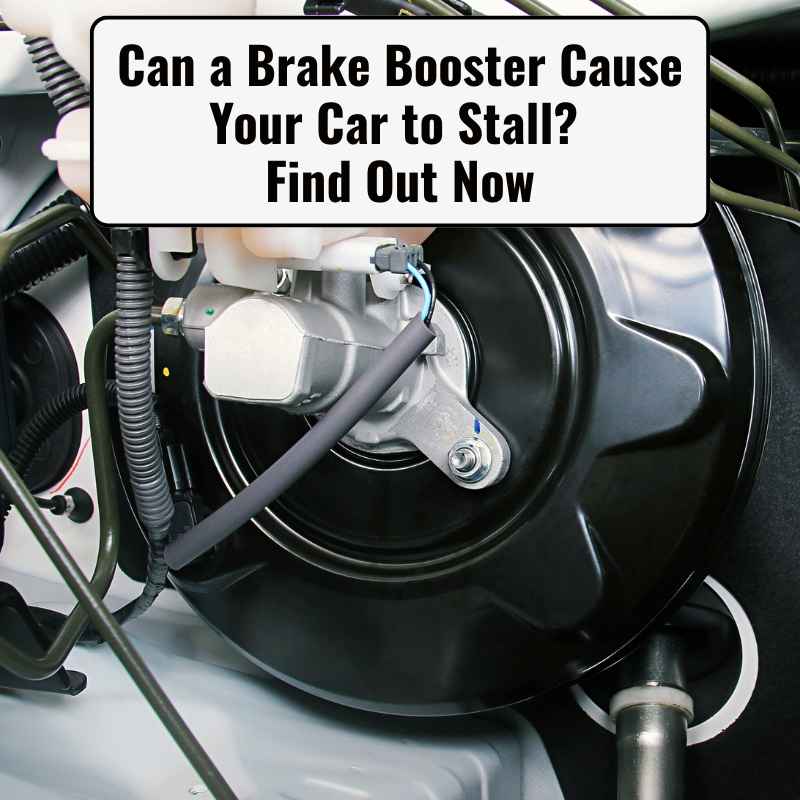
The brake booster is a device that helps you press the brakes easily. Without it, your brake pedal would be very hard to push. Most modern cars use a vacuum brake booster, which relies on engine vacuum to multiply your foot’s force. This means when you press the pedal, the booster uses vacuum from the engine to make braking simple and light.

A-Premium
A-Premium Universal Vacuum Power Brake Booster
- [Vehicle Fitment]: Compatible with most Street Rods, Hot Rods, Muscle Cars, Trucks and Vans --- It comes without Master Cylinder
- [Specification]: ①Mounting Pattern: 3-3/8 Square --- It is a 3-3/8 master cylinder bolt pattern; ②Brake Booster Diaphragm Style: D…
- [Reference Number]: PB7537. Please use the compatibility system to verify that the part is right for your car before purchasing!
As an Amazon Associate I earn from qualifying purchases.
How The Brake Booster Works
The brake booster sits between the brake pedal and the master cylinder. When you press the brake pedal, a rod moves inside the booster. The booster uses vacuum from the engine to assist this movement, making it easier to apply the brakes.
Here’s a simple overview:
- You press the brake pedal.
- The booster uses engine vacuum to help push the rod.
- The rod applies force to the master cylinder.
- The master cylinder sends brake fluid to the wheels.
This process makes braking smooth and responsive. Without a booster, you would need much more force to stop the car.
Types Of Brake Boosters
Most vehicles use one of these main types:
- Vacuum brake booster (most common): Uses engine vacuum.
- Hydraulic brake booster: Uses hydraulic pressure, found in some trucks and older cars.
- Electric brake booster: Uses an electric motor, found in newer hybrid or electric vehicles.
For this article, we focus mainly on vacuum brake boosters, since these are most likely to cause engine stalling.
Why A Brake Booster Can Cause Your Car To Stall
You might wonder, “How can a brake part affect my engine?” The answer is hidden in how the booster uses engine vacuum. Let’s break it down:
Engine Vacuum Connection
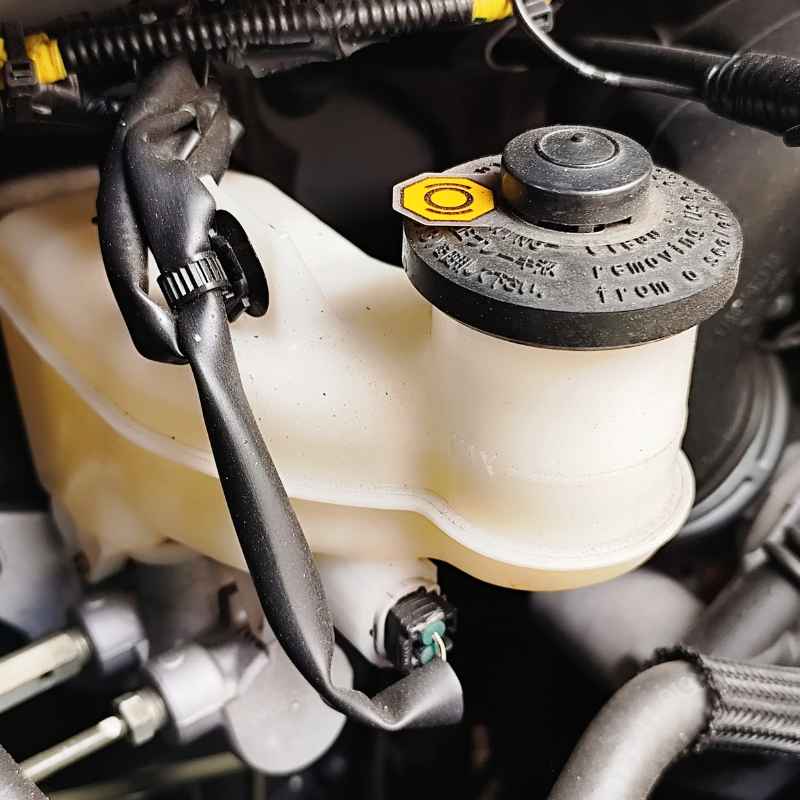
The vacuum brake booster connects to the engine through a vacuum hose. When you press the brakes, the booster draws vacuum from the engine to help you. If there’s a problem with the booster or its hose, it can let extra air into the engine. This is called a vacuum leak.
What Is A Vacuum Leak?
A vacuum leak means air enters the engine from places it shouldn’t. The engine expects a certain amount of air and fuel. If too much air enters because of a leak, the mixture becomes “lean. ” This can make the engine run rough or even stall.
How Brake Booster Vacuum Leaks Cause Stalling
If your brake booster or its vacuum hose develops a leak, it can allow air to rush into the engine when you press the brakes. This sudden extra air confuses the engine, causing it to stall or idle poorly. Sometimes, the car stalls only when you press the brakes. Other times, it stalls randomly.
Here’s a simple comparison:
| Normal Brake Booster | Leaking Brake Booster |
|---|---|
| Uses vacuum properly | Lets extra air into engine |
| Brakes feel normal | Brakes may feel hard or spongy |
| Engine runs smoothly | Engine stalls or idles rough |
Real-life Example
A driver notices their car stalls when stopping at traffic lights. The brakes feel harder to press, and the engine starts shaking. A mechanic finds a cracked vacuum hose connected to the brake booster. Replacing the hose fixes the stalling problem.
Signs Your Brake Booster Is Causing Engine Stalling
If your car stalls, especially when braking, it could point to a brake booster issue. Here are clear symptoms to watch for:
- Engine stalls when braking: The car shuts off or nearly shuts off as you press the pedal.
- Brakes feel harder than usual: You need more force to stop.
- Hissing sound near brake pedal: This is the sound of air escaping from a vacuum leak.
- Engine idles rough: The engine shakes or RPM drops when you’re stopped.
- Check engine light comes on: The car’s computer detects a problem and turns on a warning.
Not every stall is caused by the brake booster. But if these symptoms appear together, it’s likely connected.
Less Obvious Signs
Some symptoms are easy to miss:
- Brakes feel normal until you press hard, then engine stalls.
- Car only stalls in cold weather (vacuum leaks can worsen in cold).
- You smell fuel near the firewall—sometimes leaks change the fuel mixture.
Data: How Common Is This Problem?
Studies show vacuum leaks cause about 30% of engine stalling cases in cars over five years old. Among these, brake booster leaks are one of the top three sources. This means it’s not rare—especially in older vehicles or those with worn hoses.
Diagnosing Brake Booster Problems That Cause Stalling
If you suspect your brake booster is making your car stall, you need a clear diagnosis. Mechanics use several steps, but you can check some things yourself.
Visual Inspection
Start by looking at the vacuum hose going from the engine to the brake booster. Check for:
- Cracks or splits in the hose
- Loose connections
- Signs of wear or oil stains
If the hose looks damaged, it could be leaking air.
Listening For Hissing
With the engine running, listen near the brake pedal. A hissing sound means air is escaping. This is a strong sign of a vacuum leak.
Brake Pedal Feel
Press the brake pedal:
- If it feels hard and doesn’t move much, the booster isn’t working.
- If it feels spongy or sinks, there might be a leak inside the booster.
Engine Idle Test
Let the engine idle, then press the brake pedal several times. If the engine stalls or RPM drops sharply, the booster may be leaking.
Professional Diagnosis
Mechanics use smoke machines to test for leaks. They also check the vacuum level with gauges. If they find a leak at the booster or hose, they recommend replacement.
Comparison: Brake Booster Vs. Other Causes Of Stalling
To clarify, here’s a table showing common stalling causes:
| Stalling Cause | Typical Symptoms | Brake Booster Related? |
|---|---|---|
| Brake Booster Leak | Stalls when braking, hard pedal, hissing sound | Yes |
| Dirty Idle Air Control Valve | Stalls at idle, no change with brakes | No |
| Faulty Mass Airflow Sensor | Stalls randomly, poor acceleration | No |
| Fuel Pump Failure | Stalls under load, hard to start | No |
Fixing Brake Booster Problems That Cause Stalling
Once you know the brake booster is causing your car to stall, what should you do? Here’s a step-by-step guide.
Step 1: Replace The Vacuum Hose
If the hose is cracked or leaking, replace it with a new one. Most auto parts stores sell vacuum hoses for under $20. Make sure the new hose fits tightly.
Step 2: Test The Booster For Internal Leaks
If the hose is fine, the booster itself may be leaking. Mechanics often use a smoke machine or spray soapy water on connections to see bubbles.
Step 3: Replace The Brake Booster
If the booster is leaking air inside, it needs replacement. This is a bigger job, as the booster is attached to the firewall and brake pedal.
- Typical replacement cost: $200–$500 (parts and labor)
- Takes 1–2 hours for a mechanic
Step 4: Check The Check Valve
The check valve is a small part inside the vacuum hose. It stops air from flowing backward into the engine. If this valve fails, it can cause a vacuum leak. Replacing it is simple and costs $10–$30.
Step 5: Reset Engine Codes
After fixing leaks, clear any check engine codes using an OBD-II scanner. This helps the car’s computer relearn normal operation.
Practical Tips
- Always use quality hoses and boosters—cheap parts can fail early.
- Avoid driving with a hard brake pedal. The car may take longer to stop, which is dangerous.
- If your car stalls at high speed, shift to neutral and steer safely to the side.
- If you’re unsure, let a trusted mechanic check the system.
Common Mistakes To Avoid
- Ignoring a hissing sound near the brakes
- Replacing only the hose, when the booster is also leaking
- Using the wrong size hose or poor-quality parts
- Not checking the check valve
- Forgetting to clear engine codes
How Brake Booster Problems Affect Other Car Systems
It’s easy to focus only on the brakes, but vacuum leaks can cause wider issues.
Engine Performance
A vacuum leak from the brake booster can make your engine run lean. This causes:
- Poor acceleration
- Engine shaking
- Reduced fuel efficiency
Emissions
Leaking boosters can cause higher emissions. The engine burns more fuel, and the check engine light may signal problems with the emissions system.
Safety Concerns
A hard brake pedal means stopping takes longer. If your car stalls in traffic, you could lose power steering and power brakes, making it harder to control.
Other Systems
Some cars use engine vacuum for heater controls or cruise control. A booster leak can affect these systems, making them work poorly.
Brake Booster Maintenance: Prevention Is Better Than Cure
Most brake booster problems can be prevented with simple maintenance:
- Inspect hoses every 6 months for cracks or wear.
- Listen for hissing sounds during regular driving.
- If your car is older than 5 years, check the booster during brake service.
- Replace hoses with quality rubber—not cheap plastic.
- If you notice any change in brake pedal feel, get it checked quickly.
Non-obvious Prevention Tips
- Park indoors or use a cover. Sunlight ages hoses faster.
- If you wash your engine, avoid spraying water near the booster and hoses.
- For cars in cold climates, check hoses more often. Cold makes rubber brittle.
When To Call A Mechanic Vs. Diy
Many drivers want to fix issues themselves. But brake booster problems can be tricky.
When You Can Diy
- Replacing a vacuum hose is simple for most people.
- Changing a check valve is a quick job.
When To Call A Mechanic
- If the booster itself is leaking
- If the brake pedal is hard and stopping is difficult
- If you’re not sure where the leak is
Brake boosters are connected to the brake system. Mistakes can make your car unsafe. If in doubt, trust a professional.
Is It Safe To Drive With A Faulty Brake Booster?
Driving with a leaking brake booster is risky. Here’s why:
- Your brakes may become hard to press.
- Engine may stall in traffic, losing power steering and brakes.
- Stopping distance increases, raising accident risk.
Real Data
According to the National Highway Traffic Safety Administration, brake-related issues cause over 30,000 accidents yearly in the US. Many involve loss of braking power due to booster leaks.
If you must drive, go slowly and avoid busy roads. Fix the issue as soon as possible.
How Long Does A Brake Booster Last?
Most boosters last 8–10 years or 100,000–150,000 miles. Hoses may fail sooner, especially in harsh climates.
Factors That Reduce Booster Life
- Extreme heat or cold
- Frequent short trips (engine vacuum changes rapidly)
- Poor-quality parts
- Water exposure
Signs It’s Time To Replace
- Brake pedal feels hard or spongy
- Engine stalls when braking
- Hissing sound under the dashboard
The Cost Of Brake Booster Repairs
Many drivers worry about repair costs. Here’s a breakdown:
Parts
- Vacuum hose: $10–$25
- Check valve: $10–$30
- Brake booster: $100–$300 (depending on car)
Labor
- Hose/valve replacement: $50–$100
- Booster replacement: $150–$250
Total Typical Cost
- Hose/valve: $60–$130
- Booster: $250–$550
Some luxury cars cost more. Always ask for a quote before repair.
Comparison: Brake Booster Vs. Other Brake Repairs
| Repair Type | Parts Cost | Labor Cost | Total Cost |
|---|---|---|---|
| Brake Booster Replacement | $100–$300 | $150–$250 | $250–$550 |
| Brake Pads | $30–$80 | $70–$120 | $100–$200 |
| Brake Caliper | $60–$150 | $100–$200 | $160–$350 |
| Brake Hose | $10–$25 | $50–$100 | $60–$125 |
What Happens If You Ignore Brake Booster Problems?
Some drivers ignore brake issues, hoping they’ll go away. But brake booster leaks only get worse.
Short-term Effects
- Engine stalls more often
- Brakes get harder to press
- Car becomes unsafe
Long-term Effects
- Booster damage spreads to other parts (master cylinder, ABS)
- Engine problems worsen from vacuum leaks
- Higher repair costs
Ignoring the issue could lead to a complete brake failure or engine damage.
Expert Insights: What Most Drivers Miss
Many drivers think stalling is always an engine problem. They rarely check brake boosters. Here are two insights beginners often miss:
- Brake booster leaks can mimic engine trouble. Stalling, rough idle, and check engine lights often seem unrelated to brakes. But the vacuum system links them together.
- Hissing sounds are not normal. Even a faint hiss near the brake pedal signals a vacuum leak. Most people ignore this, leading to bigger problems.
Mechanics recommend checking the brake booster system whenever engine stalling is a mystery.
Frequently Asked Questions
What Is The Main Reason A Brake Booster Causes Stalling?
A brake booster can cause stalling when it develops a vacuum leak. This lets extra air into the engine, making the fuel mixture too lean. The engine struggles to run, especially when you press the brakes.
How Do I Know If My Brake Booster Is Leaking?
Common signs include a hard brake pedal, engine stalling when braking, and a hissing sound under the dashboard. Visual inspection of the vacuum hose may show cracks or splits.
Can I Drive With A Faulty Brake Booster?
It’s possible but not safe. Braking will be harder, and the engine may stall unexpectedly. You risk losing control, especially in emergencies. Get the booster fixed as soon as possible.
Are Brake Booster Repairs Expensive?
It depends. Replacing a vacuum hose or check valve is cheap ($60–$130). Replacing the booster costs more ($250–$550). Cost varies by car type and labor rates.
Do Brake Booster Problems Affect Other Parts Of The Car?
Yes. A leaking booster can cause engine performance issues, higher emissions, and affect other vacuum systems like heater controls. It may also damage the master cylinder if left unfixed.
If you need more technical information, you can visit Wikipedia for a detailed explanation.
Your car’s brake booster plays a bigger role in engine health than most people realize. If your car stalls or the brakes feel different, don’t ignore the signs. Checking and fixing the booster could keep you safer and avoid bigger repair bills.
Always act quickly—your safety depends on it. See also how to improve brakes on your car for better stopping power.
Related pick: Check today's price on Amazon See also how to brake better in a car for smoother.
Products related to this article
Sponsored / affiliate links. As an Amazon Associate I earn from qualifying purchases. I may earn additional commission from eligible campaigns.