Why Is My Car Brake Grinding? Causes And Quick Fixes
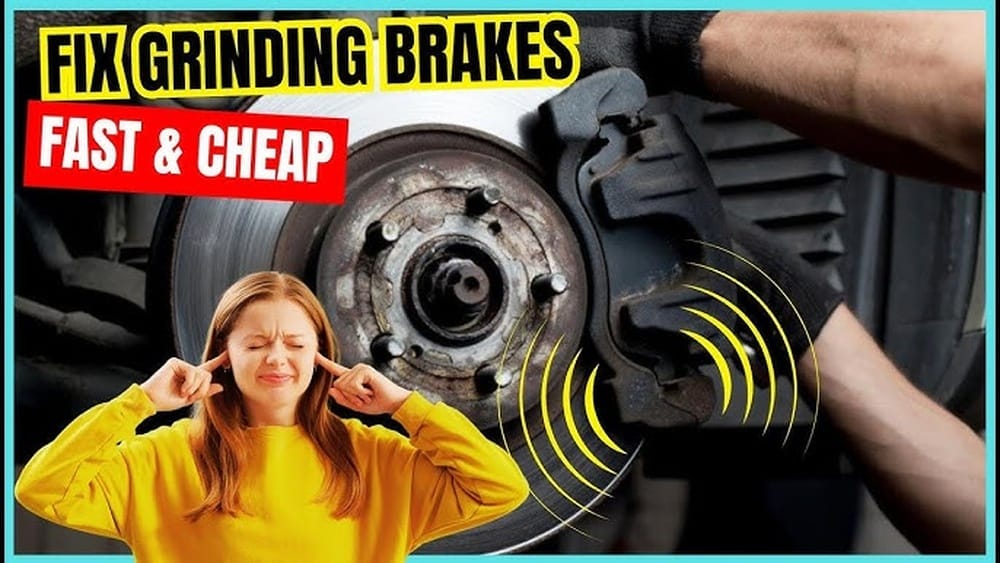
Every driver knows the distinctive, unsettling sound of brake grinding—a metallic shriek or growl that signals something is wrong beneath your car. It’s not just an annoyance; it can be a red flag for serious safety risks, mounting repair costs, and a looming breakdown. Whether it happens when you’re slowing to a stop or just pulling out of your driveway, ignoring grinding brakes is a recipe for disaster. But what exactly causes this alarming noise, and how can you fix it quickly and safely?
This comprehensive guide will unravel the mystery behind grinding brakes, explaining the most common causes, immediate steps you should take, and practical solutions you can implement—sometimes even before seeing a mechanic. We’ll blend expert advice, real-world examples, and data-driven insights to help you make informed decisions and keep your vehicle running safely.
If you’re wondering, “Why is my car brake grinding? ”—you’re about to get all the answers you need.
Key Takeaways
- Brake grinding often signals serious wear, damage, or malfunction that needs immediate attention.
- The most common causes include worn brake pads, debris, caliper issues, and rotor damage.
- Ignoring grinding can lead to costly repairs and safety hazards.
- Quick fixes range from cleaning debris to urgent pad or rotor replacement, depending on the cause.
- Regular inspection and maintenance are vital to preventing brake grinding in the future.
Understanding Brake Grinding: What’s Really Happening?
The sound of grinding brakes is more than just a nuisance—it’s a mechanical alarm bell. To address the issue, it’s crucial to understand what happens inside the braking system when you hear that distinctive noise.
How Brake Systems Work
Your car’s braking system uses friction to slow or stop the vehicle. When you press the brake pedal, hydraulic fluid presses the brake pads against the rotors (or drums in some models), converting kinetic energy into heat and slowing your car. Over time, friction material on the pads wears away, and the system’s components can degrade.
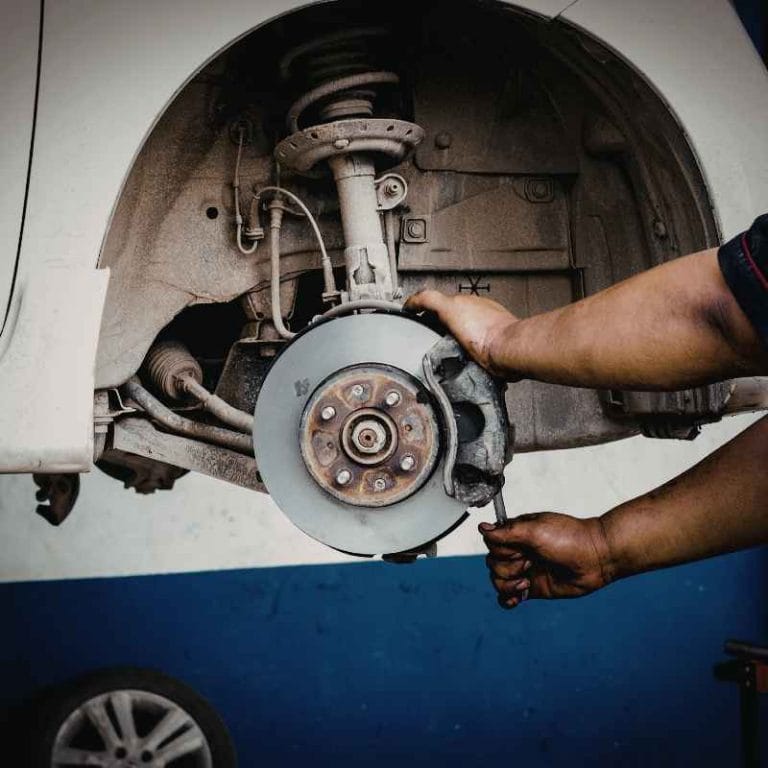
The modern disc brake system comprises several interconnected parts: the master cylinder, brake lines, calipers, pads, and rotors. As the brake pedal is depressed, a piston in the master cylinder forces hydraulic fluid through the lines, pushing the caliper pistons out and squeezing the brake pads onto the spinning rotor. This friction causes the vehicle to slow. In drum brake systems, shoes press outwards against the drum’s interior surface to generate stopping power.
As vehicles have evolved, so have brake materials and technology. Modern pads are often made of semi-metallic or ceramic compounds that offer improved performance and longevity compared to older organic materials. However, even with advances in engineering, no brake system is immune to the physical realities of friction and heat—components will eventually wear, warp, or fail.
Types Of Brake Grinding Noises
Not all grinding noises are the same. Here are the most common types:
- High-pitched squeal: Often a warning indicator embedded in the pad. This is designed to alert drivers before the pad material is completely worn out.
- Low, metallic growl: Typically means the pad is completely worn, and metal is contacting metal. This is a severe condition requiring immediate action.
- Intermittent scraping: May indicate debris caught between the pad and rotor. Sometimes, this noise occurs only at certain speeds or when turning, making diagnosis trickier.
Differentiating these sounds can help you determine whether the issue is urgent or can be addressed with routine maintenance. For example, a squeal that disappears after a few stops may indicate surface rust, while persistent grinding demands swift attention.
When Does Grinding Occur?
- While braking: Usually signals worn pads or rotor issues. The braking system is under load, and any deficiencies in pad material or rotor surface become obvious.
- While driving (not braking): Often caused by debris or a stuck caliper. This can also indicate a severely damaged brake pad that has separated from its backing, or hardware that has come loose.
- After rain or washing: Temporary, due to surface rust or water. This rust generally wears off after a few stops, but if the noise persists, it could mean underlying problems.
Why Immediate Action Matters
Ignoring brake grinding can quickly escalate from a minor repair to a major safety hazard. According to the National Highway Traffic Safety Administration, brake-related issues contribute to over 22% of vehicle accidents involving mechanical failure (NHTSA). Addressing the sound promptly can prevent both accidents and expensive repairs.
Beyond accident statistics, brake grinding often means that vital braking components are at or beyond their service limits. Continuing to drive in this condition can cause catastrophic brake failure. For instance, metal-on-metal contact not only destroys the rotor but can also damage the caliper and even the wheel hub, compounding repair costs exponentially.
In extreme cases, the brakes can overheat and fail completely, leaving you unable to stop in an emergency.

Credit: simonsautorepairtaunton.com
Common Causes Of Brake Grinding
Pinpointing the root cause of brake grinding is crucial for effective repair. Here are the most frequent culprits:
Worn Brake Pads
Brake pads are designed to wear down over time. When the friction material is gone, the metal backing plate contacts the rotor, producing a grinding sound.
- Signs: Reduced braking power, longer stopping distances, and sometimes a pulsating pedal.
- Statistics: On average, brake pads last 30,000–70,000 miles depending on driving conditions (Consumer Reports).
Frequent stop-and-go driving, heavy towing, or hilly terrain can shorten brake pad life considerably. In contrast, mostly highway driving with minimal braking can extend pad life. Ignoring worn pads not only risks rotor damage but can also compromise your ability to stop quickly in an emergency.
Debris Or Foreign Objects
Rocks, gravel, or road debris can become lodged between the pad and rotor, causing intermittent or constant grinding.
- Example: A commuter in Denver reported grinding after driving on a newly gravelled road; a small stone was found lodged in the caliper.
Even a tiny pebble can cause significant noise and, over time, score the rotor surface. If caught early, removing the debris may prevent permanent damage. However, if the object is left in place, it can create grooves in the rotor, requiring resurfacing or replacement.
Worn Rotors Or Drums
Rotors and drums can become grooved, warped, or uneven after prolonged use. This leads to poor pad contact and grinding.
- Symptoms: Vibration, pulsation in the brake pedal, and sometimes a rhythmic scraping noise.
- Stat: Rotor replacement is needed every 50,000–70,000 miles for most vehicles.
Rotors that become too thin or warped can reduce braking efficiency and increase stopping distances. Warped rotors often result from excessive heat buildup due to heavy braking or towing. If the rotor thickness falls below the minimum specification set by the manufacturer, replacement is the only safe option.
Caliper Or Hardware Failure
A stuck caliper or broken hardware can cause the brake pad to drag against the rotor at all times, leading to overheating and grinding.
- Example: In a 2016 Honda Accord, a seized caliper resulted in constant grinding and premature pad wear.
Caliper pins or slides can seize due to lack of lubrication or corrosion, causing uneven pad wear and persistent noise. In some cases, hardware clips or anti-rattle shims can break or become misaligned, creating additional sources of grinding or squealing.
Lack Of Lubrication
Brake components require proper lubrication at contact points. Without it, metal parts can grind together.
This is especially common after brake jobs where the technician fails to apply brake grease to the caliper pins, pad backing plates, or hardware. Over time, lack of lubrication can lead to binding, uneven wear, and persistent noise.
Poor-quality Or Incorrect Brake Parts
Using aftermarket parts that don’t match OEM specifications can cause improper fit, leading to noise and grinding.
- Industry Note: According to AAA, low-quality brake pads are a leading cause of early brake noise and failure.
Some aftermarket pads use harder compounds or inferior materials, which can produce excessive noise and wear rotors more quickly. Always opt for reputable brands and ensure the parts are correct for your vehicle’s make and model.
Comparison Table: Common Causes And Their Impact
| Cause | Noise Type | Immediate Risk | Fix Urgency |
|---|---|---|---|
| Worn Pads | Metallic grinding | High (loss of braking) | Immediate |
| Debris | Intermittent scraping | Medium (damage to rotor) | Soon |
| Worn Rotors | Growling/vibration | High (brake failure) | Immediate |
| Caliper Failure | Constant grind | High (overheating, fire risk) | Immediate |
| Poor Lubrication | Squeak/grind | Low (accelerated wear) | Soon |

Credit: comtires.com
Diagnosing Brake Grinding: Step-by-step Guide
Before you can fix the problem, you need to accurately diagnose what’s causing the grinding noise. Here’s a structured approach for both DIYers and those preparing to visit a professional.
Step 1: Listen And Observe
- When does the noise occur? (Braking, driving, turning?)
- Is it constant or intermittent?
- Does it worsen over time?
- Does the noise change with speed? If the pitch or frequency of the grinding changes as you speed up or slow down, it can help pinpoint the offending component.
- Is there a burning smell? This can indicate overheated brakes due to a stuck caliper.
Pay attention to new sounds, especially after recent service or driving through adverse conditions. Even subtle changes can signal that something isn’t right.
Step 2: Visual Inspection
With the vehicle safely parked and the wheels removed (if you have the tools and skills):
- Inspect brake pads: Look for thin or uneven pad material. If the pad is less than 1/8-inch thick, it’s time for replacement.
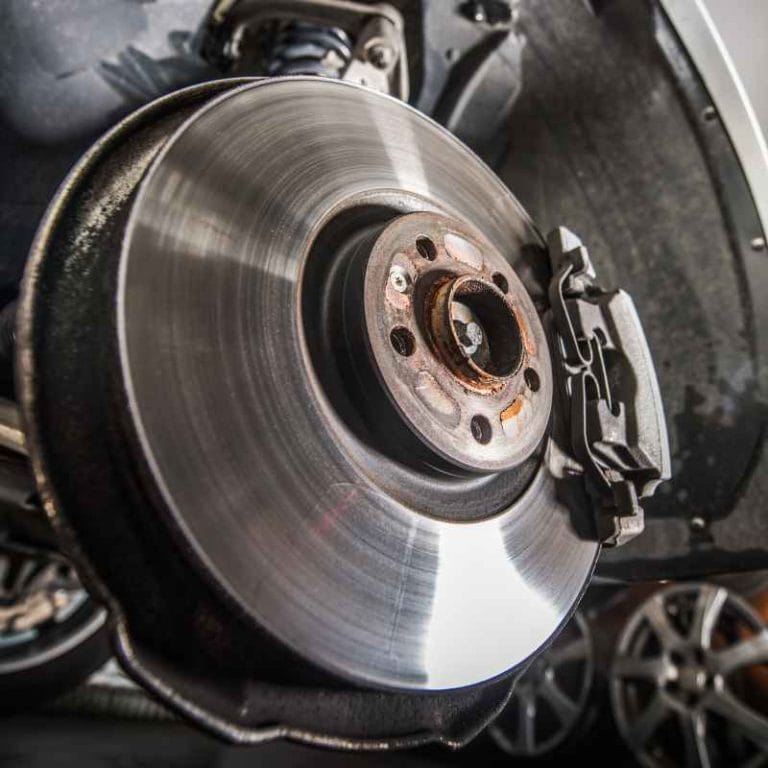
- Check rotors: Look for grooves, scoring, discoloration (blue or purple spots), or cracks. Deep grooves indicate metal-to-metal contact.
- Examine for debris: Small stones or foreign objects may be visible.
- Check hardware: Inspect springs, clips, and anti-rattle shims for damage or displacement.
- Look for leaks: Check for brake fluid leakage around calipers or wheel cylinders, which can indicate hydraulic failure.
If you’re unsure what you’re seeing, take clear photos and consult your vehicle’s service manual or an online forum for your specific make and model.
Step 3: Test Drive
- Short, controlled drive: Listen for grinding during different maneuvers—light braking, hard stops, turns.
- Note any vibrations: These can indicate rotor or drum issues.
- Test at different speeds: Some noises only occur at certain speeds, especially if debris is involved or a rotor is warped.
- Check for pulling: If the car veers to one side under braking, it may indicate uneven pad wear or a stuck caliper.
A test drive is best done in a safe, low-traffic environment. Always be ready to abort the test if braking performance feels compromised.
Step 4: Assess Brake Performance
- Longer stopping distances?
- Soft or sinking brake pedal?
- Pulling to one side during braking?
- Brake warning light illuminated?
- Unusual pedal feedback: Pulsation, vibration, or a “gritty” feel can all be signs of underlying issues.
Keep a log of your observations—this information can help a mechanic quickly zero in on the problem if you decide to seek professional help.
Step 5: Consult A Professional (when Needed)
Some issues, especially those involving hydraulic systems or ABS electronics, require specialized tools. If you’re unsure or find severe damage, consult a certified mechanic.
- Advanced diagnostics: Shops have access to diagnostic tools that can check ABS codes, perform hydraulic pressure tests, and measure rotor thickness with precision.
- Safety first: If you lack confidence or don’t have the proper tools, it’s always safer to let a pro handle brake repairs.
Diy Vs. Professional Diagnosis: Comparison
| Aspect | DIY Inspection | Professional Inspection |
|---|---|---|
| Cost | Low (free to $50 in tools) | $50–$150 (labor/diagnostics) |
| Accuracy | Moderate (may miss hidden issues) | High (comprehensive check) |
| Time | 1–2 hours (DIY) | 1–2 hours (shop) |
| Skill Needed | Basic mechanical skills | Professional certification |

Credit: macfoxbike.com
Quick Fixes For Grinding Brakes
Once you’ve identified the root cause, you can take steps to resolve the issue. Some fixes are straightforward, while others demand immediate professional attention.
Removing Debris
If a stone or foreign object is lodged in the brake assembly:
- Safely lift the vehicle and remove the wheel.
- Inspect the caliper and rotor for visible debris.
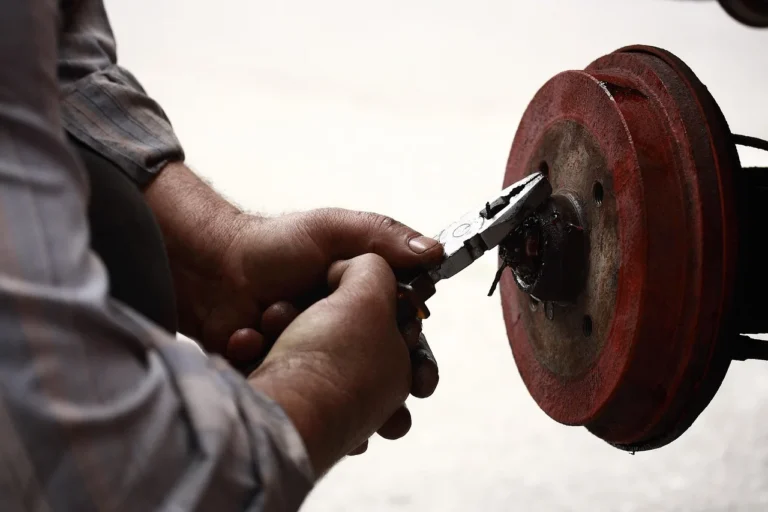
- Use pliers or compressed air to remove the object.
- Reassemble and test drive.
- Tip: If you recently drove on gravel or construction roads, debris is a common culprit.
Quick action can prevent further scoring of the rotor and preserve the life of your pads.
Replacing Worn Brake Pads
If the pads are worn:
- Purchase OEM-quality pads for your vehicle.
- Use a jack and stands to lift the car and remove the wheel.
- Remove caliper bolts and slide out old pads.
- Install new pads, ensuring correct orientation.
- Reassemble and pump the brake pedal before driving.
- Tip: Always replace pads in pairs (both front or both rear).
While DIY pad replacement can save money, it’s crucial to follow all safety instructions and torque specifications from your vehicle’s manual. Don’t forget to inspect and, if necessary, replace hardware like anti-rattle clips or shims for best results.
Resurfacing Or Replacing Rotors
For grooved or warped rotors:
- Light damage: Rotors can be resurfaced at a shop. This involves machining a thin layer off the rotor surface to restore smoothness, provided the rotor thickness remains above the manufacturer’s minimum.
- Severe damage: Replacement is necessary. Excessively thin or cracked rotors cannot be safely resurfaced.
- Cost: Resurfacing ($30–$50/rotor), Replacement ($60–$200/rotor).
If replacing, always use rotors that meet or exceed OEM specifications. Slotted or drilled rotors are available for high-performance applications but may cost more.
Lubricating Brake Components
If grinding is due to lack of lubrication:
- Apply high-temperature brake grease to caliper pins and contact points.
- Do not lubricate pad or rotor friction surfaces.
Regular lubrication reduces the risk of sticking calipers and uneven pad wear, extending the life of your brake system.
Addressing Caliper Or Hardware Issues
- Stuck caliper: Replace or rebuild the caliper. This may involve replacing the caliper piston, seals, and pins.
- Broken hardware: Replace springs, clips, or anti-rattle shims. Neglecting small parts can lead to uneven braking and noise.
Professional intervention may be required for hydraulic issues, as improper repairs can lead to brake failure.
When To Seek Professional Help
- Hydraulic leaks
- ABS warning lights
- Severe rotor or caliper damage
- Recurring issues after DIY repairs
Modern brake systems, especially those with electronic stability or advanced safety features, often require recalibration or special tools after repairs.
Cost Comparison Table: Brake Repairs
| Repair Type | DIY Cost | Shop Cost | Time Required |
|---|---|---|---|
| Pad Replacement (pair) | $30–$80 | $120–$300 | 1–2 hours |
| Rotor Replacement (pair) | $60–$200 | $250–$500 | 1–2 hours |
| Caliper Replacement (each) | $50–$150 | $200–$400 | 1–2 hours |
| Debris Removal | Free–$10 | $50–$100 | 30 min–1 hour |
Preventing Brake Grinding: Proactive Maintenance Tips
Preventive maintenance is the best way to avoid the headache and expense of grinding brakes. Adopting a regular routine can extend your brake system’s lifespan and ensure your safety.
Routine Inspections
- Visual checks: Inspect pads, rotors, and hardware every 6 months or 6,000 miles. More frequent inspections are wise if you drive in stop-and-go traffic, tow, or live in a hilly area.
- Listen for early warning noises: Address squeaks or squeals before they turn into grinding.
- Pay attention to brake feel: Any changes in pedal firmness, travel, or response should prompt an inspection.
Use Quality Parts
- Choose OEM or reputable brands for pads and rotors. These are designed to work with your vehicle’s braking system and provide consistent performance.
- Avoid ultra-cheap aftermarket parts that may cause fitment or noise issues. Quality parts may cost more up front but save money in the long run by lasting longer and reducing the risk of noise or premature wear.
Replace In Pairs
- Always change pads and rotors on both sides of the axle to ensure even wear. Uneven components can cause pulling, vibrations, and rapid deterioration.
Proper Driving Habits
- Avoid hard braking when possible. Anticipate stops and brake gradually to extend pad and rotor life.
- Don’t ride the brakes downhill—use lower gears. Continuous braking generates excessive heat, warping rotors and glazing pads.
- Keep distance from gravel roads or construction zones where debris can enter brake assemblies. If you must drive in these areas, consider rinsing your wheels and brakes afterward to remove grit.
Keep Components Clean And Lubricated
- During tire rotations or oil changes, ask your mechanic to clean and lubricate brake hardware. This is a low-cost way to maintain smooth operation and prevent sticking.
- If you live in a snowy or coastal region, consider periodic cleaning to remove corrosive salt or sand.
Real-world Example: Preventive Maintenance Pays Off
A rideshare driver in Chicago, logging over 50,000 miles a year, scheduled brake inspections every 10,000 miles. Early detection of pad wear saved him from rotor replacement and costly downtime, ultimately reducing annual brake expenses by 40%.
Another example comes from a fleet operator who implemented a strict preventive maintenance schedule. The result was a significant reduction in unscheduled downtime and emergency repairs, keeping vehicles on the road and reducing overall operating costs.
Data-driven Benefits
According to a study by Car and Driver, vehicles with regular brake inspections have 25% lower repair costs over five years compared to those with only reactive maintenance.
Investing in regular maintenance not only saves money but also provides peace of mind knowing your vehicle is safe for you and your passengers.
The Dangers Of Ignoring Grinding Brakes
Failing to address grinding brakes can lead to more than just a loud commute—it’s a direct threat to your safety and your wallet.
Escalating Repair Costs
- Pad wear leads to rotor damage, multiplying repair costs. Replacing both pads and rotors is much more expensive than just pads.
- Neglected grinding can damage calipers, ABS sensors, and even wheel bearings. In severe cases, heat damage can affect the hub and suspension components, leading to multi-thousand-dollar repairs.
Safety Hazards
- Increased stopping distances and loss of braking power. In emergencies, a few extra feet can mean the difference between a near-miss and a collision.
- Risk of brake failure in critical situations. When metal shavings from worn components contaminate brake fluid, hydraulic pressure can be compromised.
Insurance And Liability
- Accidents caused by brake failure may not be covered by insurance if due to owner neglect. Insurers may deny claims if maintenance was clearly ignored.
- Potential legal liability if others are injured. In some jurisdictions, knowingly operating an unsafe vehicle can result in criminal charges.
Case Study: Ignored Grinding Causes Catastrophe
In 2026, a Texas driver ignored grinding brakes for weeks. Eventually, the pad backing plate sheared off, resulting in total brake failure and a rear-end collision. The repair cost jumped from a $150 pad replacement to over $2,500 in repairs and medical bills.
This scenario isn’t rare. Many mechanics report that customers often delay brake service until the noise is unbearable, at which point the damage is extensive. Prioritizing brake repairs at the first sign of trouble is always the best course of action.
How To Choose The Right Mechanic Or Brake Shop
Whether you’re facing brake grinding for the first time or it’s a recurring issue, selecting a trustworthy repair shop is essential for both your safety and your wallet.
Certified Technicians
- Look for shops with ASE-certified mechanics. ASE certification indicates a high standard of expertise and ongoing training.
- Check for certifications displayed in the lobby or on the shop’s website. Some shops are also certified by automakers or have additional credentials for advanced braking systems.
Transparent Pricing
- Request written estimates before authorizing work. The estimate should be itemized so you know exactly what you’re paying for.
- Ensure the quote covers parts, labor, and taxes. Beware of shops that quote a low price but add on multiple fees.
Warranty And Guarantee
- Reputable shops offer 12–24 month warranties on brake repairs. Some may offer mileage-based guarantees (e.g., 24,000 miles).
- Ask about their warranty policy upfront. It’s an indication of the shop’s confidence in their work.
Reputation And Reviews
- Check Google, Yelp, or RepairPal for customer feedback.
- Ask friends or coworkers for recommendations. Word-of-mouth can lead you to honest, skilled mechanics.
Oem Vs. Aftermarket Parts
- Inquire about the type of parts used. High-quality aftermarket parts can be cost-effective, but OEM parts ensure fit and longevity.
- Ask if you can supply your own parts if you prefer a specific brand.
Real-world Example: Shop Comparison
A consumer in Seattle compared two brake shops: one offered a $99 brake pad special using generic pads, while another quoted $179 for OEM pads. The cheaper shop’s pads lasted only 12,000 miles, while the OEM pads went 35,000 miles before needing replacement.
This example illustrates that the lowest upfront cost isn’t always the best value. Factoring in labor, downtime, and safety, higher-quality repairs pay off over time.
Table: Factors To Consider When Choosing A Shop
| Factor | Why It Matters | Tip |
|---|---|---|
| Certification | Ensures skill and training | Look for ASE or manufacturer certs |
| Warranty | Protects against faulty repairs | Minimum 12 months preferred |
| Parts Quality | Affects longevity and safety | Request OEM or top-tier aftermarket |
| Reputation | Indicates consistent service | Check online reviews |
| Price Transparency | Avoids surprise charges | Insist on itemized quotes |
Frequently Asked Questions
What Does It Mean If My Brakes Are Grinding Only When Stopping?
Grinding only when stopping usually indicates worn brake pads. The pad material is likely gone, and the metal backing plate is contacting the rotor. Immediate pad replacement is recommended to avoid rotor damage and ensure safe stopping.
Can I Drive My Car If The Brakes Are Grinding?
It’s not safe to drive with grinding brakes. Continued driving can severely damage rotors, calipers, and other components, leading to brake failure. If you must move the car, do so only for a short distance and at low speed—then seek repairs immediately.
How Much Does It Cost To Fix Grinding Brakes?
The cost depends on the cause:
- Pad replacement: $120–$300 (shop), $30–$80 (DIY)
- Rotor replacement: $250–$500 (shop), $60–$200 (DIY)
- Caliper replacement: $200–$400 (shop)
- Debris removal: $50–$100 (shop)
These figures are averages and may vary by vehicle and location.
What Are Signs That It’s More Than Just Pad Wear?
If you notice vibration, pulling to one side, a sinking brake pedal, or grinding even when not braking, the issue may be more severe—such as rotor warping, caliper failure, or hydraulic problems. In these cases, have the brakes professionally inspected as soon as possible.
How Can I Prevent Brake Grinding In The Future?
- Schedule regular inspections (every 6 months or 6,000 miles).
- Use quality pads and rotors.
- Replace pads and rotors in pairs.
- Adopt gentle braking habits.
- Keep brake components clean and lubricated.
Proactive maintenance is the best defense against brake grinding.
Additional Resources
- National Highway Traffic Safety Administration
- Consumer Reports – When to Replace Your Car’s Brakes
- AAA – How to Find Quality Auto Repair
- RepairPal – Find a Repair Shop
- Car and Driver
- Wikipedia – Disc Brake
If you hear a grinding noise from your brakes, don’t ignore it. Prompt action—whether it’s a simple cleaning or a full pad and rotor replacement—can save you money and keep you safe. By understanding the causes and adopting preventive maintenance, you’ll ensure your braking system remains reliable for miles to come.
Products related to this article
Sponsored / affiliate links. As an Amazon Associate I earn from qualifying purchases. I may earn additional commission from eligible campaigns.