Can A Brake Switch Cause A Car Not To Start? Find Out
A faulty brake light switch can indeed prevent a car from starting. This switch is a safety feature that tells the car’s computer when the brake pedal is pressed, which is often a requirement for starting the engine in modern vehicles. If the switch is broken or misaligned, the car might not get this signal, and the starting system will not engage.
Understanding the Brake Light Switch’s Role
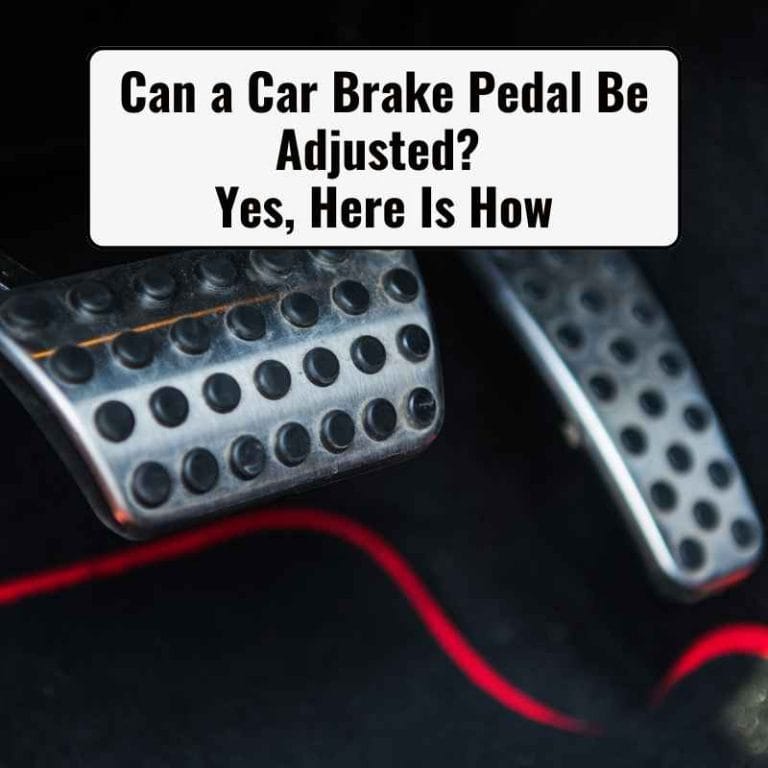
The brake light switch is a small but mighty component. It sits near your brake pedal. When you press the pedal, it activates.
This simple action does two main things.
First, it turns on your brake lights. This is a safety signal to other drivers. It shows them you are slowing down or stopping.
Second, and this is key for starting your car, it sends a signal to the car’s computer.
Modern cars have safety interlocks. These are built-in checks. One common check is to make sure you are pressing the brake pedal before the engine starts.
This prevents the car from lurching forward unexpectedly.
This switch acts like a gatekeeper. It tells the car, “Yes, the brake is pressed. It’s safe to start.” If this switch isn’t working right, the car’s computer never gets that “safe to start” signal.
My Own Brake Switch Scare
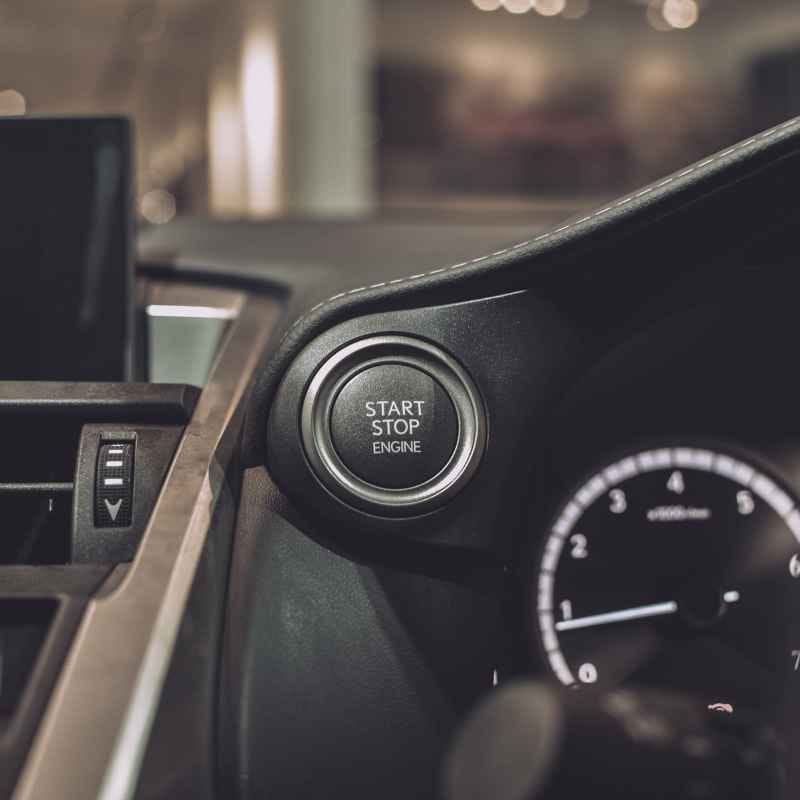
I remember one time I was getting ready to head out for a crucial meeting. I hopped into my car, put the key in the ignition, and. nothing.
Just a soft click. No crank, no engine turning over. My heart sank.
I checked the battery terminals, thinking that was the culprit. They looked fine.
I tried jiggling the steering wheel, a trick that sometimes works for ignition issues. Still no luck. Panic started to set in.
I could practically see my boss’s disappointed face. I then remembered something a mechanic had mentioned in passing once about brake light switches and starting issues.
It seemed unlikely for a part that controls brake lights to stop the whole car from starting. But I was desperate. I got out, looked at the brake pedal area, and could see the switch.
I wiggled it a bit, pushed the pedal down firmly, and tried the ignition again. Success! The engine roared to life.
It was such a relief, but also a wake-up call about how interconnected car parts are.
Brake Switch Basics
What it does: Activates when the brake pedal is pressed.
Primary functions:
- Turns on brake lights.
- Sends a signal to the car’s computer for starting.
Location: Usually near the top of the brake pedal arm.
How a Bad Switch Stops Your Car
When the brake light switch fails, it’s usually in one of two ways. It might get stuck “off,” meaning it doesn’t send a signal even when the pedal is pressed. Or, it might get stuck “on,” which is less common for starting issues but can affect brake lights.
For starting problems, the “stuck off” scenario is the one that matters most. The car’s computer is programmed to look for that signal. If it doesn’t get it, it won’t complete the starting sequence.
It’s like a security system preventing entry.
Think of it as a very simple circuit. The battery sends power. The ignition switch tells the car to try starting.
But there’s an extra wire, an extra step, that checks the brake pedal. If that step is broken, the power doesn’t flow to the starter motor.
This is why you might hear a click, but the engine doesn’t turn. The click is often the starter solenoid engaging, but the main power to the starter motor itself is being held back by this safety interlock. It’s a clever, albeit sometimes annoying, safety feature.
Common Signs of a Failing Brake Light Switch
Besides the car not starting, there are other hints that your brake light switch might be on its way out. These signs often appear before the complete starting failure.
The most obvious one is that your brake lights aren’t working. Check them when someone else is driving your car. If they don’t come on when the brake pedal is pressed, the switch is a prime suspect.
Sometimes, the brake lights might stay on all the time. This is less common but can happen if the switch is stuck in the “on” position. This can confuse other drivers and is also a safety hazard.
You might also notice that your cruise control stops working. Many cruise control systems use the brake light switch as a safety disengage. If the switch isn’t signaling correctly, the cruise control might not function.
Intermittent starting issues are another big clue. One day it starts fine, the next it doesn’t. This often points to a switch that’s starting to fail and isn’t making consistent contact.
It’s like a loose wire that only works sometimes.
Warning Signs Checklist
- Brake Lights Not Working: Check if they illuminate when you press the pedal.
- Brake Lights Stuck On: Lights remain lit even when the pedal is not pressed.
- Cruise Control Malfunction: System fails to engage or disengage properly.
- Intermittent Starting Problems: Car starts sometimes, but not others, with no apparent reason.
- “Check Engine” Light: While not direct, a faulty switch can sometimes trigger other codes.
Why This Happens: Wear and Tear
Like most parts in a car, the brake light switch is subject to wear and tear. It’s a mechanical switch that gets used every time you press the brake pedal.
Over time, the internal contacts can get dirty, corroded, or worn down. The plastic parts that move can become brittle or break.
Heat and vibration inside the car also contribute to its aging. The area around the brake pedal can get dusty, which can interfere with the switch’s operation.
Sometimes, the switch can simply become misaligned. This might happen if the brake pedal assembly shifts slightly or if the switch wasn’t installed perfectly. Even a small misalignment can stop it from activating correctly.
In some cases, a faulty brake light switch can also be caused by an electrical issue. A short in the wiring or a bad ground connection can prevent the switch from sending its signal properly.
Real-World Scenarios
Imagine you’re driving in a busy parking lot. You need to stop suddenly. You press the brake, but your brake lights don’t come on.
The car behind you has to swerve to avoid a collision. This is a direct result of a malfunctioning brake light switch.
Another scenario: You’re on a road trip. Your cruise control suddenly stops working on a long, straight highway. You try to re-engage it, but it won’t.
You spend the rest of the drive with your foot on the gas pedal, feeling frustrated and tired. This could be the brake switch.
Then there’s the classic “won’t start” situation. You’re already running late for work or an important appointment. You turn the key, and all you get is a sad little click.
You stand there, wondering what went wrong. You might even start to worry about major engine problems, when the real issue is a tiny switch near your foot.
These situations happen more often than you might think. They highlight how important even the smallest components are for your car’s overall function and your safety.
Infographic: The Start-Up Chain
Step 1: Key/Button
You signal to start.
Step 2: Brake Pedal
This should press the switch.
Step 3: Brake Switch Signals
Tells computer “pedal pressed”.
Step 4: Computer Allows Start
Starter motor gets power.
Step 5: Engine Cranks & Starts
Your car is ready to go!
If Step 3 fails, the chain breaks.
What This Means for You: Normal vs. Concerning
Is it normal for a brake light switch to fail? While not a daily occurrence for every car owner, it’s a relatively common failure point. Parts wear out, and this switch is used constantly.
When should you worry? You should worry when any of the symptoms mentioned start to appear. Don’t wait until your car completely refuses to start.
If your brake lights aren’t working, that’s a safety concern that needs immediate attention. It’s not just about passing an inspection; it’s about being seen by others on the road.
If your car is intermittently not starting, and you’ve ruled out a dead battery or starter, the brake switch is a strong possibility. It’s better to address it before it leaves you stranded.
Simple checks you can do:
- Have someone watch your brake lights while you press the pedal.
- Check your cruise control’s function.
- Listen for unusual clicking sounds when trying to start.
If you notice any of these, it’s time to investigate further. It might save you a lot of hassle down the road.
Quick Fixes and Tips
If you suspect your brake light switch is the problem, there are a few things you can try, depending on your comfort level and tools.
1. Adjusting the Switch: Sometimes, the switch might just be a little out of adjustment. You can often find it by feeling around the top of the brake pedal arm.
Many switches have a threaded body that can be turned in or out to adjust how it engages with the pedal. Try gently turning it a bit, then test if your car starts or if your brake lights work. Be careful not to overtighten or force anything.
2. Checking Connections: Ensure the electrical connector plugged into the switch is clean and secure. Sometimes, corrosion or a loose wire can be the issue.
You can try unplugging and replugging it to ensure a good connection.
3. Testing the Switch: If you’re comfortable with basic electrical testing, you can use a multimeter to check for continuity across the switch terminals when the pedal is pressed and released. This confirms if the switch is opening and closing the circuit as it should.
4. Replacement: If the switch is confirmed to be faulty, replacement is often the most reliable solution. Brake light switches are generally inexpensive parts.
You can purchase one from an auto parts store. Many are designed for DIY replacement, often held in place by a clip or threaded body.
When to Call a Professional: If you’re not comfortable working on your car, or if these basic steps don’t solve the problem, it’s best to consult a qualified mechanic. They have the experience and tools to diagnose the issue accurately and replace the part safely.
Remember, working on your car’s electrical system can be dangerous if you’re not sure what you’re doing. Always disconnect the battery before working on electrical components if you’re unsure.
DIY vs. Pro: When to Decide
| Task | DIY Friendly? | Notes |
|---|---|---|
| Visual Inspection | Yes | Look for damage, dirt, loose wires. |
| Switch Adjustment | Yes (with care) | Small turns only. Avoid forcing. |
| Connection Check | Yes | Ensure plug is seated firmly. |
| Multimeter Test | Intermediate | Requires basic electrical knowledge. |
| Switch Replacement | Beginner to Intermediate | Part cost is low. Follow guides. |
| Diagnosis of other issues | No | If starting problems persist. |
Frequent Questions About Brake Switches
Can a bad brake light switch cause a car to stall while driving?
Generally, no. A failing brake light switch primarily affects the brake lights and the car’s ability to start. Stalling while driving is usually related to fuel delivery, ignition system issues, or engine performance problems, not the brake light switch.
How much does it cost to replace a brake light switch?
The part itself is usually quite inexpensive, often ranging from $10 to $30. Labor costs can vary depending on the shop and your car model, but it’s typically a quick replacement job, so labor might be around $50 to $150. So, you’re looking at a total cost in the range of $60 to $180.
Is the brake light switch the same as the brake pedal position sensor?
While they are both located near the brake pedal and are related to its position, they often serve different functions. The brake light switch is primarily for turning on the brake lights and enabling the start-stop function. A brake pedal position sensor might provide more detailed data to the car’s computer for systems like ABS or traction control.
My car only starts when I pump the brake pedal. What does this mean?
This is a very common sign of a failing brake light switch. It means the switch is not making consistent contact. Pumping the pedal sometimes jiggles it into the right position, allowing the signal to be sent so the car can start.
It’s a clear indicator the switch needs attention.
What if my car starts but the brake lights don’t come on?
This usually means the brake light switch is faulty, but the starting interlock function is still working. The switch might be misaligned or the electrical contacts are worn, so it’s not closing the circuit for the brake lights. You’ll likely still be able to start your car, but the brake lights will not function.
Can I drive my car if the brake light switch is bad?
If the switch prevents the car from starting, you obviously can’t drive it. If the car starts but the brake lights don’t work, you can drive it, but it’s highly dangerous. Other drivers won’t know when you’re braking.
It’s also illegal in most places. You should get it fixed as soon as possible.
Conclusion
It’s amazing how a small part like the brake light switch can have such a big impact. When your car won’t start, it’s easy to think of major engine problems. But sometimes, the answer is much simpler and closer than you think.
Paying attention to your car’s signals, like non-working brake lights or starting issues, can save you a lot of trouble. The brake switch is a key safety component, and ensuring it works correctly is vital for both your safety and your car’s reliability.
See also how often do car brakes fail and what causes it . See also is the car brake on the left or right answered simply.
Products related to this article
Sponsored / affiliate links. As an Amazon Associate I earn from qualifying purchases. I may earn additional commission from eligible campaigns.