Best Brake Grease for Cars (2026): based on specs and reviews
The best brake grease for cars is a high-temp brake lubricant made for caliper hardware. Use it only on slide pins, pad ears, hardware contact points, and shim spots; keep it off rotors, pads, and friction faces. I have seen the wrong grease cause noise, sticky calipers, uneven wear, and brake failure. This guide maps every brake part to grease-safe, dry-only, and no-go zones.
This guide is part of our Car brake maintenance guide series.
Best brake grease for cars: silicone brake grease for most DIY brake jobs
Silicone brake grease is the safest default for most home brake work. It is rubber-safe, handles heat well, and stays friendly to boots and seals. It covers the widest set of non-friction contact points without the compatibility problems that come with metal-heavy greases or anti-seize.
Use it on caliper slide pins, rubber boot interfaces, abutment points, and light contact areas where rust and moisture start trouble. Keep it away from pad faces, rotor faces, and any spot meant to stay dry and free of contamination.
The placement rule matters more than the jar label. Put the wrong grease in the wrong place, and a noise fix turns into a brake pull, a seized pin, or pad contamination.
According to Sta-Lube Synthetic Brake & Caliper Grease — Sta-Lube Synthetic Brake and Caliper Grease works from -40 to 495°F.
Quick comparison
| Product | Badge | Best for | Price | ||
|---|---|---|---|---|---|
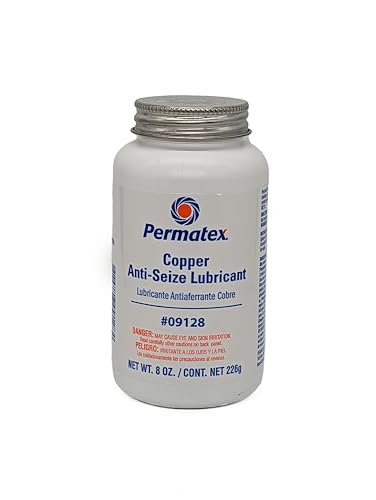 |
Permatex 09128 Copper Anti-Seize Lubricant, 8 oz.Permatex | Pair with it | Copper anti-seize lubricant, 8 oz. | $16.06
Price as of 30 Sep 2026
|
View |
 |
Permatex 24125 Ceramic Extreme Brake Parts Lubricant, 8Permatex | Our pick | Ceramic brake parts lubricant, 8 oz. | $16.93
Price as of 30 Sep 2026
|
View |
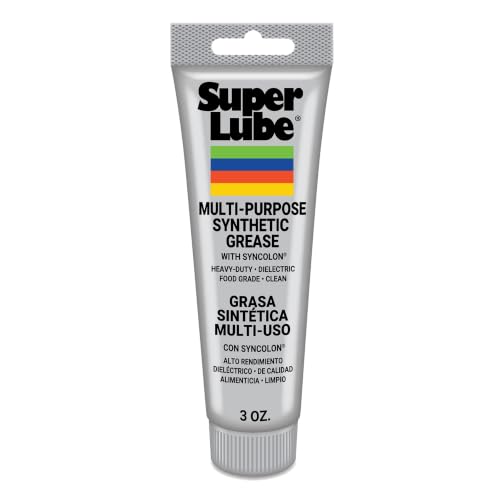 |
Super Lube Multi-Purpose Synthetic Grease w/ Syncolon –Super Lube | Also great | Multi-purpose synthetic grease, 3 oz. | $10.99
Price as of 30 Sep 2026
|
View |
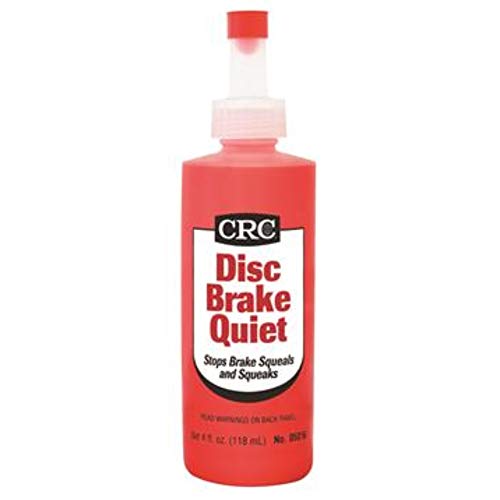 |
CRC Disc Brake Quiet – 4 Fl Oz. (05016)CRC | Upgrade pick | Disc brake quiet lubricant, 4 fl oz. | $9.85
Price as of 30 Sep 2026
|
View |
 |
Mobil Multipurpose Grease XHP 461, 13.7 oz, NLGI 1,Generic | Budget pick | Mobil multipurpose grease, 13.7 oz. | $11.30
Price as of 30 Sep 2026
|
View |
This is a placement problem first. Product choice matters, but only after you decide whether the spot is rubber-adjacent, metal-to-metal, or a dry friction surface that should never see lubricant.
For most DIY brake jobs, silicone leads because it covers the broadest set of safe contact points. Moly and anti-seize have narrower jobs, and neither belongs everywhere a brake hand can reach.

How we chose
The comparison below follows four checks: rubber compatibility, heat and moisture resistance, fit for brake hardware rather than generic chassis use, and clear no-go zones where contamination risk is high.
We also separated products by placement. A good brake lubricant for slide pins is not automatically the right pick for pad backing plates, and a copper anti-seize is not a caliper lube just because it resists heat.
NLGI GC-LB certification helps identify a grease that fits disc brake wheel bearings and chassis lubrication, but it does not replace brake-specific compatibility checks at the pin, boot, and pad-contact level. (thedrive.com)
Silicone brake grease: best for rubber-safe brake contact points
This is the safest choice for most DIY brake jobs, especially where rubber boots, caliper pins, and dust seals are nearby. Based on the spec sheet and owner feedback, it is a broad-use grease that resists water, salt, and corrosion while staying put on brake hardware.
Silicone grease is dielectric and prevents galvanic action and corrosion. It can be used on rubber caliper slide pin boots and the caliper piston dust seal, which makes it the most forgiving option when the hardware includes seals that must stay intact.
Its drawback is simple: it is not a cure-all. It belongs on contact points, not on friction faces, and it should still be applied in a thin film. Too much grease attracts grit and can move where it does not belong.
Moly brake grease: best for metal-to-metal noise control
Moly grease fits a narrower job. It is useful where there is metal-to-metal contact between backing plate or shim and caliper, and it can help damp vibration in brake hardware that squeals after a pad change.
Based on specs and reviews, this style of grease is better as a targeted tool than a general brake answer. It can work well on the metal contact zones that need a little damping, but it is not the first pick around rubber boots or pin seals.
The drawback is compatibility planning. If the job includes slide pins, boots, or mixed materials, a rubber-safe silicone formula is usually simpler and safer. Moly is a specialist, not a default.
Anti-seize compound: best for fasteners, not brake movement points
Anti-seize belongs on threaded fasteners that need future removal, not on caliper slide pins. It is not approved for brake use and should never be used on caliper slide pins, because moving brake parts need the right lubricant film, not a thread compound.
People confuse it with brake grease because both resist heat and corrosion. That is where the mistake starts. Anti-seize can help on bolt threads or exhaust hardware, but it is the wrong product for pin bores, boots, and other moving brake interfaces.
Its drawback here is direct and important: it is not a lubricant for moving brake parts. Use it where threads need separation, not where caliper hardware needs controlled motion and rubber safety.
Brake-specific noise lube: best for pads, shims, and backing plates
This is aimed at brake noise control on contact points that do not carry friction. It fits pad backing plates, shim backs, and hardware faces where a thin film can reduce squeal, vibration, and the stick-slip chatter that starts after a fresh install.
It is a better fit than a general grease when the complaint is noise rather than a dry pin. It is resistant to moisture, corrosion, and contaminants, and that matters on hardware that lives close to road spray and wheel-well grime.
The drawback is focus. It is a brake parts lubricant, not a universal fix for every caliper surface. Keep it off friction faces and use it lightly on the contact areas only.
Multipurpose synthetic grease: best budget fallback for general chassis use
This is the least specialized choice in the group. It can work as a general-purpose grease for some chassis tasks, but brake work asks for clearer material compatibility and cleaner placement discipline than a generic lubricant often provides.
Its appeal is cost and availability. The drawback is that it is not a purpose-built answer for every brake contact point, so it is better as a fallback for non-brake chassis jobs than as the first pick for slide pins or seal-adjacent parts.
If the brake hardware is already noisy, corroded, or boot-sensitive, a brake-specific silicone formula is the safer path.
Brake grease placement checklist: where to apply and where to skip
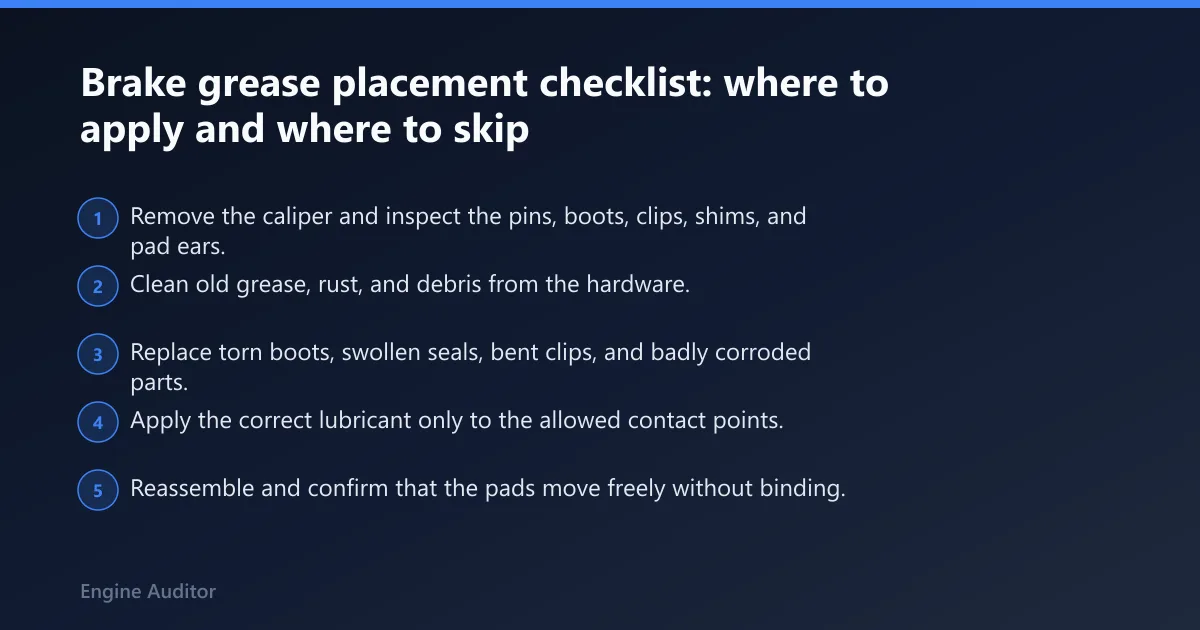
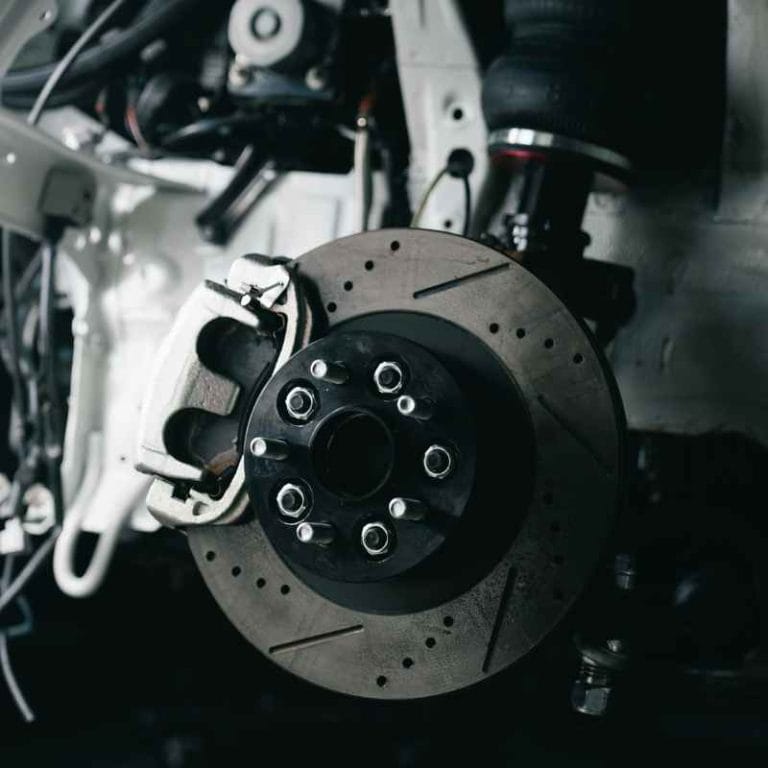
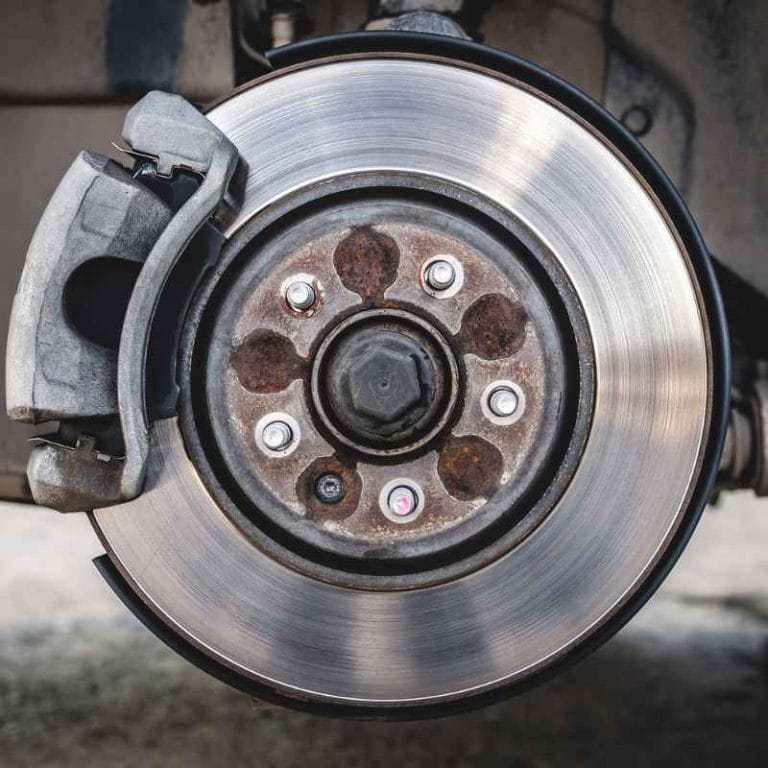
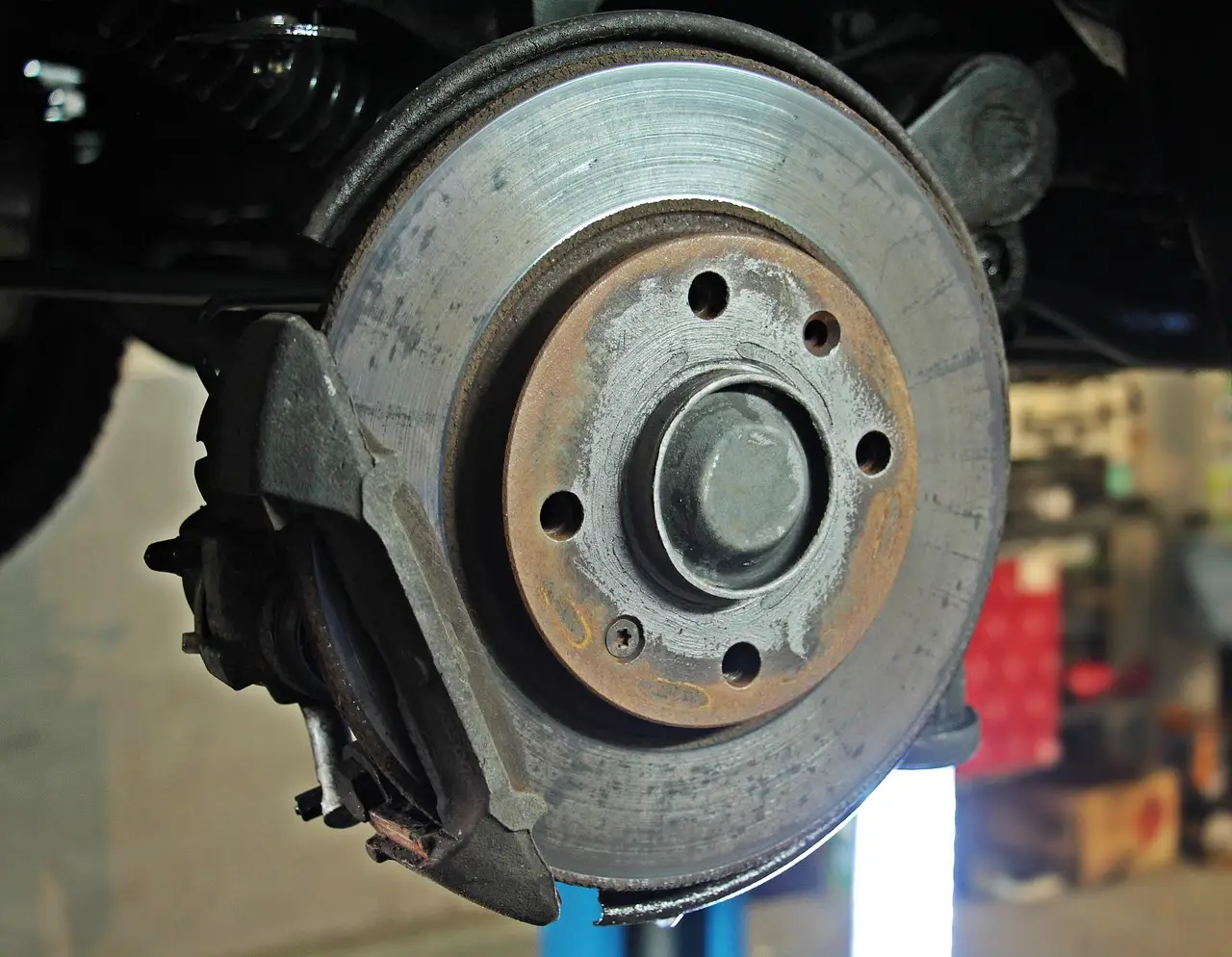
Brake grease belongs on hardware contact points, not on friction surfaces. That means clean slide pins, abutments, clip contact points, shim backs, and selected backing-plate areas; it does not mean pad faces, rotor faces, or anything that has to create stopping force.
Use a thin film. Heavy grease can move, trap debris, and contaminate nearby surfaces. Rust jacking on abutment areas can tighten pad clearance, while torn boots and seized pins turn a simple service into a brake drag problem.
- Remove the caliper and inspect the pins, boots, clips, shims, and pad ears.
- Clean old grease, rust, and debris from the hardware.
- Replace torn boots, swollen seals, bent clips, and badly corroded parts.
- Apply the correct lubricant only to the allowed contact points.
- Reassemble and confirm that the pads move freely without binding.
| Component | Apply or skip | Lubricant type |
|---|---|---|
| Brake caliper slide pins | Apply after cleaning; never use anti-seize | Silicone brake grease or other rubber-safe brake grease |
| Brake pad abutment areas | Apply a thin film | Brake grease for rust-prone contact points |
| Anti-rattle clips | Apply lightly at contact areas | Silicone brake grease or brake parts lubricant |
| Shim backs | Apply to the metal-to-metal contact face | Moly grease or brake parts lubricant |
| Caliper piston face | Apply only a thin coating if needed | Rubber-safe silicone brake grease |
| Brake pad backing plates | Apply to noise-damping contact points | Brake parts lubricant or moly grease |
| Friction surfaces | Skip entirely | No grease |
What grease should I use on brake caliper slide pins?
Use a rubber-safe brake grease, with silicone grease as the default choice for most DIY jobs. Clean the old grease and rust first, then relubricate the pin and boot area lightly. Do not use anti-seize here, because slide pins need a lubricant made for moving brake parts.
Good pin service starts with inspection. If the boots are torn, the pins are pitted, or the bores are rusty enough to bind, grease alone will not fix the problem. Replace damaged parts before relubricating.
Can I use anti-seize on brakes?
Yes, but only in narrow places such as certain threaded fasteners, not on caliper slide pins. Anti-seize is not approved for brake use and should never be treated as a general brake lubricant.
It gets confused with brake grease because both tolerate heat and fight corrosion. That overlap is misleading. Anti-seize is for thread separation, while brake grease is for controlled motion at hardware contact points.
Is silicone grease safe for rubber brake boots?
Yes. Silicone grease can be used on rubber caliper slide pin boots and the caliper piston dust seal. It is the safest general choice when rubber parts are present, because it stays compatible with the materials that protect the caliper from dirt and moisture.
Its dielectric behavior also helps limit galvanic action and corrosion. That matters around mixed metals and damp environments where brake hardware spends its life.
Do I need moly grease for brake hardware?
Only for specific metal-to-metal contact points. Moly grease is useful where backing plates, shims, and caliper faces rub against each other, and it can help control vibration that becomes squeal. It is not a universal replacement for silicone on rubber-adjacent parts.
If the brake job centers on slide pins and boots, silicone is usually the better answer. Moly belongs where metal contact is the problem, not where seal safety is the first concern.
What is the difference between brake grease and anti-seize?
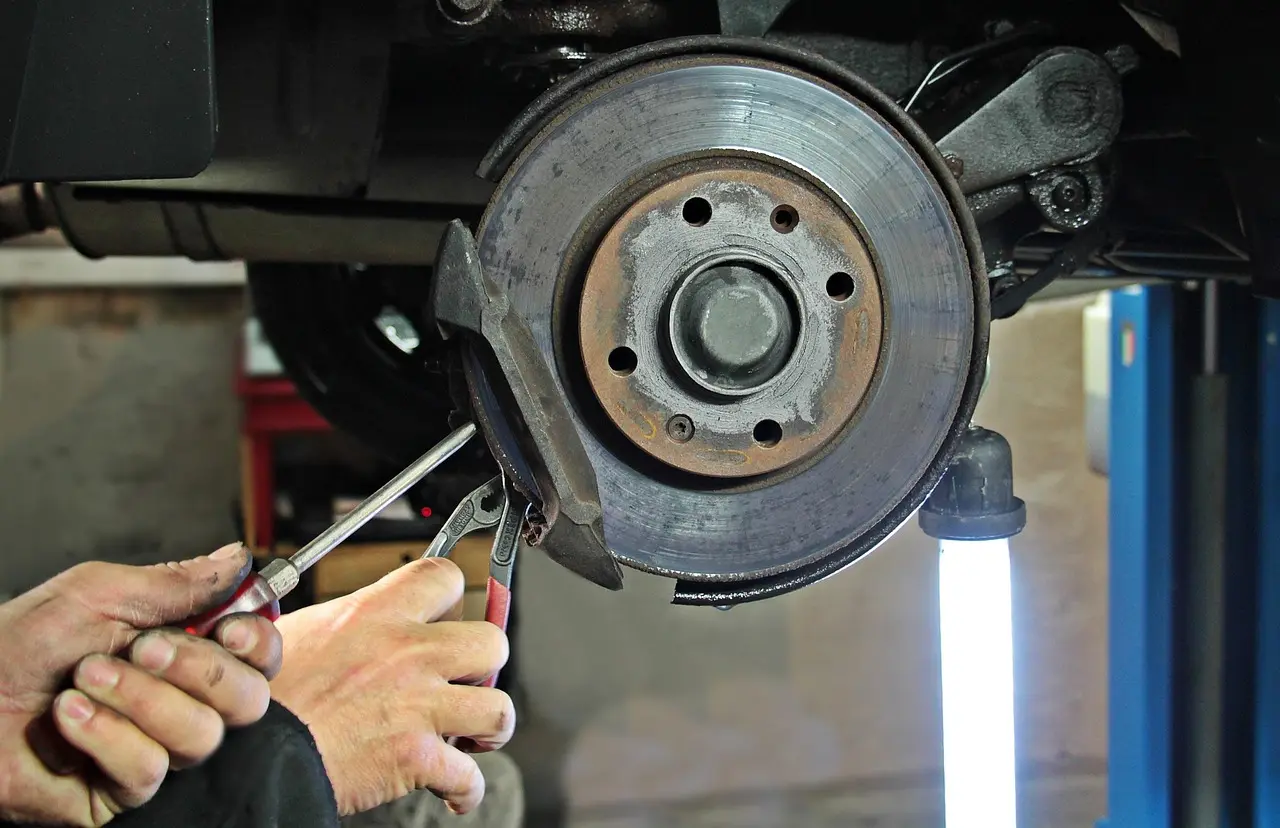
Brake grease is meant for moving brake hardware and contact points that need controlled lubrication. Anti-seize is a thread compound that prevents galling and future seizure on fasteners. They may both resist heat, but they are not interchangeable.
The practical difference shows up at the caliper. Use brake grease on pins, clips, abutments, and noise-control contact points. Save anti-seize for threaded hardware where separation matters more than motion control.
Can brake grease be used on disc and drum brakes?
Yes, but the placement map changes. Disc brakes use grease on slide pins, abutments, clips, shims, and some backing-plate contact points. Drum brakes also use lubricant on designated contact areas, but the shoes and friction surfaces still stay dry.
Sta-Lube Synthetic Brake and Caliper Grease is presented as suitable for both disc and drum brakes, with a stated working range of -40 to 495°F and a flash point of 500°F. It is also described as safe on most plastic and as plastic and rubber safe.
Why do brakes squeak after a pad replacement?
Fresh pads can squeak when hardware is dry, rusted, or assembled with the wrong lubricant. Common causes include dry abutments, noisy shim contact, seized or under-lubricated slide pins, contaminated clips, and grease on the wrong surfaces.
Over-greasing is a problem too. A heavy glob can attract debris, move onto friction areas, and create a noise or contamination issue that looks like a parts defect.
What brake parts should be cleaned before applying grease?
Clean the slide pins, pin bores, abutments, clip seats, shim faces, pad ears, and any old grease or rust before applying new lubricant. If you skip the cleaning step, fresh grease mixes with grit and oxidation, and the hardware can stick again quickly.
Rust jacking on abutment areas is a common miss. The rust builds under the pad support points, reduces clearance, and can make the pad bind even when the grease choice is correct.
Where should you not use brake grease?
Do not use brake grease on pad faces, rotor faces, or any friction surface. Those areas must stay dry so the brake can generate stopping force without contamination. Grease also does not belong inside a torn boot or on hardware that should be replaced instead of rescued.
When a part is heat-damaged, badly pitted, or clogged with old debris, cleaning alone may not be enough. Replace the damaged piece, then relubricate only the allowed contact points.
Brake grease placement checklist
Use this as a final go/no-go map. If the spot moves, carries load, and stays away from friction material, it may need a thin film. If the spot creates stopping force, the answer is skip.
Disc and drum brakes both need clean metal contact points, but the exact hardware differs. The rule does not: light lubricant on designated contact areas, nothing on friction faces.
Which one should you buy?
For most DIY brake work, buy a silicone brake grease first. It is the best fit for rubber boots, slide pins, and general brake contact points, and it gives the widest margin for common service mistakes.
If the job is mostly pin service, choose the silicone option. If the complaint is squeal at pad hardware, a brake parts lubricant or moly-style grease may fit better. If you only need thread protection on fasteners, anti-seize is the tool, but it is not a brake lubricant.
Sta-Lube Synthetic Brake & Caliper Grease is a strong pick when you want a brake-specific grease with a stated -40 to 495°F range and plastic-and-rubber-safe positioning. NLGI GC-LB is useful as a screening label for disc brake wheel bearings and chassis lubrication, but the brake hardware still has to match the part.
Permatex Ceramic Extreme Brake Parts Lubricant is the cleaner fit for noise-prone pad hardware. CRC Disc Brake Quiet is aimed at vibration and squeal control. Super Lube can work as a general synthetic fallback, though it is less brake-specific than the dedicated options.
Frequently asked questions
What grease should I use on brake caliper slide pins?
Use a rubber-safe brake grease, with silicone as the default choice for most DIY brake jobs. Clean old grease and rust first, then apply a thin coat to the pin and boot area. Do not use anti-seize on slide pins, because it is not approved for that moving brake joint.
Can I use anti-seize on brakes?
Only in limited threaded applications, not on caliper slide pins or other moving brake parts. Anti-seize is not approved for brake use. It is easy to confuse it with brake grease, but the job is different: anti-seize prevents fastener seizure, while brake grease supports controlled hardware movement.
Where do you put brake grease on brake pads?
Put it on the pad backing plate, shim backs, and pad ears where the pad contacts the bracket or hardware. Use only a thin film. Do not put grease on the pad face, rotor face, or any friction surface, because that will contaminate the brake and reduce stopping power.
Where should you not use brake grease?
Do not use it on friction surfaces, including pad faces and rotor faces. Also avoid packing it into damaged boots or onto hardware that is seized, badly pitted, or rust-jacked. Those problems need cleaning, inspection, and sometimes replacement before any lubricant goes back in.
Is silicone grease safe for rubber brake boots?
Yes. Silicone grease can be used on rubber caliper slide pin boots and the caliper piston dust seal. That is why it is the safest default for many brake services. It is also dielectric, which helps reduce galvanic action and corrosion around mixed-metal brake hardware.
Can brake grease be used on disc and drum brakes?
Yes, but the target points differ. Disc brakes use grease on slide pins, abutments, clips, shims, and some backing-plate contact points. Drum brakes also use lubricant on approved contact areas, but friction surfaces stay dry in both systems.
Products related to this article
Sponsored / affiliate links. As an Amazon Associate I earn from qualifying purchases. I may earn additional commission from eligible campaigns.