How Long Before Car Oil Goes Bad? Don’T Wait Too Long
It’s a question many car owners ponder, especially if their vehicle sits for a while or they’re just doing a quick check. You open the hood, you see the oil dipstick, and you wonder, “How long before car oil goes bad?” It’s not just about the miles driven. Time plays a big role too.
We’re going to break down what makes oil go bad and how to tell if yours is past its prime.
The lifespan of car oil depends on many things. It can go bad over time, even if you don’t drive much. Factors like heat, air, and moisture can break it down. Generally, it’s best to change oil within a year or as recommended by your car maker. Look for signs of degradation to protect your engine.
Understanding How Car Oil Degrades
Car oil is the lifeblood of your engine. It does a lot. It keeps parts moving smoothly.

Lucas Oil
Lucas Oil 10679 Hot Rod & Classic…
- Manufactured with the highest quality paraffinic base oils
- Fortified with a unique additive package containing high levels of zinc, molybdenum and phosphorus
- Provides tougher, thicker additive film for maximum protection
As an Amazon Associate I earn from qualifying purchases.
It also cools them down. And it helps keep them clean. But like anything, oil doesn’t last forever.
It changes over time. This change is often called degradation. Several things cause this.
Heat is a big one. When your engine runs, it gets very hot. This heat can break down the oil’s molecules.
Think of it like cooking. High heat changes food. It can make it lose its good qualities.
Engine oil is similar. The heat can make it thicker. It can also make it less effective.
Another enemy of oil is air. Oil is exposed to air. This can lead to oxidation.
Oxidation is like rust for oil. It forms sludge and deposits. These can clog up your engine.
Moisture is also a problem. Small amounts of water can get into the oil. This can happen from condensation.
It can also happen from driving in rain or snow. Water in oil is not good. It can cause corrosion.
It can also dilute the oil. This makes it less able to do its job. Combustion byproducts are another issue.
When fuel burns, it creates gases. Some of these can get past the piston rings. They mix with the oil.
These byproducts can make the oil acidic. They can also contribute to sludge.
Driving habits matter too. Short trips are hard on oil. Your engine doesn’t get hot enough.
This means moisture doesn’t evaporate. It stays in the oil. This is bad.
Frequent starting and stopping also put stress on the oil. It’s like a mini-workout for the oil every time. Over time, all these things weaken the oil.
It just can’t protect your engine as well anymore.
My Own Engine’s Close Call
I remember one time I had an old sedan. It was a reliable car. I didn’t drive it much back then.
Maybe just on weekends to run errands. I thought, “It’s not driven much, so the oil must be fine.” I’d check the level, and it always looked okay. But I hadn’t changed it in about two years.
Big mistake.
One sweltering summer day, I decided to take it on a longer drive. About an hour out of town, I noticed a strange noise. It was a subtle ticking.
Then it got louder. The engine light came on. Panic started to set in.
I pulled over, heart pounding. I popped the hood. The engine was hot.
I checked the oil dipstick. The oil looked dark. It was also a bit thin, not its usual viscous self.
I had to get it towed. The mechanic told me the oil had degraded significantly. It had lost its protective properties.
The internal engine parts were starting to grind. He said I was lucky. It could have been a very expensive repair.
That day taught me a hard lesson. Driving miles is one thing. Time is another.
Now, I’m super strict about oil changes. Even for cars that sit a lot.
Understanding Oil’s Role
Lubrication: Reduces friction between moving engine parts. This prevents wear and tear.
Cooling: Carries heat away from hot engine components. It helps keep the engine from overheating.
Cleaning: Suspends dirt and metal particles. It carries them to the oil filter for removal.
Sealing: Forms a seal between piston rings and cylinder walls. This helps maintain compression.
Corrosion Protection: Coats metal surfaces. It helps prevent rust and other damage.
Factors Affecting Oil Lifespan
So, what really makes oil go bad faster? It’s not just one thing. It’s a mix of factors.
Let’s look at them one by one. This will help you understand why the timing matters.
Temperature Extremes
Both very hot and very cold temperatures are bad for oil. High heat, as we talked about, breaks down oil molecules. It makes them less effective.
This process is called thermal breakdown. It can happen faster in engines that often run very hot. Think about stop-and-go traffic in the summer.
Or driving up steep hills for a long time.
Cold temperatures are also a challenge. When it’s cold, oil gets thick. This makes it harder for the engine to start.
It also means the oil doesn’t flow as well. It takes longer for the oil to reach all the parts that need it. This can cause extra wear.
Plus, cold starts can lead to more condensation. Water can build up. This is not good for the oil’s health.
Oxidation and Contamination
Oxidation is like rust for oil. It happens when oil is exposed to air. Over time, oxygen reacts with the oil.
This forms acids and sludge. Sludge is a thick, black substance. It can block oil passages.
This stops oil from reaching vital engine parts. It’s like a blocked artery in your body.
Contamination is another big problem. Things get into the oil that shouldn’t be there. We mentioned water and combustion byproducts.
Dust and dirt can also get in. This happens especially if the air filter isn’t in great shape. Metal particles from engine wear can also end up in the oil.
All these contaminants make the oil less effective. They can also act like sandpaper, causing more engine wear.
Driving Habits
Your driving style really affects how long your oil lasts. Short trips are notorious for hurting oil. When you only drive a few miles, the engine doesn’t get fully warm.
This means moisture doesn’t burn off. It stays in the oil. It can also lead to unburned fuel getting into the oil.
Frequent starts and stops are also tough. Each start-up is a moment when the oil is struggling to get everywhere. If you do this many times a day, it adds up.
It puts more stress on the oil. On the other hand, long, steady drives are generally good for oil. The engine gets hot.
Moisture evaporates. The oil can do its job efficiently.
Quick Scan: Oil Degradation Factors
- High Heat: Breaks down oil molecules.
- Low Heat: Oil thickens, slower circulation.
- Air Exposure: Causes oxidation, forms sludge.
- Moisture: Leads to corrosion and dilution.
- Contaminants: Dirt, metal, fuel, water.
- Short Trips: Moisture and fuel don’t evaporate.
Signs Your Car Oil Has Gone Bad
How can you tell if your oil is no longer good? You don’t always need a lab test. Your senses can tell you a lot.
And your car might give you clues too. Let’s go through the common signs.
Visual Inspection
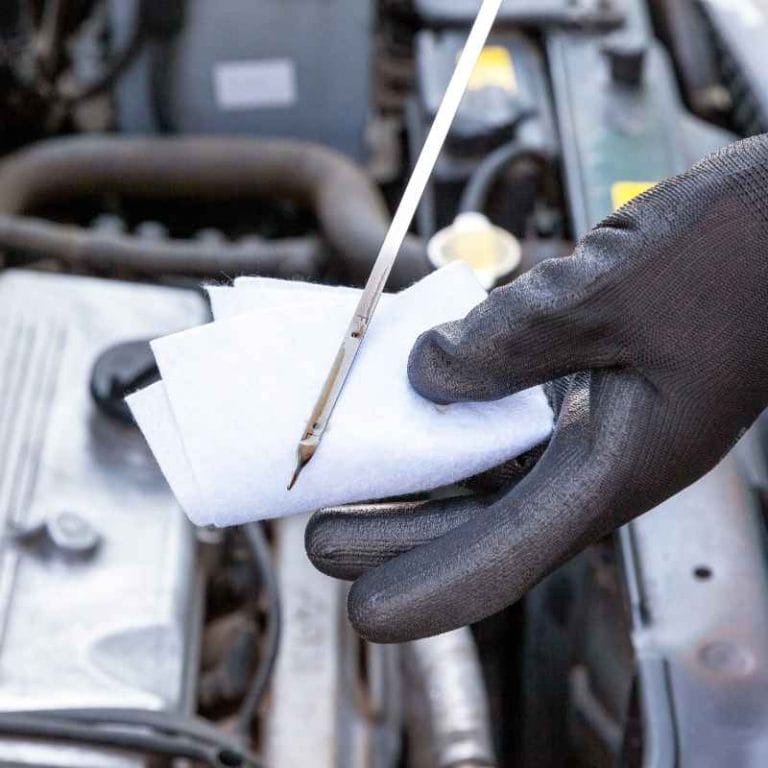
The easiest check is looking at the oil. Pull out the dipstick. Wipe it clean.
Put it back in. Pull it out again. Look at the oil on the end.
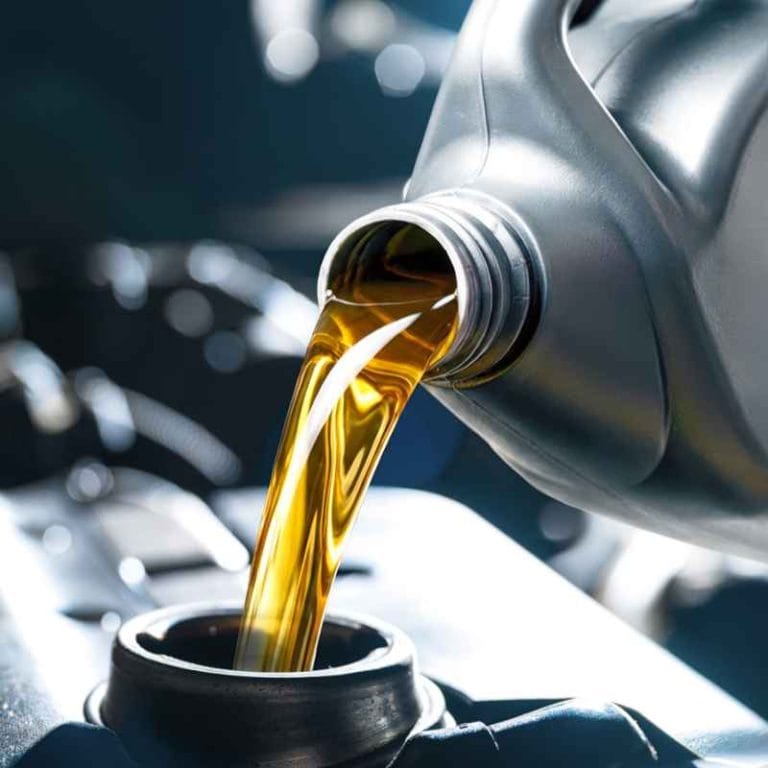
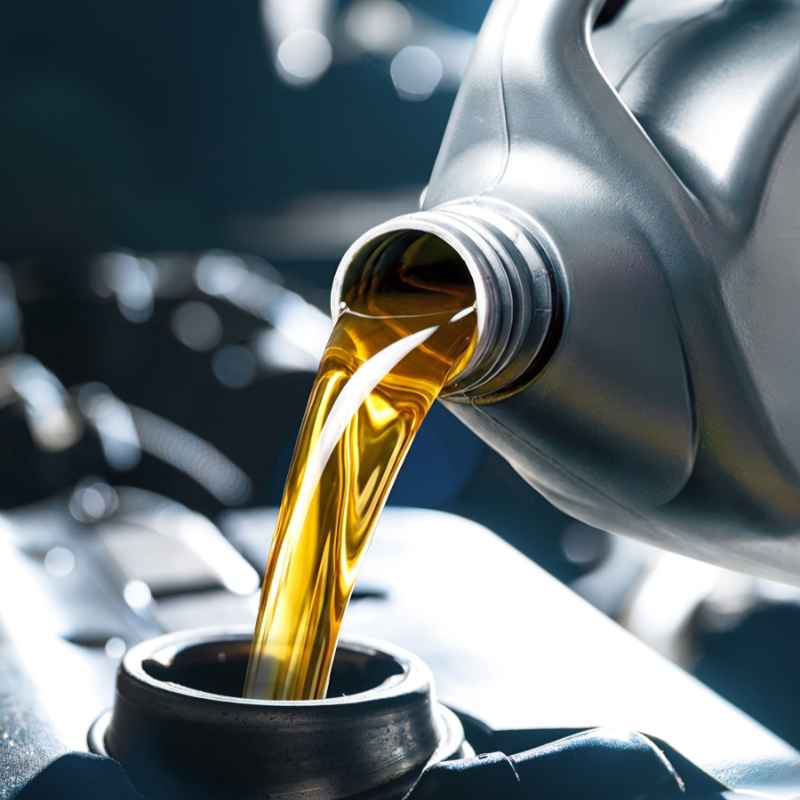
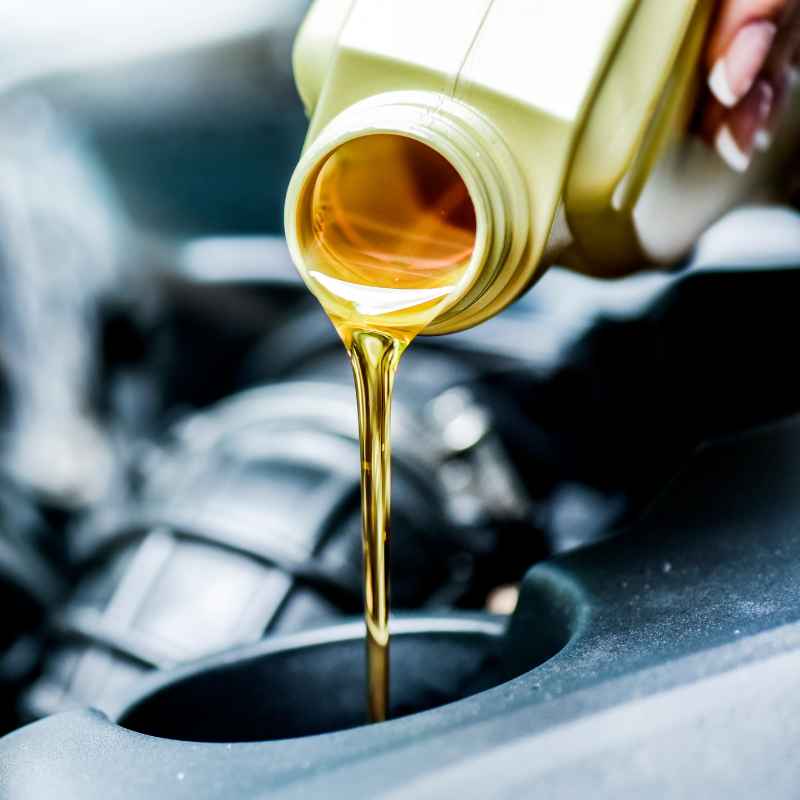
New oil is usually a clear amber color. It might have a slightly golden hue. As it gets older, it will get darker.
When oil turns a dark brown or black, it’s a strong sign it’s time for a change. But color isn’t everything. Check the consistency.
If the oil looks gritty or has small particles floating in it, that’s bad. It means contaminants are present. If the oil looks milky or foamy, that’s a serious sign.
It usually means water has mixed with the oil.
Smell Test
Sometimes, the smell of your oil can tell you something. Healthy oil has a mild, oily smell. If you pull out the dipstick and the oil smells burnt or like sulfur, that’s a red flag.
Burnt oil means it has been exposed to very high heat. It has likely lost its lubricating properties.
A smell like gasoline can also be a problem. This might mean fuel is getting into your oil. This is called fuel dilution.
It thins out the oil. This makes it much less effective at protecting your engine. So, trust your nose!
Engine Performance Issues
Your car will often tell you when something is wrong. If your oil is old and degraded, you might notice changes in how the engine runs. You might hear new noises.
Ticking sounds can be a sign. Knocking sounds are even worse. These indicate metal-on-metal contact.
This happens when lubrication fails.
You might also notice a loss of power. Your acceleration might feel sluggish. The engine might run rougher than usual.
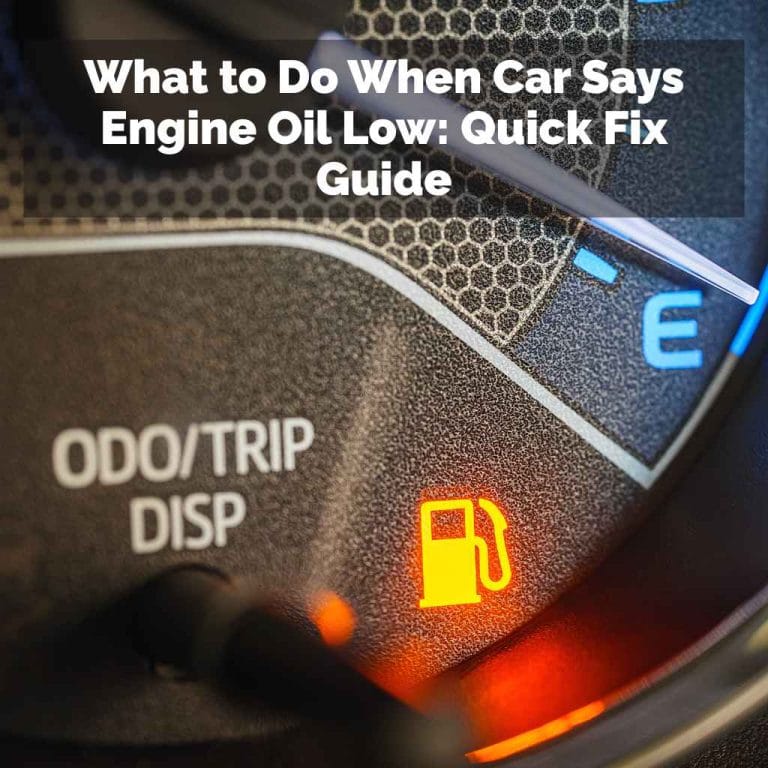
Sometimes, the oil pressure warning light might come on. This is a serious warning. It means the oil isn’t flowing properly or there isn’t enough pressure.
Real-World Context: When Does Oil Really Go Bad?
Let’s talk about different scenarios. Your car might be a daily driver. Or it might sit in the garage for months.
These situations change how fast oil degrades. Understanding these contexts is key.
The Daily Driver
If you drive your car every day, the miles you put on are usually the main factor. Most car manufacturers recommend an oil change every 5,000 to 7,500 miles. Some newer cars with advanced synthetics can go even longer, maybe 10,000 miles.
But this depends on the car and the oil type.
However, even with daily driving, time matters. If you only drive a few thousand miles a year, you still need to change your oil at least once a year. Why?
Because of the other factors we discussed: moisture, oxidation, and contaminants. They are always working, even if the engine isn’t running a lot.
The Weekend Warrior / Low-Mileage Car
This is where the “time vs. miles” question really pops up. If you only drive your car on weekends, or maybe just a few thousand miles a year, the mileage on the oil change sticker might not be reached for a long time.
So, how long is too long?
Generally, most mechanics and car experts agree that you should change your oil at least once a year, regardless of mileage. Even if your car sits a lot, oil can still degrade. Moisture can get in.
Oxidation happens slowly. Components in the oil can break down over time. Driving on old oil, even for short trips, can cause more wear than you think.
It’s better to spend a little on an oil change than face a big engine repair.
Classic Cars and Stored Vehicles
Classic cars or vehicles that are stored for extended periods (like a whole season or longer) have special needs. If a car is going to be stored for a few months, it’s often recommended to change the oil before storing it. This way, the engine is filled with fresh oil, and any contaminants or acidic byproducts are removed.
When bringing a stored vehicle back into regular use, it’s wise to change the oil and filter. This ensures the engine is protected from the start. The oil used in classic cars might also be different from modern oils.
Older engines might have different needs, and using the right type of oil is important for their longevity.
What This Means For Your Car’s Health
Understanding how long car oil lasts is crucial. It directly impacts your car’s health and longevity. Let’s look at the implications.
When is it Normal for Oil to Degrade?
It’s totally normal for oil to degrade over time and use. Oil is a consumable. It works hard to protect your engine.
So, it’s supposed to get dirty and break down. The key is to change it before it gets too degraded. This means following recommended service intervals.
And paying attention to the oil’s condition.
Think of it like changing the filters in your home. Air filters, water filters – they do a job, and then they need replacing. Oil is no different.
It’s an essential part of your engine’s maintenance routine. Its degradation is a natural process tied to its function.
When Should You Worry?
You should worry when you see significant signs of oil degradation. This includes the oil turning black very quickly. Or if it looks like chocolate milk (milky and foamy).
A consistently burnt smell is also a cause for concern. If your engine starts making unusual noises, that’s a big red flag.
Worrying also applies if you’ve neglected oil changes for a long time. Going way over the recommended mileage or time limit can lead to serious engine damage. Damage can include clogged oil passages, worn-out bearings, or even a seized engine.
These are very costly repairs.
Simple Checks You Can Do
The best way to prevent worry is to do simple checks regularly. Check your oil level every few weeks. This is easy and quick.
Just pull the dipstick, wipe, reinsert, and pull again. Make sure the level is between the ‘min’ and ‘max’ marks.
Periodically, take a moment to look at the oil’s color and consistency. Smell it. Does it smell burnt?
Does it look gritty? If you notice anything unusual, it’s a good idea to check your maintenance records. You might be due for an oil change sooner than you thought.
Being proactive is the best strategy.
Quick Tips for Maintaining Your Oil’s Health
Keeping your car’s oil in good shape isn’t complicated. It mostly comes down to consistent maintenance. Here are a few tips to help you out.
- Follow Your Manual: This is the golden rule. Your car’s owner’s manual has the exact recommendations for your vehicle. Use the correct oil type and viscosity.
- Stick to Intervals: Whether it’s miles or months, change your oil on time. If you drive in harsh conditions (like lots of dust, stop-and-go traffic, or extreme temps), you might consider changing it a bit more often.
- Use Quality Oil and Filters: Don’t skimp on oil and filters. Using good quality products ensures better protection and longer oil life. Synthetic oils often offer better performance and longer intervals.
- Check Levels Regularly: Make it a habit to check your oil level every few weeks. Low oil can lead to extreme wear and overheating.
- Warm Up Properly: If you often make short trips, try to drive a little longer when you can. This helps to evaporate moisture and byproducts from the oil.
- Address Leaks Promptly: If you notice oil spots under your car, get them checked out. Oil leaks mean you’re losing lubrication.
Frequently Asked Questions About Car Oil Lifespan
How long does conventional car oil last if I don’t drive much?
Even if you don’t drive much, conventional oil should be changed at least once a year. Time and environmental factors like moisture and oxidation degrade the oil’s properties over months, regardless of mileage. Most manufacturers recommend yearly changes for this reason.
Can synthetic oil last longer than conventional oil?
Yes, synthetic oil generally lasts longer. It’s engineered to resist heat and oxidation better than conventional oil. This means it can often go for longer mileage intervals and time periods before needing a change.
Always check your car’s manual for specific recommendations.
What happens if I keep driving with old, degraded oil?
Driving with old oil leads to increased engine wear. The oil loses its ability to lubricate and protect engine parts. This can cause parts to grind against each other.
Over time, this can lead to costly damage like bearing failure, clogged oil passages, and even a seized engine. It significantly reduces your engine’s lifespan.
Is it bad to mix different types of oil?
It’s generally not recommended to mix different types of oil (e.g., conventional and synthetic) or different weights. While many modern oils are designed to be compatible, mixing them can dilute the benefits of higher-quality oils. For best results, stick to the type and weight recommended by your car manufacturer.
If you must top off, use a compatible oil.
How can I tell if my oil filter needs to be changed?
The oil filter should always be changed every time you change your oil. It traps contaminants. A clogged filter can reduce oil flow, putting strain on the engine.
It’s part of the essential oil change service. You won’t usually see signs that the filter itself needs changing; it’s just standard practice to
Does extreme cold weather affect how long car oil lasts?
Yes, extreme cold weather can affect oil. It makes the oil thicker, which slows down lubrication when the engine starts. This can lead to more wear.
Cold starts also create more condensation inside the engine. This moisture can contaminate the oil. While oil doesn’t “go bad” faster due to cold itself, the conditions it faces are harsher.
Conclusion: Protect Your Engine, Change Your Oil
So, how long before car oil goes bad? The short answer is it’s a combination of time and how you use your car. Don’t just rely on the miles driven.
Pay attention to the calendar too. Changing your oil regularly is one of the simplest, most effective ways to keep your engine running smoothly for years to come.
Related pick: Check today's price on Amazon
Products related to this article
Sponsored / affiliate links. As an Amazon Associate I earn from qualifying purchases. I may earn additional commission from eligible campaigns.
 ECOGARD X10023 Cartridge Engine Oil Filter for Conventional Oil - Premium Replacement | Fits 2018-2023 Volkswagen Atlas 3.6L; 2020-2023 Atlas Cross Sport 3.6L
 ECOGARD X10040 Cartridge Engine Oil Filter for Conventional Oil - Premium Replacement | Fits 2011-2026 Jeep Grand Cherokee, Dodge Durango 3.6L; 2012-2026 Wrangler 3.6L; 2014-2022 Cherokee 3.2L