How Long Can You Keep Car Engine Oil Before It Goes Bad?
Car engine oil generally has a shelf life of about 4 to 5 years when stored properly in a sealed container. However, several factors can shorten this lifespan, including exposure to heat, moisture, and air. See our full storage guide for details. Once used in an engine, its usable life is drastically reduced, typically lasting only 3,000 to 10,000 miles depending on the oil type and driving conditions.
Understanding Engine Oil Degradation
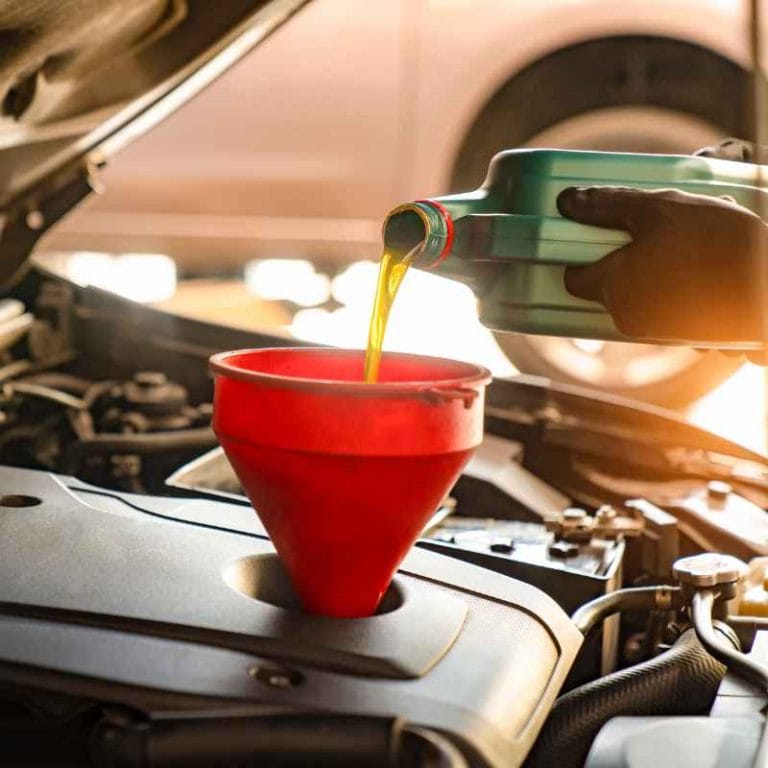
Engine oil is vital for your car. It keeps the engine parts moving smoothly. It also helps keep the engine cool.
Mighty Mint
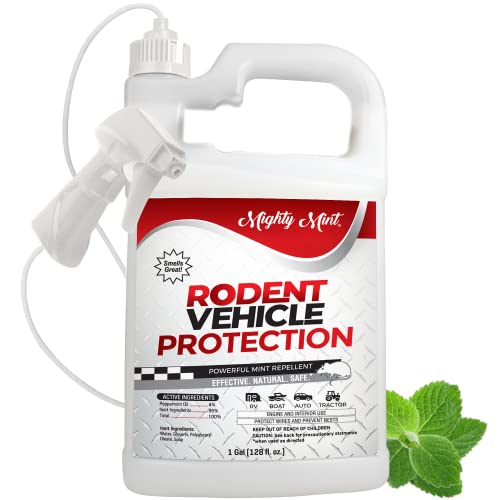
Mighty Mint Rodent Repellent Vehicle Spray, 1…
- Protects Auto Interiors and Engines from Rodent Chewing
- Natural Ingredients Proven Effective in the Real World
- Smells Great!
As an Amazon Associate I earn from qualifying purchases.
Plus, it cleans out gunk and stops rust. But oil doesn’t last forever. It breaks down over time.
This is called degradation.
Degradation happens for a few reasons. Heat is a big one. Engines get hot.
This heat wears out the oil’s special additives. Air also plays a part. Oxygen in the air can make the oil’s molecules change.
Moisture is another enemy. Water can get into oil. This can cause it to become less effective.
Think of oil like milk. Fresh milk is good. Stale milk can make you sick.
Old oil is bad for your car’s engine. It can’t do its job well. This can lead to problems.
It might cause more wear and tear. It could even lead to engine damage.
So, how do we know when oil is bad? We look for signs. These signs tell us the oil isn’t working right anymore.
We need to be aware of them.
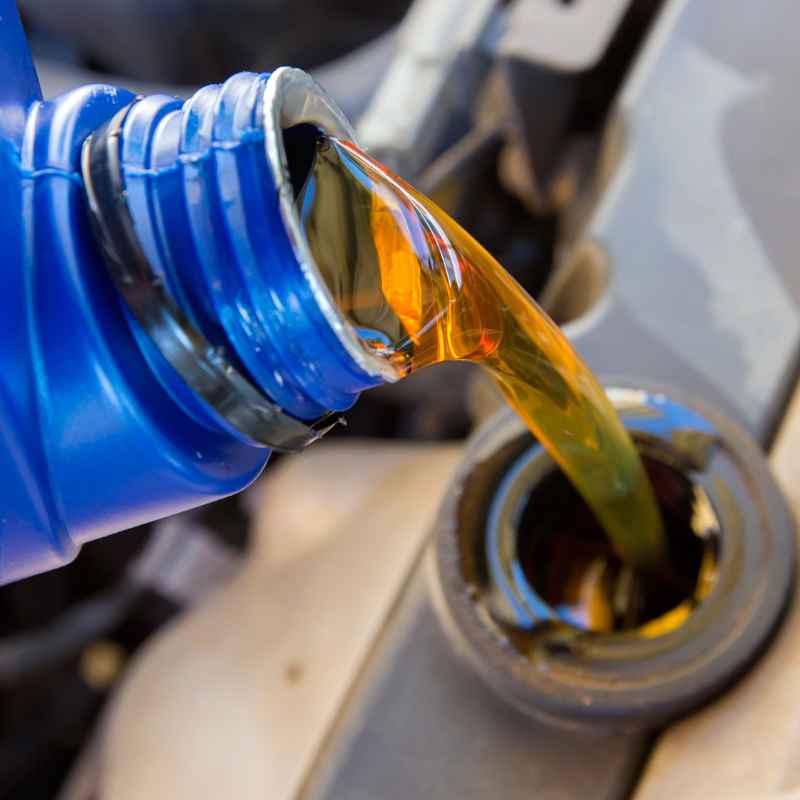
How to Tell If Engine Oil Has Gone Bad
Spotting bad engine oil is important. It helps you protect your car. There are a few clear signs to look for.
These signs usually show up either in the bottle or in your engine.
First, look at the oil itself. If it’s in a bottle, does it look strange? Does it have a dark color?
Maybe it looks cloudy. Some oils might separate. You might see chunks or sludge.
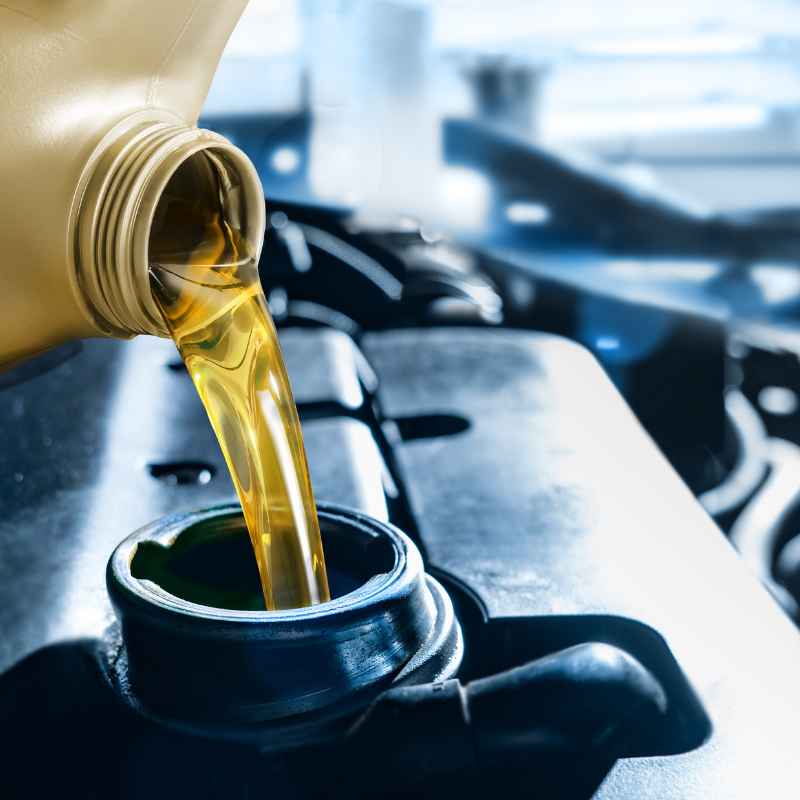
This is not a good sign. Good oil is usually clear or slightly amber. It should not have solid bits.
Next, smell the oil. Oil has a smell. But bad oil smells worse.
It might smell burnt. It could smell like strong chemicals. A burning smell is a big red flag.
This means it has been heated up too much. Or it might have picked up contaminants.
When the oil is in your car, it’s different. You can’t always see it. But you might notice changes in how your car runs.
Does the engine sound louder? Is it making strange noises? Does it seem to struggle more?
These are clues.
Also, check your car’s dashboard. Is an oil light on? This light means your oil pressure is low.
Bad oil can cause this. It means the oil isn’t flowing right. It’s not lubricating the engine well.
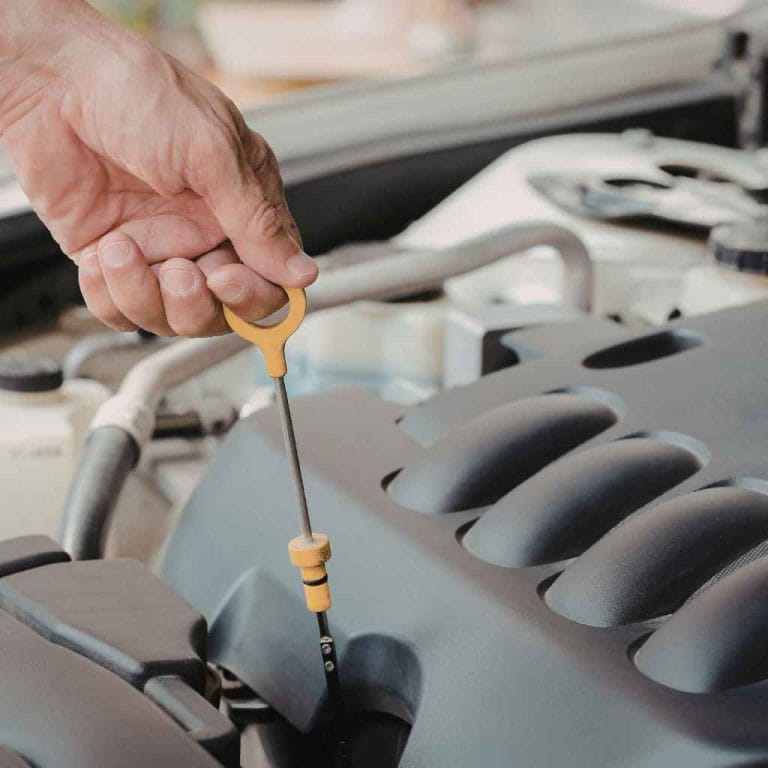
Another sign is the oil’s color on your dipstick. If the oil is very dark, almost black, it’s time for a change. Fresh oil is light brown.
It gets darker as it picks up dirt. But if it’s black and thick, it’s very old. It has done its job for too long.
Sometimes, you can see the oil’s texture. If it feels gritty between your fingers, it has dirt or metal bits in it. This is a sign of wear.
It means the oil is not protecting the engine. It’s actually causing more damage.
These signs are your car’s way of telling you something is wrong. Pay attention to them. They can save you from costly repairs.
Signs Your Engine Oil is Bad
In the Bottle:
- Cloudy or murky appearance
- Visible sludge or sediment
- Oil separation (layers)
- Unusual, strong chemical smell
In Your Engine:
- Dark, almost black color on dipstick
- Gritty texture when rubbed between fingers
- Engine making louder or unusual noises
- Oil warning light illuminated on dashboard
- Burnt smell coming from engine area
The Shelf Life of New, Unopened Engine Oil
So, what about that new bottle of oil? Does it go bad sitting on the shelf? Yes, it can.
But it takes a lot longer than oil that’s been used.
When oil is in a sealed container, it’s protected. The container stops air and moisture from getting in. This keeps it fresh.
Most car manufacturers say new oil can last for about 4 to 5 years. This is if you store it right. It should be in a cool, dry place.
The key word here is sealed. Once you open a bottle, the clock starts ticking. Air and moisture can then get in.
This begins the degradation process. Even if you close it tightly, it won’t last as long as it did when brand new.
What if the bottle is damaged? If the seal is broken or the cap is loose, water can get in. Heat is also a problem.
If you store oil in a hot garage, it will break down faster. Extreme cold can also affect it. But heat is usually the bigger issue.
It’s a good idea to check the date on the oil container. Some brands put a manufacturing date on them. If you can’t find one, just assume it’s good for a few years.
If it looks or smells odd when you open it, don’t use it.
For most people, this isn’t a huge issue. We use oil fairly regularly. But if you buy in bulk, or you’re a car enthusiast with many cars, storage becomes more important.
Knowing the shelf life helps you use your oil wisely.
New Oil Storage Tips
- Keep it Sealed: Ensure the cap is tight. If the seal is broken, consider it less fresh.
- Cool & Dry: Store in a place with stable, cool temperatures. Avoid direct sunlight or damp areas.
- Upright Position: Store bottles upright to minimize potential leaks and seal damage.
- Check Dates: Look for manufacturing or expiry dates if available.
The Impact of Usage on Engine Oil
Now, let’s talk about oil that’s actually been in your car. This is where oil degradation happens much faster. It’s a whole different story from oil sitting in a bottle.
When oil is in use, it’s working hard. It’s constantly moving. It’s dealing with extreme heat.
It’s getting mixed with combustion byproducts. This includes tiny bits of metal from wear. It also picks up soot and water.
All these things attack the oil.
The oil’s additives start to break down. These additives are special chemicals. They help the oil do its job.
They fight wear. They keep the oil from becoming too thick or too thin. They prevent rust.
As they break down, the oil loses these helpful qualities.
The oil also gets contaminated. Think of it like a sponge. It soaks up all the dirt and gunk in your engine.
This makes the oil thicker. It also loses its ability to flow smoothly. Thick, dirty oil can’t reach all the parts of the engine that need lubrication.
Heat is a major factor. Engines run at very high temperatures. This heat breaks down the oil’s base molecules.
It can cause oxidation. Oxidation makes the oil thicker. It can even turn it into sludge.
Sludge is a thick, tar-like substance. It blocks oil passages.
Moisture is also a problem. Small amounts of water can form in the engine. This is from combustion.
Water and oil don’t mix well. It can cause corrosion. It can also break down the oil’s performance.
So, oil in use gets degraded quickly. It’s a combination of heat, pressure, and contamination. That’s why you need to change it regularly.
It’s not just about mileage. It’s also about time.
Why Used Oil Degrades
- Heat: High engine temperatures break down oil molecules.
- Contamination: Dirt, metal particles, soot, and fuel get into the oil.
- Oxidation: Air interacts with the oil, causing it to thicken and form sludge.
- Additive Depletion: Special chemicals in the oil wear out over time.
- Moisture: Water from combustion can cause corrosion and reduce oil effectiveness.
Mileage vs. Time: What Matters More?
This is a big question for car owners. Should you change your oil based on miles driven? Or should you change it based on how long it’s been?
The answer is usually both.
Most car manufacturers give you a recommended service interval. This is often stated in miles. For example, they might say change your oil every 5,000 miles.
Or maybe 7,500 miles. For some newer cars with special synthetic oils, it can be even more.
However, they also give a time limit. They might say change your oil every 6 months. Or 12 months.
Whichever comes first. This is important. It accounts for time-based degradation.
Let’s say you don’t drive much. You only put on 2,000 miles a year. If your car’s manual says change oil every 5,000 miles or 6 months, you should change it every 6 months.
The oil is still getting old. It’s still exposed to heat and moisture. Even if it’s not getting much mileage.
On the other hand, if you drive a lot, you might reach your mileage limit faster. If you drive 15,000 miles in 6 months, you’ll change your oil based on miles. You won’t wait the full 6 months.
Why is this important? Because oil degrades over time, not just with use. Even if the engine isn’t running, oil can slowly break down.
It can absorb moisture from the air. Additives can also break down slowly.
Modern synthetic oils are better. They resist heat and degradation longer. So, their intervals might be longer.
Always check your car’s owner’s manual. It’s the best guide for your specific car.
Ignoring the time interval can be costly. Old, degraded oil won’t protect your engine. This can lead to premature wear.
It can cause serious damage. So, balance your miles with your time. Both are key to keeping your engine healthy.
Mileage vs. Time: Which to Follow?
- Owner’s Manual is Key: Always check your car’s manual first.
- Mileage Limit: For high-mileage drivers, this is often the primary factor.
- Time Limit: For low-mileage drivers, the time limit is crucial.
- “Whichever Comes First”: This is the standard recommendation.
- Synthetic Oils: Often have longer intervals but still need time-based changes.
Factors Affecting Oil Lifespan
We’ve talked about general rules. But several things can make oil last longer or shorter. These are the specific details that affect its life.
Type of Oil: This is a big one. Conventional oil is refined crude oil. Synthetic oil is made in a lab.
Synthetic oils are much better. They resist heat better. They don’t break down as easily.
They stay cleaner for longer. So, synthetic oil generally lasts longer in your engine. It also has a longer shelf life.
Driving Habits: How you drive matters a lot. Short trips are hard on oil. If you only drive a few miles at a time, the engine doesn’t get hot enough to burn off moisture.
The oil stays cooler. This moisture can build up. It can cause problems.
Long highway drives are usually better. The engine gets hot. It can burn off contaminants.
Engine Condition: A healthy engine is easier on its oil. An engine that burns oil or leaks fluids will degrade the oil faster. Also, if your engine is old and worn, it might have more metal particles floating around.
These particles contaminate the oil.
Climate: Extreme temperatures affect oil. Very hot climates make oil break down faster. Very cold climates can make oil thicker.
This makes it harder to start the engine. It also means the oil doesn’t flow as well. This can cause wear.
Oil Filter Quality: The oil filter cleans the oil. A good quality filter traps more dirt and debris. A cheap or old filter won’t do a good job.
The oil will get dirty faster. This makes it degrade faster.
Driving Conditions: If you drive in dusty areas, more dirt can get into the engine. If you tow heavy loads, your engine works harder. This creates more heat.
All these conditions shorten the oil’s life.
Understanding these factors helps you make smart choices. You can adjust your oil change schedule. You can also choose the right oil for your needs.
This helps protect your investment.
Factors Influencing Oil Life
- Oil Type: Synthetic lasts longer than conventional.
- Driving Style: Short trips are harder on oil than highway driving.
- Engine Health: Older or poorly maintained engines degrade oil faster.
- Climate: Extreme heat or cold can shorten oil life.
- Oil Filter: A quality filter keeps oil cleaner for longer.
- Operating Conditions: Heavy towing or dusty environments reduce oil life.
What Happens If You Use Old or Bad Oil?
This is the real worry. What are the consequences? Using oil that has gone bad is like driving on borrowed time.
It’s a risk you don’t want to take.
The main job of oil is to lubricate. It creates a thin film between moving metal parts. This stops them from grinding against each other.
Old oil loses its lubricating power. It becomes thin or gritty. This means metal parts will start to touch.
This causes friction. Friction creates heat. It also causes wear.
Tiny metal particles will start to flake off the parts. These particles get into the oil. They make the oil even worse.
It’s a nasty cycle.
Over time, this wear adds up. Parts can become damaged. Seals can start to leak.
The engine might start to make strange noises. It might lose power. It can also overheat more easily.
The oil pump might struggle to move the thick, old oil.
If the oil gets too bad, it can lead to total engine failure. This is the worst-case scenario. It means you need a complete engine rebuild or replacement.
This is incredibly expensive. Often, it’s more than the car is worth.
Think about the cost. A few quarts of new oil and a filter are cheap. Replacing an engine is tens of thousands of dollars.
It’s a simple cost-benefit analysis.
Even if the oil isn’t completely shot, using it when it’s degraded is bad. It just means your engine is working harder. It means parts are wearing out faster.
You’re shortening the life of your engine.
So, if you see signs of bad oil, don’t ignore them. Change it. It’s one of the simplest, cheapest ways to keep your car running well for a long time.
Don’t let a little bit of old oil cost you a lot of money.
Risks of Using Bad Engine Oil
- Increased Engine Wear: Lack of lubrication causes metal parts to grind.
- Overheating: Poor lubrication and increased friction generate more heat.
- Sludge Formation: Old oil breaks down into thick deposits that block passages.
- Reduced Performance: Engine may run rough, lose power, or become noisy.
- Seal Leakage: Degraded oil can damage seals, leading to leaks.
- Catastrophic Engine Failure: In extreme cases, the engine can seize up completely.
Storing Leftover Engine Oil Properly
If you’ve changed your oil and have some left, don’t just toss it. Or leave it to go bad. Proper storage is key if you want to use it later.
First, make sure the container is sealed tightly. The original container is best. If you’ve poured it into another container, use one that seals well.
A screw-top lid is ideal. Make sure there are no leaks.
Next, find the right storage spot. This is super important. You want a place that is cool and dry.
Avoid garages that get very hot in the summer. Garages are often not insulated well. They can experience wide temperature swings.
This is bad for oil.
A basement is often a good spot. Or a climate-controlled storage unit. If you must use a garage, try to find the coolest, shadiest spot.
Keep it away from heat sources like water heaters or furnaces.
Keep the oil upright. This helps prevent leaks. It also keeps any tiny amount of moisture from settling on the seal.
Moisture is the enemy of stored oil.
Avoid storing oil near chemicals. Things like paint thinners or solvents can give off fumes. These fumes might affect the oil.
They can also be dangerous.
When you’re ready to use stored oil, always check it. Give it a good look. Does it look clear?
Does it smell okay? If it looks cloudy, separated, or smells off, don’t use it. It’s better to be safe.
Think about how much you use. If you only need a quart or two for a top-off, it might not be worth keeping a big jug for years. But if you do regular oil changes and have a quart or two left, proper storage means you won’t have to buy a whole new quart next time.
It’s a small detail, but it saves money. And it ensures you have good oil when you need it. It’s a simple bit of maintenance for your maintenance supplies.
When to Worry and When It’s Just Normal
It’s good to know when things are normal and when they’re not. This applies to engine oil too. Sometimes, the oil looks a bit dark, and that’s okay.
Other times, it’s a sign of trouble.
Normal Signs:
- Slightly Darker Color: After a few thousand miles, oil naturally gets darker. It picks up small amounts of soot and combustion byproducts. This is normal.
- Slight Odor: Used oil often has a distinct smell. It’s not pleasant, but it’s usually not a sign of it being “bad.”
- Mileage Limits Reached: If you’ve hit your car’s recommended mileage, it’s normal for the oil to be at the end of its life.
Signs to Worry About:
- Milky or Frothy Appearance: This usually means coolant is leaking into the oil. This is a serious problem. Coolant can destroy engine parts.
- Smells Strongly Burnt: A burnt smell means the oil has overheated significantly. It has lost its protective qualities.
- Visible Sludge or Metal Particles: This indicates severe contamination or engine wear. The oil is no longer doing its job.
- Oil Light Stays On: If the oil pressure warning light comes on and stays on, stop the engine immediately. This means the oil isn’t flowing correctly.
- Significant Separation: If you can clearly see oil and water or other liquids separated in the bottle or on the dipstick, the oil is compromised.
I remember one time, I was checking the oil in my old pickup. It had been a while. The oil on the dipstick looked okay, maybe a bit dark.
But it smelled really bad, like burnt toast. That’s when I knew it was way past time. I changed it right away.
The engine ran a lot smoother after that.
Paying attention to these details helps you avoid bigger problems. If you’re unsure, it’s always best to change the oil. It’s cheap insurance for your engine.
Quick Tips for Engine Oil Care
Here are some simple things you can do to keep your engine oil in good shape:
- Follow Your Manual: Always use the oil type recommended by your car manufacturer. Check the owner’s manual.
- Use Quality Filters: Always use a good quality oil filter. Cheap filters don’t protect your engine as well.
- Check Oil Regularly: Make it a habit to check your oil level and condition at least once a month.
- Don’t Top Off Constantly: If you find yourself adding oil often between changes, ask a mechanic to check for leaks or burning.
- Warm Up Engine Slowly: If it’s very cold, let your engine run for a minute or two before driving off. This helps the oil circulate.
- Drive Sensibly: Avoid hard acceleration and braking when the engine is cold.
Frequently Asked Questions About Engine Oil Lifespan
How long does conventional engine oil last in the bottle?
Conventional engine oil, when stored in a sealed container in a cool, dry place, can typically last for about 4 to 5 years. After opening, its lifespan is reduced.
Can I use engine oil that is a few years old but still sealed?
Yes, usually you can. As long as the bottle has remained sealed and has been stored properly (cool, dry, away from direct sunlight), oil that is a few years old should still be safe to use. Always check its appearance and smell before use.
What happens if I don’t change my engine oil often enough?
Not changing your oil often enough leads to oil degradation. This means it loses its ability to lubricate and protect the engine. It can cause increased wear, overheating, sludge buildup, and eventually, severe engine damage or failure.
Is synthetic oil really better than conventional oil for lifespan?
Yes, synthetic oil is generally better. It is engineered to resist heat and oxidation more effectively. This means it breaks down slower and can often go longer between oil changes than conventional oil, offering better protection.
How do I know if my engine oil is contaminated with water?
If your engine oil is contaminated with water, it will often look milky or have a frothy, light brown appearance, like a latte. This is because water and oil don’t mix, and it can be a sign of coolant leaking into the oil system.
What is the recommended oil change interval for most cars?
Recommended oil change intervals vary widely by car make and model, and the type of oil used. Most cars recommend changing oil every 5,000 to 10,000 miles, or every 6 to 12 months, whichever comes first. Always consult your owner’s manual.
Final Thoughts on Oil Longevity
Keeping your engine happy means taking care of its oil. Whether it’s new in the bottle or used in your car, oil has a limited lifespan. Understanding how it degrades helps you make the right choices.
Always check your owner’s manual for specific advice. Regular checks and timely changes are the best ways to protect your engine. It’s a small task that pays off big time for your car’s health.
Related pick: Check today's price on Amazon
Products related to this article
Sponsored / affiliate links. As an Amazon Associate I earn from qualifying purchases. I may earn additional commission from eligible campaigns.
 ECOGARD X10023 Cartridge Engine Oil Filter for Conventional Oil - Premium Replacement | Fits 2018-2023 Volkswagen Atlas 3.6L; 2020-2023 Atlas Cross Sport 3.6L
 ECOGARD X10040 Cartridge Engine Oil Filter for Conventional Oil - Premium Replacement | Fits 2011-2026 Jeep Grand Cherokee, Dodge Durango 3.6L; 2012-2026 Wrangler 3.6L; 2014-2022 Cherokee 3.2L