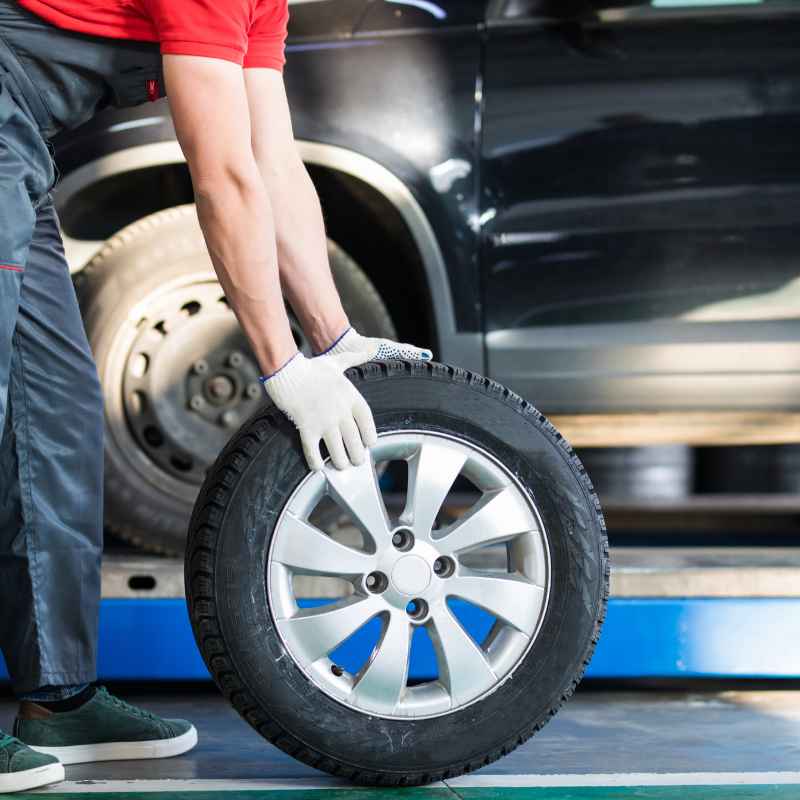
Can Tire Rotation Cause A Car To Pull? Here’S The Truth
Tire rotation itself does not cause a car to pull. If your car pulls after a tire rotation, the cause is usually an underlying issue that was present before or was introduced during the service. These issues can include improper tire mounting, uneven tire wear, wheel alignment problems, or suspension damage.
The rotation just makes these existing issues more noticeable.
Understanding Why Cars Pull After Tire Rotation
Let’s dive into why this happens. You bring your car in for a tire rotation. This is a simple service.
Mechanics move your tires around. Front tires go to the back. Back tires might go to the front.
Or they might cross them. The main goal is even wear. This helps your tires last longer.
It also helps your car drive smoothly.
After the service, you drive off. Then you notice it. Your steering wheel isn’t straight.
The car drifts to the left or right. This is the pulling. It feels unsettling.
You might think, “They did this!” But that’s usually not the full story. Tire rotation is a moving of parts. It doesn’t add new problems usually.
It often just highlights what was already there.
My Own Close Call with a Steering Wheel Wander
I remember one time, it was a sweltering Tuesday afternoon. I’d just dropped off my old sedan for its recommended tire rotation. I was running errands, feeling pretty pleased with myself for staying on top of maintenance.
An hour later, I picked it up. The mechanic said everything looked good. I paid and drove away, the radio playing softly.
About five blocks down the road, I noticed it. The steering wheel felt… heavy. And it was tilted.
My car was veering slightly to the right. My stomach did a little flip. “No way,” I thought.
“They just rotated the tires. How could that cause a pull?” I felt a wave of annoyance, then a bit of panic. Was something seriously wrong?
I pulled over, turned off the car, and took a deep breath. I remembered them mentioning they had to re-seat one of the tires. That tiny detail stuck in my mind.
I decided to drive very slowly back to the shop. The mechanic came out, looking a bit sheepish. He took it for a short spin.
“Ah,” he said, nodding. “I see it. That tire we had to pop back on the rim might not have seated perfectly evenly.
It’s causing a slight imbalance.” He had to take it off, check the bead, and remount it. A few minutes later, the pull was gone. It was a relief, but also a lesson.
Sometimes, it’s the small things from the rotation process itself.
Key Takeaways: Tire Rotation & Pulling
What Rotation Does: Moves tires to promote even wear.
Common Fear: Rotation causes pulling.
The Reality: Rotation rarely causes a pull.
What It Reveals: Existing issues like alignment or tire problems.
When Rotation Itself is the Issue: Improper tire mounting is rare but possible.
The Real Culprits Behind a Car Pulling
So, if tire rotation isn’t the direct cause, what is? Think of tire rotation as a spotlight. It shines a light on problems that were already hiding.
Many things can make a car pull to one side. Let’s look at the most common ones.
Uneven Tire Wear
This is a big one. Tires wear down over time. But they don’t always wear evenly.
One side of a tire might wear faster than the other. The front tires usually wear faster than the back. This is because they steer the car.
They also handle more weight.
If a tire is worn unevenly, it can create a bald spot or a slope. This uneven surface can make the car drift. When you rotate tires, you move these worn tires to new positions.
A tire that was worn on the inside might now be on the outside. This can make the pull feel more obvious. It’s like putting a slightly lopsided wheel on your bike.
It just won’t roll straight.
Improper Tire Mounting
This is less common, but it happens. When tires are put on wheels, they need to be mounted correctly. The tire has a bead that seals against the wheel rim.
If this bead doesn’t seat perfectly, it can cause problems. The tire might not be perfectly round. Or it might seal unevenly.
This can create a slight wobble or pull. It’s especially true if one tire is mounted poorly. During a rotation, if a tire is taken off the rim and put back on, this is where the risk is highest.
The tire might not be remounted with perfect precision. This is what happened in my story.
Wheel Alignment Issues
This is a very common reason for pulling. Wheel alignment refers to the angles of your wheels. These angles affect how your car steers and handles.
They need to be set just right. When alignment is off, your car can pull.
Things like hitting a pothole or curbs can knock your alignment out. It can also happen over time. Before you got your tires rotated, your alignment might have been off.
The car might have been pulling slightly. You got used to correcting it. Then, after rotation, the tires are in new spots.
Now, the pull feels stronger or in a different direction. The rotation didn’t cause it, but it made it more noticeable.
Tire Pressure Differences
This is a simple one to check. All four tires need to have the right air pressure. If one tire has much less air than the others, it can cause a pull.
The car will naturally drift towards the under-inflated tire. It’s like walking on a flat shoe. You lean to one side.
Sometimes, the shop might not check tire pressure after rotation. Or maybe a slow leak developed. If the pressures aren’t equal across the car, you might feel a pull.
This is one of the easiest fixes. Always check your tire pressure.
Contrast Matrix: Normal vs. Concerning Pulling After Rotation
Normal Pulling (Temporary/Slight)
What it feels like: A very gentle drift. You can easily correct it.
Likely Cause: New tire seating, slight pressure change, settling.
Duration: Usually fades within a few miles of driving.
Concerning Pulling (Persistent/Strong)
What it feels like: Strong pull that’s hard to steer against. Steering wheel is noticeably crooked.
Likely Cause: Wheel alignment issues, damaged tire, suspension problems, serious mounting error.
Duration: Doesn’t go away after driving a bit.
Wheel Bearing or Suspension Issues
These are more serious. A damaged wheel bearing can cause resistance. This resistance can make a wheel drag.
It feels like a pull. Problems with ball joints or control arms can also affect how your wheels sit. This leads to pulling.
These issues often develop slowly. You might not notice them until something shifts. Tire rotation can sometimes expose these weaknesses.
If a suspension part is loose, moving the tires might put different stress on it. This stress can then cause the pull to appear.
Brake System Problems
Sometimes, a brake caliper can stick. This means the brake pad stays slightly engaged. It drags on the rotor.
This creates resistance. The car will pull towards the side with the dragging brake.
This is not directly caused by tire rotation. But if a brake issue was minor and intermittent, the change in tire positions might make it more apparent. You might feel the car pull more strongly on one side.
What Happens During a Tire Rotation?
To really understand why rotation doesn’t cause pulling, let’s look at what happens. It’s a fairly straightforward process. Mechanics follow specific patterns.
Rotation Patterns Explained
There are a few common ways tires are moved. The pattern depends on your car. It also depends on tire type.
- Front-to-Back: The front tires move straight to the back. The back tires move straight to the front. This is common for cars with directional tires.
- Rear-Cross: The rear tires move straight to the front. The front tires go to the rear axle but are crossed to the opposite side.
- Side-to-Side: The front tires go to the rear on the same side. The rear tires go to the front on the same side. This is often used for non-directional tires.
- Forward-Cross: The front tires move to the rear axle but are crossed to the opposite side. The rear tires move straight to the front.
The goal is to balance wear. Front tires often wear faster. They handle more load.
They also do the steering. Moving them to the back helps them last longer.
The Role of Tire Balancing
Tire rotation is often done with tire balancing. Balancing is crucial. It makes sure the weight of the tire and wheel is even.
Small weights are added to the wheel rim. This stops wobbling. It prevents vibrations.
It also helps with even wear.
If tires are not balanced, they can cause vibrations. This vibration can feel like a pull sometimes. Or it can make a slight pull feel worse.
Balancing is part of good tire service. It should happen with rotation.
Checking Lug Nuts
After rotating tires, mechanics tighten the lug nuts. These hold the wheel onto the car. They are tightened in a specific pattern.
This makes sure the wheel sits evenly. They use a torque wrench. This ensures they are tight enough but not too tight.
If lug nuts aren’t tightened correctly, the wheel might not be centered. This can cause a wobble. It might even feel like a pull.
Or if one lug nut is much tighter, it can warp the brake rotor. This leads to pulling. Most shops do this right.
When Is It Safe to Drive?
Most of the time, if your car pulls after a rotation, it’s not an emergency. But you shouldn’t ignore it. A persistent pull means something needs attention.
Driving Safely Immediately After Service
When you first drive off the lot, pay attention. Does the pull feel very slight? Can you easily keep the car going straight?
Do you feel a little wobble that fades away after a mile or two?
This could be a sign of the tires settling. Or it might be a minor balancing issue. If the pull is very light and disappears quickly, you might be okay.
But still keep an eye on it. If it lingers or worsens, get it checked.
When to Go Back to the Shop
You should return to the shop if:
- The pull is strong and immediate.
- The steering wheel is significantly off-center.
- You hear new noises when turning or braking.
- The pull doesn’t fade after a few miles of driving.
Most reputable shops will want you to come back. They’ll want to make sure everything is right. It’s often covered under their service guarantee.
Don’t hesitate to ask them to look at it again.
My Own Experience: The Back-and-Forth
The Situation: My car pulled slightly after a tire rotation. The pull was noticeable but not alarming.
My First Move: I drove it for about 5 miles. I wanted to see if it would “settle.”
The Outcome: The pull did not go away. It felt consistent.
Next Step: I called the shop. I explained what was happening.
Resolution: They asked me to bring it back. The mechanic found a tire that wasn’t seated perfectly. He fixed it quickly.
My car drove straight after that.
Lesson Learned: Don’t wait too long if a pull persists. A quick check can save you trouble.
When to See a Dedicated Alignment Specialist
If the shop checks everything and can’t find an issue related to the rotation, it might be time for a dedicated alignment check. Sometimes, a shop might not have the specialized equipment for a full alignment. Or perhaps the issue is deeper in the suspension.
An alignment specialist has tools to measure all the angles. They can check camber, caster, and toe. They can identify bent components.
If you’ve had recent tire work and a persistent pull, this is your next step. It’s important to get this right for safety and tire life.
How to Check for Pulling Yourself
You don’t need to be a mechanic to spot a pull. Here’s how to check your car after service.
The Straight Road Test
Find a safe, flat, straight stretch of road. Ideally, it should have no traffic. Turn off the radio.
Turn off the fan. You want to be able to hear and feel everything.
Drive at a moderate speed, maybe 30-40 mph. Take your hands off the steering wheel for a second or two. See if the car drifts.
Does it veer sharply to one side?
Note the steering wheel position. Is it centered when you’re going straight? Or is it tilted?
Even a slight tilt can indicate an issue.
Feeling the Steering Wheel
Feel the steering wheel itself. Does it feel normal? Or is it pulling against your hands?
When you make a slight turn, does it want to snap back to center normally? Or does it feel off?
Pay attention to vibrations too. While vibration isn’t the same as pulling, they can sometimes be linked. A poorly balanced tire can cause vibrations that feel like a pull.
Checking Tire Pressure Again
This is super simple. Go to any gas station with an air pump. Check the pressure in all four tires.
Compare it to the sticker on your driver’s side doorjamb. This sticker lists the recommended PSI (pounds per square inch) for your car.
If one tire is significantly lower than the others, that’s your most likely culprit. Add air to bring it up to the correct level. Then, test drive again.
See if the pull is gone.
Preventing Future Pulling Issues
The best way to avoid this stress is to be proactive. Good maintenance habits can prevent many problems.
Regular Tire Inspections
Get your tires checked regularly. Look for uneven wear. See if there are any bulges or cuts.
Make sure the tread depth is still good.
This is something you can do yourself. Just walk around your car. Look closely at each tire.
You can even use a penny to check tread depth.
Following Recommended Maintenance Schedules
Stick to your car’s maintenance schedule. This includes tire rotations. Most manufacturers recommend them every 5,000 to 7,500 miles.
This is usually done with oil changes.
Also, get your alignment checked periodically. Especially if you hit a big pothole or notice uneven wear. Most shops will recommend an alignment check every year or two.
Choosing a Reputable Service Center
This is so important. Find a mechanic or tire shop you trust. Look for good reviews.
Ask friends for recommendations.
A good shop will be transparent. They’ll explain what they’re doing. They’ll use the right tools.
They’ll have experienced technicians. It’s worth paying a little more for quality service.
Frequently Asked Questions
Can a tire rotation cause a car to pull to the left?
No, a tire rotation itself does not cause a car to pull to the left or right. If your car pulls left after a rotation, it’s likely due to an underlying issue like uneven tire wear, improper tire mounting on one wheel, low tire pressure on the left side, or a problem with the wheel alignment or suspension on the left side.
What if my car pulls to the right after tire rotation?
A pull to the right after a tire rotation indicates an existing problem has become more noticeable. Common causes include a tire on the right side having lower pressure, uneven wear on the right-side tires, or an alignment issue affecting the right side of the vehicle. It could also be a poorly seated tire or a brake issue on the right side.
How long should it take for a car to stop pulling after tire rotation?
If the pulling is very minor and caused by the tires simply settling into their new positions, it should disappear within a few miles of normal driving, perhaps 5-10 miles. If the pull persists beyond that, it’s a sign that a more significant issue needs to be addressed, such as alignment or tire mounting.
Should I get my alignment checked if my car pulls after tire rotation?
Yes, if you notice a persistent pull after a tire rotation, getting your wheel alignment checked is a very good idea. Tire rotations can sometimes make existing alignment issues more apparent. A professional alignment check will determine if your car’s wheel angles are set correctly.
Is it safe to drive if my car is pulling after tire rotation?
It depends on the severity of the pull. If it’s a very slight drift that you can easily counteract, it might be safe to drive to the service center. However, if the pull is strong, makes the car difficult to control, or you hear unusual noises, it’s best to have it inspected immediately.
Driving with a significant pull can be unsafe and cause further damage.
What is the difference between tire rotation and wheel alignment?
Tire rotation is simply moving tires from one position on the car to another (e.g., front to back) to promote even wear. Wheel alignment refers to adjusting the angles of the wheels so they are parallel to each other and perpendicular to the ground, which ensures proper handling and tire wear. Rotation doesn’t change wheel angles; alignment does.
Conclusion: Rest Assured, It’s Usually Fixable
It’s understandable to worry when your car behaves unexpectedly after a service. But the good news is that tire rotation itself doesn’t cause a car to pull. It’s usually a sign that an existing issue is now more noticeable.
Things like tire wear, pressure, or alignment are the usual suspects. By understanding this, you can work with your mechanic to find the real cause and get your car driving straight again. Don’t hesitate to go back if you’re concerned.
See also why does a car tire burst top causes and warning signs. See also car tire sounds flat but isn’t here’s what could be wrong.
Products related to this article
Sponsored / affiliate links. As an Amazon Associate I earn from qualifying purchases. I may earn additional commission from eligible campaigns.