Best DIY Maintenance Tasks for Ford Owners: What to Do
Ford owners can handle quick checks and top-offs at home, but anything involving brakes, cooling-system bleeding, airbag or ABS faults, or a required scan tool belongs with a technician. Skip that line and a cheap fix can turn into tire wear, fluid loss, warning lights, or a breakdown. This guide sorts Ford maintenance into 10-minute jobs, tool-based jobs, and shop-only repairs.
How to use the Ford maintenance schedule for DIY planning


The Ford maintenance schedule is the starting point for any DIY plan because it ties service items to your exact vehicle, mileage, and engine. Ford’s lookup asks for the vehicle’s VIN, and that VIN-driven result is the safest way to confirm which tasks are due now, which are only inspections, and which items belong with a technician.
Find the right service plan with your VIN
A VIN is a 17-digit alphanumeric code. Ford says you can find it on the driver’s side doorframe, at the lower driver’s side corner of the windshield, and in purchase documents, the insurance card, and registration. Use that VIN first, because model year alone does not tell you whether a truck, SUV, hybrid, or turbocharged engine needs a different service item.
That matters for access too. A body-on-frame truck may leave more room around the battery or filters than a tightly packaged crossover, and some Ford models place components in spots that make even a simple check awkward. The VIN lookup cuts guesswork before you buy parts or start unbolting covers.
Match mileage intervals to your model and engine
Ford maintenance is mileage-based, but the interval can change with engine type, drivetrain, towing, and severe-duty use. A schedule may call for inspection rather than replacement, or for an engine-specific fluid spec rather than a generic fill. Treat the schedule as the gatekeeper, then match each task to the exact service line for your vehicle.
That approach also protects documentation. If the schedule calls for inspection at a certain mileage, record the date, mileage, and result even if nothing was replaced. That paper trail helps with warranty questions and later resale discussions.
Separate owner checks from service-shop items
Ford regular maintenance keeps the vehicle easier to trust day to day and can improve resale value. The DIY goal is not to do everything. It is to do the checks that are safe, visible, and reversible, while leaving fluid bleeding, fault diagnosis, and hidden wear to the shop.
What you can safely do in 10 minutes

In 10 minutes, most Ford owners can check oil level, glance at tire condition, look for leaks, inspect battery terminals, and notice wiper wear. These jobs do not require disassembly, special calibration, or a lift. They do require the engine to be off and, for some checks, cold.
Check oil level and look for the correct spec
Use the dipstick method if your Ford has one: park on level ground, shut the engine off, wait a few minutes, pull the dipstick, wipe it, reinsert it, then read the level. The oil should sit within the marked range. If it is low, add only enough to reach the correct mark.
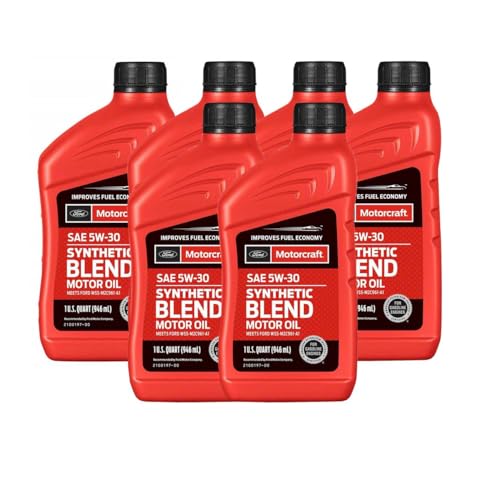
Oil type is not generic. The engine-specific spec matters because Ford engines can call for different viscosities or approvals. If the cap or owner information does not match the oil in the bottle, stop and confirm before adding anything. A wrong-spec top-off can be a small mistake with a large bill later.
Top-off is appropriate when the level is low but the oil still looks normal and the full change interval has not arrived. A full change is due when the maintenance schedule says so, when the oil is contaminated, or when the filter interval has been reached. Do not treat topping off as a substitute for service.
Inspect tires, pressure, and tread depth
Look for obvious tire damage first: cords showing, bulges, cuts, nails, or uneven wear on one edge. Then check pressure with a gauge and compare it to the vehicle placard, not the sidewall. The sidewall lists the tire’s maximum, not the Ford-recommended running pressure.
For tread depth, many owners use a tread gauge or the built-in wear bars. If the tread is even with the bars, the tire needs replacement. Uneven wear often points to underinflation, overinflation, alignment, or suspension wear, and that is a reason to inspect sooner rather than later.
Scan for coolant leaks, battery corrosion, and wiper wear
Coolant checks should be done with a cold engine only. Look at the reservoir level, then scan for crusty residue, puddles, or sweet-smelling moisture around hoses and fittings. Never open a hot cooling system.
Battery checks are simple. Look for white or blue corrosion on the terminals, loose clamps, cracked case material, or swelling. Wiper blades need replacement when they streak, chatter, or leave missed arcs. Seasonal inspection helps because hot sun, ice, and road grit wear rubber fast.

Which Ford maintenance jobs need tools or extra care?
These jobs are still possible for many owners, but they need a better tool set, more access, or more attention to fitment. That includes filter replacement, battery testing, and tire rotation. If access is tight, if the fasteners are corroded, or if you cannot confirm the spec, stop and recheck before forcing anything.
Air filter and cabin filter replacement
The engine air filter should be inspected on the schedule and replaced when dirty, damaged, or restricted. Dusty driving shortens the interval. Signs include heavy debris, dark loading on the media, or a filter that no longer holds light through the pleats.
The cabin air filter affects HVAC airflow and cabin odor. Weak air volume from the vents, dust on the filter, or persistent pollen buildup are common clues. In high-pollen or dusty conditions, replace it sooner. Some Ford models hide the cabin filter behind tight trim or under the cowl, so access can be the hard part.
Battery voltage checks and terminal cleaning
A basic battery check can include a voltage reading, but voltage alone does not prove health. A fully charged 12-volt battery is often around 12.6 volts at rest, though load behavior matters too. Corroded terminals, loose clamps, and slow cranking are warning signs worth attention.
Clean terminals only if the corrosion is light and the layout is easy to reach. If the battery is buried under covers, near sensitive modules, or tied to start-stop hardware, the risk rises. A no-start condition, rapid clicking, dim lights, or repeated jump starts should send the vehicle to a technician.
Tire rotation basics and when access gets tricky
Rotation can be a DIY job if you have the correct jack points, a torque wrench, and a flat surface. Ford trucks and SUVs can be more awkward because of size, wheel weight, and packaging around running boards, splash shields, or larger brakes. If you cannot lift safely or cannot torque the lugs correctly, stop.
A common first-timer mistake is loosening lug nuts only after the vehicle is partly lifted, or using a scissor jack on soft ground. That can shift the vehicle and damage the wheel or jack. If the procedure is unclear, use the owner information for the exact rotation pattern and torque check.
What should stay with a technician?
Anything that can affect braking, coolant sealing, fault codes, or safe lifting belongs with a technician once the job moves beyond a visual inspection. Some Ford systems need special bleeding steps, diagnostics, or torque procedures. If the repair could leave the vehicle unsafe when done wrong, do not turn it into a practice run.
Brake service beyond a visual inspection
You can inspect pad thickness, rotor condition, fluid level, and warning symptoms, but deeper brake work is shop territory. Grinding, a soft pedal, a brake warning lamp, or fluid loss needs inspection right away. Brake fluid issues are not a casual DIY problem because air in the system changes pedal feel and stopping distance.
Coolant repairs and leak diagnosis
Coolant level checks are fine. Repairing leaks, bleeding air from the system, or chasing an intermittent overheat is not a beginner job. A Ford that runs hot, drops coolant repeatedly, or leaves dried residue near the radiator, pump, or hoses needs diagnosis before damage spreads.
Oil changes when the wrong spec or fitment is likely
Oil changes are straightforward only when the drain access, filter access, and oil specification are clear. If the engine uses a cartridge filter in a crowded housing, if undertray removal is involved, or if the spec is uncertain, a mistake can mean leaks or the wrong oil filling the crankcase. That is the point to stop and verify.
Use this DIY decision table before you start

This table separates tasks by skill level and gives a stop rule. If any stop sign appears, do not push ahead. That is the line between a safe owner check and a repair that belongs with a technician.
| Task | Skill/tools required | Stop signs that mean go to a shop | Pre-road-trip version | Winter version |
|---|---|---|---|---|
| Oil level check | No special tools needed; a dipstick and the correct oil spec for topping off | Oil smells burnt, looks milky, level is far below the mark, or oil spec is unclear | Check level and carry the exact oil spec for a top-off | Check before cold starts; verify viscosity and top-off only if needed |
| Engine air filter inspection | Basic hand tools, if needed, and a clean work area | Broken housing tabs, heavy debris past the filter, or access blocked by other parts | Inspect before long highway or dusty-trip use | Inspect after slush, dust, or repeated short trips |
| Cabin air filter replacement | Trim tools or screwdriver, depending on model | Filter door hidden behind tight panels or HVAC fault codes present | Replace before peak pollen or road-trip use | Replace if airflow drops or windows fog more than usual |
| Battery terminal cleaning | Gloves, terminal brush, proper wrench size | Battery swelling, leaks, repeated no-starts, or corrosion near sensitive modules | Clean terminals and confirm secure clamp fit | Check voltage before cold-weather starts |
| Tire pressure and tread check | Tire gauge, visual inspection, tread gauge if available | Bulges, cords, one-sided wear, or vibration at speed | Set pressure to the placard and inspect sidewalls | Check pressure when temperatures swing down |
| Brake visual inspection | A flashlight and access to the wheel area | Grinding, soft pedal, warning lamp, or fluid loss | Inspect pad and rotor condition before travel | Inspect for salt-related corrosion and sticking calipers |
| Coolant level check | A flashlight; no tools if the reservoir is easy to access | Hot engine, repeated low level, visible leak, or overheating | Check cold before highway driving | Check cold before freezing weather and long idle periods |
| Wiper blade inspection | No special tools | Blade frame bent, spring weak, or windshield damage visible | Replace before long rain use | Replace before snow, ice, and road salt exposure |
Picture a 2021 Ford Escape with weak cabin airflow and a dusty filter. A replacement may be simple once the cover is found. Picture a body-on-frame Ford truck with a battery tucked under trim and a corroded clamp. That same battery job may be better handled with more access and the right diagnostic check.
How to keep records that help warranty claims and resale
Document dates, mileage, parts used, and what was inspected. Save receipts for oil, filters, wiper blades, tires, and battery work. Note the VIN-linked schedule item that the work satisfied so the record matches Ford’s service plan instead of a vague list of parts.
Build a simple service log
- Record the VIN once from the doorframe, windshield corner, or documents.
- Write the mileage and date for each inspection or replacement.
- Note the exact oil type, filter part number, and tire size if replaced.
- Keep photos of leaks, wear, or warning lights when they appear.
- Add notes after towing, long trips, winter driving, or a used-vehicle purchase.
That habit matters for warranty questions and resale value. Ford says regular maintenance can improve resale value, and organized records make the service history easier to verify. A buyer or service advisor can see what was done, when it was done, and whether it matched the schedule.
Frequently asked questions
What DIY maintenance can I safely do on my Ford?
Many owners can safely check oil level, tire pressure, tread wear, coolant level when the engine is cold, battery terminals, and wiper blades. Many can also replace easy-access air filters. Stay within the VIN-based maintenance schedule and stop if the job needs bleeding, special coding, or hidden fasteners.
Which Ford maintenance tasks should I not do myself?
Leave brake repairs beyond a visual inspection, coolant leak diagnosis, cooling-system bleeding, ABS or airbag fault work, and repairs that require a scan tool to a technician. Those jobs can affect stopping, overheating, or warning systems if they are done out of sequence or with the wrong spec.
How often should I change Ford oil, filters, and tires?
Use the VIN-based Ford maintenance schedule for the exact interval. Oil and filter timing depends on the engine and service plan, while tire replacement depends on tread depth, wear pattern, and damage. Dusty driving can shorten air-filter intervals, and winter or pollen can justify earlier cabin-filter replacement.
How do I check Ford battery health at home?
Start with a visual inspection for corrosion, loose clamps, and swelling. Then check resting voltage with a meter if you have one. Slow cranking, repeated jump starts, or a no-start condition are stronger warning signs than voltage alone and should prompt a shop diagnosis.
How do I know if my Ford needs a tire rotation or brake check?
Rotate tires on the schedule, or sooner if you see uneven wear, vibration, or one tire wearing faster than the others. Check brakes if you hear grinding, feel a soft pedal, see a brake warning lamp, or notice fluid loss. Those are stop signs, not wait-and-see issues.
What basic tools do I need for DIY Ford maintenance?
A tire-pressure gauge, flashlight, clean gloves, basic socket set, torque wrench, tread gauge, and a battery terminal brush cover many routine jobs. For some Ford models, trim tools and a drain pan help with filters and oil changes. If the tool list grows quickly, the job may belong in a shop.
Products related to this article
Sponsored / affiliate links. As an Amazon Associate I earn from qualifying purchases. I may earn additional commission from eligible campaigns.