Best Car Headlights For Night Driving In India (Top Picks)
Finding the best car headlights for night driving in India involves understanding different bulb types like Halogen, LED, and HID. It’s about choosing brightness, beam pattern, and color temperature that work best on Indian roads, considering factors like fog, rain, and dust for safer journeys.
Understanding Car Headlights for Indian Roads
Car headlights do more than just light up the road. They help you see hazards. They also signal your presence to others. For Indian roads, this is extra important. The mix of traffic, unexpected obstacles, and weather makes good visibility key.
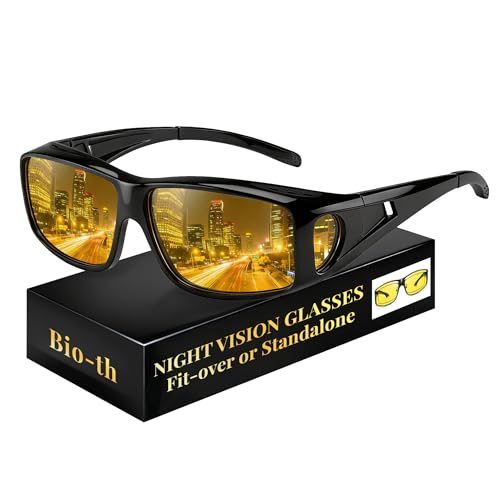
Bio-th
Night Vision Driving Glasses Men Women, HD…
- 【Soften Harsh Glare for Safer Night Driving】 Enhance your visual comfort during the evening commute. Our specialized night vision…
- 【Versatile "Fit-Over" Design】 Tired of switching between pairs? These night vision glasses are specifically contoured to fit comfo…
- 【HD Polarized Vision & Eye Defense】 Equipped with high-definition polarized lenses, these night driving glasses for men and women…
As an Amazon Associate I earn from qualifying purchases.
Think about it. You might see a stray animal. Or maybe a pothole that wasn’t there before. Perhaps a vehicle without its own lights. Your headlights are your eyes. They need to be sharp and clear.
Why Standard Headlights Might Not Be Enough
Many cars come with standard Halogen bulbs. These have been around for ages. They work fine for basic needs. But on busy Indian roads, they often fall short. They might not be bright enough. Or their beam might not spread well.
This is especially true if your current bulbs are old. Over time, their brightness fades. You might not even notice it at first. It’s a slow change. But then, one night, you realize you’re squinting more. You feel less confident driving.
The Impact of Indian Road Conditions
India has unique driving challenges. Dust is a big one. It can coat your headlight lenses. This blocks light. Rain can make visibility terrible. Fog can roll in, making it hard to see even a few feet ahead. Poorly lit rural roads are also common.
Your headlights need to cut through this. A weak beam gets lost in the dust. A narrow beam doesn’t help with side visibility. We need lights that are strong and spread out well. They must also handle different weather.
Types of Car Headlight Bulbs Explained
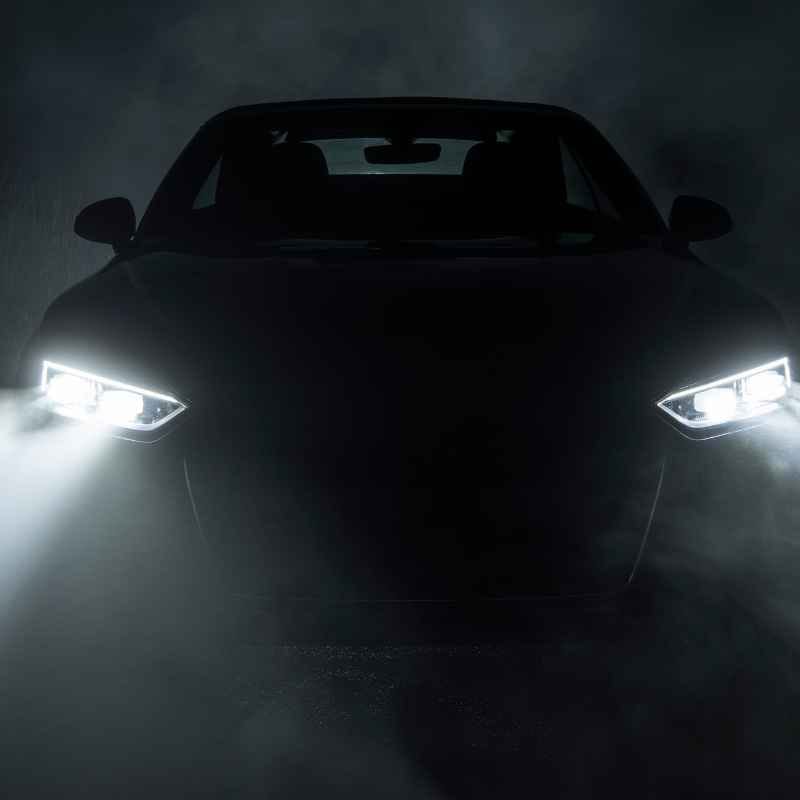
When looking to upgrade, you’ll see a few main types of bulbs. Each has its pros and cons for night driving in India. Understanding these helps you make a smart choice. It’s not just about brightness. It’s about how the light works.
Headlight Bulb Types at a Glance
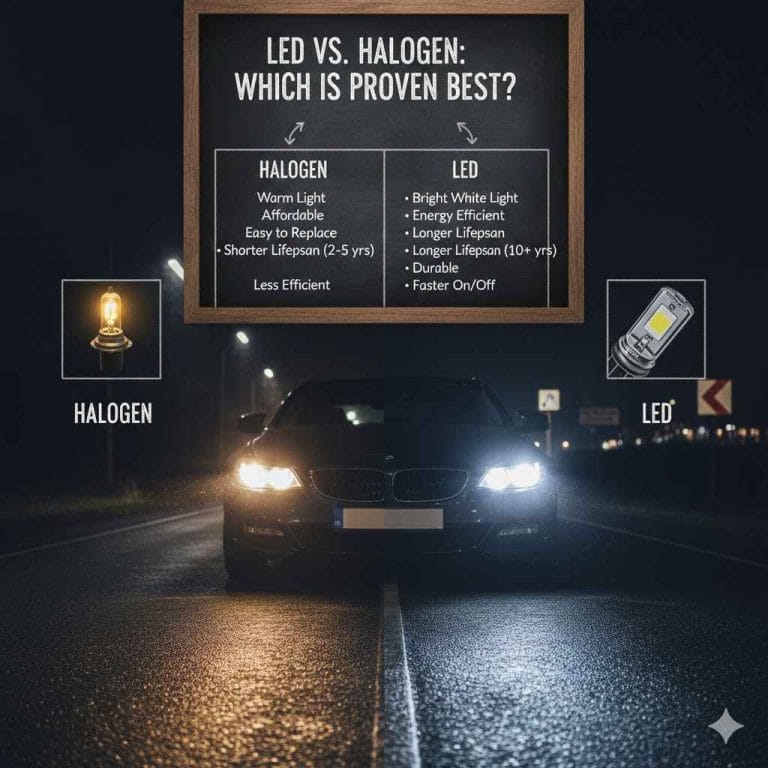
- Halogen: The standard. Good for basics. Less bright. Shorter life.
- LED: Very bright. Long-lasting. Efficient. Good beam control.
- HID (Xenon): Very bright. Natural daylight color. Needs a ballast.
Halogen Headlights: The Standard
Halogen bulbs are what most cars come with. They use a filament inside a glass bulb. An electric current heats the filament. This makes light. They are affordable and widely available.
However, Halogen lights are not the brightest. They also use more energy. Their lifespan is shorter than other types. For serious night driving, especially on challenging Indian roads, they often aren’t enough. The light they produce is also a bit yellow. This can reduce visibility in fog or rain.
LED Headlights: The Modern Choice
LED stands for Light Emitting Diode. These bulbs are small and very efficient. They use much less power than Halogens. They also last much longer, often for years. Many car owners find they don’t need to replace them often.
LEDs produce a brighter, whiter light. This is great for seeing details on the road. They also have a more focused beam. This means less light is wasted. It also means less glare for oncoming drivers. For night driving in India, LEDs are a popular upgrade. They offer clear visibility without blinding others.
LED Benefits for Night Driving
Brighter Light: See further and clearer.
Better Visibility: Whiter light helps spot details.
Longer Life: Less worry about frequent replacements.
Energy Efficient: Uses less power.
Instant On: Full brightness immediately.
HID (Xenon) Headlights: Powerful Output
HID bulbs, also known as Xenon, are very powerful. They produce a brilliant, bright light. This light often looks like natural daylight. It can be very good for seeing details and colors on the road. They also use less power than Halogens.
However, HIDs need a ballast. This is an extra piece of equipment. It helps start the bulb and regulate power. HIDs can also be more expensive. They can also cause more glare if not properly aimed. They take a moment to reach full brightness. This is called warm-up time.
Key Features to Look For in Car Headlights
Choosing the best car headlights involves more than just picking a bulb type. Several features directly impact how well they perform on Indian roads. These features ensure safety and comfort during your night drives.
Brightness and Lumens
Brightness is measured in lumens. Higher lumens mean more light output. For night driving, you want good lumens. But more is not always better. Too much brightness can cause glare. This is bad for you and other drivers.
Aim for a balance. Around 2000-3000 lumens per bulb is often a good range. This provides enough light to see. It also keeps glare manageable. Always check the product details for lumen output.
Understanding Brightness Metrics
Watts (W): Measures power consumption. Not a direct measure of brightness.
Lumens (lm): Measures total light output. Higher is brighter.
Lux (lx): Measures light intensity at a specific point. More relevant for beam pattern.
Color Temperature (Kelvin)
Color temperature is measured in Kelvin (K). It tells you the color of the light. Halogen bulbs have a warmer, yellowish light (around 3000K). Brighter LEDs are often around 5000K to 6000K. This is a whiter, more natural daylight color.
For night driving in India, a color temperature between 4000K and 6000K is often best. This whiter light helps you see road markings and signs more clearly. It also improves contrast. Very high Kelvin (like 8000K+) can appear bluish. This can reduce visibility in rain or fog.
Beam Pattern and Cut-off Line
The beam pattern is how the light is shaped on the road. A good pattern has a clear cut-off line. This is the sharp line between the lit and dark areas. A good cut-off line prevents glare.
The beam should spread wide enough to see the sides of the road. It should also reach far enough ahead. For Indian roads, a pattern that covers more area is useful. This helps spot unexpected things off to the side. Poor beam patterns can cause dark spots or glare.
Beam Pattern Basics
Low Beam: For normal driving. Should illuminate the road ahead without blinding others.
High Beam: For open roads. Provides maximum distance and width. Use only when no other vehicles are present.
Cut-off Line: The sharp edge of the light pattern. Crucial for avoiding glare.
Durability and Water Resistance
Your headlights are exposed to the elements. Dust, rain, and vibrations are common. Look for bulbs with good durability. Many LEDs have robust casings. They are often rated for water resistance (IP ratings).
An IP rating of IP65 or higher is good. This means it’s protected against dust and water jets. This is very important for Indian conditions. It ensures your lights will last and perform well through different weather. It’s an investment in safety.
My Own Experience Upgrading Headlights
I remember one trip from Delhi to Jaipur. It was late at night. My old car’s headlights felt incredibly weak. I was driving on a highway. Suddenly, I saw a shape ahead. It was a fallen tree branch. It was right in my lane.
My reflexes kicked in. I swerved hard. My heart was pounding. I managed to avoid hitting it. But it was too close for comfort. That night, I knew I had to upgrade my headlights. The standard bulbs just weren’t cutting it. I felt vulnerable and a bit angry. I was paying good money for a car. It should have better safety features.
I started researching. I read about LEDs. I was a bit hesitant at first. Would they be too bright? Would they fit my car? But the idea of better visibility was appealing. I chose a set of reputable LED bulbs. The installation was fairly simple. The difference was amazing. The road ahead was so much clearer. I could see further. The beam was wider. I felt so much more confident. That one upgrade made a huge difference to my driving peace of mind.
Top Headlight Brands and Models for India
Choosing a good brand is important. Reputable brands focus on quality. They use better materials. They also test their products thoroughly. For the Indian market, several brands stand out. They offer reliable options for various car models.
Reputable Headlight Brands in India
Philips: Known for quality and performance. Offers various LED and Halogen options.
Osram: Another top German brand. Excellent range of automotive lighting solutions.
Hella: Offers high-quality lighting components and systems.
Autoguruji: Popular Indian brand for automotive accessories, including headlights.
Lumax: Well-known Indian manufacturer of automotive lighting.
Philips X-tremeVision LED
Philips is a trusted name. Their X-tremeVision LED series is a top choice. These bulbs offer enhanced brightness. They also provide a longer beam throw. This means you see more of the road ahead.
The light color is a crisp white. This improves contrast. It helps you spot details easily. They are designed for longevity and reliability. Many users report a significant improvement over standard Halogen bulbs.
Osram Night Breaker LED
Osram’s Night Breaker series is famous. Their LED versions are powerful. They provide up to 200% more brightness than Halogen. They also cast a beam up to 150 meters long.
This is excellent for country roads or highways. The light is cool white. This makes night driving feel less tiring. Osram bulbs are known for their quality and performance. They are a solid choice for any car owner serious about night visibility.
Hella LED High Performance
Hella offers high-performance LED headlights. They are engineered for optimal light distribution. This means a wide, even beam pattern. It provides excellent visibility on the sides too.
These are often premium options. They focus on durability and long life. If you drive frequently in challenging conditions, Hella is worth considering. Their quality ensures they stand up to the rigors of Indian roads.
Autoguruji & Lumax Options
For more budget-friendly options, brands like Autoguruji and Lumax are popular in India. They offer a range of LED bulbs that fit many Indian car models. These can provide a good upgrade from standard Halogens.
When choosing from these brands, check reviews carefully. Look for specifics on brightness, beam pattern, and durability. They can be a great way to improve your night driving experience without breaking the bank. Always ensure compatibility with your car.
Factors Affecting Headlight Performance in India
It’s not just the bulb itself. Many other things affect how well your headlights work. Especially on Indian roads, these factors are critical. Ignoring them means you might not get the full benefit of your upgrade.
Environmental Impacts on Headlights
Dust: Coats lenses, reduces light output.
Rain: Water spray can affect beam clarity.
Humidity: Can cause condensation inside older lights.
Temperature: Extreme heat can impact bulb lifespan.
Road Surface: Dark asphalt absorbs more light.
Headlight Lens Clarity
Over time, headlight lenses can become cloudy. This is called oxidation. Sunlight and weather damage the plastic. This makes the light dimmer. It also scatters the beam.
If your lenses are cloudy, cleaning them is essential. You can buy kits for this. Or a professional detailer can restore them. A clear lens is crucial for getting the most out of new bulbs. It’s like trying to see through a dirty window. Even the best bulbs can’t shine through a clouded lens.
Headlight Aiming and Alignment
Proper aiming is vital. If your headlights are aimed too low, you won’t see far enough. If they’re aimed too high, you’ll blind other drivers. This is a common issue.
Car manufacturers set a standard aim. But it can get knocked out of alignment. For instance, hitting a big pothole. Or if the rear suspension sags. It’s best to get your headlights checked and adjusted by a mechanic. They have the right tools. They ensure the beam hits the road correctly. This is crucial for safety and preventing glare.
When to Check Headlight Alignment
- After replacing headlights.
- If you notice glare or poor visibility.
- After hitting a large pothole or bump.
- If the car’s load changes significantly.
- Periodically during car servicing.
Electrical System Health
Your headlights get power from your car’s battery and alternator. If your electrical system isn’t working right, the lights might be dimmer. Or they might flicker.
A weak battery or a failing alternator can reduce voltage. This means less power to the bulbs. Even new, bright bulbs will perform poorly. If you’ve upgraded and don’t see a big difference, check your car’s electrical system. A mechanic can test this for you. It’s a basic but important check.
When is it Time to Upgrade Your Car Headlights?
Not sure if you need new headlights? There are signs. They are usually subtle at first. But they become more obvious with time. Paying attention to these can prevent a dangerous situation.
Signs You Need Better Headlights
Reduced Visibility: You can’t see as far as before.
Yellowish Light: Standard Halogen bulbs aging.
Frequent Bulb Failures: Could indicate electrical issues or poor quality bulbs.
Cloudy Lenses: Light output is significantly blocked.
Poor Performance in Rain/Fog: Existing lights are not cutting through weather.
Feeling Unsafe at Night: General lack of confidence when driving after dark.
When You Can’t See Far Enough
This is the most common reason. You drive down a dark road. You feel like you can’t see far enough ahead. Objects appear suddenly. You’re constantly braking harder. Your current headlights just aren’t illuminating the path adequately.
This is especially noticeable on highways. Or on winding rural roads. If you find yourself constantly relying on high beams, but even those aren’t enough, it’s time for an upgrade. Better headlights extend your vision. They give you more time to react.
When Driving in Bad Weather
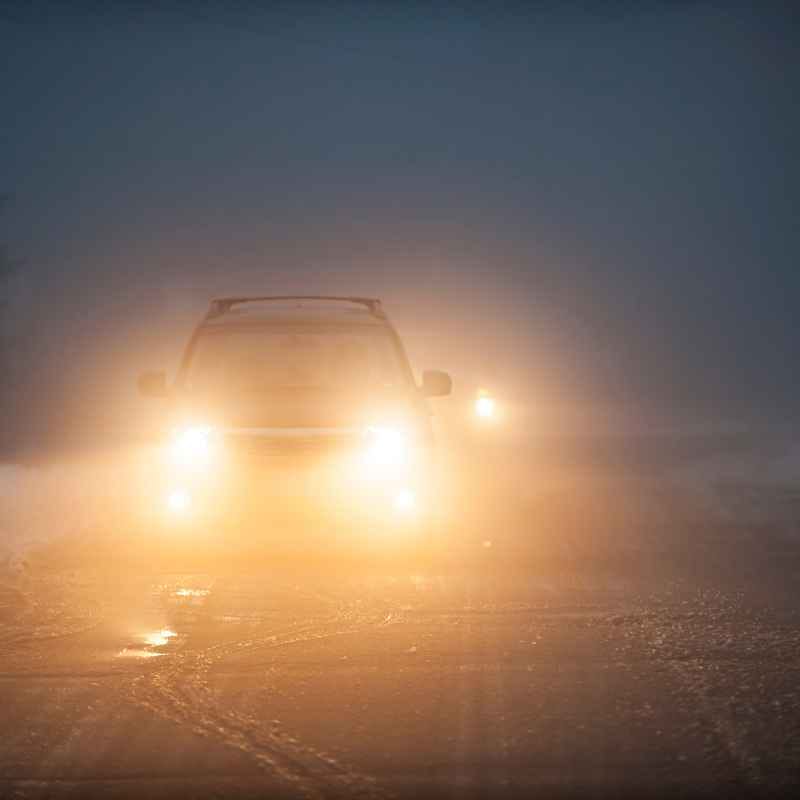
Monsoon season in India brings heavy rain. Fog can appear unexpectedly, especially in North India during winter. If your headlights offer little help in these conditions, they are not performing well enough.
Certain types of light, like whiter LEDs, can cut through fog better. They reflect less off water droplets. Yellowish light from old Halogens can actually make fog worse. Upgrading to brighter, whiter lights with a good beam pattern can make a huge difference. It makes driving in rain or fog much safer.
When You Notice Glare from Other Cars
It’s not just about your own visibility. It’s also about not bothering others. If oncoming drivers are frequently flashing their high beams at you, your headlights might be misaligned. Or they might be too powerful and unfocused.
A good headlight system has a proper cut-off line. This prevents light from scattering upwards. If you’re causing excessive glare, it’s not just annoying for others; it’s a safety hazard. This also means your light isn’t focused where you need it most – on the road.
Quick Tips for Better Night Driving Visibility
Beyond just upgrading bulbs, a few simple habits can boost your night driving safety. These are easy to adopt and make a real difference.
Night Driving Safety Checklist
Keep Windshield Clean: Remove smudges and dirt.
Adjust Your Mirrors: Reduce glare from following cars.
Use Low Beams Wisely: Switch to low beams when approaching others.
Avoid Staring: Don’t stare directly into oncoming headlights.
Rest Your Eyes: Take breaks if driving long distances.
Reduce Dashboard Lights: Dimming your dash can help eyes adjust.
Keep Your Windshield and Lights Clean
This sounds simple, but it’s critical. A dirty windshield reduces visibility. Smudges and road grime can scatter light. This makes it harder to see clearly. Make it a habit to clean your windshield regularly.
The same goes for your headlights. Dust and dirt build up quickly on Indian roads. Wipe them down with a clean cloth before long night drives. A clear path means clearer vision. This simple step can improve your existing headlights.
Use Your High Beams Correctly
High beams provide the best visibility. But you should only use them when no other cars are around. This means on empty highways or very dark rural roads.
As soon as you see headlights or taillights ahead, switch back to low beams. This prevents blinding other drivers. It shows courtesy and ensures everyone’s safety. Some modern cars have automatic high beams, which can be helpful.
Give Your Eyes Time to Adjust
Your eyes need time to adjust to the dark. When you first get into your car at night, give yourself a minute. Then, when you start driving, avoid looking directly into oncoming headlights.
Look slightly down and to the right. This helps you see the road ahead and the edge of the road. It also reduces the glare you experience. For long drives, take breaks to rest your eyes.
Frequently Asked Questions
Are LED headlights legal in India?
Yes, LED headlights are legal in India, provided they meet certain standards and are fitted correctly. The main concern is ensuring they don’t cause excessive glare to other drivers. If they are designed for your specific car model and correctly aligned, they are generally acceptable.
Are LED headlights legal in India?
Yes, LED headlights are legal in India, provided they meet certain standards and are fitted correctly. The main concern is ensuring they don’t cause excessive glare to other drivers. If they are designed for your specific car model and correctly aligned, they are generally acceptable.
Can I put HID lights in a car that has Halogen bulbs?
Yes, you can often convert Halogen headlights to HID. However, it requires more than just swapping the bulbs. You’ll need to install HID ballasts and possibly new wiring harnesses. Proper installation and aiming are critical to avoid glare and ensure safety.
Can I put HID lights in a car that has Halogen bulbs?
Yes, you can often convert Halogen headlights to HID. However, it requires more than just swapping the bulbs. You’ll need to install HID ballasts and possibly new wiring harnesses. Proper installation and aiming are critical to avoid glare and ensure safety.
How do I know if my headlights are too bright?
If oncoming drivers frequently flash their high beams at you, your headlights are likely too bright or misaligned. You can also check the beam pattern against a wall. There should be a clear, sharp cut-off line. If the light scatters upwards or is uneven, it might be too bright or poorly aimed.
How do I know if my headlights are too bright?
If oncoming drivers frequently flash their high beams at you, your headlights are likely too bright or misaligned. You can also check the beam pattern against a wall. There should be a clear, sharp cut-off line. If the light scatters upwards or is uneven, it might be too bright or poorly aimed.
What color temperature is best for night driving in India?
For night driving in India, a color temperature between 4000K and 6000K is generally best. This provides a white or cool white light that improves contrast and helps you see road markings and signs more clearly. Avoid very high Kelvin temperatures (above 6500K) which can appear bluish and perform poorly in fog or rain.
What color temperature is best for night driving in India?
For night driving in India, a color temperature between 4000K and 6000K is generally best. This provides a white or cool white light that improves contrast and helps you see road markings and signs more clearly. Avoid very high Kelvin temperatures (above 6500K) which can appear bluish and perform poorly in fog or rain.
Should I clean my headlights regularly?
Yes, absolutely. Regular cleaning of your headlights is essential, especially on Indian roads where dust and dirt accumulate quickly. Use a soft cloth and mild soap or a dedicated headlight cleaner. Clean lenses ensure maximum light output and clear visibility.
Should I clean my headlights regularly?
Yes, absolutely. Regular cleaning of your headlights is essential, especially on Indian roads where dust and dirt accumulate quickly. Use a soft cloth and mild soap or a dedicated headlight cleaner. Clean lenses ensure maximum light output and clear visibility.
What is the lifespan of LED headlights compared to Halogen?
LED headlights typically last much longer than Halogen bulbs. While Halogen bulbs might last around 500-1000 hours, LED bulbs can last 20,000-50,000 hours or even more. This means they are a more durable and long-term solution for your car.
What is the lifespan of LED headlights compared to Halogen?
LED headlights typically last much longer than Halogen bulbs. While Halogen bulbs might last around 500-1000 hours, LED bulbs can last 20,000-50,000 hours or even more. This means they are a more durable and long-term solution for your car.
Conclusion: Driving Safely Through the Night
Driving at night in India demands the best from your car. Especially your headlights. Choosing the right ones is an investment in your safety and peace of mind. LEDs offer a great balance of brightness, efficiency, and longevity.
Remember to consider lens clarity, proper aiming, and your car’s electrical health. These factors ensure you get the most out of any headlight upgrade. Stay safe out there, and enjoy clearer, more confident night drives.
See also best way to restore car headlights at home that works.
Related pick: Check today's price on Amazon