Can You Drive With The Light On In A Car? Find Out
This is about more than just convenience; it’s about understanding your vehicle and avoiding potential headaches down the road. We’ll break down exactly what happens when you turn on that interior light and whether it poses any real risk while you’re on the move.
You can typically drive with your car’s interior lights on without causing damage. However, it’s not ideal. The primary concern is battery drain, especially if the engine is off or running at a low idle. While modern car lights use very little power, prolonged use or a weak battery can lead to starting issues.
Understanding Your Car’s Interior Lights
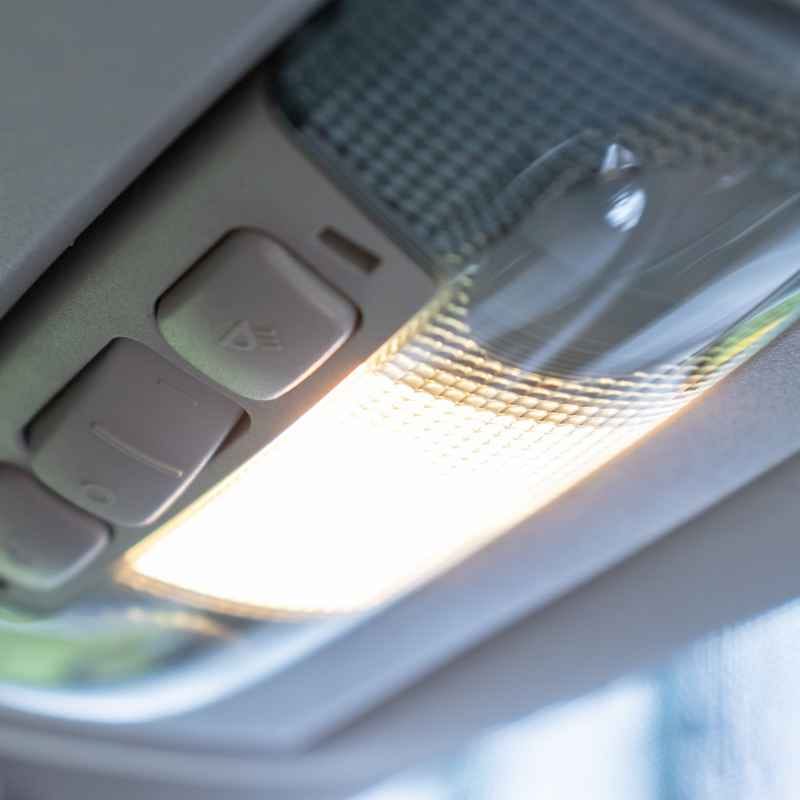
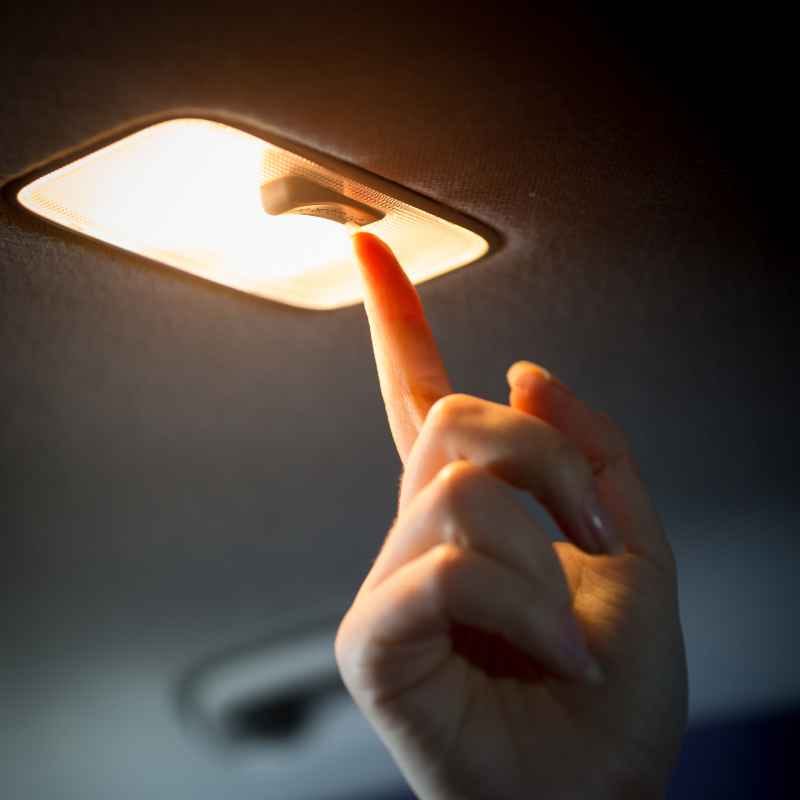
Car interior lights, often called dome lights or cabin lights, are usually small LED or incandescent bulbs. They are designed to give you a bit of light inside the car. This helps you see things like your dashboard, find dropped keys, or read a map when it’s dark outside.

Drive Medical
Drive Medical Blue Streak Lightweight Wheelchair, Footrests,…
- Enhanced Mobility Support: The Drive Medical Blue Streak Lightweight Wheelchair provides effortless independence with swing-away f…
- Comfort-Focused Design: Improve everyday comfort with this bold lightweight wheelchair, offering a supportive seat and flip-back d…
- Reliable Everyday Performance: Count on consistent support from this medical wheelchair, featuring a sturdy steel frame, low-maint…
As an Amazon Associate I earn from qualifying purchases.
These lights are powered by your car’s battery. The car’s electrical system is smart. It manages power to different parts.
When the engine is running, the alternator recharges the battery. It also provides power to the car’s systems. This includes the interior lights.
Most interior lights have a few settings. There’s usually an ‘on’ position. This keeps the light on all the time.
There’s also an ‘off’ position. And often, there’s a ‘door’ setting. This makes the light turn on only when you open a car door.
It turns off when the door closes.
The power draw from these small lights is quite low. This is especially true for modern LED lights. They use much less energy than older bulbs.
So, for a short time, they don’t take much from the battery.
The Real Risk: Battery Drain Explained
The biggest worry with leaving interior lights on is battery drain. Your car battery is like its energy reserve. It stores power to start the engine.
It also powers electronics when the engine is off. Things like the radio, alarm system, and interior lights all draw power from the battery.
When your car is running, the alternator is the main power source. It keeps the battery charged. It also runs all the car’s electrical parts.
In this state, running the dome light for a bit is usually not a problem. The alternator can easily keep up with the small power need.
The trouble starts when the engine is off. Or if it’s running at a very low idle. Then, the battery has to do all the work.
If you leave the interior lights on for a long time, they will slowly use up the battery’s stored energy. It’s like leaving a small appliance plugged in at home. It keeps drawing power.
A fully charged, healthy battery can handle this for a while. But if your battery is old or weak, it won’t last as long. You might find yourself with a dead battery.
This means the car won’t start. You’d then need a jump start. Or maybe even a new battery.
This is why many cars have timers. They automatically turn off interior lights after a set period. Even if you leave them switched to ‘on’.
This prevents accidental battery drain. It’s a smart feature built into most modern vehicles.
Quick Guide: Interior Light Settings
Door Setting: Light comes on when a door opens, turns off when closed. Best for most situations.
On Setting: Light stays on until manually turned off or battery protection kicks in. Use sparingly when engine is off.
Off Setting: Light stays completely off. Useful for saving battery or when you don’t need light.
When Can You Drive With Lights On?
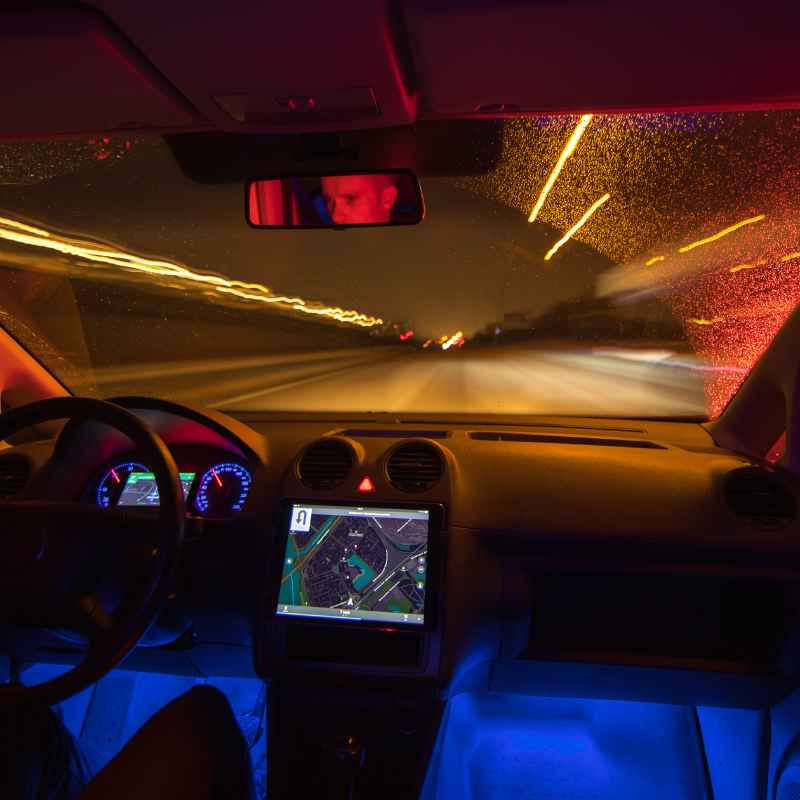
So, can you actually drive with the interior light on? The short answer is yes, you can. If you’ve accidentally left it on while driving, don’t panic.
The engine is running, and the alternator is working.
The alternator generates enough power to run the car’s systems. It also keeps the battery topped up. The extra small drain from the dome light is unlikely to cause any immediate issues.
Your car is designed to handle these small loads while the engine is on.
Think of it this way: your headlights, taillights, and dashboard lights are all drawing power too. The alternator manages all of these. The interior light is a tiny fraction of that total load.
So, if you’re driving and realize the dome light is on, just turn it off when you get a chance.
There are times when it might be helpful. If you’re driving in very low light conditions and need to quickly find something. Or perhaps check on a child in the back seat.
Turning on the interior light for a few moments is perfectly fine.
However, it’s still a good habit to turn it off. Especially if you’ll be stopped for any length of time with the engine off. Or if you’re just driving through a well-lit area.
It’s good practice to conserve your battery’s power. You never know when you might need that extra boost.
Personal Experience: The “Oh No!” Moment
I remember one particularly frantic evening. I was driving home late after a long day at work. It was raining, dark, and I was trying to find my phone that had slipped somewhere into the abyss of my car floor.
Without thinking, I flicked on the overhead dome light. The bright light flooded the car, and I could see the phone!
I grabbed it, relief washing over me. Then, as I put the car in park to check a message, I suddenly heard that little voice in my head again. “Did you turn off the dome light?” My heart sank.
I looked up. The light was still on. I was tired, I was stressed, and I was worried I’d just drained my battery.
I pictured myself stranded on the side of the road in the rain. It was a silly, but very real, moment of panic. I quickly hit the switch to turn it off.
Thankfully, the car started up fine the next morning. It was a good reminder to be more mindful.
When Not to Use Interior Lights
There are specific situations where you should absolutely avoid using your interior lights. The main scenario is when your engine is off. This is when the battery is solely responsible for powering everything.
Leaving the lights on here is a direct drain.
If you’re parked for an extended period. For example, if you’re waiting for someone, or taking a nap in the car. Don’t leave the interior lights on.
Even a few minutes can make a difference to an older battery.
Another time to be careful is if you know your battery is not in great shape. If it’s older than four or five years, or if you’ve had trouble starting the car recently, be extra cautious. A weak battery has less reserve power.
It can be drained much faster.
Also, consider the weather. In very cold climates, batteries are less efficient. They have to work harder to start the engine.
Leaving lights on in freezing temperatures can be riskier. It’s best to play it safe and conserve all available battery power.
Battery Health Matters
New Battery: Can handle interior lights for a longer time when engine is off.
Average Battery (2-3 years): Use caution. Limit light usage when engine is off.
Old Battery (4+ years): Avoid interior lights completely when engine is off. They can drain quickly.
Impact on Modern Cars
Modern cars are much more sophisticated than older models. They have advanced battery management systems. Many newer vehicles automatically shut off interior lights after a set time.
This is a standard feature to prevent battery drain.
Even if you forget, the car’s computer knows. It will turn off the lights for you after a few minutes. This is often linked to the ignition being off.
It’s a great safety net for forgetful drivers. Or for those who have a lot on their minds!
However, this doesn’t mean you should be careless. While the car has systems to help, they aren’t foolproof. And they can’t magically create power.
If your battery is already weak, even the car’s systems might struggle to keep it from draining too much.
Some luxury cars have even smarter systems. They can monitor battery voltage. They might adjust power usage.
Or even alert you if you’re draining too much power. But for the average car owner, the automatic shut-off is the main protective feature.
It’s still wise to get into the habit of checking. A quick glance at the dome light before you leave your car is a good move. It’s a small action that can save you a big hassle.
Real-World Scenarios
Let’s look at some everyday situations where interior lights come into play.
Scenario 1: Dropped Item
You’re driving, and your child drops a toy. It rolls under the seat. You quickly turn on the dome light to find it.
This is a common and safe use. The engine is running, so the alternator is supplying power. Once you find it, turn the light off.
Scenario 2: Late Night Arrival
You arrive home late. You need to unload groceries from the back seat. You turn on the interior light to see better.
You might leave it on for a few minutes. If your car has an automatic shut-off, it will likely turn off on its own. If not, remember to switch it off yourself before locking up.
Scenario 3: Waiting in the Car
You’re waiting for a friend. You decide to read a book. You turn on the interior light.
You’re sitting in the car with the engine off. This is where you need to be careful. A weak battery could be depleted quickly.
A strong battery might last an hour or more. But it’s still taking power.
Scenario 4: Roadside Stop
You pull over to check directions or make a call. You turn on the interior light. Again, if the engine is off, this is a power drain.
Limit your time. Or consider using a phone’s flashlight if the battery is a concern.
Light Usage vs. Battery Life
Short Use (while driving): Minimal impact. Alternator handles it.
Short Use (engine off, less than 5 min): Minor drain on a healthy battery.
Long Use (engine off, 15+ min): Significant drain, especially on older batteries.
Continuous Use (engine off, hours): Very likely to drain battery completely.
What This Means For You
For most drivers, the takeaway is simple: using your car’s interior lights while driving is generally safe. The car’s electrical system can easily handle the small power draw. It’s when the engine is off that you need to be mindful.
When it’s normal:
- Driving at night and needing to see something inside.
- Quickly finding dropped items.
- Checking on passengers briefly.
When to be cautious:
- When the engine is turned off.
- If you’re parked for an extended period.
- If your car battery is old or has shown signs of weakness.
- In extremely cold weather.
Simple checks you can do:
- Check your battery age. Most batteries last 3-5 years. If yours is older, be more careful.
- Listen for starting. If your car struggles to start, your battery might be weak.
- Observe light dimming. If your headlights dim when you use other electronics, it could be a battery or alternator issue.
The goal isn’t to ban interior lights. It’s to use them wisely. Think of them as tools.
Use them when you need them, but turn them off when you don’t. This simple habit can prolong your battery’s life.
Quick Tips for Smart Light Use
Here are some easy ways to manage your interior lights:
- Use the ‘door’ setting. This is the default for most cars. It’s automatic and only uses light when you need it.
- Turn it off before exiting. Make it a habit. Before you get out of the car, glance at the dome light. Make sure it’s off or on the door setting.
- Know your car’s features. Does your car have an automatic shut-off for interior lights? If so, you have an extra layer of protection.
- Consider LED bulbs. If you have older incandescent bulbs, upgrading to LEDs uses much less power. This is a great DIY upgrade.
- Keep your battery healthy. Regular checks and maintenance can ensure your battery is in good condition. This gives you more leeway with accessory use.
These are small steps, but they add up. They help keep your car running smoothly. And they prevent unexpected issues.
Frequent Questions About Driving With Lights On
Will driving with the interior light on drain my battery?
Only if the engine is off for an extended period or if your battery is weak. When the engine is running, the alternator powers the car’s systems, including the interior lights, and recharges the battery. So, while driving, it’s generally not an issue.
How long can I leave the interior light on with the engine off?
It depends on your battery’s age and condition, and the type of bulb (LED vs. incandescent). A healthy, new battery with LED lights might last many hours.
An older battery with incandescent bulbs could drain in under an hour. It’s best to limit usage to a few minutes.
What happens if I leave the interior light on all night?
If your car’s battery is healthy and the lights are LEDs, it might still start in the morning, but it’s risky. If the battery is older or the lights are old-style bulbs, you will likely wake up to a dead battery that won’t start the car.
Can interior lights cause my car to not start?
Yes, if they are left on for a long time with the engine off and drain the battery below the voltage needed to crank the engine. This is more likely with older batteries or when using older, higher-wattage incandescent bulbs.
Is it bad for the car’s electrical system to use the interior light while driving?
No, it’s not generally bad for the electrical system. The alternator provides ample power when the engine is running. The interior light uses a very small amount of that power.
It’s designed to be used.
Should I worry about the ‘door’ setting on my interior light?
No, the ‘door’ setting is perfectly fine. The light only comes on when a door is open and turns off automatically when the door is closed or after a short delay. This is the most efficient way to use your interior light.
Can I use my phone’s flashlight instead of the interior light?
Yes, using your phone’s flashlight is a good alternative if you’re concerned about battery life when the engine is off. Phone flashlights are designed for short, targeted use and generally draw minimal power from your phone’s battery.
Conclusion: Drive Smart, Save Power
Understanding how your car’s interior lights work is key. While driving with them on is usually fine, being mindful of battery usage when the engine is off is important. A little awareness goes a long way in preventing a dead battery.
So, use your lights when you need them, but remember to switch them off.
Related pick: Check today's price on Amazon
Products related to this article
Sponsored / affiliate links. As an Amazon Associate I earn from qualifying purchases. I may earn additional commission from eligible campaigns.